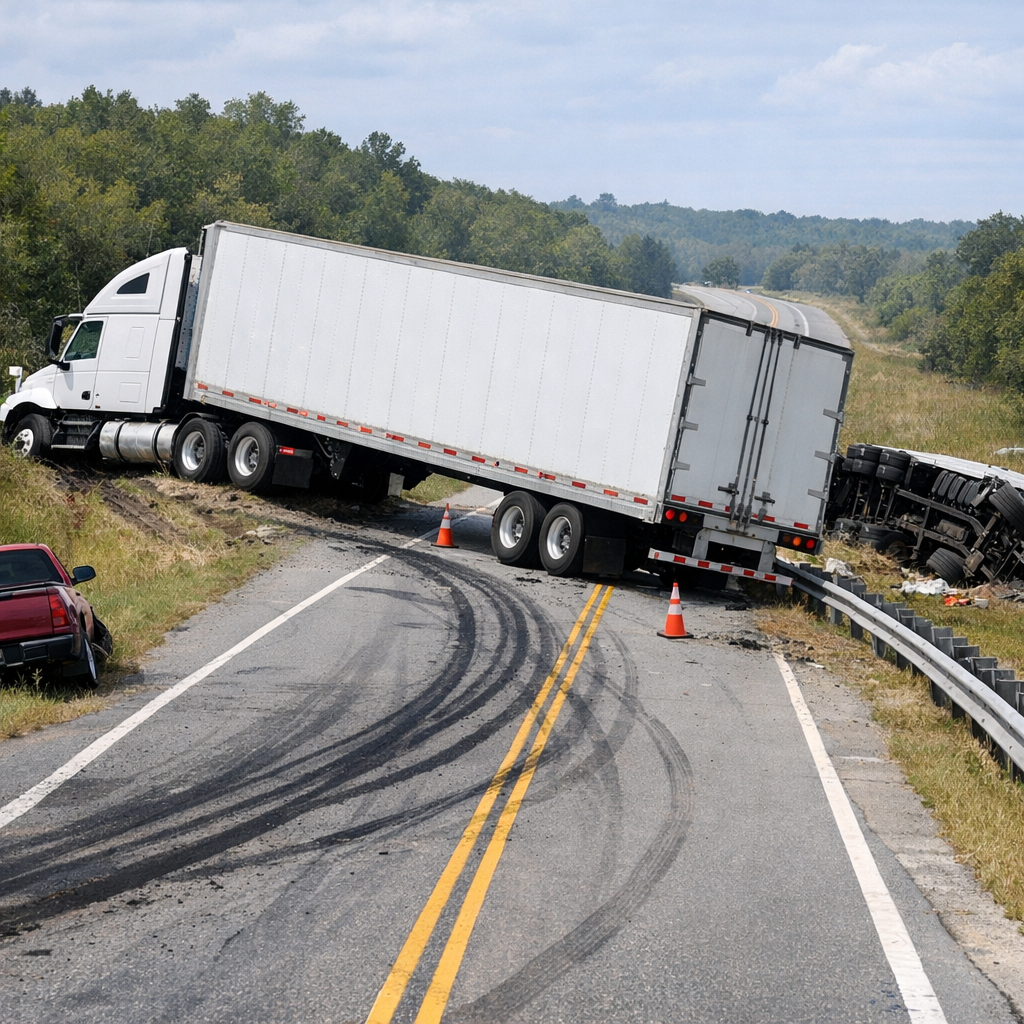

Chronic Pain Following Truck Crashes
Understanding the Outcome of Chronic Pain After Truck Crashes
Chronic pain following truck crashes refers to long-lasting discomfort and physical distress experienced by individuals involved in such accidents. Unlike acute pain, which typically resolves within weeks, chronic pain persists for months or even years after the initial injury. This outcome can develop due to various factors related to the severity and nature of injuries sustained during a truck crash. The impact forces in collisions involving large vehicles like trucks often result in significant trauma to bones, muscles, nerves, and soft tissues, which may contribute to ongoing pain conditions.
In many cases, chronic pain manifests not only at the site of injury but can also involve radiating or referred pain affecting other parts of the body. Neuropathic pain, resulting from nerve damage, may accompany musculoskeletal pain, complicating the overall condition. The persistence of pain well beyond normal healing times is a defining characteristic of chronic pain following truck crashes.
Impact on Daily Life Over Time
The presence of chronic pain after a truck crash can influence multiple aspects of an individual’s daily life. Initially, pain may limit physical activity, leading to reduced mobility and difficulty performing routine tasks. Over time, these restrictions might contribute to muscle weakness, joint stiffness, and decreased endurance. This can affect self-care activities, work performance, and participation in social events.
Sleep disturbances are commonly associated with chronic pain conditions. Difficulty falling asleep or frequent awakenings can exacerbate feelings of fatigue and reduce an individual’s overall ability to manage pain during the day. Concentration and cognitive functions might also be affected due to persistent discomfort and lack of rest.
Chronic pain may lead to emotional and psychological responses such as frustration, irritability, or a sense of helplessness, which can further influence daily well-being. Interactions with family, friends, and coworkers may be impacted by changes in mood or limitations in physical engagement. Over an extended period, these factors collectively contribute to a notable shift in lifestyle and quality of life.
Common Concerns Related to Chronic Pain After Truck Crashes
People experiencing chronic pain following a truck crash often have concerns regarding the persistence and severity of their symptoms. Questions frequently arise about the potential for pain to worsen or spread to other areas of the body. Some individuals may wonder about the underlying reasons for ongoing pain despite medical treatment and injury recovery.
Another common concern involves the ability to return to previous levels of activity, including work and recreational pursuits. The unpredictability of pain flare-ups and the variability in pain intensity can create uncertainty about long-term functional outcomes. The prospect of undergoing additional medical tests, treatments, or interventions may also be a source of anxiety.
Concerns about the social and psychological impacts of chronic pain are also prevalent. Individuals may worry about feelings of isolation, changes in personal relationships, or the effects on mental health. The invisible nature of some chronic pain conditions can lead to misunderstandings or lack of support from others.
Informational Perspective on Chronic Pain Post-Truck Crashes
Chronic pain following truck crashes is a recognized medical condition that reflects complex interactions between physical injury and ongoing nervous system responses. It is important to understand that chronic pain does not necessarily indicate ongoing tissue damage but may involve changes in the way the brain and spinal cord process pain signals.
Each person’s experience of chronic pain is unique, shaped by individual factors such as the nature of the injury, overall health, and access to healthcare resources. Medical assessments often include a review of injury history, physical examinations, and diagnostic tools to better understand the nature of the pain.
Various approaches are available for managing chronic pain in a clinical setting, focusing on improving function and quality of life. This may involve interdisciplinary teams and a combination of therapies tailored to each situation. Over time, many individuals find ways to adapt to the presence of chronic pain and make adjustments to maintain their daily activities.
Awareness and understanding of chronic pain following truck crashes contribute to a more informed perspective on this condition. Recognizing that chronic pain is a complex and multifaceted outcome helps frame expectations and supports ongoing communication between patients and healthcare providers.