Broken Bones from Big Rig Collisions
Understanding the Outcome of Broken Bones in Big Rig Collisions
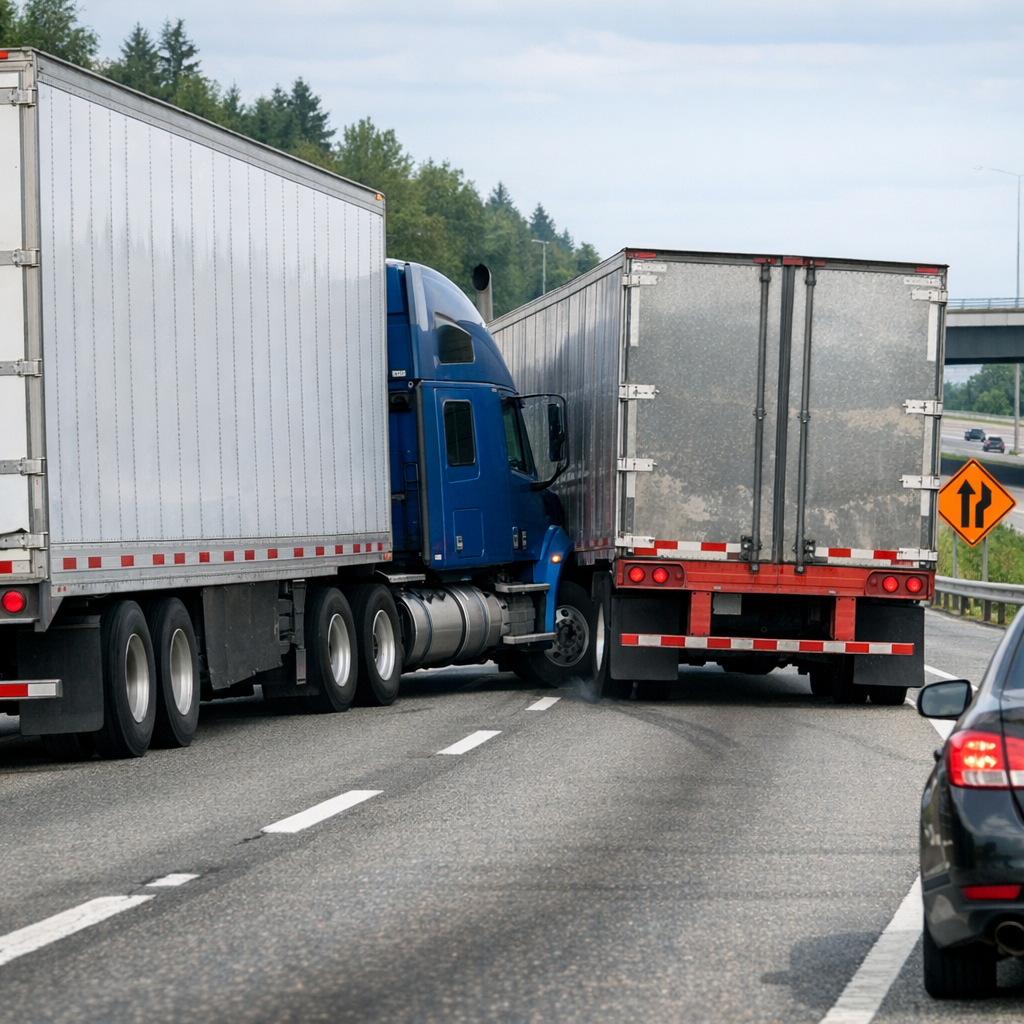
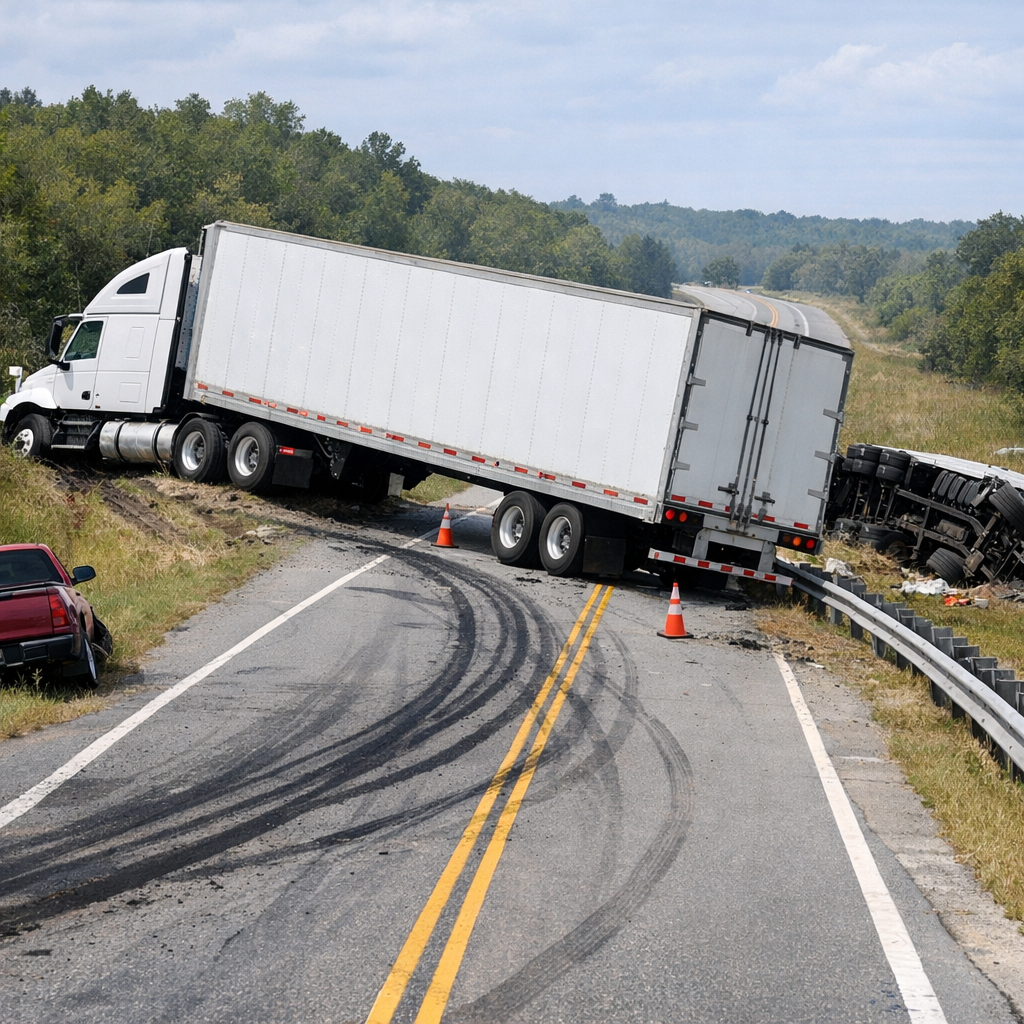
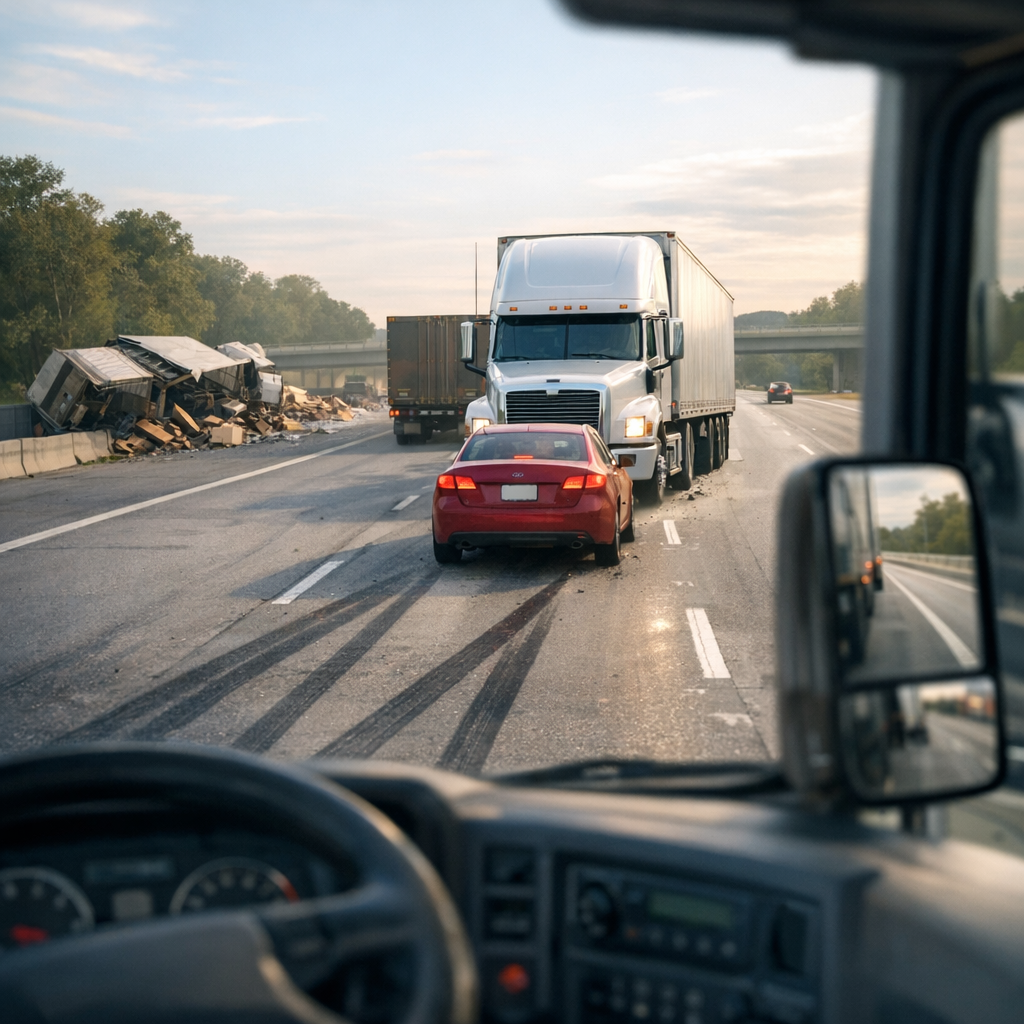
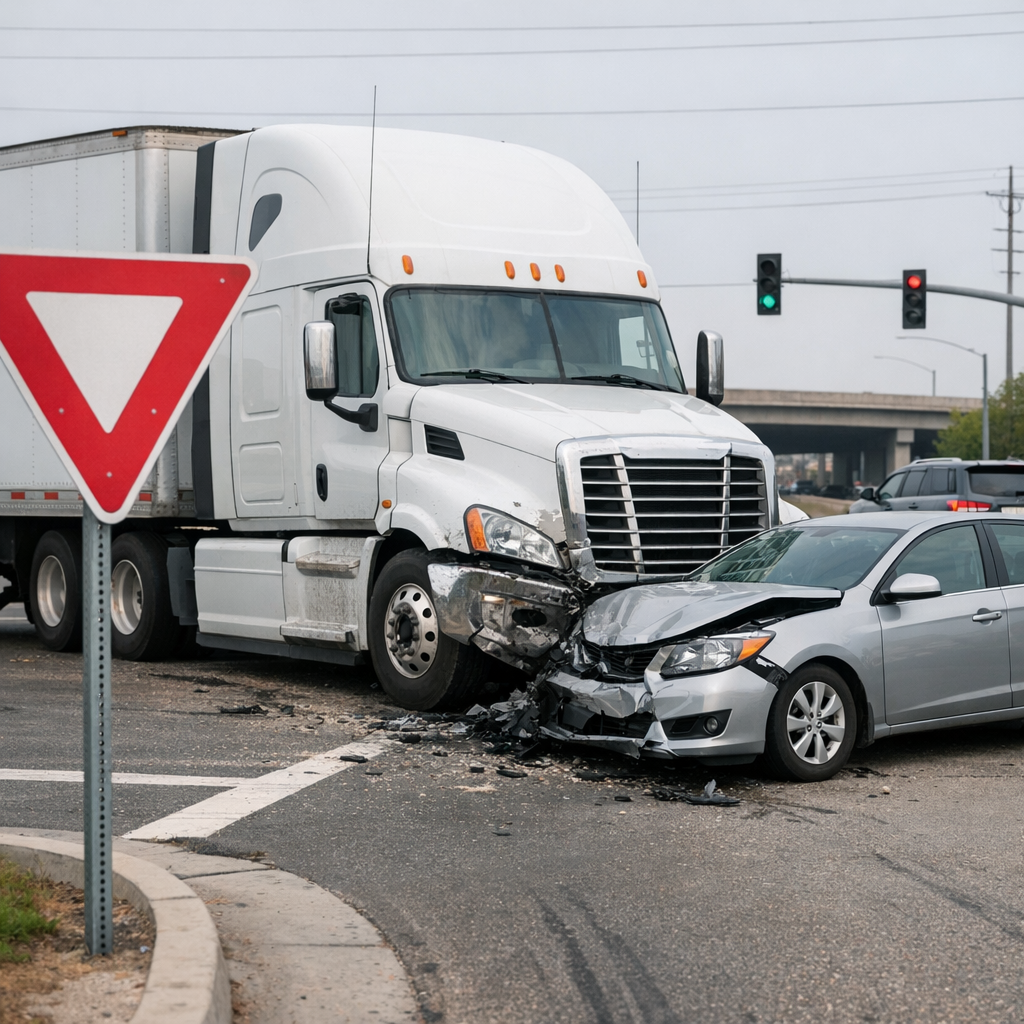
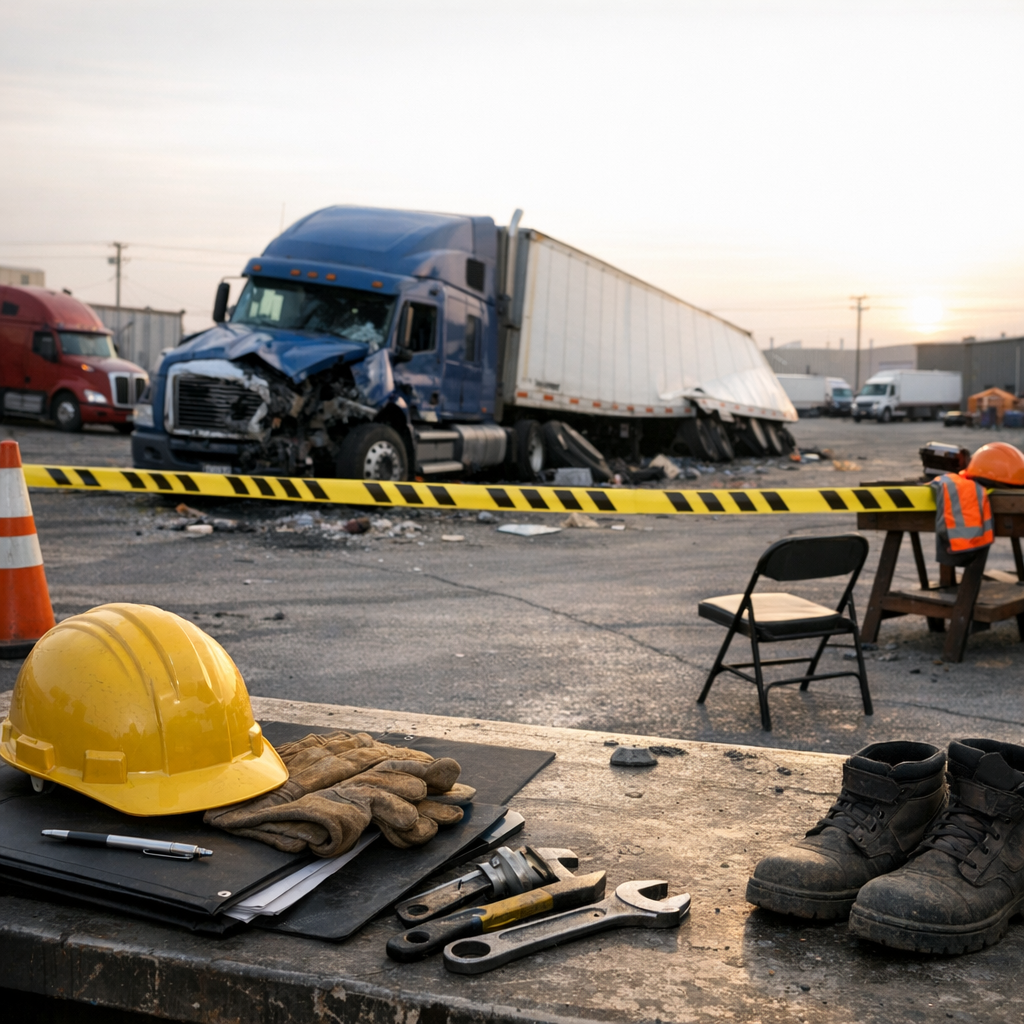
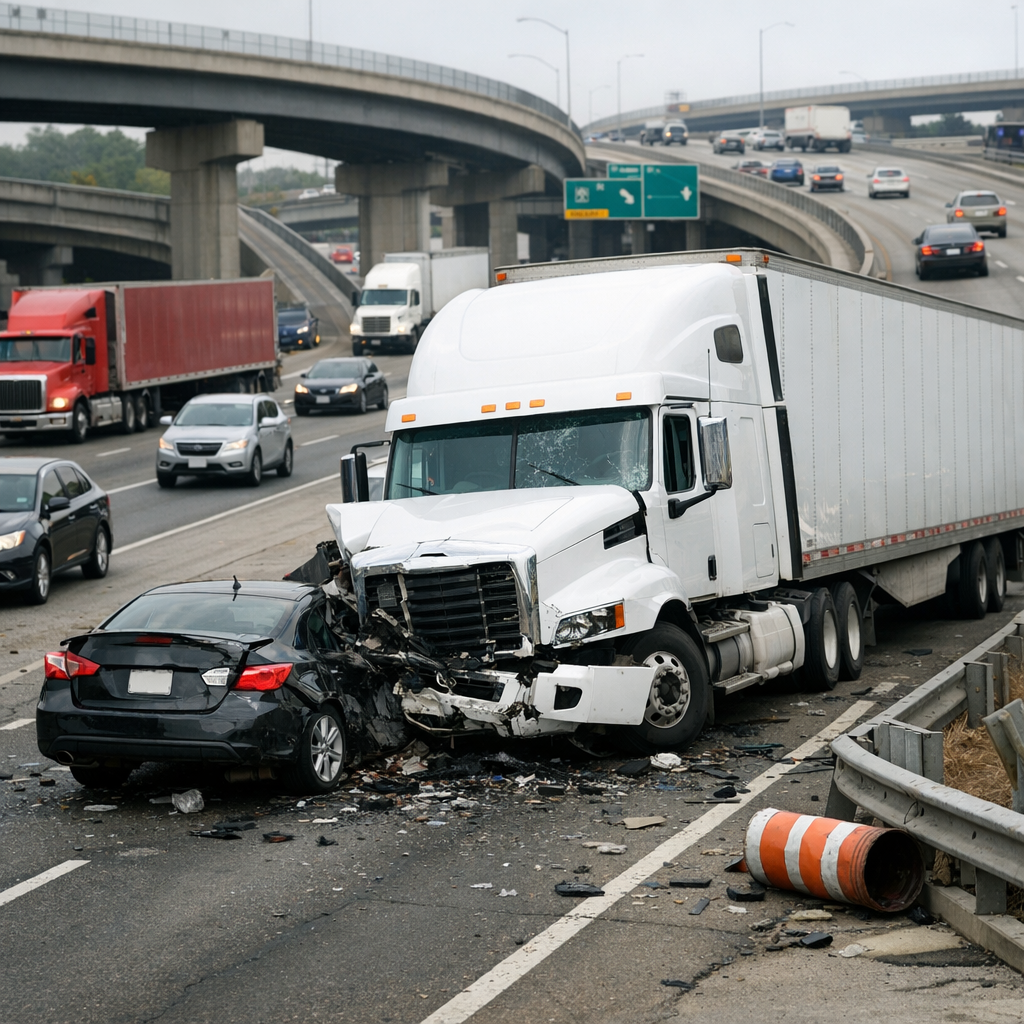
Collisions involving big rigs often result in severe physical injuries, with broken bones being among the most common. The sheer size and weight of these large trucks increase the force of impact, which contributes to the high incidence of fractures during accidents. When a person sustains broken bones in a big rig collision, the injuries can range from simple fractures to complex compound breaks involving multiple bones.
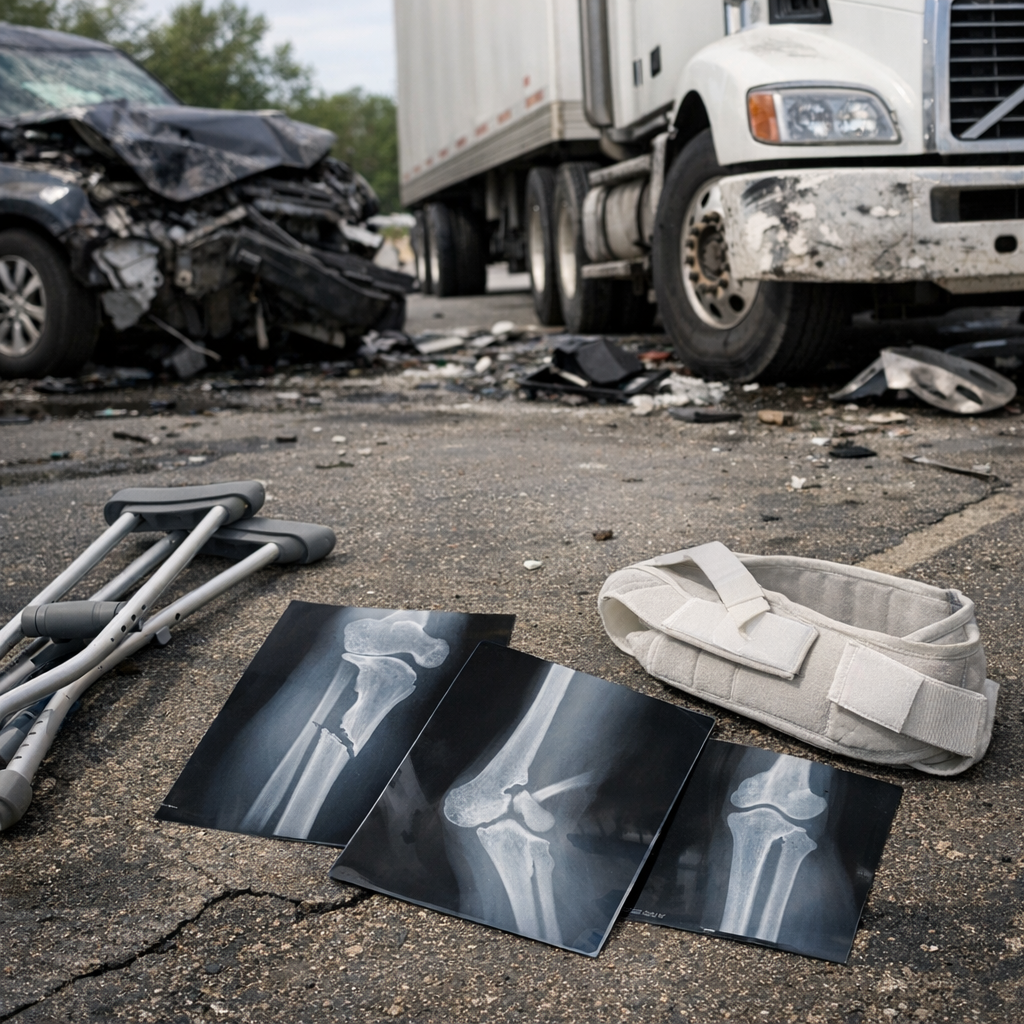
The immediate outcome of such injuries usually involves intense pain and limited mobility. Emergency medical attention is often necessary to assess the fractures and stabilize the patient. Treatment approaches can vary widely depending on the type and severity of the broken bones, ranging from immobilization with casts or splints to surgical interventions such as the insertion of metal rods, screws, or plates.
Fractures caused by these collisions often involve the limbs—arms and legs—as they are more exposed during the impact. However, injuries to ribs, pelvis, and even spinal vertebrae are not uncommon, each presenting its own set of challenges and complexities in healing.
Impact on Daily Life Over Time
The aftermath of broken bones from big rig collisions can extend far beyond the initial trauma and medical treatment. Recovery periods are often lengthy, sometimes spanning months or even longer, particularly when fractures are complex or involve joints.
Daily activities can be significantly disrupted during this time. Mobility may be reduced, requiring temporary use of assistive devices like crutches, wheelchairs, or walkers. Tasks that ordinarily involve fine motor skills, such as writing or cooking, might become difficult or impossible depending on which bones are affected.
Pain and discomfort, often associated with fractures and subsequent healing, can also influence day-to-day living. The healing process may involve swelling, stiffness, and muscle weakness in areas surrounding the break. These symptoms sometimes persist, leading to chronic issues that influence a person’s functional abilities.
Work and social interactions can also be affected. The need for ongoing medical appointments and physical therapy sessions frequently becomes part of the recovery routine. In some cases, returning to previous levels of physical activity or job performance might take considerable time or adjustments.
Common Concerns Related to Broken Bones from Big Rig Collisions
Several concerns commonly arise following broken bones sustained in big rig collisions. One of the primary worries is the possibility of complications during the healing process. Issues such as delayed bone healing, misalignment, or infections post-surgery can pose significant challenges. These complications may necessitate additional treatments or procedures.
Another frequent concern involves the potential for permanent impairments. Depending on the location and severity of the fracture, some individuals may experience long-term limitations in movement or strength. Fractures that involve joints can lead to arthritis or reduced range of motion in the affected areas.
Pain management also stands out as a critical issue. While pain is a natural part of the healing process, some individuals may experience prolonged or chronic pain that requires continued medical attention and intervention.
There is also concern surrounding the psychological impact of traumatic injuries like broken bones from big rig collisions. Factors such as prolonged recovery, altered lifestyle, and limitations in mobility can affect mental wellbeing. Though this aspect might not be immediately visible, it forms an important part of the overall outcome.
Informational Summary
Broken bones resulting from big rig collisions represent a significant physical injury with a variety of consequences. The initial outcome typically involves substantial pain and loss of function in the affected areas. Over time, individuals may face extended periods of limited mobility and pain while bones heal and strength is gradually restored.
The healing course may present complications and residual stiffness or weakness. Common concerns include challenges related to recovery, potential long-term impairments, and managing pain and psychological effects. Understanding the nature of these injuries contributes to a realistic view of the recovery process and its impact on daily life.
This information highlights the complexity of broken bone injuries in the context of big rig collisions and the diverse ways such injuries influence the experiences of those affected.