Big rig drifted onto the shoulder
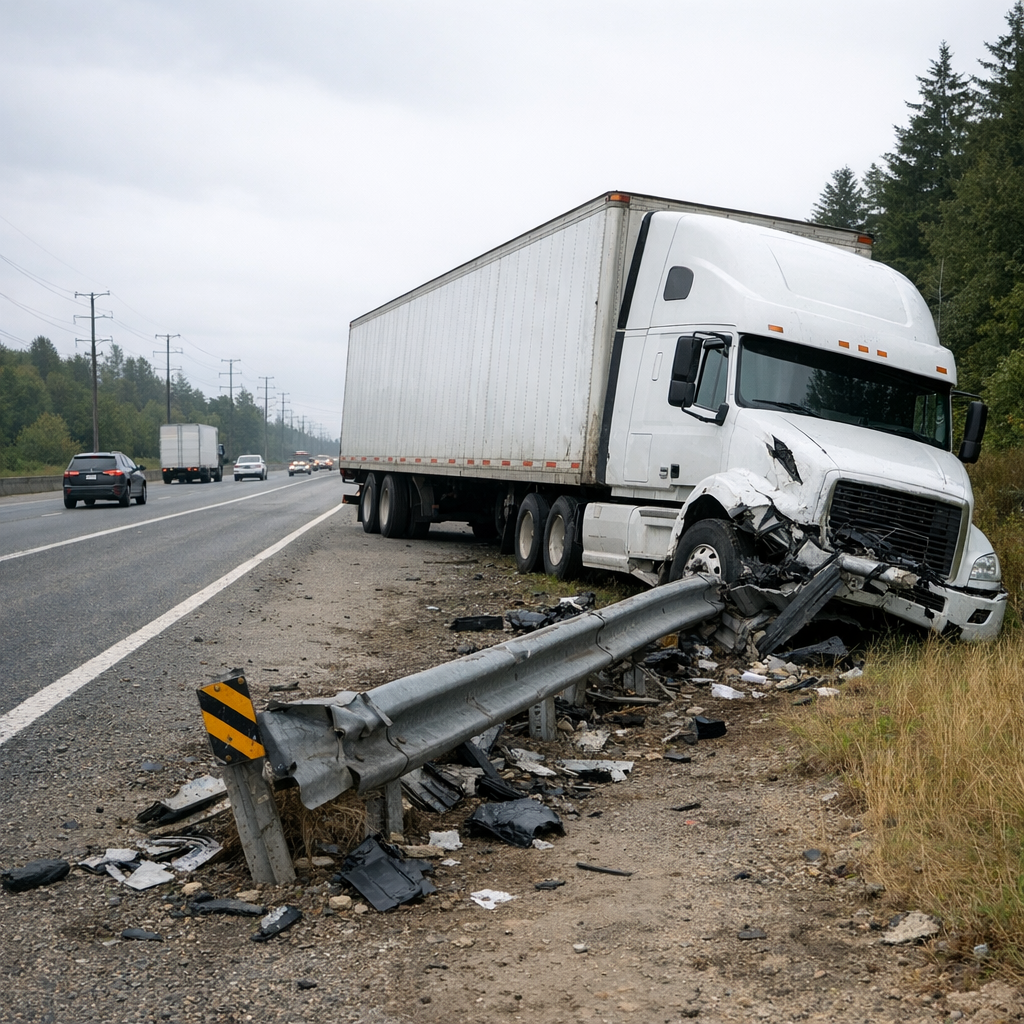
When a big rig drifts onto the shoulder of a highway or road, it often draws attention due to the vehicle’s size and potential impact on traffic safety. This scenario can occur for various reasons, including driver fatigue, mechanical issues, or road conditions. Understanding what unfolds during and after such an event helps clarify typical responses and consequences.
How a big rig usually drifts onto the shoulder
Factors contributing to shoulder drift
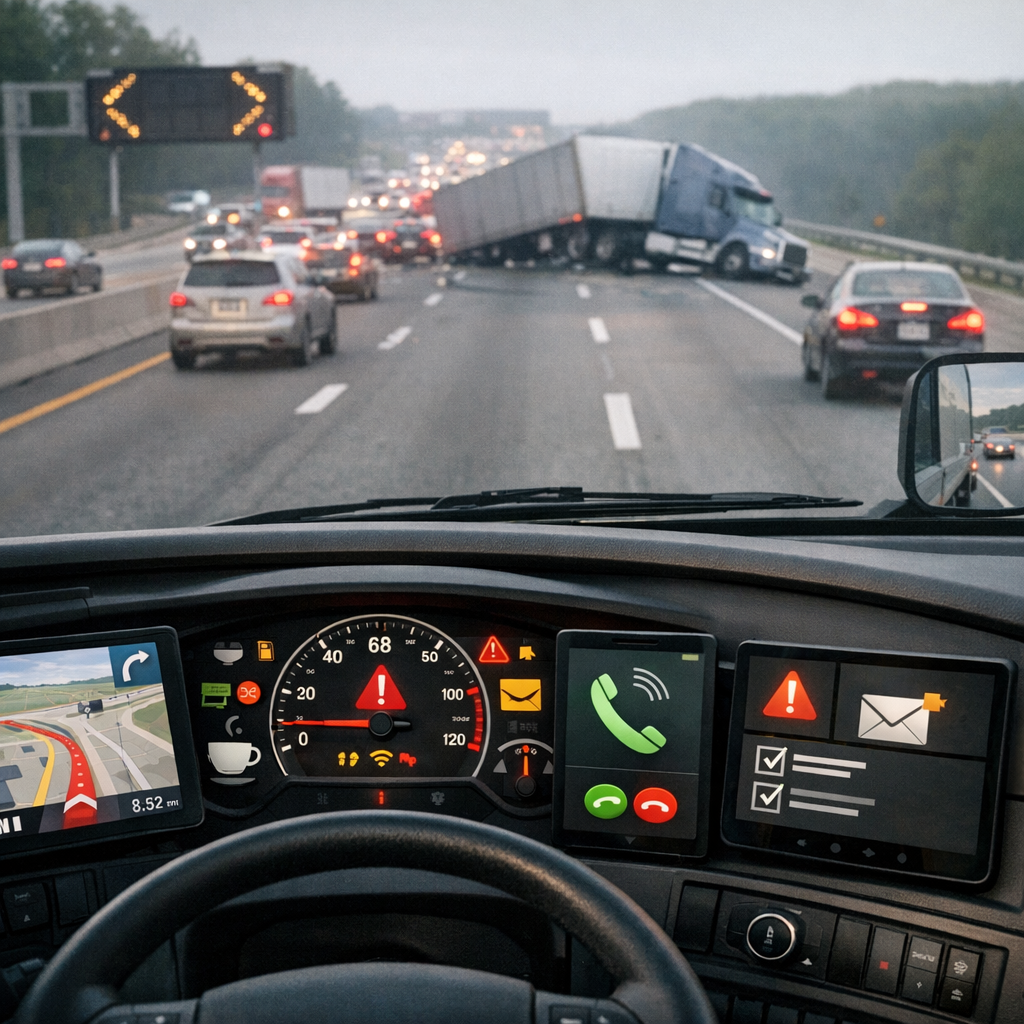
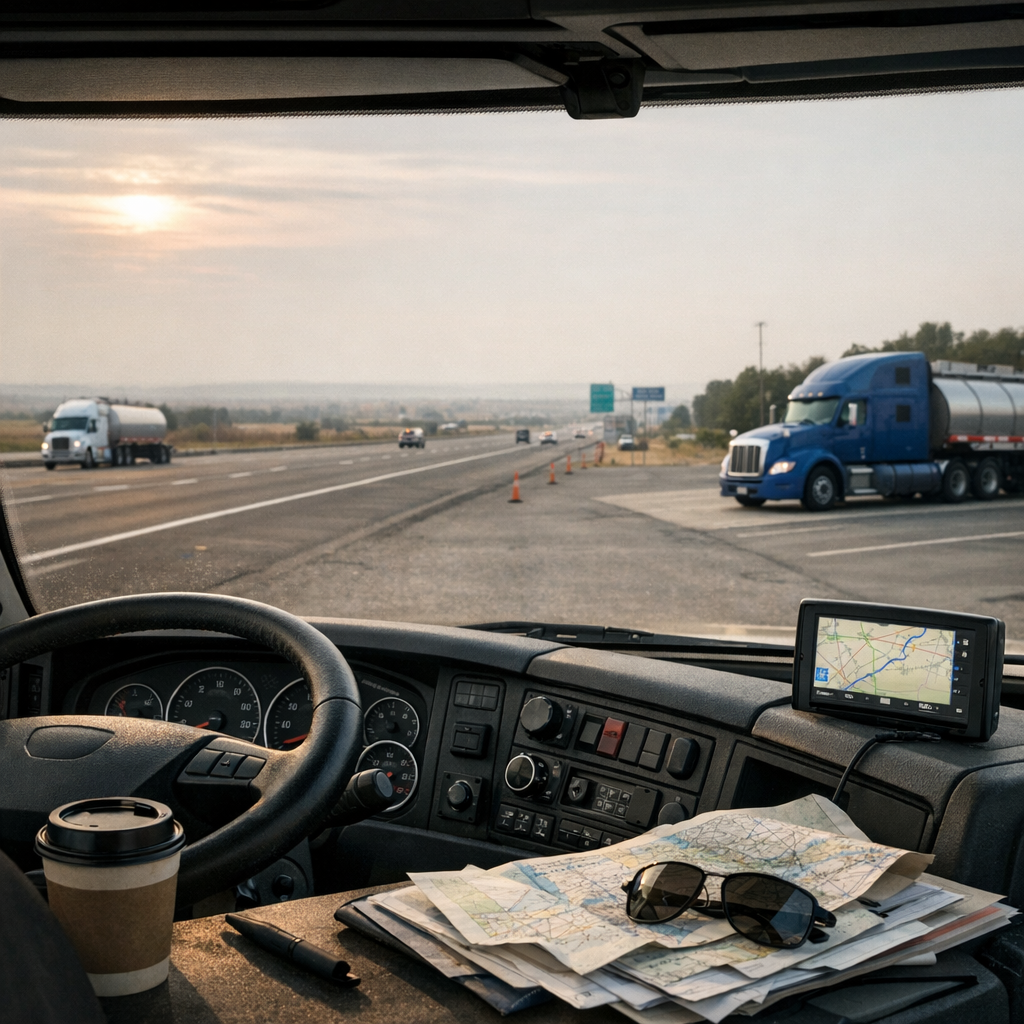
Several conditions can lead to a big rig leaving its travel lane and moving onto the shoulder. Fatigue or distraction on the driver’s part often plays a role, especially during long hauls with minimal rest. Similarly, strong crosswinds can push such a large vehicle sideways, making it more difficult to maintain steady lane position.
Mechanical problems like tire blowouts, steering failure, or brake malfunctions may suddenly impair control, causing the rig to veer off course. Poor visibility due to weather or nighttime driving can also limit the driver’s ability to maintain a safe trajectory within the lane.
Immediate effects on the vehicle and surroundings
When the rig starts drifting, its wide tires may make contact with the shoulder’s paved or unpaved surface. In some cases, this produces noticeable skidding sounds, vibrations, or sudden movements of the cab and trailer. Depending on the shoulder’s width and surface condition, the vehicle might sustain minor tire damage or even become stuck if the soil is soft.
The shoulder is generally designed to offer space for emergencies or disabled vehicles. Still, the uneven surface and proximity to ditches, guardrails, or slopes can complicate efforts to stay safely within that area.
Common outcomes after a big rig shoulder collision
Traffic slowdowns and congestion
A big rig partially or fully positioned on the shoulder often results in changes to traffic flow. Motorists may reduce speed to pass cautiously or shift lanes to provide extra clearance. In high-traffic areas or narrow roads, this can cause congestion or slowdowns until the rig moves back to the travel lane or leaves the roadway.
Vehicle inspection and recovery needs
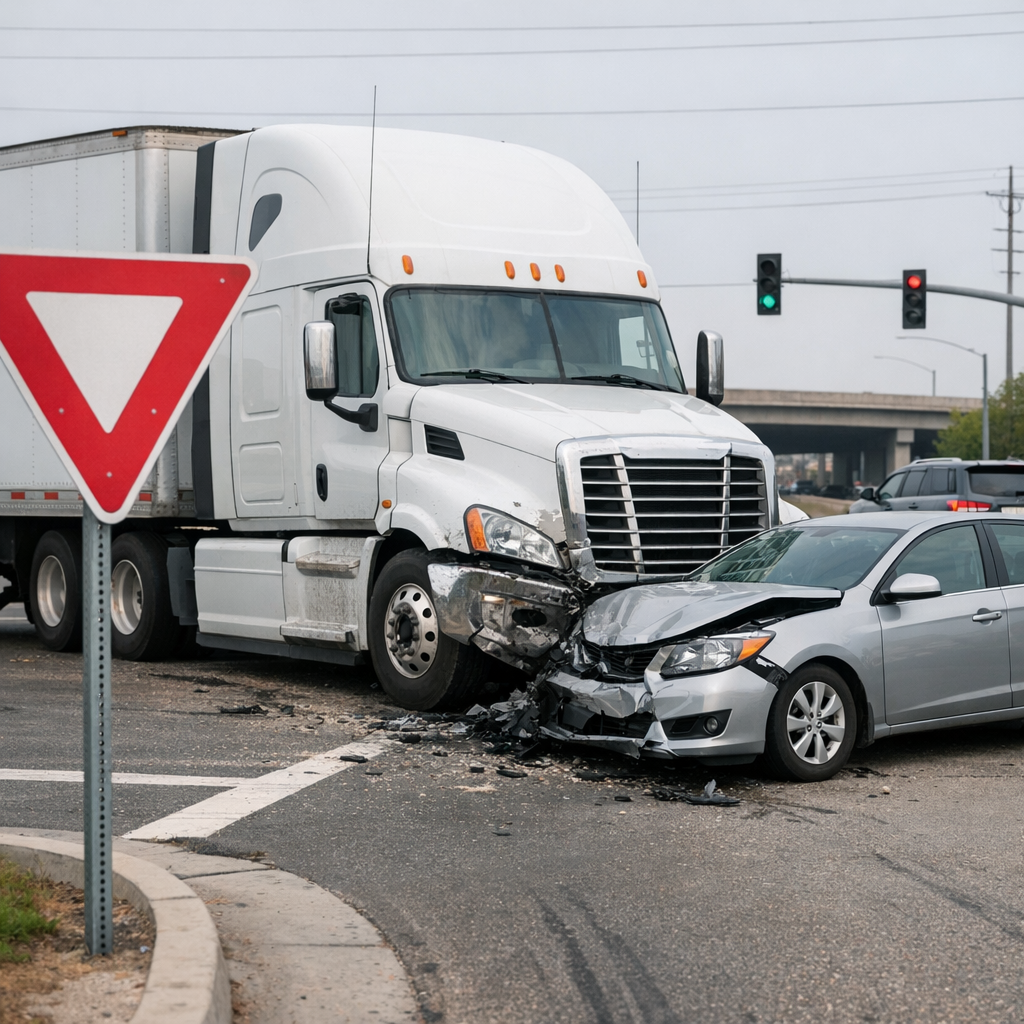
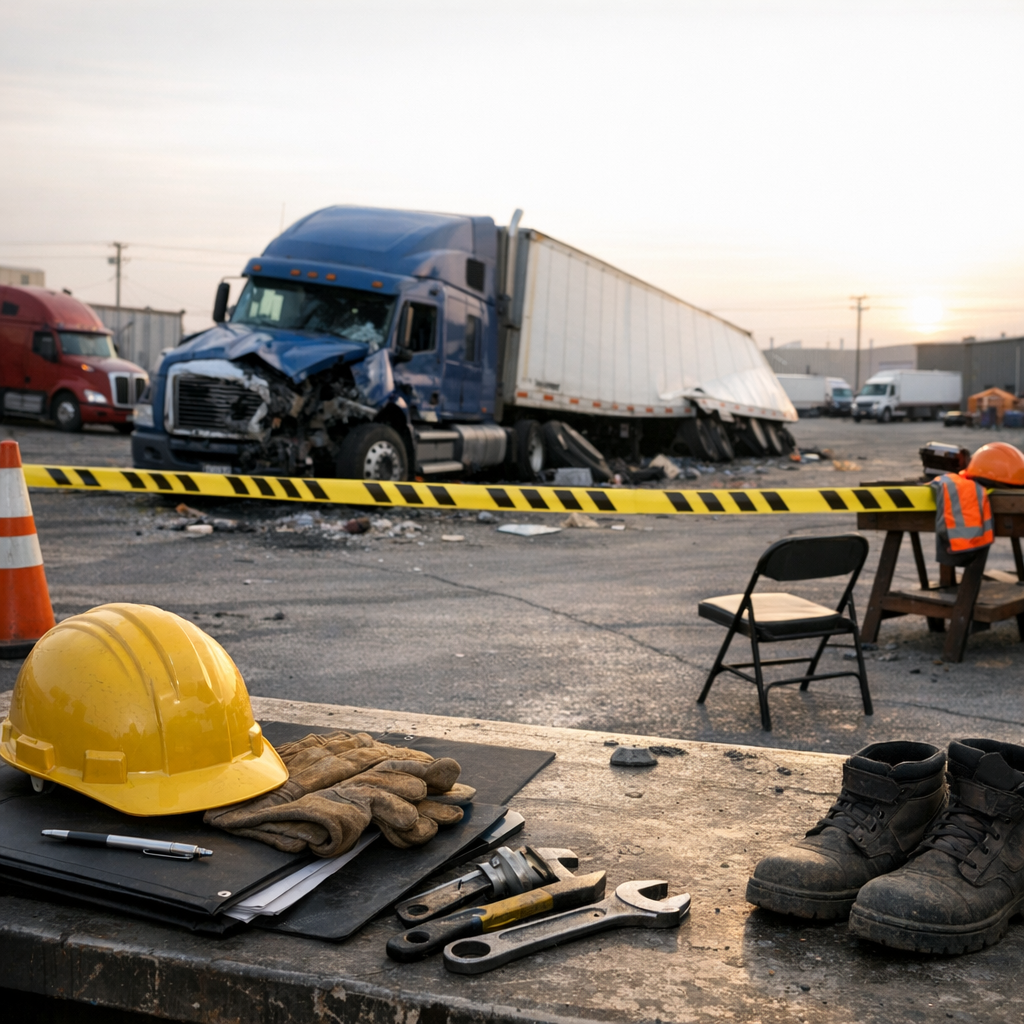
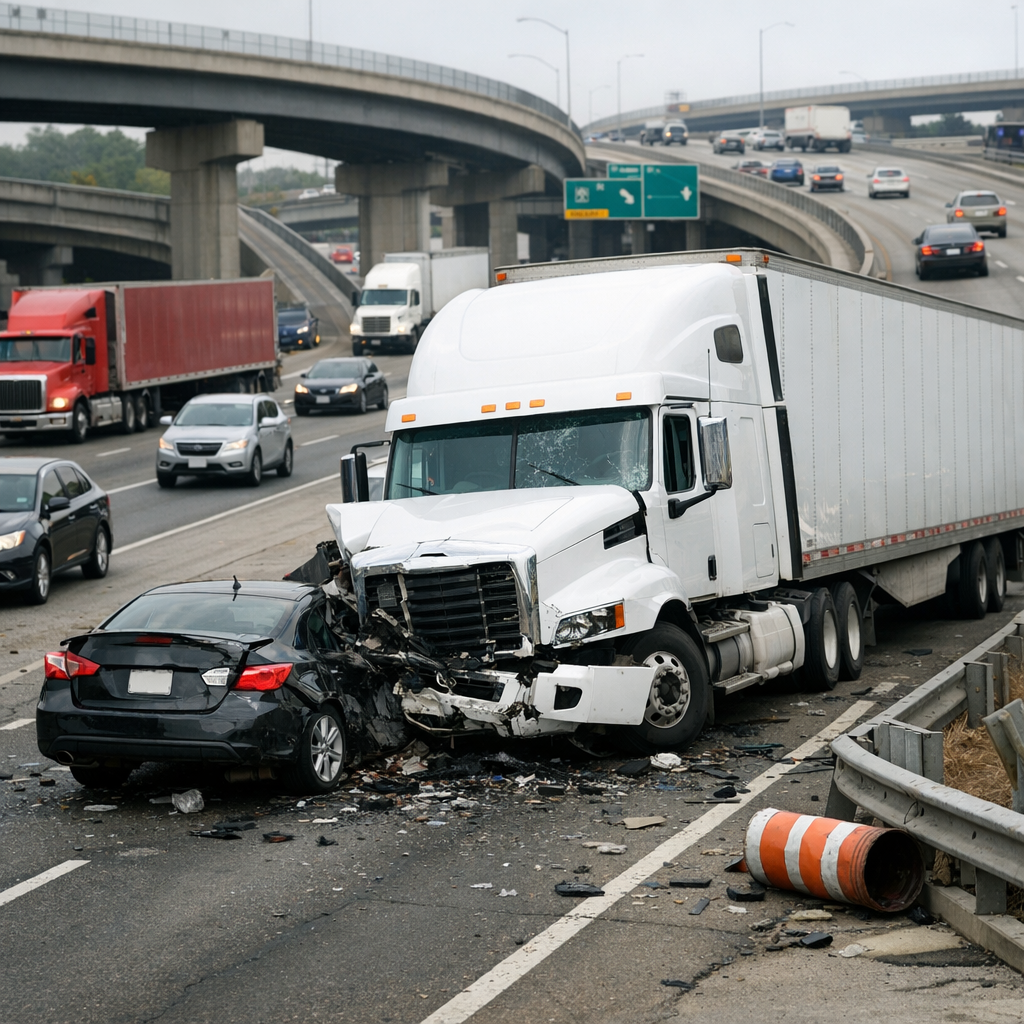
Once a big rig drifts onto the shoulder and causes a collision or near-collision event, it typically undergoes assessment for damage. Truck drivers and companies might arrange for inspection of tires, suspension, and structural components to confirm the vehicle’s safety for continued travel.
Tow trucks or specialized recovery vehicles are often needed if the rig becomes immobilized or unsafe to operate. Recovery teams work carefully due to the rig’s weight and size, often coordinating with traffic management to minimize disruptions.
Effects on the road shoulder and surrounding environment
Repeated shoulder incursions by large trucks can damage pavement edges, leading to cracks or breaks that require repair. When the shoulder has gravel or dirt, the rig’s weight may cause ruts or soil displacement, creating maintenance challenges.
Nearby vegetation can suffer damage if the vehicle ventures off the shoulder completely. In some cases, runoff patterns may change if soil compaction or erosion occurs near drainage areas along the road.
Questions commonly asked after big rig shoulder incidents
What can cause a big rig to lose control?
While many factors can contribute, driver fatigue and mechanical failures are among the most frequent. Environmental influences like wind and road conditions further increase risk, especially when combined with human or vehicle limitations.
How is safety maintained during these events?
Traffic officers or highway responders may arrive to direct traffic, assist with vehicle recovery, and ensure the shoulder is cleared. Roadway markings and signs also guide drivers to accommodate the big rig’s position safely.
Are shoulder collisions usually severe?
The severity varies widely based on speed, road conditions, and whether other vehicles are involved. In many instances, drifting onto the shoulder does not result in major accidents but does present safety considerations requiring prompt attention.
Understanding big rig shoulder incidents in context
Incidents where a big rig drifts onto the shoulder highlight the complex interaction between vehicle dynamics, driver behavior, and road infrastructure. These events often unfold quickly but can be managed effectively through appropriate vehicle maintenance, attentive driving, and well-maintained road shoulders.
Recognizing how such situations develop and their typical consequences helps promote safer travel for all highway users while reducing the risk of disruptions or damage associated with big rig shoulder collisions.