Big rig collision in stop-and-go traffic
Big rig collisions in stop-and-go traffic are unfortunately not uncommon on busy highways and urban roadways. The nature of slow-moving or halted traffic creates a higher risk environment for rear-end crashes involving large commercial trucks. Understanding what typically occurs in these situations can offer insight into their causes and consequences.
How a big rig stop-go crash usually unfolds
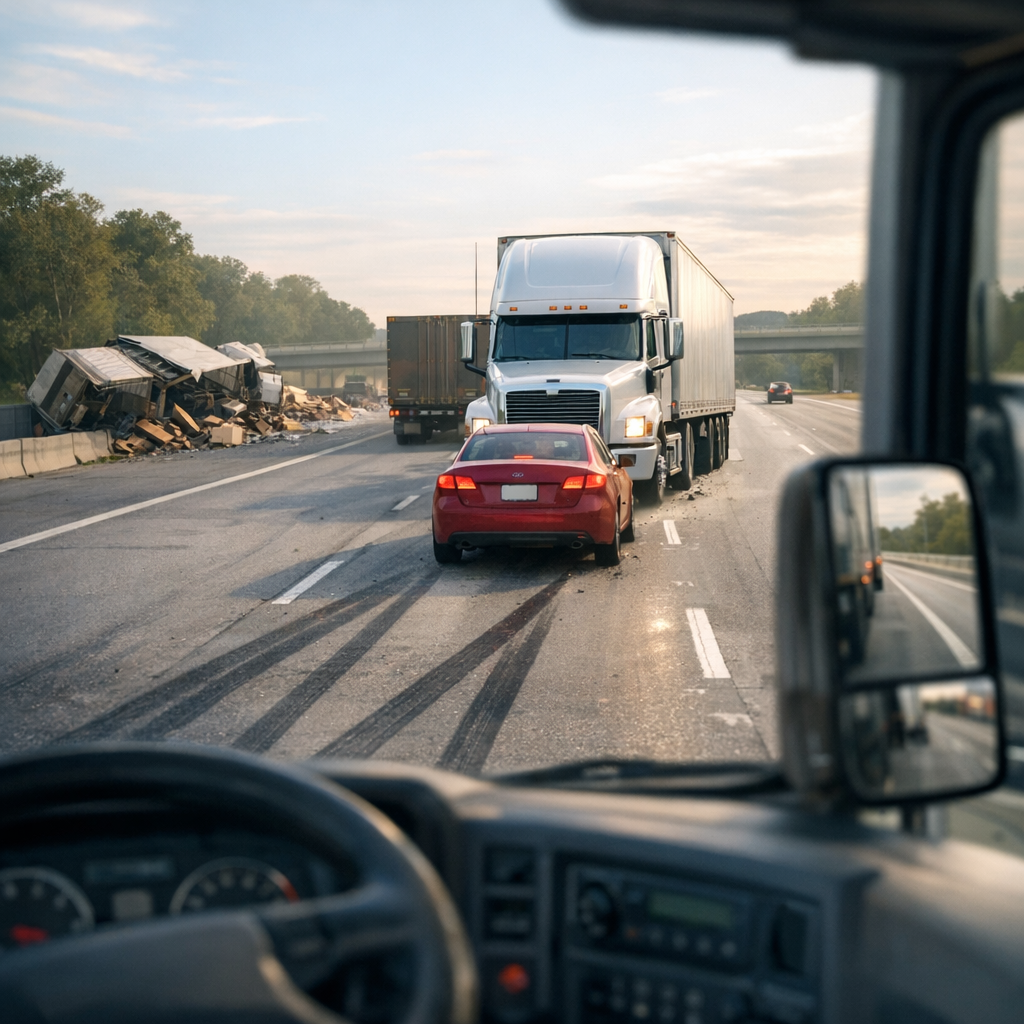
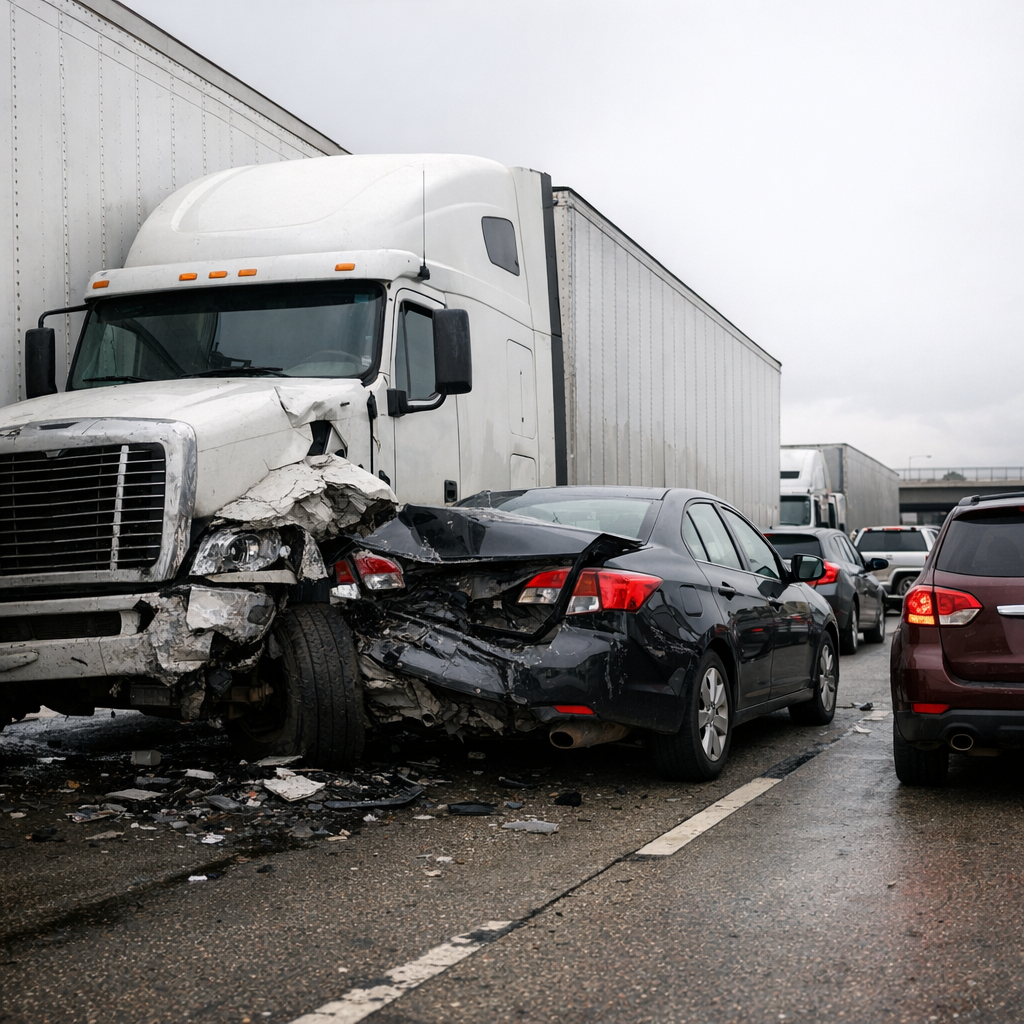
When traffic slows or comes to a sudden stop, drivers must react quickly to avoid collisions. However, the massive size and weight of big rigs make it more difficult for truck drivers to stop promptly. The longer stopping distance and sometimes limited visibility from the cab can lead to rear-end impacts with smaller vehicles or other trucks.
Factors that contribute to collisions in stop-and-go traffic
Several elements play a role in big rig crashes under slowing traffic conditions. These include driver reaction time, following distance, brake responsiveness, and roadway conditions. Sudden acceleration and deceleration waves in traffic, commonly known as stop-and-go waves, can catch drivers off guard.
Common scenarios leading to the crash
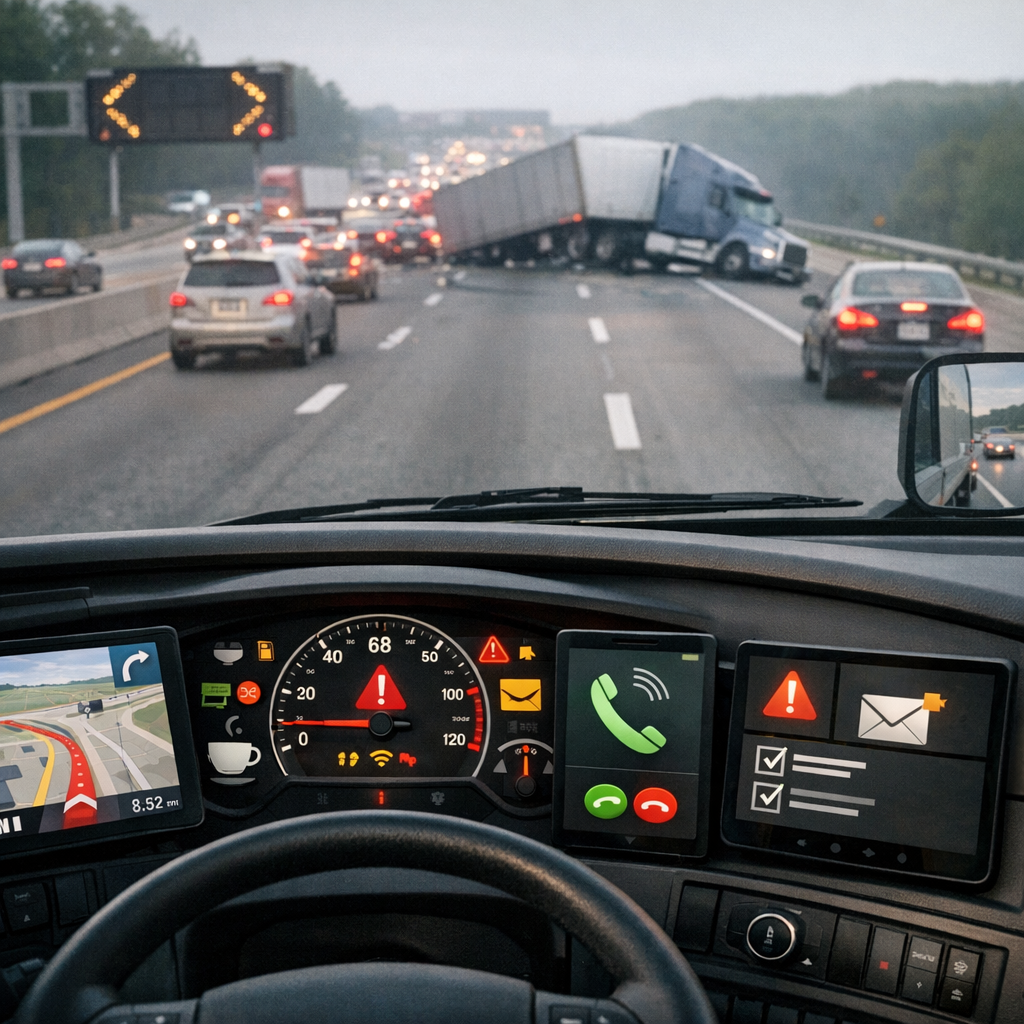
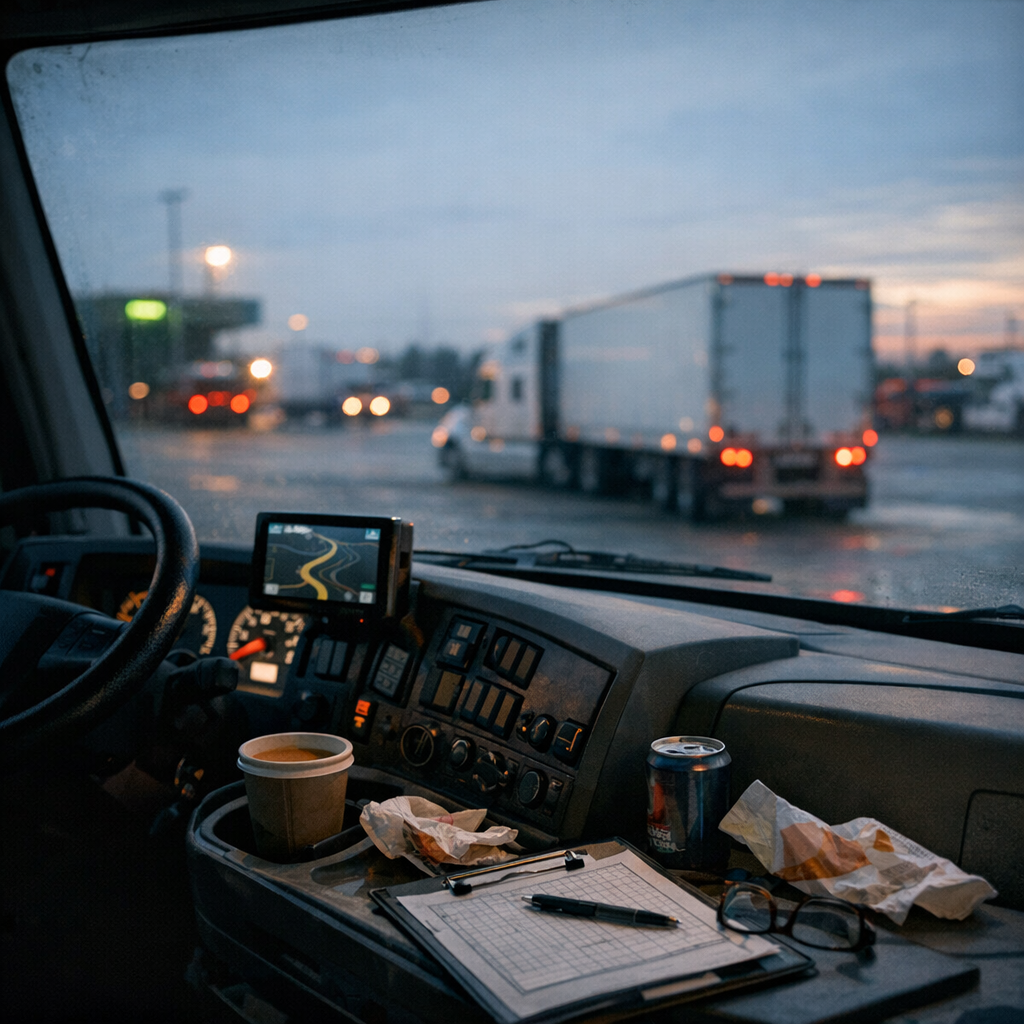
A frequent scenario involves a big rig approaching slowed traffic without sufficient space to stop, resulting in a rear-end collision. In other instances, distracted driving, fatigue, or mechanical failures may influence the sequence of events leading to impact.
Typical physical and practical consequences after impact
The outcomes of a big rig collision in congested traffic vary depending on speed and the number of vehicles involved. Even at lower speeds, the force exerted by a large truck can cause significant damage and injury.
Vehicle damage and roadway disruption
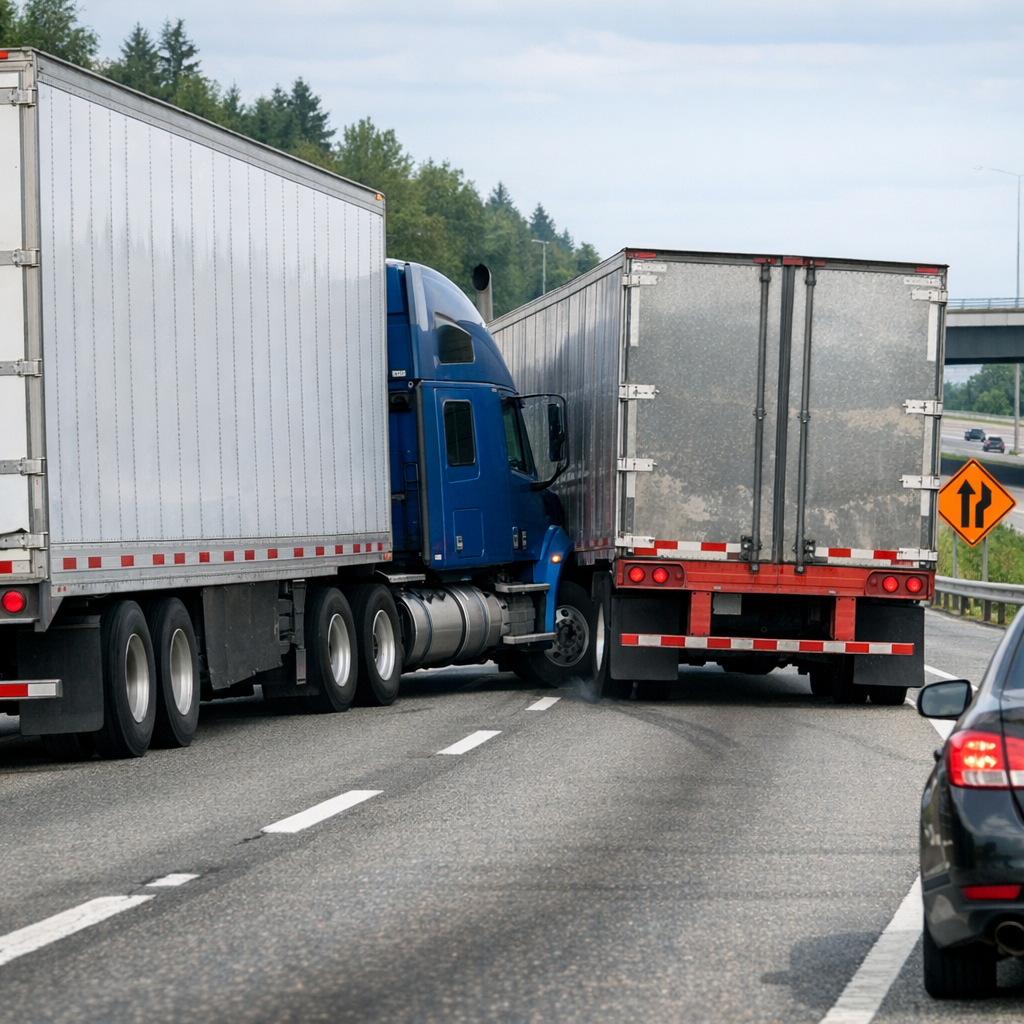
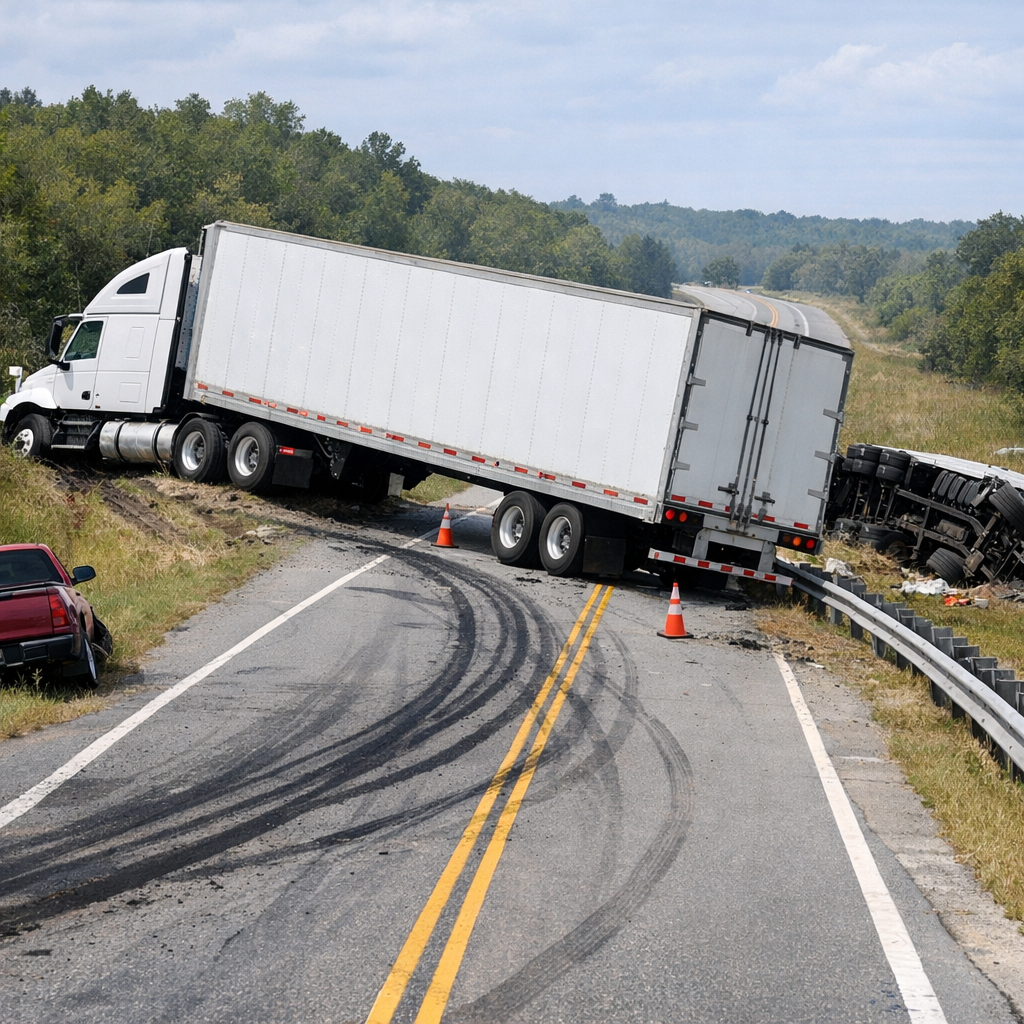
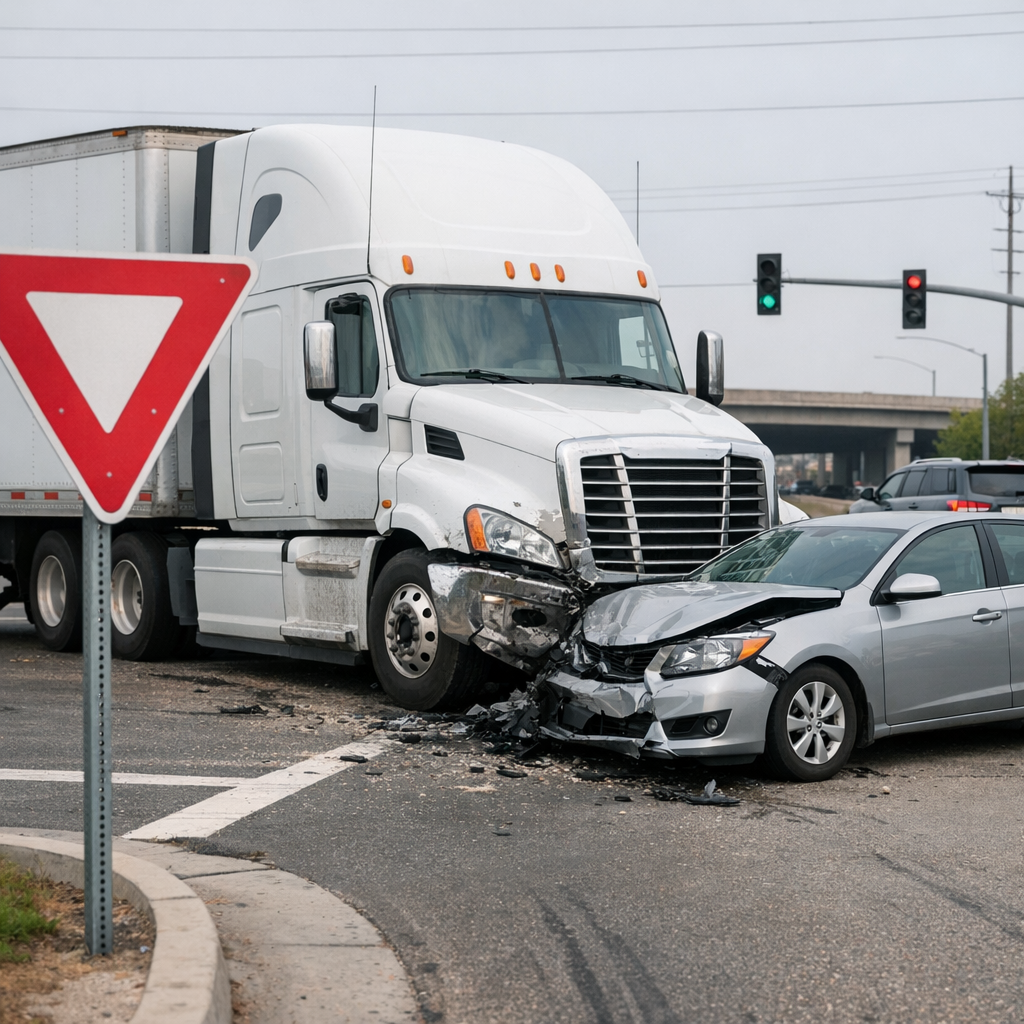
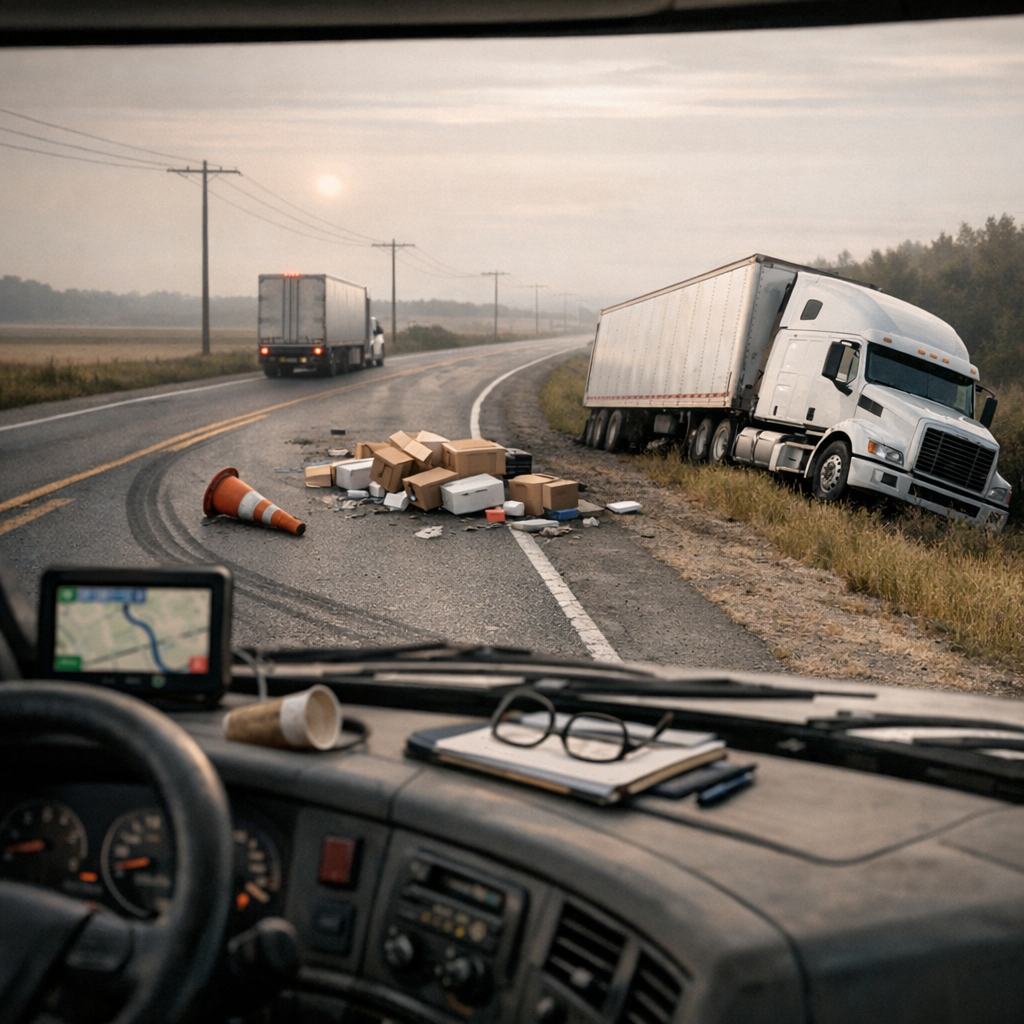
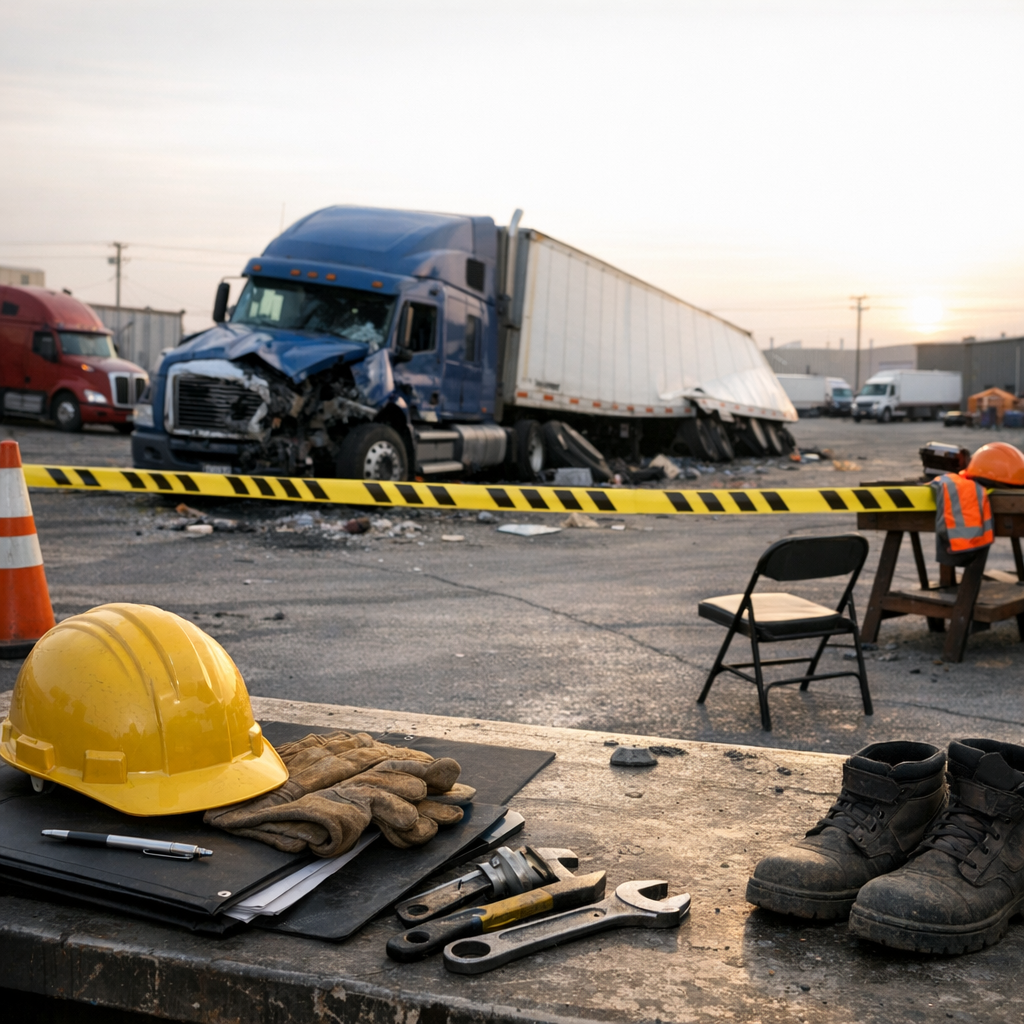
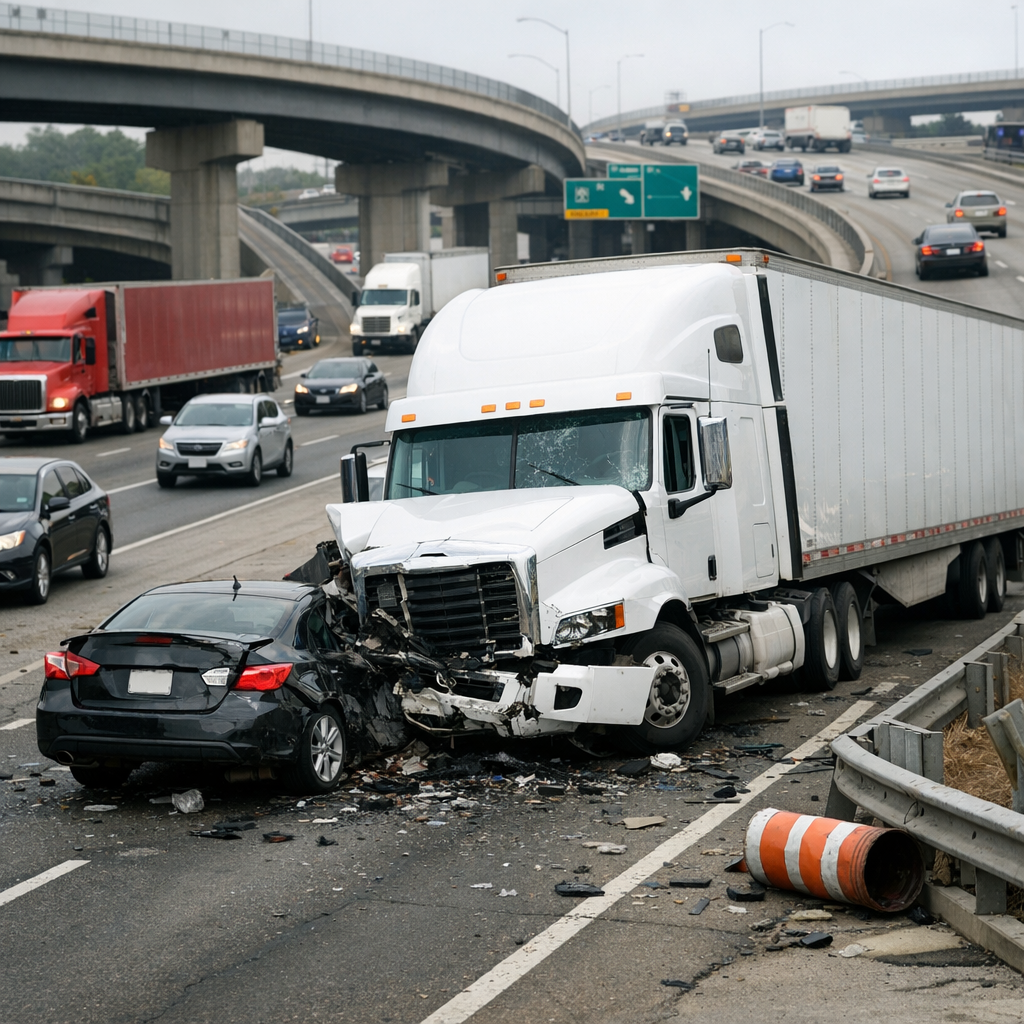
The size disparity between large trucks and passenger vehicles often results in extensive damage to smaller vehicles. After a collision, the involved vehicles may block lanes, exacerbating traffic delays and potentially causing secondary collisions.
Injuries associated with rear-end big rig collisions
While not always severe, injuries from these crashes can range from minor whiplash and bruises to more serious trauma due to the high mass of the truck. Passengers and drivers in smaller vehicles are generally at greater risk.
Questions people often consider following such crashes
After a big rig stop-go crash, those involved and observers frequently wonder about various details surrounding the incident.
What causes these collisions despite low speeds?
Stop-and-go traffic can lull drivers into complacency, yet the inability of a truck to stop quickly enough remains a central factor. The truck’s momentum carries it forward even as smaller vehicles slow or stop suddenly.
Are certain conditions more likely to lead to a big rig collision?
Weather conditions, roadway design, and traffic density can all influence the likelihood of a stop-go crash. Wet or icy surfaces can increase stopping distances, while congested urban highways provide more opportunities for sudden braking.
How does truck size affect crash outcomes?
The sheer weight and height of a big rig mean that impacts can cause significant crushing or underride damage to smaller vehicles. The truck’s braking systems and driver alertness are critical in preventing collisions.
Understanding what happens next on the road
Following a big rig collision, traffic flow typically becomes heavily disrupted. Emergency responders and road crews may take time to clear the scene safely and restore normal conditions. Drivers approaching the area should expect delays and increased caution requirements.
Safety measures in stop-and-go traffic situations
Maintaining a safe following distance and staying alert can help reduce the risk of collisions for all drivers, including those operating large trucks. Proper vehicle maintenance also ensures braking systems function as needed during sudden stops.
The importance of roadway design and traffic control
Efforts to smooth traffic flow, such as ramp metering and variable speed limits, may help prevent abrupt stops and starts. Managing congestion efficiently can minimize stop-and-go conditions where big rig collisions are more likely.
Final thoughts on big rig collisions in slow-moving traffic
Big rig stop-go crashes stem from the interaction of vehicle size, traffic patterns, and driving conditions. While such incidents pose challenges for all road users, awareness of typical crash dynamics and aftermath can promote safer driving habits. Understanding the factors involved is key to anticipating how these collisions occur and what usually follows.