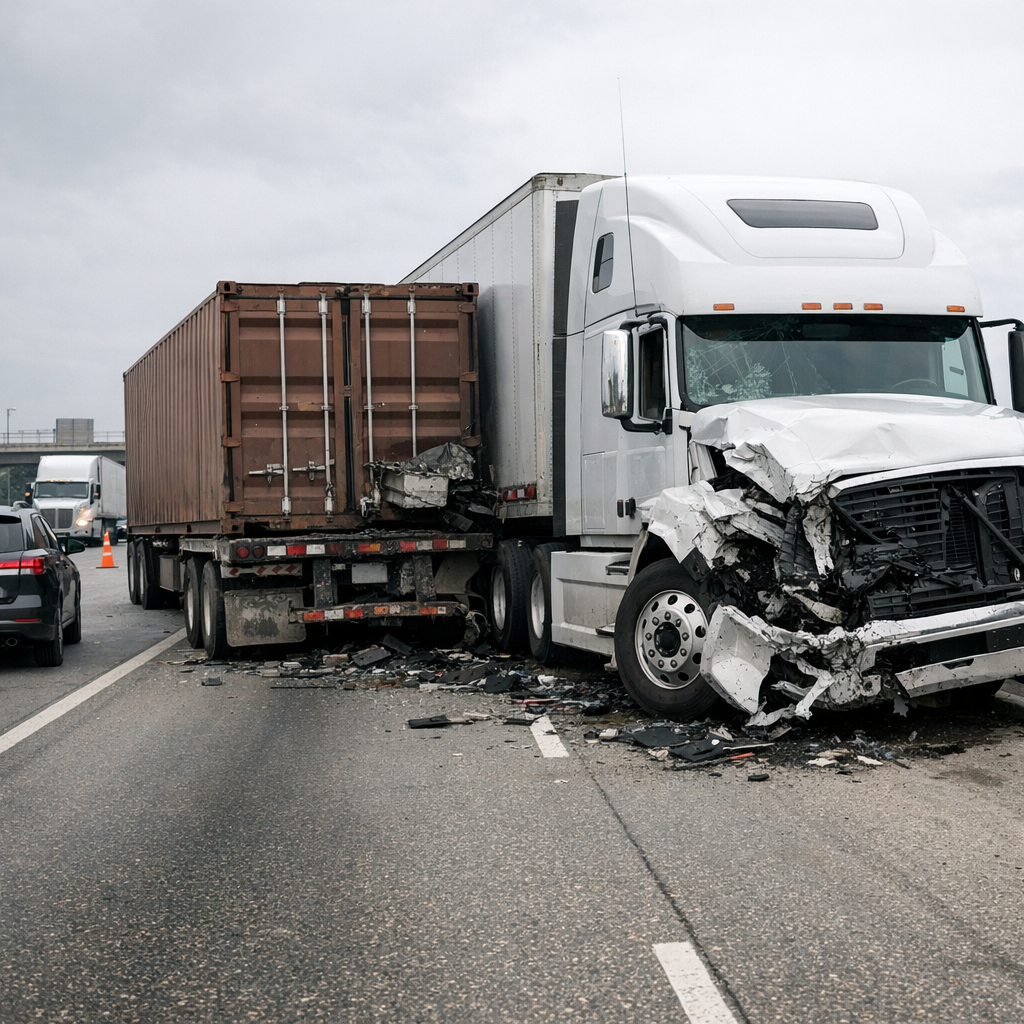
Big rig collision during a traffic slowdown
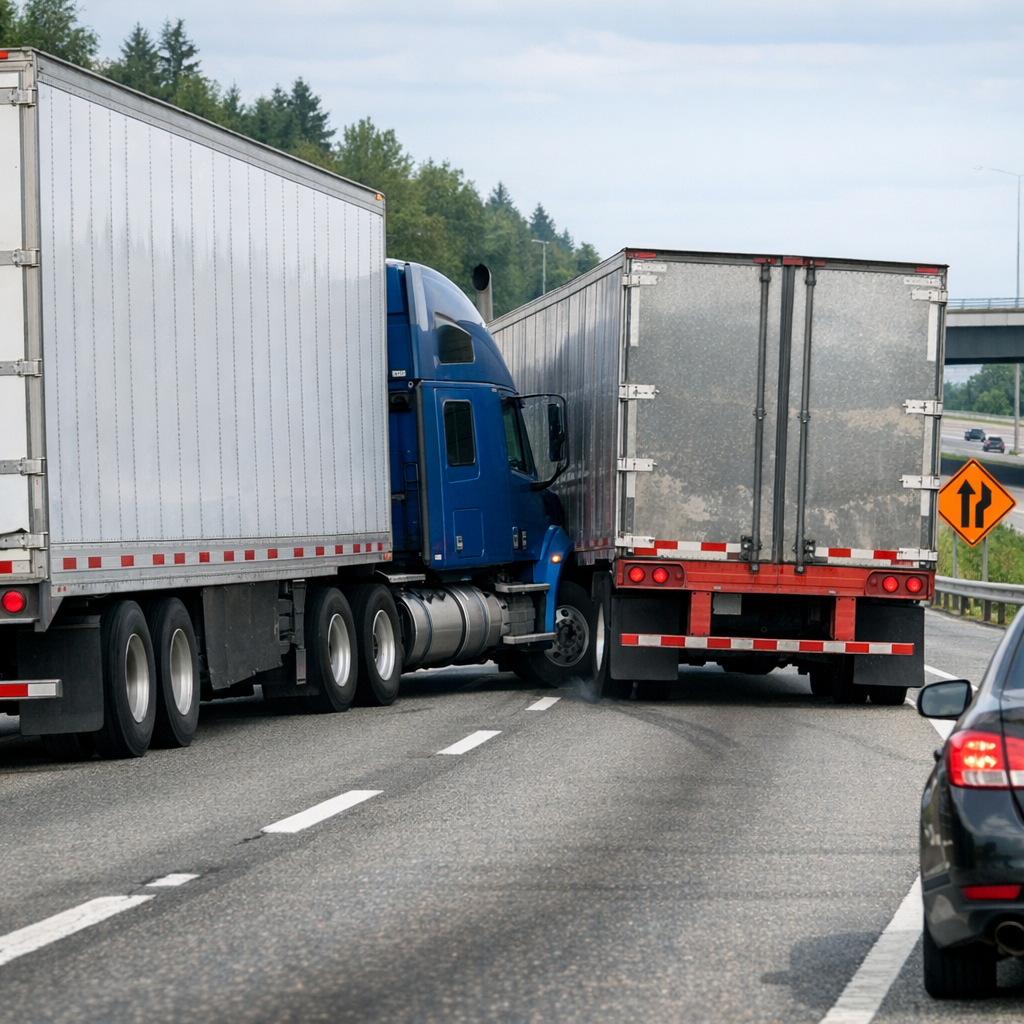
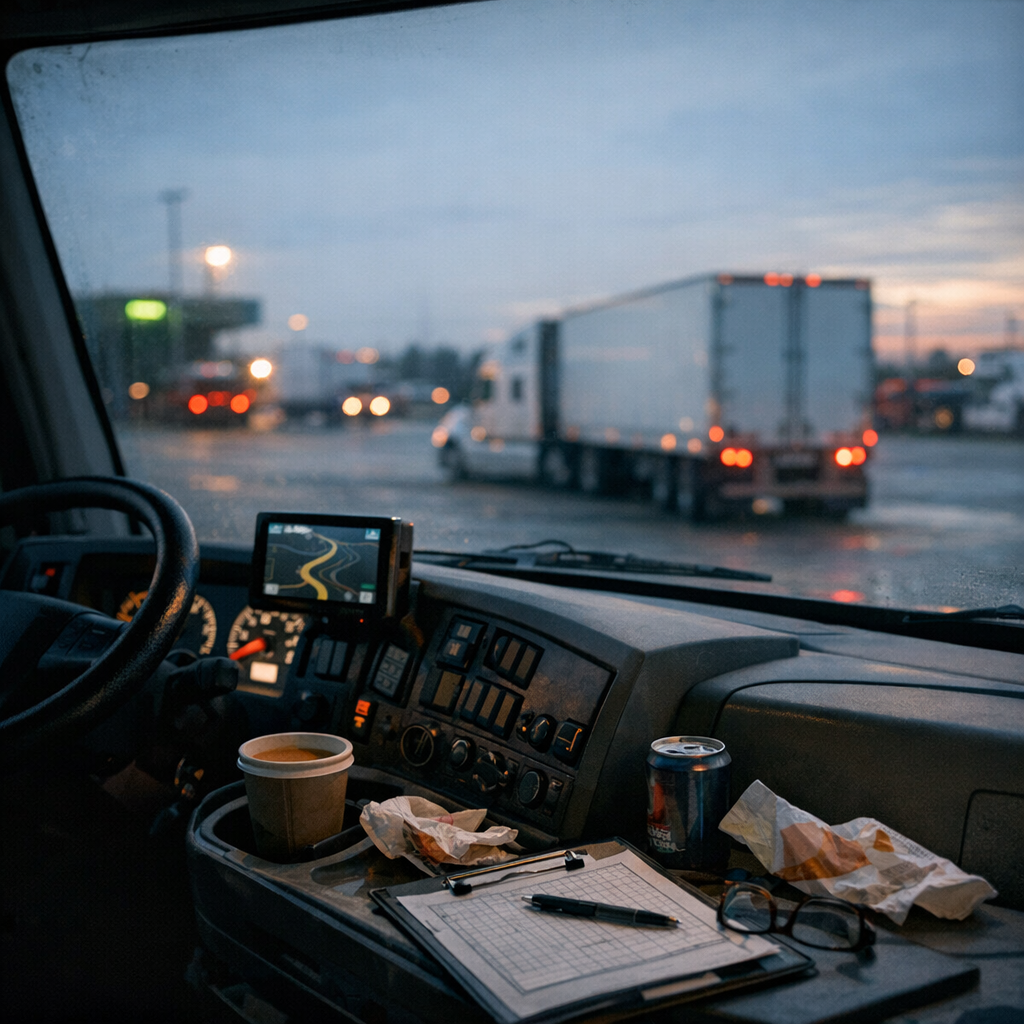
Traffic slowdowns often lead to frustrating delays, but they can also set the stage for more serious incidents. When a big rig collision occurs during such slowdowns, the results can be significant due to the size and momentum of these large vehicles. Understanding what typically happens in these situations provides insight into the nature of these accidents and their aftermath.
How a big rig slowdown accident usually unfolds
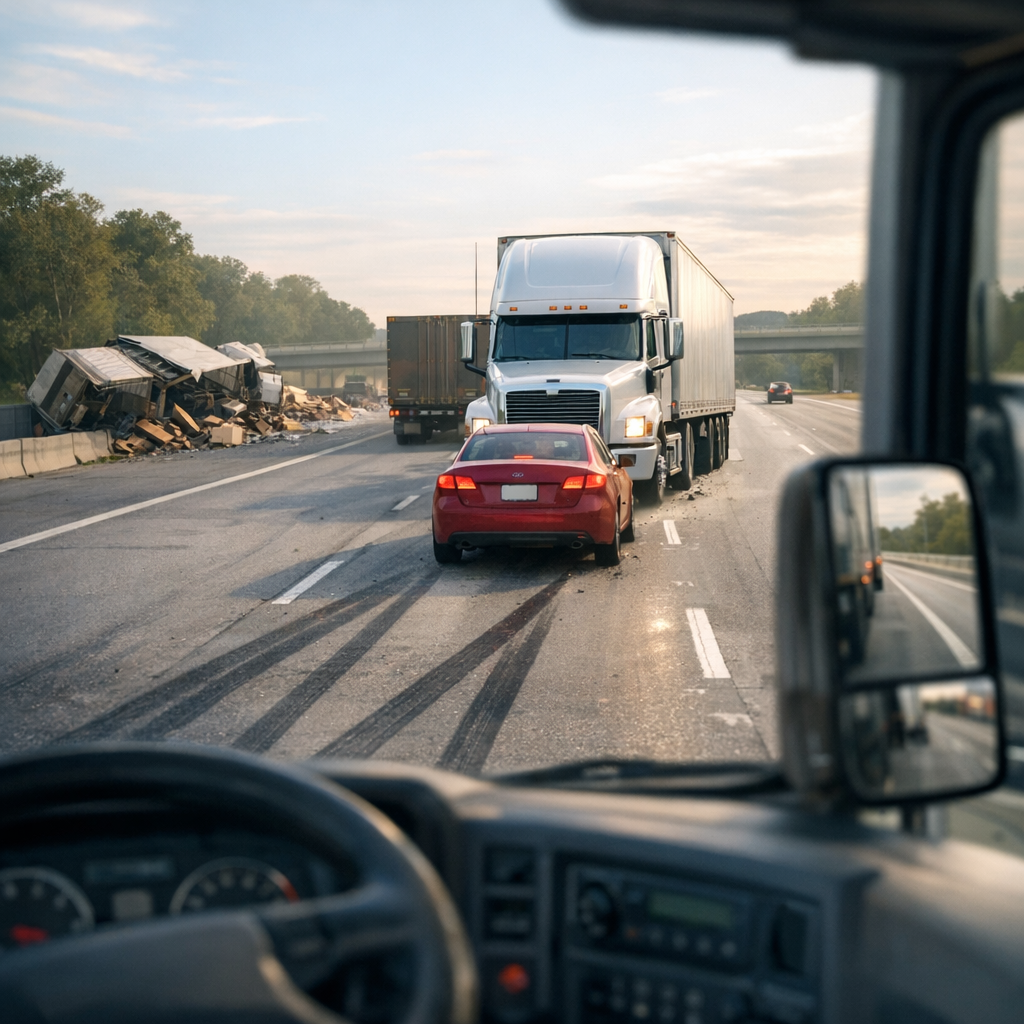
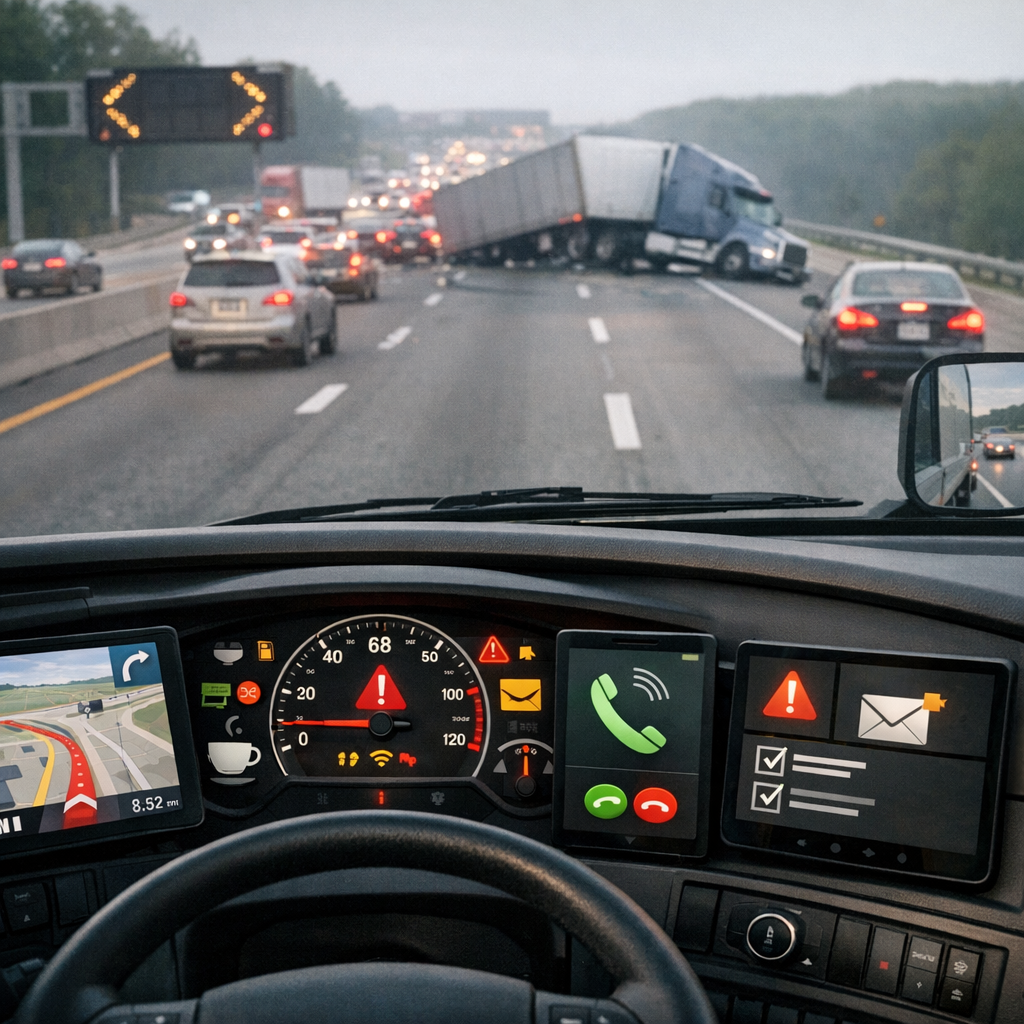
Traffic slowdowns reduce the flow and speed of vehicles, often leading to sudden stops or even rolling traffic conditions. In a big rig slowdown accident, a large truck may fail to reduce speed in time or misjudge the distance to the vehicle ahead. Because big rigs have longer stopping distances than smaller vehicles, they are especially vulnerable to collisions in these congested moments.
Factors contributing to the crash
The limited visibility and height of big rigs can make it difficult for truck drivers to anticipate abrupt slowdowns. Weather, road conditions, and driver fatigue also play roles. Mechanical issues such as brake failures may contribute, but often the main challenge is reacting quickly enough when traffic unexpectedly shifts from moving to halted.
Chain reactions in traffic
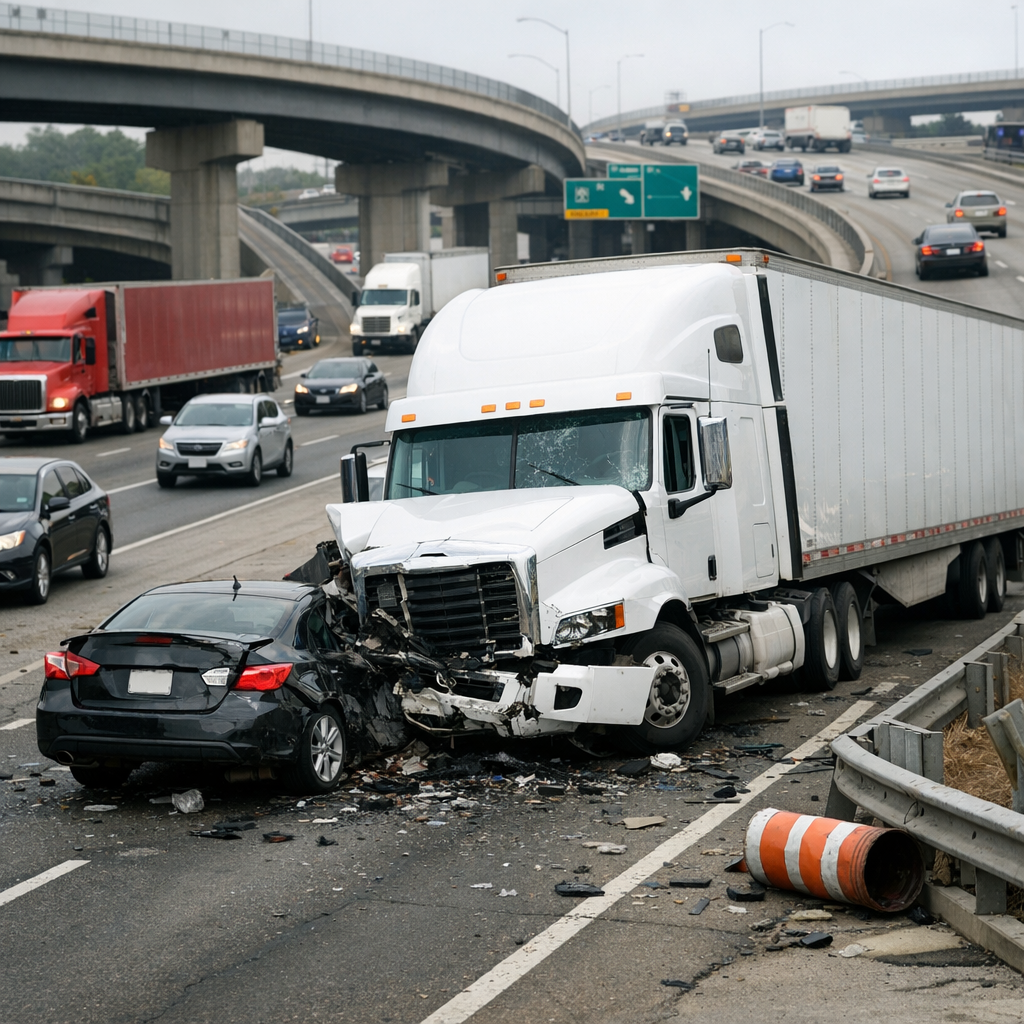
A collision involving a big rig can easily trigger a chain reaction. Following vehicles may have limited time to brake, resulting in multiple impacts. The large size of the rig can obstruct views and complicate efforts to maneuver around the crash site.
Immediate effects on traffic and roadway conditions
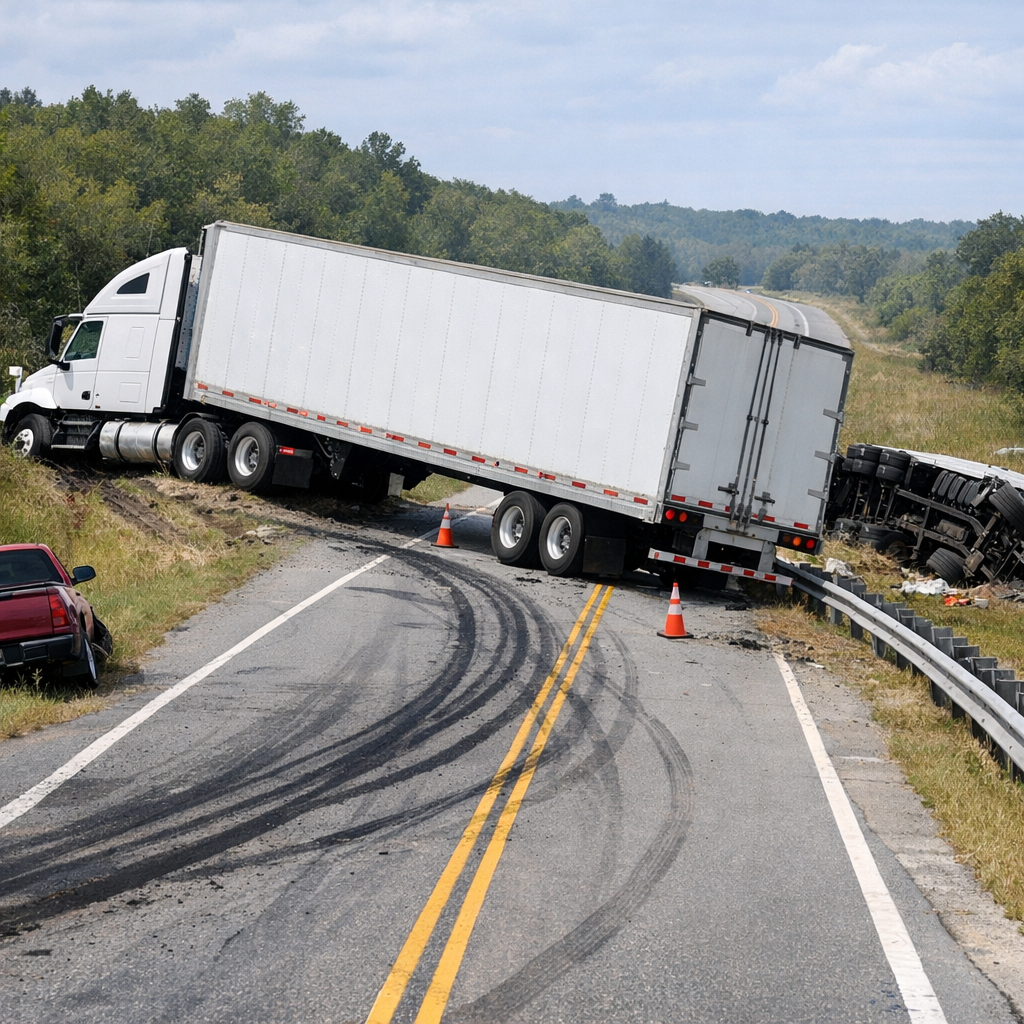
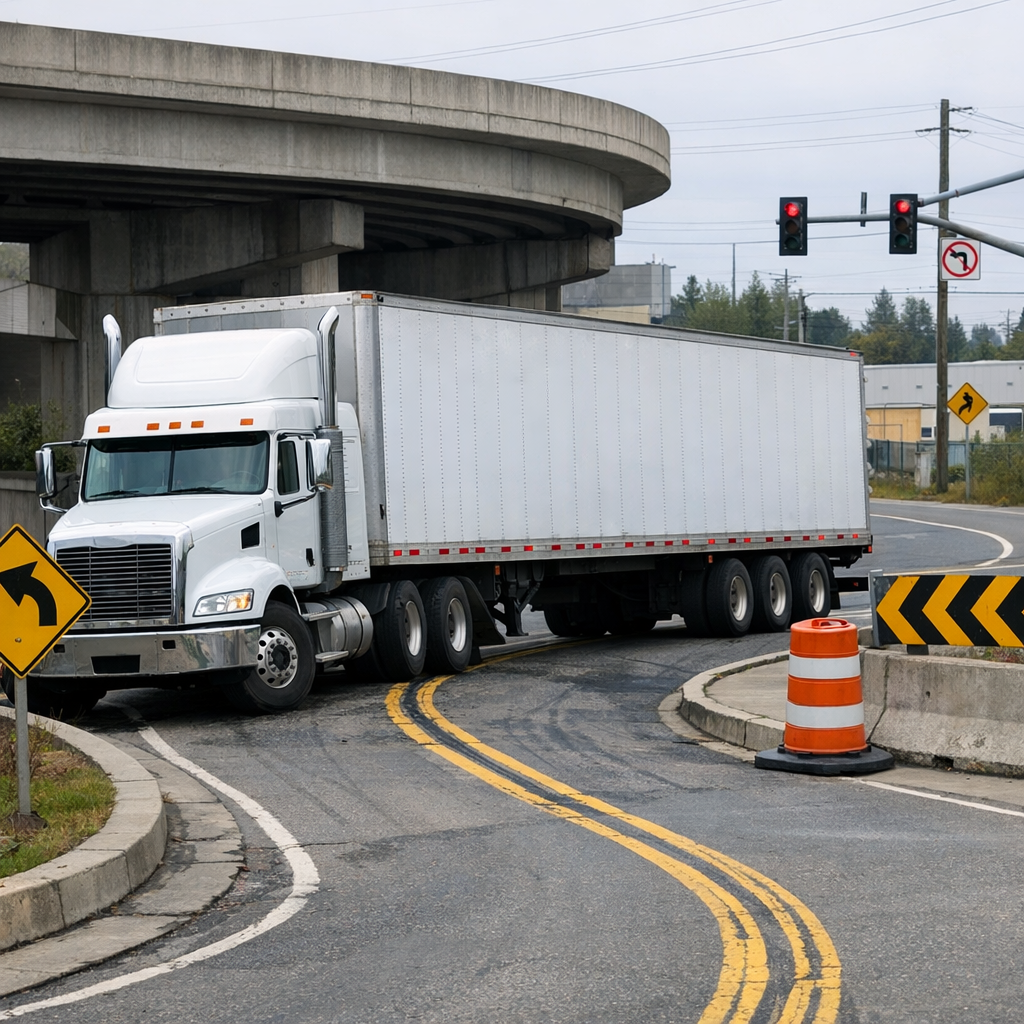
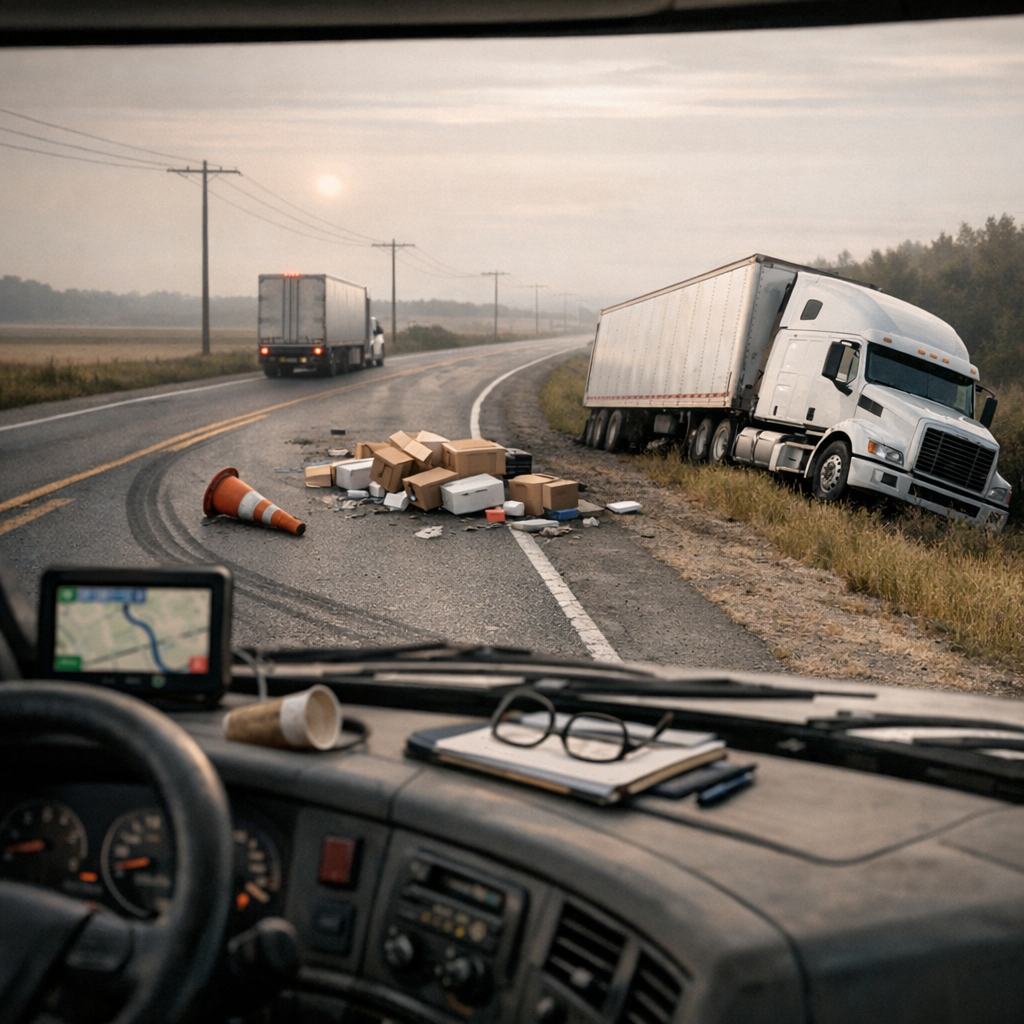
A big rig slowdown accident often leads to substantial disruption on the affected highway. The size of the truck and any debris can block one or more lanes.
Typical traffic delays following the collision
This blockage causes traffic to back up, sometimes for miles. Emergency responders need space to work, so lanes are often closed until the accident is cleared. Detours or complete shutdowns of the roadway may be necessary during this process.
Safety concerns for other drivers
Stopped or slow-moving traffic around the crash site presents additional hazards. Drivers who are not paying full attention may become involved in secondary collisions. Road crews and emergency personnel are also at risk as they operate in these confined and active areas.
Physical damage resulting from the impact
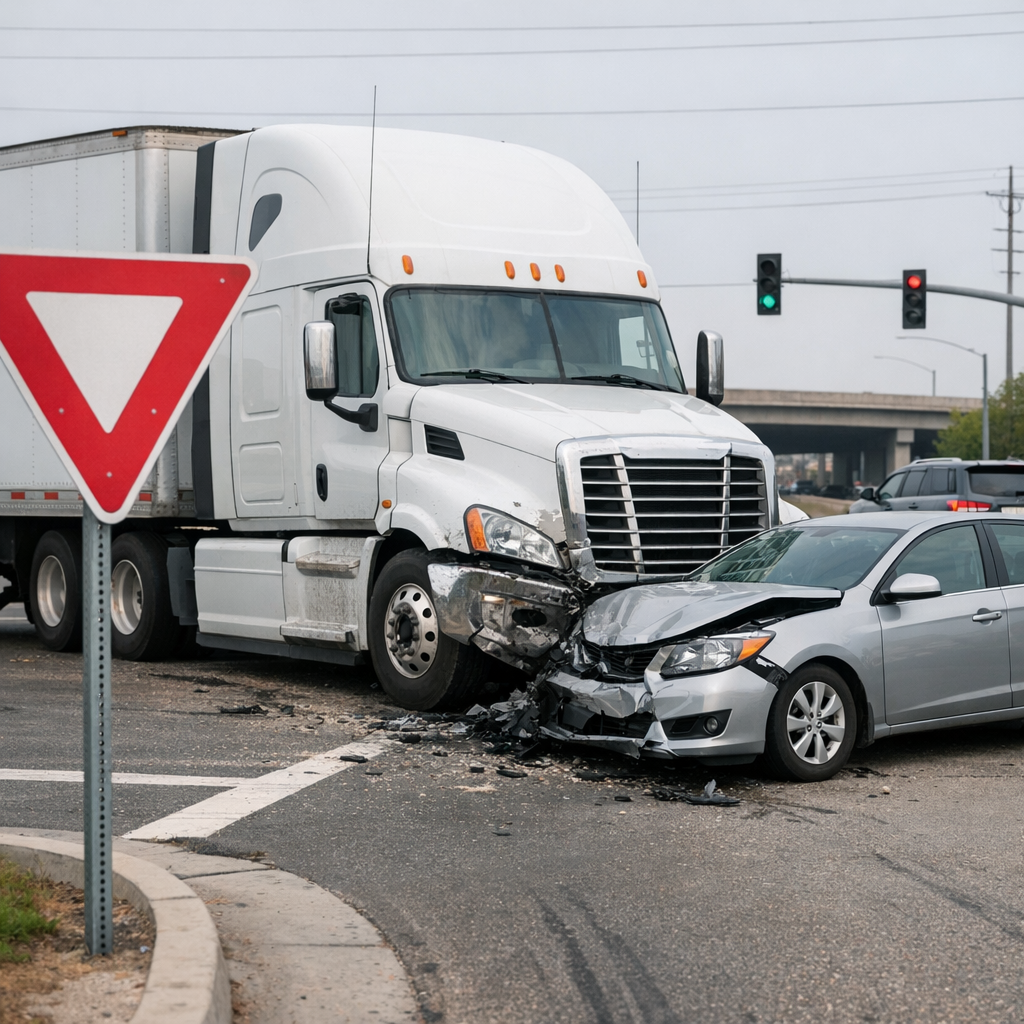
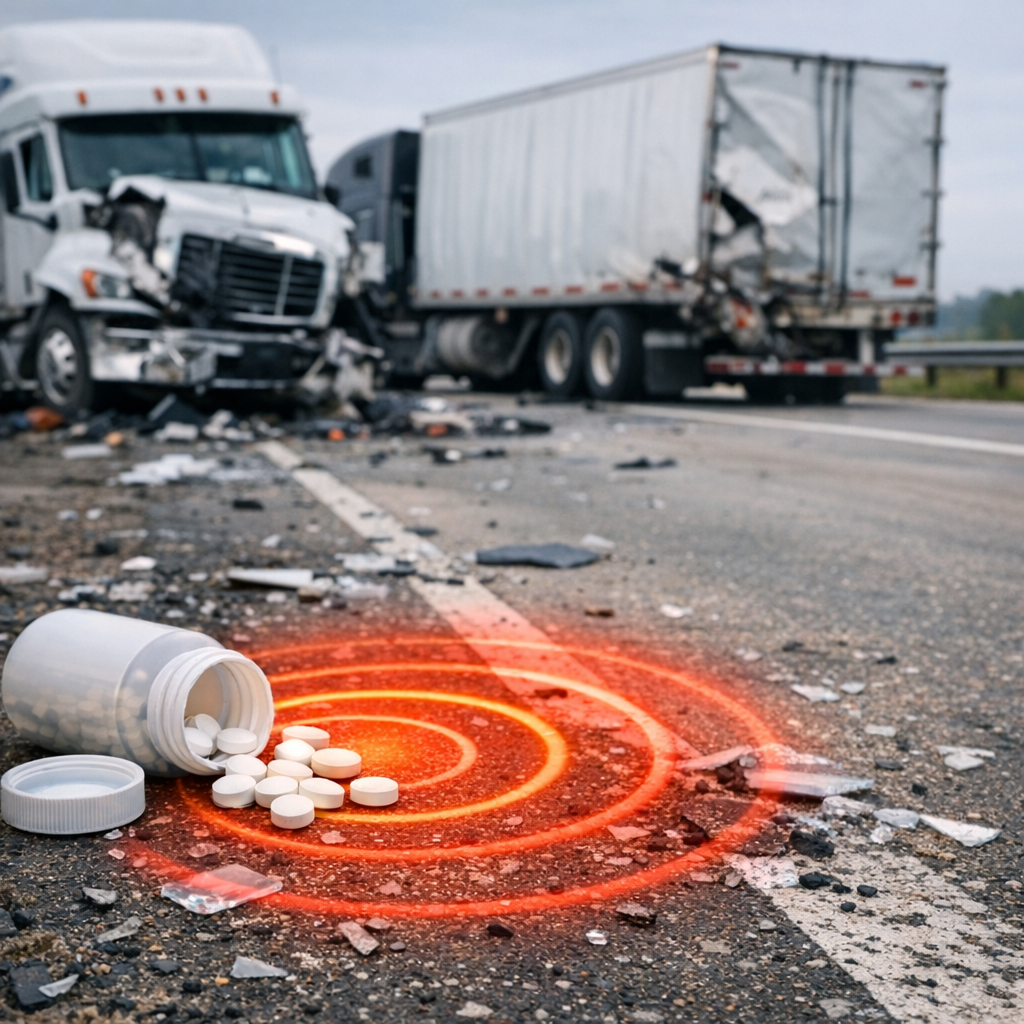
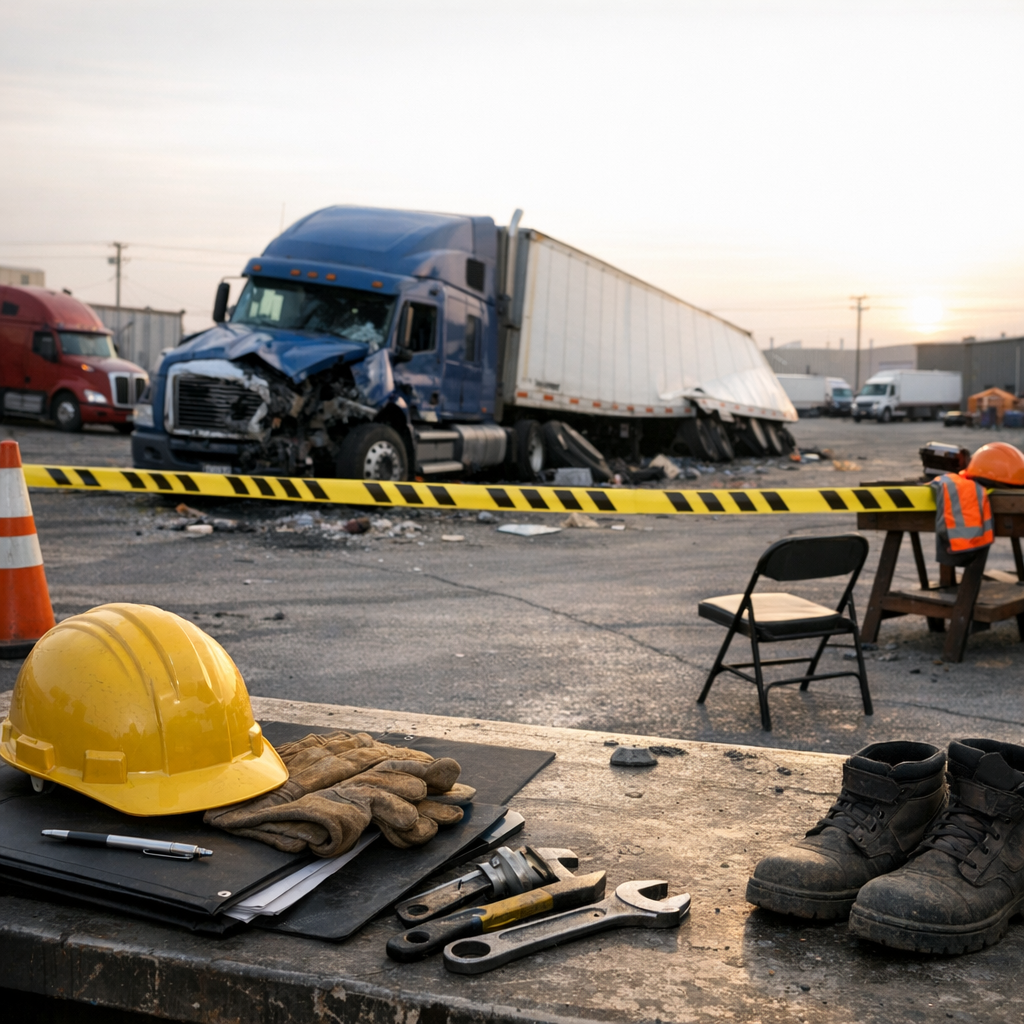
Big rigs striking smaller vehicles can cause extensive vehicle damage. Even the truck itself may sustain significant harm, particularly to the front end and undercarriage.
Questions frequently raised after such collisions
Following a big rig slowdown accident, there are several common concerns related to what happened and what comes next.
How does a big rig’s size influence accident severity?
The greater mass and momentum of big rigs often result in more forceful impacts. Passengers in smaller vehicles are generally at higher risk of injury or more severe vehicle damage than the truck’s occupants.
Can traffic slowdowns be made safer to prevent these crashes?
Efforts include improved signage, advanced warning systems, and speed controls in known congestion zones. Technologies like automatic emergency braking on trucks are also increasingly used to mitigate collision risk.
What happens to the traffic after responders clear the accident?
Once the roadway is cleared, traffic resumes gradually. However, congestion often persists as vehicles work to regain normal speed and positioning after a lengthy disruption.
Overview of managing big rig collisions during slowdowns
Big rig collisions in traffic slowdowns are complex events because of the vehicles involved and the environment in which they happen. Awareness of the contributing factors and careful management by traffic authorities and emergency personnel help reduce the overall impact. Understanding these dynamics can improve expectations for travelers encountering delays and disruptions caused by such incidents.