Grieving after Fatal Big Rig Accidents
Fatal accidents involving big rigs are moments of profound loss and sorrow. These tragic events not only end lives suddenly but also cast long shadows over the families and communities left behind. Understanding the nature of grieving after fatal big rig accidents can help acknowledge the deep emotional impact and the varied challenges faced by those who loved the victims.
The Seriousness of Fatal Big Rig Accidents
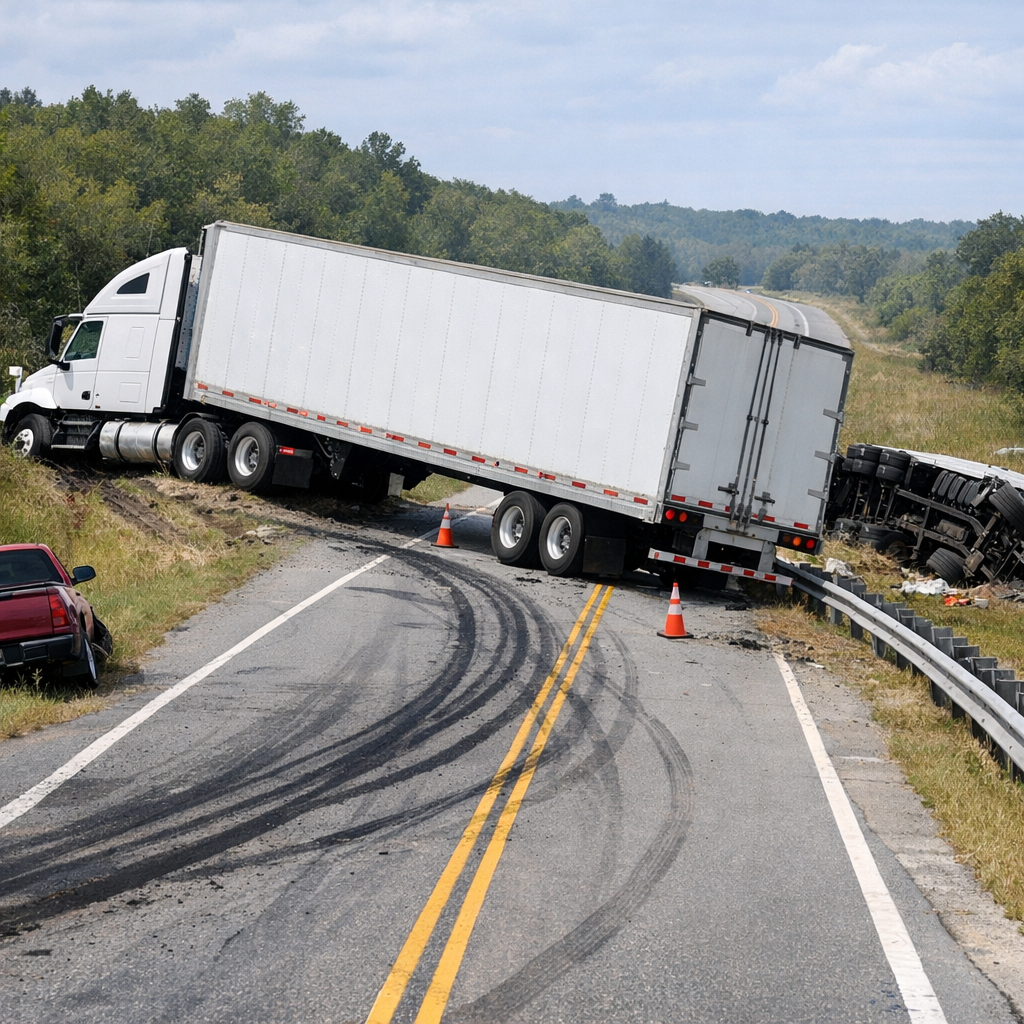
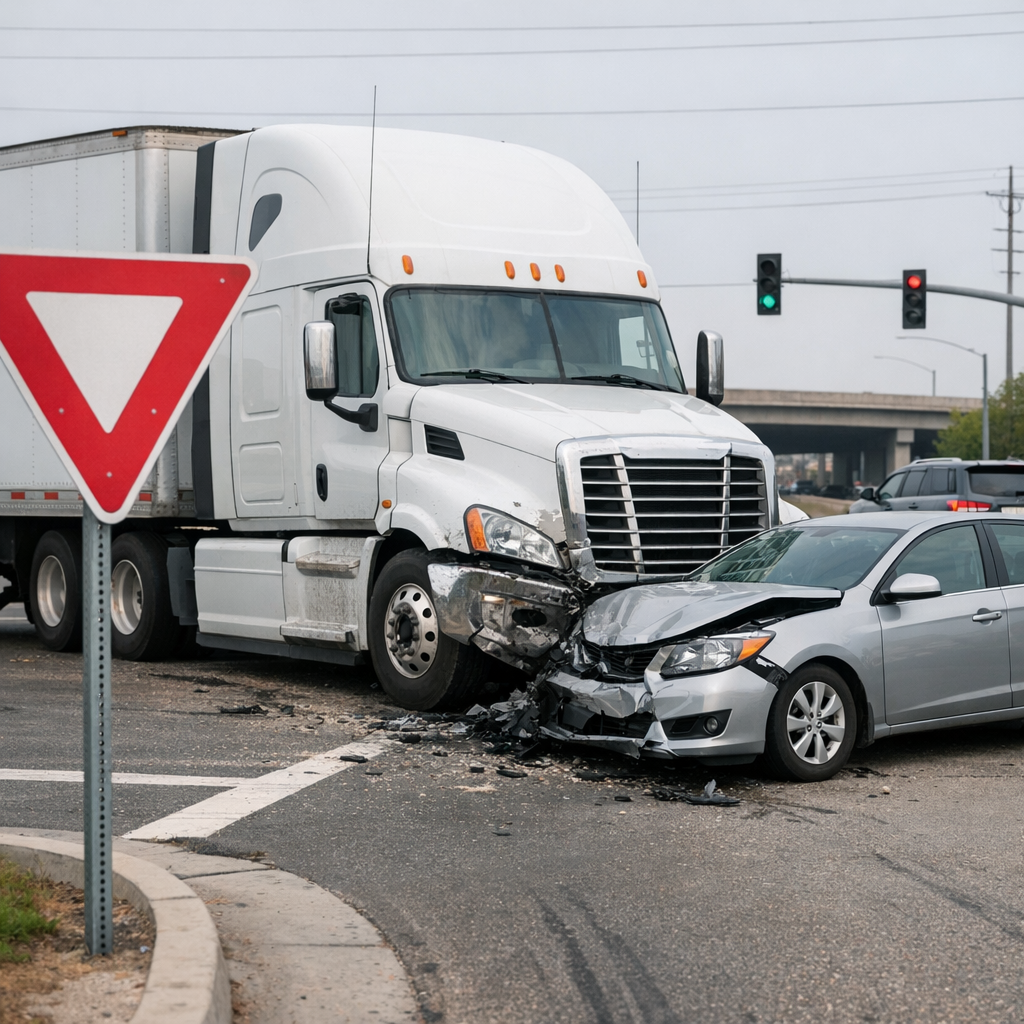
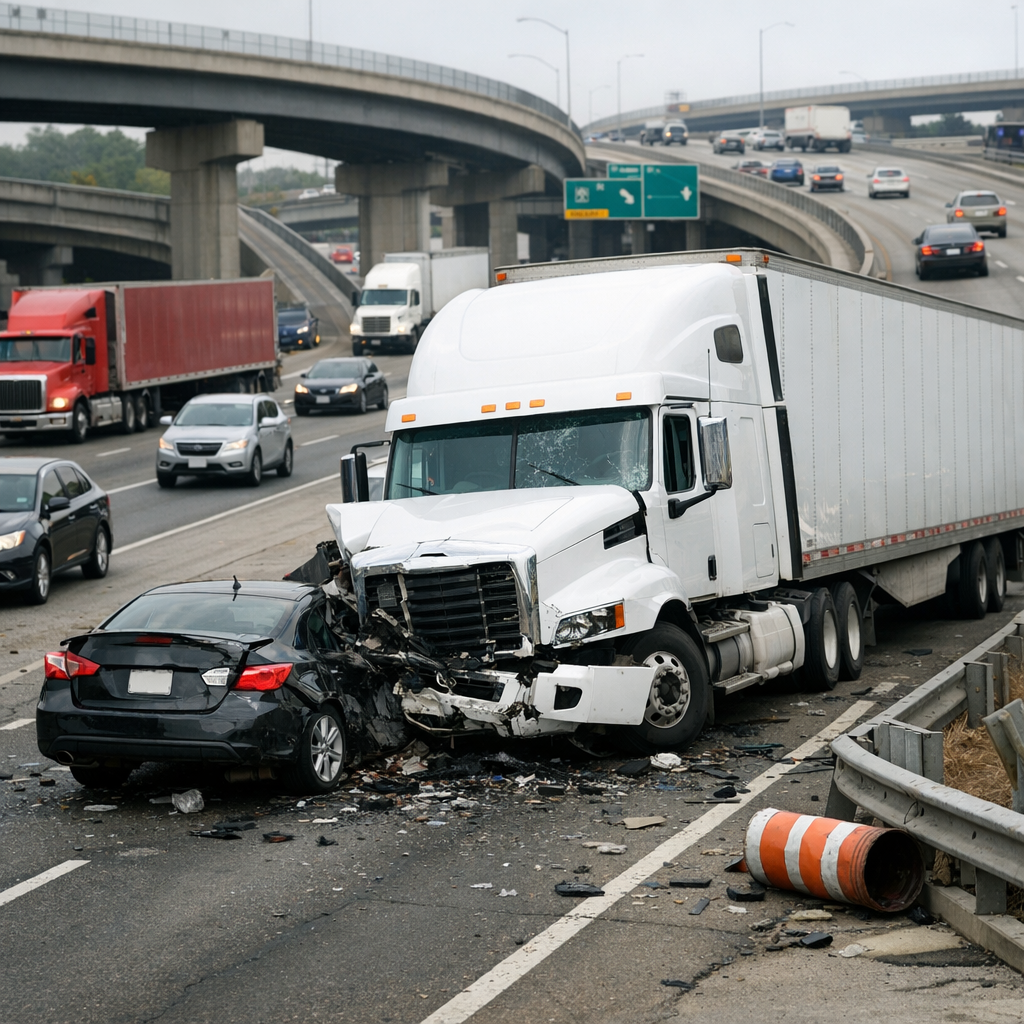
Big rig accidents are often catastrophic due to the size and weight of these vehicles. When such incidents result in fatalities, the consequences ripple far beyond the immediate scene. The suddenness and scale of these events confront survivors and witnesses with an overwhelming reality. Fatal big rig accidents are not simply traffic incidents; they are life-altering tragedies that mark irreversible change.
The gravity of these accidents means that the process of grieving can be particularly complex. Families and friends must come to terms with a loss that may feel abrupt and difficult to comprehend. The circumstances of such accidents can stir a wide range of feelings as people attempt to reconcile the reality of death with their memories of their loved one.
The Impact on Families and Loved Ones
The loss of a family member in a fatal big rig accident leaves a void that permeates every aspect of daily life. The sudden death of a parent, sibling, spouse, or child in such a manner disrupts the natural flow of family dynamics and future plans. What was familiar becomes unfamiliar, and the pain of absence is raw and immediate.
Loved ones often experience a deep sense of disbelief as they struggle to accept the finality of the loss. Grieving after a fatal big rig accident involves navigating an emotional landscape filled with sorrow, anger, confusion, and sometimes guilt. The disruption to family life is profound, and the support network around those grieving can be crucial in providing comfort.
At the same time, grief affects more than just immediate family. Friends, coworkers, and communities connected to the victim also mourn in their own ways. The reality of the accident can bring people together, yet it also reminds everyone of the fragility of life and the unpredictability of tragedy.
Emotional and Practical Challenges During Grief
The path of grieving after fatal big rig accidents intertwines with both emotional turmoil and practical demands. Emotionally, the experience can vary greatly among individuals. Some may feel numb or detached initially, while others might experience intense waves of sadness or anger. The grieving process is neither linear nor uniform, reflecting the unique relationships and circumstances involved.
In addition to coping with emotions, families often confront immediate practical concerns. These can include managing funeral arrangements, handling the affairs of the deceased, and adjusting to life without the loved one’s presence and support. Although these tasks may feel overwhelming during a time of deep sorrow, they are part of the journey that many must undertake.
The nature of fatal big rig accidents may sometimes bring media attention or inquiries that add complexity to an already difficult time. Navigating public interest or official proceedings can be an additional layer of stress, though many strive to maintain privacy and personal space during mourning.
Throughout the grieving period, individuals may find themselves revisiting memories and moments with the deceased, reflecting on what was lost and the significance of their shared time. Support from close friends, family members, or trusted confidants often plays an important role during this phase, offering understanding without pressure.
A Respectful Reflection on Grieving After Fatal Big Rig Accidents
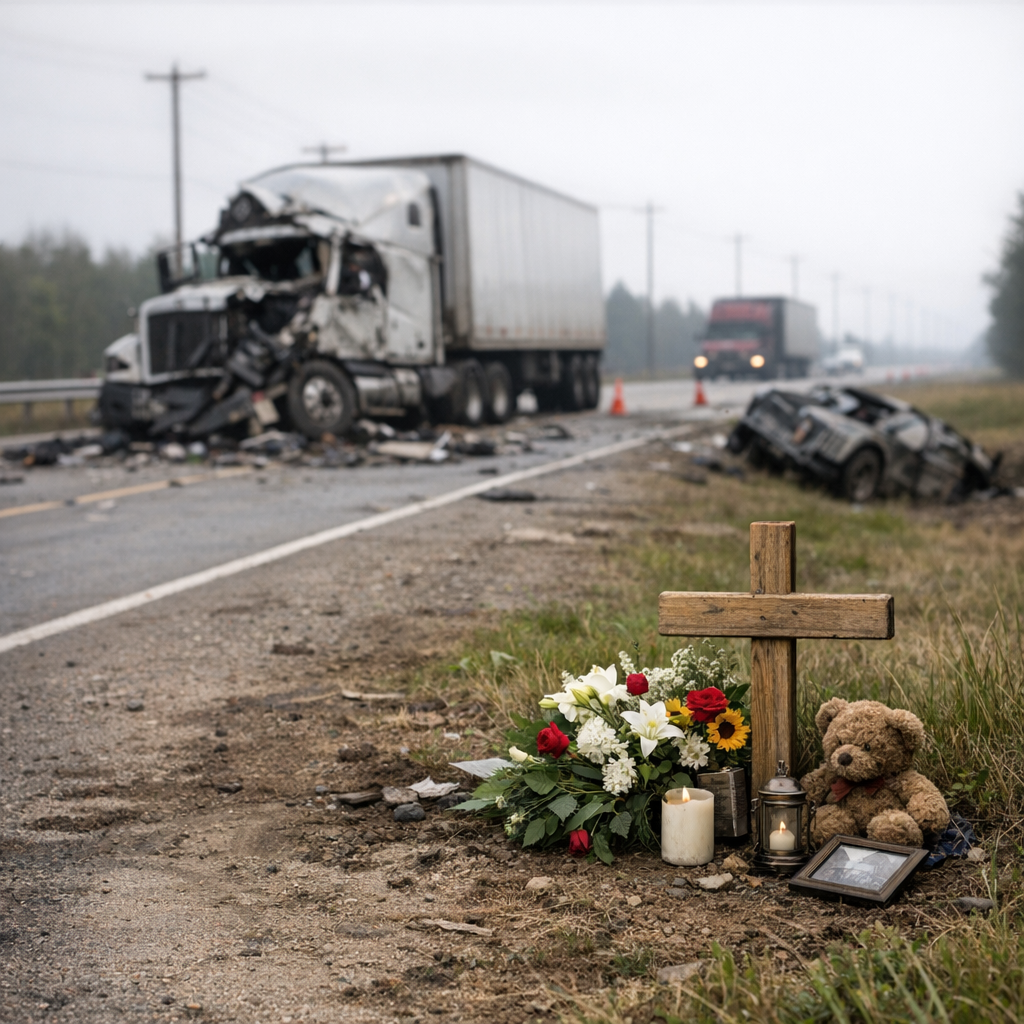
Grieving after fatal big rig accidents is an intensely personal experience shaped by many factors, including cultural, familial, and individual responses to loss. While the pain of such loss can feel isolating, it is part of a broader human experience of mourning those who unexpectedly leave us behind.
Recognizing the profound impact of these accidents encourages a compassionate view of those who are grieving. Offering quiet respect and patience honors their process without imposing expectations or judgments. The journey of healing unfolds differently for everyone and may extend over time, guided by the gradual acceptance of the profound change brought by tragedy.
In honoring the memories of those lost, families and communities continue to find meaning and ways to remember their loved ones beyond the accident. While grief may never fully disappear, many discover strength in reflection, connection, and the enduring bonds of love that outlast loss.