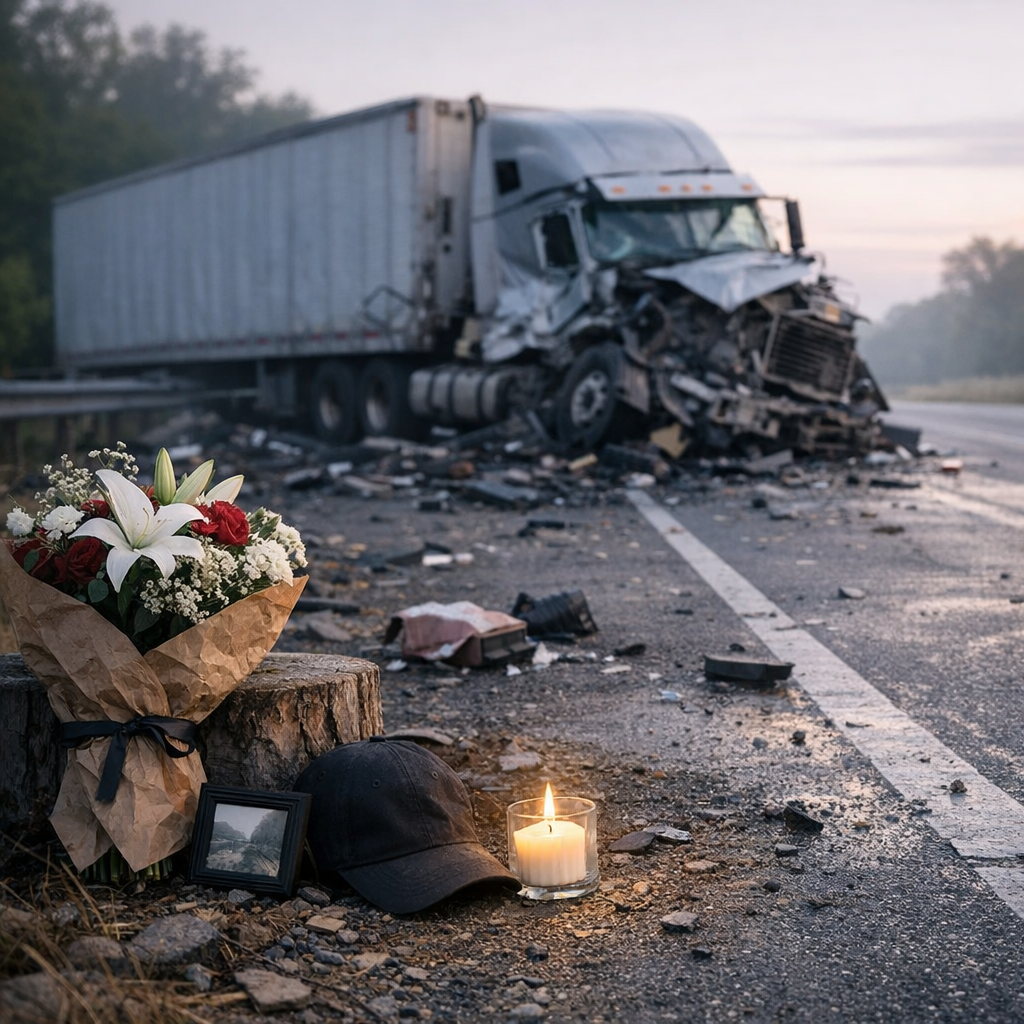
Processing grief after fatal truck collisions
Fatal truck collisions are tragic events that leave profound and lasting impacts on those involved. When a life is lost in such an accident, the immediate shock and sorrow are often accompanied by a complex and long-lasting process of coping and adjustment. Understanding the gravity of these incidents, along with their emotional and practical repercussions, is essential for recognizing the challenges that families and loved ones face as they work through their grief.
The profound seriousness of fatal truck collisions
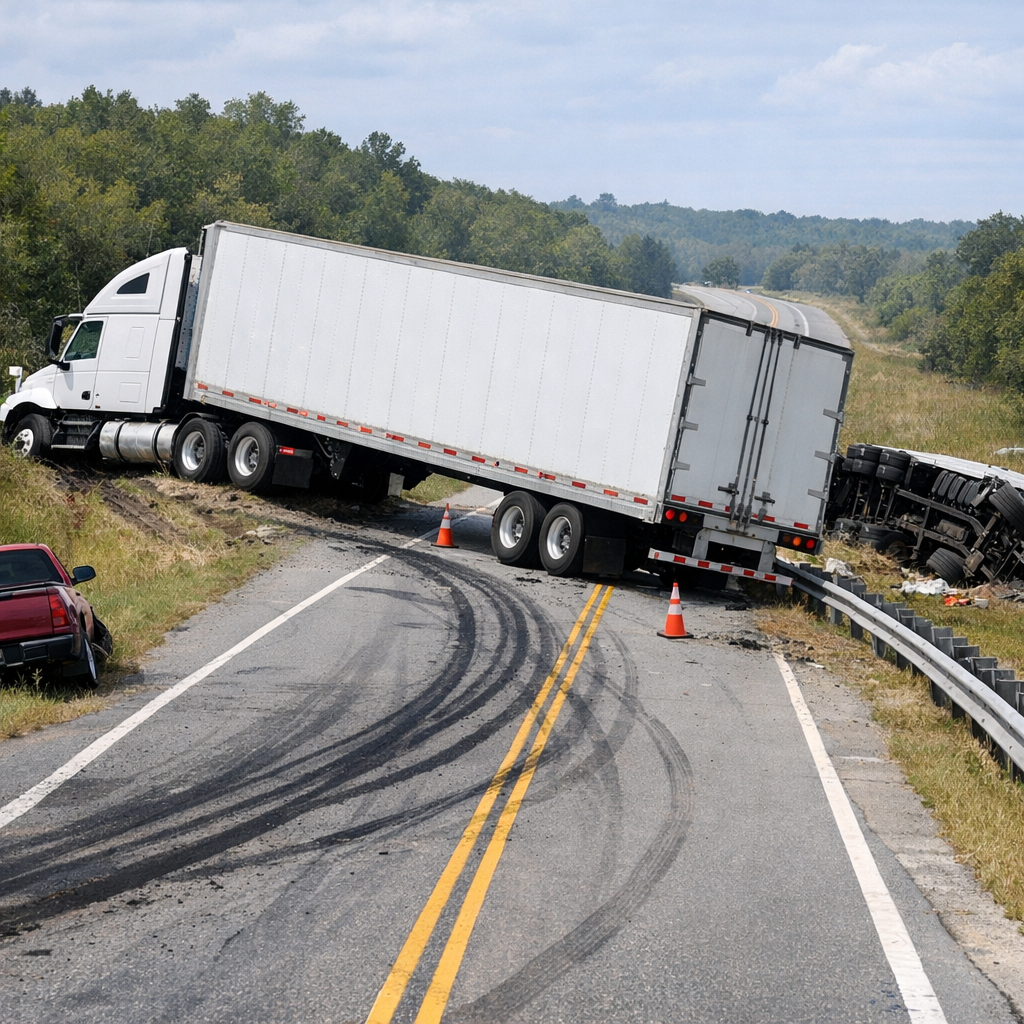
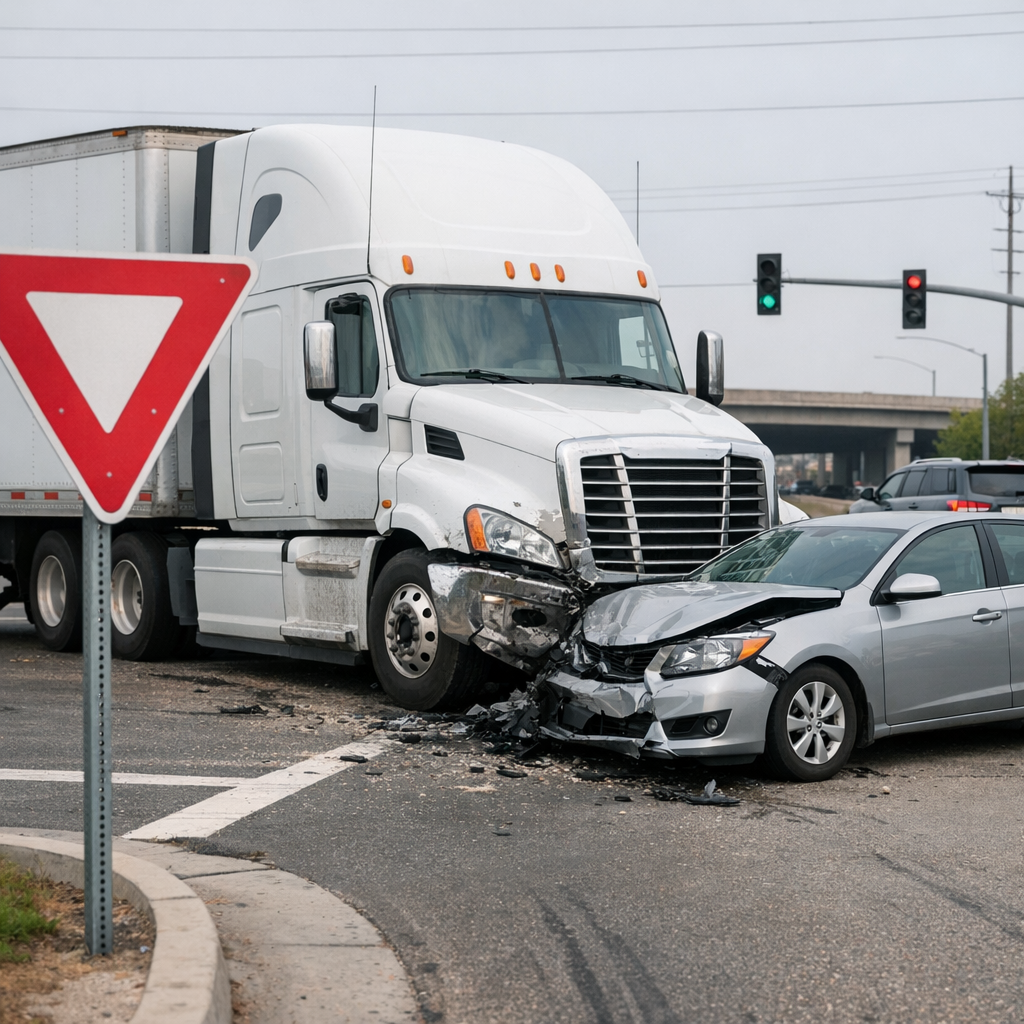
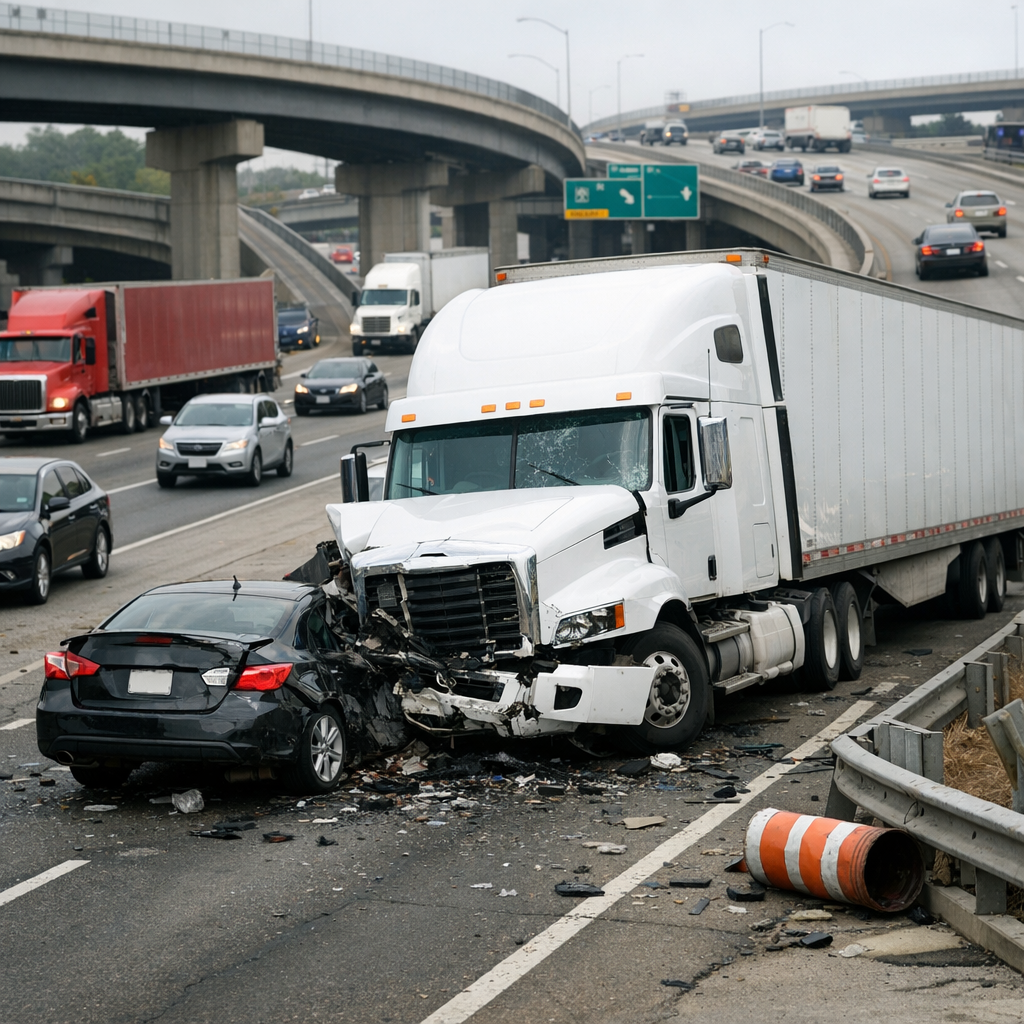
Fatal accidents involving large trucks are among the most devastating types of traffic incidents. Due to the size and weight of these vehicles, collisions can result in significant destruction and loss of life. The sudden nature of such events often catches those affected entirely unprepared, adding to the weight of the tragedy. The loss of a loved one in these circumstances marks a moment of irreversible change, introducing a period of mourning and adaptation that varies significantly for each individual.
Recognizing the seriousness of fatal truck collisions involves acknowledging the emotional upheaval experienced by all who are touched by the event. This acknowledgment serves as the foundation for understanding the grieving process that follows and the ways in which individuals begin to navigate their sorrow and loss.
Impact on families and loved ones
The aftermath of a fatal truck collision deeply affects the families and friends of the deceased. The loss leaves an emotional void that is often marked by feelings of shock, disbelief, and profound sadness. The individuals left behind frequently confront a mixture of emotions that can be difficult to articulate or even fully comprehend.
The ripple effects extend beyond immediate family members to include friends, colleagues, and communities who may also feel the impact. The shared experience of loss can create a collective atmosphere of mourning and support, even as each person processes their grief in a personal way.
In many cases, the suddenness of the loss complicates the bereavement process. Family members may grapple with unanswered questions about the circumstances of the accident, contributing to feelings of confusion and distress. The reality of adjusting to life without the presence of the loved one often reshapes daily routines, relationships, and future plans.
Emotional and practical challenges in processing grief
Processing grief after a fatal truck collision involves more than just experiencing sadness. It often includes a wide range of emotional responses such as anger, guilt, numbness, and sometimes relief—especially in cases where the deceased had been suffering from prolonged illness or hardship. These emotions may arise in no particular order and can resurface unexpectedly over time.
Grief can also manifest physically, affecting sleep, appetite, and energy levels, which in turn influence one’s ability to handle daily responsibilities. Emotional exhaustion is common, and the support of others can play a crucial role in helping individuals manage these feelings.
Alongside emotional challenges, practical considerations can weigh heavily on families. Arrangements following the death, changes in household dynamics, and financial concerns are just a few of the matters that may require attention during an already difficult time. Balancing these practical tasks with the need for emotional healing can be a complicated and draining process.
It is important to recognize that there is no universal timeline or method for processing grief. Each individual’s response is unique, shaped by personal history, cultural background, and the specifics of the loss itself. Some may find solace in quiet reflection, while others may seek connection with supportive communities or loved ones.
Moving forward with awareness and respect
The journey through grief after a fatal truck collision is a deeply personal experience that unfolds gradually. It requires patience, understanding, and the recognition that healing does not imply forgetting. Instead, it involves finding a way to integrate the loss into one’s life while honoring the memory of the person who has died.
Support networks—whether among family, friends, or community groups—often provide valuable space to share memories, express emotions, and find comfort. Quiet moments of remembrance can also be important in maintaining a continuing bond with the loved one who has passed.
While the pain of loss may never fully disappear, over time many individuals find ways to continue living with the experience of grief in a manner that allows for renewed meaning and connection. Through this ongoing process, families affected by fatal truck collisions often come to understand that grief is a natural and enduring aspect of human life, one that reflects the depth of love and loss experienced.
In honoring those who have been lost, it is essential to approach the subject with sensitivity and care. A respectful awareness of the challenges faced by survivors encourages a compassionate perspective, fostering an environment where healing may begin and grief is acknowledged as a meaningful process.