
Grief After Losing Someone in a Truck Accident
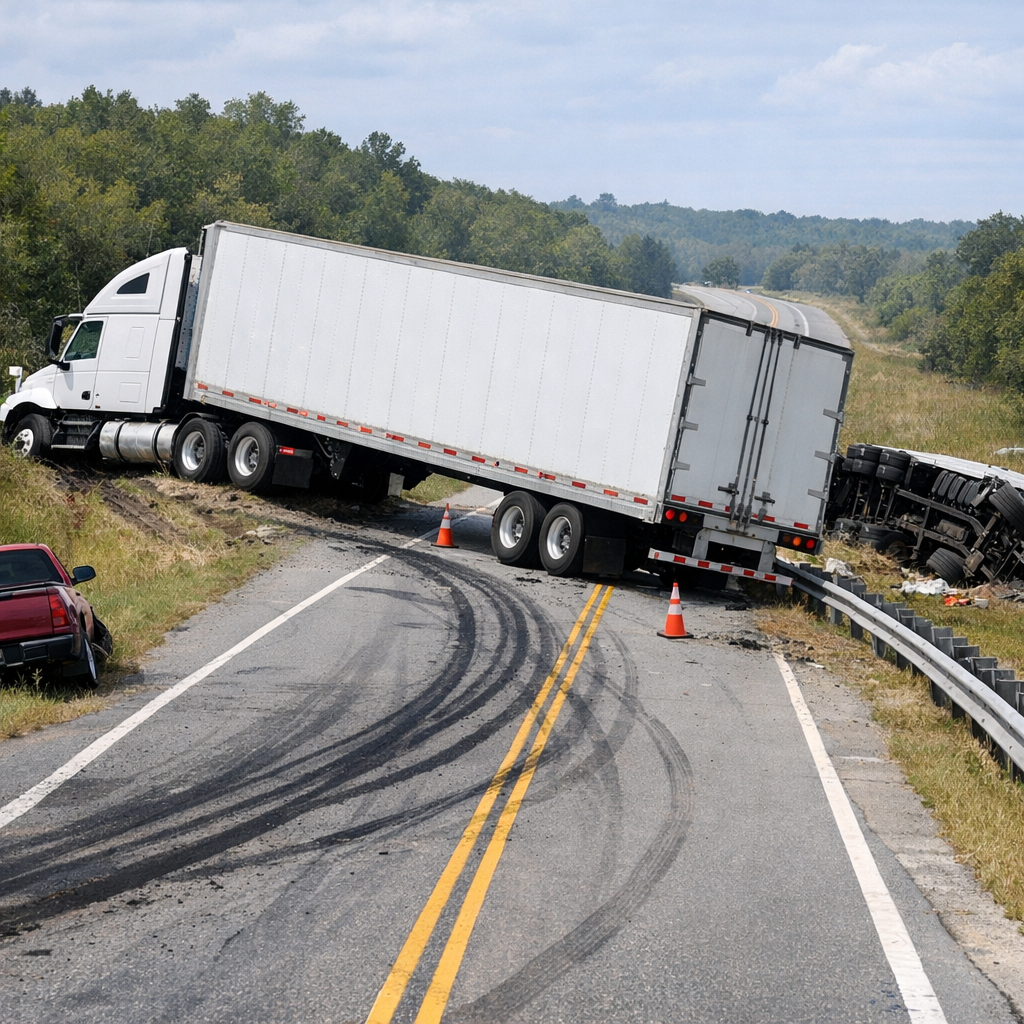
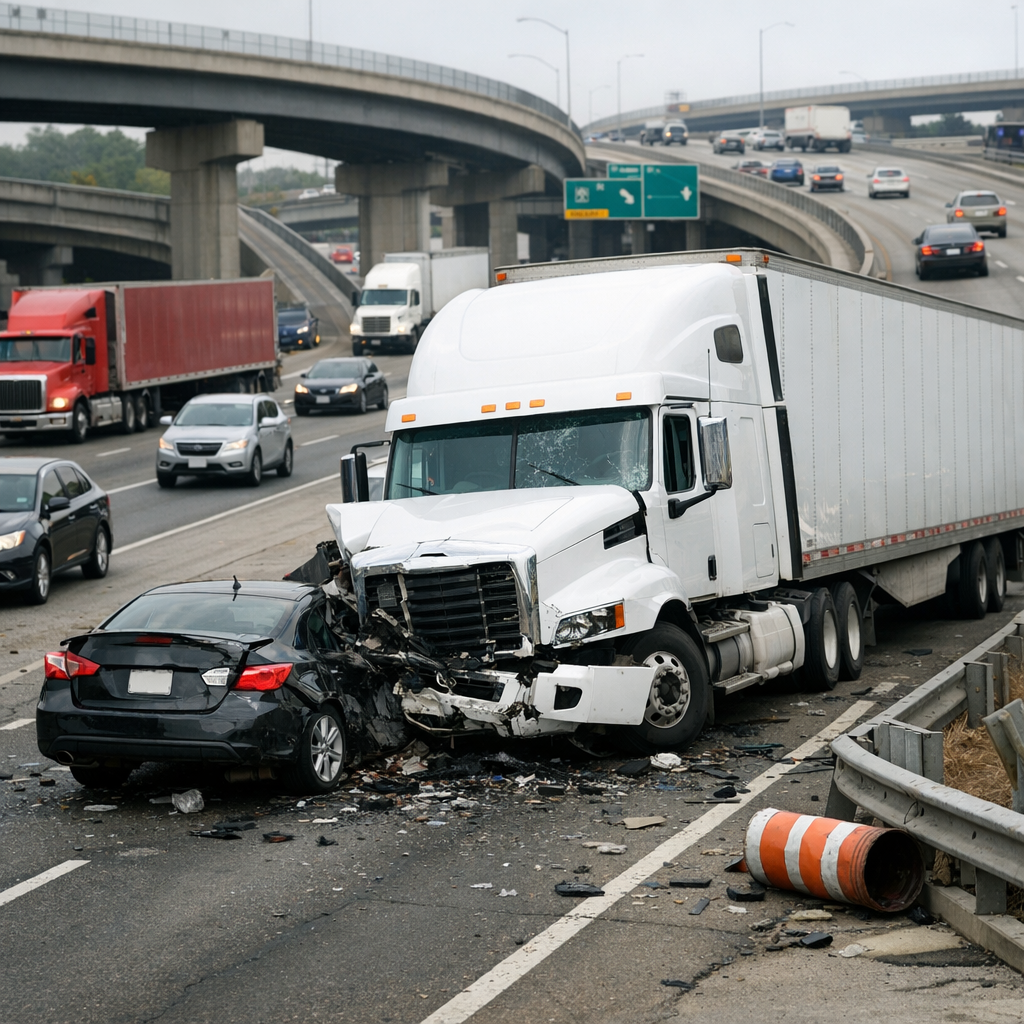
The sudden loss of a loved one in a truck accident is a profound tragedy that leaves a lasting impact on families and communities. Fatal accidents, especially those involving large vehicles like trucks, are often abrupt and unexpected, compounding the depth of sorrow experienced by those left behind. Understanding the nature of grief after a truck fatality helps bring some perspective to the difficult emotions and challenges that arise during such a heartbreaking time.
The Weight of Loss and Its Impact
When a fatal accident claims the life of a family member or close friend, the shock can be overwhelming. The enormity of the loss resonates deeply, affecting every aspect of daily life. Survivors may grapple with a wide range of feelings, from disbelief and numbness to sadness and despair. The practical reality of being without a loved one can be particularly difficult in fatal truck accident cases, where the suddenness of the event leaves little time for preparation or farewell.
The impact of losing someone in this manner often extends beyond immediate family members. Friends, coworkers, and the broader community may share in the grief, each processing the tragedy in their own way. The shared sense of loss can foster a collective mourning, emphasizing how interconnected lives become in the face of such calamity.
Emotional and Practical Challenges Faced by Survivors
Grief after a truck fatality frequently involves complex emotions that evolve over time. Feelings of sadness often coexist with confusion, guilt, and anger. Many survivors find themselves questioning the circumstances surrounding the accident or struggling with “what if” scenarios. These thoughts are a natural part of the grieving journey, reflecting the human need to find meaning or reason in the face of loss.
Alongside the emotional hurdles, families often face practical difficulties. The sudden absence of a loved one can bring significant changes to household routines, financial stability, and future plans. Coping with these practical matters while managing emotional pain requires an immense amount of strength. Though the nature of these challenges varies with each situation, the combination of emotional and logistical pressures is a common experience for those enduring grief after a truck fatality.
Support systems, whether through friends, family, or community resources, can play a crucial role in helping survivors adapt to their new reality. While such support does not erase pain, it can provide moments of relief and connection during an otherwise isolating time. Each person’s way of dealing with loss is unique, and the grieving process does not follow a set timeline or path.
Finding a Way Forward with Understanding and Compassion
The journey through grief after losing someone in a truck accident is deeply personal and often marked by a wide spectrum of emotions. Though the initial period following a loss can feel disorienting and overwhelming, many find that over time, the intensity of grief may shift, allowing space for remembrance and healing.
Acknowledging the seriousness of fatal accidents and the profound grief they cause is essential in fostering respect and empathy for those enduring such loss. It is important to approach this topic with sensitivity, recognizing that each individual’s experience is shaped by unique circumstances and relationships.
While the pain of losing a loved one in a truck accident remains, the process of mourning reflects the enduring bonds between those who remain and those who have passed. Through patience, understanding, and compassionate support, individuals navigating grief after a truck fatality can find ways to honor memories and gradually rebuild their lives.