Losing a Family Member in a Big Rig Crash
Fatal accidents involving large commercial trucks, often referred to as big rigs, are tragic events that reverberate far beyond the immediate moments of impact. When a family loses a member in such a crash, the emotional and practical aftermath can be profound and long-lasting. Recognizing the serious nature of these incidents and understanding their effects on families and loved ones is essential to appreciating the complex grief experienced in their wake.
The Serious Nature of Fatal Big Rig Accidents
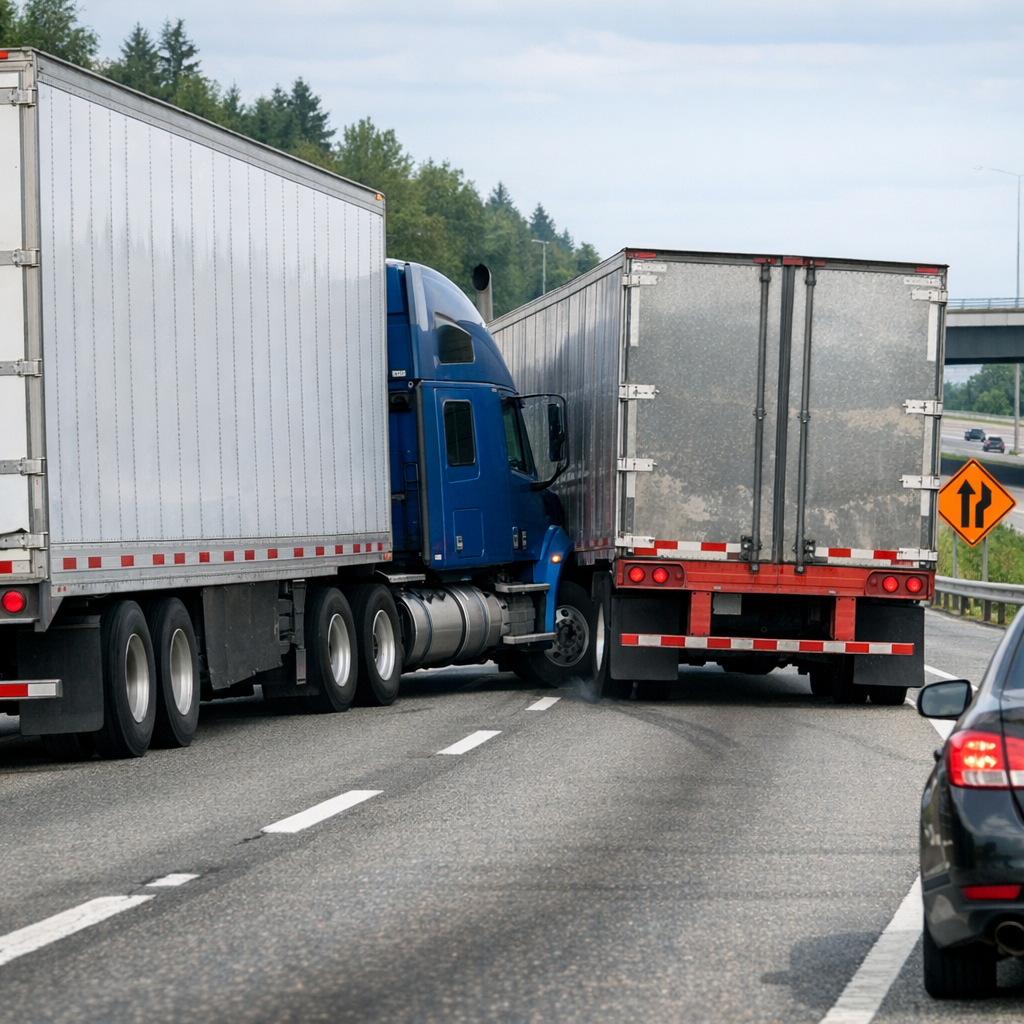
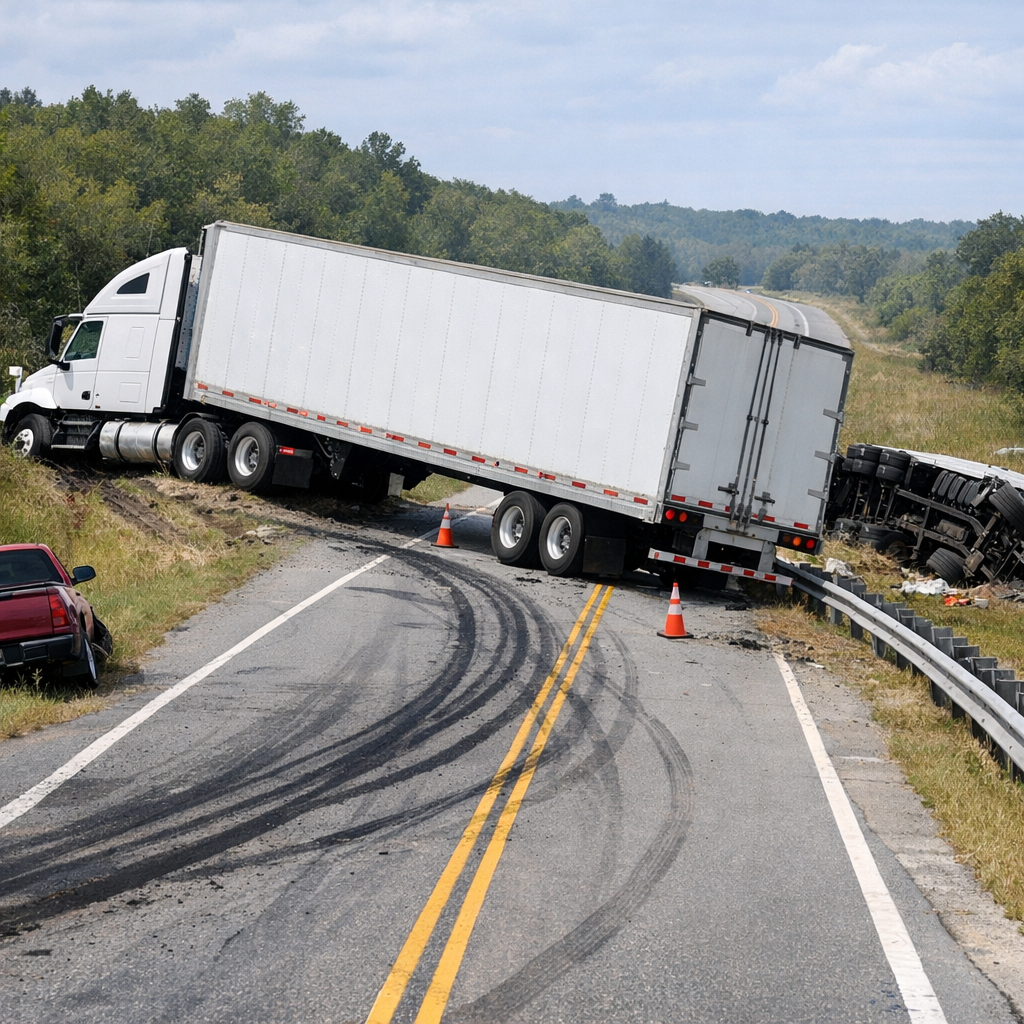
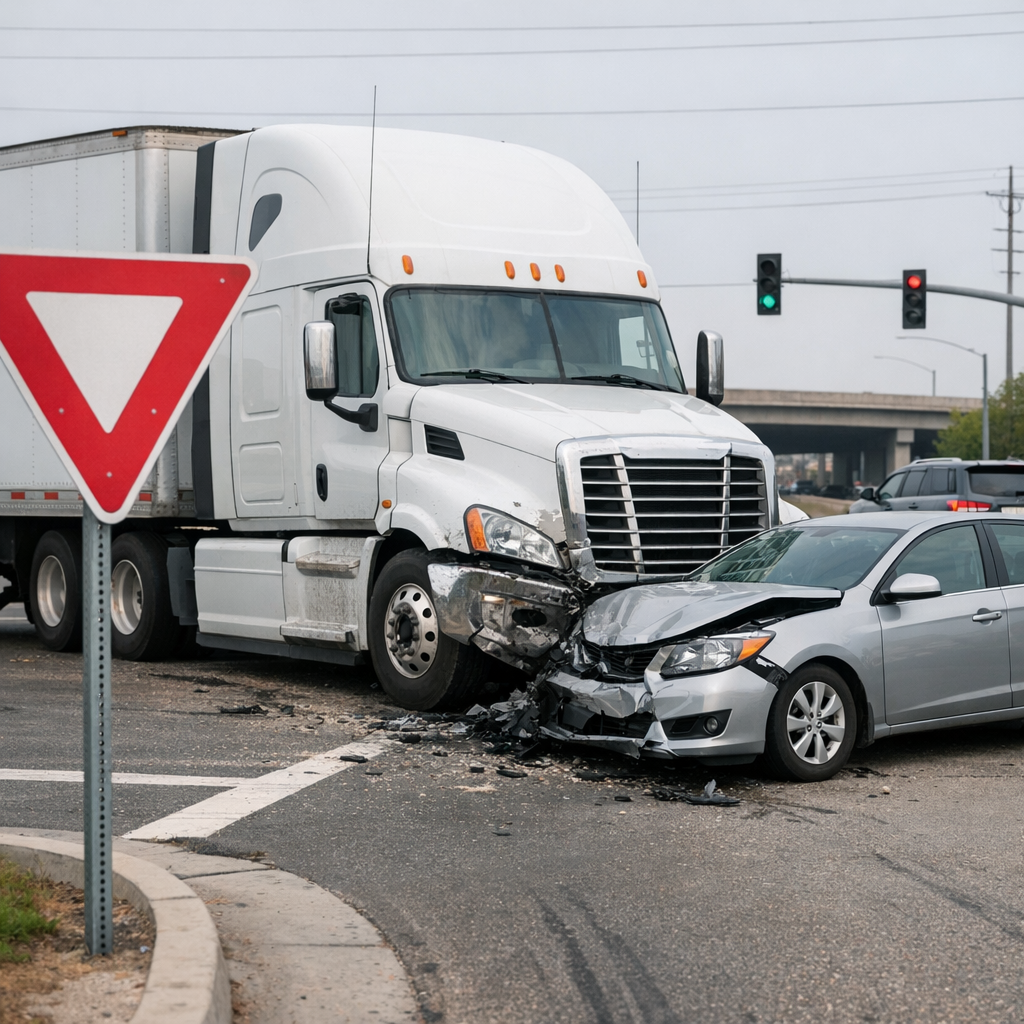
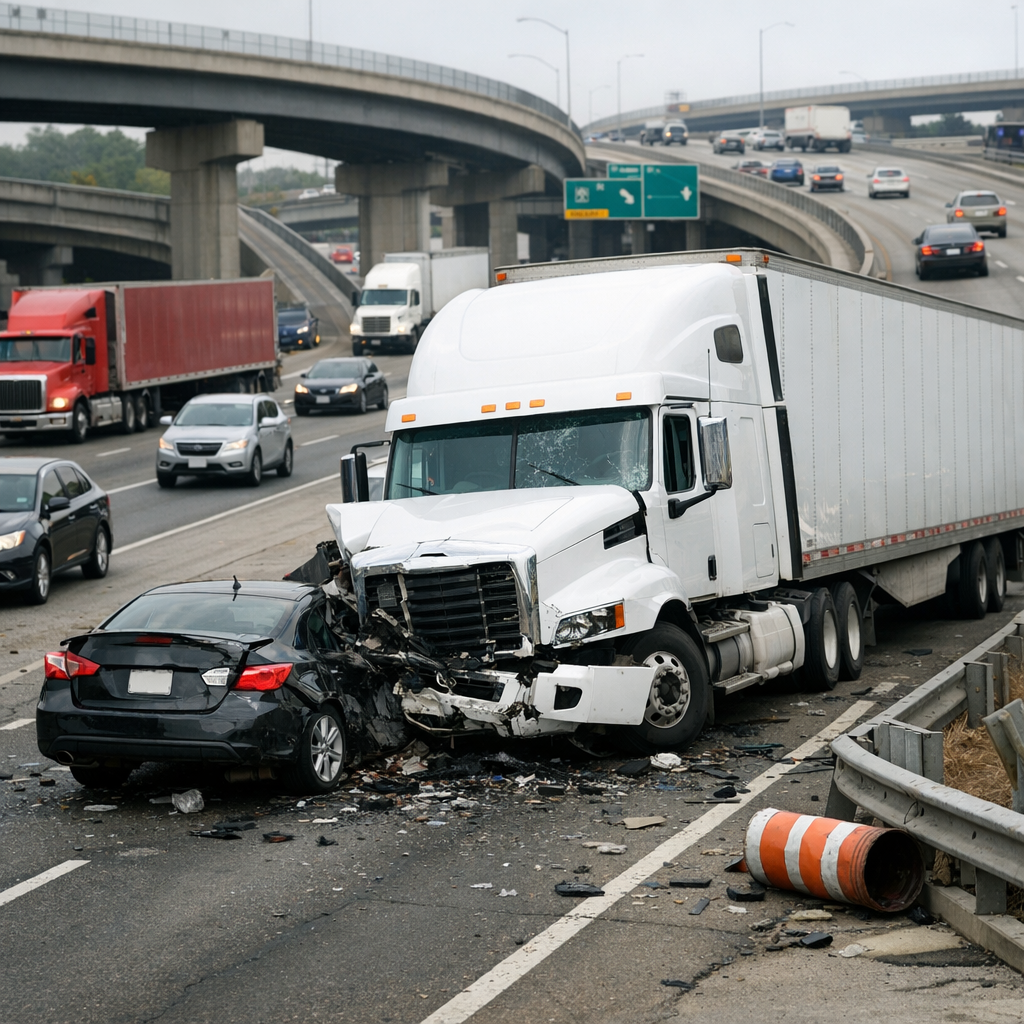
Accidents involving big rigs are often catastrophic due to the sheer size and weight of these vehicles. The consequences can be devastating, leading to severe injuries or death. When a fatality occurs, it underscores the immense hazards that exist on roads and highways. The loss of a family member in such accidents is a reminder of the fragility of life and how quickly circumstances can change. Families are suddenly confronted with an unexpected tragedy that no one can foresee or control.
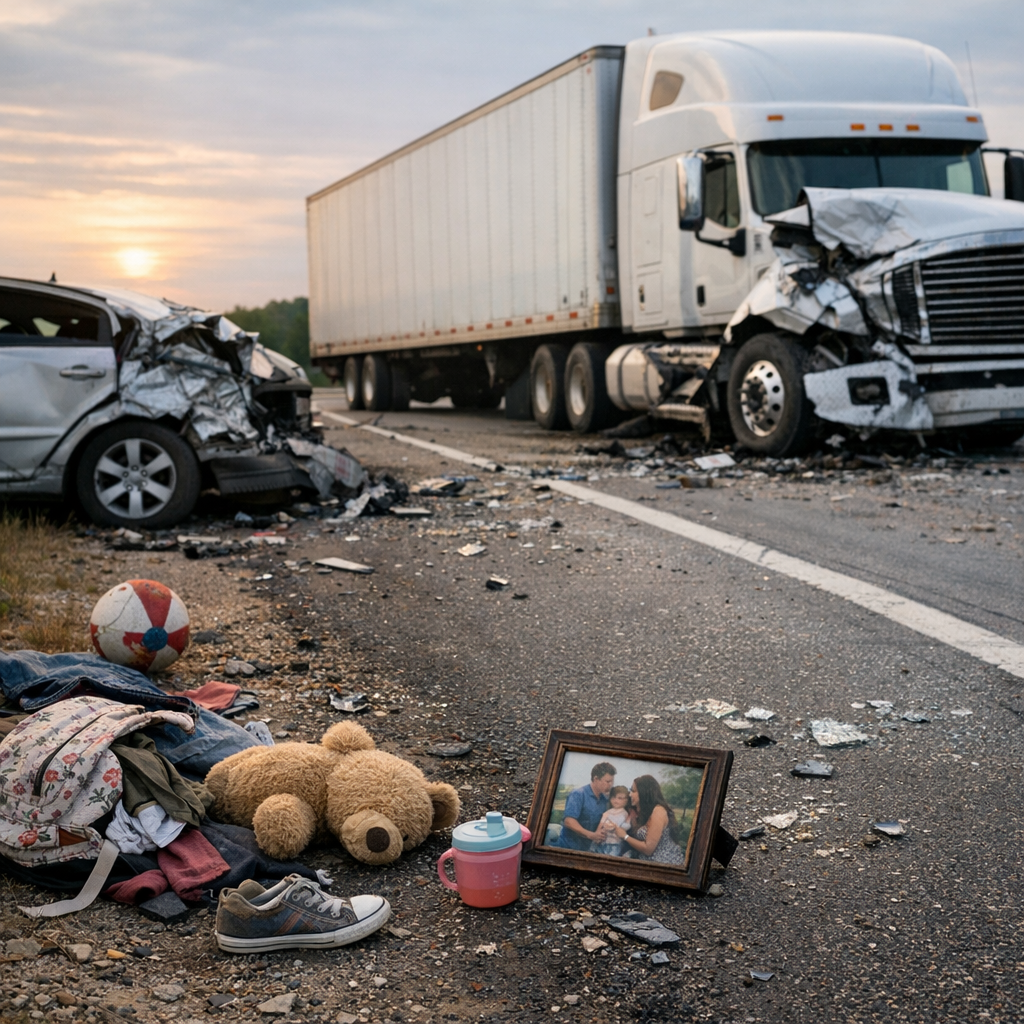
The reality of fatal big rig crashes is somber. These accidents usually attract significant media attention because of their scale and severity. However, it is the personal stories behind the headlines—the lives forever altered—that convey the deepest understanding of loss. Each incident involves an individual who was part of someone’s family, leaving behind memories, relationships, and unfinished chapters.
Impact on Families and Loved Ones
The death of a loved one, especially under sudden and traumatic circumstances such as a big rig crash, has a profound impact on family dynamics. Those left behind often experience a deep sense of emptiness and confusion. The absence of the deceased disrupts daily life and alters the family’s future path in ways that are difficult to anticipate or plan for.
Relationships between family members may shift as each person processes grief differently. Some might find solace in shared memories, while others wrestle with feelings of isolation or despair. The loss can affect parents, siblings, spouses, and children uniquely, each carrying their own burden of sorrow. The experience becomes a collective family challenge, influencing not only emotional bonds but also the ways in which the family unit functions.
Children or elderly family members, in particular, might face additional vulnerabilities when a relative is lost in such a traumatic event. Support networks within the family may be disrupted, requiring adjustments to daily responsibilities or caregiving roles. The family must navigate these changes while also managing the emotional strain of their loss.
Emotional and Practical Challenges Following the Loss
The immediate period following the loss of a family member in a big rig accident often involves overwhelming emotions. Shock and disbelief are common initial responses, as the reality of the situation takes time to settle. As days pass, feelings of sadness, anger, or confusion may emerge, each surfacing at different times for different individuals.
Grieving is a deeply personal experience, and its course is rarely linear. It encompasses a broad range of emotions that can fluctuate unpredictably. This emotional complexity is compounded by practical challenges that families often face after such tragedies. Arrangements related to funerals or memorial services require attention during a time of intense emotional distress, adding a layer of logistical considerations.
Adjusting to life without the deceased can bring financial concerns, changes in living situations, or shifts in family roles. The sudden absence may create gaps in household income or support, especially if the lost family member was a primary provider or caregiver. Balancing these responsibilities with the natural process of mourning adds to the difficulty families endure.
The grieving process may also involve seeking comfort in familiar routines or, conversely, withdrawing from usual activities. Families often find it necessary to establish new ways of coping and communicating as they move forward. Healing is an ongoing journey, marked by moments of remembrance and adaptation.
A Reflective Perspective on Loss
Losing a family member in a big rig crash marks a poignant chapter in the lives of those affected. The seriousness of such accidents and their profound impact on families call for thoughtful acknowledgment and respect. While the path through grief is complex and individual, it is shaped by both emotional and practical factors that families contend with over time.
Understanding the experience from a calm and considerate viewpoint helps to honor the memories of those lost and the lives forever changed. In remembering those who have passed, the focus rests on compassion and recognition of the human stories behind the tragedy. The process of loss, though painful, is part of the shared reality that connects us all in the face of life’s uncertainties.