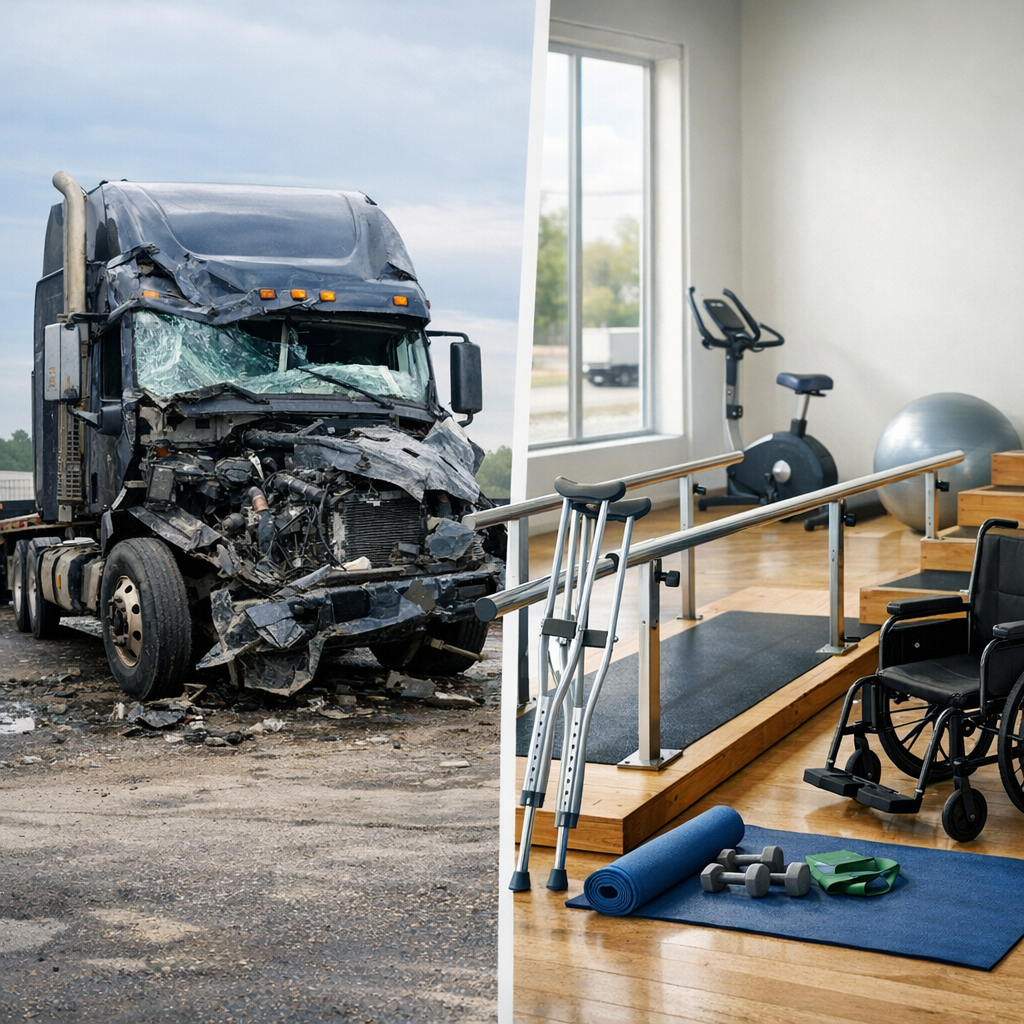
Gradual Progress After Serious Truck Injuries
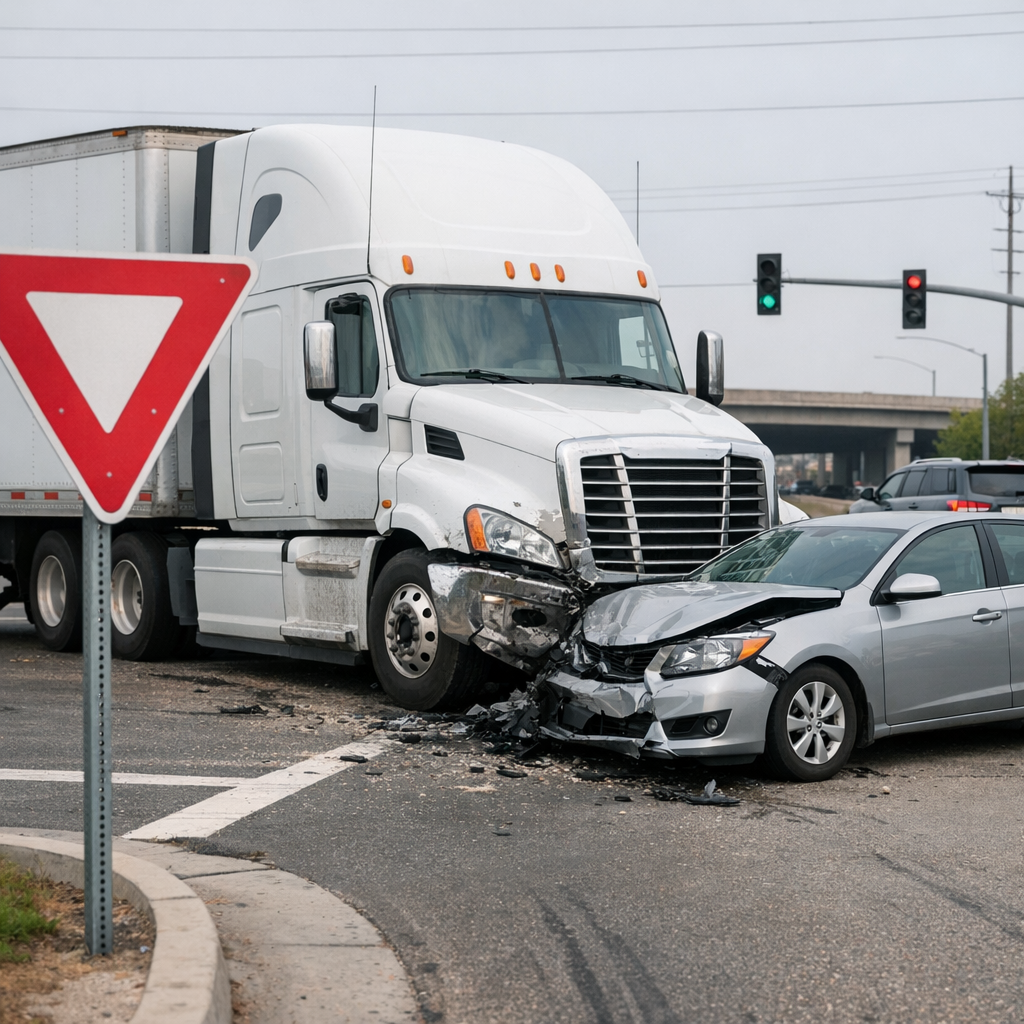
Serious injuries from truck accidents often require extensive medical care due to the complex nature of traumas sustained. The size and weight of trucks can result in significant physical damage, calling for careful evaluation and treatment to address both visible and hidden injuries. Understanding the process of gradual progress during truck recovery can help individuals appreciate the timeline and steps involved in regaining health and function.
Importance of Immediate and Ongoing Medical Care After a Truck Accident
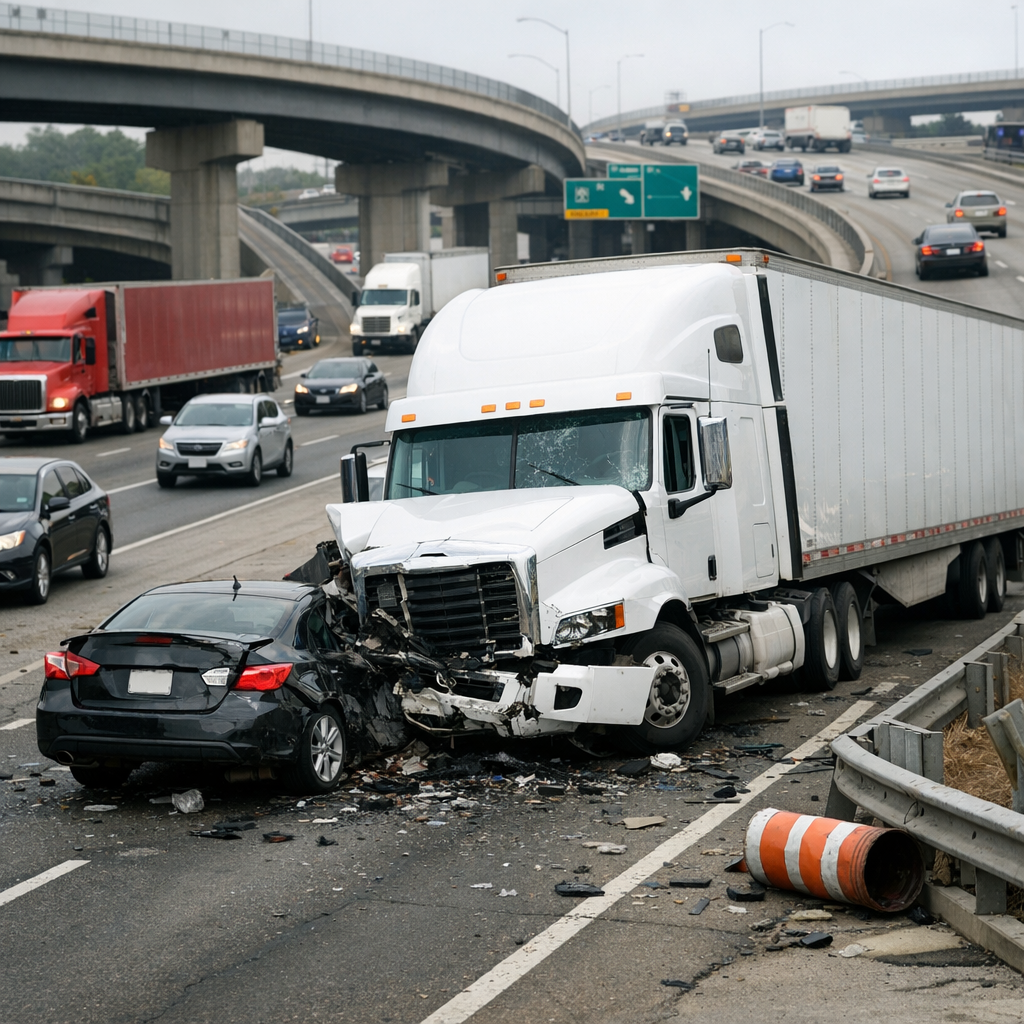
Accidents involving large trucks can cause a wide range of injuries, from fractures and soft tissue damage to internal trauma. Because of the potential severity, medical care following such an event is crucial. Even if injuries do not appear severe initially, some conditions like concussions or internal bleeding may become apparent only through medical examination.
Initial hospital care typically focuses on stabilizing vital functions and addressing life-threatening issues. After stabilization, diagnostic imaging and specialist consultations help form a comprehensive treatment plan. This approach ensures injuries are properly managed, reducing the risk of complications during recovery.
Ongoing medical monitoring is important as recovery from serious truck injuries often extends over weeks or months. Repeated assessments track healing progress and inform adjustments to treatment strategies. This continuous care supports gradual progress in physical and functional restoration.
Typical Treatments Involved in Serious Truck Injury Recovery
The treatments for injuries sustained in truck accidents vary depending on the nature and severity of the trauma. Commonly, multiple treatment modalities are combined to address the complexity of these injuries.
Surgical intervention may be necessary to repair fractures, manage internal injuries, or decompress nerve structures. Surgery is often followed by immobilization or use of supportive devices such as braces or casts to facilitate proper healing.
Physical therapy plays a significant role in the recovery process. It helps patients regain strength, flexibility, and range of motion. Gradual introduction of exercises under professional guidance aims to restore function without overloading healing tissues.
Pain management is another important component, involving medications and other therapies to maintain comfort during recovery. Proper pain control enables participation in rehabilitation, which contributes to overall gradual progress.
In some cases, psychological support is integrated into recovery planning. Accidents causing serious physical trauma can also impact mental health, and addressing this aspect promotes a more holistic recovery.
Understanding the Gradual Progress of Recovery Over Time
Recovery after serious truck injuries is often a phased process, marked by gradual improvements rather than immediate restoration.
Early Weeks: Focus on Healing and Stabilization
In the initial weeks after injury, the body prioritizes tissue repair. Treatments center around protecting injured areas and controlling symptoms. Patients may experience limitations in mobility and require assistance with daily activities.
During this phase, medical follow-ups monitor the healing of bones, soft tissues, and surgical sites. Physical therapy begins cautiously, emphasizing gentle movements to prevent stiffness and maintain circulation.
Intermediate Phase: Regaining Strength and Function
Several weeks into recovery, patients often see noticeable improvements in pain levels and mobility. Physical therapy intensity may increase progressively to rebuild muscle strength and joint function.
Activities of daily living gradually become easier, though some limitations may remain. Adjustments to treatment, such as changes in medication or therapy techniques, occur based on ongoing assessments.
Long-Term Recovery: Restoring Independence and Adaptation
Months after injury, many individuals continue to work on functional goals, aiming to return to pre-injury activities as much as possible. Some may require adaptive strategies or assistive devices if full recovery is not achievable.
Continued rehabilitation supports maintaining improvements and preventing secondary issues like muscle atrophy or joint stiffness. Emotional and cognitive recovery, when affected, also develops over time alongside physical healing.
Moving Forward with a Calm Perspective on Recovery
Gradual progress in truck recovery reflects the body’s natural healing processes combined with medical and therapeutic support. Understanding that recovery timelines vary according to injury severity and individual factors helps set realistic expectations.
While progress may appear slow at times, consistent medical monitoring and rehabilitative care contribute to ongoing improvements. Patience and adherence to prescribed treatment protocols, without rushing or overexerting, tend to support better long-term outcomes.
This measured approach to recovery highlights the importance of addressing both immediate needs and subsequent stages of healing. By focusing on steady advancement rather than rapid results, individuals recovering from serious truck injuries can navigate the path toward restored health with informed awareness.