Managing setbacks during truck injury recovery
Recovering from a truck injury can be a prolonged and complex process. The nature of these accidents often leads to serious physical trauma requiring diverse medical interventions. Understanding the typical course of recovery and the possibility of setbacks is important for those navigating the healing journey. This article explores why ongoing medical care is necessary, common recovery treatments, typical recovery progression, and how to approach setbacks in a balanced manner.
The necessity of medical care after a truck injury
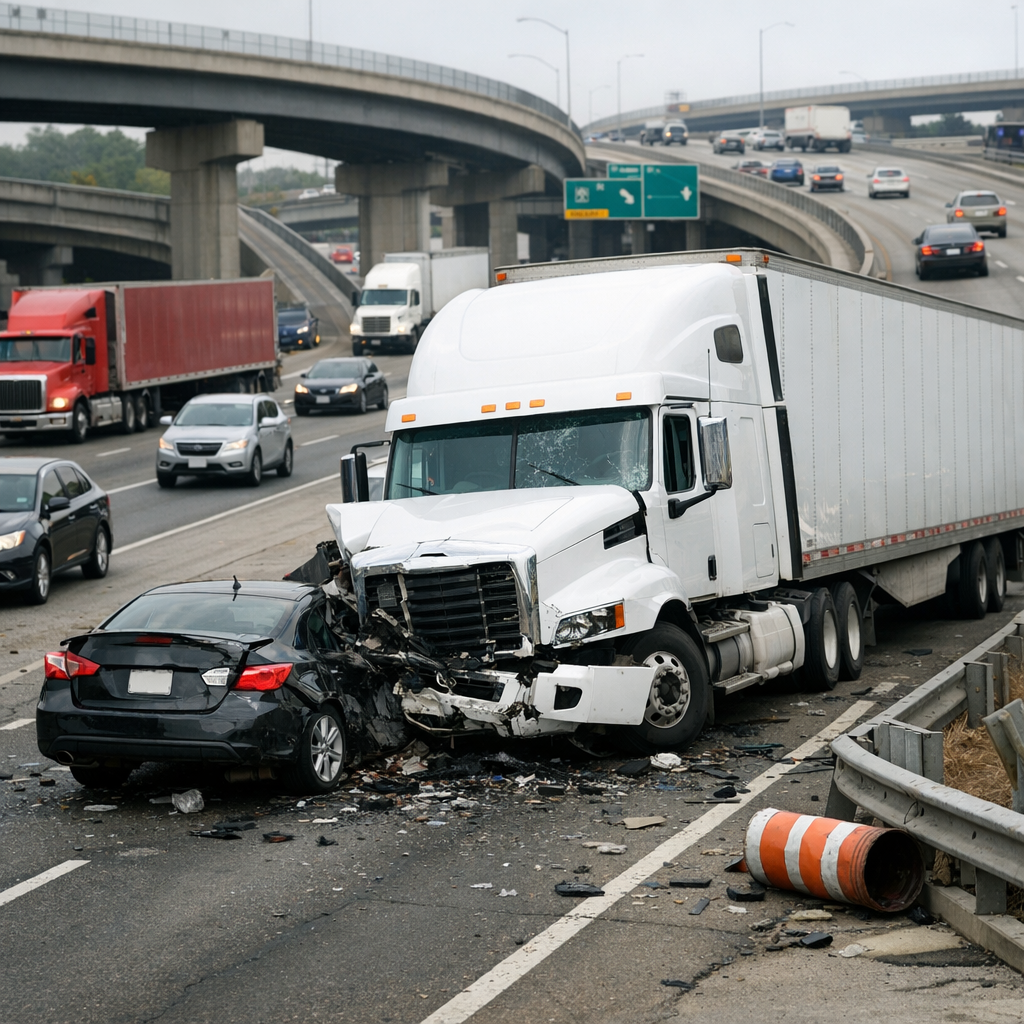
Truck accidents often involve significant forces impacting the body, resulting in injuries that may not be immediately apparent. Due to the size and momentum of trucks compared to smaller vehicles, victims may experience fractures, soft tissue damage, internal injuries, or neurological issues. Immediate medical evaluation following such an accident frequently includes imaging, wound care, and stabilization.
Even after initial treatment, continued medical care is crucial. Some injuries require long-term monitoring to detect complications, such as infection, deep vein thrombosis, or delayed nerve damage. Rehabilitation may be essential to restore mobility and strength, particularly after surgeries or immobilization. The complexity and severity of truck injuries usually mean that recovery is not straightforward, underscoring the importance of ongoing medical attention.
Common treatments and steps during truck injury recovery
Recovery from a truck-related injury often involves multiple phases and interventions. Initial hospital care focuses on addressing life-threatening problems and stabilizing fractures or other damaged tissues. After discharge, outpatient treatment and rehabilitation become key components of the healing process.
Physical therapy is a cornerstone of recovery for many injuries sustained in truck accidents. It supports the restoration of function, reduces pain, and encourages gradual reactivation of muscles affected by trauma or disuse. Occupational therapy may also play a role in helping individuals adapt to daily tasks and regain independence.
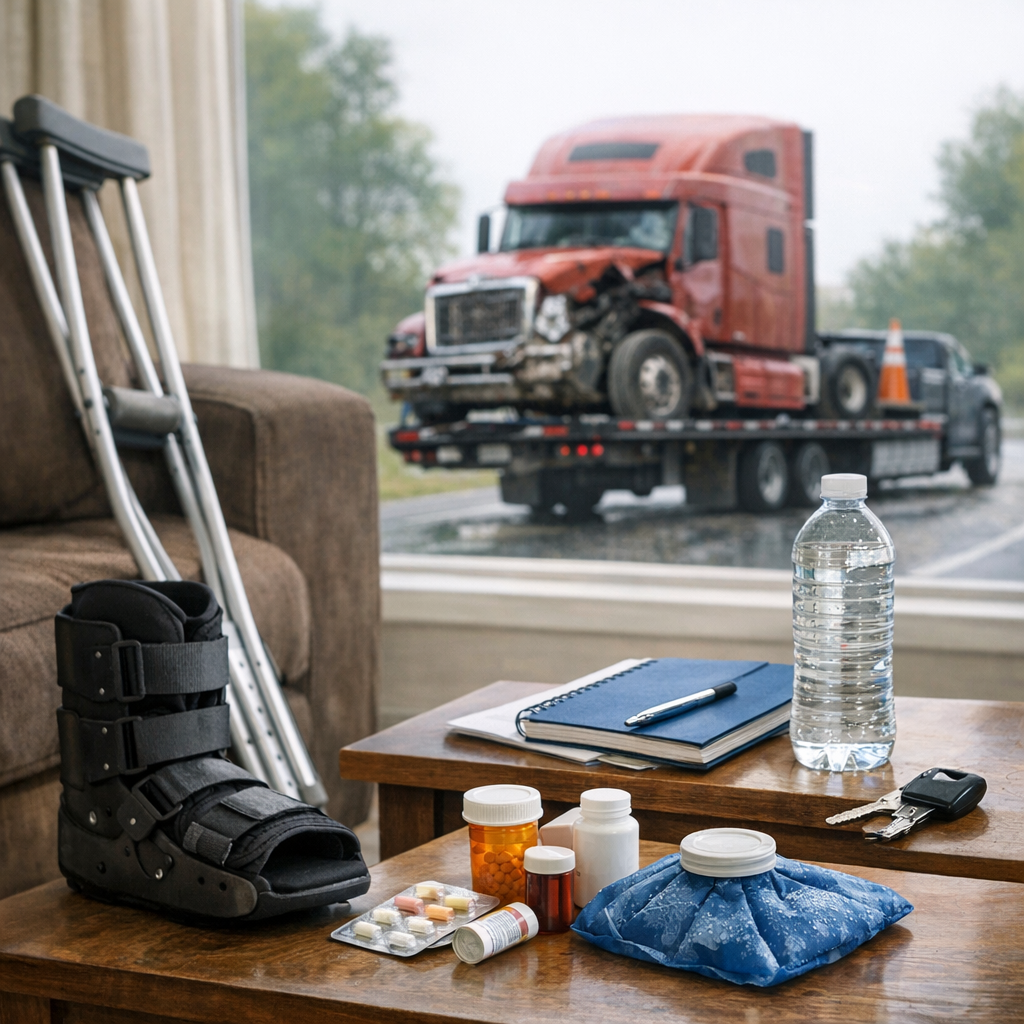
Pain management is typically necessary, especially during the early phases of healing. This can involve medications, therapeutic modalities like heat or cold applications, and sometimes complementary approaches such as acupuncture or massage. Additionally, psychological support may be beneficial, as coping with trauma and altered physical capabilities can impact mental health.
Ongoing medical evaluations help track progress and adjust treatment plans. Imaging and clinical assessments ensure that healing is proceeding appropriately. In some cases, further surgeries or procedures might be needed if complications arise or if initial treatments do not achieve desired outcomes.
Understanding recovery progression and possible setbacks
Recovery from a truck injury generally follows stages that include acute healing, functional rehabilitation, and long-term maintenance or adaptation. During the acute phase, the focus is on controlling pain, preventing complications, and allowing tissues to mend. This period may involve immobilization, wound care, and basic mobility exercises.
As healing progresses, therapy intensifies, aiming to rebuild strength, flexibility, and endurance. Patients often experience gradual improvement in function, although this timeline can vary widely depending on the injury’s severity and individual factors such as age and overall health.
Setbacks during recovery are not uncommon and may occur for various reasons. Increased pain, swelling, or decreased function can sometimes signal that healing is not progressing as expected. These issues may stem from secondary injuries, inadequate rest, infections, or psychological factors like stress or anxiety.
When setbacks occur, recovery plans often require reassessment. Treatment modifications might include adjusting therapy intensity, exploring alternative pain management strategies, or addressing new symptoms. Recognizing that recovery is not always linear helps set realistic expectations and facilitates appropriate responses to challenges.
Approaching setbacks with understanding and patience
Experiencing setbacks during truck injury recovery can be a discouraging but relatively common part of the rehabilitation process. Maintaining a steady approach that emphasizes patience and ongoing communication with healthcare providers is important. Setbacks do not necessarily indicate failure but may reflect the complexity of healing after a significant trauma.
Staying informed about the typical ebb and flow of recovery after truck injuries can provide context when unexpected issues arise. In many cases, setbacks lead to valuable adjustments that ultimately support a more complete recovery. Recovery timelines may extend beyond initial estimates, and gradual progress is often more sustainable than rapid but uneven gains.
Focusing on consistent care, rest, and gradual activity can help support ongoing healing. Understanding that recovery from a truck accident is multifaceted, involving physical, emotional, and sometimes social aspects, helps frame the process more holistically.
While setbacks can pose frustrations, they also offer opportunities to reevaluate treatment strategies and ensure that recovery efforts remain aligned with evolving needs. Over time, many individuals regain significant levels of function and quality of life through persistent and well-managed care.
—
Navigating recovery after a truck injury involves addressing complex health needs and understanding the potential for setbacks. Medical care plays a foundational role in managing injuries, while rehabilitation supports restoration of function. Recovery progression varies, and interruptions or regressions are sometimes part of the process. Approaching setbacks with a measured perspective allows for adjustments that promote healing. With ongoing care and patience, recovery after truck injuries often continues toward improvement, even when faced with challenges along the way.