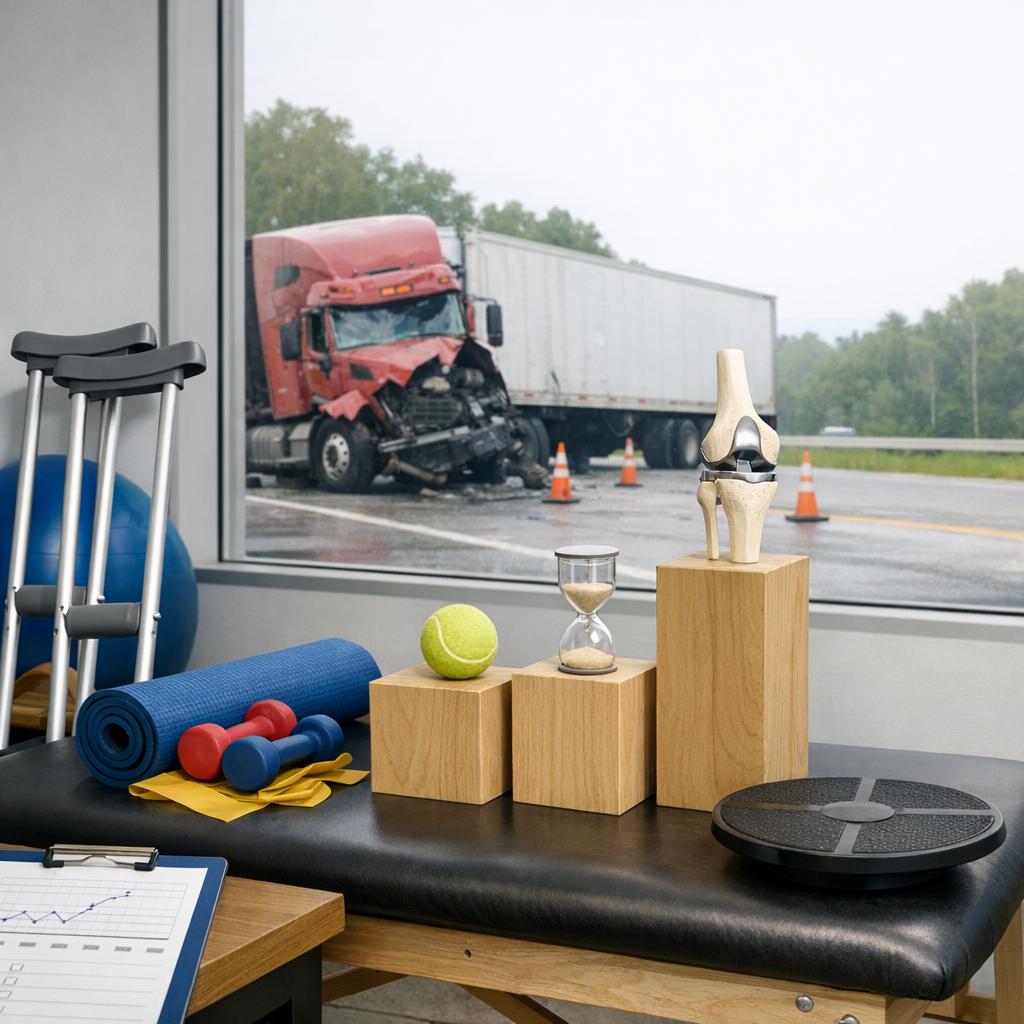
Physical Therapy Milestones After Truck Accidents
Experiencing a truck accident can result in a wide range of physical injuries, often requiring specialized medical care and rehabilitation. The forces involved in such collisions frequently cause significant trauma to musculoskeletal structures, including bones, muscles, ligaments, and nerves. Medical attention following a truck accident plays an essential role in assessing the extent of injuries and establishing a recovery plan. Physical therapy is often a key component of this process, helping patients regain mobility, strength, and function over time.
The Importance of Medical Care After Truck Accidents
After a truck accident, immediate medical evaluation is crucial to identify injuries that might not be immediately apparent. The sheer impact and weight disparities in these types of incidents can lead to complex fractures, spinal injuries, or soft tissue damage. Some injuries may initially seem minor but have lasting effects if untreated. Medical professionals use diagnostic tools such as X-rays, MRIs, and physical exams to create a detailed understanding of the patient’s condition.
Delayed or incomplete treatment can complicate recovery and may result in chronic pain or limited function. Physical therapy often begins as part of a multidisciplinary approach to promote healing while addressing functional impairments. Therapy focuses not only on recovery but also on preventing secondary complications such as joint stiffness or muscle atrophy.
Initial Physical Therapy: Starting with Pain Management and Mobility
The early phase of physical therapy after a truck accident typically centers on controlling pain and inflammation. Given that injuries can vary from sprains and strains to fractures and nerve damage, the initial therapy approach is highly individualized. Physical therapists might guide patients in gentle range-of-motion exercises to maintain joint flexibility without overstressing injured tissues.
During this period, therapy sessions may include soothing modalities such as heat, cold packs, or electrical stimulation to help reduce discomfort and swelling. These interventions aim to create an environment conducive to healing while gradually encouraging movement. Rest is balanced with activity to avoid stiffness and promote circulation but should always be guided by professional assessment.
Rebuilding Strength and Function Through Targeted Exercises
As pain and inflammation decrease, therapy often progresses to strengthening exercises designed to restore muscle function. This stage can begin a few weeks after the accident, depending on individual healing rates and injury types. The focus is on rehabilitating muscles that support affected joints and spinal segments, improving stability, and preventing further injury.
Strengthening exercises may start with low-impact activities such as isometric contractions or resistance bands before slowly adding weight-bearing movements. Physical therapists develop personalized programs that incrementally increase intensity as the patient’s capabilities improve. This phase also works toward improving balance and coordination, which are commonly affected following trauma.
Regaining Full Range of Motion and Functional Movement
After strength begins to return, therapy gradually emphasizes restoring full range of motion and normal movement patterns. This milestone often occurs several weeks to months after the accident. Patients might participate in stretching routines, joint mobilization techniques, and functional training that simulate everyday activities.
Regaining mobility may also involve re-educating muscles and nerves to respond appropriately, particularly if nerve injuries have occurred. Therapists may incorporate proprioception exercises and activities that encourage symmetry and fluidity in movement. Improved joint flexibility and neuromuscular control play critical roles in helping patients resume pre-accident activities safely.
Advanced Therapy: Preparing for Activity and Prevention of Re-Injury
In later stages of recovery, therapy can shift to more advanced functional training tailored to the patient’s lifestyle and goals. This might include dynamic balance challenges, endurance training, and sport- or work-specific movements. The intent is to build resilience and confidence while minimizing the risk of future injury.
Therapists may also focus on educating patients about posture, lifting techniques, and ergonomic adjustments to support long-term health. Monitoring progress during this phase helps ensure that strength, flexibility, and coordination are maintained and optimized. Continued therapy beyond initial milestones can sometimes be beneficial to address persistent weaknesses or discomfort.
Understanding the Timeline of Therapy Milestones After Truck Accidents
The course of physical therapy following a truck accident differs for every individual. Factors such as the severity of injury, overall health, age, and adherence to therapy influence recovery speed. Some patients may reach early milestones within days or weeks, while others might require months to see substantial progress.
Often, the first few weeks focus on pain relief and gentle movement; the next several weeks may involve strengthening and motion restoration; later months typically emphasize function and prevention. Ongoing evaluation by physical therapists ensures that therapy goals evolve appropriately, reflecting improvements or new challenges.
Final Thoughts on Physical Therapy Recovery After Truck Accidents
Recovering from injuries sustained in a truck accident is generally a gradual process that involves multiple therapy milestones. Physical therapy serves as a structured pathway to regain movement, strength, and functional capacity. Recognizing these milestones can help individuals understand the typical stages of rehabilitation and set realistic expectations.
Throughout physical therapy, collaboration with healthcare providers supports holistic care tailored to the injury and patient needs. While recovery timelines vary, consistent participation in guided therapy is often central to achieving the best possible outcomes. With careful management, many patients progressively return to their daily activities and regain much of their previous physical function.