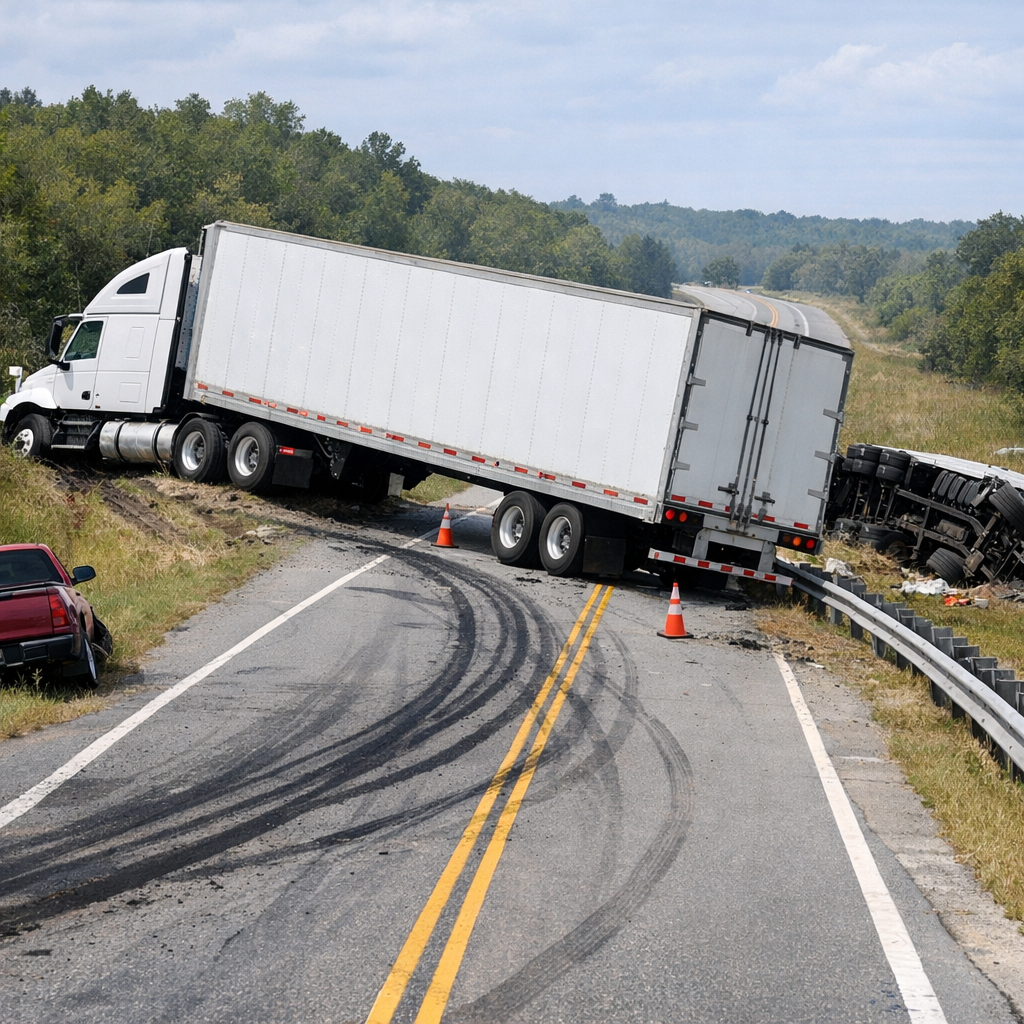

Medication Use After Serious Truck Crashes
Serious truck crashes often result in a wide range of injuries that require immediate and ongoing medical attention. The nature of these accidents frequently causes significant physical trauma, including broken bones, soft tissue damage, and sometimes traumatic brain injuries or internal organ harm. Due to the severity and complexity of these injuries, medical care is essential not only for life preservation but also for facilitating recovery and managing symptoms.
Medication plays an important role in post-accident treatment plans. It can help control pain, reduce inflammation, prevent infection, and address psychological effects like anxiety and depression that may arise following a traumatic event. Understanding the types and timing of medication use after a truck crash contributes to a clearer picture of the recovery journey.
Early Medical Care and Initial Medication Use
Immediately following a serious truck crash, medical professionals conduct evaluations to determine the extent of injuries. Stabilizing vital signs and preventing further harm are top priorities in emergency settings. In this phase, medications are typically administered to manage acute pain and prevent complications.
Pain management often includes the use of opioids or nonsteroidal anti-inflammatory drugs (NSAIDs) depending on injury severity. Opioids may be prescribed to manage intense pain but are usually limited in duration due to potential side effects and risks associated with long-term use. NSAIDs offer anti-inflammatory benefits and help alleviate moderate discomfort. In cases involving surgical intervention, antibiotics might be administered to prevent infections, particularly if open wounds or fractures are present.
Sedatives or muscle relaxants may be used to ease muscle spasms or anxiety in the immediate aftermath. It is important to recognize that medication in this early stage is aimed at stabilizing the patient’s condition and managing symptoms that could interfere with other treatments or recovery activities.
Managing Recovery and Ongoing Medication Needs
After initial treatment, many patients enter a recovery phase that can involve physical therapy, follow-up medical evaluations, and adjustments to medication regimens. Medical teams often reassess pain levels and other symptoms regularly to balance effective relief with minimizing medication side effects.
As healing progresses, the reliance on strong pain medications like opioids might decrease, with more emphasis placed on NSAIDs or alternative therapies as part of a comprehensive care plan. Some patients may be advised to take medications that support bone healing or reduce chronic inflammation depending on the nature of their injuries.
Other types of medication use after a truck crash during this stage can include treatments for secondary conditions. For example, if injuries result in nerve damage, medications targeting neuropathic pain may be introduced. In cases of traumatic brain injury or emotional distress, healthcare providers might consider medications such as antidepressants or anti-anxiety drugs to support mental health and wellbeing.
Physical therapy and rehabilitation also play significant roles alongside medication, often allowing patients to gradually reduce their dependence on pharmacological treatments as mobility and function improve.
Long-Term Recovery and Medication Adjustments
Recovery from serious truck crash injuries can extend over months or even years, especially when complex fractures, neurological damage, or psychological impacts are involved. Medication use often evolves during this extended period, adapting to the changing needs of the patient.
For some, chronic pain may persist, necessitating a carefully monitored medication plan that prioritizes safety and effectiveness. Medical teams may explore non-opioid alternatives or adjunct therapies to help manage ongoing discomfort and improve quality of life.
In addition to pain management, long-term recovery may involve medications aimed at preventing or treating secondary effects such as muscle stiffness, depression, or sleep disturbances. Coordination between specialists, including pain management experts and mental health professionals, may influence medication strategies during this phase.
Regular medical reviews remain important to assess medication effectiveness, identify potential side effects, and make appropriate adjustments. Some patients might also participate in multidisciplinary rehabilitation programs that integrate medication use with physical and psychological therapies.
Understanding Medication Use as Part of a Larger Recovery Process
Medication after a truck crash is one aspect of a broader recovery effort that incorporates clinical monitoring, physical rehabilitation, and emotional support. While medications can play a crucial role in symptom management and healing, they tend to work best when combined with other therapeutic approaches tailored to individual needs.
Patients’ responses to medication can vary widely, necessitating personalized treatment plans that evolve over time. Open communication with healthcare providers helps ensure that medication use remains aligned with recovery goals and overall health.
The gradual nature of healing after serious truck crashes means that medication use may shift from acute interventions to long-term management or even eventual discontinuation as functional capacity improves. At every stage, the emphasis tends to be on balancing benefits and risks while supporting patient comfort and recovery progress.
By appreciating medication use as one component within a comprehensive medical and rehabilitative framework, individuals and caregivers can gain a clearer perspective on what to expect following a serious truck crash. This understanding can help frame the often complex journey of recovery in a manageable and informed way.