
Hospital Recovery After a Big Rig Crash
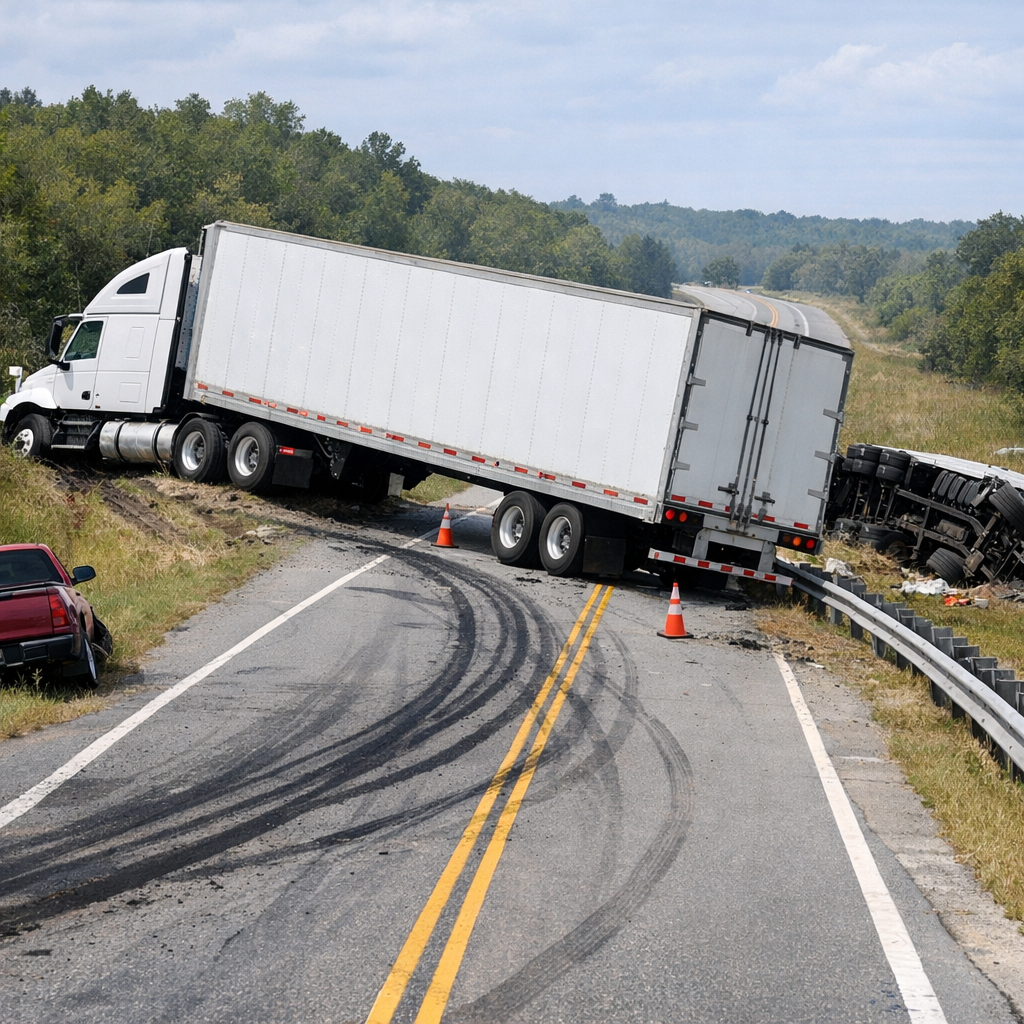
Big rig crashes often result in complex injuries due to the size and force involved in these collisions. The hospital recovery process after such an event can be extensive, requiring careful medical management and rehabilitation. Understanding the stages of recovery and what to expect may help patients and their families navigate this challenging period with more clarity.
Why Medical Care Is Important After a Big Rig Crash
When a person is involved in a big rig crash, the impact can cause severe trauma to multiple parts of the body. These accidents often lead to injuries such as fractures, internal bleeding, head trauma, and soft tissue damage. Prompt and comprehensive medical care in the hospital is necessary to stabilize the patient, address life-threatening conditions, and begin the healing process.
The kinetic energy from these crashes can cause both visible injuries and internal damage that might not be immediately apparent. Medical professionals use diagnostic tools like imaging scans and physical assessments to identify the extent of injuries. Hospital care also allows close monitoring to prevent complications such as infections or blood clots, which could arise during the initial recovery phase.
Common Treatments and Initial Recovery Steps in the Hospital
The first priority in hospital recovery big rig cases is stabilization. Emergency teams focus on ensuring the patient’s airway is clear, breathing is adequate, and circulation is maintained. Once stable, further evaluations such as X-rays, CT scans, or MRIs help in mapping out the injuries.
Surgical interventions are often necessary, especially when there are broken bones, internal bleeding, or severe tissue damage. Orthopedic surgeries may be performed to realign and fix fractures with plates, screws, or rods. In cases of head or spinal injuries, neurosurgical procedures might be required to relieve pressure or stabilize the spine.
In addition to surgeries, hospital care includes pain management, wound care, and prevention of secondary issues like infections. Patients may receive intravenous fluids, antibiotics, and medications to control pain and inflammation. Physical therapy might begin early, as guided by the medical team, to maintain muscle strength and prevent stiffness, even while the patient remains hospitalized.
Nutritional support also plays a role during recovery. Proper nutrition aids wound healing and provides the energy needed for rehabilitation. Hospital diets are tailored based on the patient’s condition, sometimes involving supplements or specialized feeding methods if oral intake is limited.
How Recovery Typically Progresses Over Time
Following the initial hospital stay, recovery after a big rig crash usually continues through several stages. Once critical injuries are addressed and the patient is medically stable, focus shifts toward regaining function and mobility.
In many cases, patients transition from acute hospital care to rehabilitation facilities or outpatient therapy programs. Physical therapists work on improving range of motion, strength, and coordination. Occupational therapy may be introduced to help patients relearn daily activities and regain independence.
Recovery timelines vary widely depending on the severity and type of injuries sustained. Some patients may begin walking with assistance within weeks, while others might require months of therapy to achieve similar milestones. The healing of bones and tissues follows biological processes that differ for each individual.
Throughout recovery, regular medical follow-ups monitor progress and address any new concerns. Imaging studies might be repeated to assess bone healing or monitor for complications. Adjustments to treatment plans are common as new goals are set based on the patient’s evolving capabilities.
Emotional and psychological adjustment is often part of the process, too. Recovering from a traumatic event like a big rig crash can impact mental health, so healthcare providers sometimes incorporate counseling or support services into the overall recovery plan.
Understanding the Overall Hospital Recovery Experience
Hospital recovery after a big rig crash involves a multidisciplinary approach tailored to the patient’s unique needs. Medical teams collaborate to manage injuries, control pain, and support physical and emotional healing. Although the process may be gradual, each phase aims to restore function and improve quality of life.
Recovery outcomes depend on factors such as the nature of injuries, the individual’s health before the accident, and the treatment received. Hospital recovery periods vary, with some patients spending days or weeks in intensive care, followed by additional time in rehabilitation or at home under medical supervision.
While this recovery journey can be challenging, structured medical care provides the foundation for healing. Monitoring, treatment, and supportive therapies in the hospital setting play critical roles during the early stages of recovery big rig crash survivors face.
By understanding what typically happens during hospital recovery, patients and caregivers can better appreciate the deliberate and coordinated efforts involved. This knowledge fosters realistic expectations and contributes to a smoother transition from hospital care to the next phases of physical recovery and rehabilitation.