Complex Traffic Environments and Truck Crashes
In modern roadways, complex traffic environments pose significant challenges to all drivers, but they can be especially perilous for truck operators. The interaction between heavy vehicles and intricate traffic settings—such as multilane highways, urban intersections, and construction zones—creates conditions in which crashes are more likely to occur. Gaining an understanding of these complex environments and how they influence truck crashes provides valuable insights into the underlying factors affecting road safety.
Intricacies of Complex Traffic Environments
Navigational Challenges in Urban and Suburban Areas
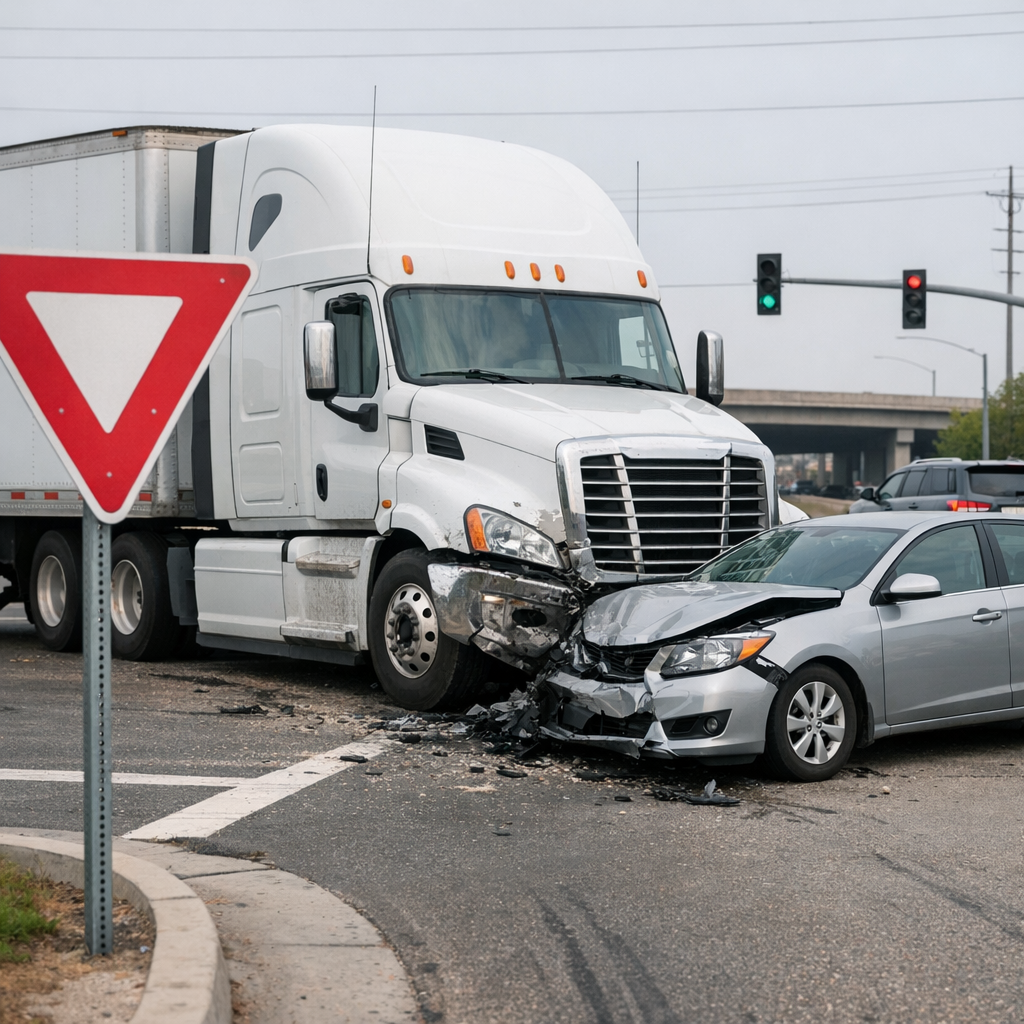
Complex traffic environments are characterized by the presence of multiple interacting elements, including varying vehicle types, pedestrians, bicyclists, traffic signals, and frequently changing roadway layouts. In urban and suburban settings, these factors become particularly pronounced. Trucks operating in such areas face difficulties maneuvering around parked vehicles, frequent stops, and unpredictable human behaviors.
Dynamic Traffic Patterns on Highways
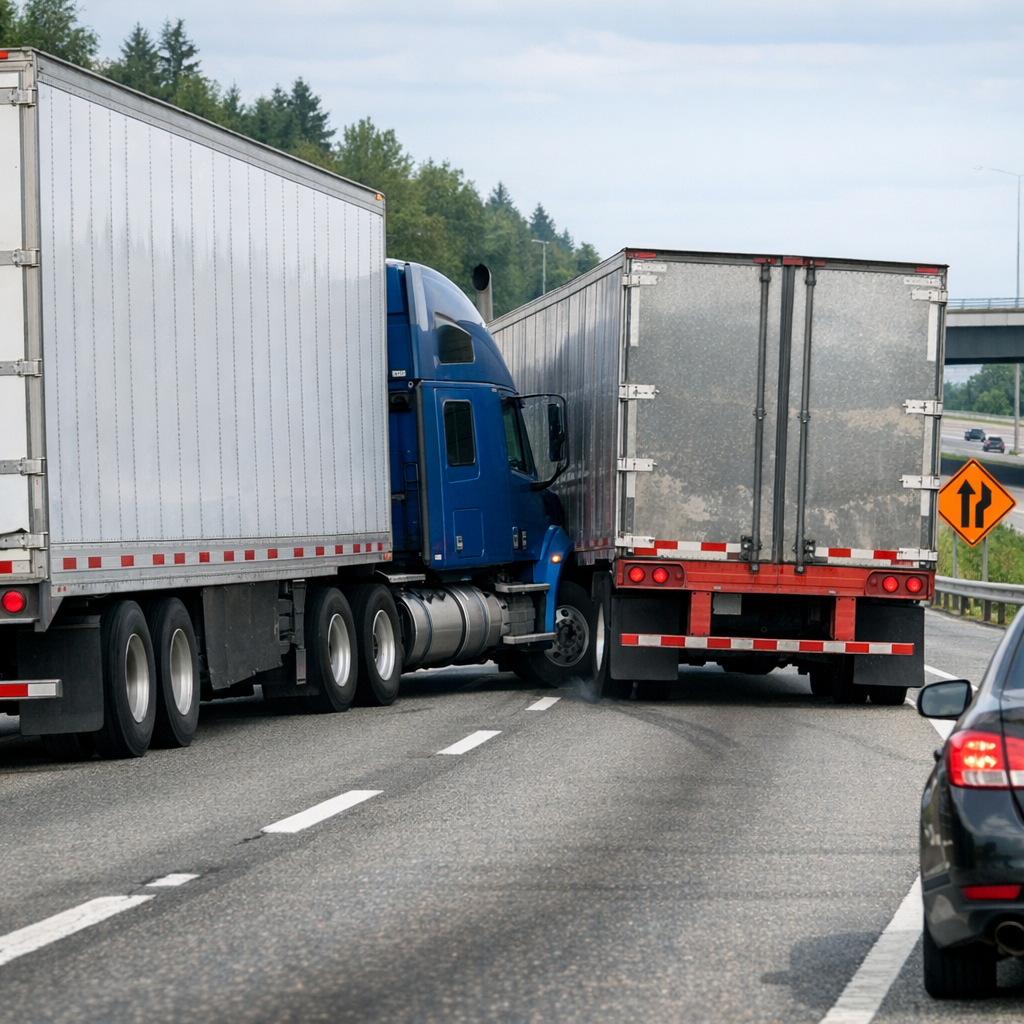
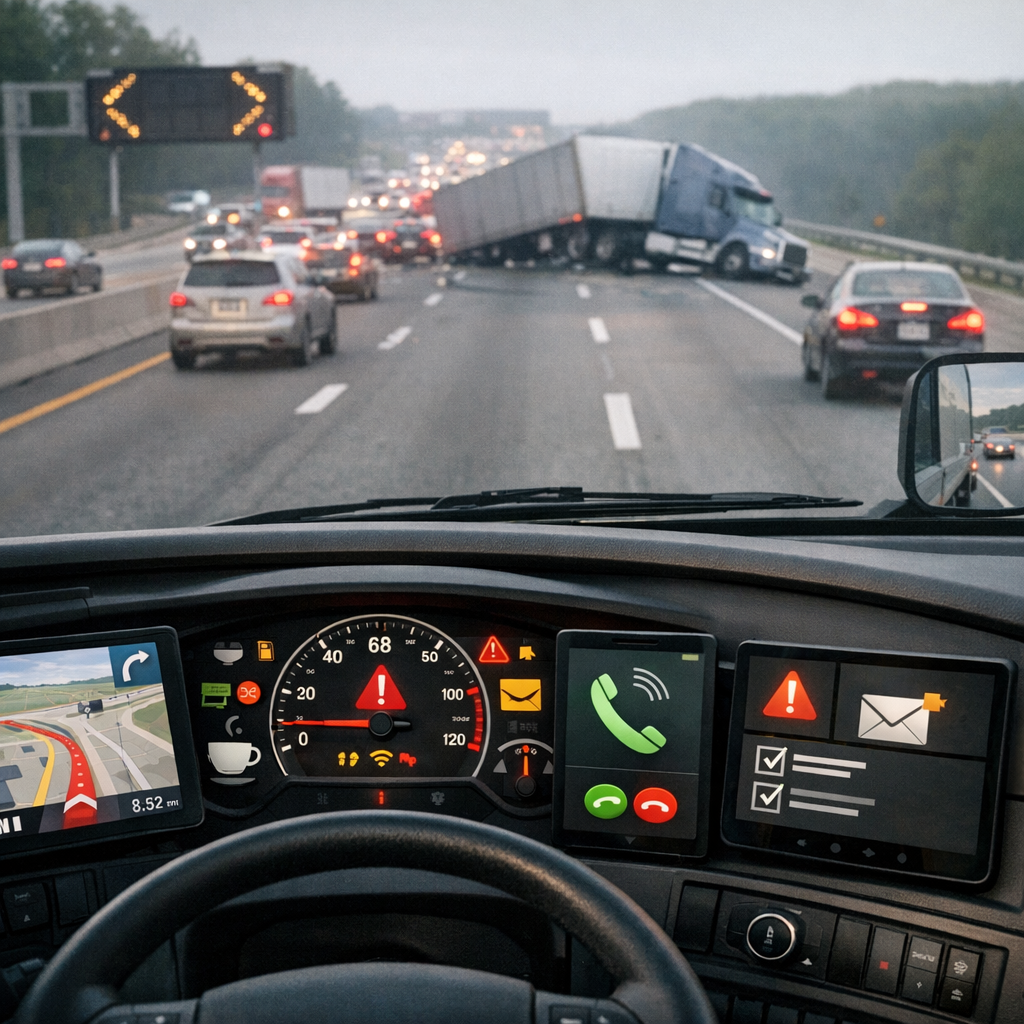
Highways are not always straightforward arteries of travel. They often incorporate merges, exits, and lane changes that demand quick decision-making from drivers. Trucks, given their size and slower acceleration, struggle to adapt to these rapid shifts. Traffic density, combined with varying speeds of other vehicles, creates a fluid and sometimes chaotic environment.
Impact of Roadway Design and Infrastructure
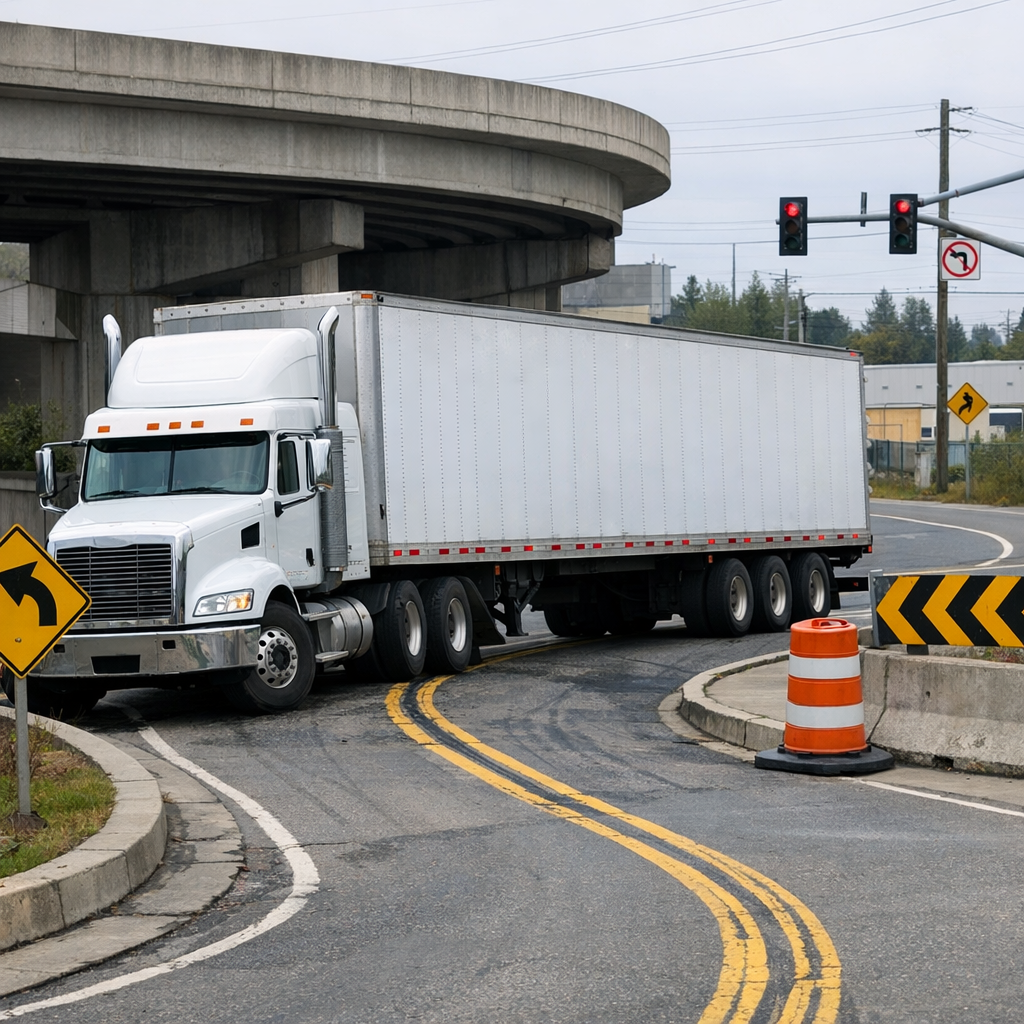
Complex traffic environments also stem from intricate roadway designs. Interchanges with multiple lanes diverging and converging, roundabouts, and toll booths introduce decision points that test driver awareness. Infrastructure elements like poorly marked lanes, confusing signage, and temporary obstacles such as construction zones further complicate navigation for truck drivers.
Mechanisms Behind Complex Traffic Truck Crashes
Reduced Driver Visibility and Situational Awareness
Truck drivers inherently face limited rear and side visibility due to the design of large vehicles. In complex traffic conditions, this limitation becomes more pronounced. Sudden lane changes by smaller vehicles, unexpected pedestrian crossings, and rapid signal changes require a high degree of situational awareness that can be compromised within the cluttered environment.
Challenges in Vehicle Control and Reaction Time
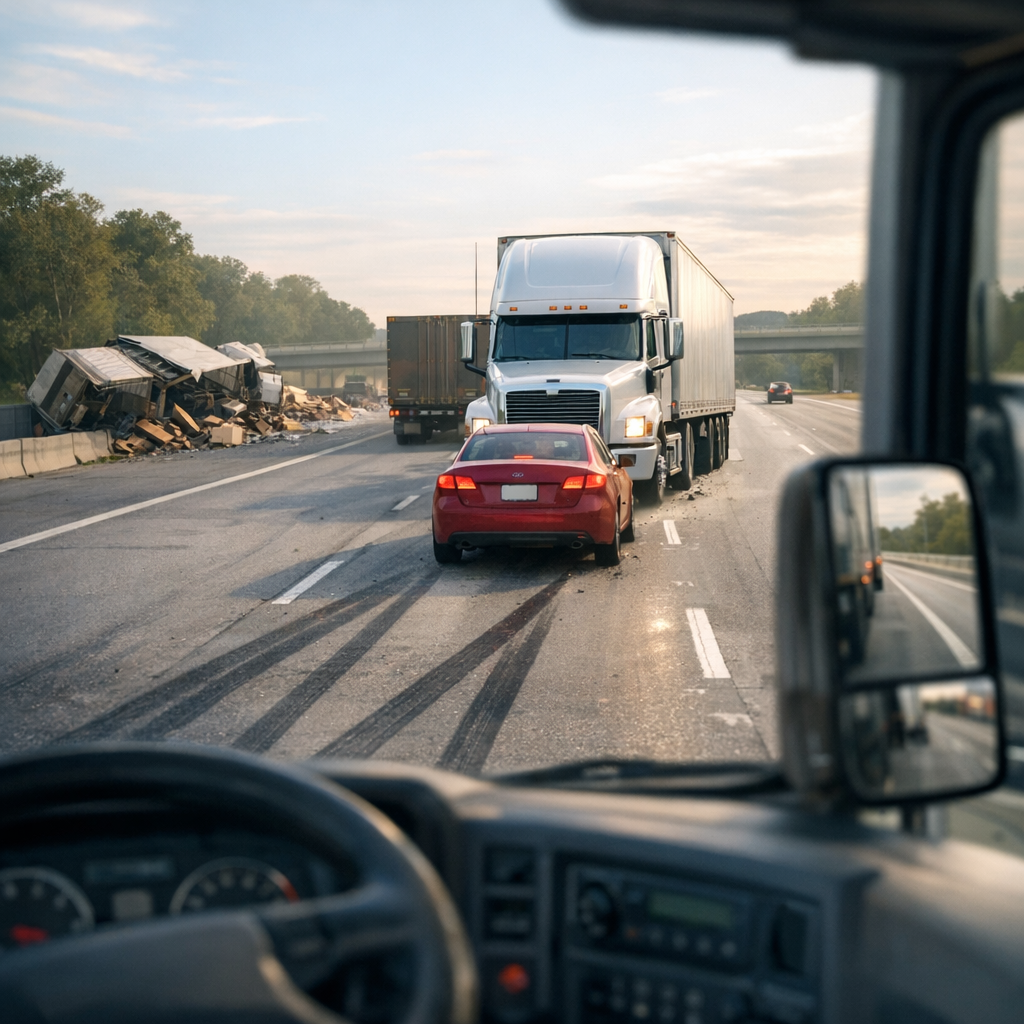
The mass and inertia of trucks reduce maneuverability and extend stopping distances compared to passenger vehicles. In intricate traffic patterns that demand quick responses, these physical constraints heighten the likelihood of misjudgments. For example, abrupt braking by vehicles ahead or merging traffic can overwhelm a truck driver’s capacity to react safely.
Increased Cognitive Load on Drivers
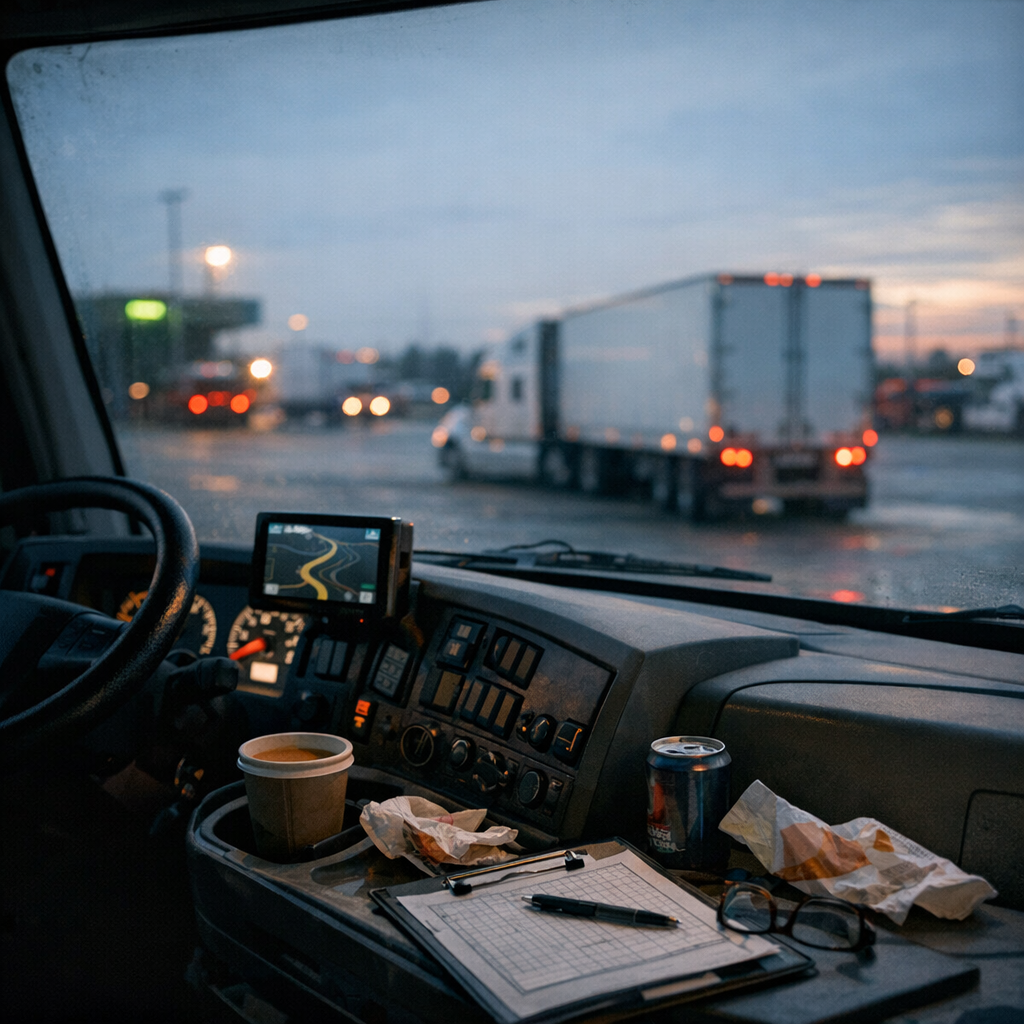
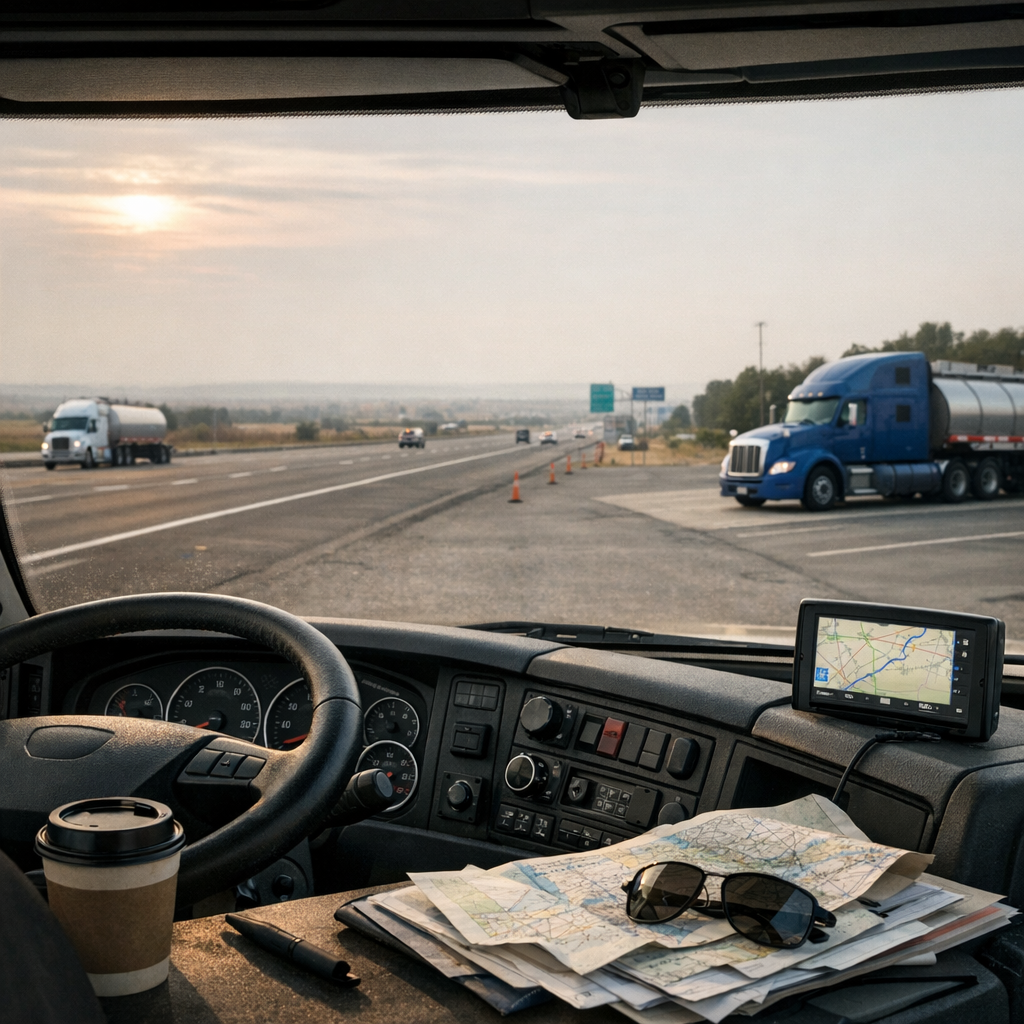
Operating a truck in a complex traffic environment demands sustained attention and rapid processing of multiple stimuli. This cognitive load can lead to fatigue or momentary lapses. The presence of distractions, such as navigation systems or communication devices, can exacerbate these effects, impairing decision-making at critical moments.
Real-World Implications of Complex Traffic Truck Crashes
Higher Severity of Crashes Involving Trucks
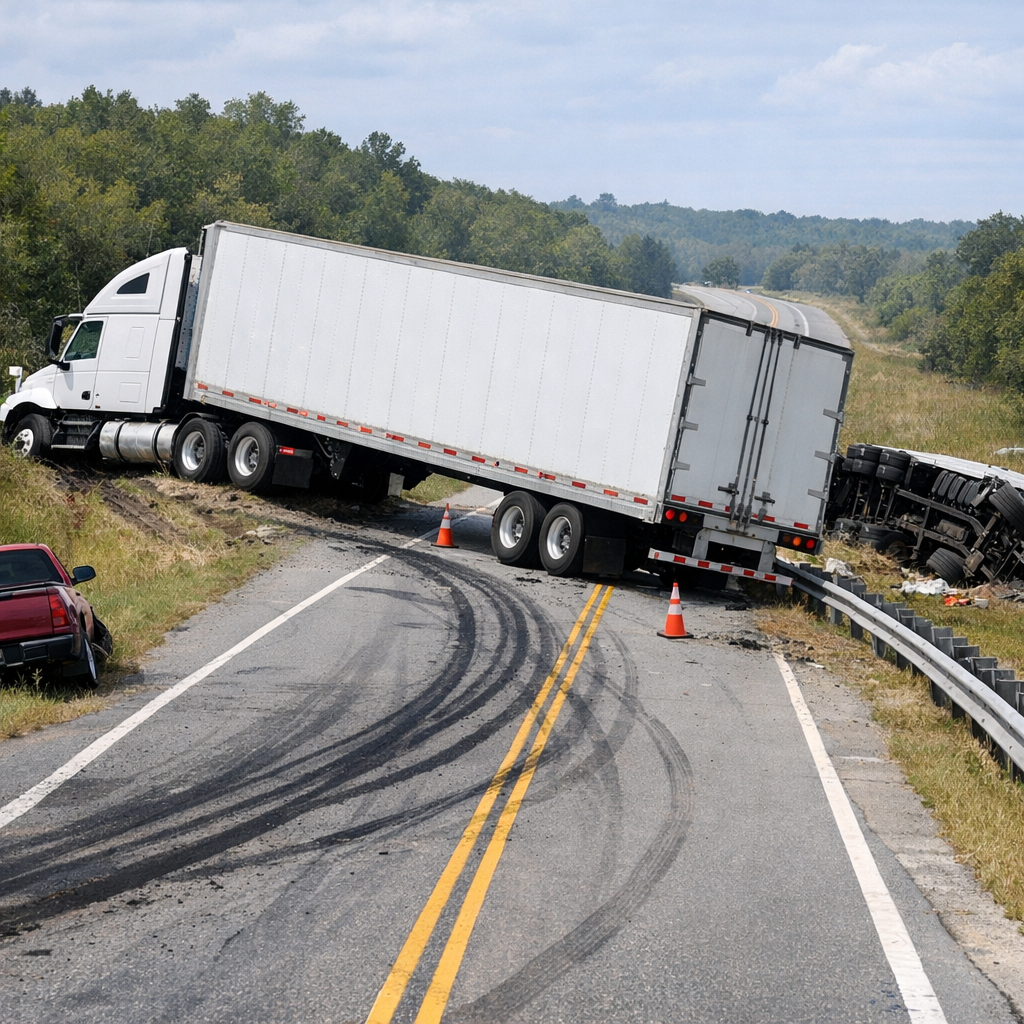
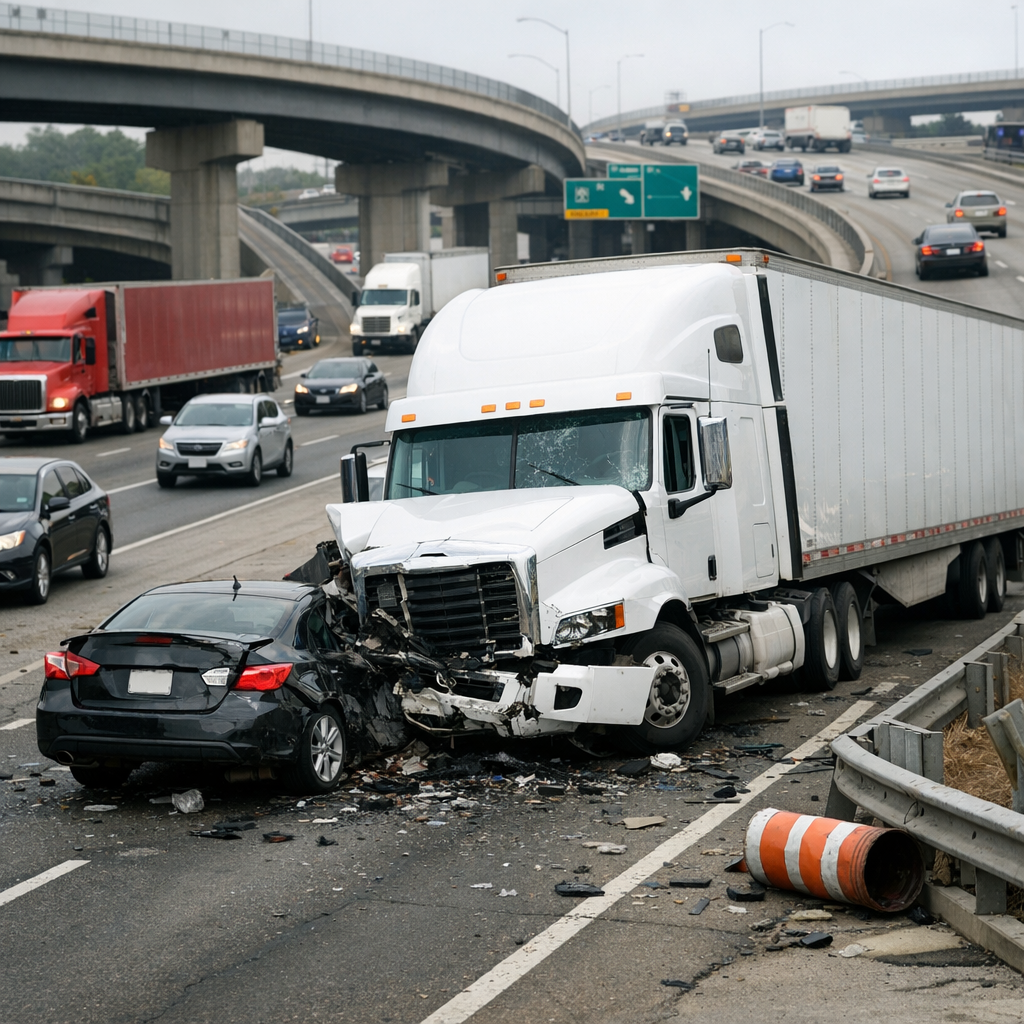
Truck crashes in complex traffic settings tend to have severe consequences due to the disparity in size and weight between trucks and other road users. Collisions in these environments can lead to extensive property damage, serious injuries, and fatalities. Urban intersections or highway merges often witness multi-vehicle pileups involving trucks, amplifying the impact.
Disruption to Traffic Flow and Economic Impact
When a truck crash occurs in a convoluted traffic environment, the aftermath often leads to significant congestion and delays. This disruption affects not only the immediate area but can ripple across the transport network. As trucks frequently carry commercial goods, these incidents incur economic costs through delayed deliveries and increased transportation expenses.
Complexity in Accident Investigation and Analysis
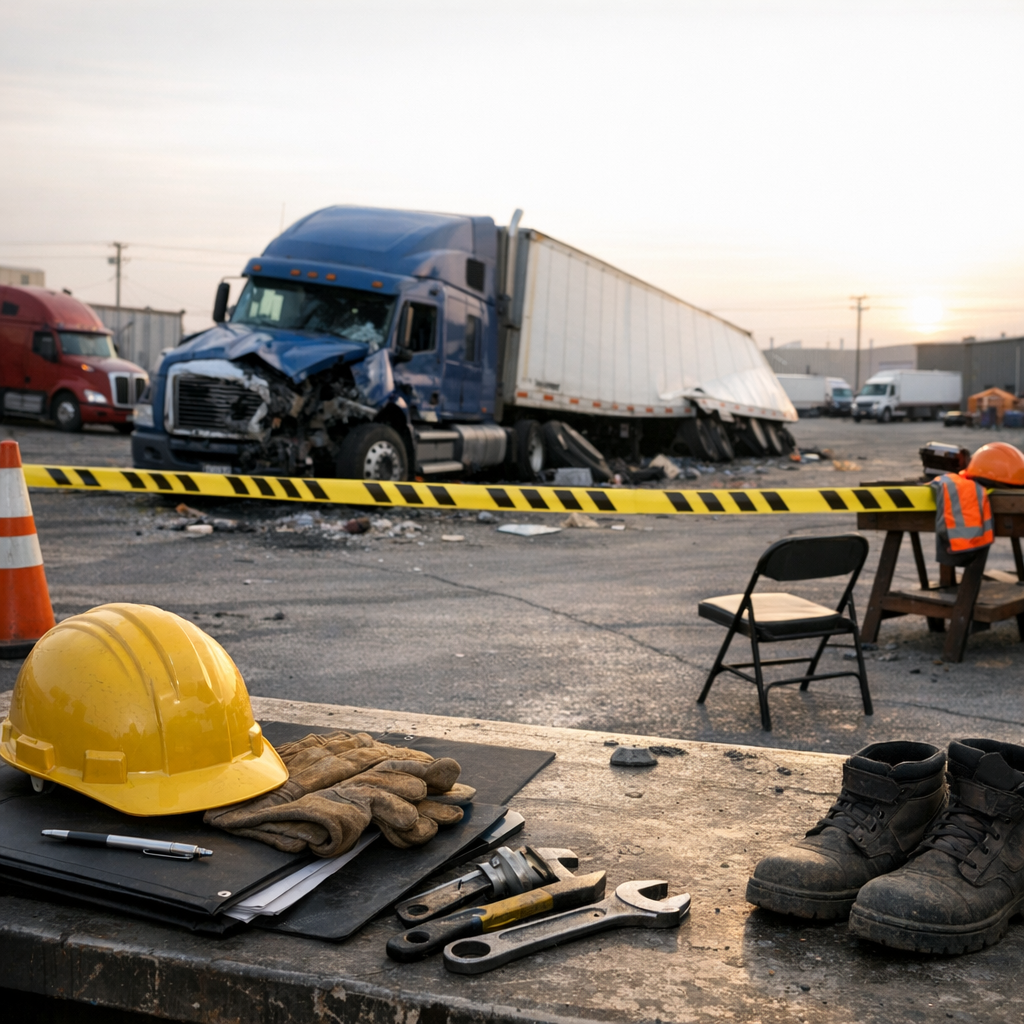
The interplay of multiple factors in complex traffic truck crashes complicates the process of determining cause and responsibility. Variables such as road design, driver behavior, vehicle condition, and environmental conditions all intersect. Understanding these interactions requires comprehensive analysis, which is critical for identifying trends and informing future infrastructure or policy decisions.
Reflecting on the Dynamics of Complexity and Safety
Complex traffic environments inevitably elevate the risks associated with truck operation on roadways. The intricate combination of physical, cognitive, and infrastructural elements creates scenarios in which crashes are more likely and their consequences more severe. Recognizing the multifaceted nature of these challenges offers a clearer perspective on the circumstances that contribute to complex traffic truck crashes.
As transportation systems evolve and urbanization increases, the prevalence of complicated traffic settings is expected to grow. Continuous observation and study of these environments contribute to a broader comprehension of how heavy vehicles and traffic complexity interact. This understanding plays a vital role in shaping the ongoing discourse around transportation safety and infrastructure development.