Overcorrection by Truck Drivers
Overcorrection by truck drivers is a critical phenomenon that plays a significant role in roadway safety, particularly in the context of large commercial vehicles. It involves abrupt and excessive steering adjustments made in response to an initial driving error or obstacle. Understanding overcorrection in trucking requires an examination of the underlying causes, mechanisms, and consequences that distinguish it from typical steering corrections. This article provides an educational overview of overcorrection by truck drivers, explaining how it occurs, why it is relevant in real-world crashes, and presenting a neutral perspective on its significance within transportation safety.
The Dynamics of Overcorrection in Trucking
Overcorrection in the context of truck driving is fundamentally a steering response that goes beyond what is necessary to address a perceived or actual hazard. Unlike small passenger vehicles, trucks have unique handling characteristics including size, mass, and center of gravity, which significantly influence steering responses. These differences affect how overcorrection manifests and why it can quickly escalate into a more dangerous situation.
The Large Vehicle Factor
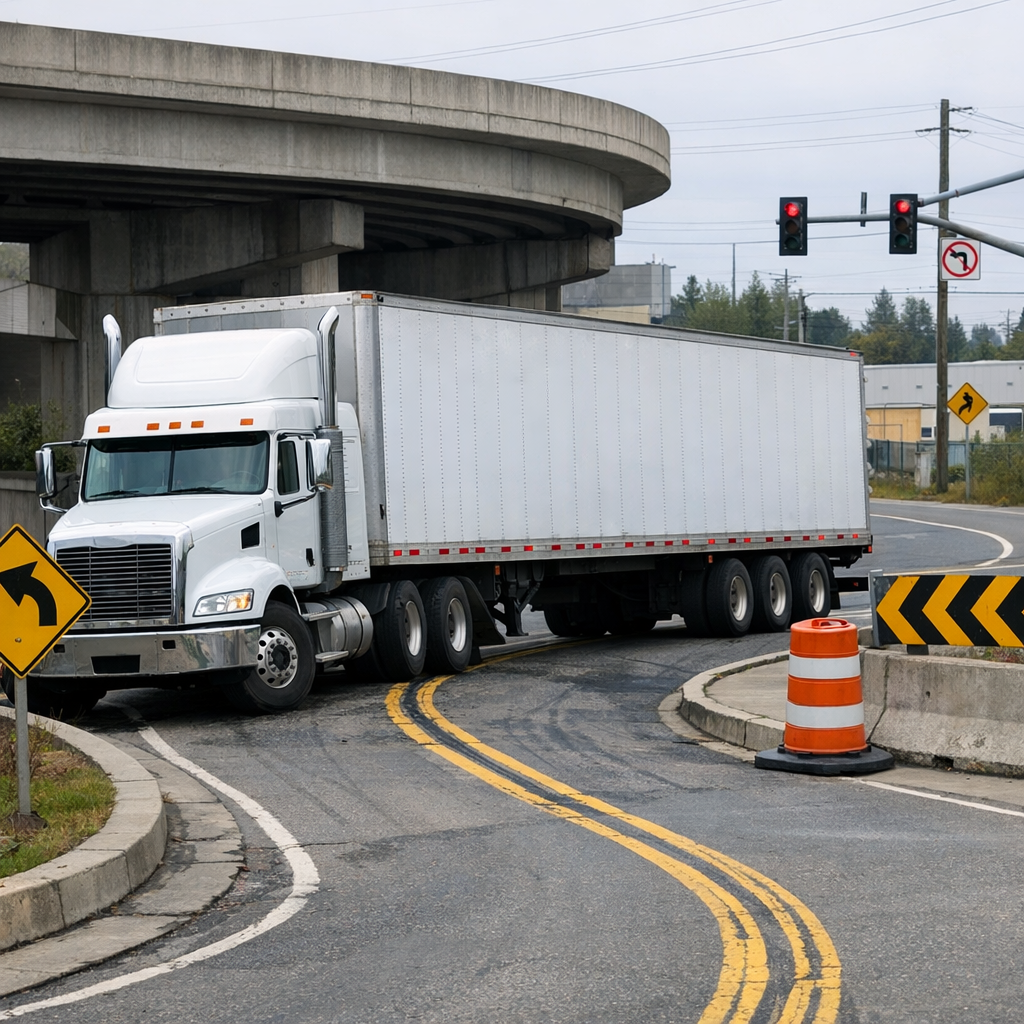
Trucks are considerably larger and heavier than typical vehicles, with many weighing tens of thousands of pounds. This mass creates substantial momentum, meaning that any steering input induces a slower but more impactful response. When a truck driver attempts to correct a trajectory, the truck’s inertia resists rapid changes in direction. Consequently, initial small steering inputs may feel ineffective, potentially leading drivers to steer more aggressively than necessary.
Sensory and Perceptual Elements
Overcorrection is often triggered by the driver’s perception of an immediate threat, such as veering off the road, encountering an obstacle, or drifting into another lane. The driver’s sensory input—visual cues, peripheral awareness, and road conditions—influences how they judge the necessary course adjustment. In moments of high stress or surprise, the driver may experience a delay or distortion in this judgment, prompting an exaggerated steering reaction in an attempt to regain control.
How Overcorrection Occurs in Trucking
The sequence that leads to overcorrection typically starts with a minor deviation in vehicle control. This could stem from external factors such as road debris, sudden weather changes, or mechanical issues like tire blowouts. Internally, fatigue, distraction, or momentary misjudgment can initiate the process.
Initial Loss of Control
For instance, a truck drifting toward the road edge may unnerve the driver. To counteract this, the driver instinctively turns the wheel back toward the center of the lane. However, the truck’s response to this initial steering input can be delayed or exaggerated because of its size and dynamics.
From Correction to Overcorrection
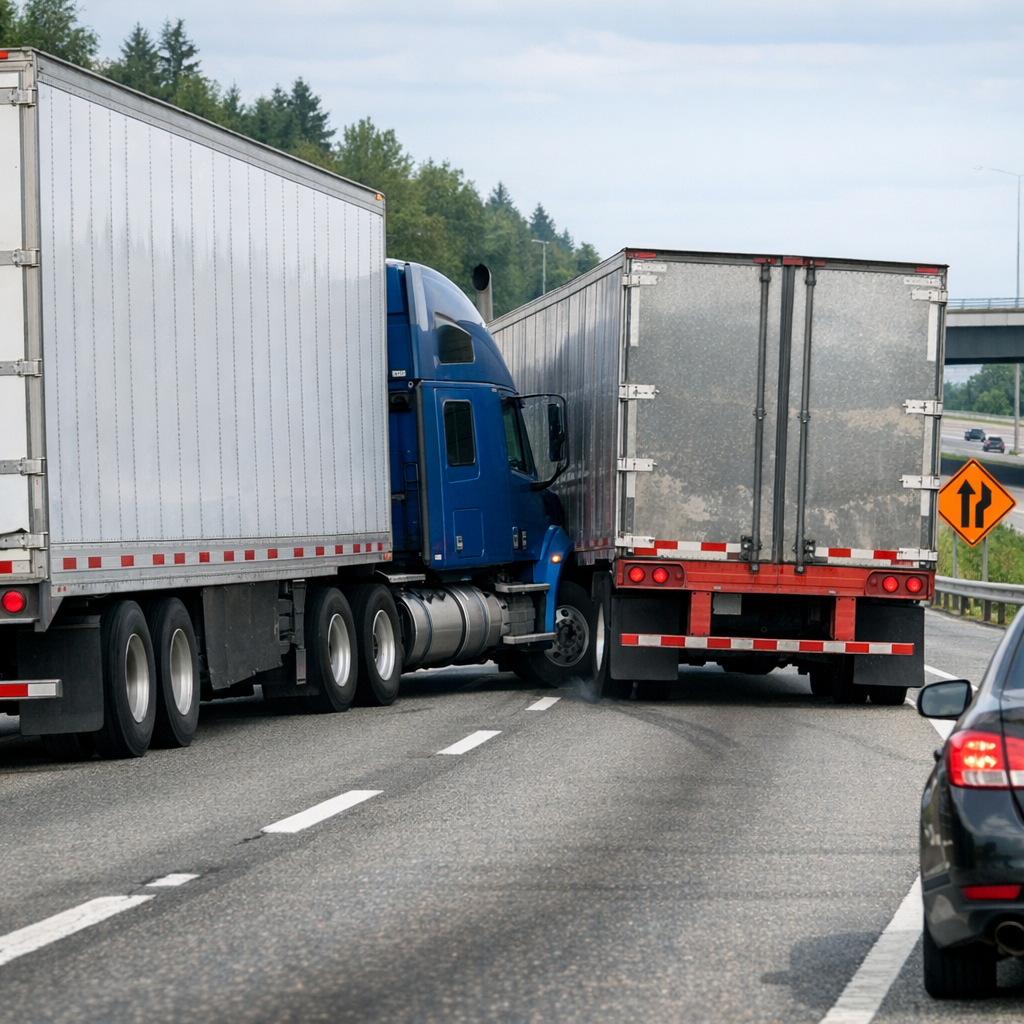
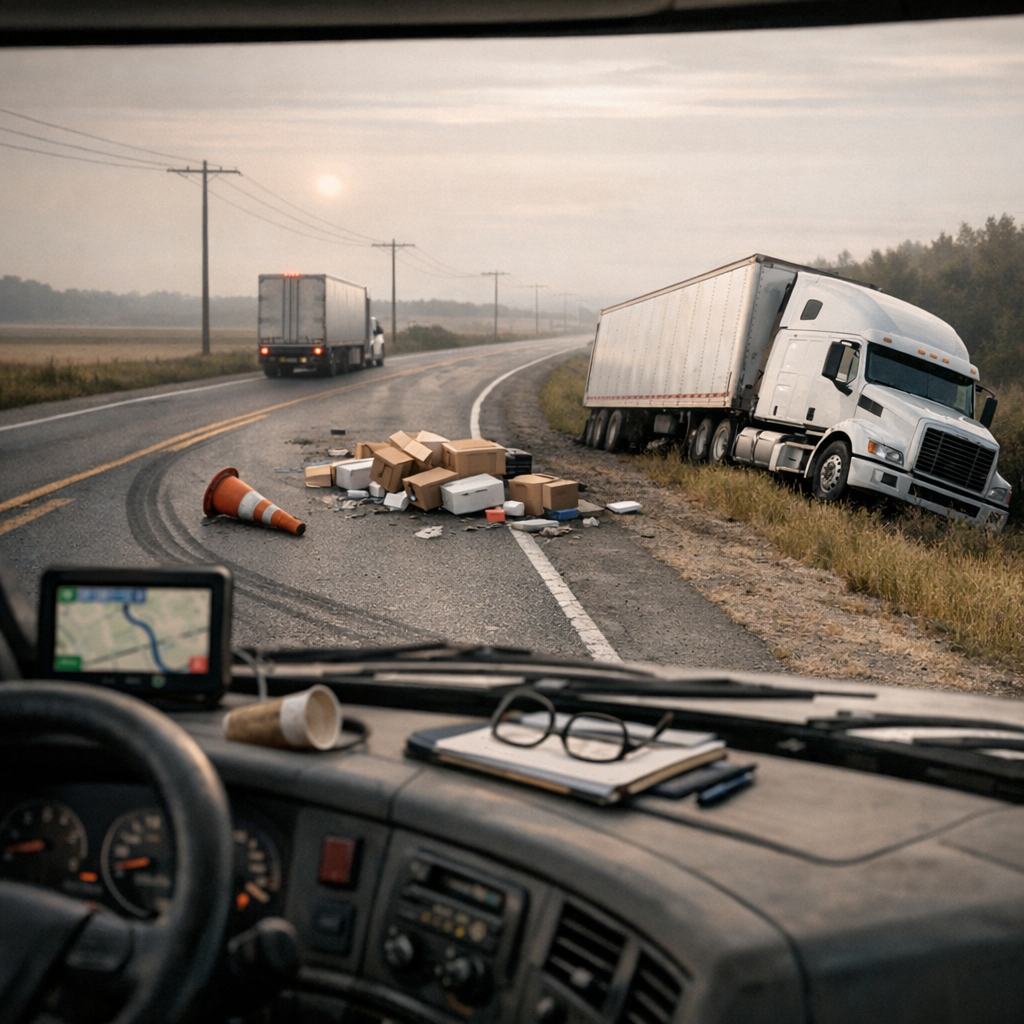
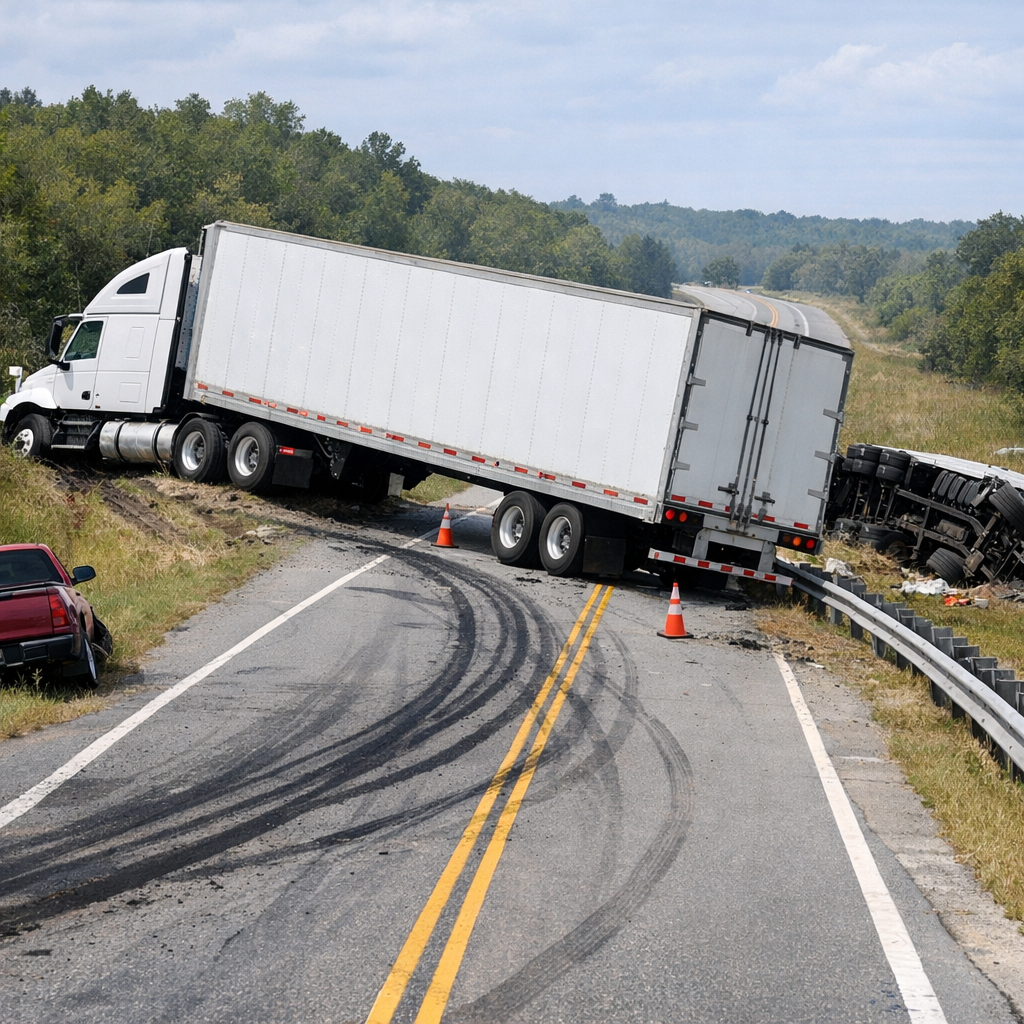
If this steering input fails to produce the expected realignment, the driver might intensify their steering angle sharply to avoid leaving the roadway entirely. What begins as a corrective measure may quickly transform into overcorrection when the steering turns too far or too fast. This overcorrective maneuver often sends the vehicle in an opposite direction, sometimes into adjacent lanes or off the road.
The Role of Vehicle Handling Dynamics
Due to the truck’s elevated center of gravity and long wheelbase, overcorrection can cause the rear tires to lose grip or the vehicle to become unstable. This instability can trigger dangerous phenomena such as jackknifing in tractor-trailers or rollover crashes. The sudden lateral forces generated by overcorrection exceed the vehicle’s ability to maintain equilibrium, leading to loss of control.
Why Overcorrection Matters in Real-World Crashes
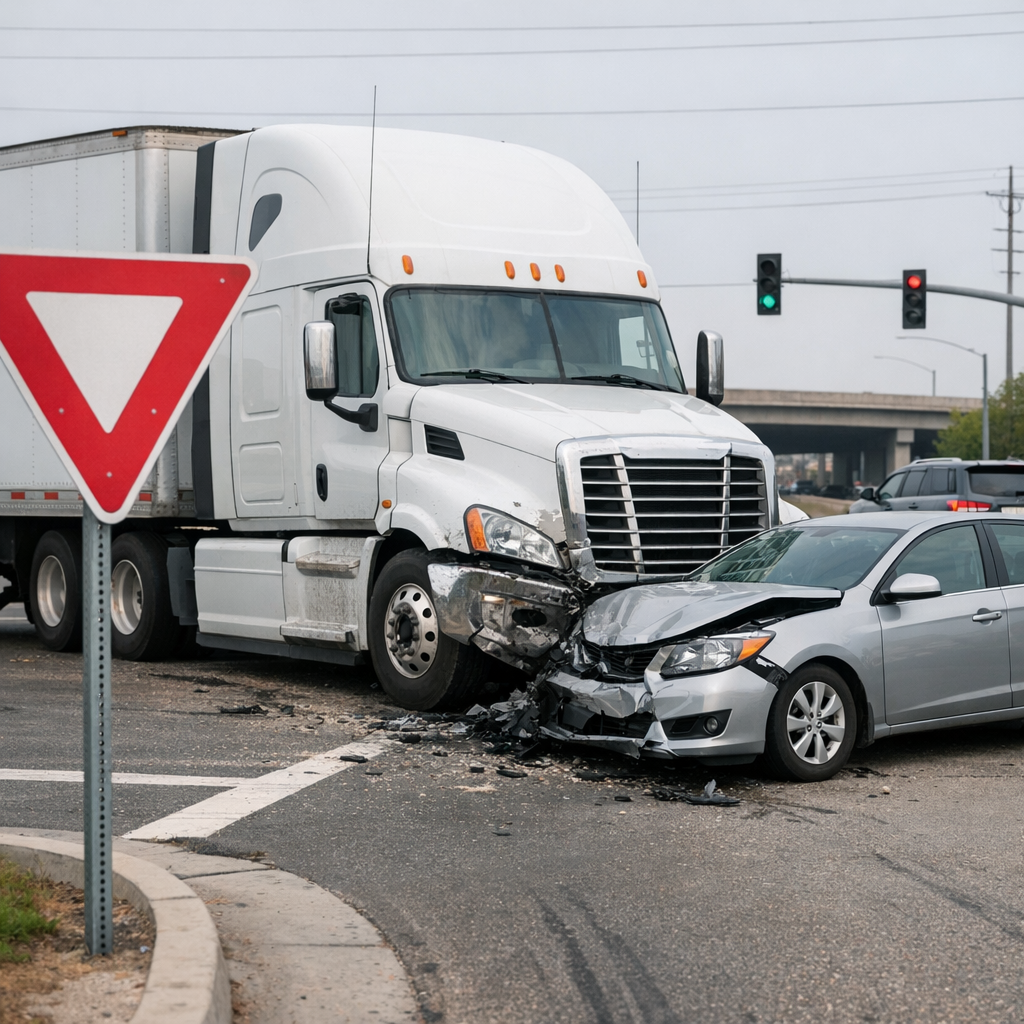
The consequences of overcorrection are especially significant in the trucking industry due to the large vehicle size and the potential for multi-vehicle accidents. Crashes involving trucks tend to be more severe because of the kinetic energy involved and the increased likelihood of secondary collisions.
Amplified Crash Severity
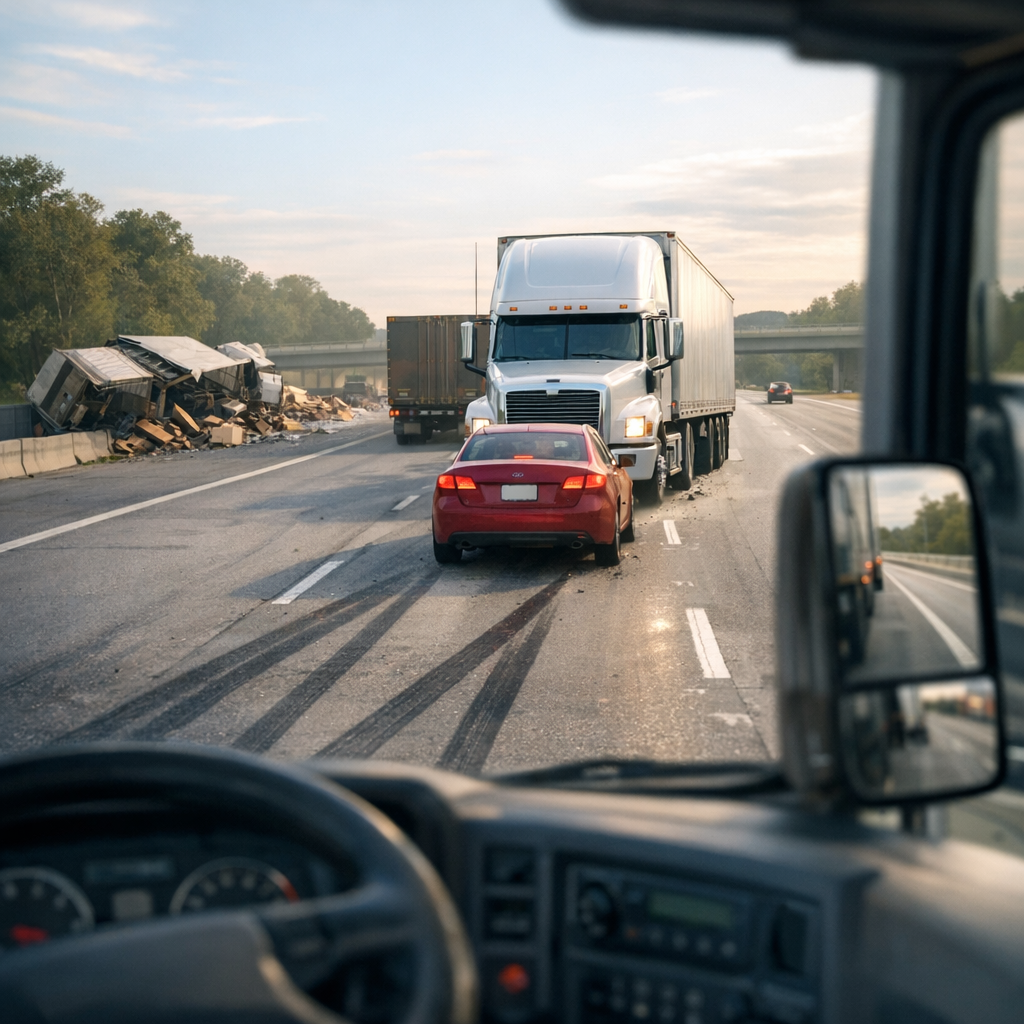
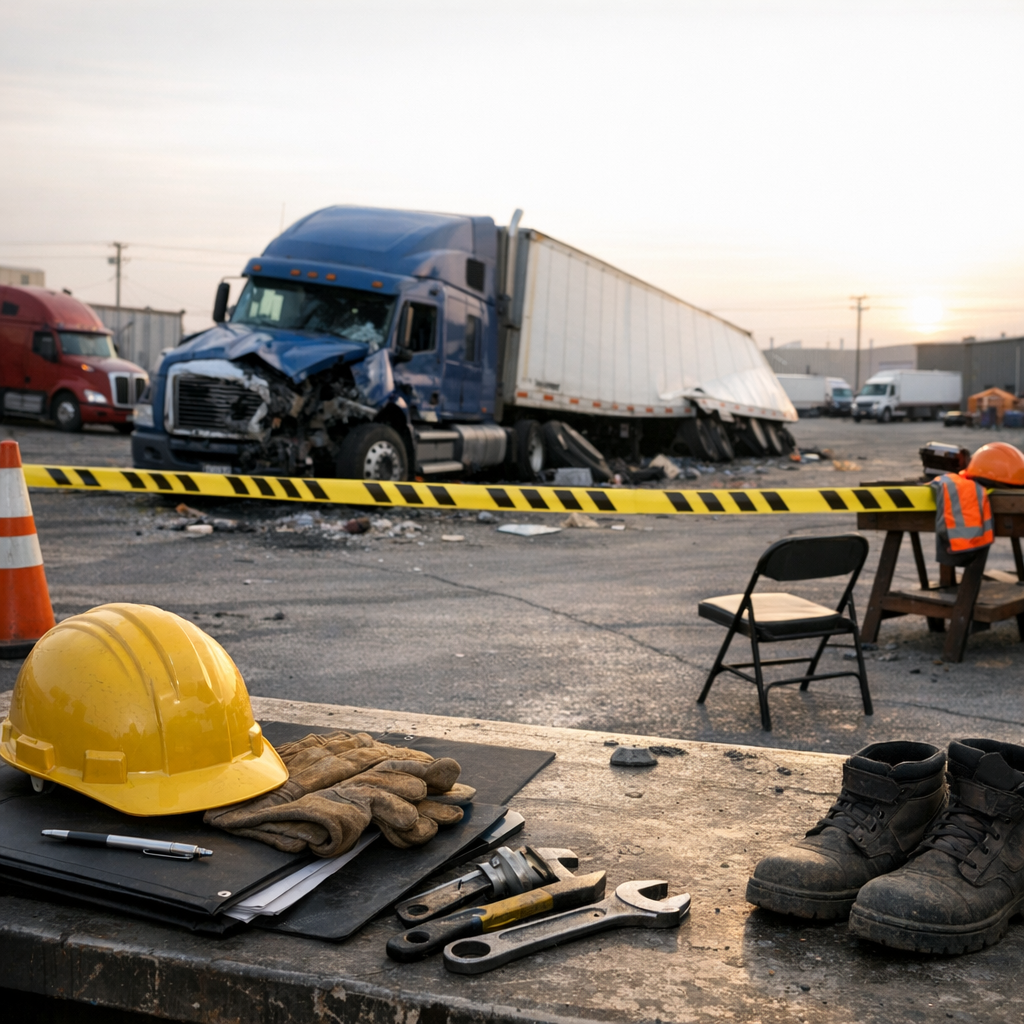
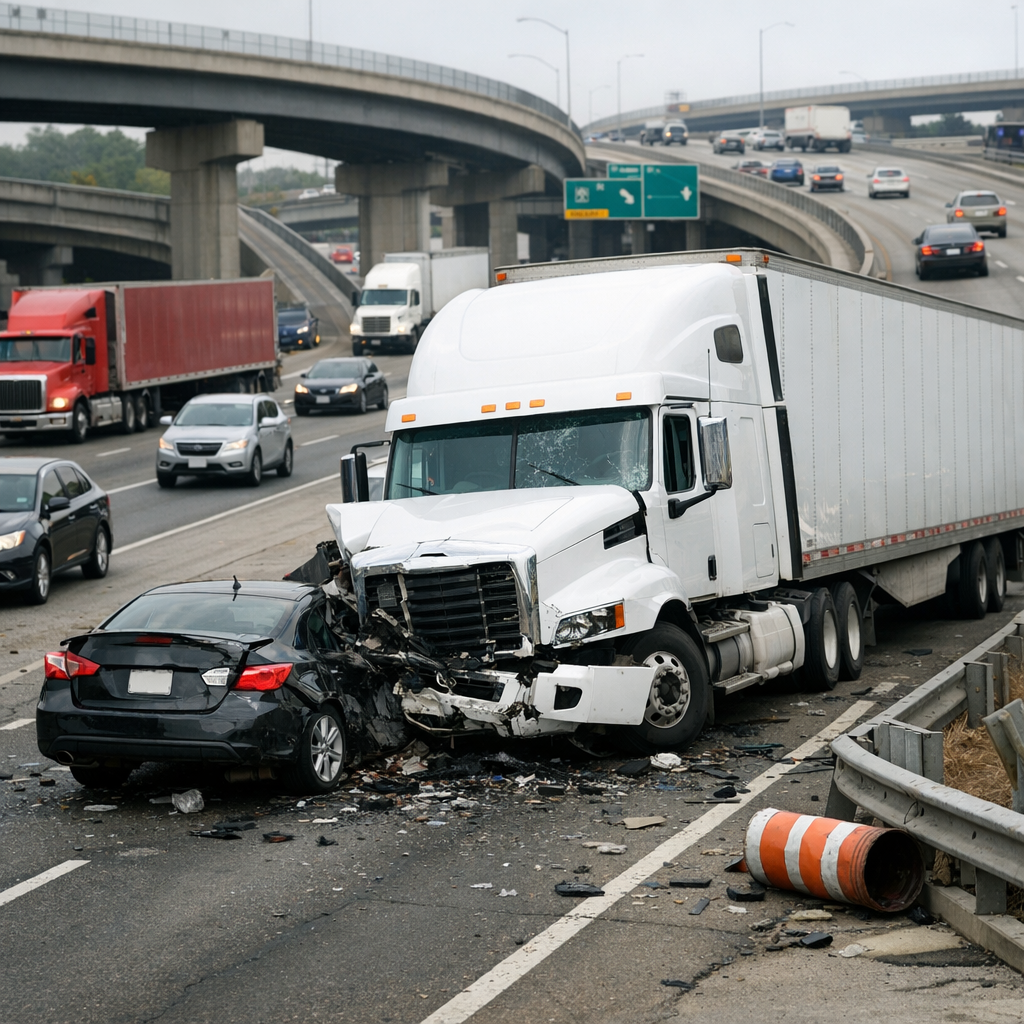
Overcorrection often initiates a chain reaction. A truck that suddenly swerves may collide with roadside objects, roll over, or encroach into oncoming traffic. The momentum and size of trucks mean that these events are more likely to result in catastrophic outcomes compared with passenger vehicles. Multiple vehicles, sometimes involving passenger cars, can be put at risk by a single overcorrecting truck driver.
Contributing to Highway Congestion and Secondary Crashes
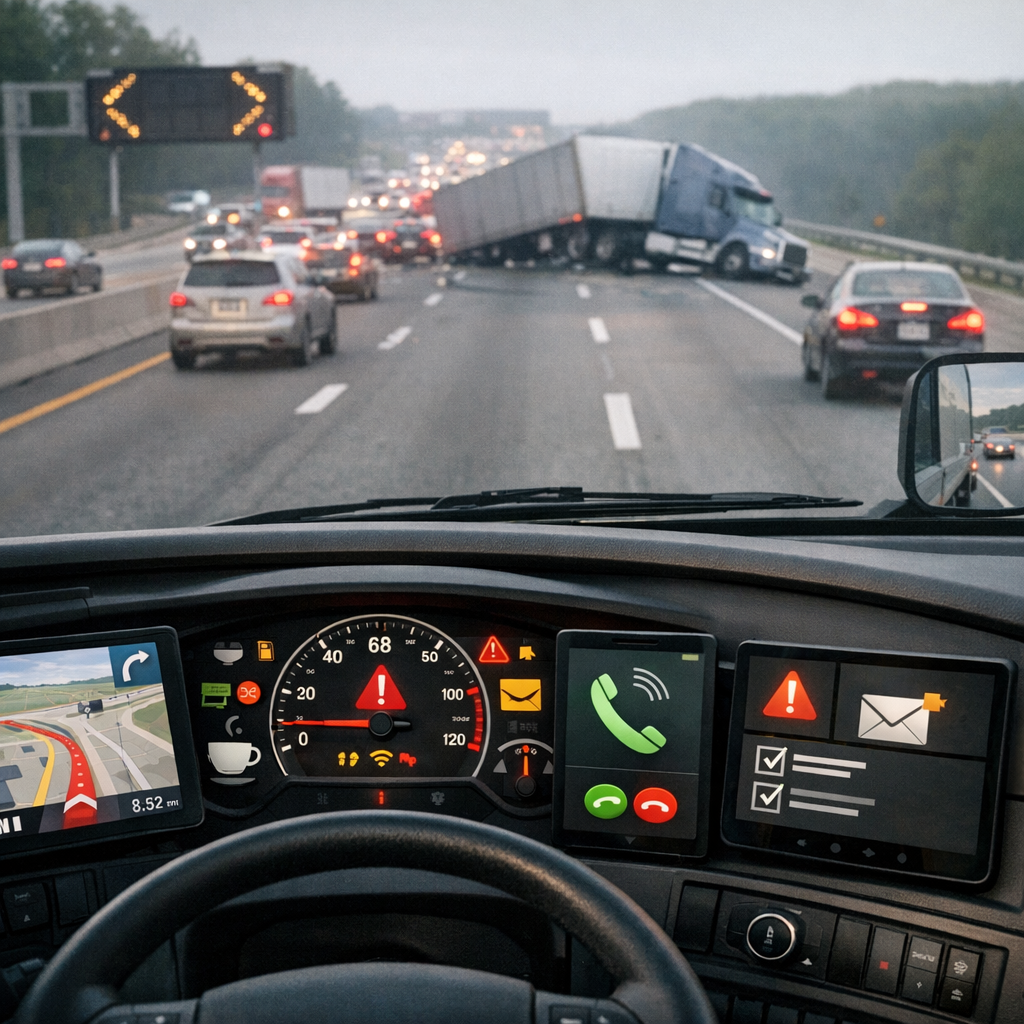
When an overcorrection event leads to a crash, it typically results in roadway blockages. This disruption not only affects immediate crash victims but also increases the risk of secondary incidents as other drivers encounter sudden congestion or emergency response activity. Thus, overcorrection indirectly impacts broader traffic flow and safety.
Psychological and Situational Triggers
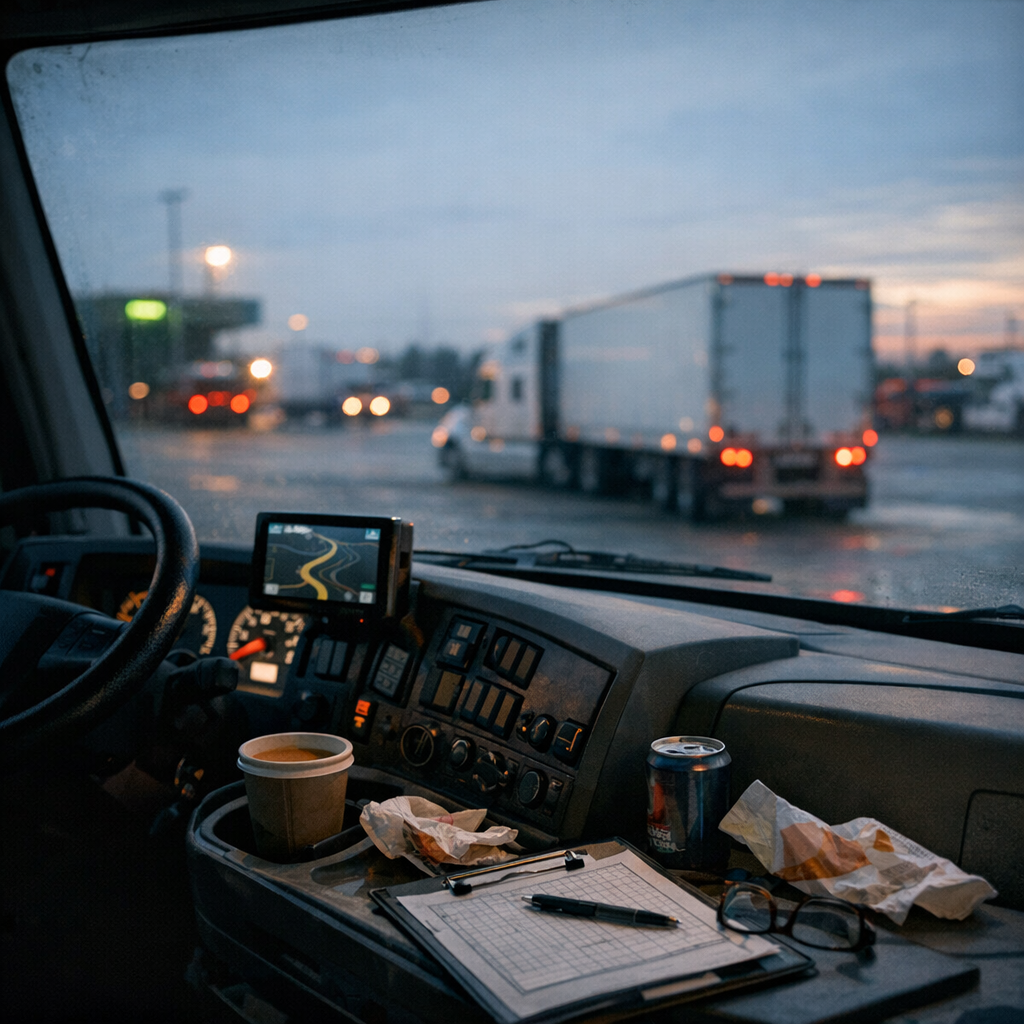
Highway environments can be stressful and unpredictable, often requiring split-second decisions from truck drivers. The high visibility of overcorrection events in truck crashes reflects how the operational demands on truck drivers can exacerbate risk factors for this behavior. Stress, fatigue, and adverse conditions can heighten the likelihood of overcorrection as drivers respond to sudden challenges in control.
A Neutral Perspective on Overcorrection in Trucking
Understanding overcorrection by truck drivers is crucial from a transportation safety and vehicle dynamics standpoint. It highlights the complex human-machine interactions unique to large commercial vehicles and underscores the challenges inherent in truck operation. Overcorrection is not simply a driver error but a multifaceted event involving driver perception, vehicle response times, and environmental factors.
Research into overcorrection emphasizes the importance of analyzing vehicle behavior under different conditions and driver decision-making processes without attributing sole blame. It informs vehicle design considerations, roadway infrastructure planning, and driver training methodologies with the goal of improving safety outcomes.
Overcorrection in trucking remains an area of active study. It serves as a reminder of how physical principles, such as momentum and stability, together with human factors, converge to influence road safety. Recognizing the complexity of overcorrection helps in appreciating the dynamics involved whenever a commercial truck abruptly changes direction on the road.
In conclusion, overcorrection represents a significant yet intricate phenomenon in truck driving. Its examination sheds light on the delicate balance of controls and reactions that truck drivers manage daily, and the implications when those reactions exceed necessary limits. This understanding contributes to a broader view of roadway safety focused on the interplay between driver behavior and vehicle mechanics in large commercial vehicles.