Improper Merging Behavior by Semi Trucks
Merging is a fundamental driving maneuver that requires precise judgment and timing. For semi trucks, which are significantly larger and heavier than passenger vehicles, merging presents unique challenges. Improper merging behavior by semi trucks is a notable factor in traffic disruptions and crashes. Understanding what constitutes improper merging and how it affects safety can shed light on this critical aspect of commercial vehicle operation.
The Dynamics of Semi Truck Merging
Merging involves a vehicle entering or transitioning into a lane occupied by other traffic. For semi trucks, this action is complicated by the vehicle’s size, weight, and limited maneuverability. When a semi truck driver merges improperly, it means the driver either misjudges gaps, enters a lane too abruptly, or fails to signal appropriately, among other factors.
The Complexity of Semi Truck Handling
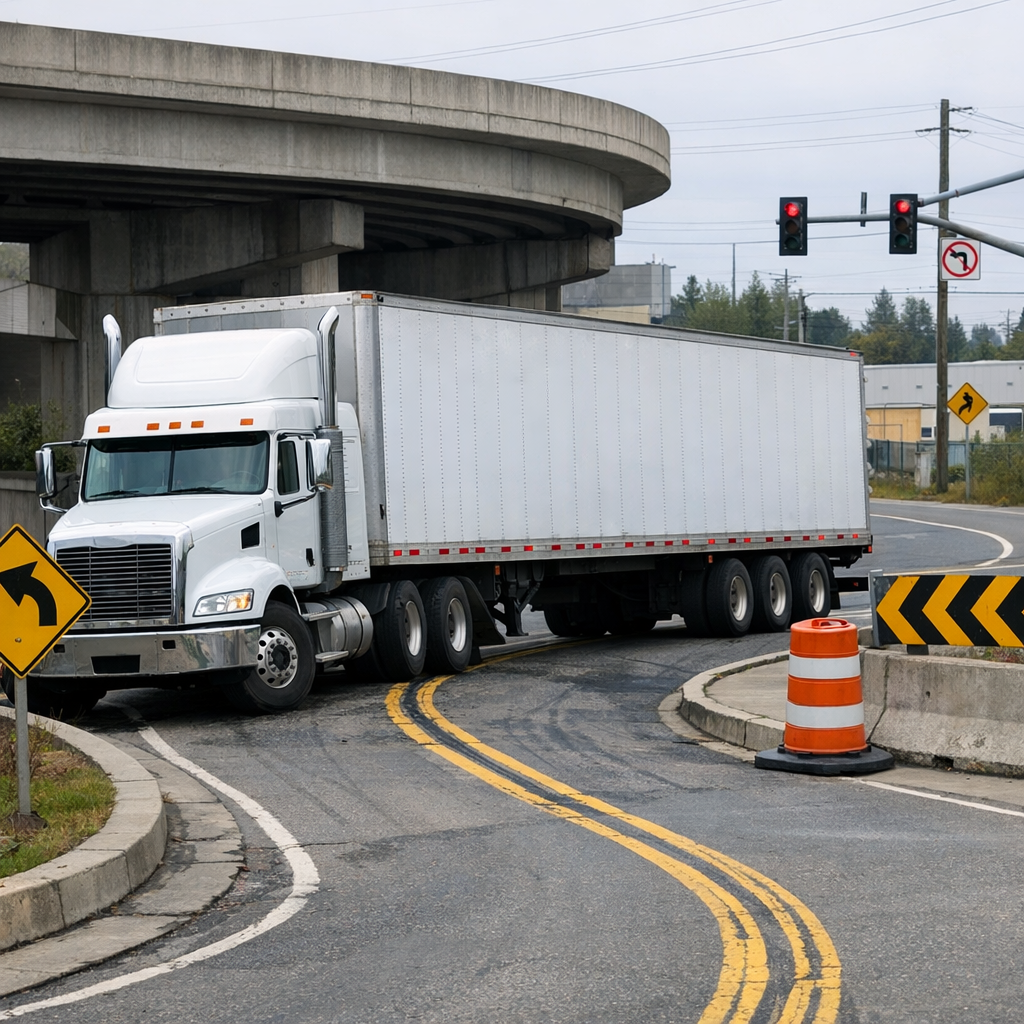
Unlike small passenger cars, semi trucks have longer stopping distances and wider turning radii. The vehicle’s bulk requires drivers to plan merging maneuvers well in advance. Visual blind spots and slower acceleration also affect how and when a truck can merge safely. Often, improper merging arises from underestimating these physical limitations or overestimating the available space and speed of surrounding traffic.
Common Behaviors Associated with Improper Merging
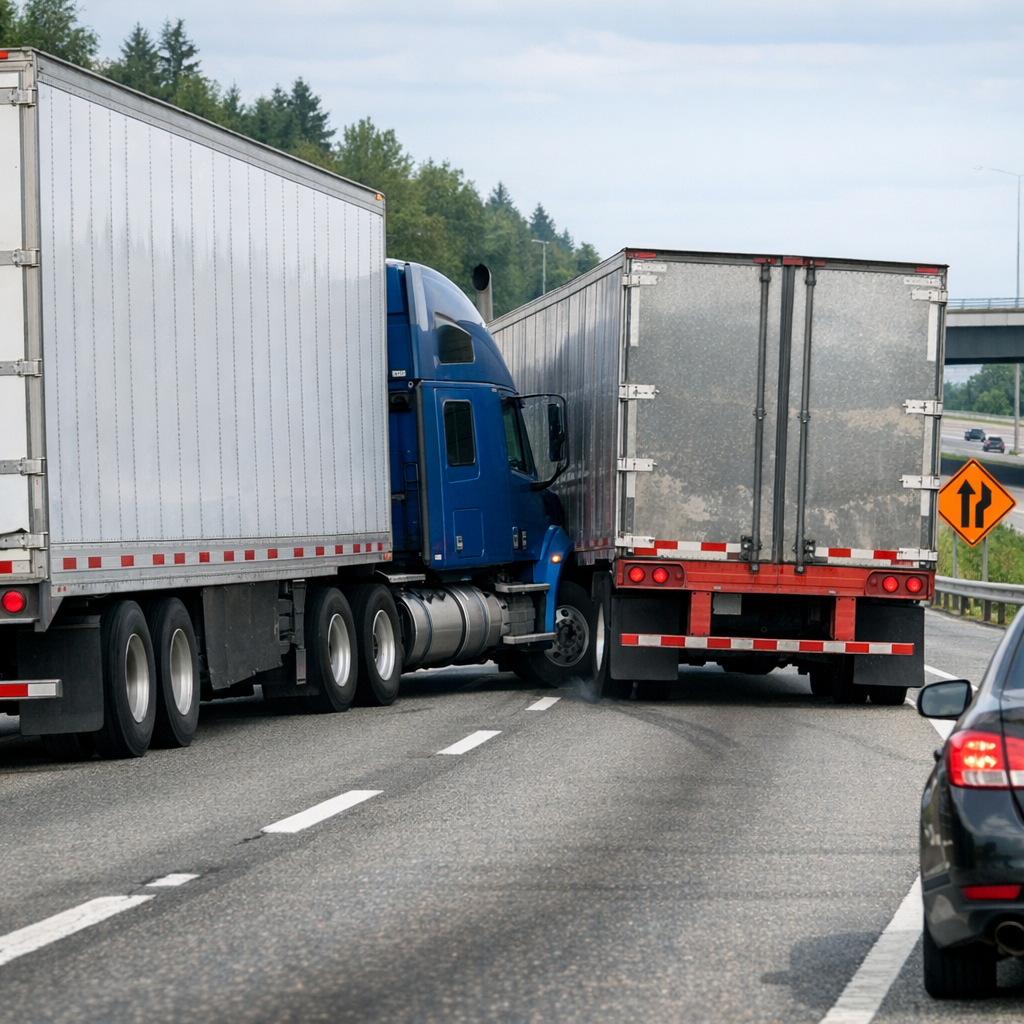
Improper merging by semi trucks may manifest as cutting off vehicles, encroaching on lanes without sufficient clearance, or forcing other road users to brake abruptly. In some cases, improper merging arises from impatience or miscommunication between drivers. Such behavior disrupts the smooth flow of traffic and increases the potential for collisions.
How Improper Merging Leads to Traffic Hazards
Improper merging is more than just a minor driving error—it can significantly impact traffic dynamics and safety. Semi trucks merging incorrectly do not only pose risks for themselves but also for passenger vehicles sharing the roadway.
Inadequate Gap Selection
Merging requires selecting an adequate gap in traffic that allows safe entry without causing other drivers to brake suddenly or swerve. When a semi truck driver miscalculates this gap, the truck may enter a lane where there is insufficient space. This forces surrounding vehicles to adjust quickly, creating sudden slowdowns or evasive maneuvers that can cascade into accidents.
Limited Reaction Time for Other Drivers
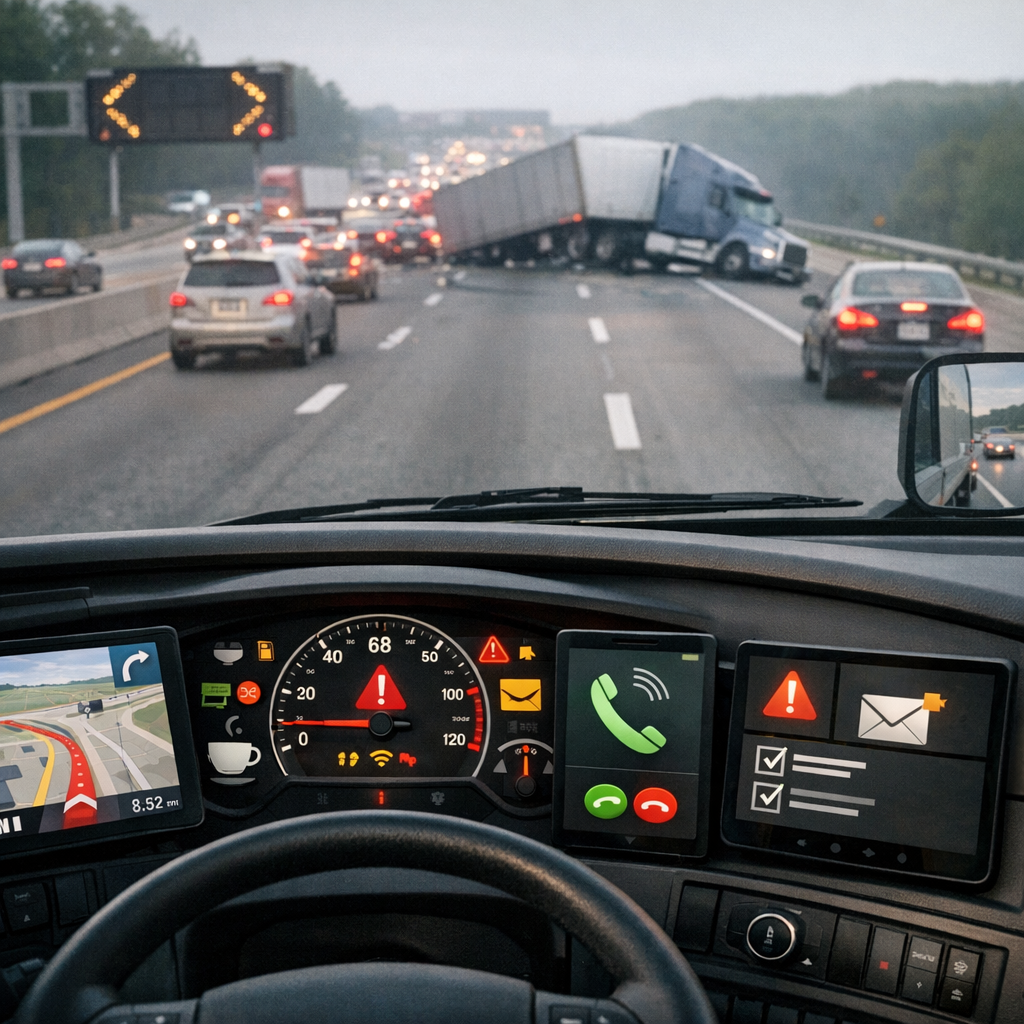
Because semi trucks move more slowly to accelerate and cannot stop quickly, other motorists rely heavily on proper merging practices to predict the truck’s intentions. Improper merging behavior introduces unpredictability. Drivers behind or beside the truck may have little time to react to an unexpected lane entry, increasing the risk of side-swipe collisions or rear-end crashes.
Impact on Traffic Flow and Roadway Congestion
Beyond direct crash risks, improper merging semi trucks can cause ripple effects throughout the traffic stream. Abrupt merges can force nearby vehicles to reduce speed sharply or make sudden lane changes. This disrupts the smooth flow of traffic and may contribute to bottlenecks, particularly in busy or congested areas.
Real-World Consequences of Improper Merging by Semi Trucks
Accident statistics and incident reports highlight that improper merging is a recurrent factor in commercial vehicle crashes. The consequences of improper merging extend beyond minor fender-benders, especially considering the mass and momentum of semi trucks.
Increased Severity of Crashes
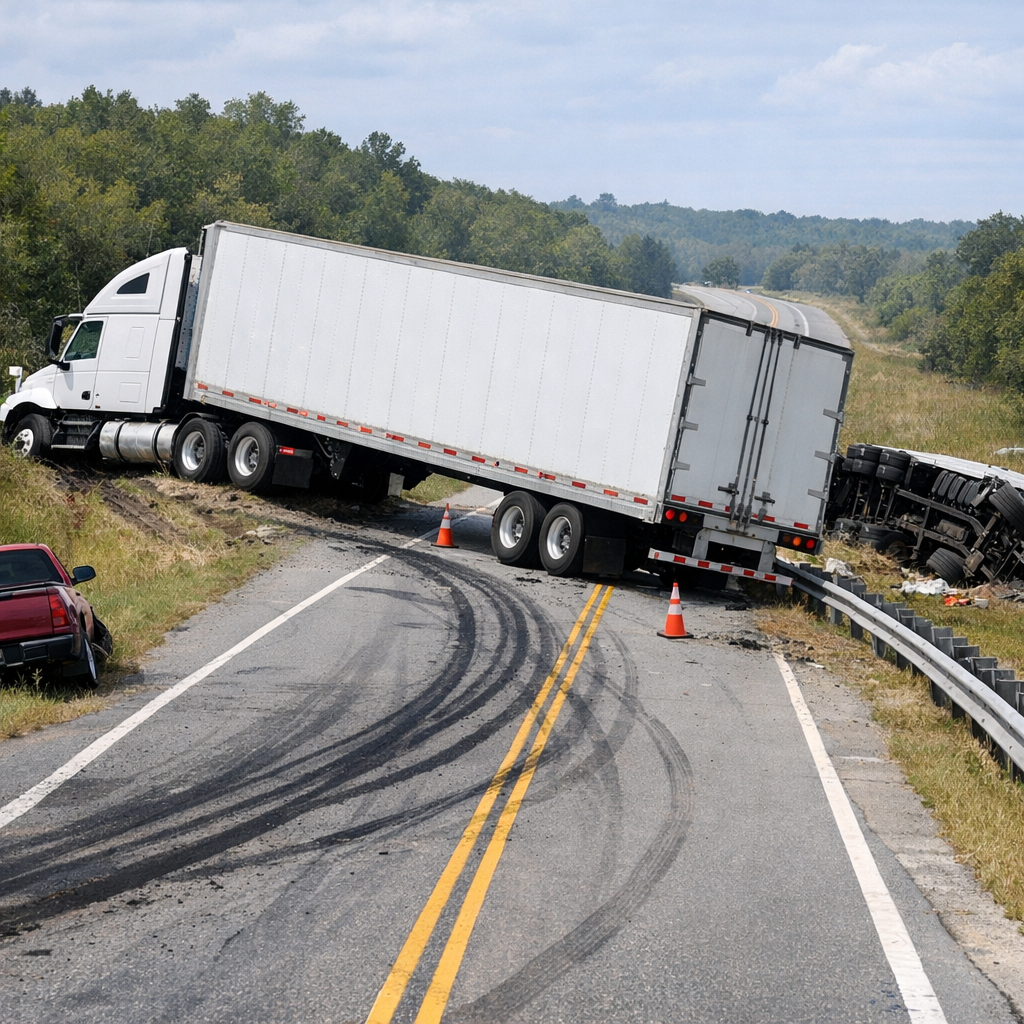
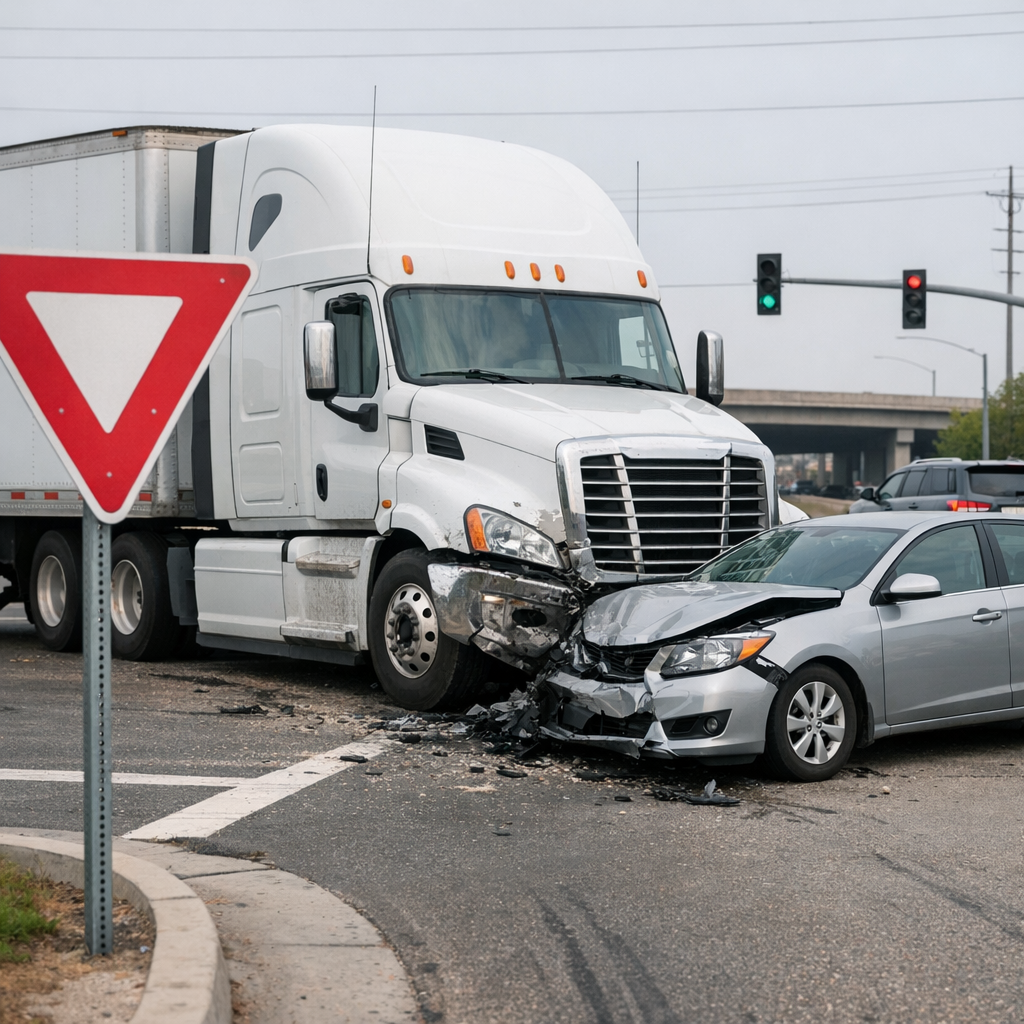
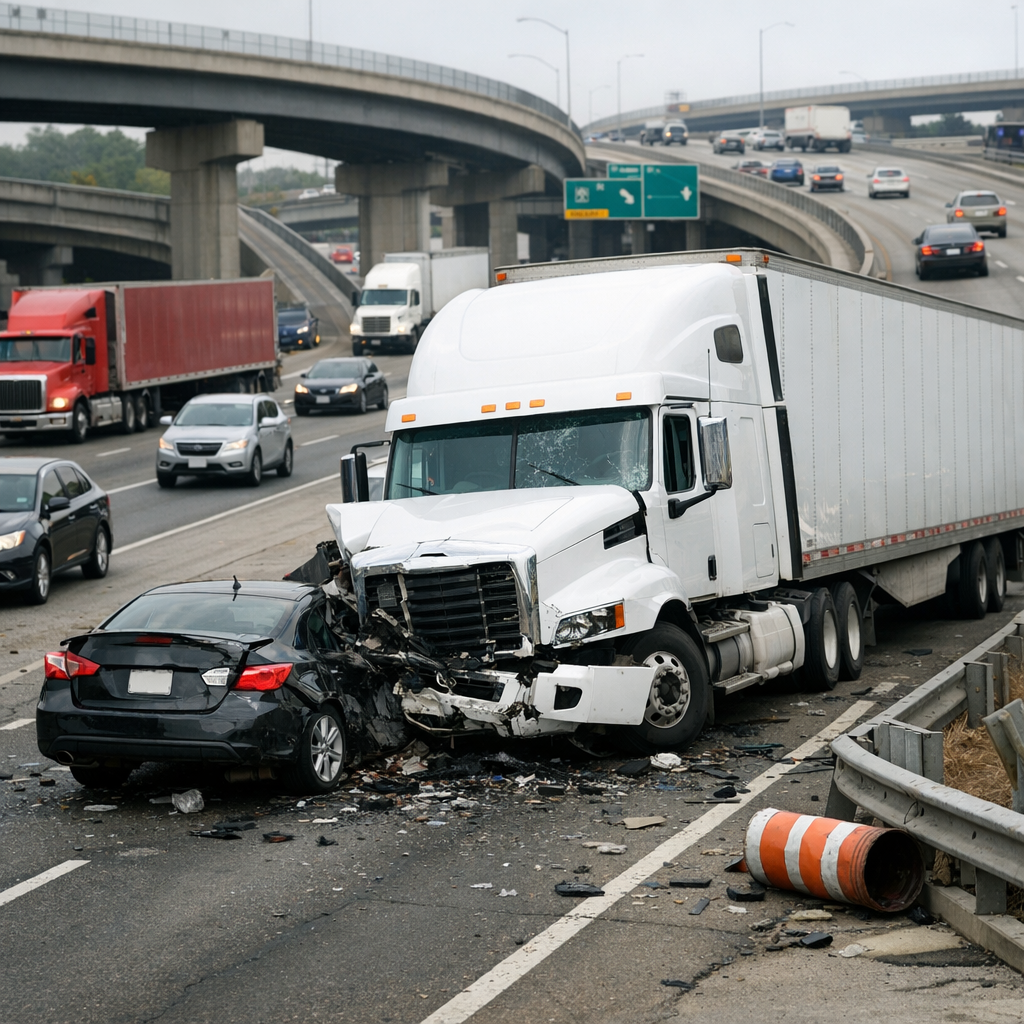
When a semi truck merges improperly and collides with another vehicle, the resulting crash often involves serious damage and injuries. The truck’s weight can cause passenger vehicles to roll, spin, or be crushed. In some cases, improper merging leads to multi-vehicle pileups, particularly on highways where traffic moves at high speeds.
Challenges for Law Enforcement and Accident Reconstruction
Improper merging can be difficult to pinpoint as a cause in traffic investigations because it often involves split-second decisions and subtle driver errors. However, understanding the role of improper merging behaviors helps accident investigators interpret crash scenes, assign contributing factors, and develop clearer pictures of what led to the collision.
Impact on Commercial Driving Standards and Perceptions
Frequent incidents involving improper merging by semi trucks affect public perceptions of truck driver competence and road safety. Highlighting these behaviors in research and reporting contributes to ongoing discussions about commercial driver training, monitoring, and highway infrastructure design.
Reflecting on Improper Merging in Semi Truck Operations
Improper merging behavior by semi trucks is a complex phenomenon rooted in physical vehicle constraints, human decisions, and traffic conditions. The challenges faced by truck drivers in successfully merging underline the importance of recognizing the unique demands of operating large commercial vehicles.
While improper merging can increase risks on the road and contribute to serious accidents, it is part of a broader set of factors involved in truck driving. Appreciating the nuances behind improper merging provides a more comprehensive understanding of commercial vehicle safety and traffic dynamics.
In sum, the topic of improper merging semi highlights how driving maneuvers that may seem simple become intricate when involving heavy trucks. This complexity invites ongoing study and awareness of how vehicle size, driver behavior, and traffic interactions shape roadway safety outcomes.