Delayed Reaction Time in Truck Accidents
Understanding why delayed reaction time occurs in truck accidents is essential for comprehending the dynamics involved in these serious incidents. The sheer size and weight of trucks, combined with human and mechanical factors, contribute to a complex interplay that often results in crashes when reaction time is compromised. This article provides an educational overview of delayed reaction time in trucking, explores the underlying causes, illustrates its importance in actual crash scenarios, and closes with a neutral reflection on the topic.
The Mechanisms Behind Delayed Reaction Trucking
Delayed reaction time refers to the interval between the perception of a hazard and the initiation of a response. In trucking accidents, this delay can be influenced by multiple systems—both human and external—that affect a driver’s ability to respond swiftly.
Human Cognitive and Physical Responses
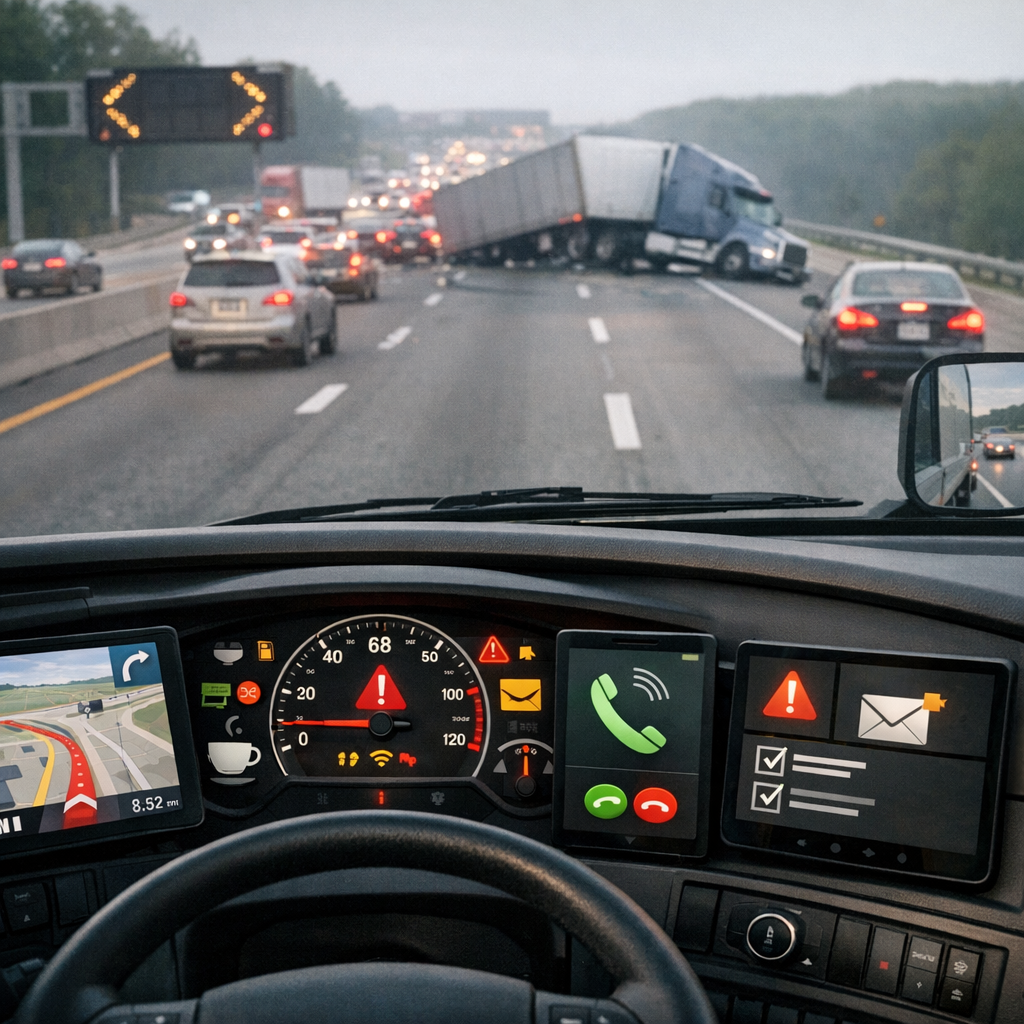
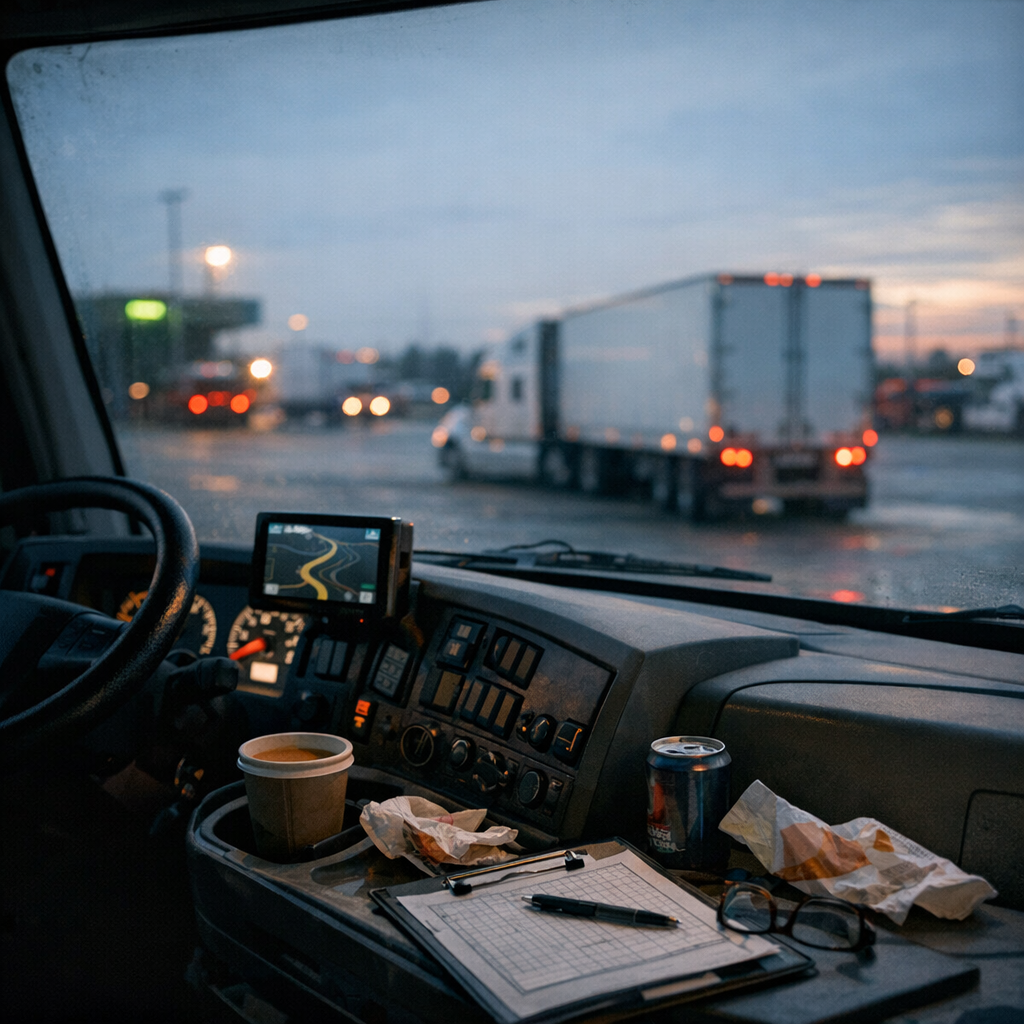
At the core of reaction time is human cognition. When a truck driver encounters an obstacle or unexpected event, their brain must process the information, decide on a course of action, and then send the appropriate signals to muscles to execute a maneuver like braking or steering. Several factors can impair this process. Fatigue, distraction, and medical conditions can slow cognitive processing, causing the driver to react slower than necessary.
Physically, the driver’s ability to perform the action is crucial. For example, the transition from perceiving the hazard to pressing the brake pedal involves a chain of motor functions. Conditions such as reduced hand strength or delayed muscle response further extend reaction time, increasing the risk of collision.
Vehicle and Environmental Factors
Beyond human physiology, the truck’s mechanical systems and the environment play significant roles. Trucks require longer stopping distances due to their mass, meaning that even a brief delay in reaction time equates to a considerable distance traveled before effective braking begins.
Road conditions such as wet or icy surfaces substantially affect the truck’s braking capability. Slower vehicle responses combined with reduced tire grip exacerbate the impact of any delay in driver reactions. Additionally, visibility issues caused by weather or poor lighting can obscure hazards until it’s too late to respond promptly.
The Function of Delayed Reaction Time in Trucking Crashes
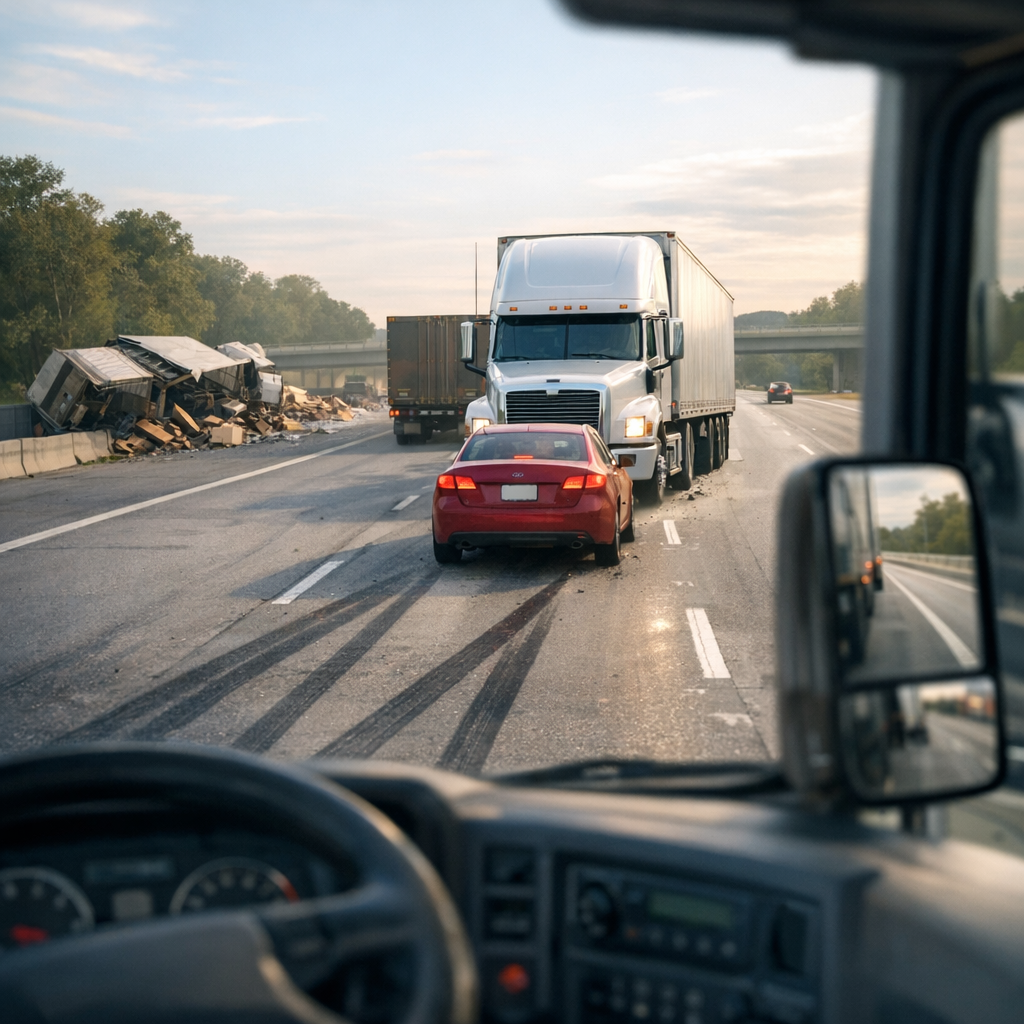
A delayed reaction in trucking scenarios typically initiates a cascade of events that make avoiding a collision exceedingly difficult. Trucks have more inertia than passenger vehicles, meaning they cannot stop quickly or maneuver as rapidly. Even a minor lag in hitting the brake pedal can transform what might have been a near-miss into a full-scale accident.
From the moment a hazard enters the driver’s vision, each fraction of a second counts. A delay as brief as one second can extend a truck’s travel distance by dozens of feet. Given that many highways have high-speed limits, this translates into significant extra ground covered before any mitigating action takes effect.
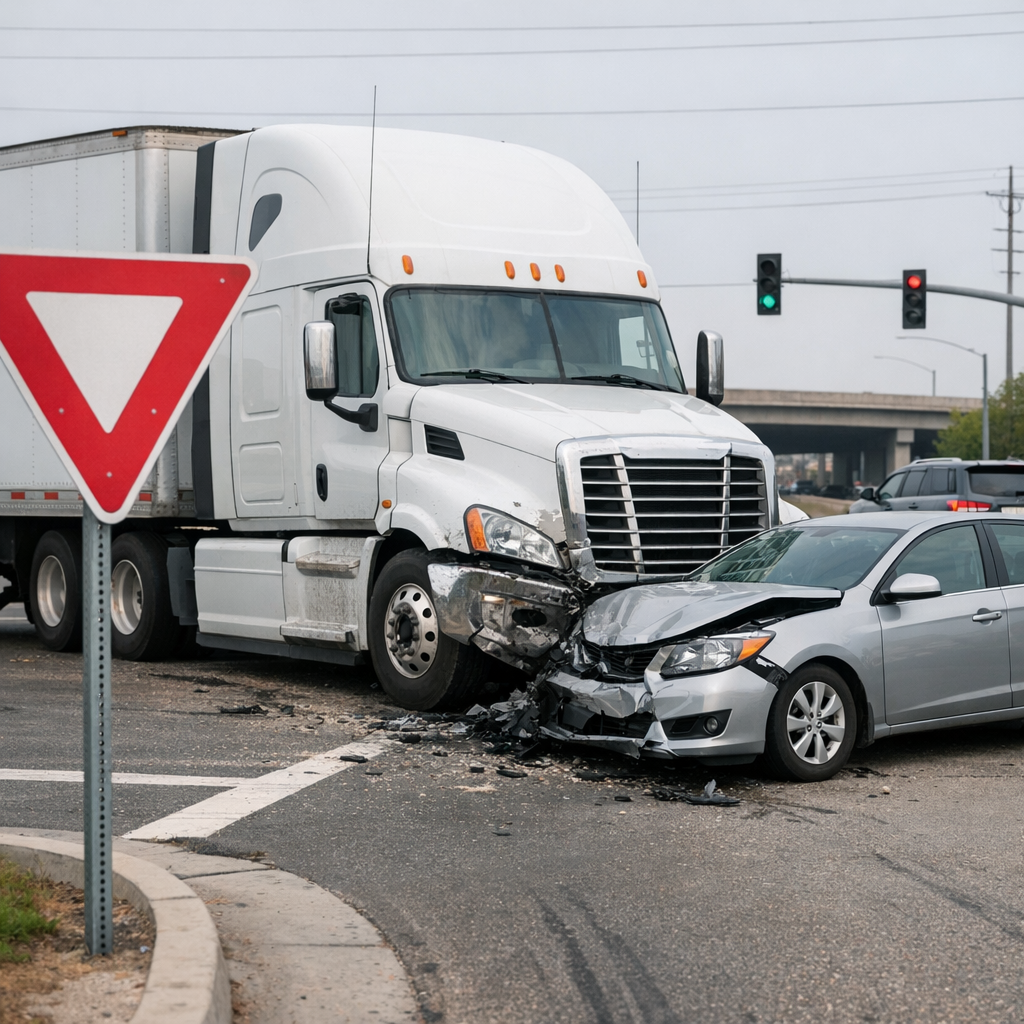
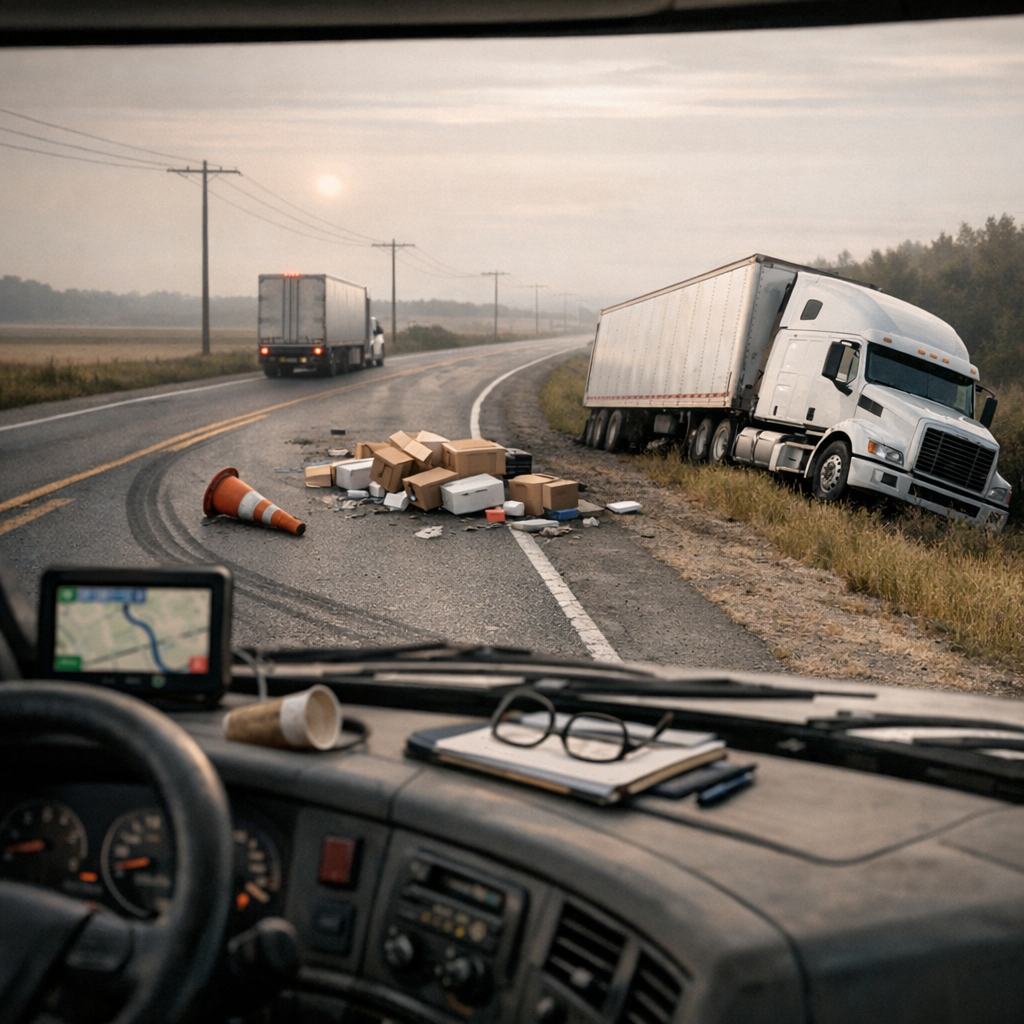
This effect is especially pronounced in multi-vehicle collisions or scenarios involving stationary objects on the roadway. When a truck driver’s reaction lags, the window for corrective action narrows dramatically, increasing the likelihood of severe impacts and catastrophic damage.
The Real-world Importance of Reaction Time Dynamics
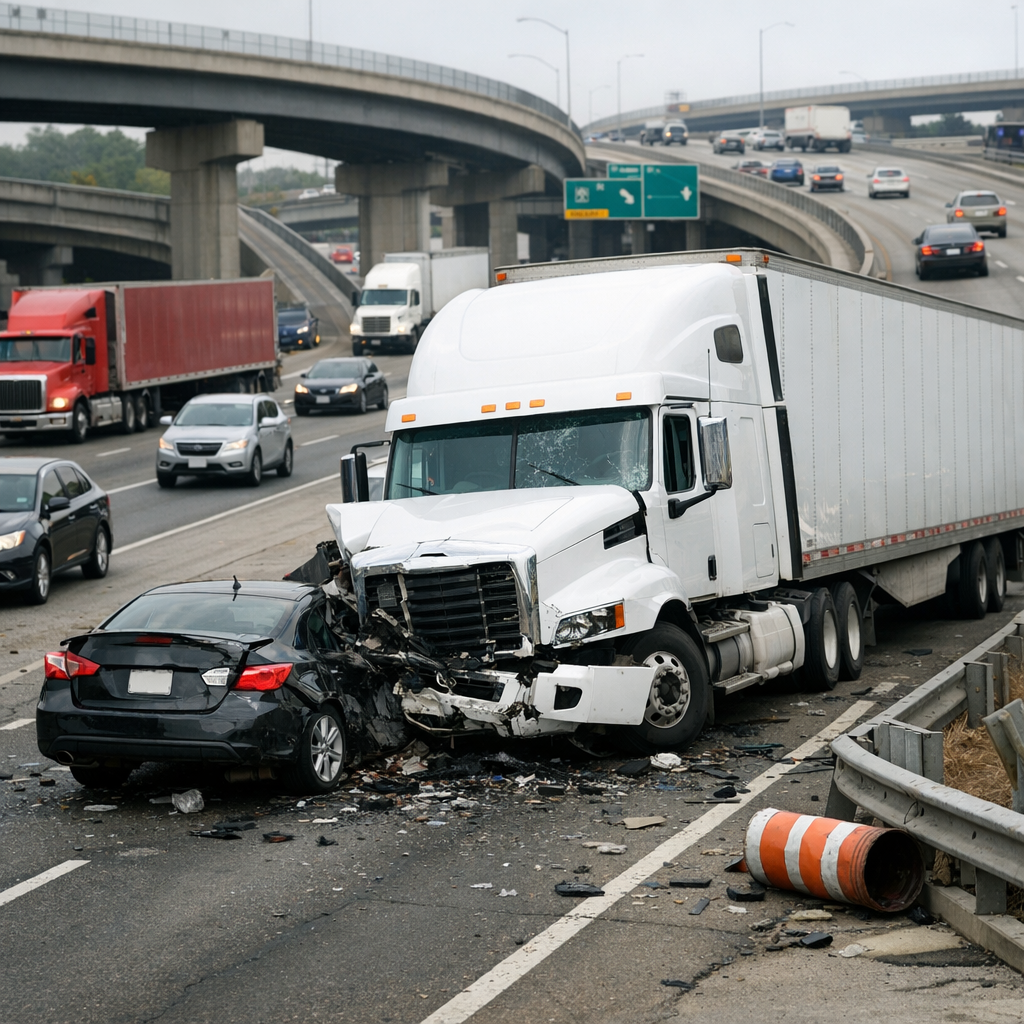
Examining actual truck accidents underlines the grave consequences of delayed reaction trucking. Accident investigations frequently highlight reaction time as a pivotal factor, linking it closely to both direct causes and contributing issues such as driver fatigue or distraction.
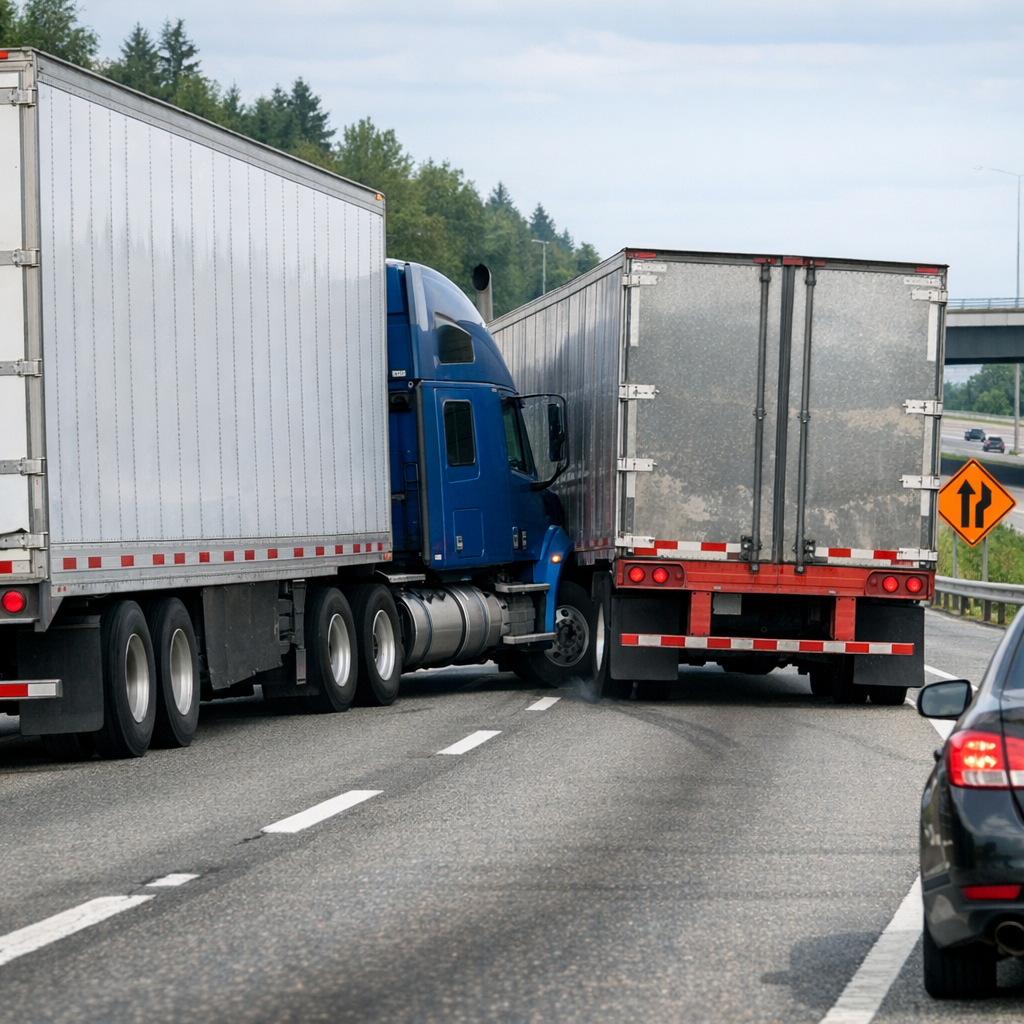
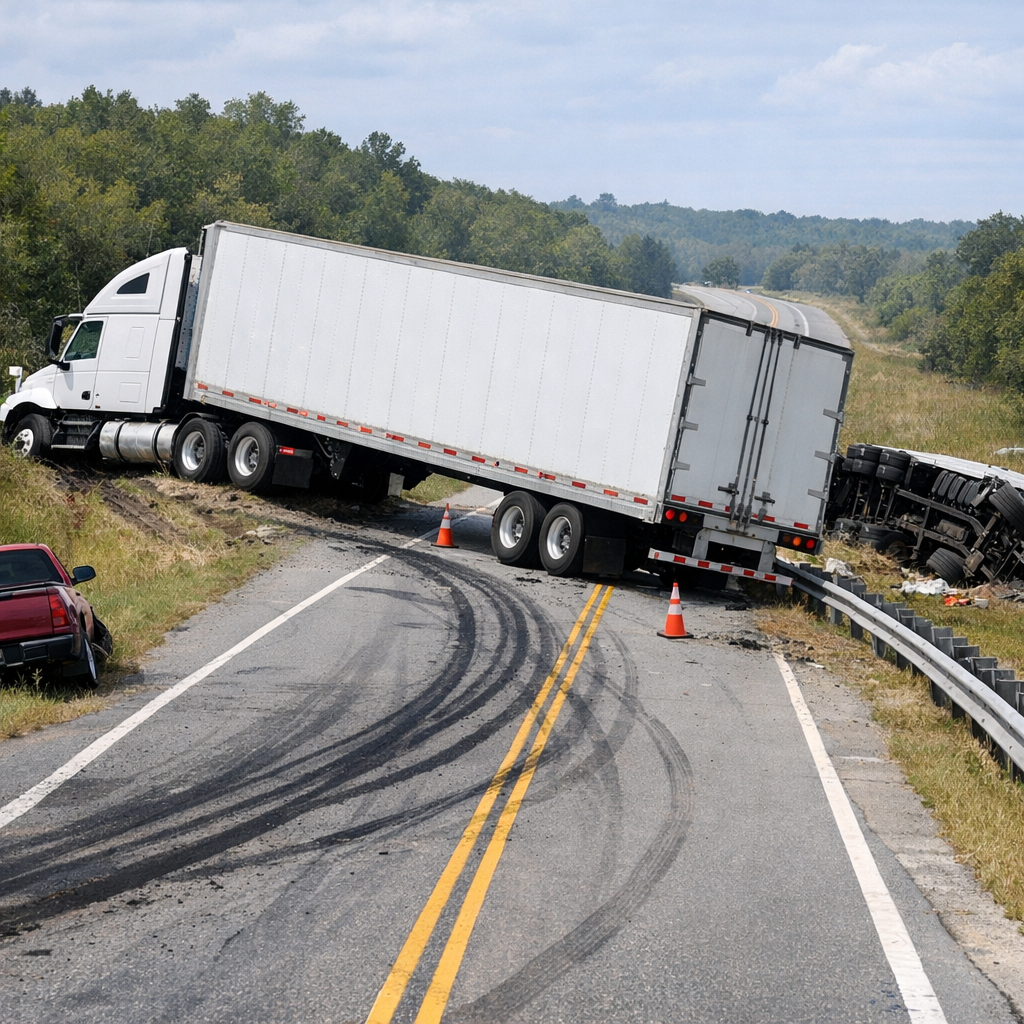
In highway driving, where trucks often travel at high speeds alongside passenger vehicles, the margin for error is slim. A momentary lapse or hesitation can lead to jackknife crashes, rollover incidents, or rear-end collisions. The massive kinetic energy carried by trucks amplifies the damage inflicted once a collision occurs.
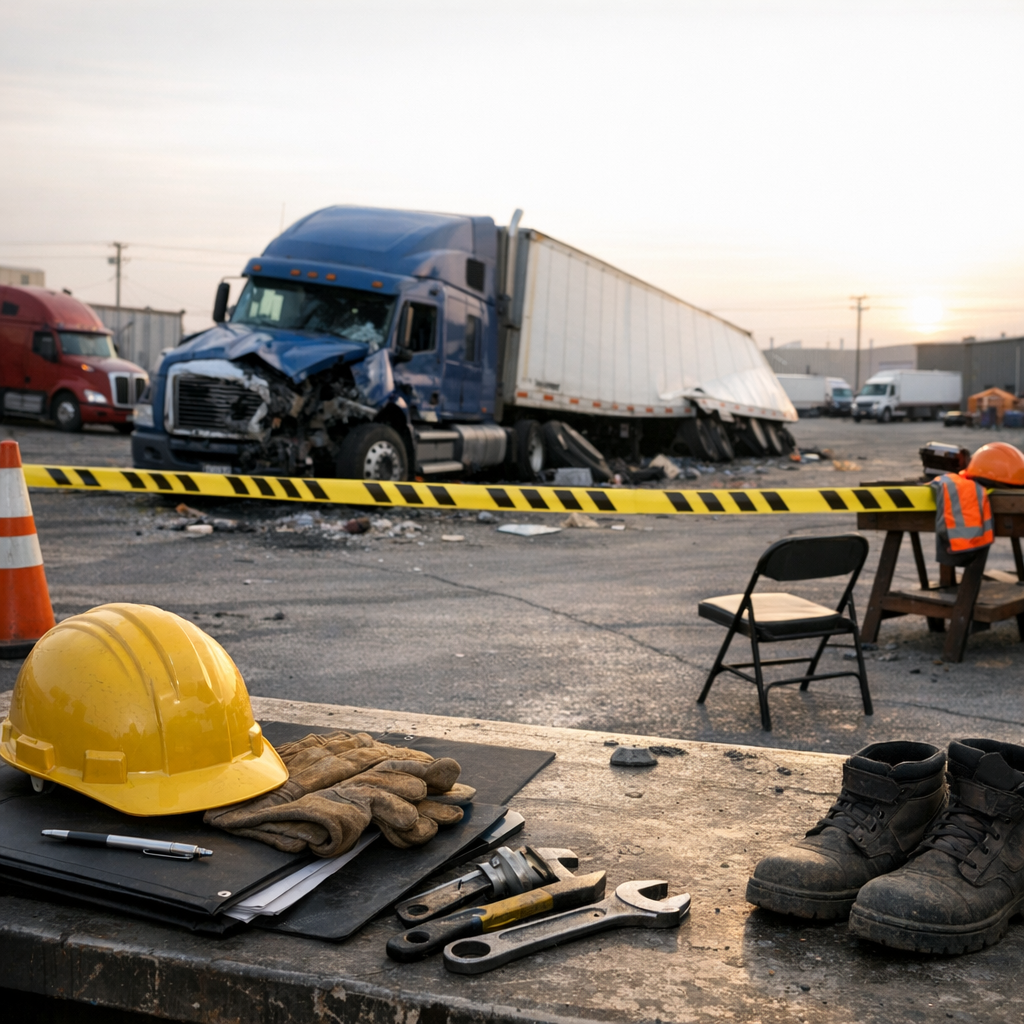
Furthermore, delayed reaction time affects not only the possibility of crashes but also the severity of injuries and fatalities. Quick responses can sometimes lessen the force of impact or enable evasive maneuvers that prevent a total crash. Conversely, slower reactions almost always result in more devastating outcomes.
Concluding Perspective on Delayed Reaction Trucking
Delayed reaction time remains a critical component in the understanding of truck accident dynamics. Both human and mechanical factors intricately influence how quickly a truck driver can perceive and react to hazards. The extended stopping distances and limited maneuverability inherent to trucks mean that any delay in reaction carries increased risk.
Awareness of this phenomenon helps frame the complexities involved in truck safety and underscores why improving understanding of reaction times is valuable for researchers and professionals studying road safety trends. While delayed reaction trucking presents challenges, it also opens avenues for exploring how different systems interact under pressure during critical moments on the road.