Poor Lane Discipline in Big Rig Driving
Lane discipline in big rig driving is a crucial but often overlooked aspect of highway safety. The term refers to the ability of truck drivers to maintain their vehicle’s position within designated lanes, avoiding unnecessary swerving, lane drifting, or abrupt lane changes. Poor lane discipline in big rig driving can create hazardous conditions on the road, affecting not only the truck driver but everyone sharing the highway. Understanding the dynamics behind poor lane discipline, its causes, and its impact on real-world crashes sheds light on this important safety issue.
Causes of Poor Lane Discipline in Big Rig Driving
Lane discipline big rig issues do not arise from a single factor but rather from a complex interplay of driver behavior, vehicle characteristics, and environmental conditions. One of the primary causes stems from the physical and operational challenges inherent in driving large trucks. Unlike passenger vehicles, big rigs have extended length, wider turning radii, and higher centers of gravity. This makes maneuvering within confined lanes much more difficult, particularly on narrow highways or crowded urban roads.
Driver Fatigue and Distraction
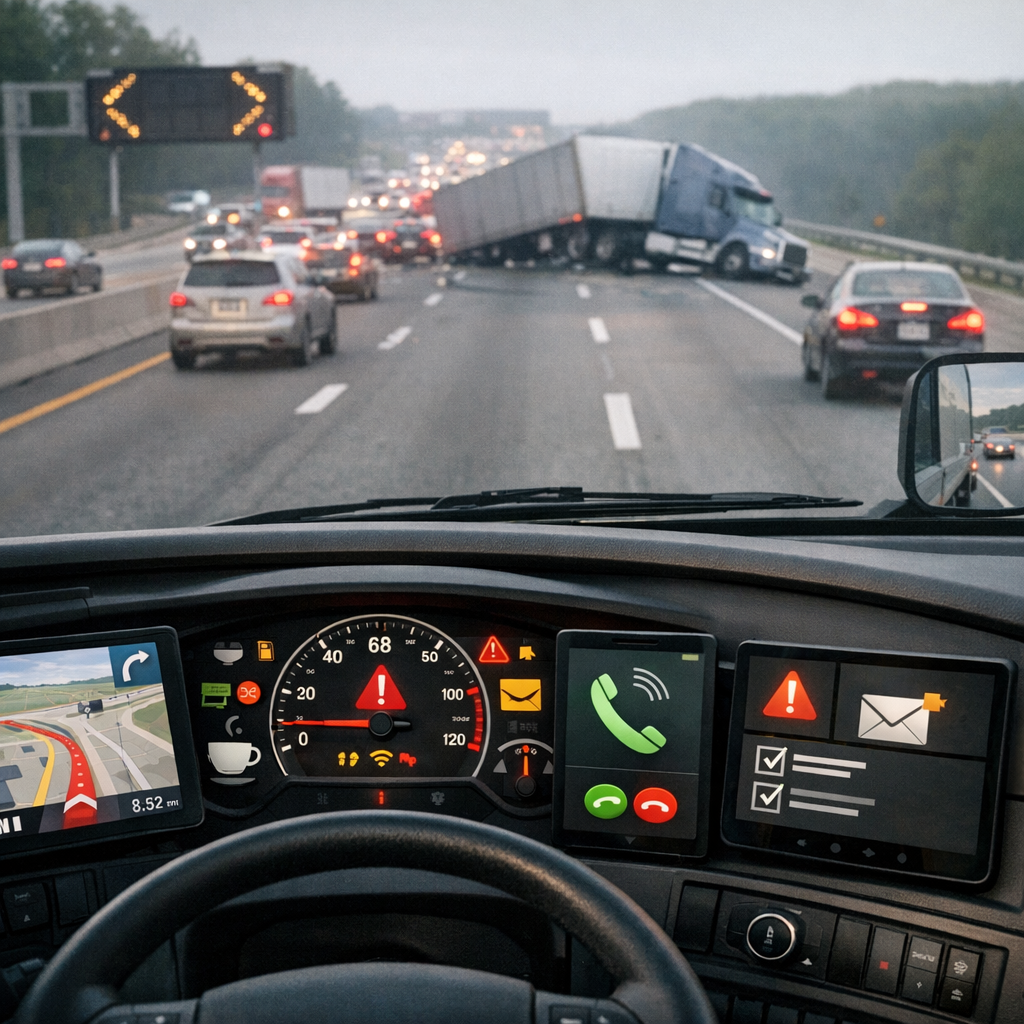
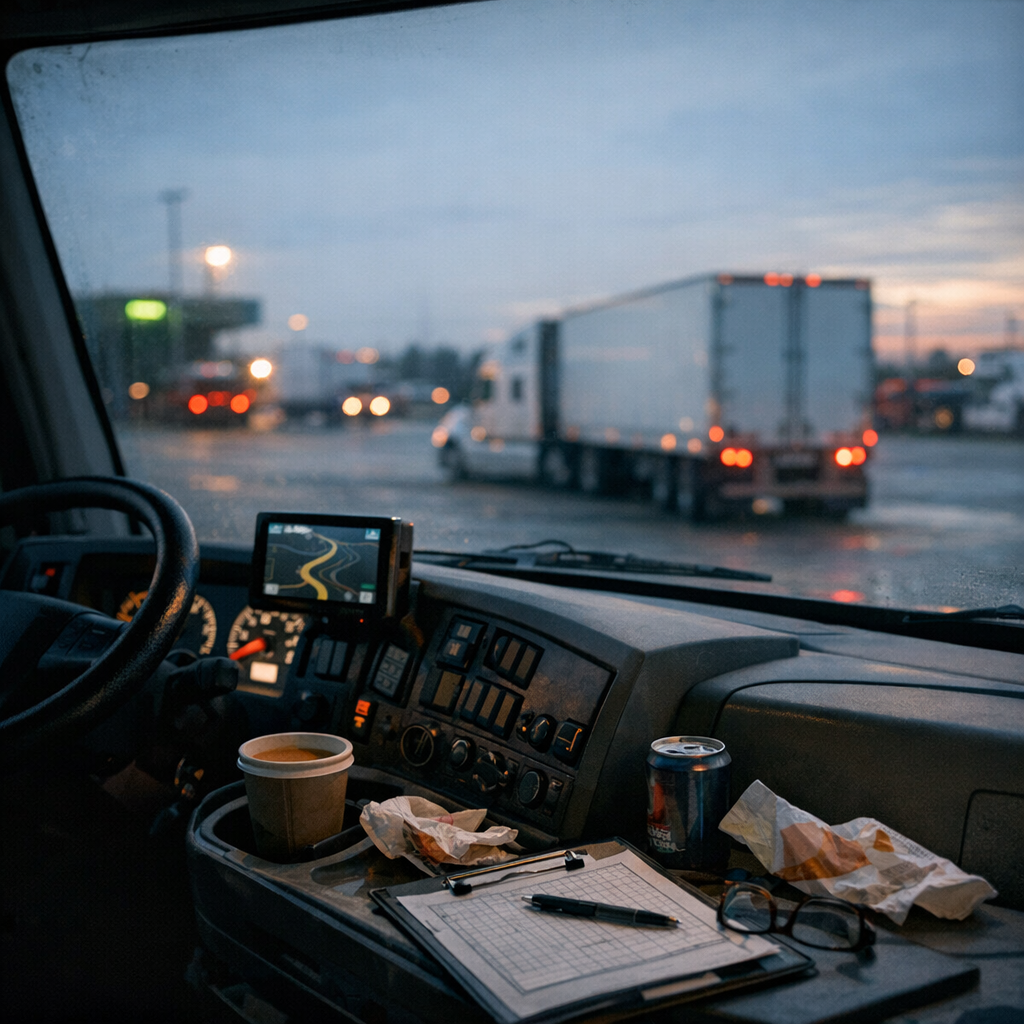
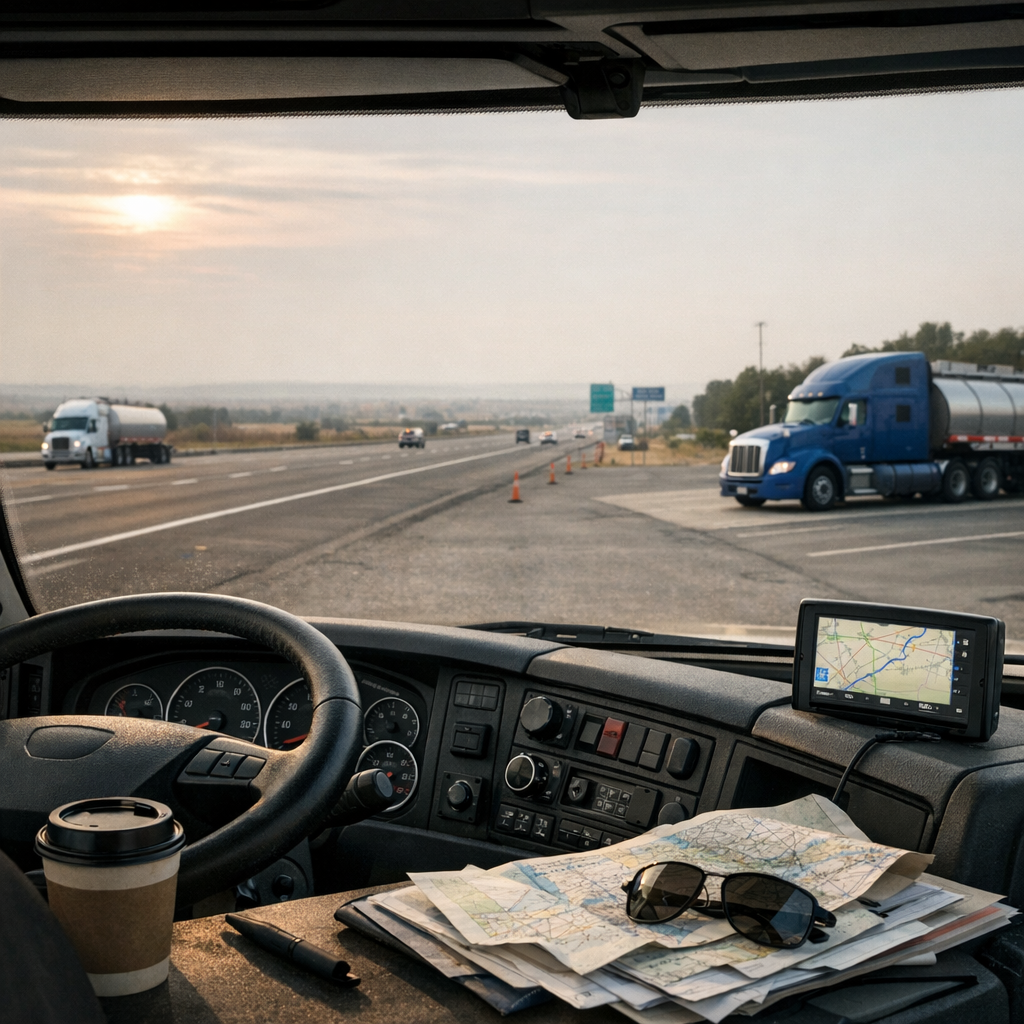
One of the most significant contributors to poor lane discipline in big rig driving is driver fatigue. Long hours behind the wheel, sometimes pushing the limits of legal driving hours, lead to reduced alertness and slower reaction times. Fatigued drivers may unintentionally drift out of their lanes or make imprecise lane changes. Distraction also plays a considerable role. In-cab distractions, including mobile phone use or interacting with electronic logging devices (ELDs), can cause momentary lapses in attention, impairing a driver’s ability to maintain consistent lane positioning.
Vehicle Dynamics and Load Shifts
The design and load of a big rig heavily influence how well a truck can maintain lane discipline. A fully loaded truck’s weight affects its suspension and handling characteristics. Sudden weight shifts during acceleration, braking, or cornering may cause the vehicle to veer slightly, impacting lane stability. Moreover, mechanical issues – worn tires, misaligned wheels, or faulty steering components – may impair a truck’s ability to stay centered within a lane, indirectly contributing to poor lane discipline.
Roadway and Weather Conditions
Environmental factors also have a major effect on lane discipline big rig challenges. Poorly marked lanes, faded paint, or narrow shoulders complicate lane maintenance for large vehicles. Additionally, weather conditions such as rain, fog, snow, or ice can reduce visibility and traction, leading to inadvertent lane departures. Crosswinds, in particular, may push big rigs sideways due to the vehicle’s large surface area exposed to the wind, making precise lane holding difficult.
How Poor Lane Discipline Manifests in Driving
In practice, poor lane discipline in big rig driving often appears as drifting out of a lane, unsafe or sudden lane changes, and failure to maintain lateral control on curves or turns. Drifting can be a slow, barely noticeable movement or an abrupt swerve. Narrowing lanes, construction zones, or heavy traffic intensify the risks involved when trucks do not maintain their lane position.
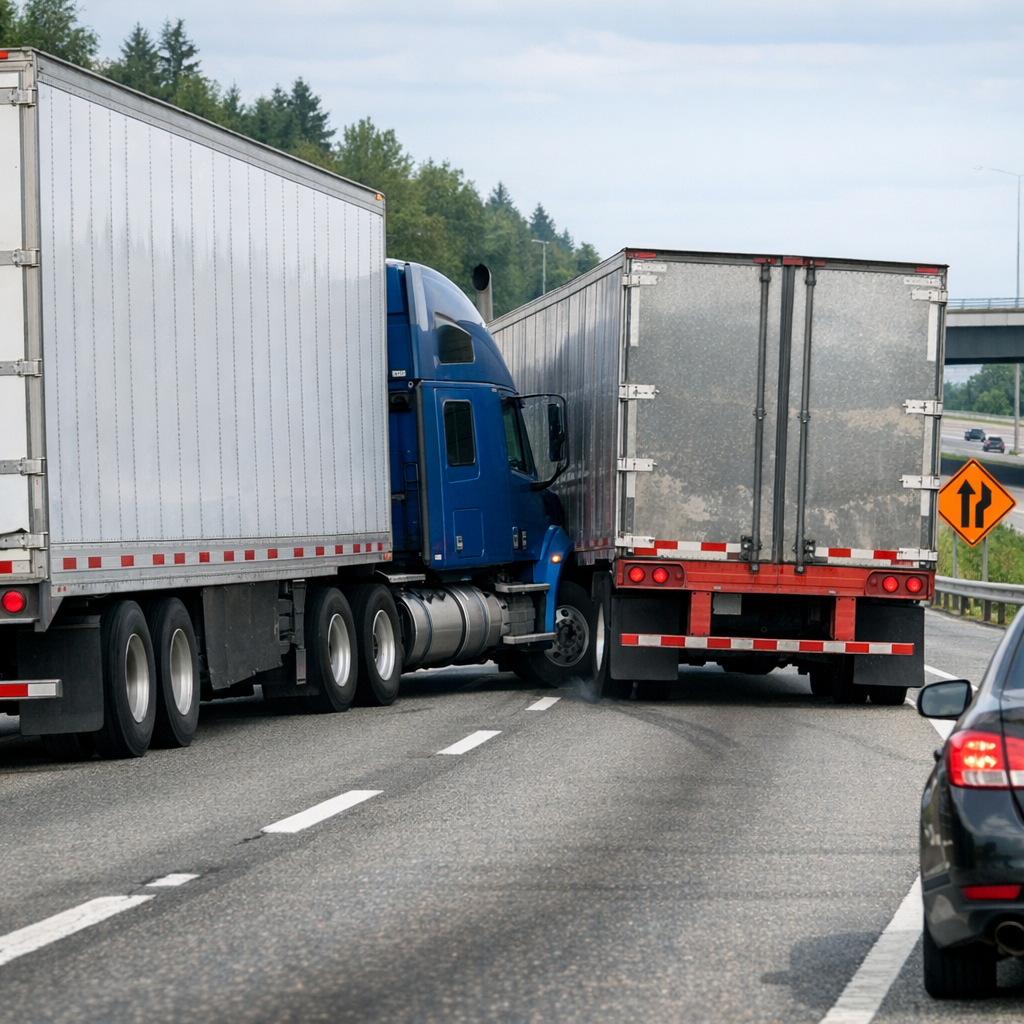
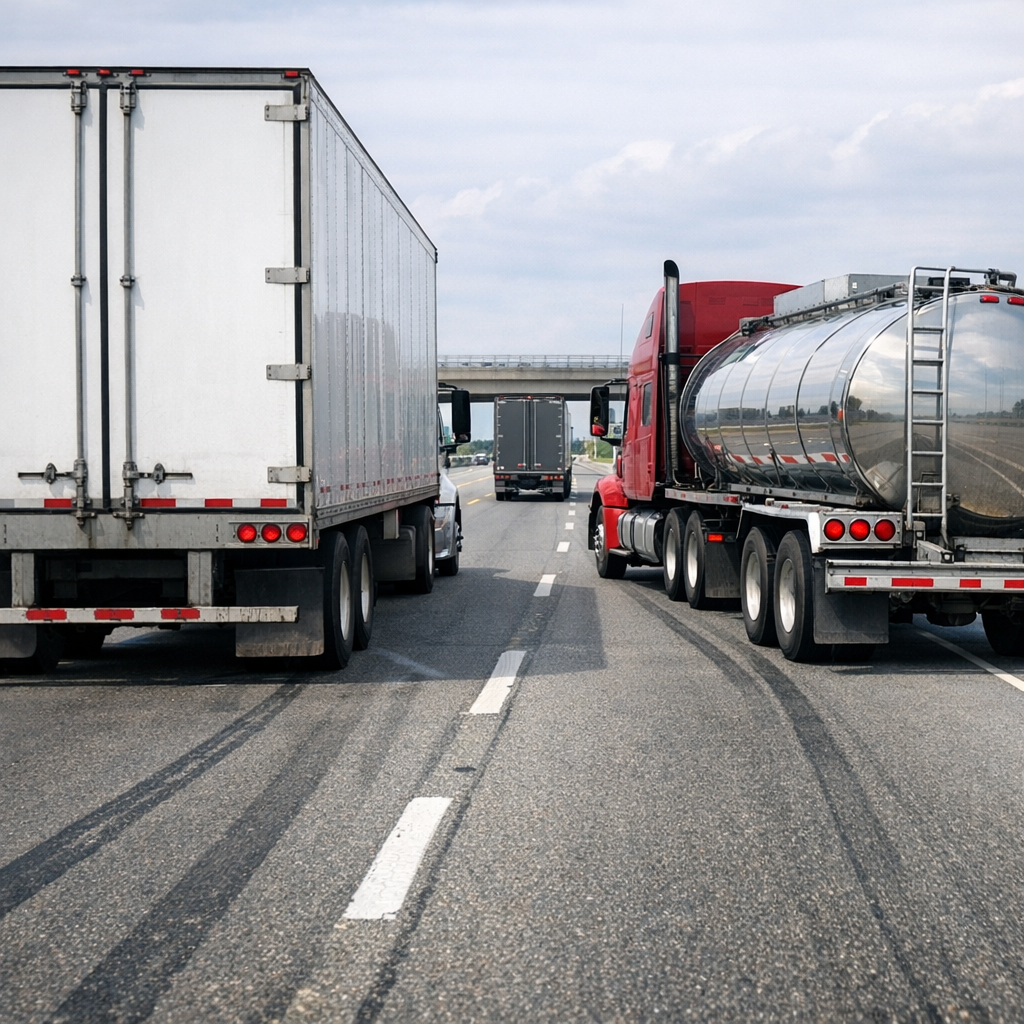
Lane changes executed without adequate signaling or checking blind spots exacerbate dangers. Due to their size, big rigs have substantial blind spots that mask smaller vehicles when a lane change occurs. Poor lane discipline combined with these blind spots increases the potential for sideswipe collisions or forced evasive maneuvers.
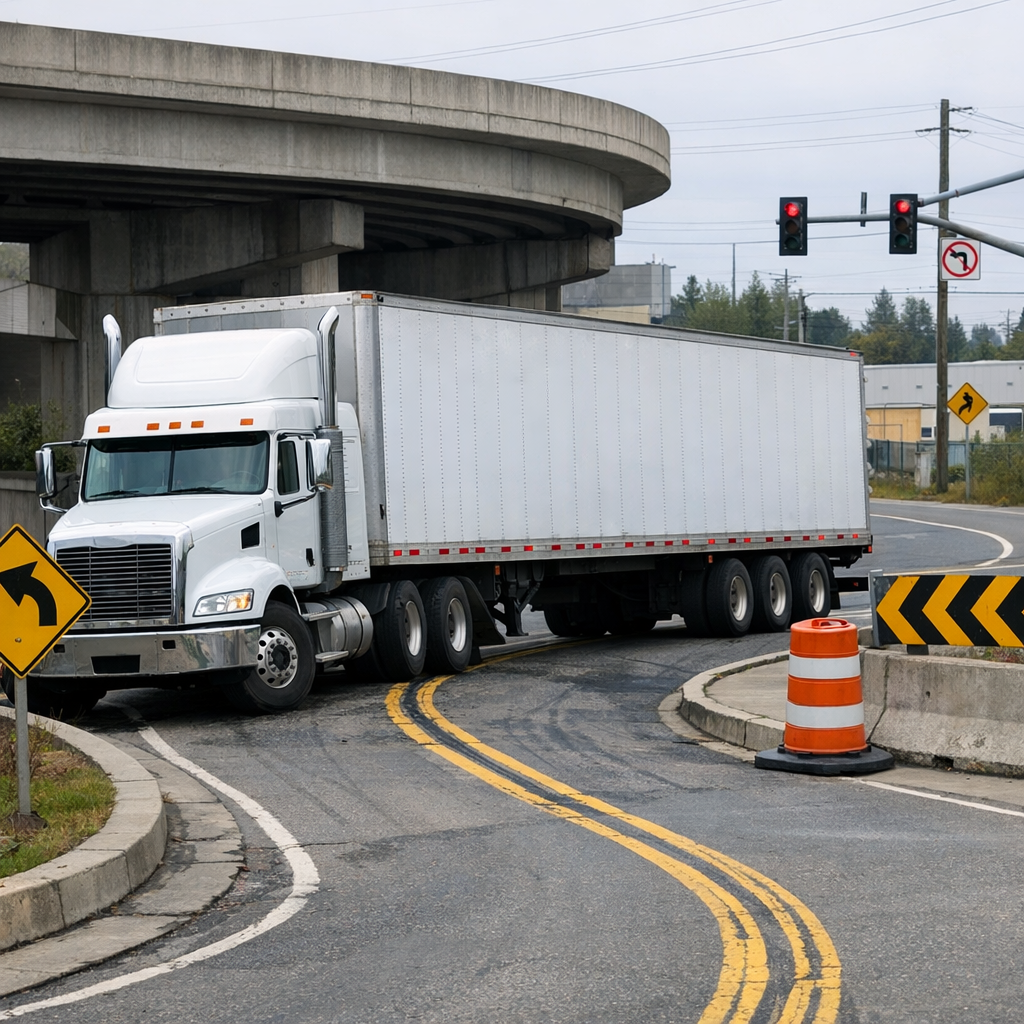
On winding roads or complex interchanges, maintaining lane discipline becomes more challenging. Trucks that fail to hold lane on curves may partially or completely enter the oncoming lane or the shoulder. This behavior heightens the chance of collisions with vehicles in adjacent lanes or roadside obstacles.
Why Poor Lane Discipline Matters in Real-World Crashes
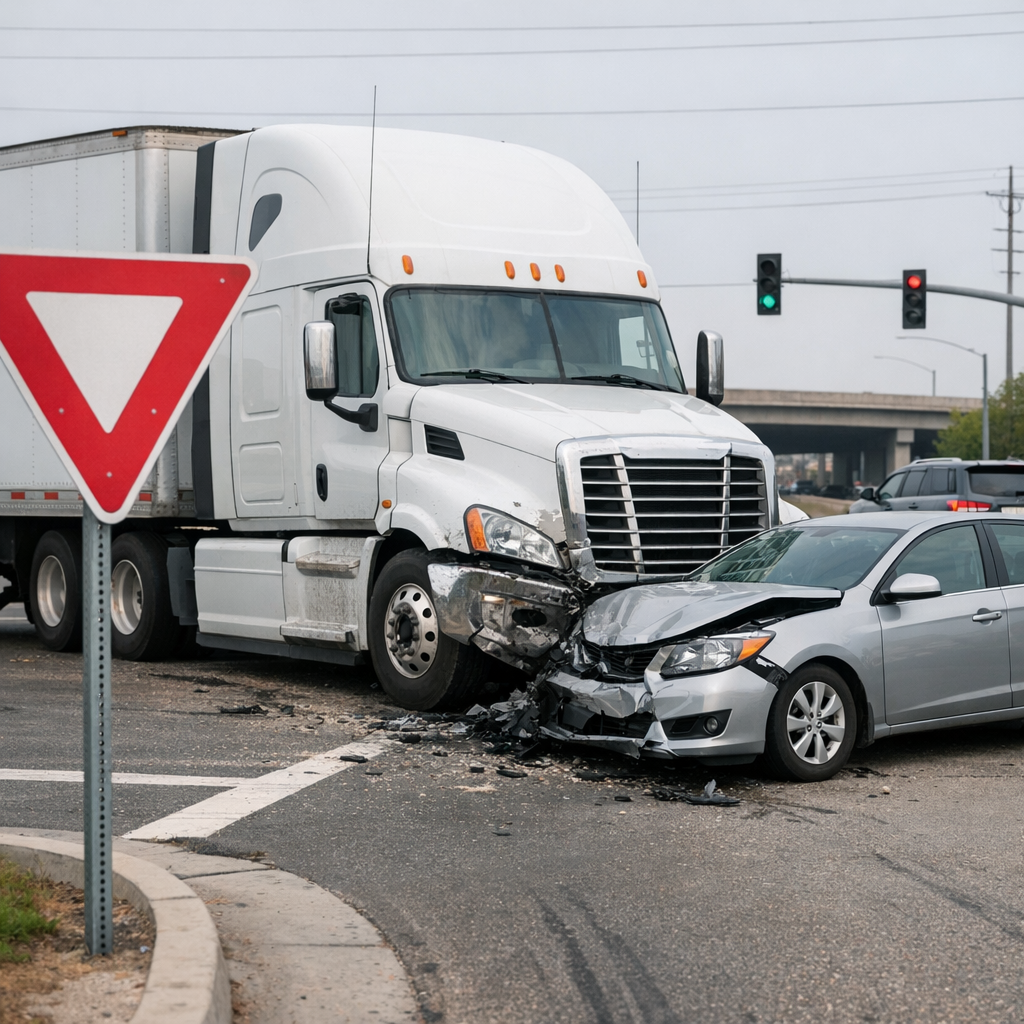
The consequences of poor lane discipline in big rig accidents often carry severe injury or fatality risks. The sheer mass and momentum of trucks mean their movements exert a profound effect on nearby vehicles. When a big rig drifts outside its lane, it reduces the safety buffer otherwise maintained between vehicles, increasing the likelihood of impacts.
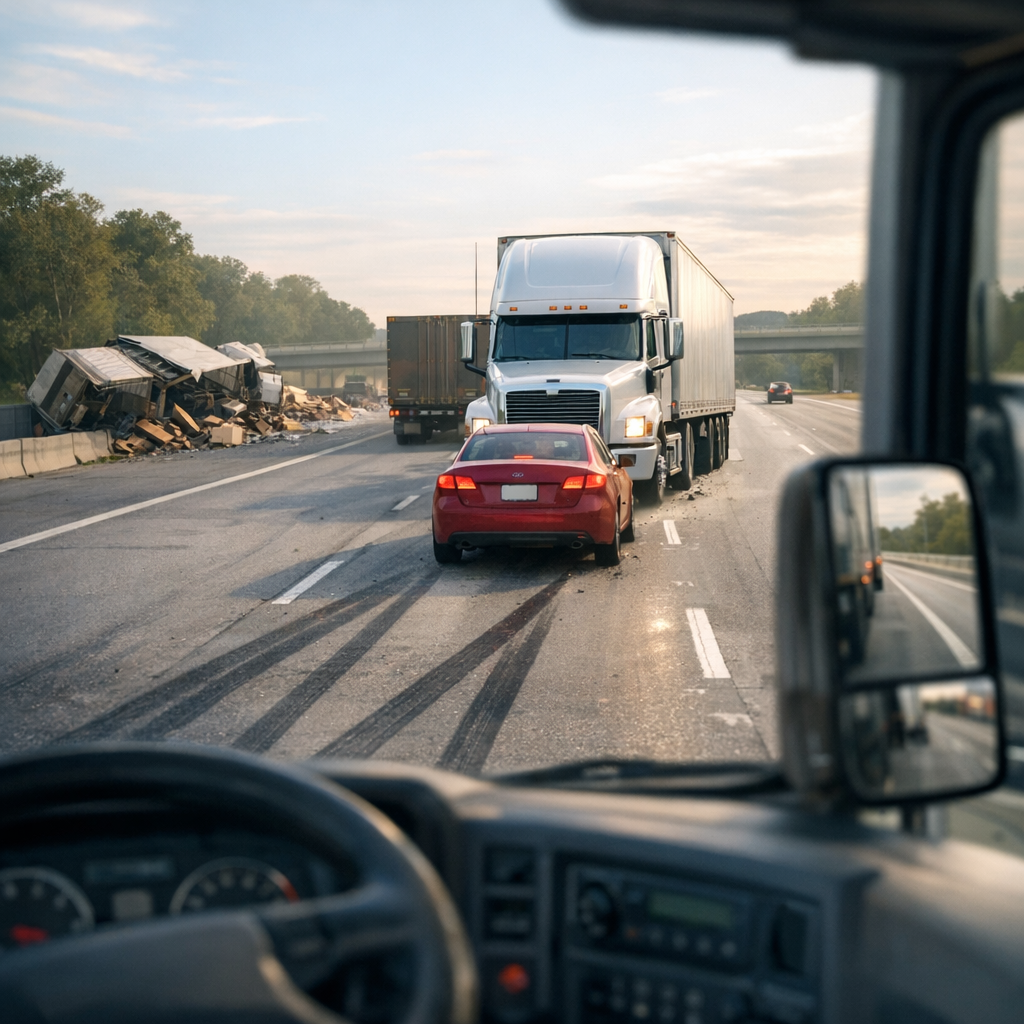
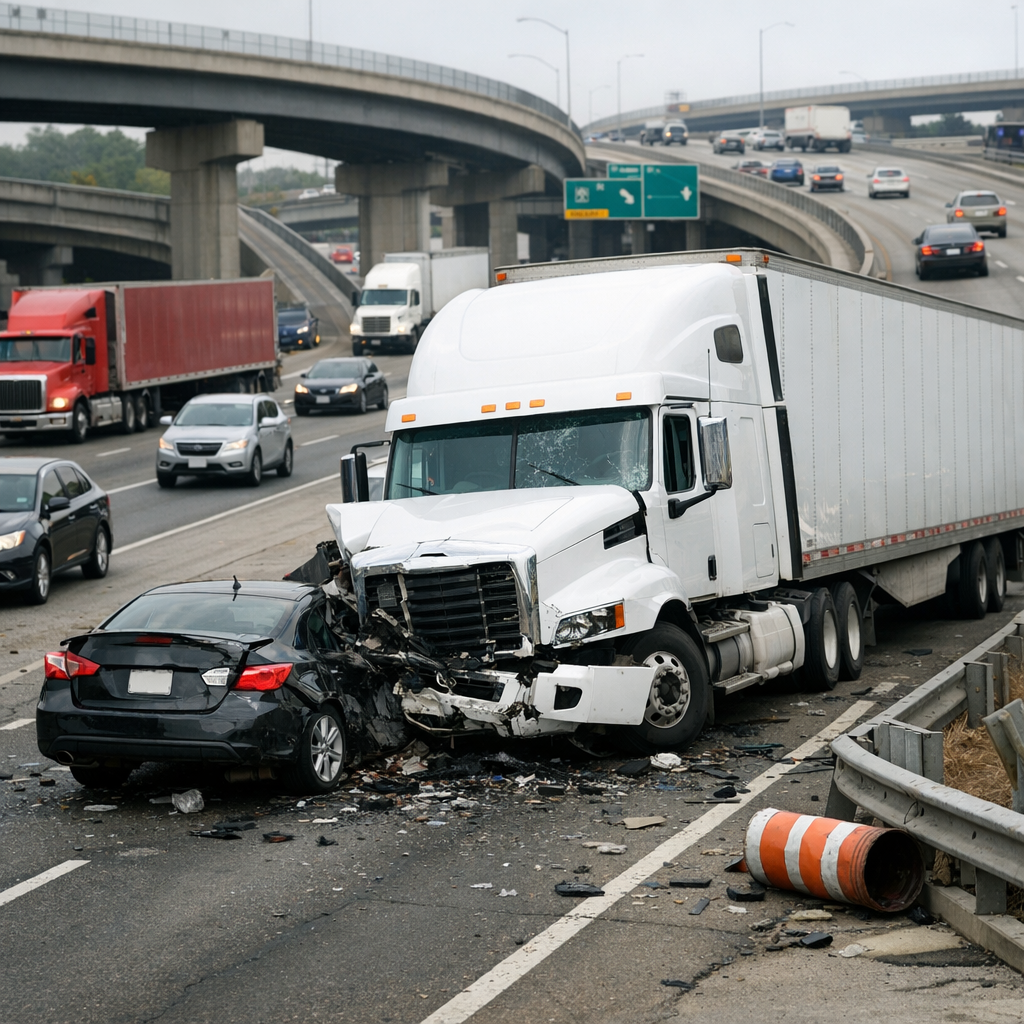
Many multi-vehicle highway crashes involving trucks begin with lane deviations. A slight drift may lead to a side collision with a car, causing loss of control and secondary accidents. In some cases, trucks that fail to keep proper lane placement cause chain-reaction crashes when other drivers suddenly brake or swerve to avoid the errant vehicle.
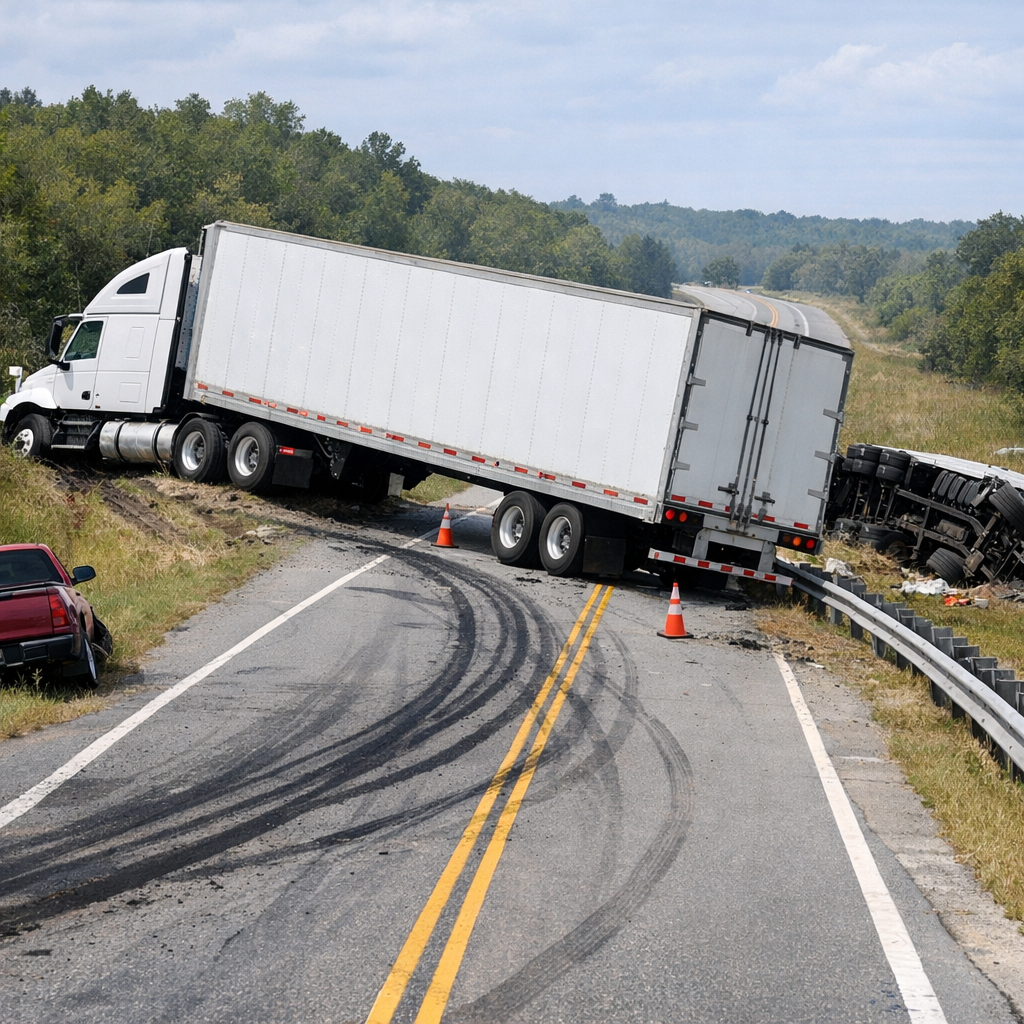
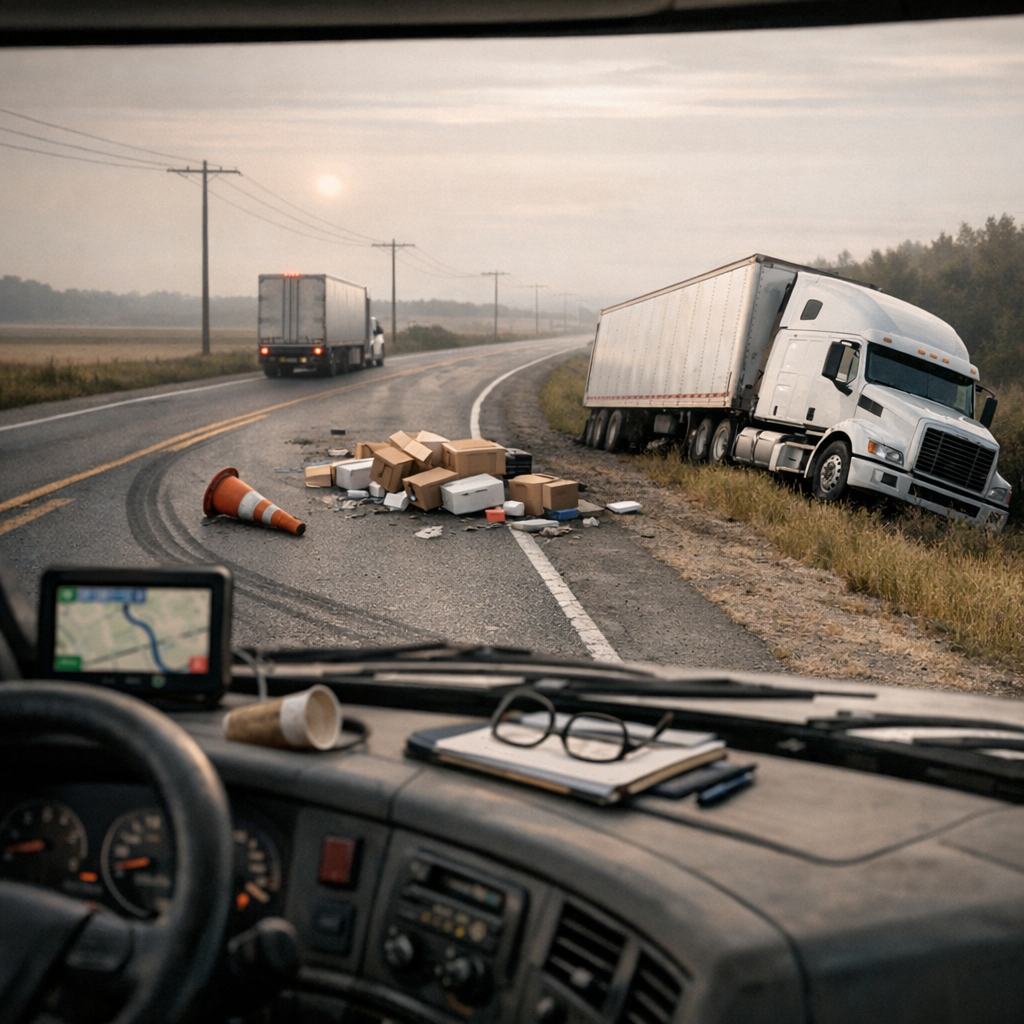
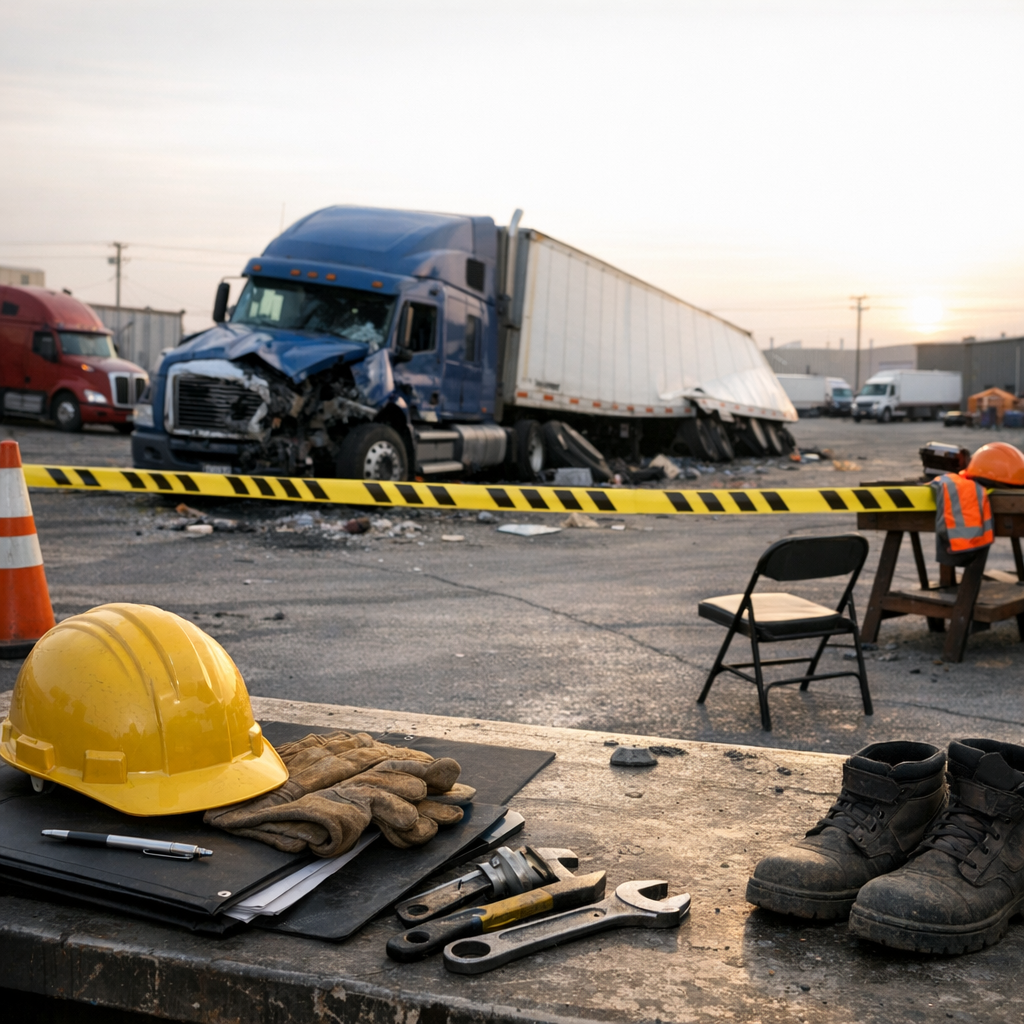
The physics of crash dynamics show that when big rigs lose lane discipline, the potential for rollovers or jackknife incidents rises. These situations often cause extended road closures and more severe damage. In particular, poor lane discipline near highway interchanges or merging zones results in abrupt lane changes under stress, increasing crash risk.
Additionally, passenger vehicle occupants are at a serious disadvantage in collisions involving heavy trucks, as the truck’s higher mass and clearance points typically result in greater damage to smaller vehicles. Maintaining proper lane discipline helps preserve safe passing distances and prevent scenarios that can escalate into catastrophic accidents.
Neutral Perspective on Lane Discipline Challenges in Big Rig Driving
Lane discipline in big rig driving represents an intricate mix of factors that must be balanced for safe driving practices. Understanding that lane discipline extends beyond simple lane-keeping highlights the difficulty of managing large commercial vehicles on busy roadways. Environmental conditions, vehicle characteristics, and human factors all influence how well a truck stays within lanes.
While lane discipline is important for safety, the realities of trucking operations present challenges that are often difficult to overcome. Busy highways, varying weather, long hours, and complex vehicle dynamics must all be considered when evaluating issues related to lane discipline big rig failures.
This complexity underscores the need for ongoing study and awareness around truck lane behavior, not just from the perspective of individual drivers but also from transportation systems, infrastructure design, and vehicle maintenance. Recognizing the multifaceted nature of poor lane discipline provides context for its role in crash causation and roadway safety discussions.
In summary, poor lane discipline in big rig driving is a critical issue shaped by physiological, mechanical, and environmental influences. Its impact on traffic safety is significant, contributing to a range of hazardous scenarios and crash types. Understanding its causes and effects offers insight into the challenges of large truck operation on modern roadways, illuminating why attention to lane discipline remains a cornerstone of commercial vehicle driving.