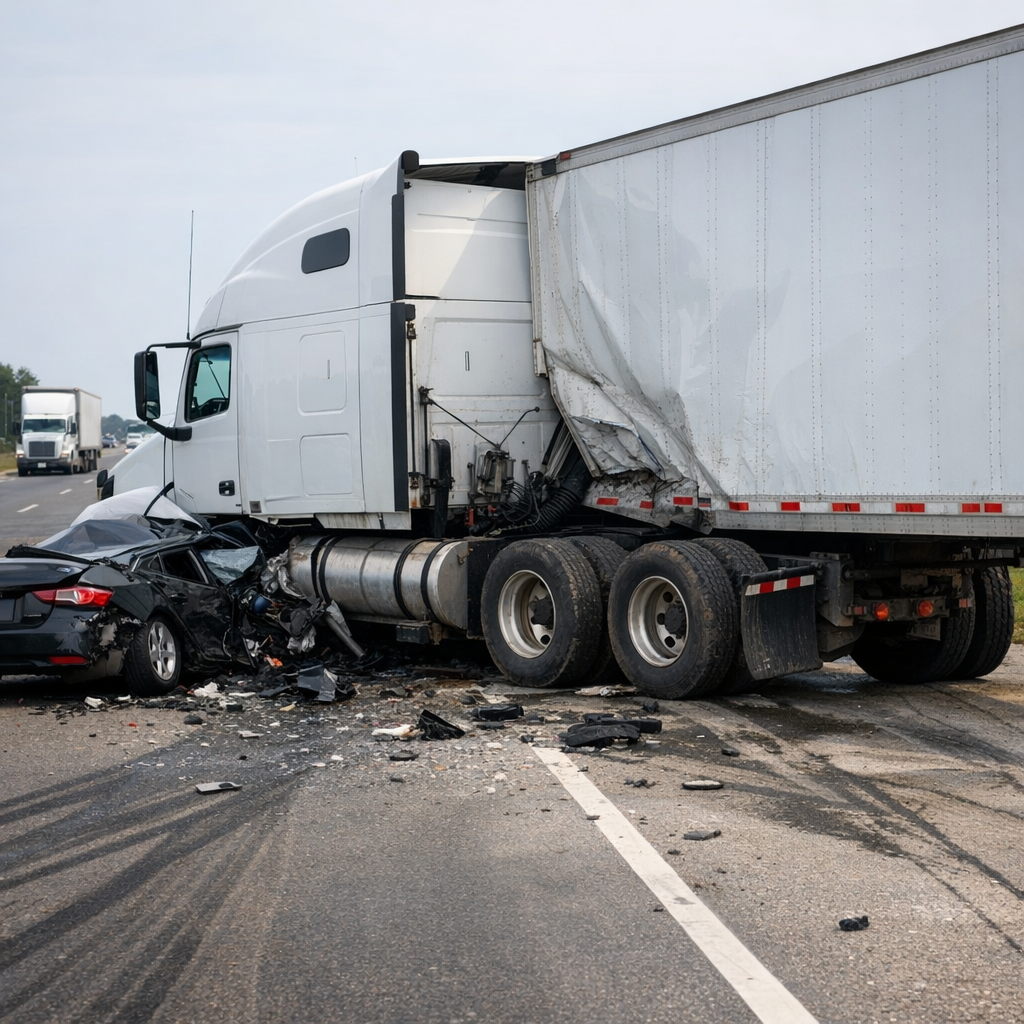
Driver Awareness Limits in Big Rig Crashes
Big rigs, also known as semi-trucks or tractor-trailers, are indispensable to the transportation industry. Their massive size and weight allow them to haul vast amounts of freight over long distances. However, these vehicles also pose unique risks on the road, particularly when driver awareness reaches its limits. Understanding the constraints of driver awareness in the context of big rig crashes is critical to comprehending how such accidents occur and why they often result in severe consequences.
Understanding the Awareness Limits in Big Rig Operation
Driver awareness encompasses a complex set of skills and physiological capabilities. It involves perceiving, processing, and reacting to stimuli on the road. For big rig drivers, this process is challenged by various factors including vehicle size, road conditions, and physical fatigue. The sheer dimensions of big rigs create blind spots and limit the ability to quickly assess the immediate driving environment. When awareness reaches its limits, the ability to respond in time to emerging hazards diminishes considerably.
The Cognitive and Sensory Demands on Big Rig Drivers
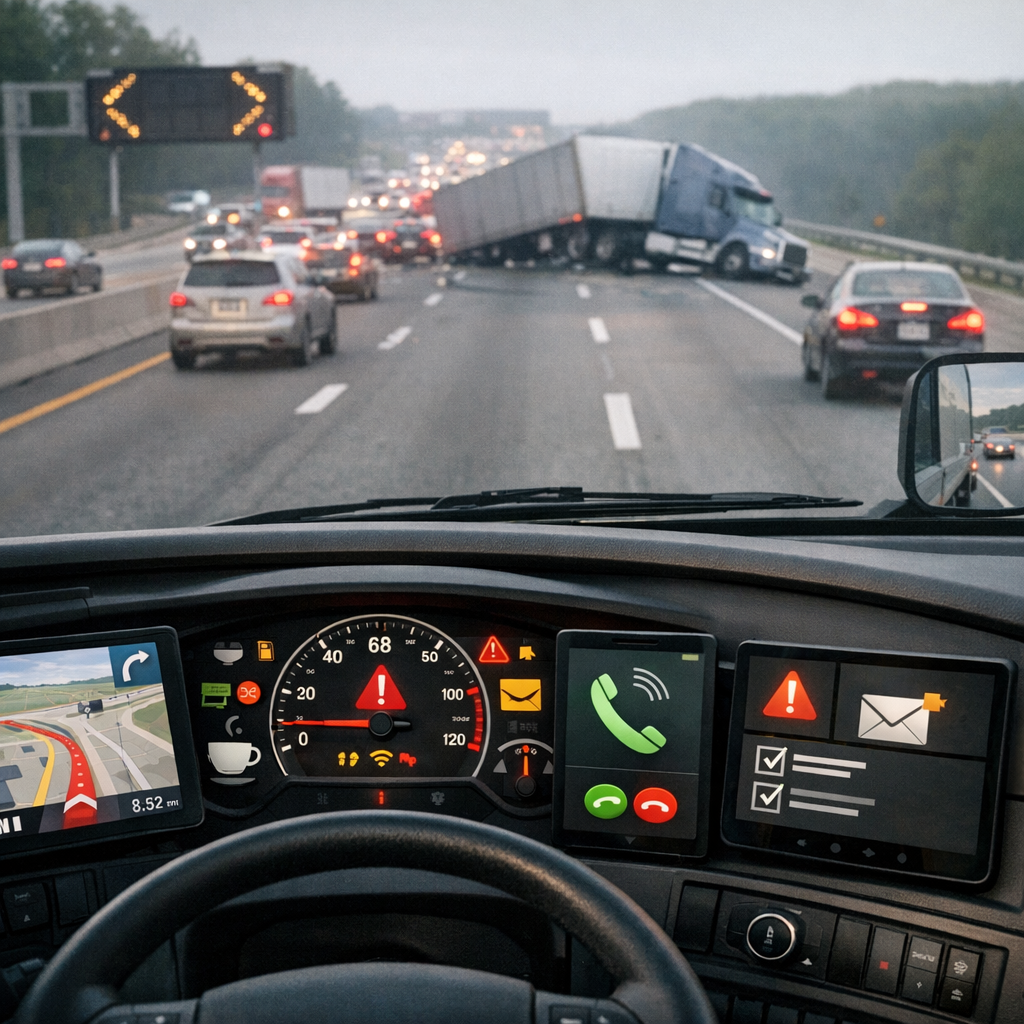
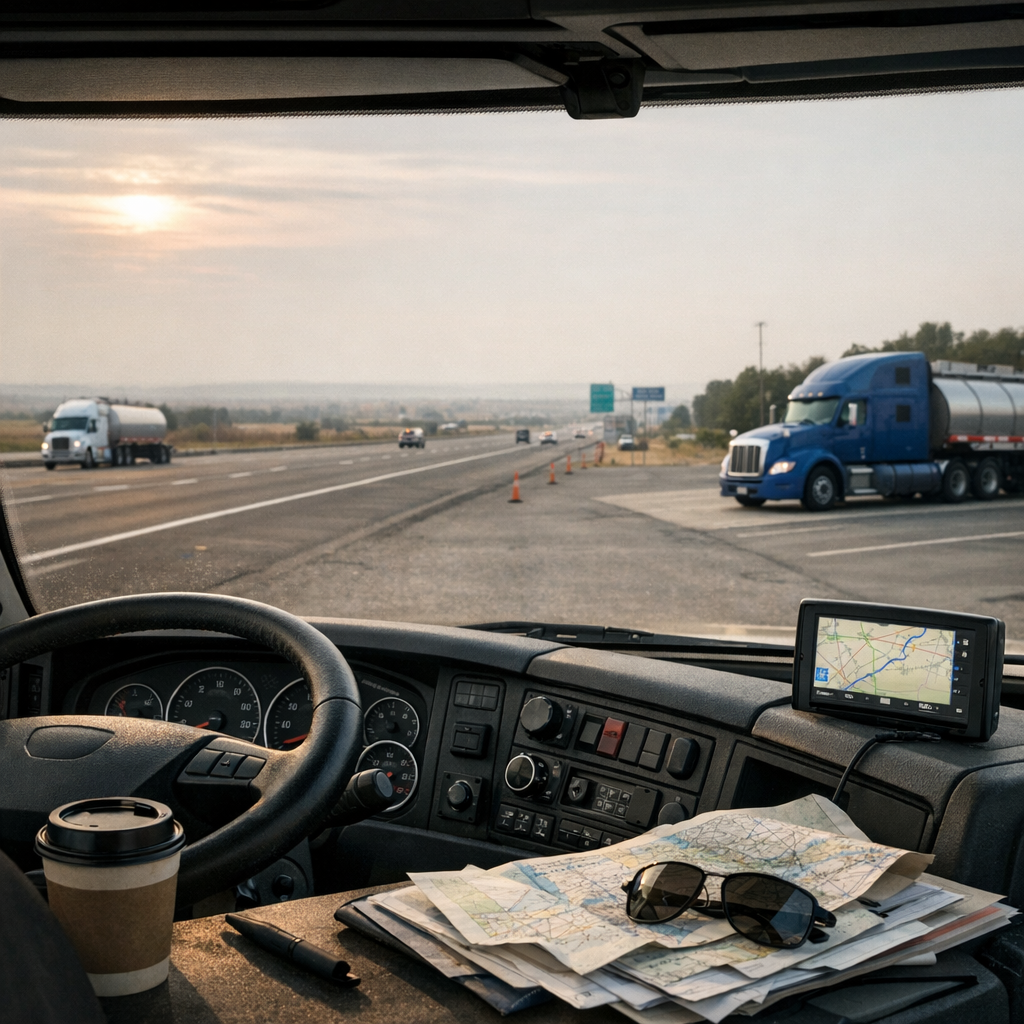
Operating a big rig requires constant vigilance. Drivers must monitor multiple mirrors, gauges, and the roadway simultaneously. Cognitive load—the mental effort required to process information—can become overwhelming. Sensory input overload or insufficient attention can restrict a driver’s situational awareness. This cognitive bottleneck is compounded during long hours on the highway, where monotony can dull alertness. Whether it’s managing heavy traffic, changing weather, or unexpected obstacles, the capacity to maintain optimal awareness is finite.
Physical Limitations and Fatigue Effects
Physiological factors significantly contribute to the awareness limits of big rig drivers. Fatigue is a critical concern; prolonged wakefulness or circadian rhythm disruptions degrade perception and reaction times. Visual acuity can also be compromised by glare, low light, or weather conditions like fog or rain. Moreover, the physical discomfort of extended sitting and sparse movement in the cab can increase distraction levels. These physical and sensory challenges reflect inherent limits within the human body and nervous system when tasked with controlling large, complex machinery.
How Awareness Limits Affect Crash Causation
When a big rig driver’s awareness boundaries are crossed, the likelihood of errors grows. This can manifest in delayed hazard recognition or improper handling of the vehicle in dynamic traffic situations. Understanding the mechanics of these failures provides insight into the role awareness limits play in big rig crashes.
Delayed Hazard Detection and Decision-Making
One of the central ways awareness limits contribute to crashes is through delayed hazard detection. A driver may fail to perceive a smaller vehicle entering a blind spot or may have reduced reaction time to sudden braking ahead. Because big rigs require significantly more time and distance to stop or maneuver, even a slight delay in noticing danger can be catastrophic. Awareness limits create a scenario where the driver’s situational picture becomes incomplete or outdated, impairing the ability to make timely decisions.
Information Processing Overload and Multitasking Challenges
Big rig drivers frequently engage in multitasking, such as communicating with dispatch, monitoring electronic logging devices, and adjusting controls within the cab. As these secondary tasks compete for cognitive resources, the core task of maintaining road awareness can suffer. Overload leads to degraded processing speed and accuracy in interpreting critical visual and auditory cues. This impaired cognitive function can result in inappropriate steering inputs, failure to adjust speed in time, or misjudging distances from other vehicles.
Physical Constraints and Control Limitations
The substantial mass and inertia of a big rig mean that control inputs take longer to translate into vehicle movements. This physical reality interacts with driver awareness limits to increase crash risk. Even when a driver notices a hazard, the time required to steer or brake effectively is longer than in smaller passenger vehicles. When awareness is faltering, the driver’s window for initiating necessary maneuvers narrows further. Combined with the truck’s mechanical delay, this creates heightened vulnerability to collisions.
Real-World Implications of Awareness Limits in Big Rig Accidents
The interplay between driver awareness limits and the physical characteristics of big rigs shapes the nature and severity of crashes involving these vehicles. Examining how these factors come together highlights why big rig accidents tend to be particularly devastating.
Severity and Frequency of Crashes
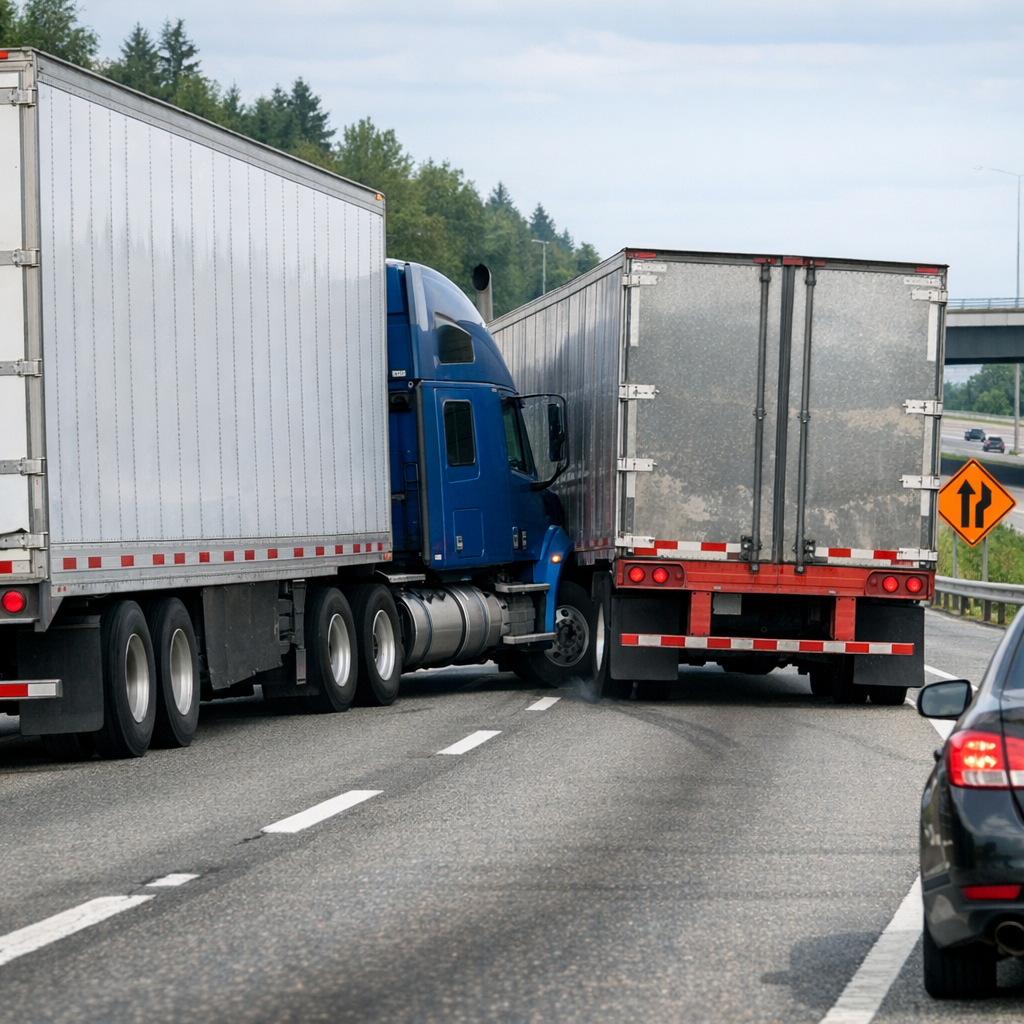
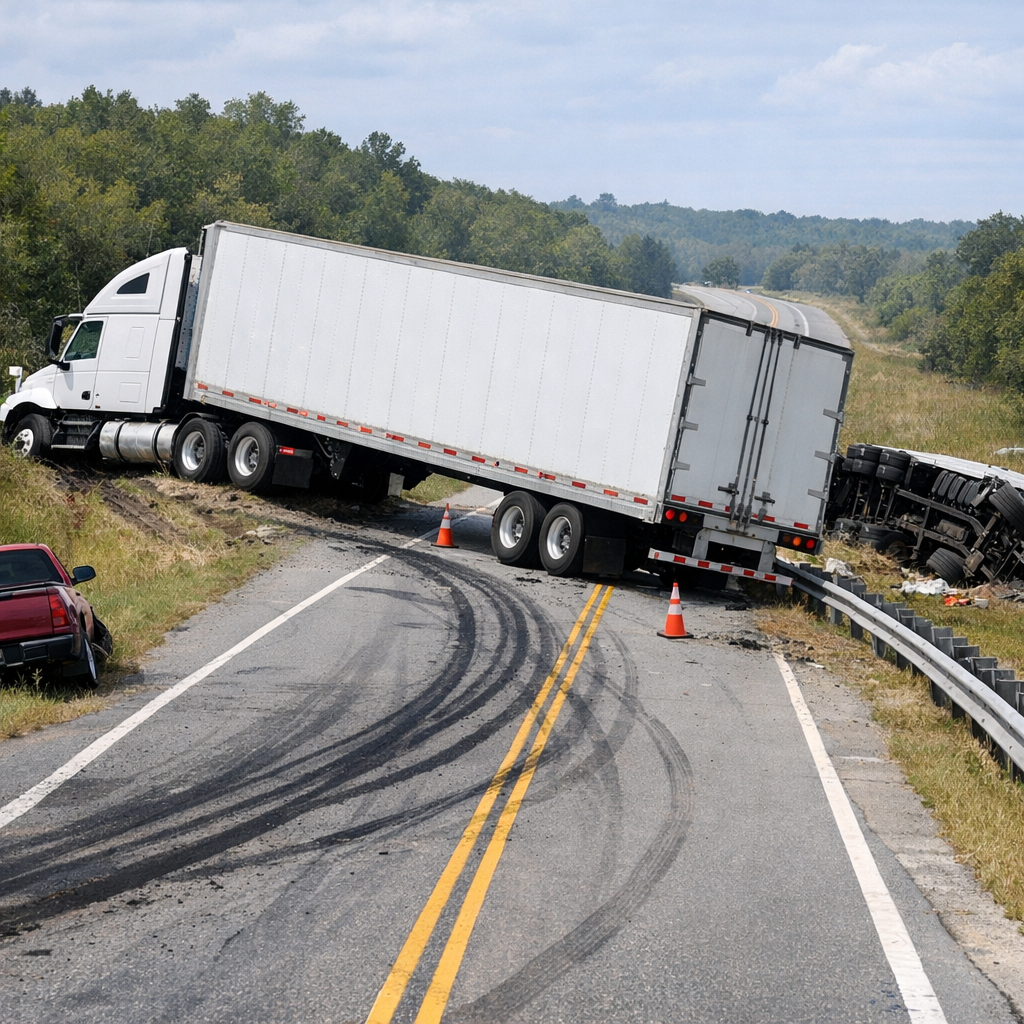
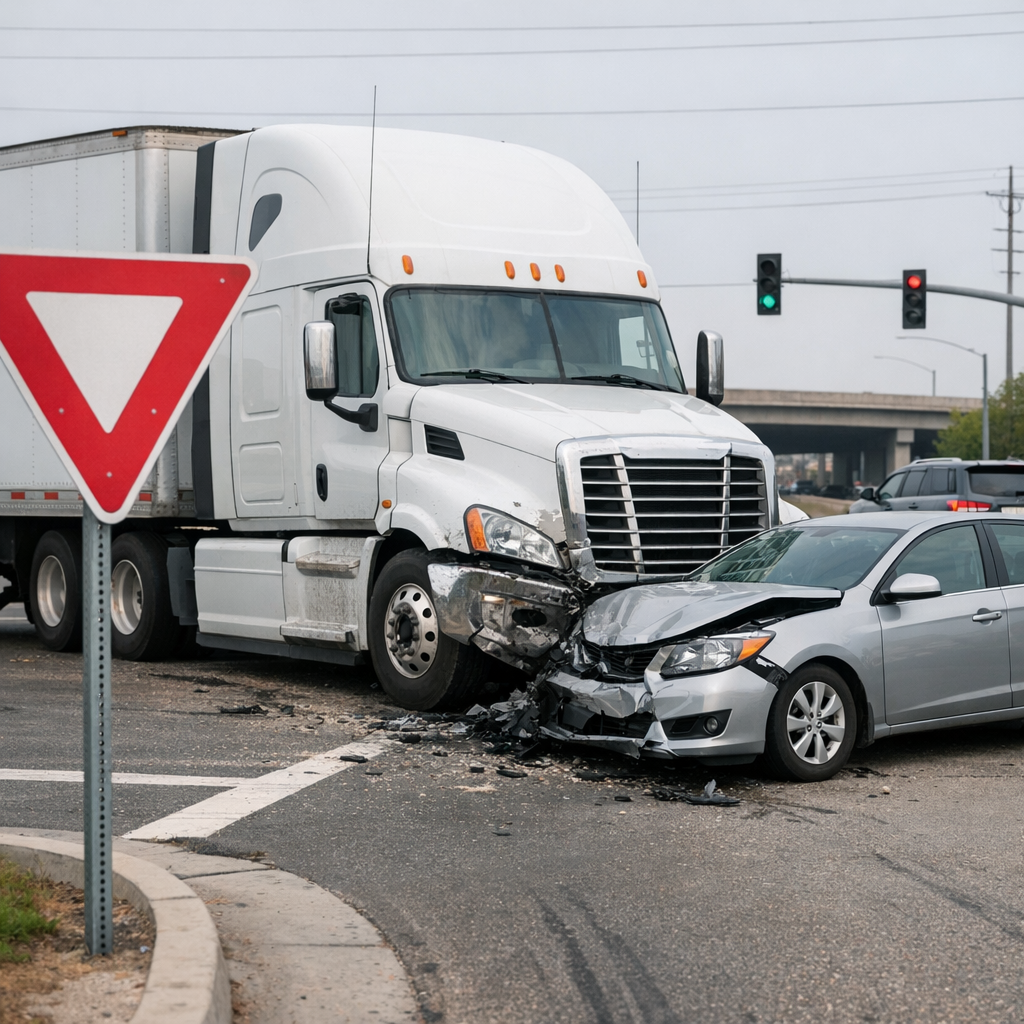
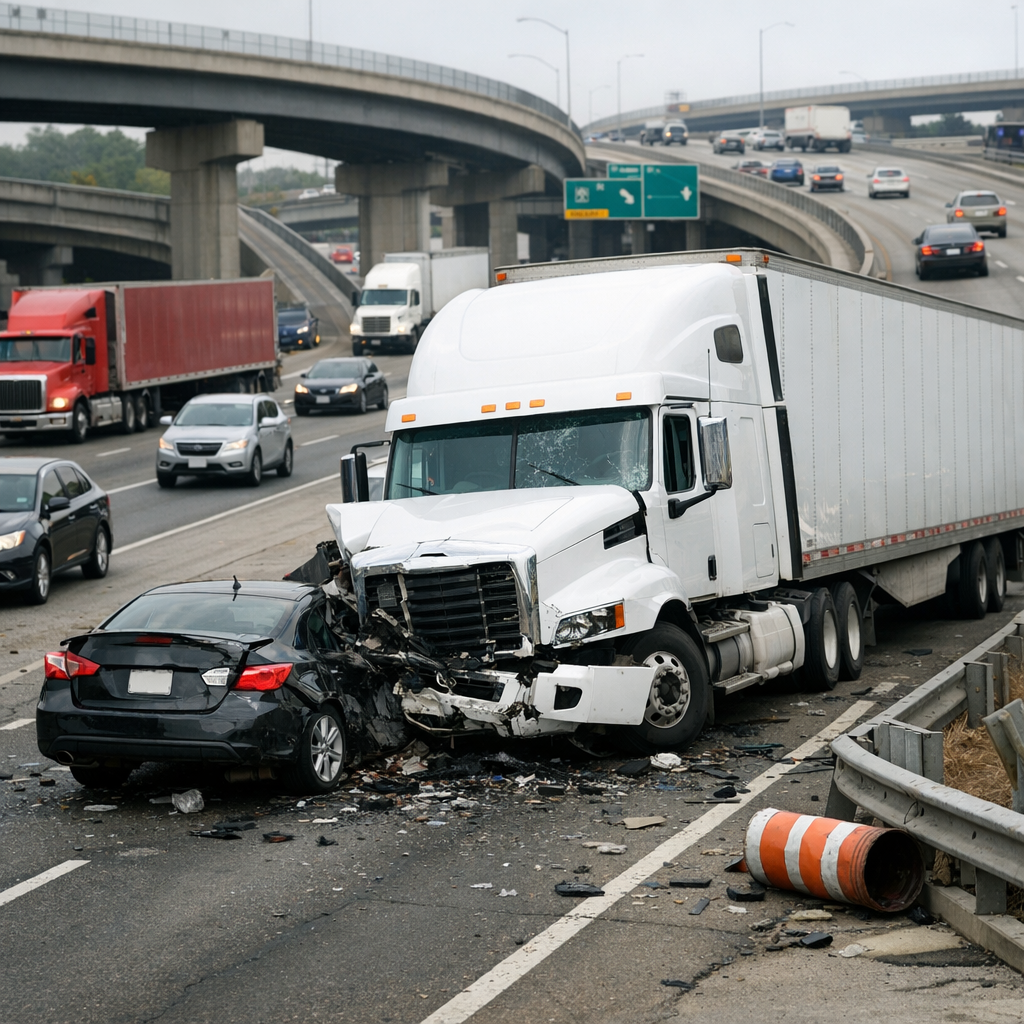
Due to the mass and momentum of big rigs, crashes involving them often result in severe damage and injury. When awareness limits impair timely hazard response, this increases the potential for high-impact collisions. Often these accidents involve rear-end crashes, rollovers, or jackknifing events triggered by delayed or inappropriate reactions. The constrained awareness window effectively reduces defensive driving options, increasing crash likelihood and intensity.
Complexity of Crash Scenarios
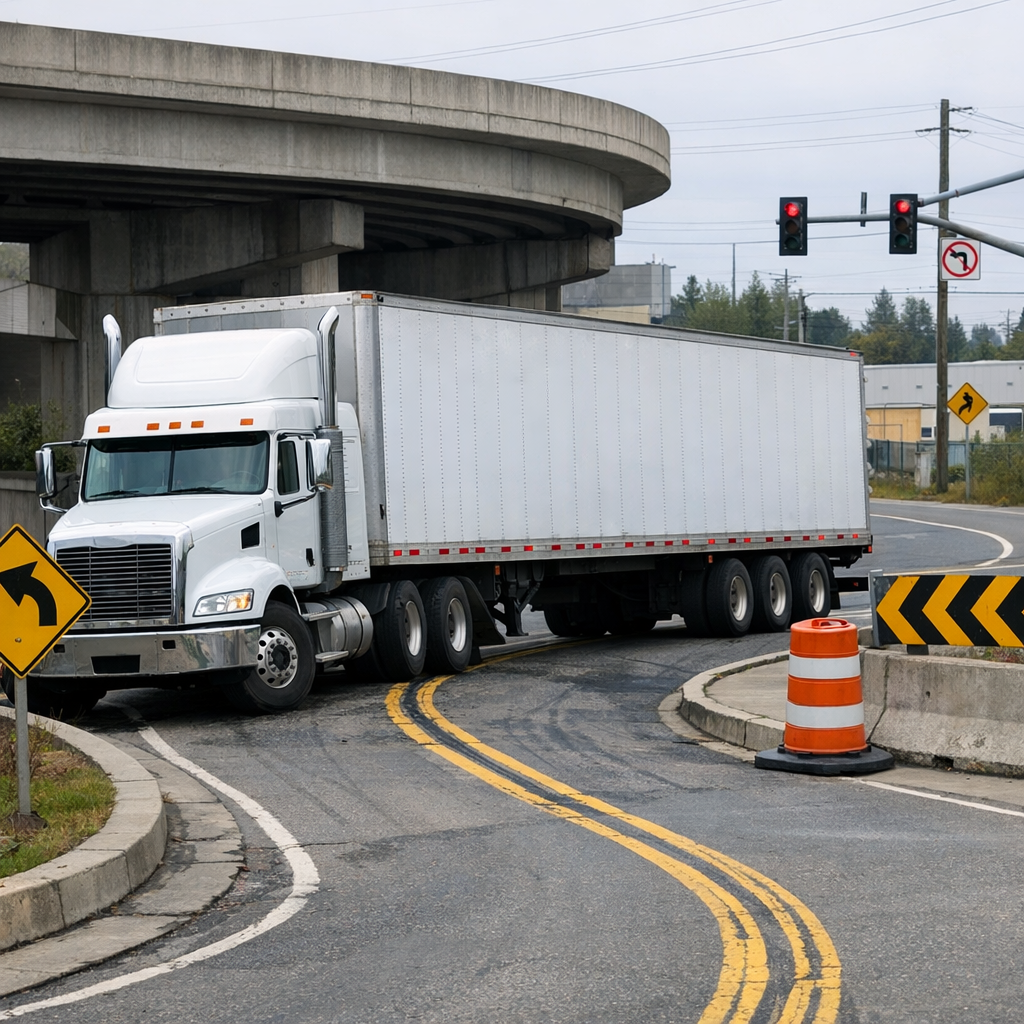
Big rig crashes usually occur in complex traffic environments that demand rapid and accurate processing of a large amount of information. Urban settings, highway merges, and inclement weather exacerbate the driver’s awareness challenges. Awareness limits in these contexts can convert routine maneuvers into high-risk situations. The inability to seamlessly integrate and respond to diverse stimuli can lead to errors of judgment, miscalculations in spacing, and loss of vehicle control.
Impact on Secondary Road Users
Because big rigs dominate the road with their size, awareness limits in their drivers also impact nearby smaller vehicles, pedestrians, and cyclists. When a big rig driver’s situational awareness lapses, the potential for secondary crashes involving multiple parties escalates. Smaller road users have less margin to anticipate and respond to big rig crashes, resulting in disproportionate harm.
Concluding Insights on Awareness Limits in Big Rig Crashes
Understanding the role of driver awareness limits provides a critical perspective on the origins of big rig crashes. These limits stem from human physiological, cognitive, and sensory constraints interacting with the unique demands of operating massive commercial vehicles. As awareness approaches its boundaries, the risks of delayed perception, impaired judgment, and physical control difficulties increase. In real-world settings, these factors contribute to the frequent severity and complex nature of big rig accidents. Recognizing these intrinsic challenges frames the broader context in which big rig crashes occur, emphasizing the complexity of factors at play on public roadways.