Poor Visibility and Truck Accidents
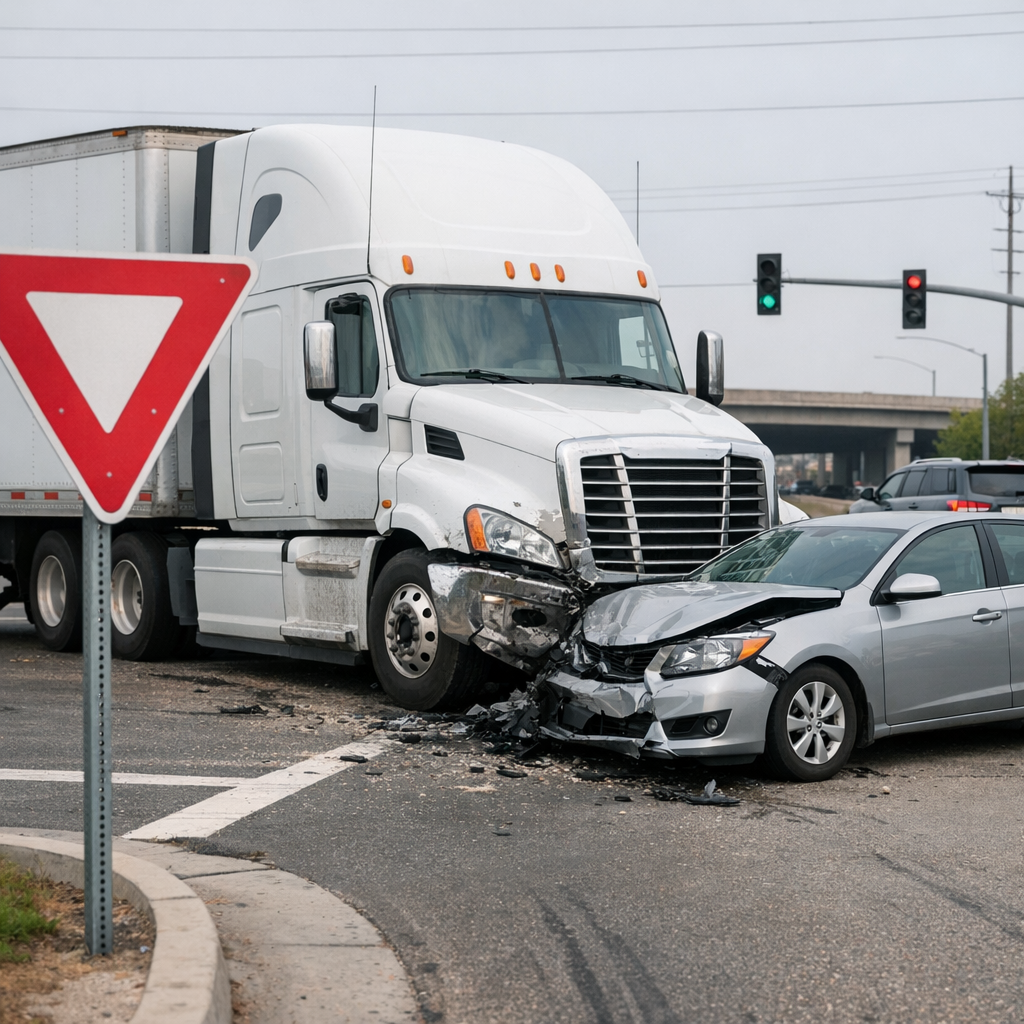
Truck accidents represent a significant concern on roadways worldwide, often resulting in severe injuries, fatalities, and substantial economic costs. Among the various factors contributing to truck crashes, poor visibility is one that consistently plays a critical role. Understanding how limited visibility impacts truck safety is essential for grasping the complexities of these accidents and their consequences.
The Role of Poor Visibility in Truck Crashes
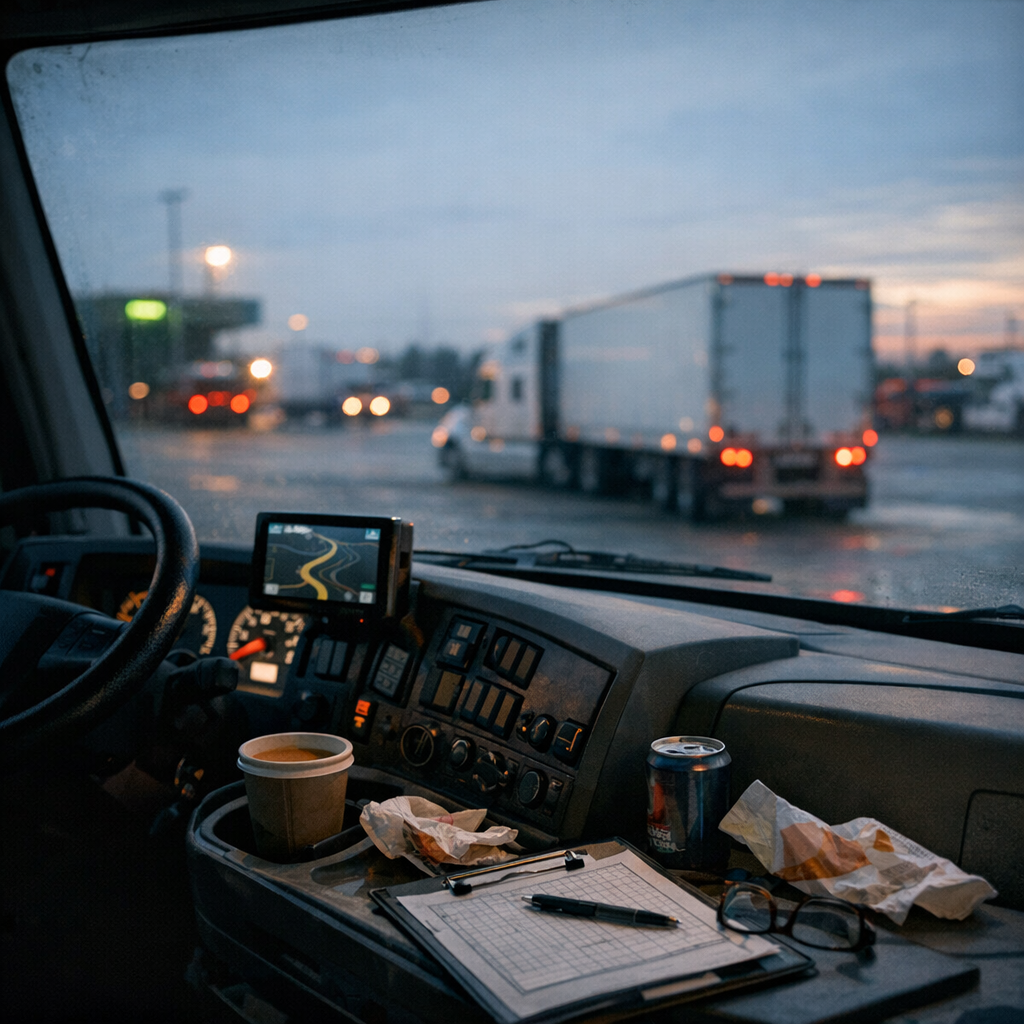
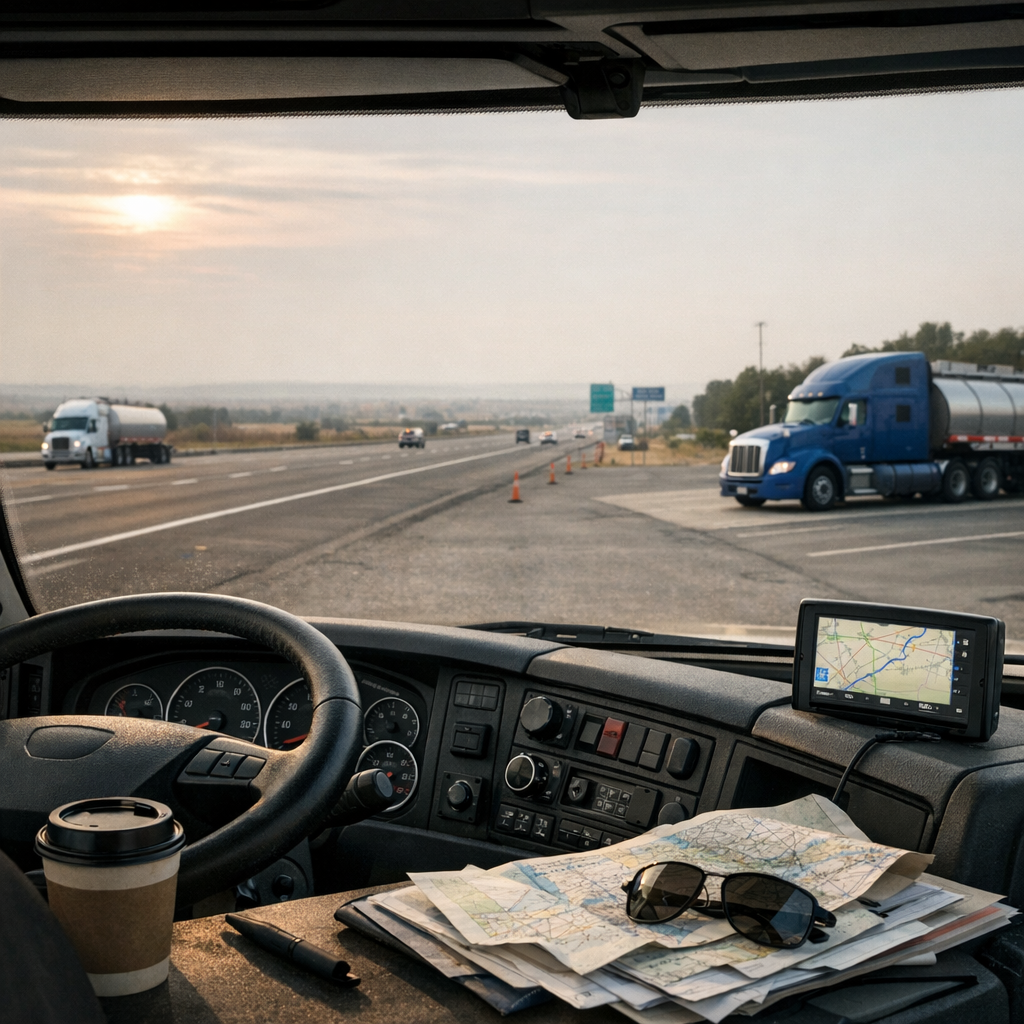
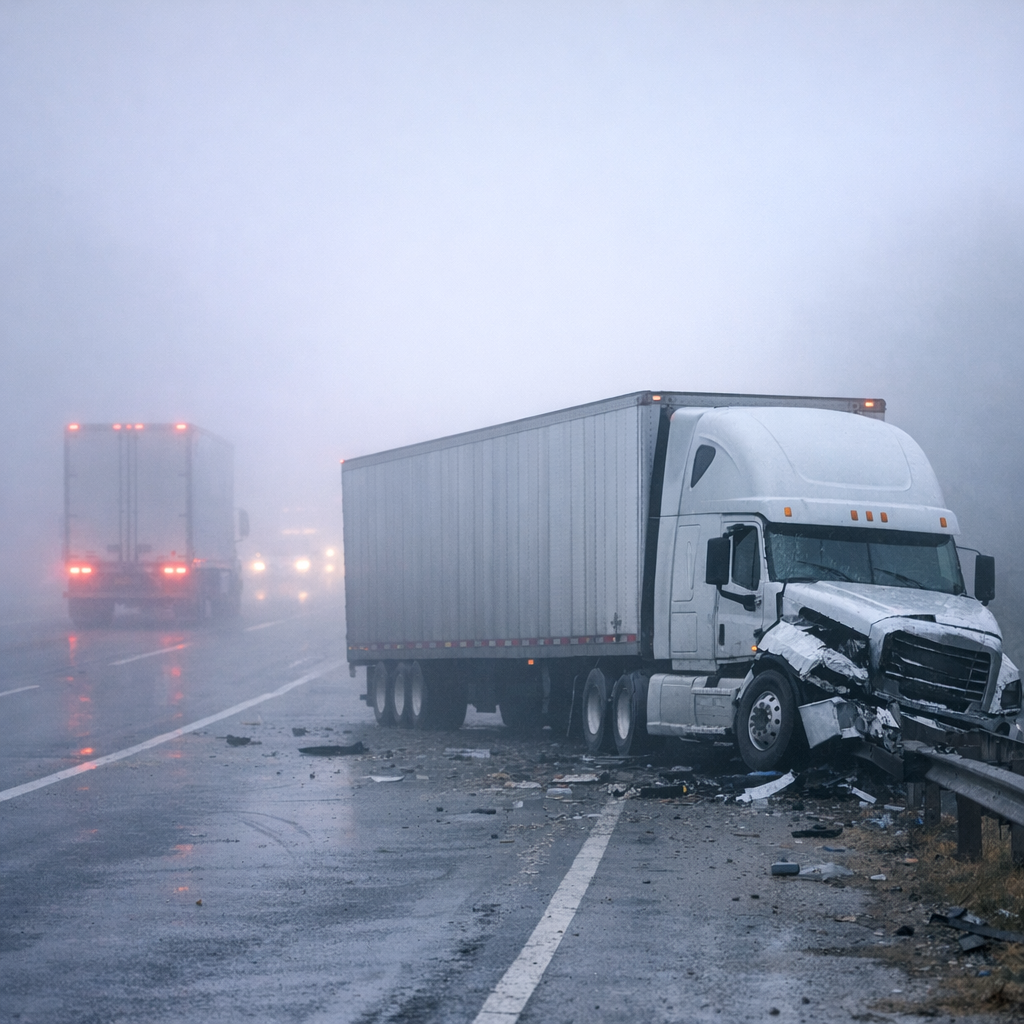
Poor visibility truck conditions generally arise from environmental, mechanical, or situational factors that impede a truck driver’s ability to see clearly. Weather conditions such as fog, heavy rain, snow, or dust storms create a natural barrier that can obscure the roadway, other vehicles, or hazards. Similarly, low light conditions at dawn, dusk, or nighttime further challenge a driver’s vision.
Mechanical issues like malfunctioning headlights, dirty windshields, or faulty mirrors can exacerbate visibility challenges. Additionally, disruptions such as glare from sunlight or oncoming headlights can momentarily blind truck drivers, impairing their perception of the road environment.
Poor visibility is not limited to front-facing issues; trucks have blind spots that require drivers to rely on mirrors and sensors. When visibility deteriorates due to external conditions or equipment failures, these blind spots become even more dangerous, making it difficult for drivers to notice smaller vehicles or obstacles near the truck.
How Poor Visibility Affects Truck Operations
When a truck driver experiences poor visibility, their ability to accurately judge distances, speeds, and the position of other vehicles becomes compromised. Trucks are large and cumbersome, with longer stopping distances compared to smaller vehicles. Reduced visibility compounds this challenge by limiting reaction time and anticipation of road events.
In conditions like fog or heavy rain, the driver’s line of sight can be reduced to just a few feet. This means that hazards appear suddenly and leave minimal time for evasive maneuvers. Similarly, darkness or glare can distort depth perception, making it harder for drivers to maintain lane position, recognize traffic signals, or detect pedestrians.
Poor visibility also impacts a truck driver’s situational awareness. Trucks share the road with many smaller, faster, and more agile vehicles. In scenarios where visibility is diminished, a truck driver’s ability to sense the movements of these vehicles is impaired, increasing the risk of side collisions or rear-end crashes.
The complexity of truck systems further influences how poor visibility affects driving safety. Modern trucks often use advanced lighting systems and driver assistance technologies designed to mitigate poor visibility risks. However, in the absence or malfunction of these systems, drivers must rely solely on their own observational skills, which are significantly hindered in poor visibility environments.
The Real-World Impact of Poor Visibility Truck Accidents
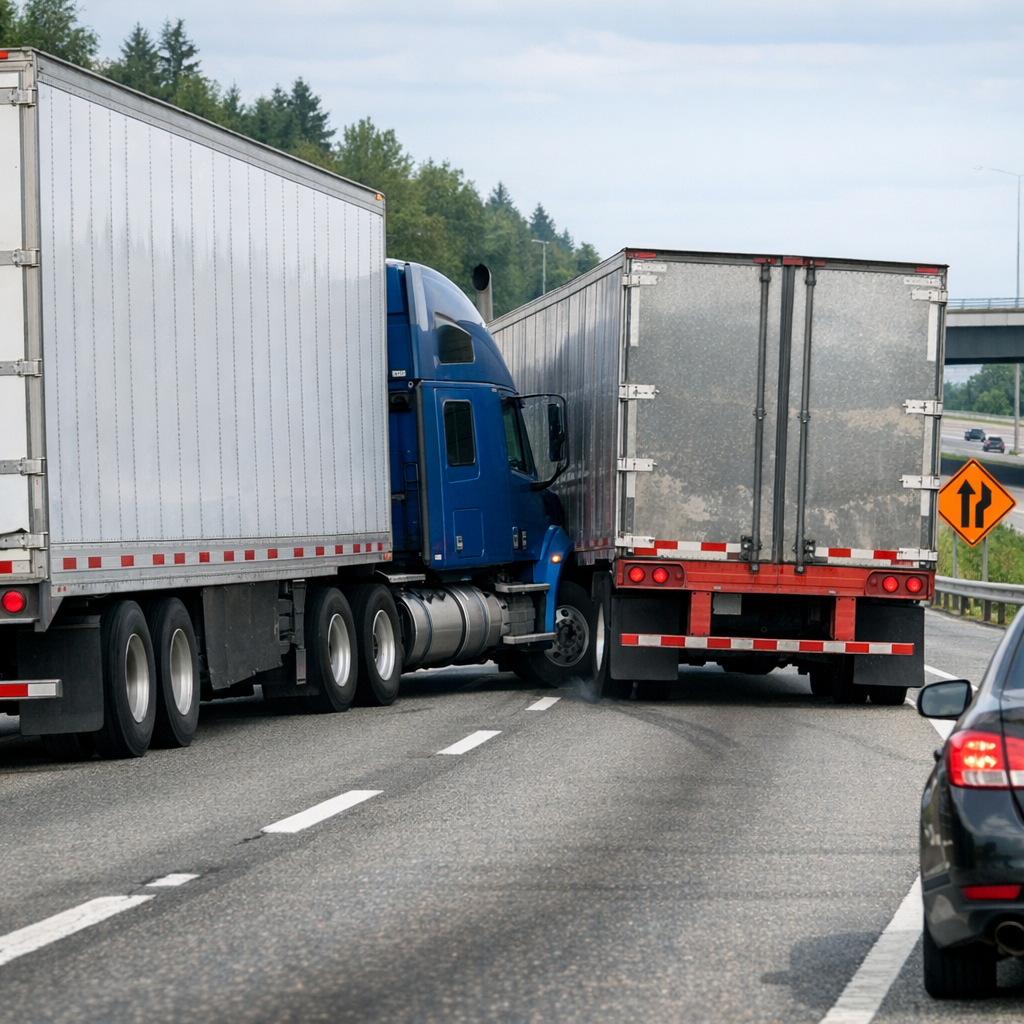
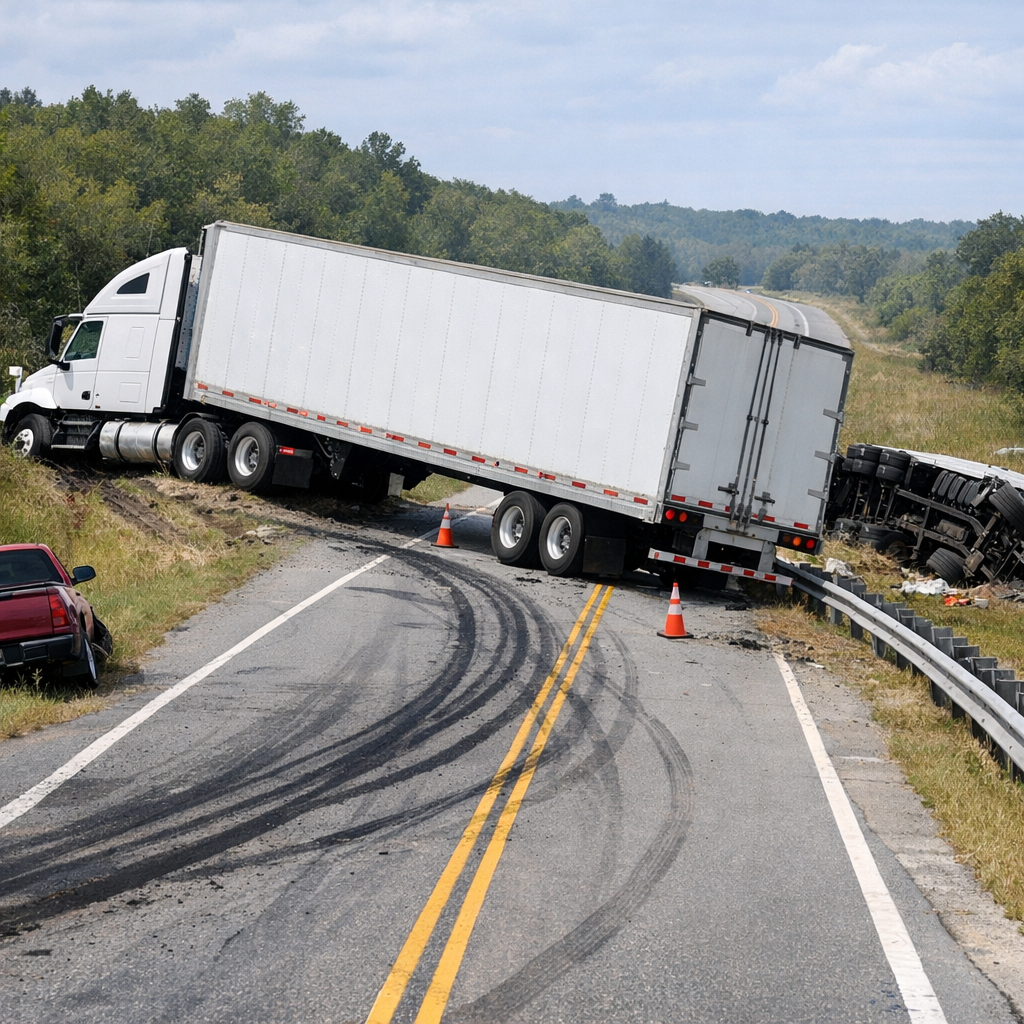
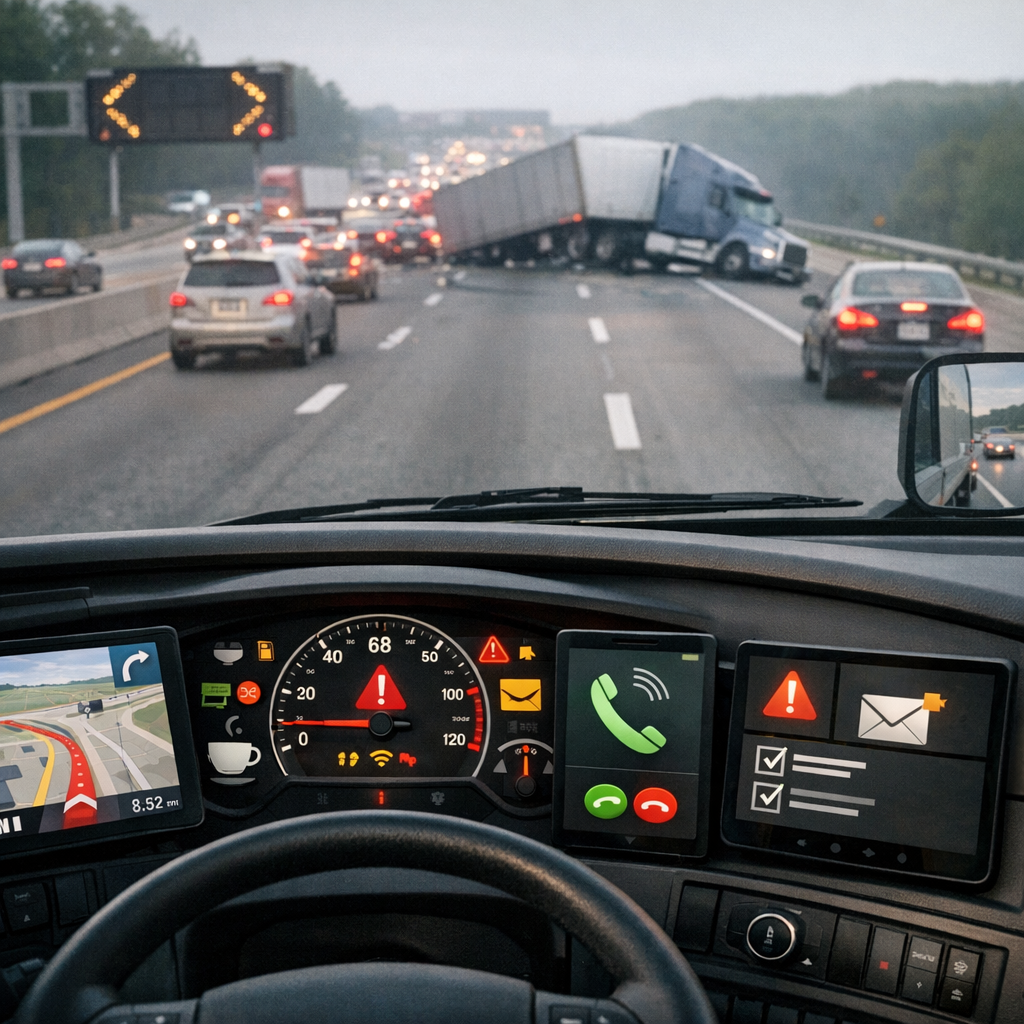
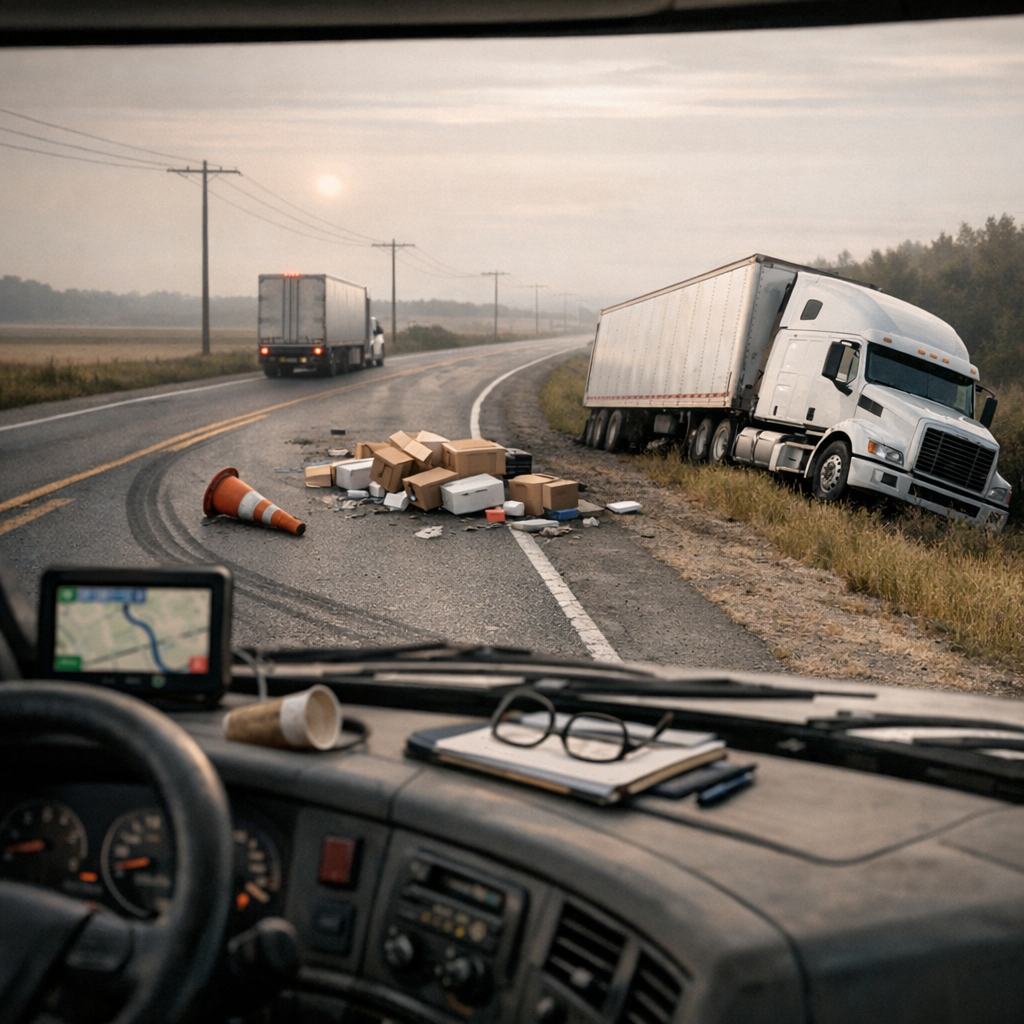
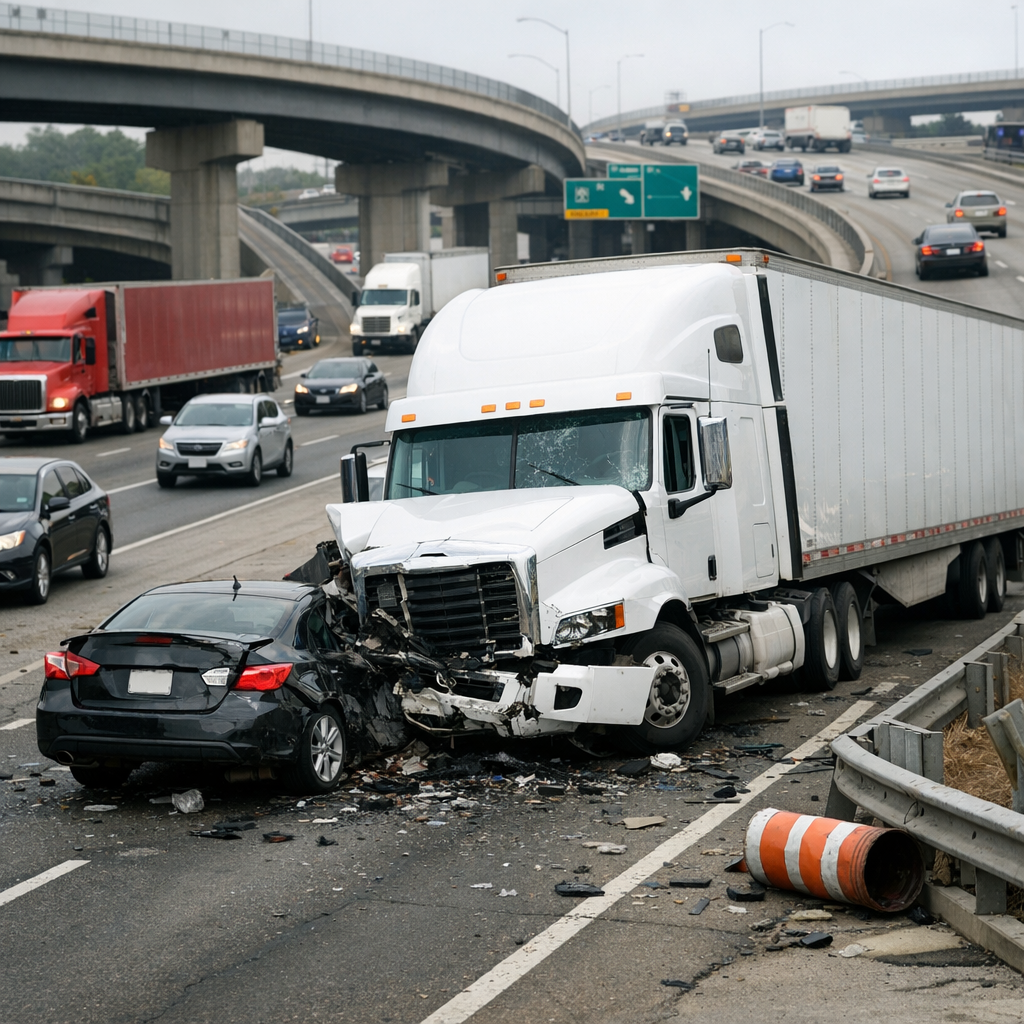
Poor visibility truck accidents tend to be more severe due to the combination of large vehicle size and compromised reaction time. Collisions under these conditions often involve multiple vehicles or result in rollovers and jackknife incidents because truck drivers cannot respond effectively to unexpected hazards.
Data from traffic safety agencies show that a significant percentage of fatal truck crashes occur during poor visibility conditions such as fog, rain, or nighttime driving. These accidents not only threaten the lives of truck drivers but also endanger other road users who may have limited visibility themselves.
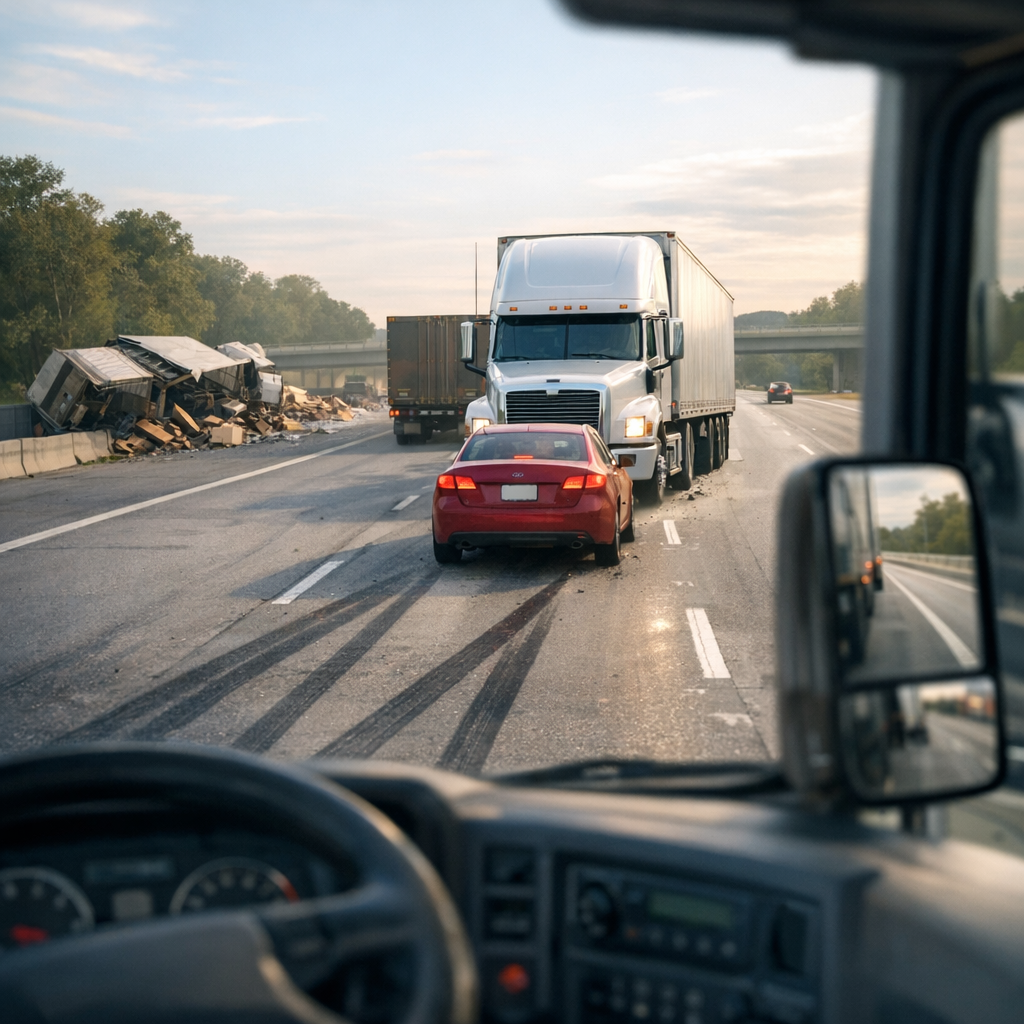
Furthermore, poor visibility truck accidents can generate secondary crashes. For instance, a crash obstructing the roadway in foggy conditions may lead to additional collisions as other drivers fail to see the blockage in time. The aftermath often involves extended traffic delays, emergency response challenges, and heightened risk of further incidents.
The high mass and momentum of trucks involved in poor visibility crashes intensify the crash forces experienced by occupants of smaller vehicles. This disparity often results in catastrophic injuries or fatalities, highlighting the disproportionate impact these accidents have on public safety.
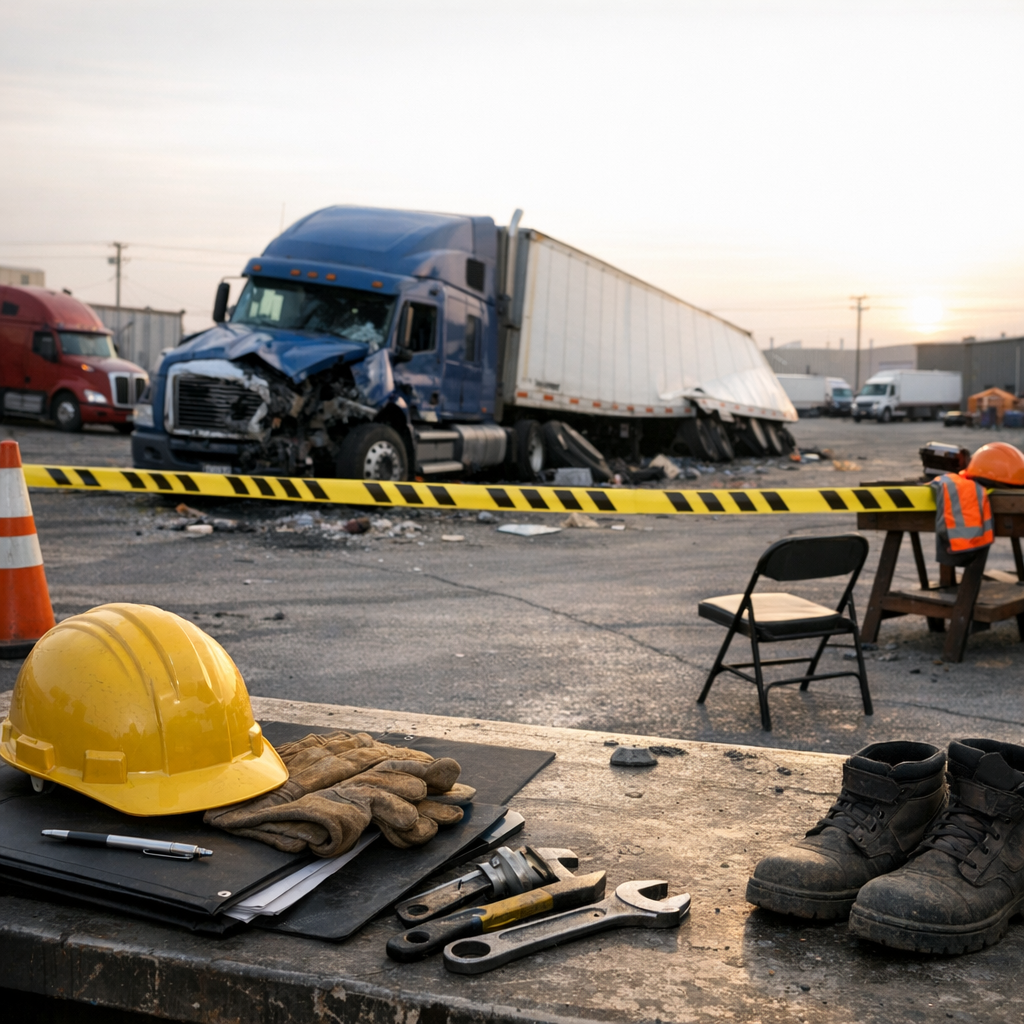
Truck accidents caused by poor visibility also complicate investigations and reconstruction efforts. Limited visibility conditions often mean fewer eyewitnesses and less available evidence such as dashcam footage, making it challenging to determine the exact sequence of events leading to the crash.
A Balanced Perspective on Poor Visibility and Trucking Safety
Poor visibility remains an intrinsic aspect of driving, affecting vehicles of all sizes across varied environments. While trucks face unique challenges due to their size and operational constraints, limited visual conditions are a part of the broader traffic ecosystem.
Technological advancements and road design improvements continue to aim at reducing the risks associated with poor visibility. Nonetheless, the interplay between human factors, environmental conditions, and vehicle capabilities means that poor visibility truck accidents will likely remain a persistent issue.
Understanding the dynamics of poor visibility and truck accidents contributes to a comprehensive picture of traffic safety. It underscores how environmental conditions, vehicle characteristics, and human perception intersect, shaping the risks and outcomes observed on highways and city streets alike.