Failure to Yield in Big Rig Accidents: Understanding the Dynamics and Impact
Big rig accidents often involve complex factors rooted in driver behavior, vehicle mechanics, and traffic dynamics. Among these contributing causes, failure to yield stands out as a critical issue that frequently leads to severe and sometimes fatal collisions involving large trucks. This article examines the failure to yield truck phenomenon, explores how it contributes to crashes, and highlights its implications in real-world contexts.
What Is Failure to Yield in Big Rig Accidents?
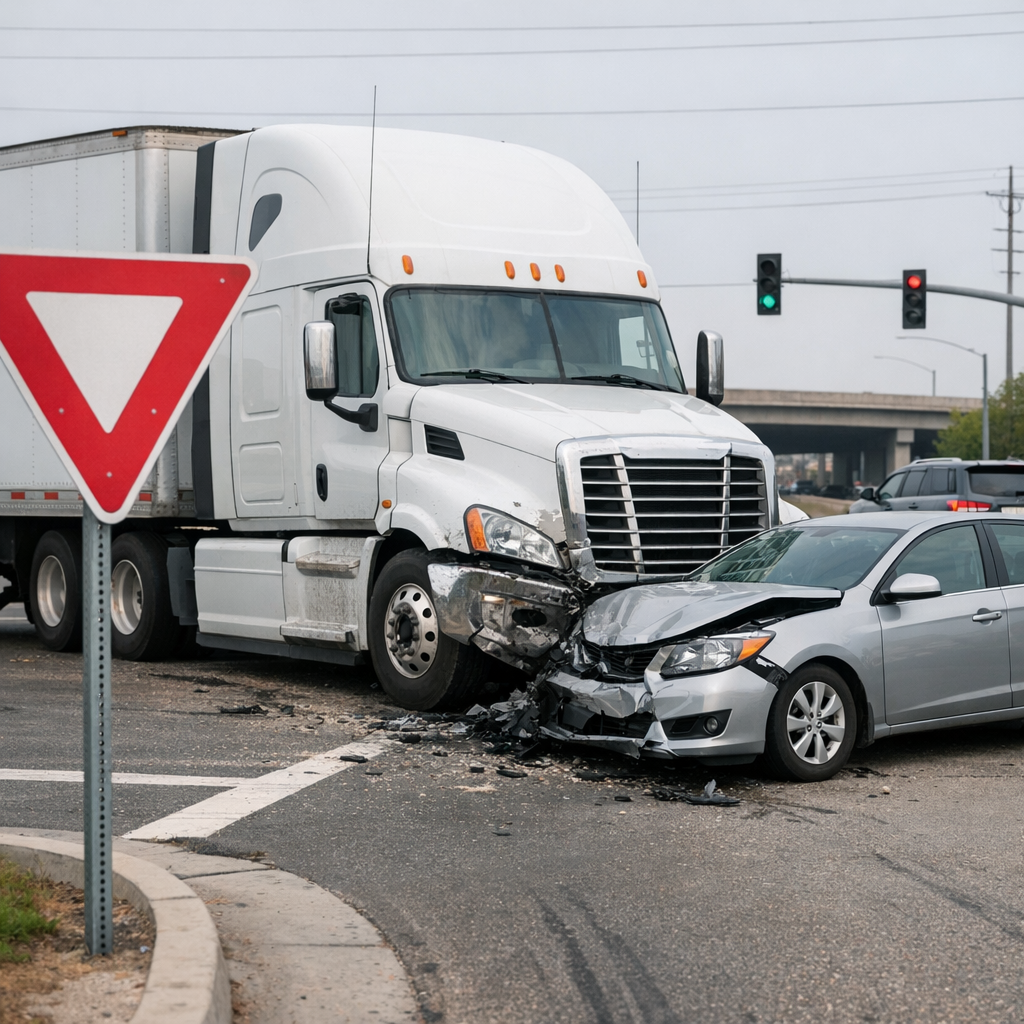
At its core, failure to yield occurs when a driver does not give the right of way to others as mandated by traffic rules. In the context of big rigs, this situation arises when a truck driver or another vehicle driver improperly asserts priority at intersections, merging lanes, or other roadway points where yielding is necessary to maintain safe traffic flow. Given the size and weight of big rigs, this failure often escalates the severity of accidents compared to smaller vehicle collisions.
The Role of Traffic Control and Road Design
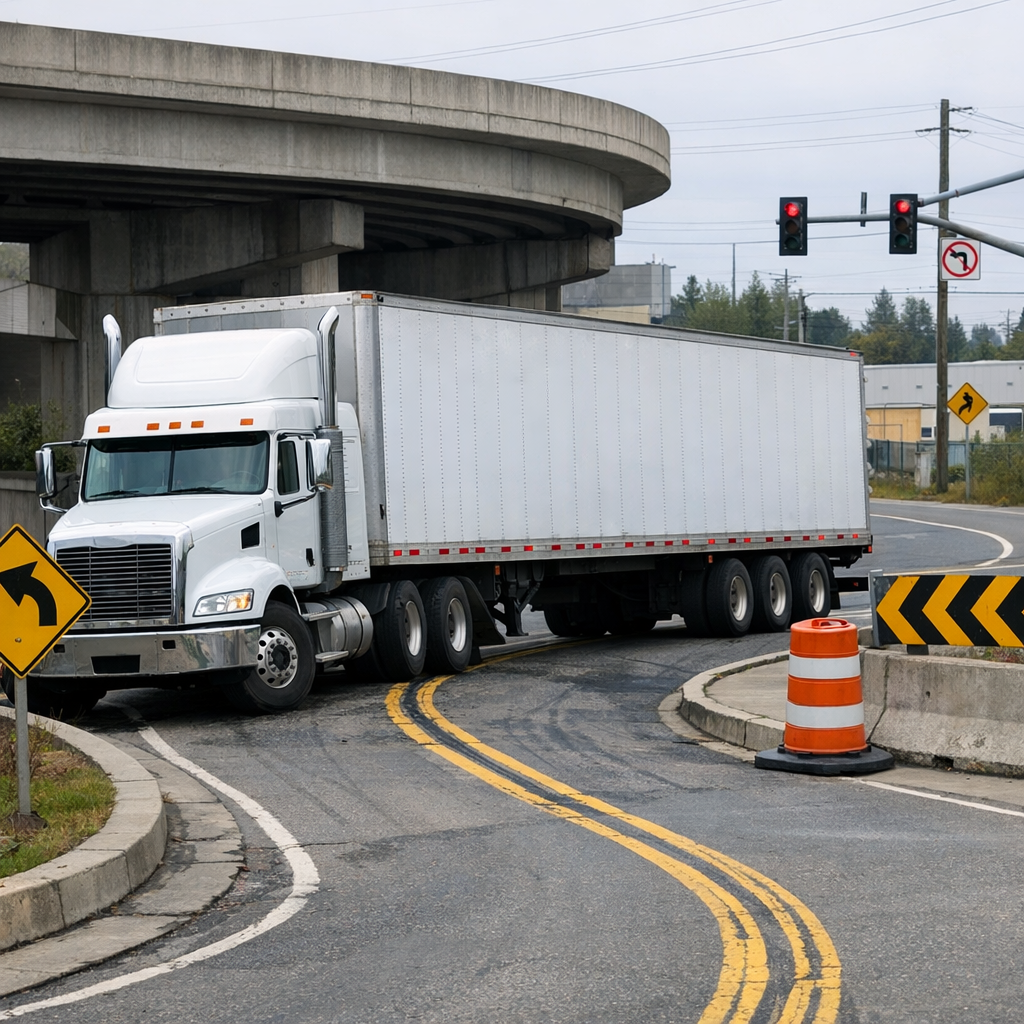
Intersections, highway ramps, and busy urban roads typically have signs, signals, and markings to indicate which vehicle must yield. This regulatory framework aims to prevent collisions by coordinating the movement of different road users. However, the size and limited maneuverability of big rigs mean that any mistake in yielding can result in disastrous consequences. Poor visibility, road congestion, and complicated intersection designs can compound the risk when a truck or another vehicle fails to yield.
How Failure to Yield Functions in Truck Crashes
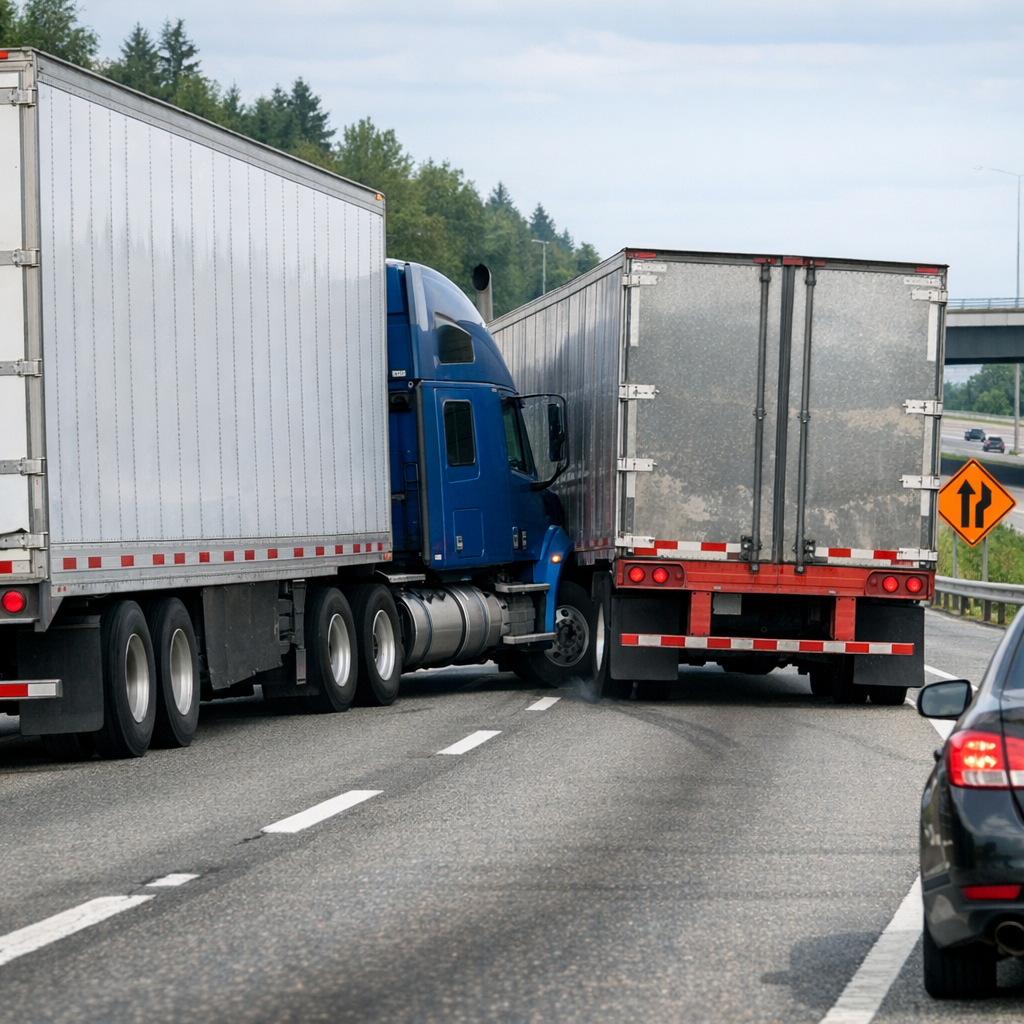
Failure to yield truck accidents involve either the truck driver neglecting yielding responsibilities or the other party disregarding the truck’s priority. These errors create conflict points where vehicles attempt to occupy the same space simultaneously or collide while one tries to force their way through.
Limited Braking and Stopping Distance
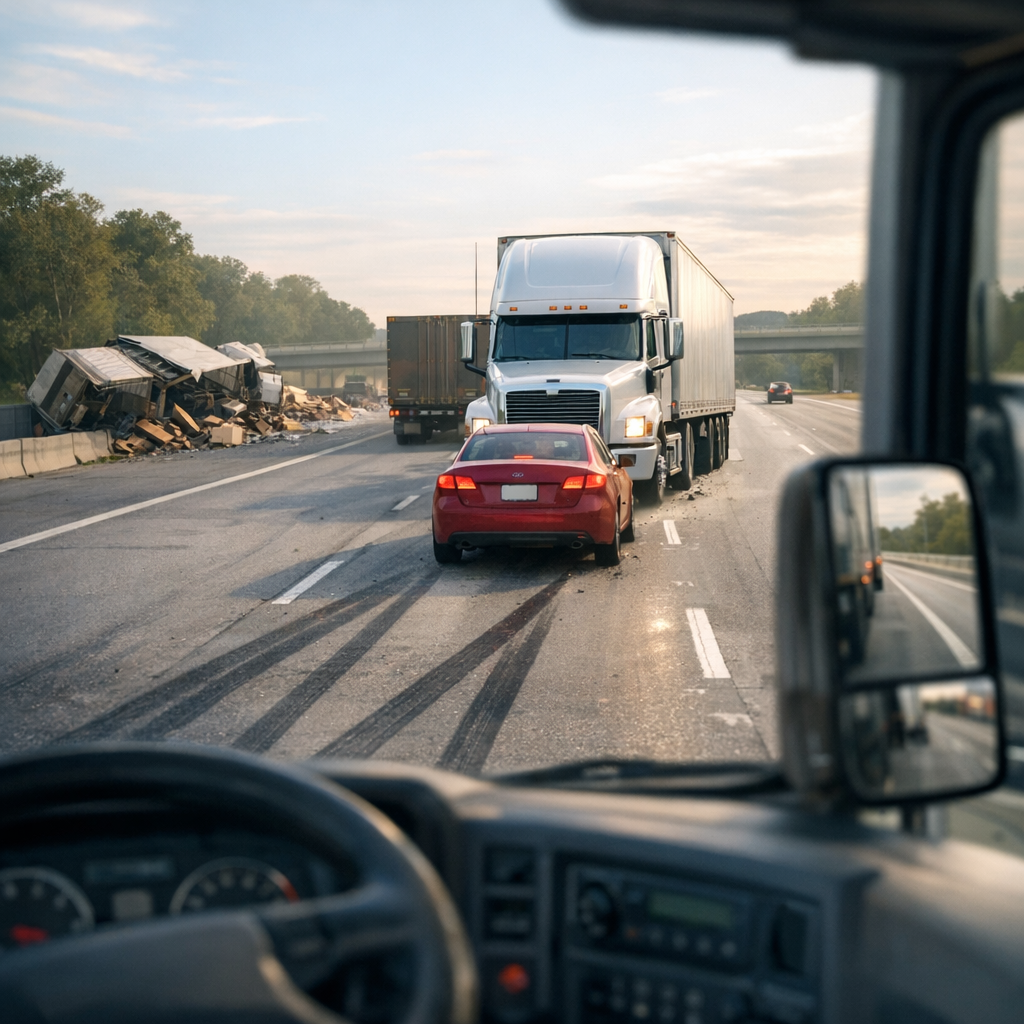
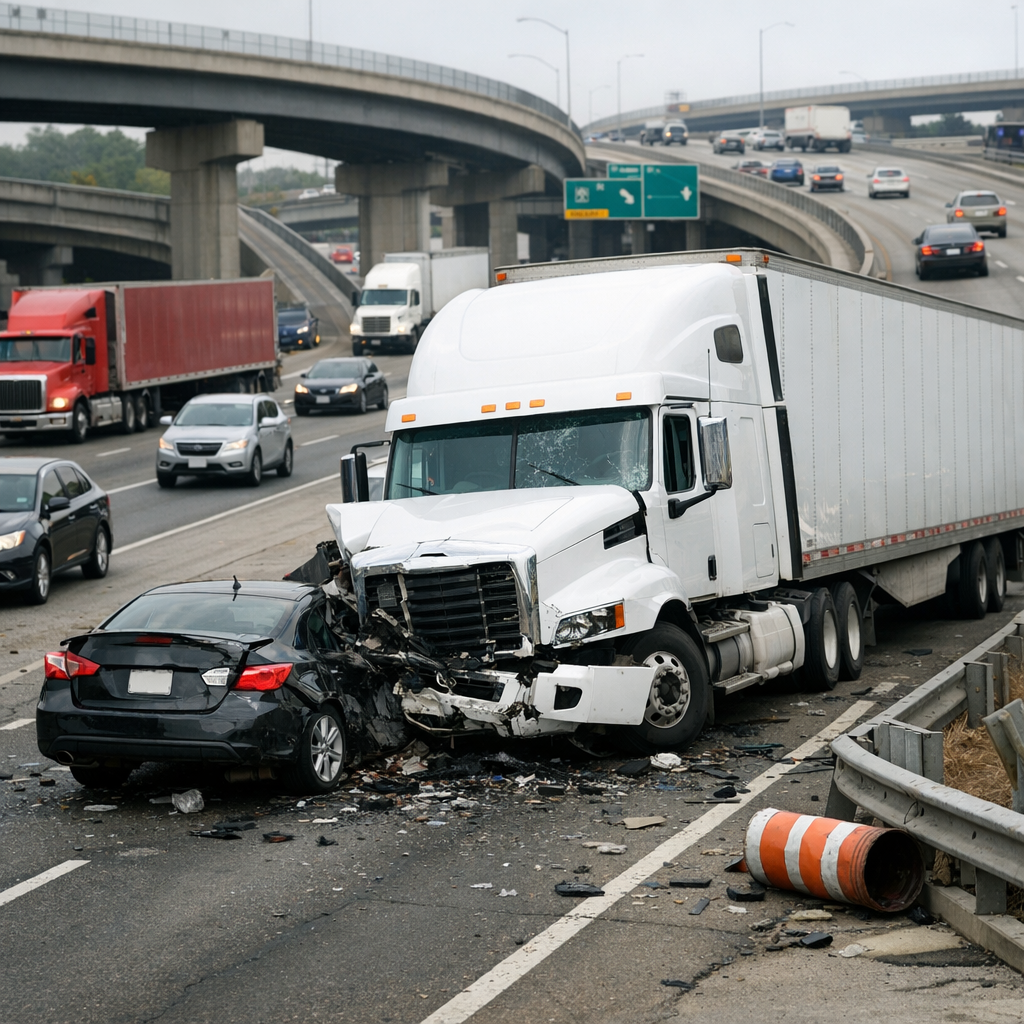
Big rigs cannot stop as quickly as passenger cars due to their enormous mass and momentum. A failure to yield by either a truck driver or another motorist often leaves insufficient time and distance to avoid a crash. For example, if a passenger car pulls in front of a semi-truck without waiting for the truck to slow down, the truck may not be able to stop in time, resulting in a rear-end collision with devastating force.
Blind Spots and Visibility Challenges
Large trucks have extensive blind spots, especially on the right side and immediately behind the cab. When a driver fails to yield, the truck operator may be unaware of the vehicle trying to enter their lane or intersection space. This lack of visibility increases the risk of side-impact crashes or being struck in scenarios where the truck cannot respond effectively.
Speed and Momentum Factors
Both big rigs and passenger vehicles contribute to failure to yield crashes through mismatched speeds at yield points. A truck moving at highway speed encountering a vehicle entering the road improperly will struggle to decelerate quickly, while the smaller vehicle risks being hit or forced off the road. The dynamics of speed differences accentuate the consequence of failing to yield.
The Real-World Impact of Failure to Yield Truck Accidents
Crashes stemming from failure to yield involving large trucks tend to result in disproportionate damages and injuries because of the sheer size and inertia involved. The physics of a collision between a heavy semi-truck and a smaller passenger car usually favor the truck, leading to severe outcomes for occupants of the smaller vehicle.
Injury Severity and Fatality Rates
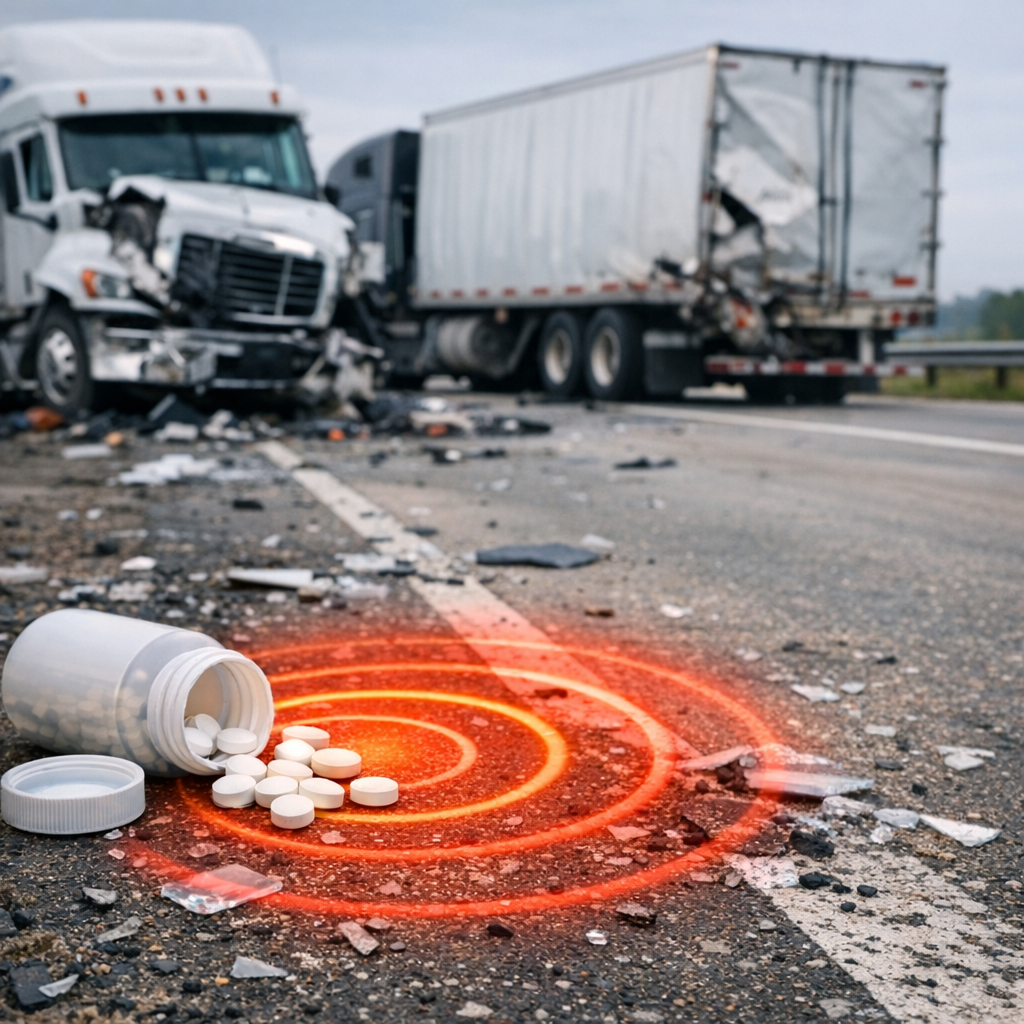
Failure to yield situations elevate the likelihood of serious injuries or fatalities. The abrupt and often unavoidable impact caused by the big rig’s weight can lead to traumatic injuries that demand intensive medical care. Passengers in smaller vehicles face the brunt of these consequences, while truck drivers generally have more protection owing to the truck’s size and cab design.
Disruption and Secondary Hazards
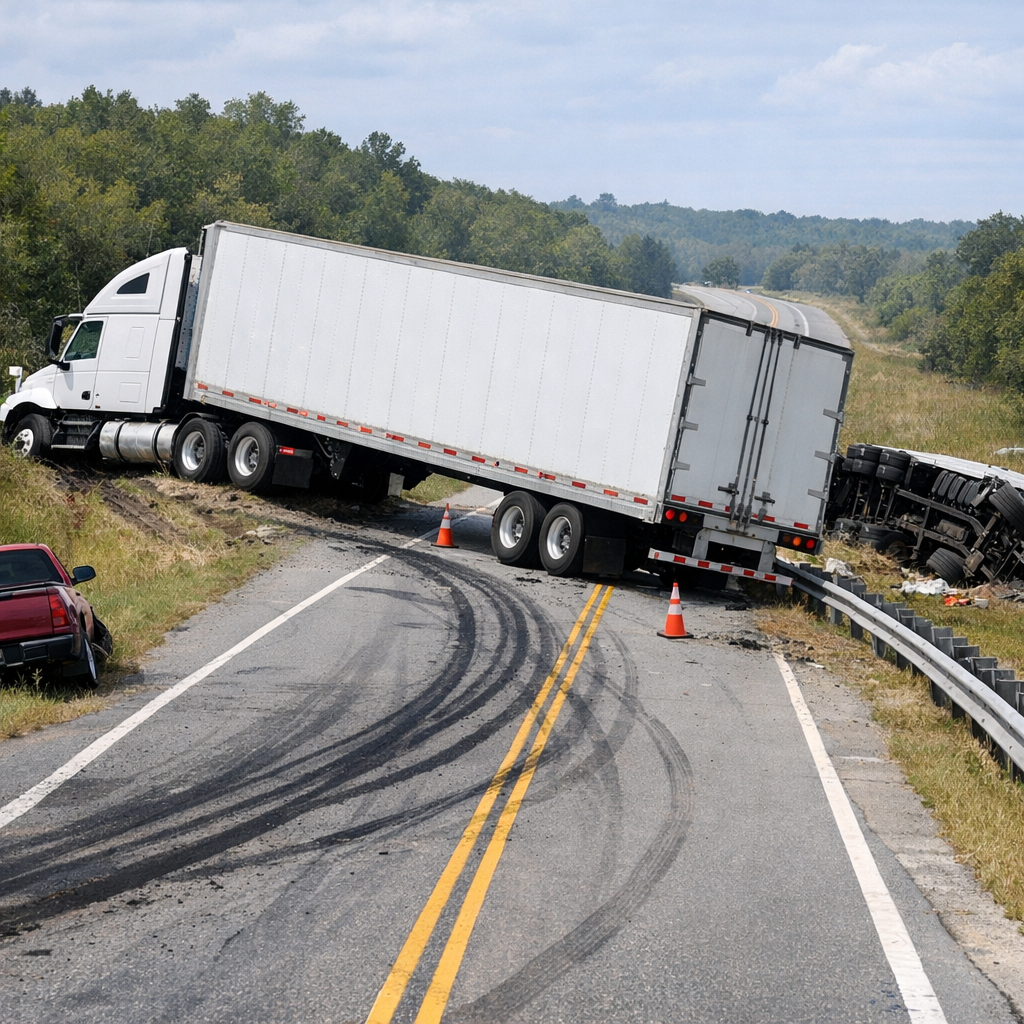
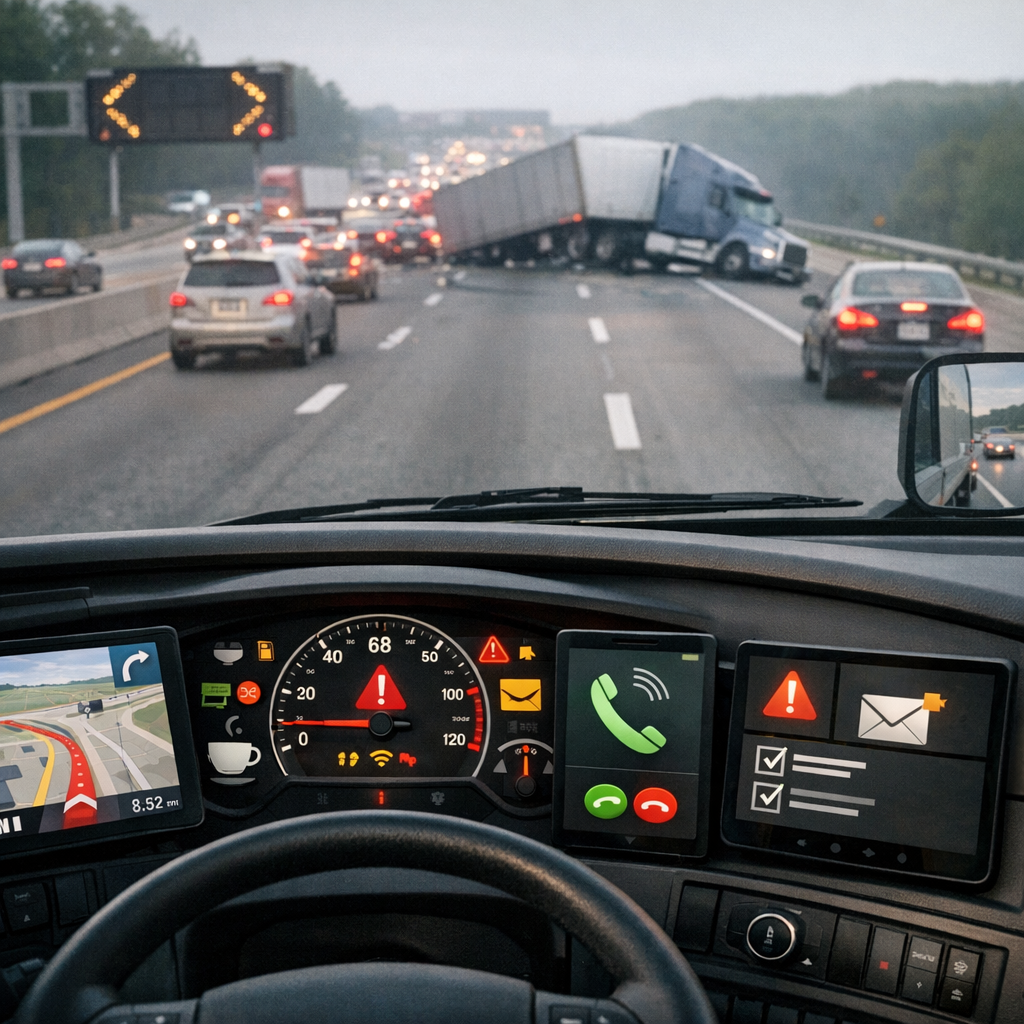
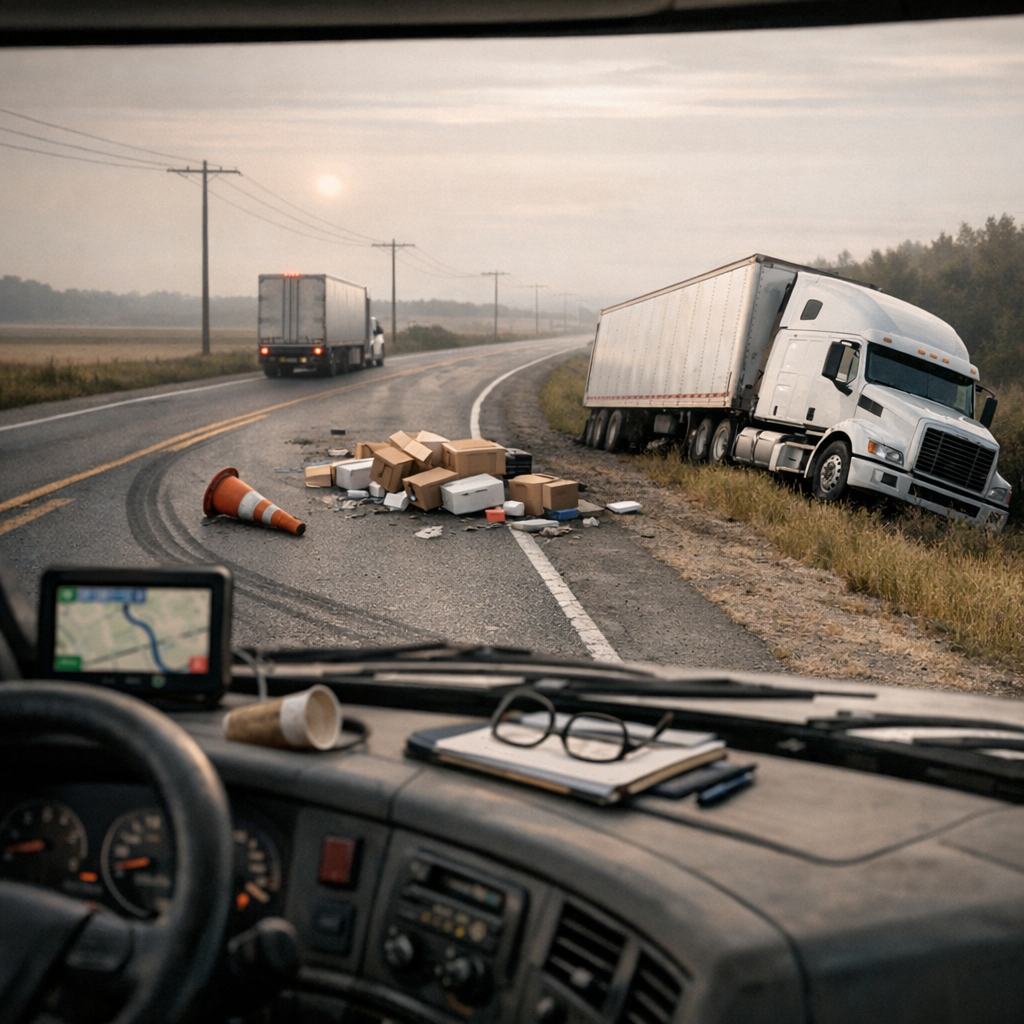
Accidents resulting from failure to yield often cause significant traffic disruption. Road closures, vehicle debris, and the potential for multi-vehicle pileups create extended hazards. Additionally, spilled cargo or hazardous materials transported by big rigs can introduce environmental risks or fire hazards, compounding the incident’s overall danger.
Economic and Societal Effects
Beyond immediate injuries and damage, these accidents trigger economic costs related to emergency response, medical treatment, vehicle repair, and lost productivity. Communities impacted by crash-related road closures experience delays and logistical challenges. Understanding these repercussions underscores the importance of managing yielding behaviors in traffic involving trucks.
A Neutral Perspective on Failure to Yield in Truck Accidents
Failure to yield truck accidents are multifaceted events derived from a combination of driver decision-making, roadway conditions, vehicle characteristics, and traffic regulations. Recognizing how yielding mechanisms function and their role in big rig crashes provides insight into why these collisions tend to be severe and complicated.
The intersection of physical constraints and human error remains central to understanding failure to yield scenarios. Factors such as braking limitations, blind spots, and speed disparities come together with driver actions to create critical moments where yielding either succeeds or fails. The resulting crashes illustrate the practical consequences of these interactions on road safety and traffic flow.
While failure to yield is a common factor in many truck accidents, it is one piece of a larger puzzle involving vehicle design, road engineering, and driver behavior. A comprehensive view takes into account the interplay of these elements without casting judgments or assigning fault, offering a grounded understanding of how failure to yield truck incidents unfold on the roadways.