Muscle Damage After Big Rig Crashes
Understanding Muscle Damage in Big Rig Crashes
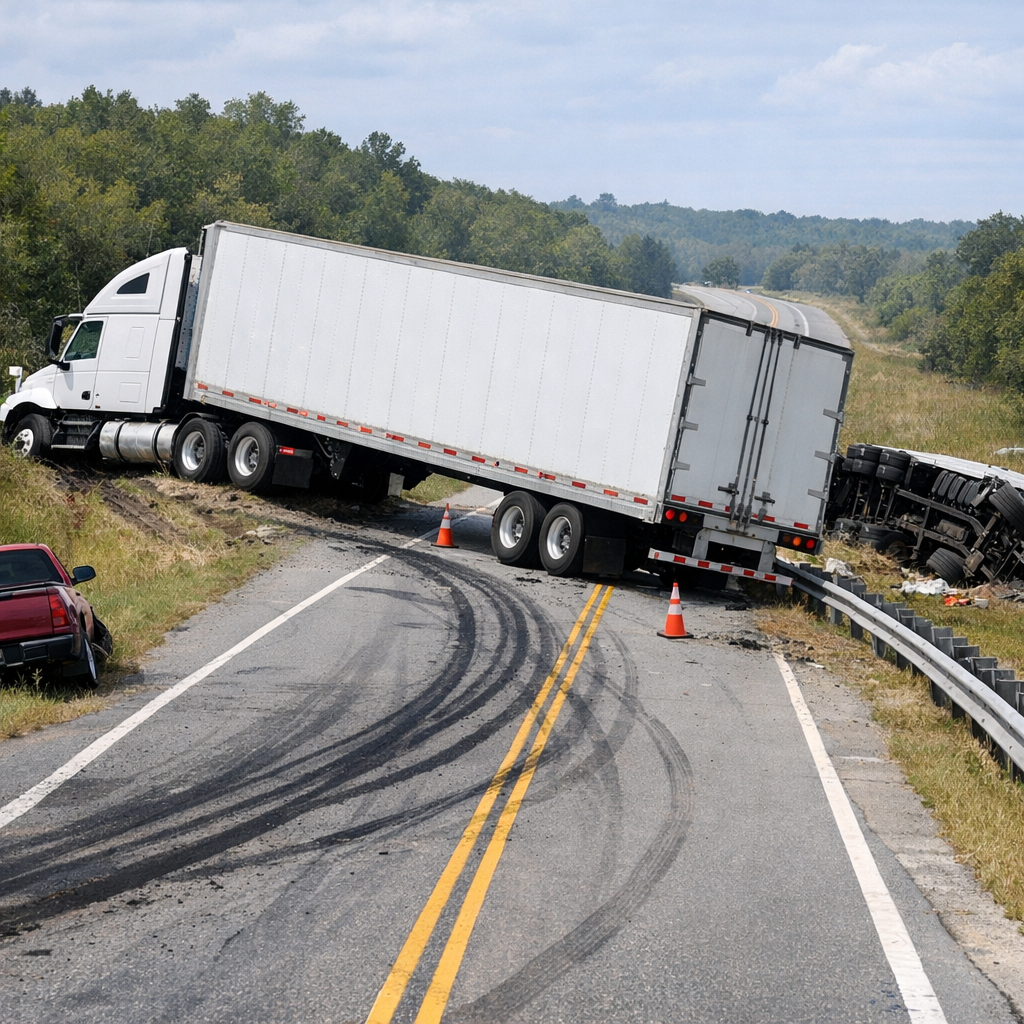
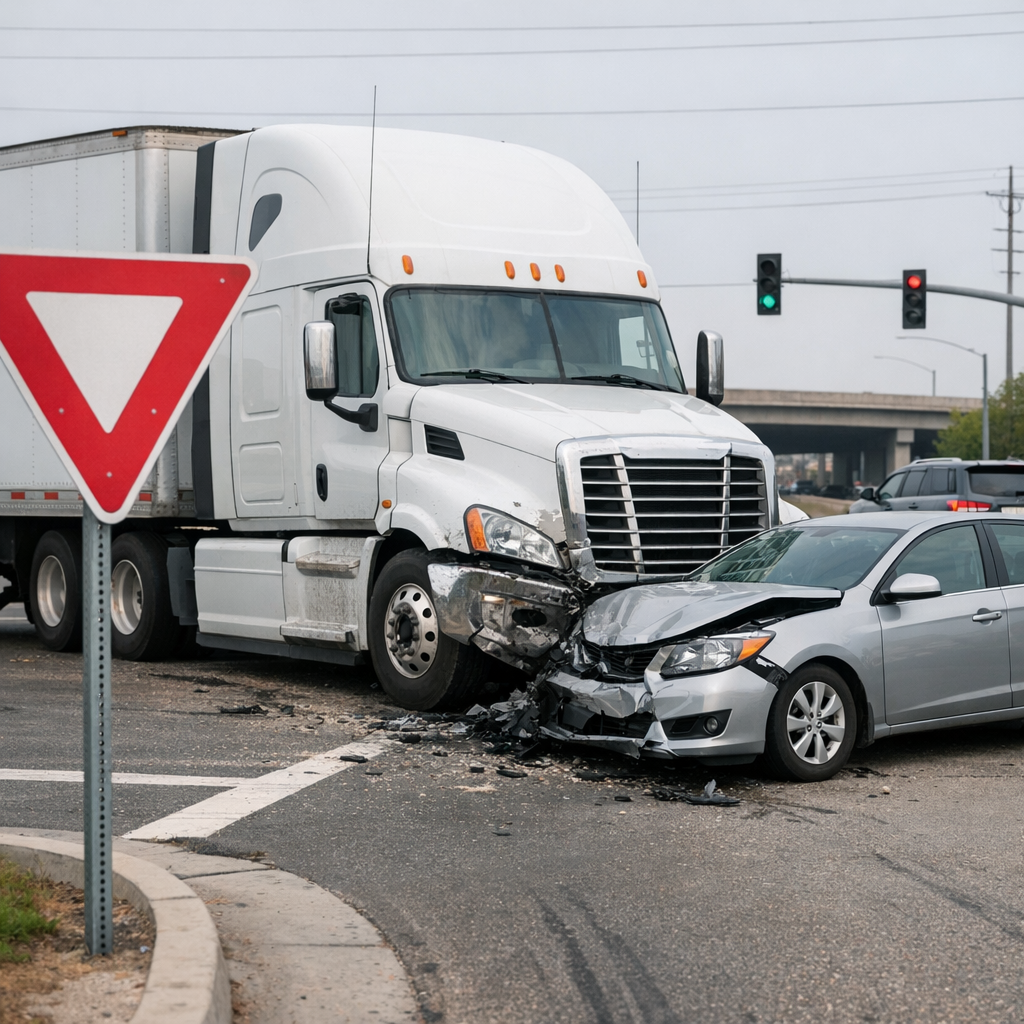
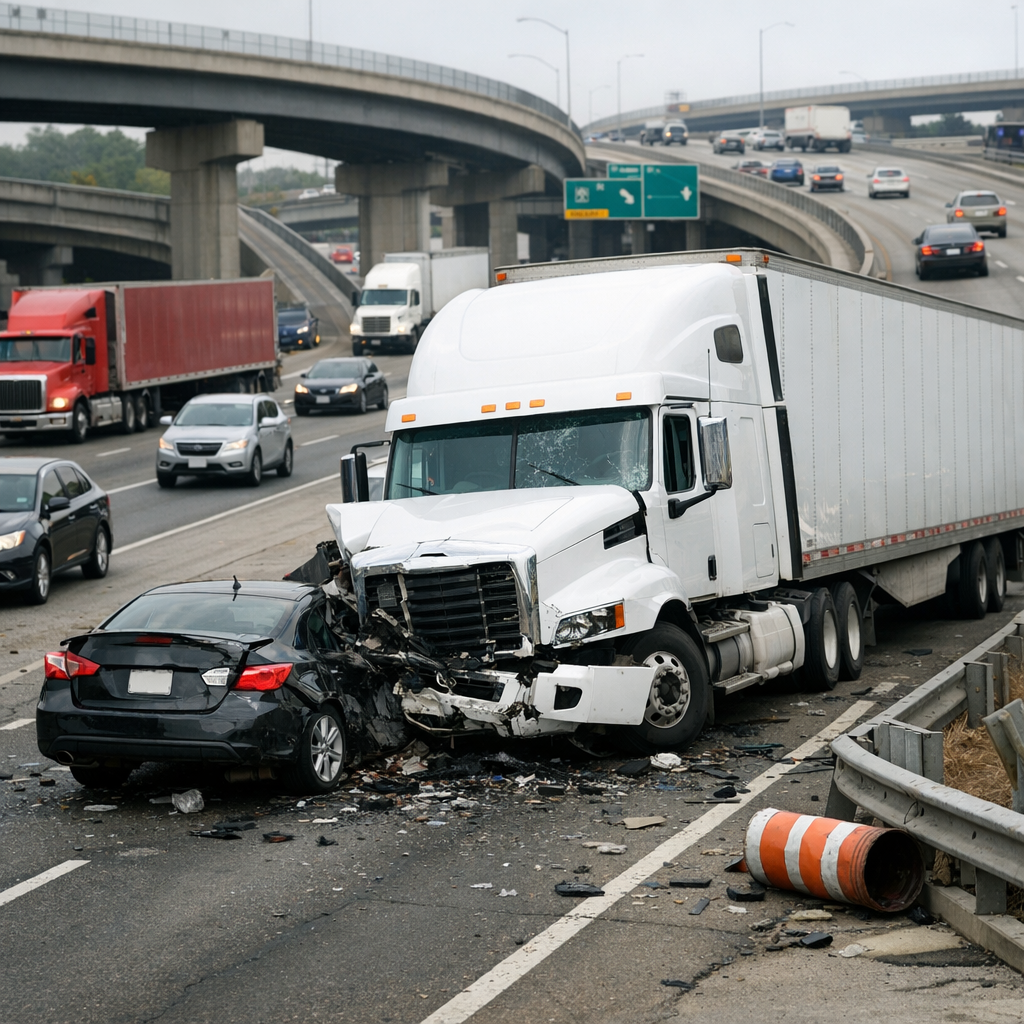
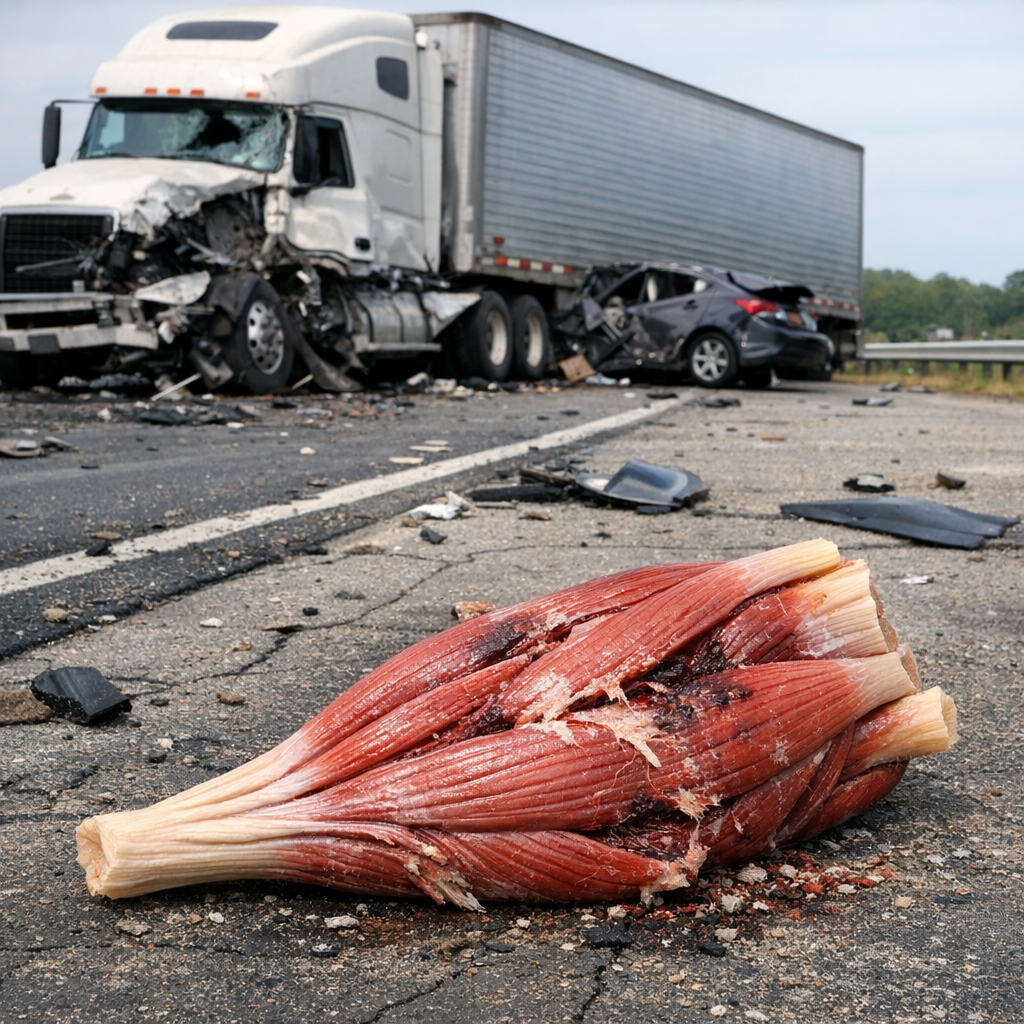
Motor vehicle accidents involving big rigs often result in significant trauma due to the sheer size and weight of these vehicles. Among the many injuries that can occur, muscle damage is a common and particularly impactful outcome. Muscle damage after big rig crashes refers to the injury of muscle tissues ranging from mild strains to severe tears or even muscle necrosis, caused by the intense forces experienced during the collision.
The muscles, which enable body movement and provide structural support, may be compressed, stretched, or crushed as a result of the impact. This can lead to bruising, swelling, and a decrease in muscle integrity. In some cases, muscle injury extends beyond soft tissue to involve tendons and fascia, complicating the recovery process.
Long-Term Effects on Daily Life
Muscle injuries sustained in crashes involving large trucks can have profound effects on an individual’s daily functioning over time. Immediately following the trauma, pain and limited mobility are typical. As days and weeks pass, muscle weakness and stiffness may persist, affecting the ability to perform everyday tasks.
Basic movements such as walking, standing, or lifting objects can become difficult. For those with careers requiring physical labor or prolonged standing, these challenges may noticeably interfere with work performance. Even routine activities like dressing or personal hygiene might require more time and effort.
Chronic muscle damage can also contribute to lasting discomfort and reduced physical endurance. Scar tissue formation within the muscle can alter muscle elasticity and strength, influencing posture and gait. This alteration in body mechanics could potentially lead to compensatory injuries in other areas, such as the joints or spine.
Over a more extended period, individuals might experience muscle atrophy due to decreased use, further hindering functional capabilities. The psychological effects of ongoing pain and reduced mobility, although not the focus here, often accompany prolonged physical impairments.
Common Concerns Following Muscle Damage
One frequent concern related to muscle damage after big rig crashes is the potential for complete or partial rupture of muscle fibers. Severe ruptures may necessitate surgical intervention, and the recovery process can be lengthy, involving physical therapy and gradual rehabilitation.
Another worry involves the possibility of compartment syndrome, a condition where swelling within muscle compartments increases pressure and restricts blood flow. This can lead to permanent muscle and nerve damage if not promptly identified and treated.
Additionally, muscle injuries can sometimes be accompanied by nerve damage, which affects sensation and motor control. Such complications can worsen functional outcomes and require specialized assessment.
Patients and healthcare providers may also be concerned about the risk of chronic pain syndromes arising from soft tissue injuries. Muscle pain that persists beyond the usual healing period can impact mood and overall quality of life, complicating recovery.
The variability in injury severity, location, and individual health status means that muscle damage outcomes after big rig crashes differ widely among patients. This variability can create uncertainty regarding prognosis and rehabilitation timelines.
Closing Information on Muscle Damage After Crashes
Muscle damage resulting from big rig crashes is a complex injury with implications that extend beyond the initial trauma. It affects muscle integrity and function in ways that can influence daily life well after the accident. Diagnostic evaluation and clinical monitoring help to clarify the extent of injury and guide the management of symptoms and complications.
While muscle damage can present several challenges, understanding its nature and potential progression provides a clearer picture of what individuals may face during recovery. Each case reflects a unique combination of injury characteristics and personal factors, emphasizing the importance of individualized assessment without predetermined outcomes.
Through ongoing study and clinical observation, the medical community continues to develop a deeper knowledge of muscle injuries associated with large vehicle crashes, helping to inform future approaches to treatment and rehabilitation.