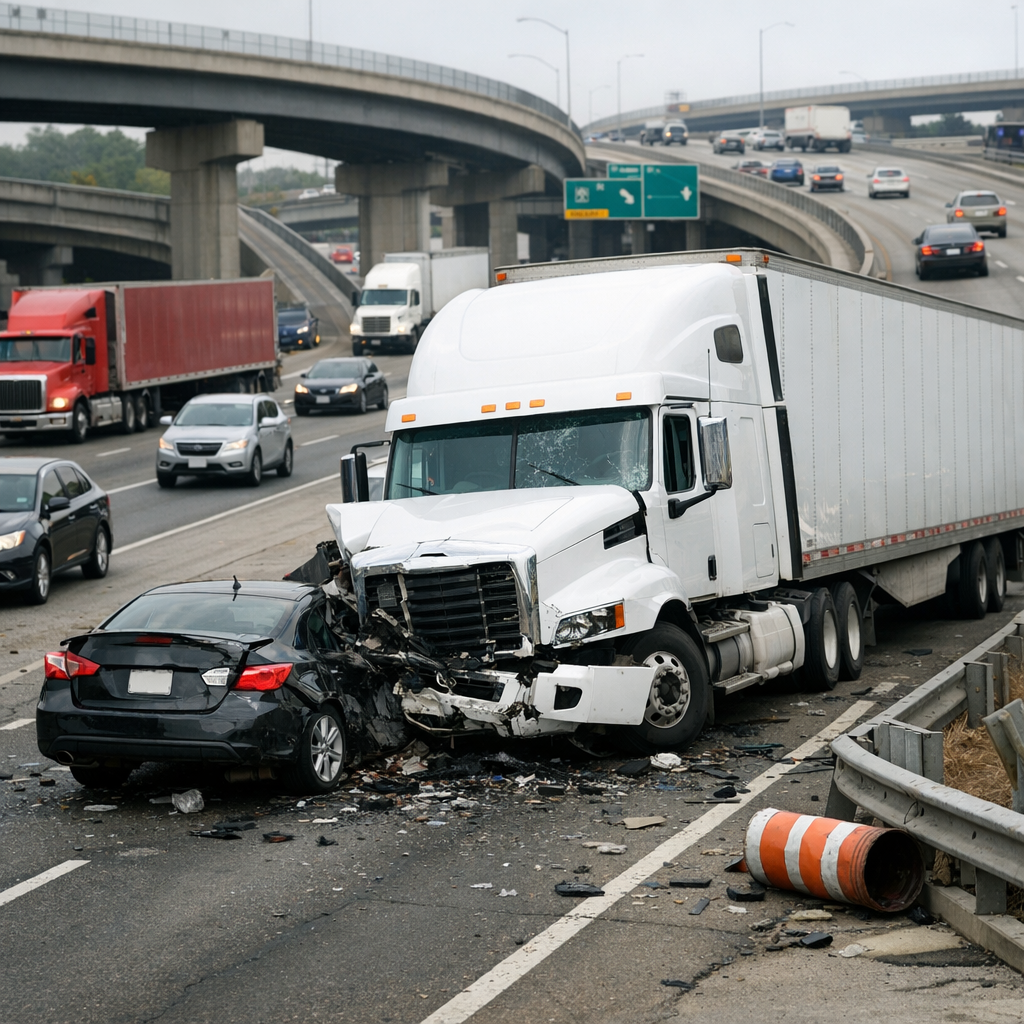

Balance Issues After Head Trauma Truck Crashes
Understanding Balance Issues Following Head Trauma in Truck Crashes
Balance issues are a frequent outcome following head trauma sustained in truck crashes. A collision involving a truck can produce significant force to the head, leading to a variety of neurological consequences. Among these, disruptions to the body’s ability to maintain balance and coordination are common and can present in varying degrees of severity.
The brain’s structures responsible for balance—the cerebellum, inner ear, vestibular system, and sensory pathways—can be affected by trauma. Injury to these areas may result in dizziness, vertigo, unsteadiness, or difficulty maintaining posture. Damage to neural pathways that coordinate muscle movements and spatial orientation can further complicate balance functions.
In many cases, balance issues after a head injury from a truck crash do not manifest immediately. Symptoms may evolve over days or weeks, reflecting underlying neurological changes or ongoing recovery processes. The complexity of the brain and vestibular systems means balance disturbances can fluctuate in intensity and duration.
Impact of Balance Issues on Daily Life Over Time
Balance difficulties following head trauma can influence everyday activities in substantial ways. Individuals experiencing these issues may have challenges with standing, walking, or performing routine movements that require coordination. Over time, this can lead to a need for increased caution or reliance on support during mobility.
Routine tasks such as navigating stairs, turning quickly, or carrying objects may become complicated. This can affect independence and the ability to engage in work, home care, or leisure activities. Some individuals may experience fatigue more quickly, as increased concentration or effort is required to maintain stability.
The persistence of balance problems may also lead to adjustments in living environments or lifestyle. There may be a necessity for environmental adaptations to reduce risks associated with falls or injuries secondary to imbalance. Social interactions and engagement in community activities could be affected by concerns over safety or physical limitations.
The progression or improvement of balance symptoms varies widely. Some people report gradual recovery with diminishing symptoms, whereas others experience persistent or episodic issues that require ongoing management. The impact on quality of life correlates with the severity of the head trauma and the presence of other neurological symptoms.
Common Concerns Related to Balance Issues After Truck Injury
Individuals facing balance challenges after head trauma from a truck crash often have concerns about the origins and potential outcomes of their symptoms. There may be uncertainty about how long the balance issues will last and whether they will worsen.
Another common area of concern involves the risk of falls or further injury resulting from unsteadiness. Worries about mobility and the potential restrictions imposed by balance problems are frequent topics. Additionally, cognitive effects accompanying head trauma, such as memory or concentration difficulties, may compound worries linked to physical symptoms.
The unpredictable nature of recovery and the possibility of chronic symptoms can contribute to feelings of frustration or confusion. Concerns about the availability and effectiveness of treatments or rehabilitation methods are also commonly expressed, considering the complex nature of balance disturbances.
Questions related to safe participation in work or driving activities often arise, reflecting the broader implications of balance impairment. Overall, individuals may seek to understand the extent of the brain injury and how it influences balance functions specifically after traumatic truck incidents.
Informational Conclusion on Balance Issues in Head Trauma from Truck Crashes
Balance issues following head trauma sustained in truck crashes represent a multifaceted neurological outcome. These disturbances stem from the involvement of brain structures and sensory systems critical to maintaining equilibrium. The effects on daily life may range from mild inconvenience to substantial challenges in mobility and independence.
With variable courses and manifestations, balance problems can evolve over time, affecting routine activities and safety. Common concerns reflect the complexity of these symptoms and the desire to understand their implications fully.
Understanding the nature of balance issues in the context of truck injury head trauma offers a clearer perspective on the potential outcomes. This awareness contributes to recognizing the scope of challenges individuals may face and the importance of tailored supportive approaches.