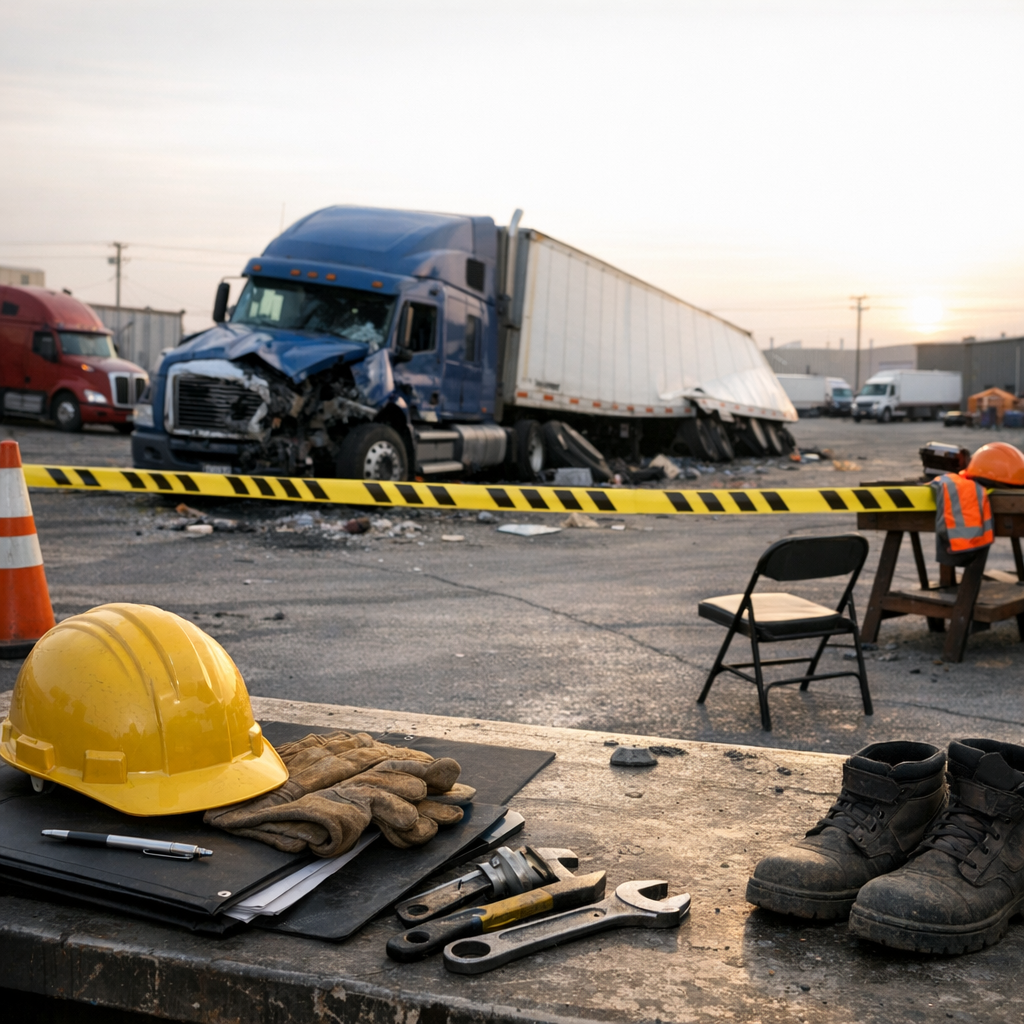

Neck Injuries from Big Rig Crashes
Explanation of Outcomes from Neck Injuries Caused by Big Rig Crashes
Neck injuries resulting from big rig crashes often involve significant trauma due to the high impact forces typically associated with such accidents. The sheer size and weight of big rigs compared to passenger vehicles contribute to a greater risk of severe injury when collisions occur. Injuries to the neck can range from mild strains and sprains to more serious conditions such as whiplash, cervical fractures, herniated discs, and spinal cord injuries.
The neck comprises vertebrae, discs, muscles, ligaments, nerves, and the spinal cord. Damage to any of these structures can cause intense pain, reduced mobility, and neurological symptoms. Whiplash is one of the more common outcomes following the sudden, forceful back-and-forth movement of the neck during a crash. More severe trauma, such as fractures or dislocations, can result in long-term disability and complicate treatment options.
In big rig crashes, the forces involved frequently surpass those in typical passenger vehicle accidents, often magnifying the extent of neck injuries. The initial trauma may be accompanied by swelling and inflammation, causing further discomfort and restricting movement. These acute effects potentially transition into chronic problems if not properly addressed.
Effects of Neck Injuries on Daily Life Over Time
The presence of neck injuries following a big rig crash can significantly affect an individual’s daily activities and quality of life, both in the short and long term. Pain and stiffness are commonly reported, affecting the ability to perform routine tasks such as turning the head, working at a desk, driving, or carrying objects.
Over time, some individuals experience persistent symptoms that interfere with sleep, concentration, and mood. Reduced range of motion and muscle weakness in the neck and shoulders may limit participation in physical activities or prolonged work responsibilities. These limitations can also affect personal care and social interactions.
In cases where nerve damage occurs, symptoms such as numbness, tingling, or weakness in the arms and hands can result. Chronic pain syndromes may develop, requiring ongoing symptom management. Recovery times vary, with some patients regaining full function and others experiencing lasting impairments or degenerative changes in the cervical spine.
Ongoing medical monitoring and therapeutic interventions are often part of managing neck injuries from big rig accidents. Some individuals might adapt their environments or routines to accommodate physical limitations. The impact on mental health and emotional well-being may also be notable due to changes in lifestyle and physical capacity.
Common Concerns Related to Neck Injuries from Big Rig Crashes
People experiencing neck injuries after large truck accidents commonly express concerns about the severity and permanence of their condition. Questions about the potential for recovery, risks of additional damage, and the likelihood of complications arise frequently.
There is often uncertainty about diagnostic accuracy since some symptoms, like pain and stiffness, can overlap with less severe injuries or delayed onset conditions. Imaging tests such as MRIs or CT scans may be used to assess the extent of structural damage. Individuals might also worry about the effectiveness and duration of treatments often involving medication, physical therapy, or other modalities.
In more serious cases, concerns include the possibility of nerve involvement leading to neurological deficits or the need for surgical intervention. Chronic pain and the possibility of developing conditions such as cervical spondylosis or arthritis are also commonly mentioned.
Financial and occupational concerns may accompany physical symptoms, especially if work capacity is diminished. The prospect of lifestyle changes due to ongoing discomfort or limited mobility is another frequent consideration. Many individuals seek clear, understandable information regarding prognosis, treatment options, and long-term management.
Informational Perspective on Neck Injuries from Big Rig Crashes
Understanding neck injuries associated with big rig crashes benefits from a comprehensive and measured approach. These injuries vary widely in severity and effects, influenced by factors like the crash dynamics, individual health, and the immediacy and type of medical care received.
Clinical evaluation is key to properly identifying the extent of injury and guiding management strategies. Treatments may range from conservative approaches focusing on pain control and rehabilitation to more invasive procedures in severe cases. Recovery timelines are not uniform and may require adjustments in expectations based on ongoing assessments.
Awareness of the typical symptoms and outcomes associated with neck injuries can assist in identifying potential issues early. However, each case is unique, with outcomes influenced by many variables. Attention to medical follow-up and symptom changes is important for appropriate care.
Although neck injuries from big rig crashes often present complex challenges, advances in medical diagnostics and therapeutic techniques offer pathways toward improved function and symptom relief for many affected individuals. The trajectory of recovery and long-term well-being depends on multiple factors that are best understood through professional evaluation and monitoring.