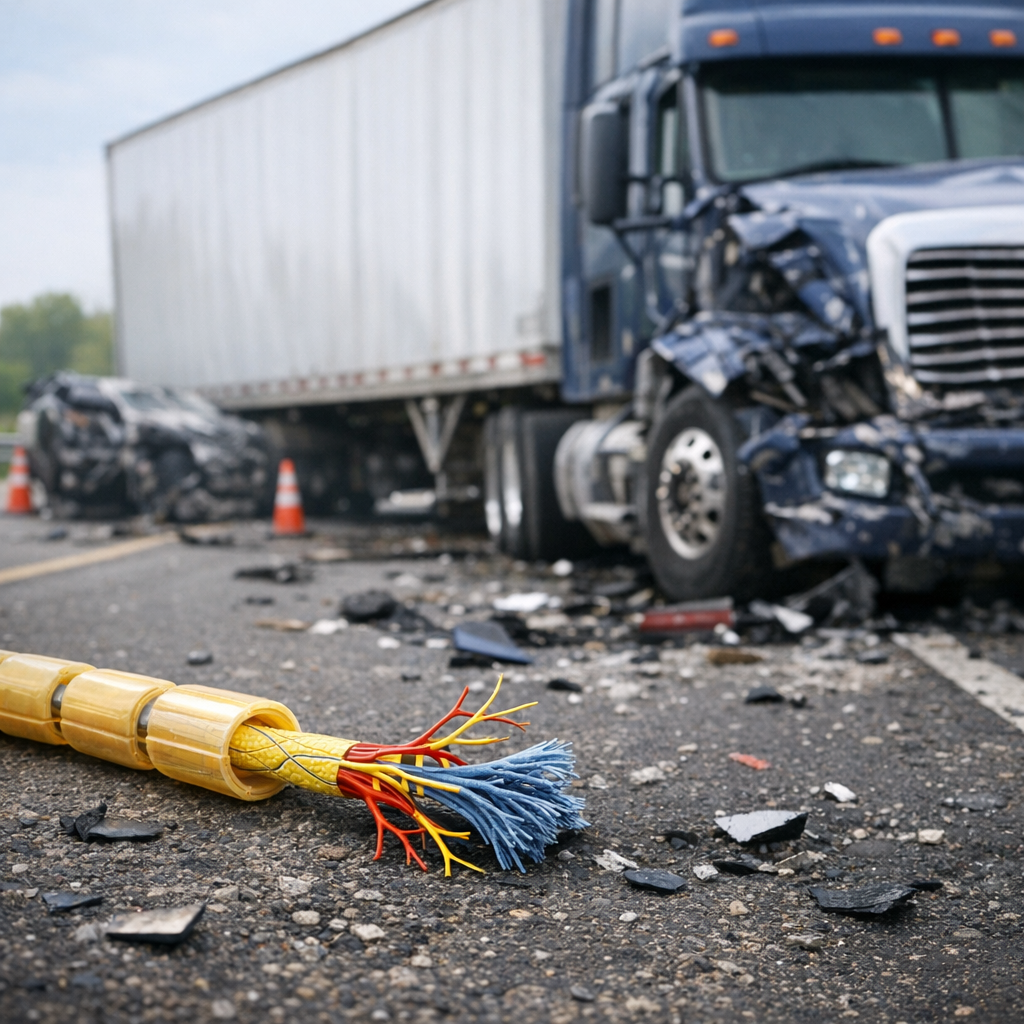
Nerve Damage from Big Rig Accidents
Understanding Nerve Damage Resulting from Big Rig Accidents
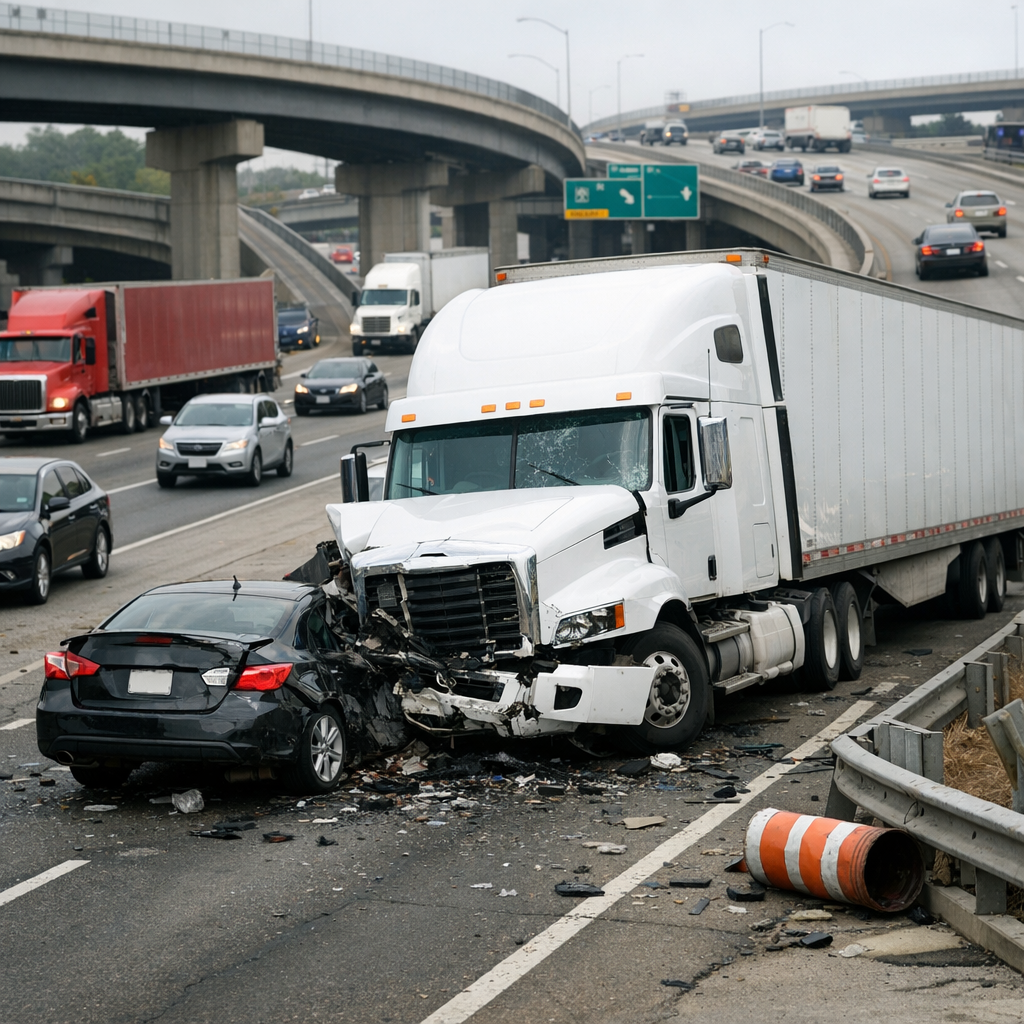
Nerve damage from big rig accidents occurs when the nerves in the body are injured due to the significant forces involved in these types of collisions. Big rigs, also known as large trucks or tractor-trailers, weigh substantially more than passenger vehicles, and accidents involving them often involve high-impact forces. These forces can cause stretching, compression, or even severing of nerves, leading to various neurological impairments.
Nerves transmit signals between the brain and different parts of the body, facilitating movement, sensation, and reflexes. When these pathways are disrupted, either temporarily or permanently, it can result in sensory deficits, muscle weakness, or loss of motor function depending on the location and severity of the injury.
The types of nerve damage that might occur include neuropraxia, which is a temporary loss of function; axonotmesis, involving more severe damage where the nerve fibers themselves are disrupted but the surrounding nerve sheath remains intact; and neurotmesis, which is the most severe and involves complete severing of the nerve. The outcomes and potential for recovery vary widely based on these classifications.
Impact on Daily Life Over Time
Nerve damage from big rig accidents has the potential to significantly alter an individual’s routine and lifestyle depending on the nerves affected and the severity of the injury. Sensory symptoms may include numbness, tingling, or burning sensations, which can interfere with fine motor skills, balance, and coordination. Motor nerve damage can lead to weakness or paralysis of specific muscle groups, affecting mobility and the ability to perform daily tasks.
Over time, chronic nerve pain or discomfort may develop, sometimes leading to conditions such as neuropathic pain syndromes. This ongoing discomfort can hinder activities like walking, gripping objects, or maintaining posture. Muscle atrophy may also occur if nerve signaling is absent for extended periods, further reducing functional capacity.
Some individuals may find it difficult to return to previous levels of physical activity or employment if their job required fine motor skills, physical labor, or prolonged standing or walking. Additionally, nerve damage can lead to secondary complications, including joint stiffness and muscle contractures, which may further limit mobility and range of motion.
The extent of recovery varies, with some people experiencing gradual improvement as nerve regeneration occurs, especially in cases of partial injuries. Others may encounter permanent effects requiring adaptations in their daily routines or reliance on assistive devices to compensate for lost function.
Common Concerns Regarding Nerve Damage from Big Rig Accidents
One prevalent concern is the unpredictability of nerve injury outcomes. Not all nerve damage presents with the same symptoms or prognosis, and the extent of healing can be difficult to determine early on. Imaging and electrodiagnostic studies can provide some clarity but may not fully predict long-term outcomes.
Pain management is a frequent issue, given that nerve damage can result in chronic neuropathic pain, which differs from standard pain and can be difficult to control. This type of pain may not respond favorably to typical analgesics, making symptom management complex.
Another consideration is the impact on mental health and overall well-being. Changes in physical capabilities and independence can create feelings of frustration or isolation, though experiences vary widely among individuals.
Functional limitations often raise concerns about the ability to perform skilled tasks or maintain employment. Adjustments to work environments or responsibilities are common topics of discussion, particularly in professions requiring physical labor or precise motor control.
Long-term monitoring and follow-up are typically needed to track changes in nerve function and adjust management strategies accordingly. Rehabilitation and supportive therapies may be involved to optimize function, regardless of the degree of nerve recovery.
Informational Summary
Nerve damage from big rig accidents represents a complex outcome that can influence multiple aspects of an individual’s health and lifestyle. The severity and nature of the nerve injury significantly shape the extent of sensation loss, motor impairment, and potential for recovery.
Over time, nerve damage can affect various daily activities and may introduce ongoing challenges related to pain and physical function. The unpredictable course of nerve healing requires continual assessment, and adaptations in lifestyle or work may be necessary.
Understanding the nature of nerve injury and its implications provides a clear perspective on the wide range of experiences that can follow big rig accidents. While some individuals may see gradual improvement, others may face persistent changes that necessitate adjustments in daily living.
Overall, nerve damage in the context of big rig collisions is a multifaceted condition with diverse manifestations, reinforcing the importance of ongoing awareness, observation, and supportive care throughout the recovery process.