Internal Injuries After Truck Accidents
Understanding Internal Injuries from Truck Accidents
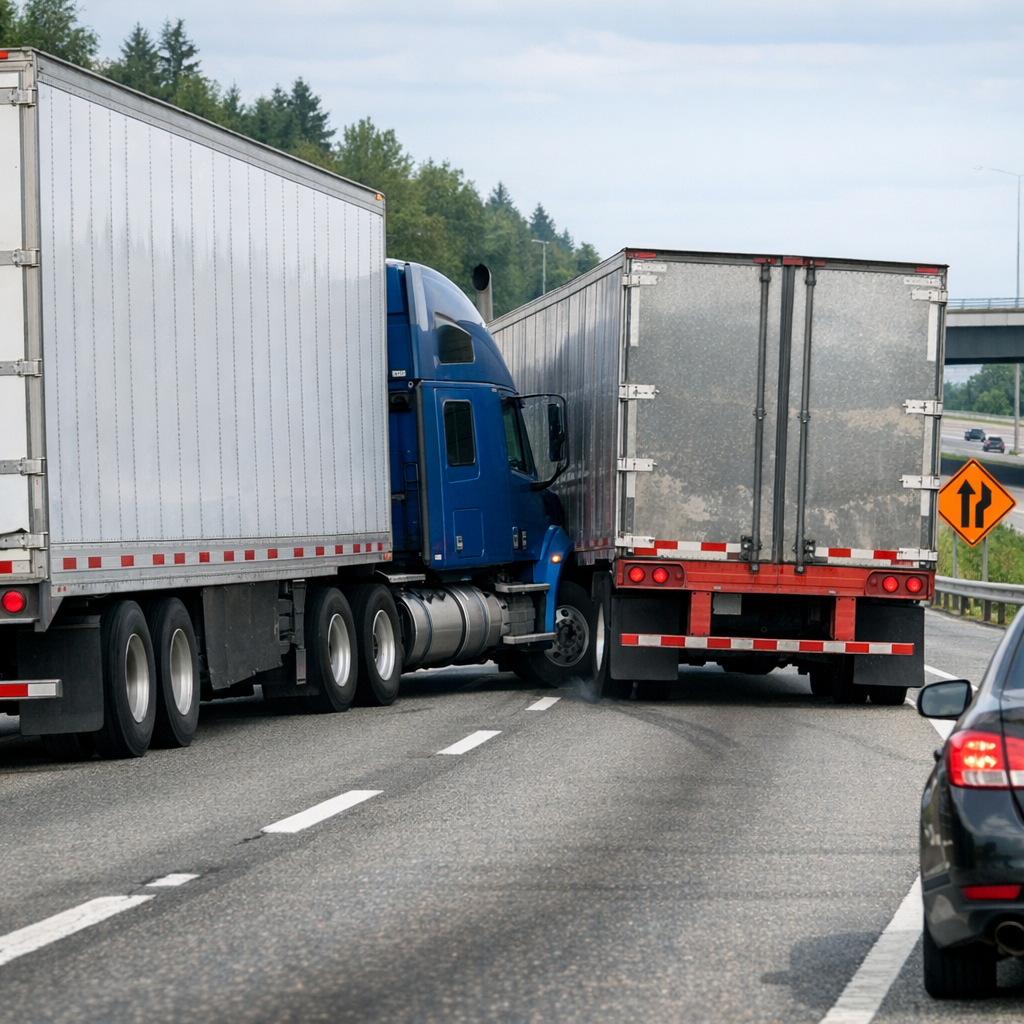
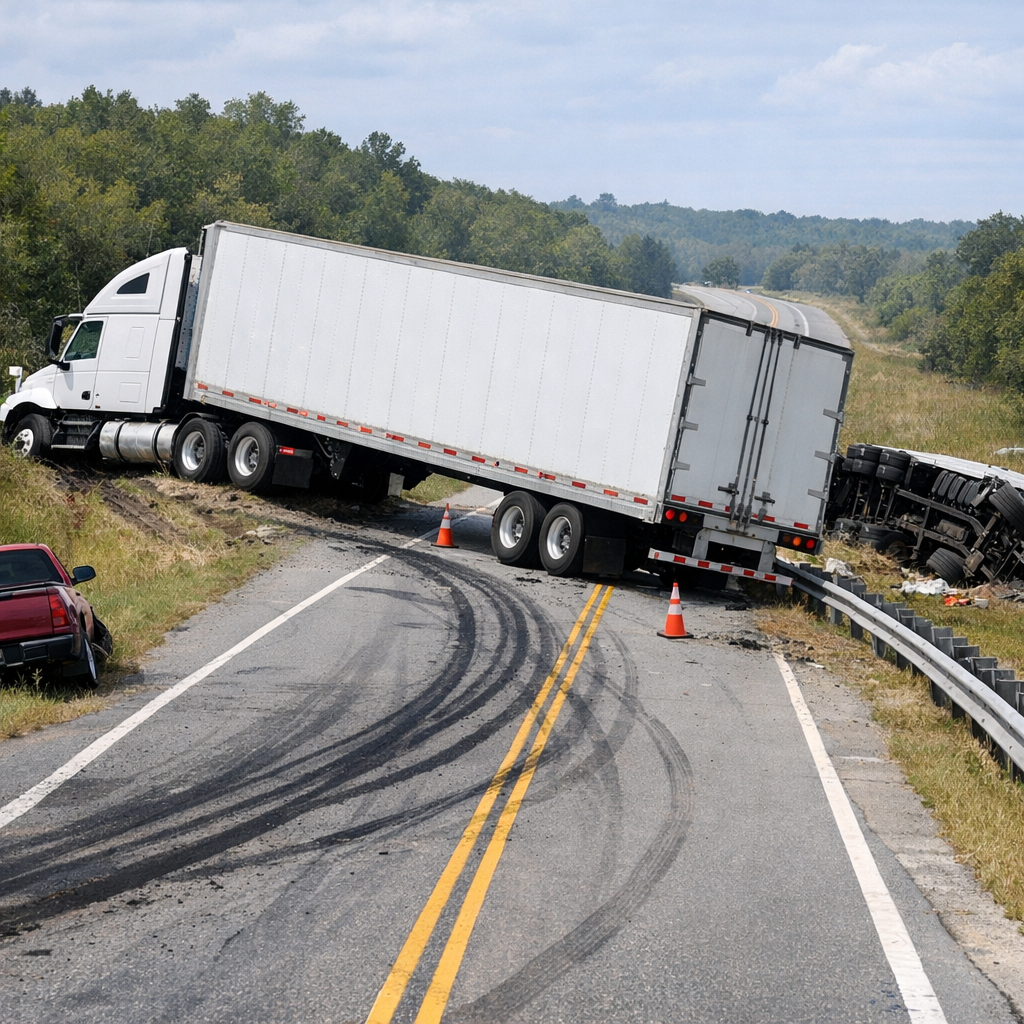
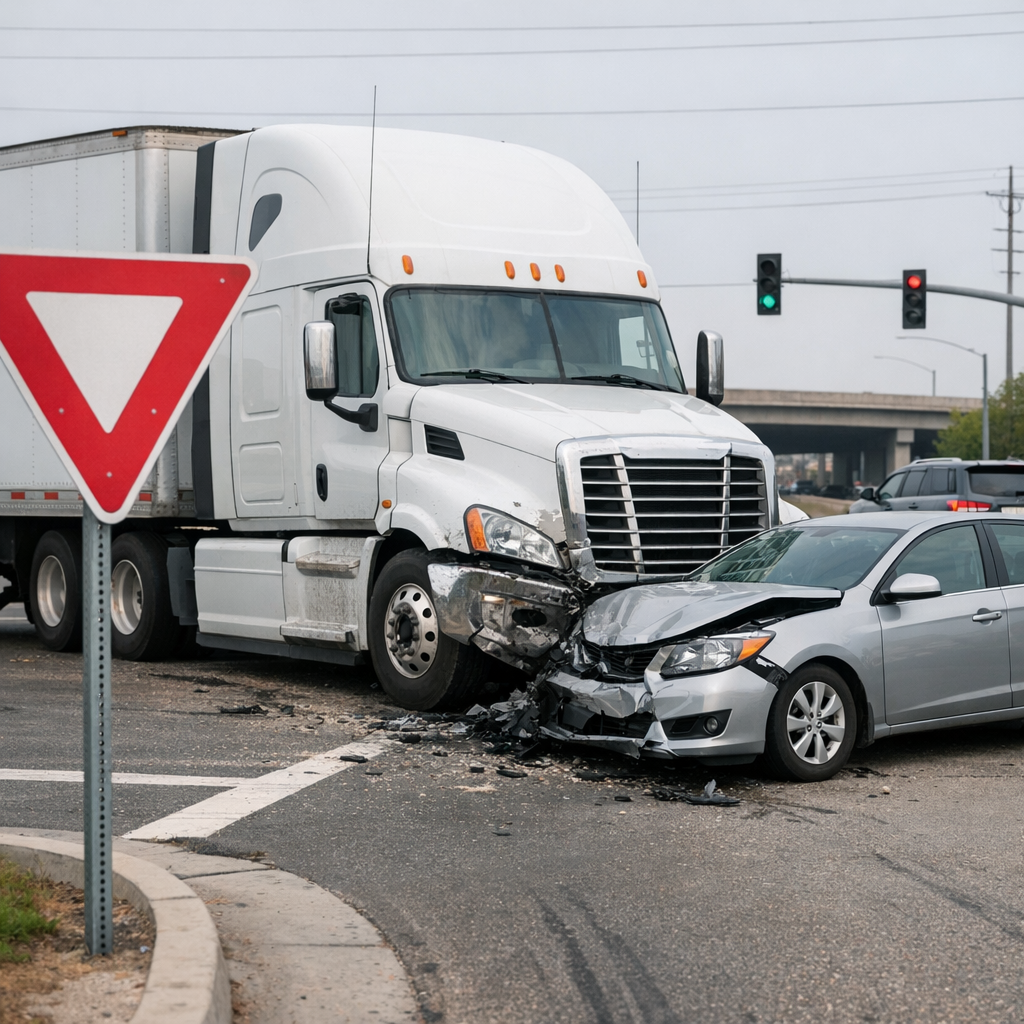
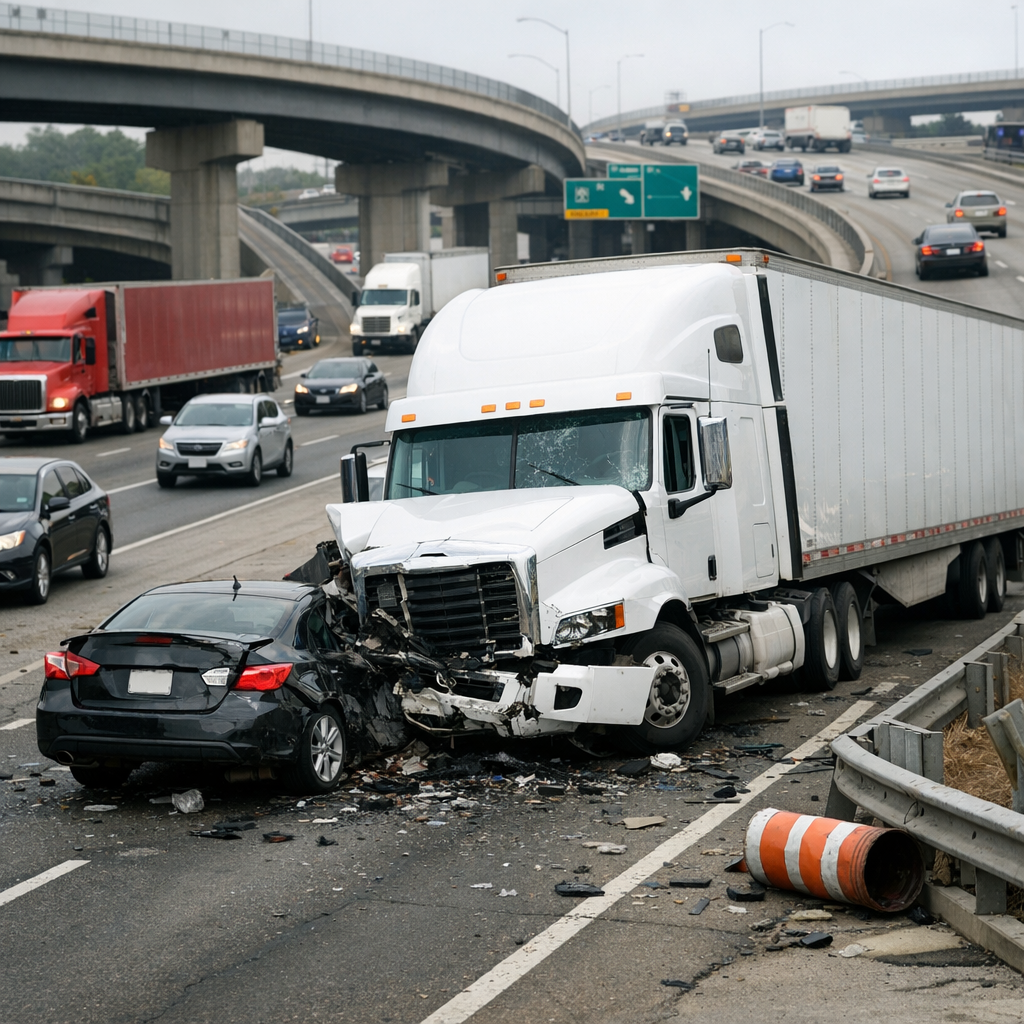
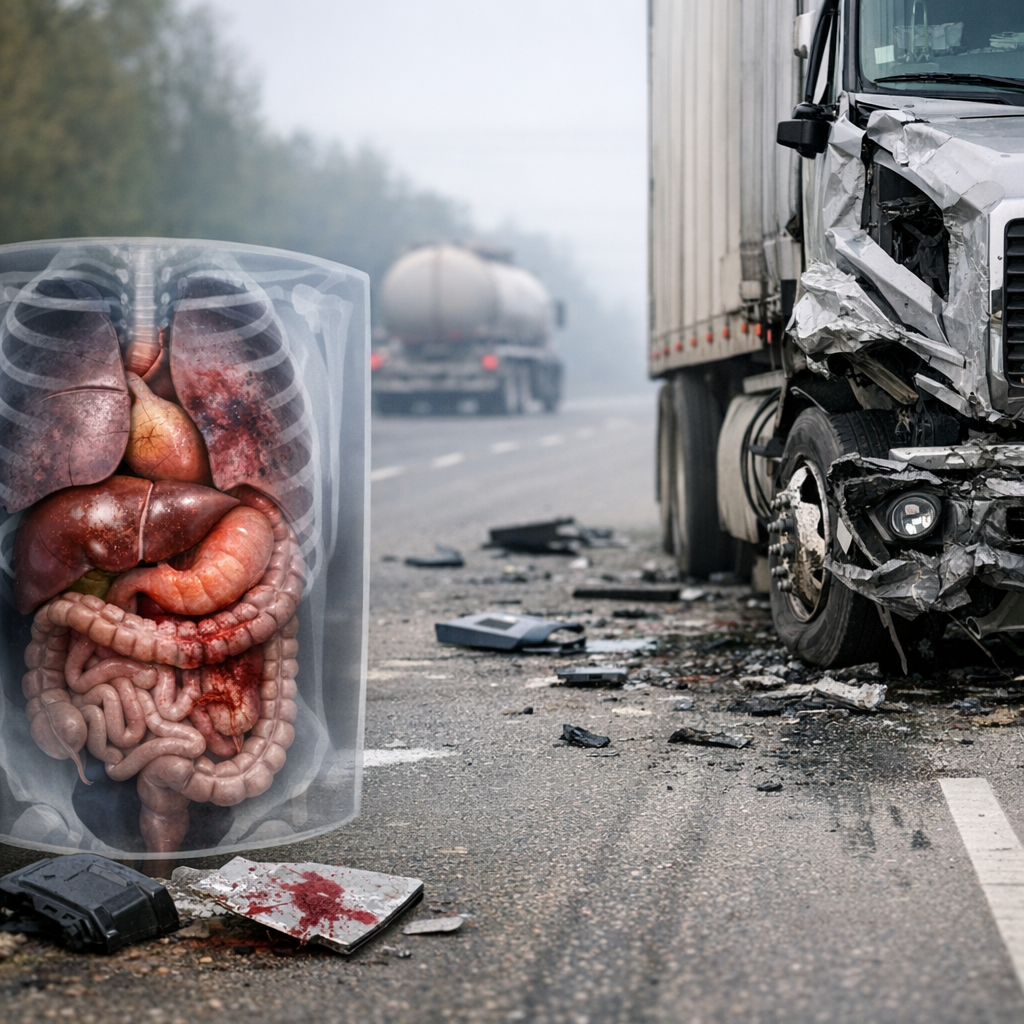
Internal injuries after truck accidents are a significant concern due to the high impact forces involved in such collisions. When a truck accident occurs, the intense force can cause damage beneath the skin that is not immediately visible. Internal organs, muscles, blood vessels, and bones may be affected, often without clear external signs. These injuries commonly involve organs such as the liver, spleen, lungs, and brain, as well as internal bleeding and damage to the abdominal cavity.
The severity of internal injuries resulting from truck accidents can vary widely. While some may be minor and heal on their own, others might be life-threatening and require immediate medical attention. Because symptoms are not always obvious at the scene, internal injuries can sometimes go undiagnosed initially, complicating recovery and treatment.
Impact of Internal Injuries on Daily Life Over Time
The effects of internal injuries from truck accidents can extend well beyond the initial trauma. Recovery periods may be lengthy, and in certain cases, permanent changes to physical health and daily functioning can occur. Damage to vital organs can affect bodily functions, leading to ongoing challenges.
For some, fatigue and pain may persist, affecting the ability to engage in routine activities such as work, exercise, and social interactions. Restrictions on physical movement and the need for continual medical surveillance are not uncommon. In cases involving internal bleeding or organ damage, complications may arise that necessitate further interventions, potentially altering long-term health outcomes.
Cognitive and emotional impacts can also arise indirectly from internal injuries, particularly if brain trauma is involved or prolonged hospital stays contribute to psychological stress. Adjusting to these changes can be demanding, requiring adaptations in lifestyle and daily habits.
Common Concerns Regarding Internal Injuries in Truck Collisions
One ongoing concern is the initial difficulty in detecting internal injuries immediately after a truck accident. Since external wounds are not always present, tests such as imaging scans are often necessary to uncover hidden trauma. This delay in diagnosis can impact timely treatment.
Another frequent concern relates to the treatment and management of internal injuries. Depending on the injury’s nature, interventions may vary from observation to surgery. The recovery process could involve multiple medical professionals and extended hospital stays, which may affect the individual’s support systems and financial situation.
Additionally, issues related to pain management, mobility challenges, and potential long-term complications are common topics of discussion. Internal injuries can sometimes lead to secondary conditions such as infections or organ failure, contributing to overall complexity in care.
Information for Awareness and Understanding
Internal injuries resulting from truck accidents represent a serious aspect of collision outcomes that require careful medical evaluation and monitoring. Awareness of the nature and possible consequences of these injuries can aid in recognizing their potential impact on health and daily life.
Responding to the situation with appropriate medical attention is essential for identifying the full extent of harm. Ultimately, these injuries emphasize the importance of comprehensive assessment following truck accidents to address both visible and hidden trauma.
While the journey following internal injuries may involve various challenges, ongoing developments in medical care contribute to evolving approaches in treatment and rehabilitation, offering deeper insights into managing these injuries over time.