
Why Truck Accident Recovery Lacks Clear Timelines
Understanding the Frequent Curiosity About Recovery Duration
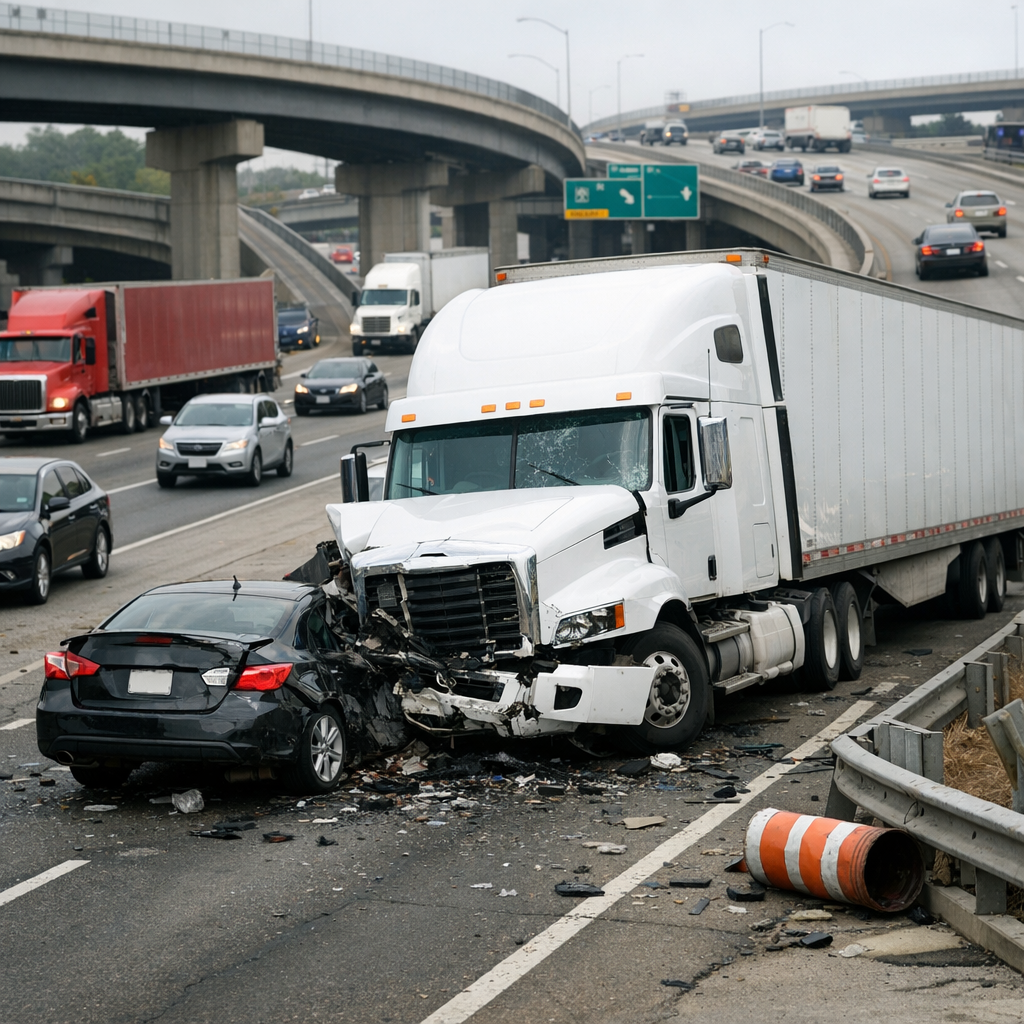
Many people wonder why recovery following a truck accident does not come with a clear or predictable timeline. This question arises because the aftermath of such incidents often disrupts normal life in profound ways, prompting individuals to seek a sense of order and certainty. When health, well-being, and everyday responsibilities are affected, knowing how long recovery will take becomes a natural concern. However, the variability observed in recovery times can be surprising and frustrating, which encourages questions about why these timelines are so unclear.
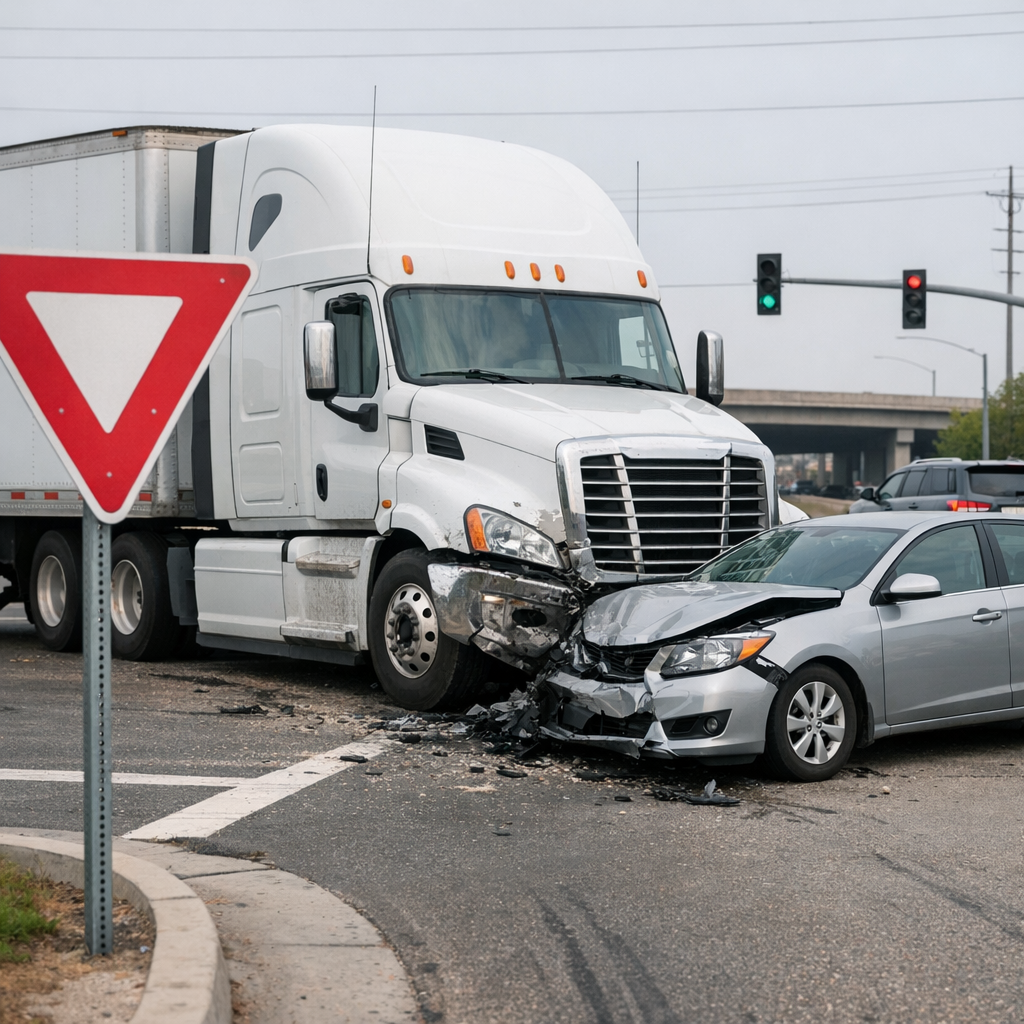
This curiosity is also driven by the contrast between truck accidents and other types of injuries. The sheer scale of truck crashes and the severity of resulting injuries differ greatly from typical accidents. People want to grasp the reasons behind the unpredictability, hoping it might help them gauge what to expect for themselves or those affected.
Factors That Contribute to Unclear Recovery Timelines in Truck Accidents
Having a clear recovery timeline after a truck accident is challenging because multiple complex factors come into play, making every case unique. One significant aspect is the diversity and severity of injuries sustained. Truck accidents often involve high-impact forces that can produce a combination of injuries, such as fractures, soft tissue damage, traumatic brain injuries, or internal organ trauma. Each type of injury has its own healing processes and associated complications, which influence the overall recovery length.
Another factor is the individual’s overall health and physical resilience prior to the accident. Age, pre-existing health conditions, fitness levels, and even nutrition affect how a body responds to trauma and heals. Some people may recover relatively quickly from similar injuries, while others require extended periods of care and rehabilitation.
The complexity extends to the treatment process itself. Recovery may involve surgeries, immobilization, physical therapy, and ongoing medical monitoring. Any unexpected complications, such as infections or secondary injuries, can prolong the timeline further. Due to this variability, healthcare providers hesitate to commit to definitive recovery durations early in the process.
Additionally, psychological and emotional recovery is intertwined with physical healing, especially following traumatic events. Processing the accident’s impact may affect motivation, pain perception, and overall progress, adding another layer of unpredictability to recoveries from truck accidents.
Broader Context Beyond Immediate Injuries
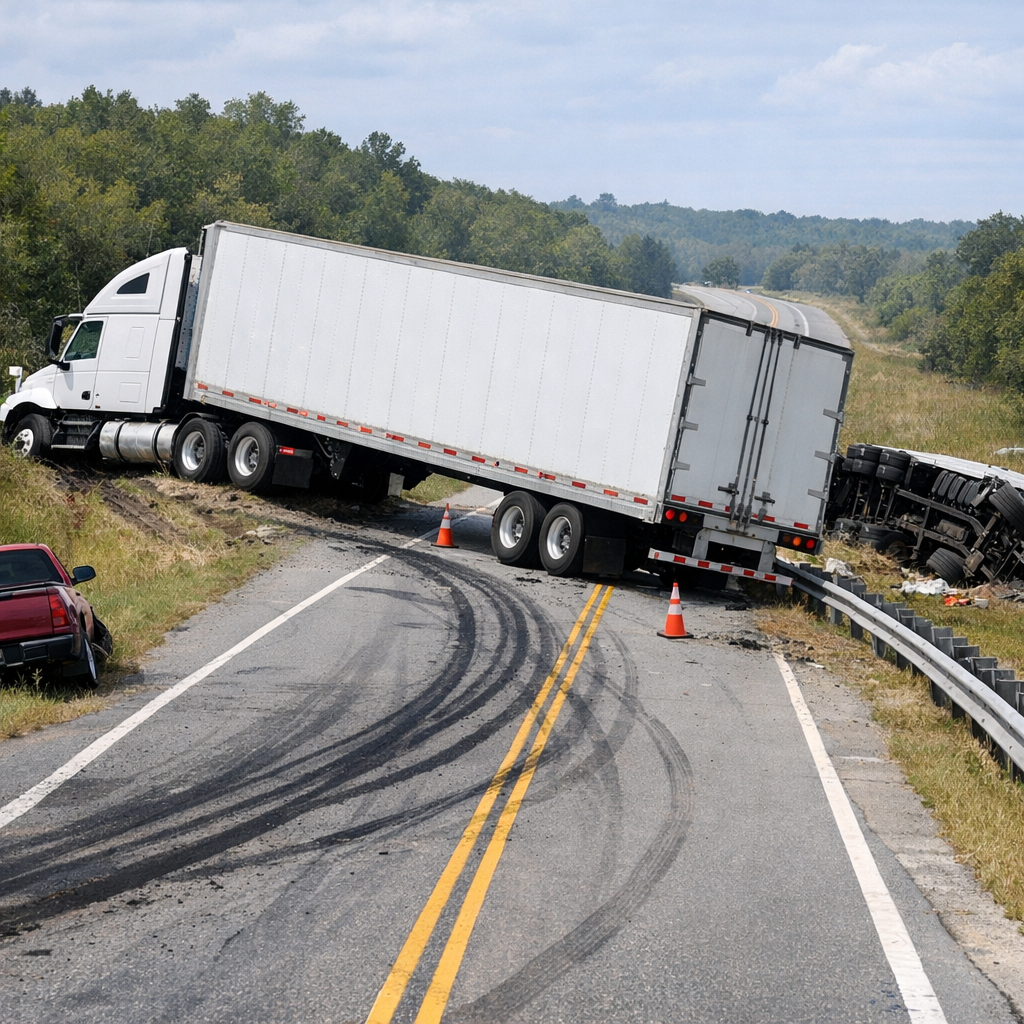
People often overlook the broader circumstances that influence recovery timelines in truck accident scenarios. For example, the logistics of transportation and vehicle size contribute to the complexity of accident scenes and subsequent medical response times. Larger vehicles often cause more disruption on roads, leading to delays in emergency services reaching the scene or in transferring patients to specialized care facilities.
The environment where recovery occurs also matters. Access to comprehensive rehabilitation resources or specialized medical care can vary depending on location. Patients in rural or underserved areas might face limitations that slow their healing journey compared to those in urban centers with more extensive medical infrastructure.
The extent of support systems available to an individual, including family, employers, and community resources, can also impact the quality and speed of recovery. Emotional and practical assistance often helps improve adherence to treatment and rehabilitation programs.
Further, the term “recovery” itself is broad and subjective. Some consider full functional restoration as complete recovery, while others focus on returning to work or managing pain. The goals and definitions differ widely, affecting how timelines are perceived and communicated by patients and healthcare professionals alike.
Recognizing the Steady Progress Amid Uncertainty
While the absence of a fixed timetable can feel unsettling, it is important to acknowledge that recovery from truck accidents is typically a gradual and dynamic process. Progress often happens in phases, with periods of rapid improvement followed by slower advancements or plateaus. This ebb and flow is a normal part of healing and rehabilitation.
Focusing on consistent care, appropriate medical follow-up, and adaptive treatment strategies usually leads to better outcomes over time. Although an unclear recovery timeline for truck accidents may complicate planning, patience and ongoing evaluation help guide each step forward.
The varying nature of injuries and circumstances means that no universal schedule applies, but individual journeys often benefit from a focus on steady improvement rather than rigid deadlines. Understanding this outlook provides a more realistic framework for managing expectations and supporting recovery efforts.
In sum, the unpredictable duration of recovery after truck accidents results from multiple interconnected factors related to injury severity, individual health variables, treatment complexity, and external influences. Acknowledging these complexities helps explain why clear timelines are rarely established and why each person’s path to healing remains distinct.