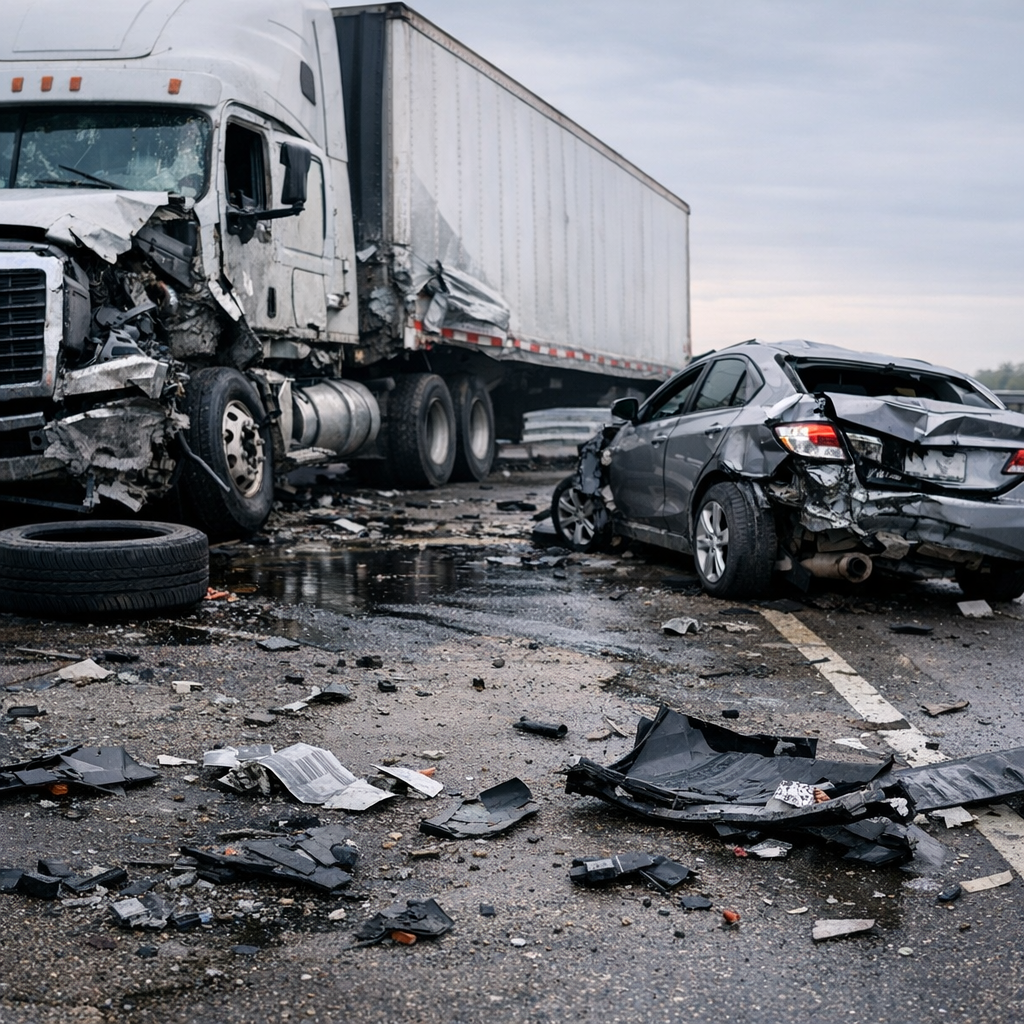
What Physical Effects Follow Big Rig Crashes
Many individuals find themselves wondering about the physical effects that follow big rig crashes. These events often capture public attention due to the sheer size and weight of large trucks, leading to curiosity about the range and severity of injuries that victims might endure. Understanding the physical consequences helps to illuminate not only the risks involved but also the nature of the trauma experienced in such incidents.
Understanding the Impact of Big Rig Collisions
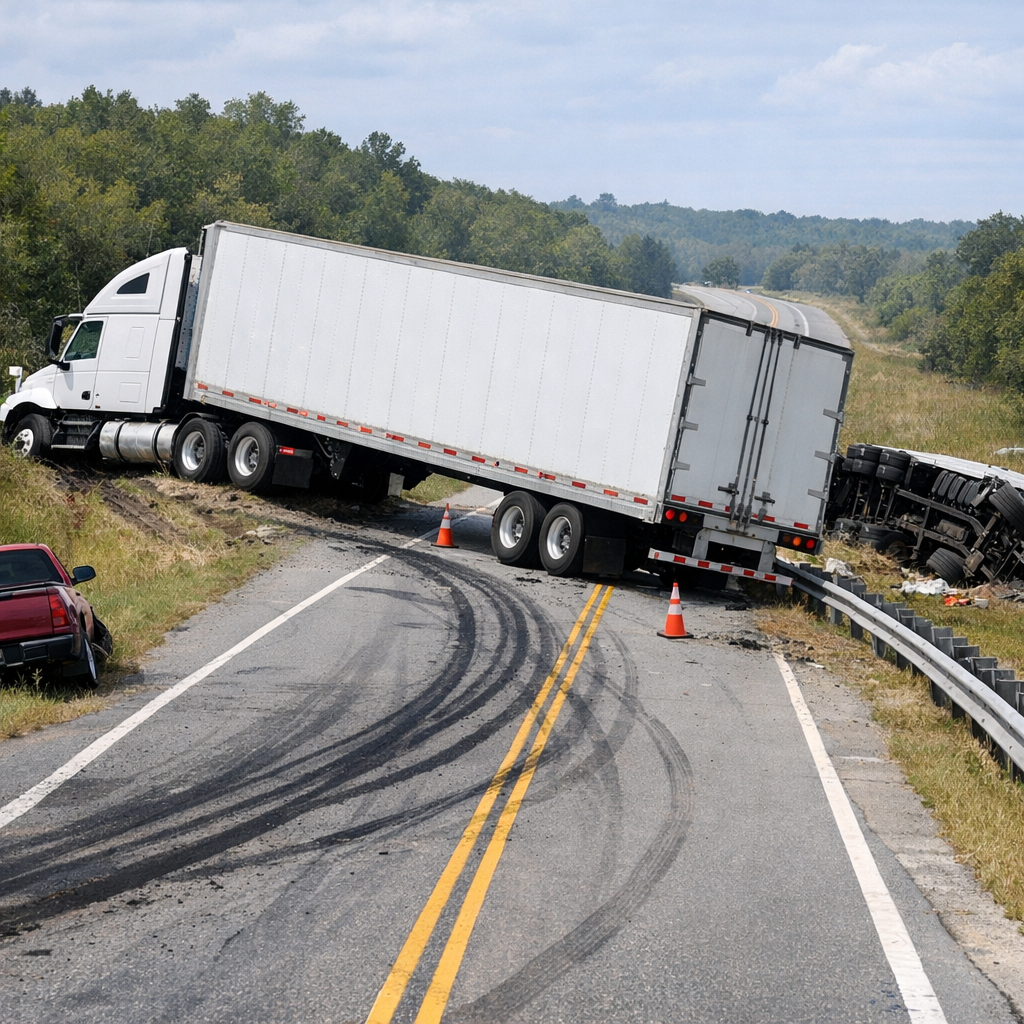
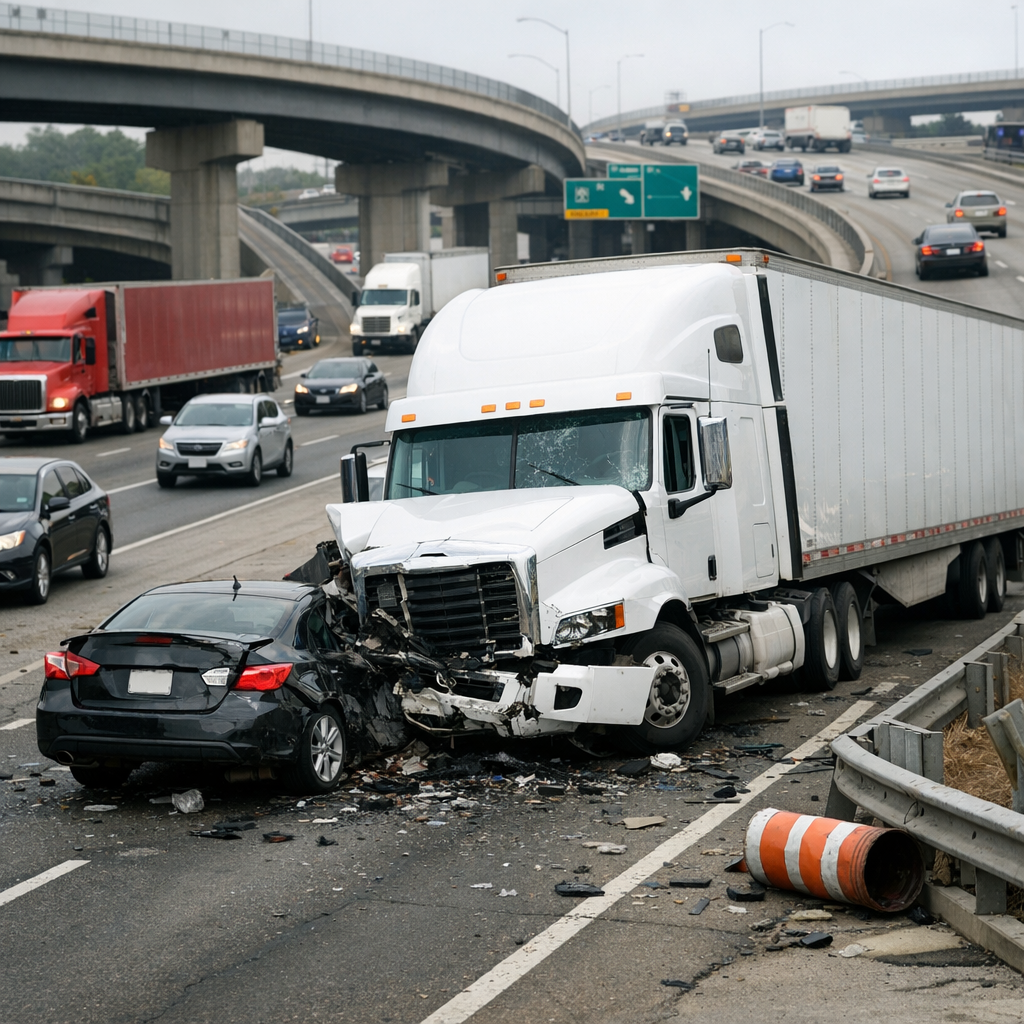
Big rig crashes differ significantly from other types of vehicle collisions because of the massive scale and momentum involved. Big rigs, also known as tractor-trailers or 18-wheelers, weigh tens of thousands of pounds and often travel at high speeds. When a crash occurs, the force exerted on smaller vehicles or pedestrians can be extreme.
The immediate physical effects stem from this high-impact force. People involved may experience a variety of injuries ranging from minor to severe. Common outcomes include blunt force trauma, fractures, and internal injuries due to the sudden deceleration and impact with vehicle components or the road.
Common Physical Consequences After the Accident
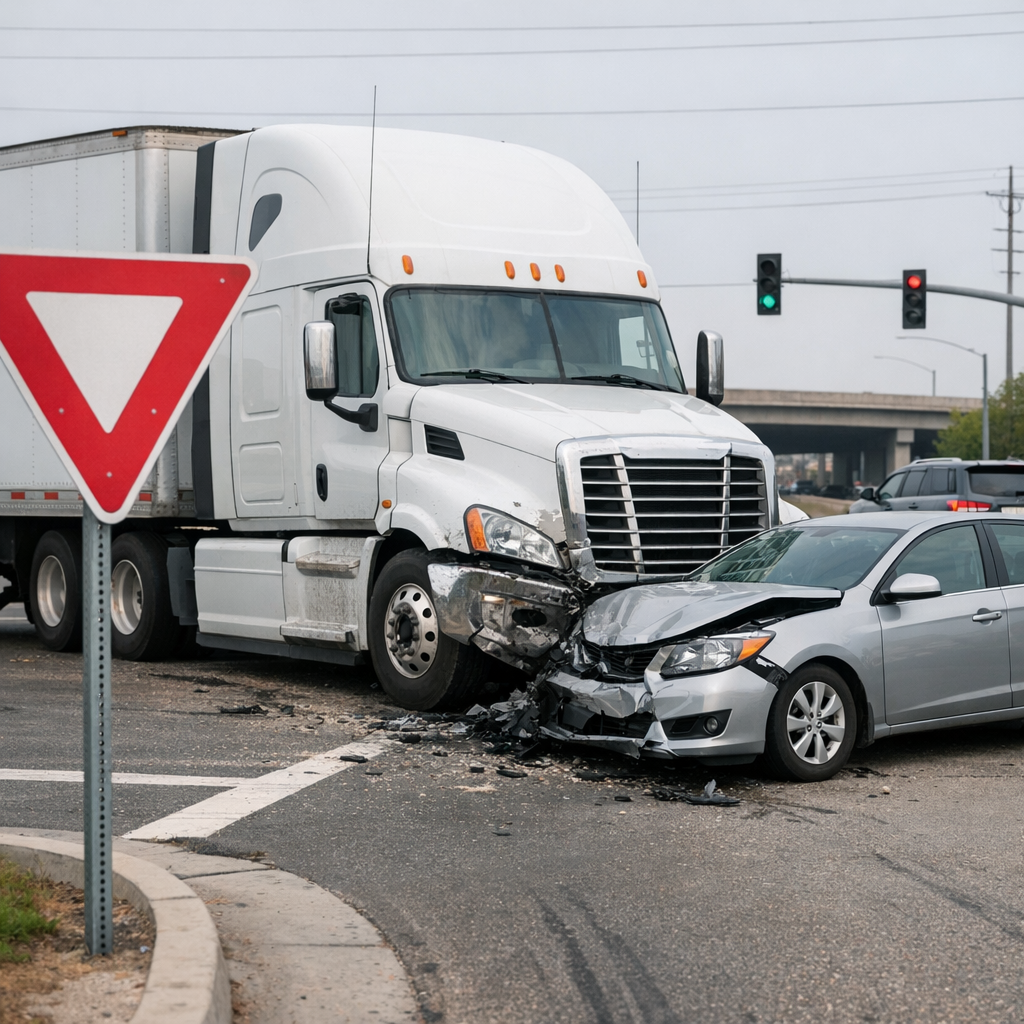
In many incidents involving big rigs, the initial collision causes rapid changes in velocity for the occupants of the smaller vehicles. This abrupt change can result in severe whiplash, strains, or tears of muscles and ligaments. Some injuries may be apparent at the scene, such as cuts and bruises, while others develop later, such as internal bleeding or traumatic brain injuries.
Fractures are also a frequent effect following these crashes. Given the size disparity, occupants of smaller vehicles may suffer broken bones in areas like the ribs, arms, or legs. In some cases, the impact can be so forceful that it causes multiple fractures or dislocations.
Head and spinal injuries are among the more serious physical effects linked to big rig collisions. The head may strike a hard surface, causing concussions or more serious brain trauma. Similarly, sudden jolting forces can injure the spinal cord, potentially leading to temporary or permanent impairment.
Lesser-Known Factors Affecting Physical Damage
Not everyone realizes that the specific dynamics of a big rig crash can influence the types of injuries sustained. For example, the position of occupants during impact, the presence and use of safety restraints, and the structural integrity of the smaller vehicle play crucial roles in the severity of physical effects.
Moreover, environmental conditions such as weather, road type, and visibility also contribute indirectly. A crash on a highway at high speed typically produces more severe physical effects compared to low-speed incidents in urban settings.
Additionally, secondary injuries can arise following the primary collision. These may include burns from fuel fires, crush injuries when vehicles overturn or are compressed, and psychological trauma manifesting physically through symptoms like headaches or chronic fatigue.
Insights Into Recovery and Long-Term Effects
While immediate physical injuries draw most attention, some consequences may only become apparent over time. Certain musculoskeletal injuries can lead to long-term pain or limited mobility. Traumatic brain injuries, even when mild, might result in cognitive difficulties or emotional changes.
Chronic conditions such as post-traumatic stress disorder (PTSD) can also have physical manifestations, affecting sleep, appetite, and overall well-being. Understanding this broader scope emphasizes the importance of recognizing symptoms beyond the initial crash aftermath.
Concluding Thoughts on Physical Repercussions of Heavy Vehicle Accidents
Big rig crashes produce a wide array of physical effects, influenced by various factors including the force of impact, vehicle positions, and environmental conditions. Injuries can range from superficial to life-changing, encompassing immediate trauma and potential long-term health challenges.
Recognizing the complexity of these physical outcomes highlights the importance of carefully assessing any health changes following such an event. While the nature of these incidents is dramatic, an informed perspective on their physical effects can lead to better awareness and understanding of the recovery process.