Why Are Big Rig Accidents More Severe
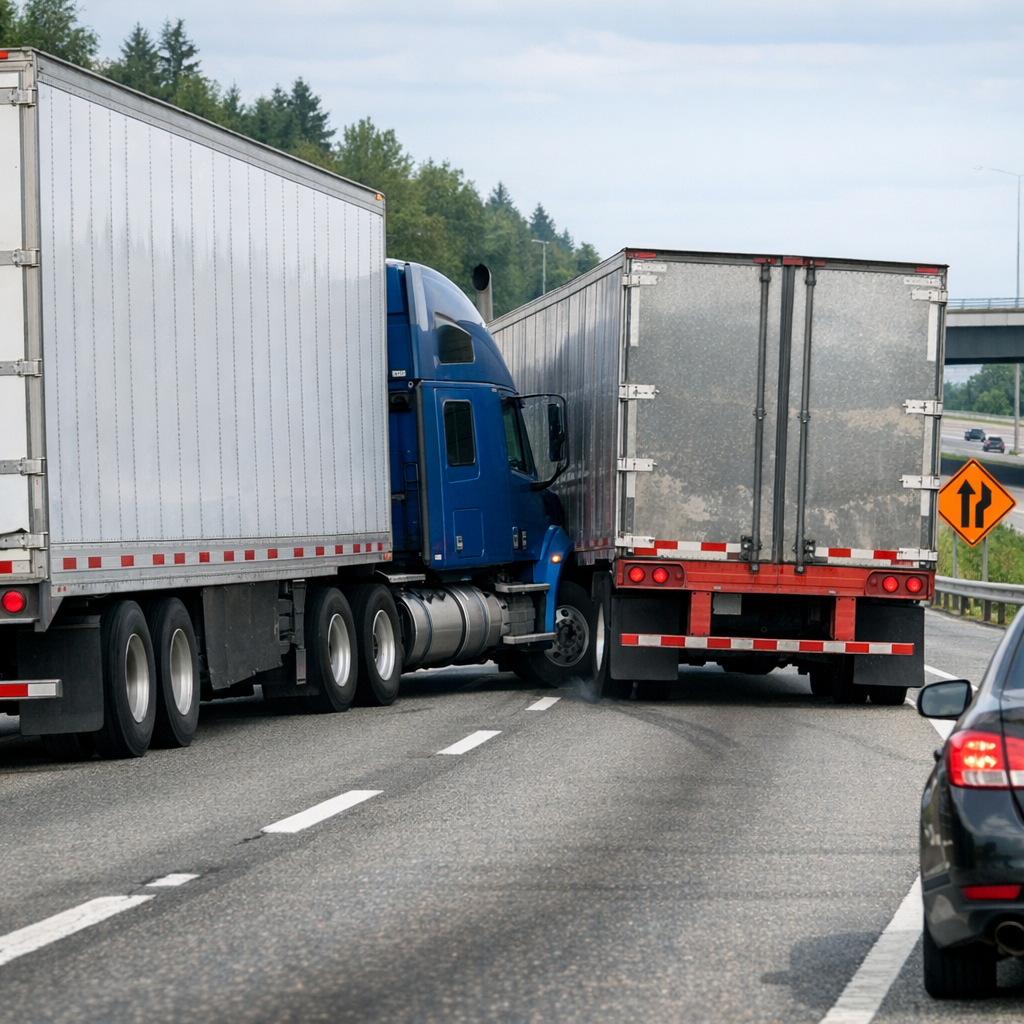
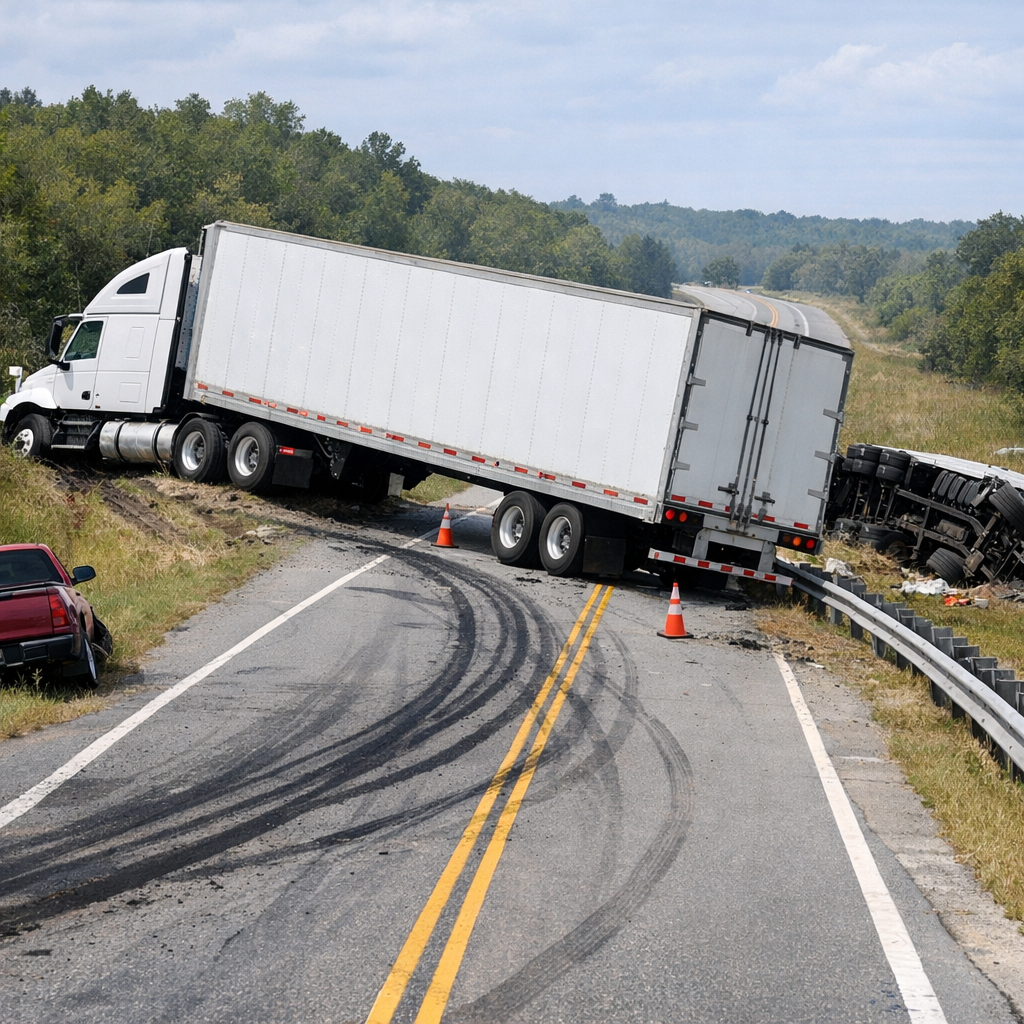
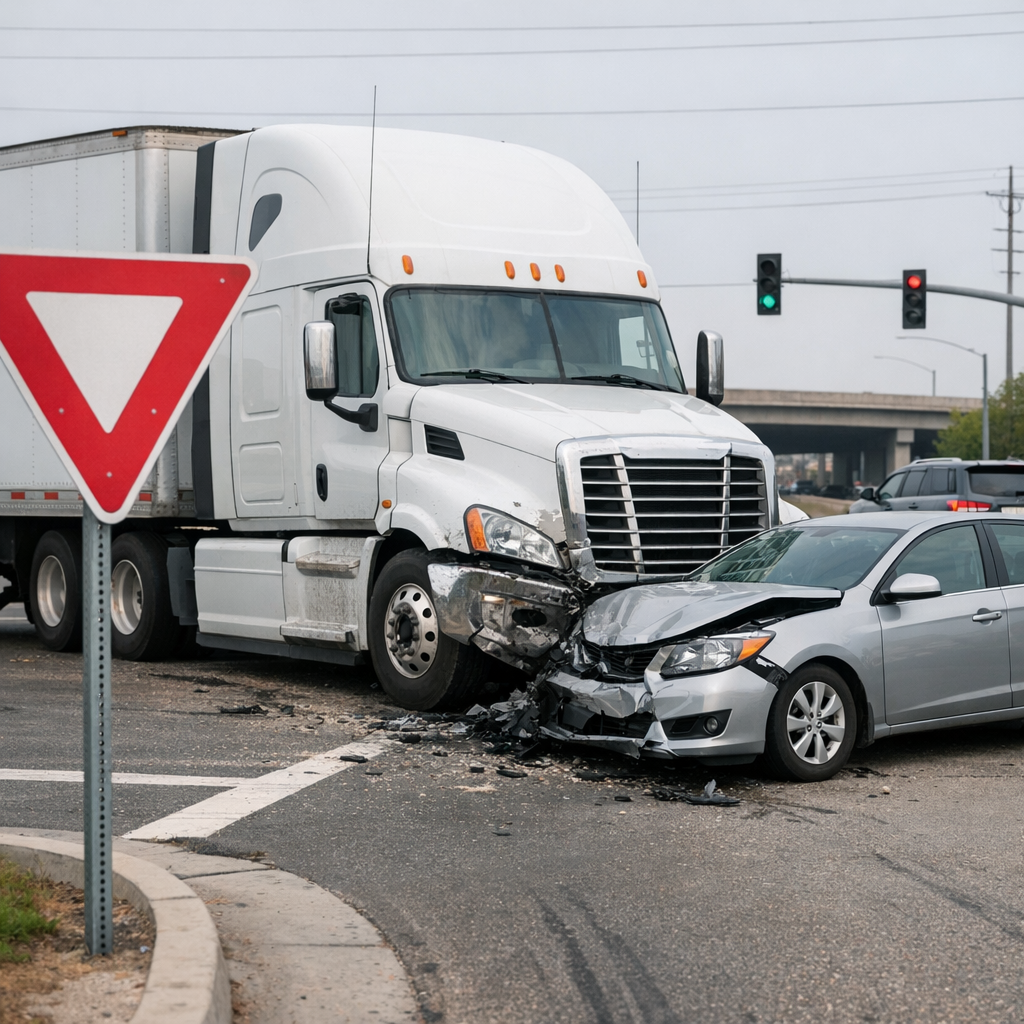
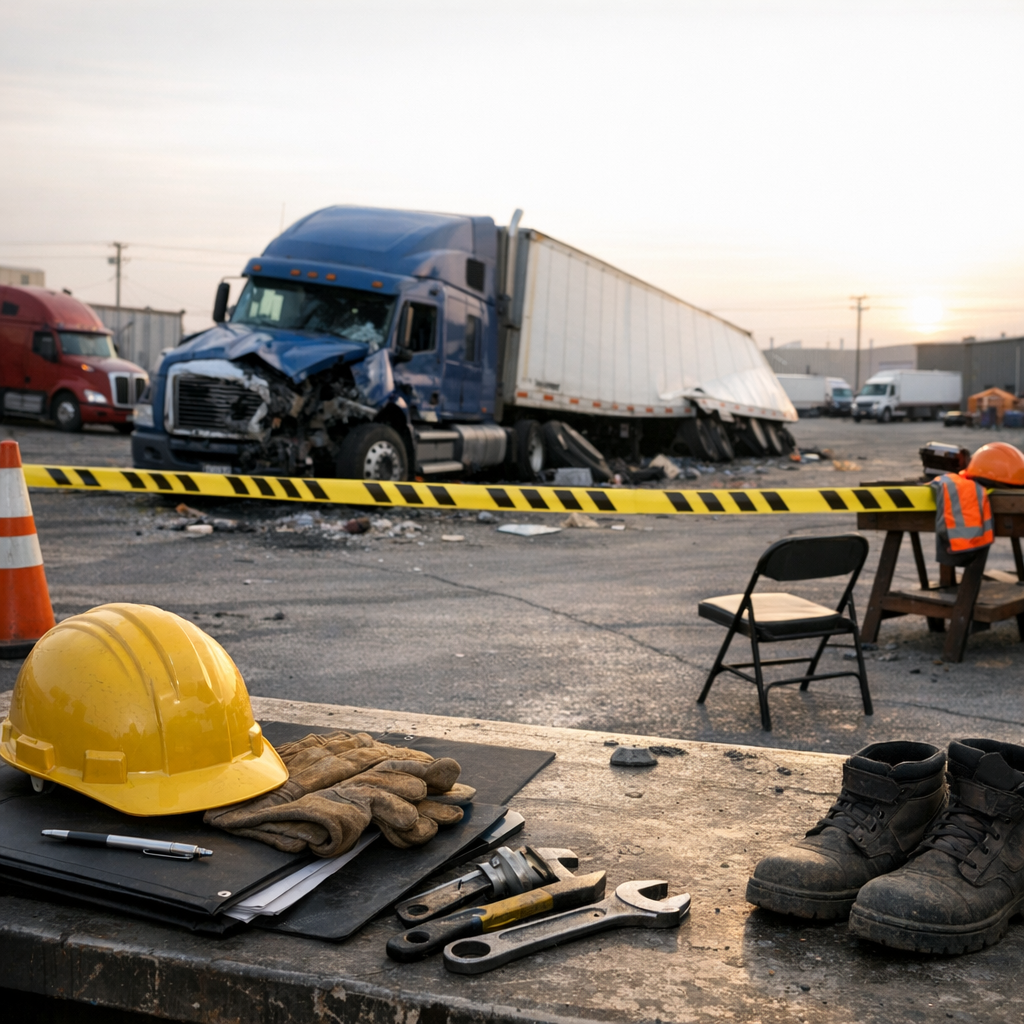
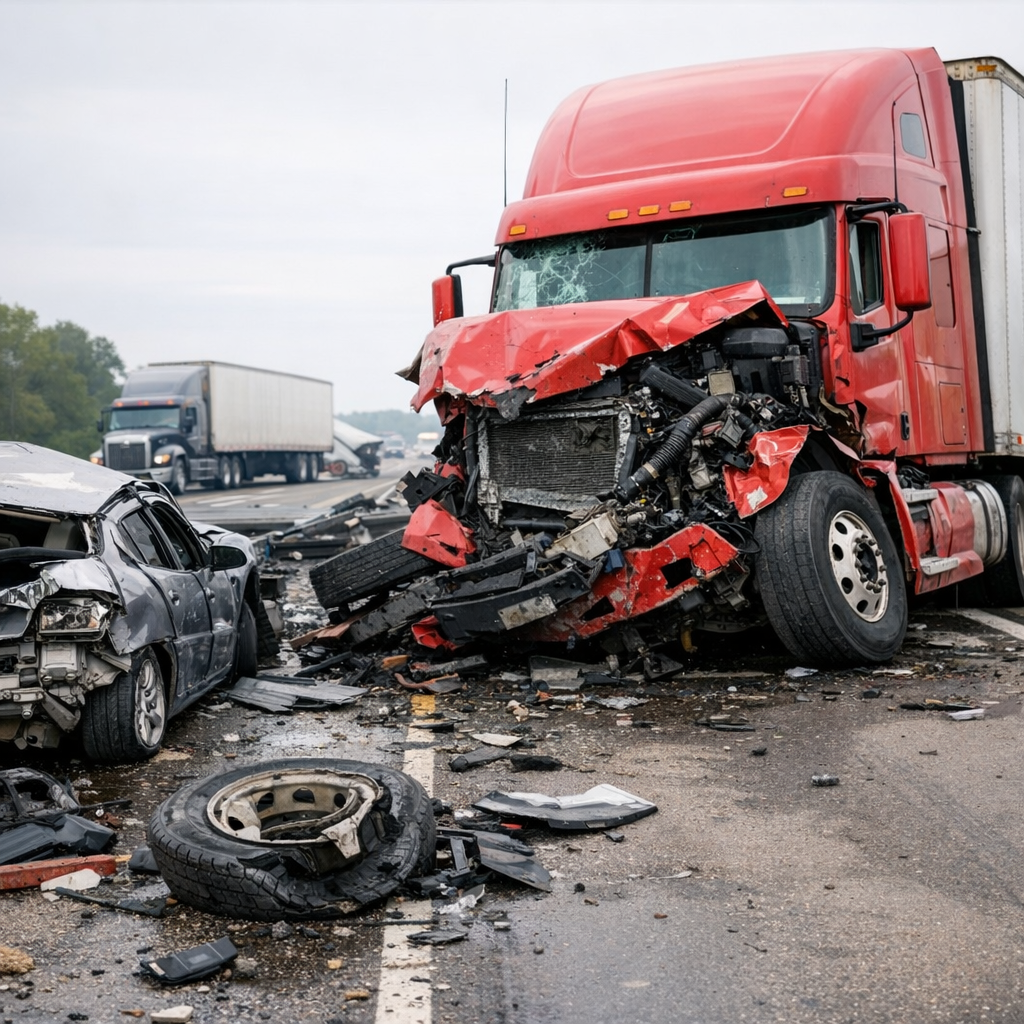
Many people wonder why big rig crashes severe consequences compared to typical vehicle accidents. This curiosity often arises from hearing about truck accidents in the news and seeing the dramatic damage these incidents can cause. The combination of large vehicles, heavy loads, and high speeds naturally leads to questions about the nature and severity of these accidents. Understanding the factors at play helps clarify why these events tend to be more impactful.
The Physical Characteristics of Big Rigs
Big rigs, also known as tractor-trailers or semi-trucks, are large commercial vehicles designed to transport goods over long distances. Their size and weight are fundamental reasons why accidents involving them are often more severe. These trucks can weigh up to 80,000 pounds when fully loaded, which is significantly heavier than the average passenger vehicle weighing around 4,000 pounds.
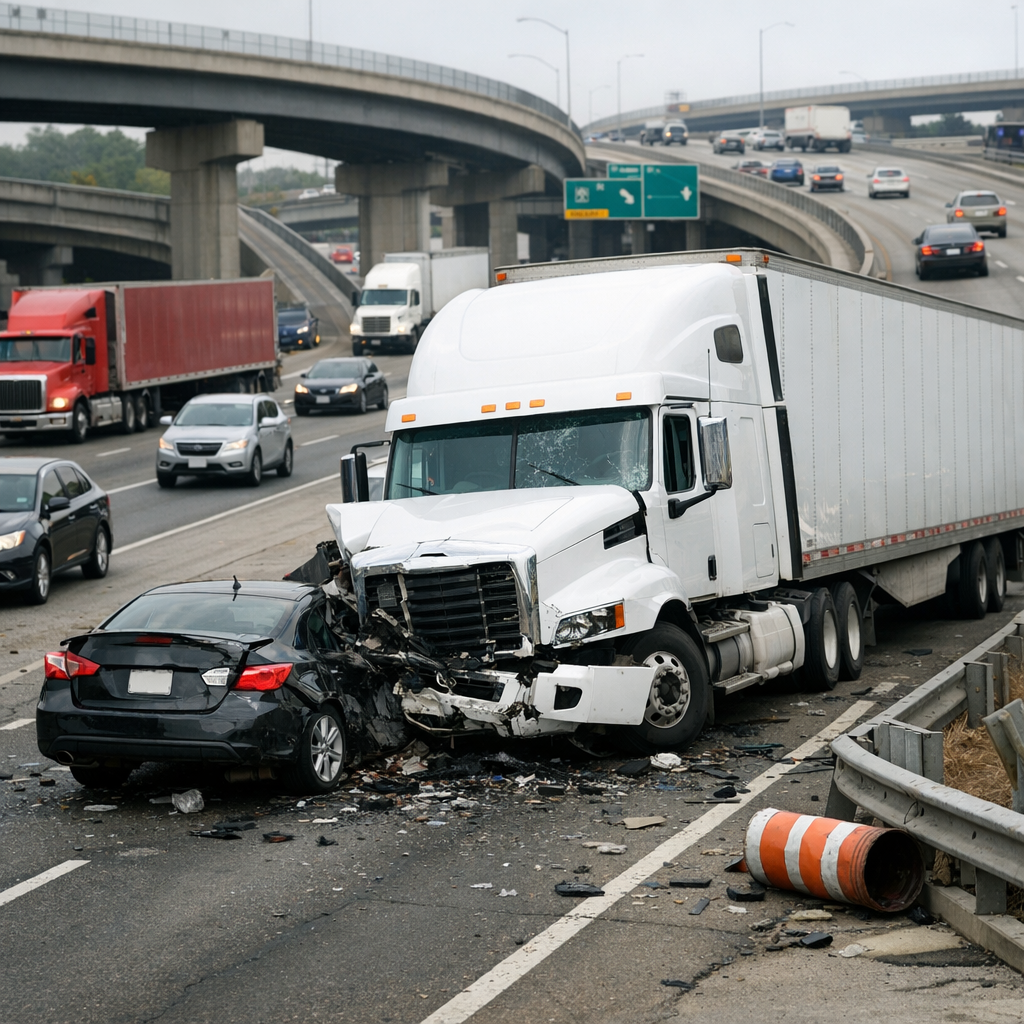
When a collision occurs, the sheer mass of a big rig means it carries a tremendous amount of kinetic energy. This energy is transferred during a crash, often causing far more destruction to smaller vehicles involved. The laws of physics mean that the force exerted by a large truck in a collision results in higher impact speeds on other vehicles, magnifying the severity of injuries and damage.
Impact on Occupants of Smaller Vehicles
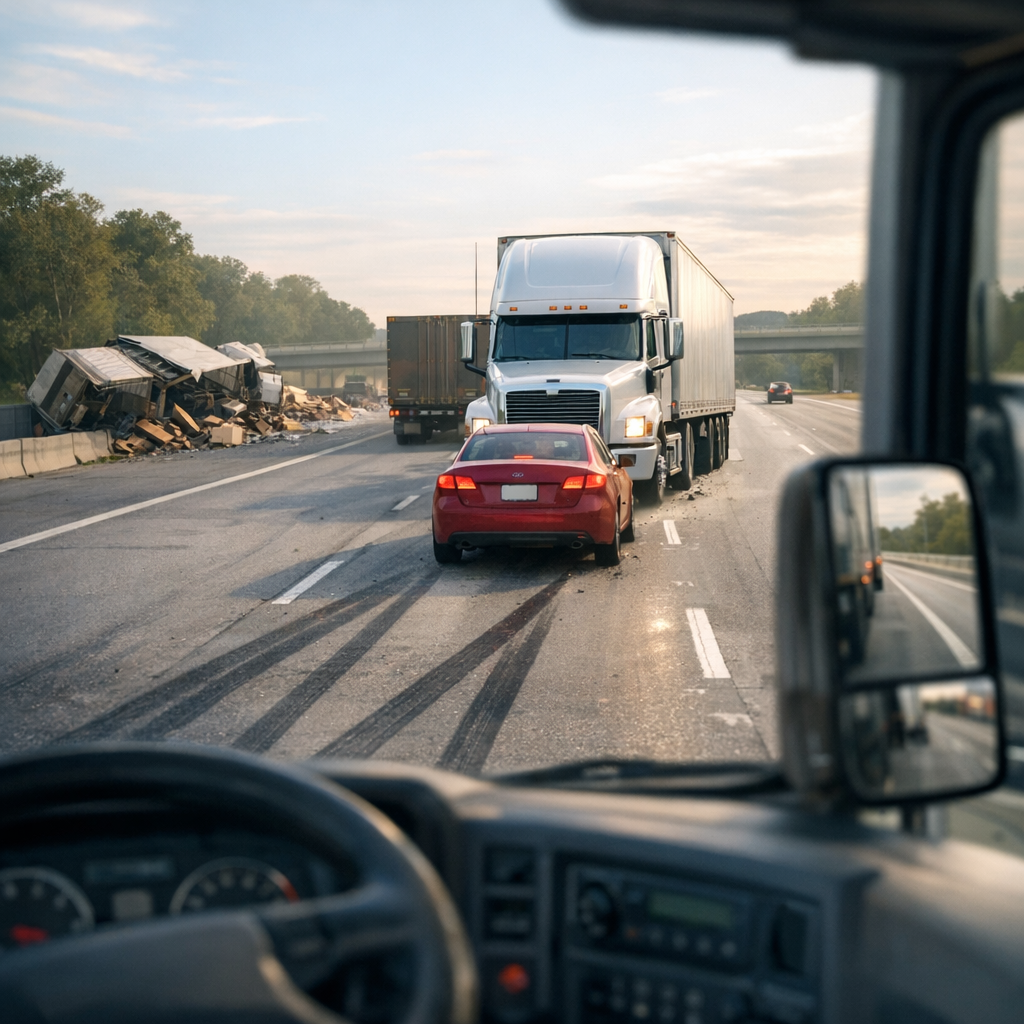
A critical factor in big rig accidents is the vulnerability of occupants in smaller cars, trucks, or motorcycles. Passenger vehicles are not built to withstand collisions with massive trucks. The disparity in size and weight means that even relatively low-speed crashes can lead to severe injuries or fatalities. The elevated position of truck drivers also allows them somewhat more protection in crashes, whereas occupants of smaller vehicles face direct, forceful impacts.
The design elements of cars, such as crumple zones and airbags, only offer limited protection against such massive forces. Additionally, there is usually a lack of space for smaller vehicles to absorb the impact energy safely, which increases the risk of intrusion into the passenger compartment.
Contributing Factors to Collision Severity
Several additional factors contribute to why big rig accidents are more severe. First, these trucks often carry heavy or hazardous cargo, which can exacerbate the situation if spilled or ignited during a crash. The aftermath of such accidents may involve fires, explosions, or toxic exposures, complicating rescue and recovery efforts.
Second, the stopping distances for big rigs are considerably longer than those for smaller vehicles. A fully loaded truck may take hundreds of feet to come to a complete stop. This limitation means that rear-end collisions and sudden stops can result in crashes that are difficult to avoid and severe in impact.
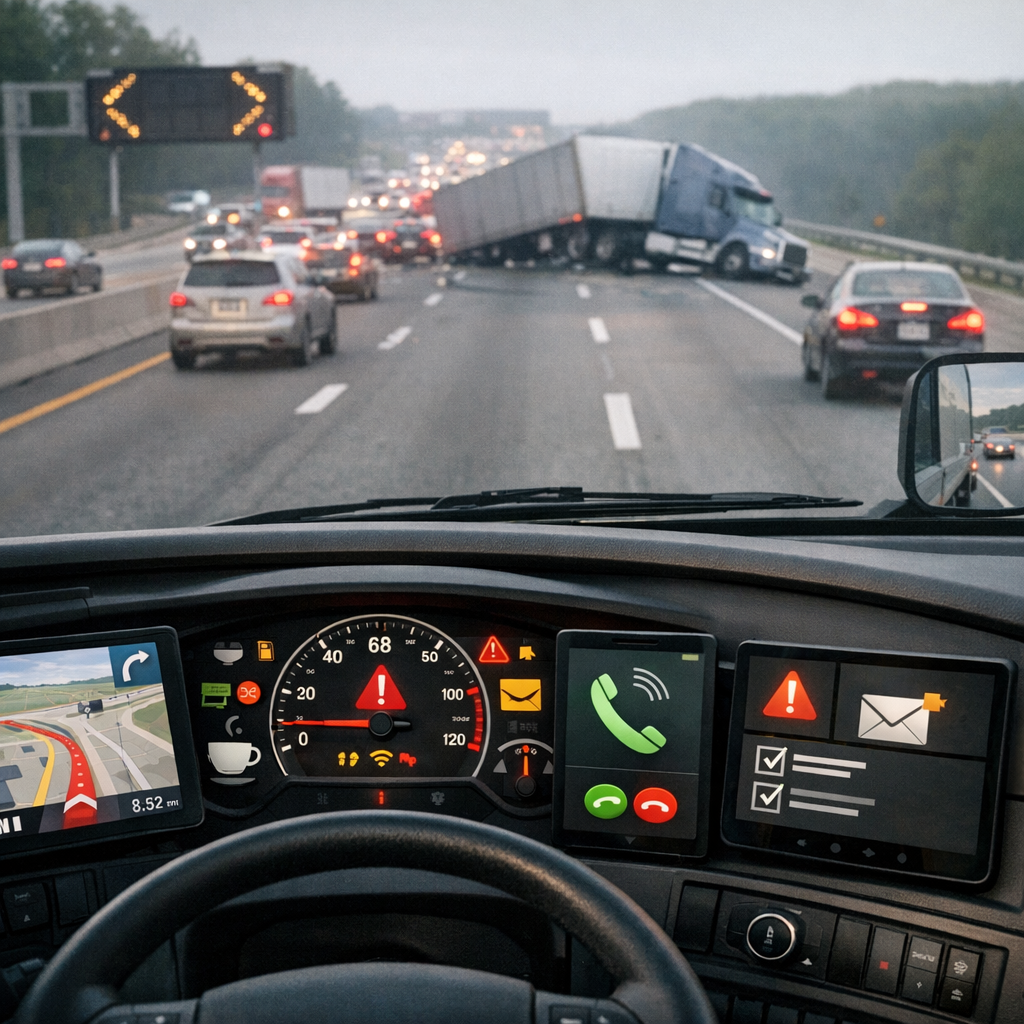
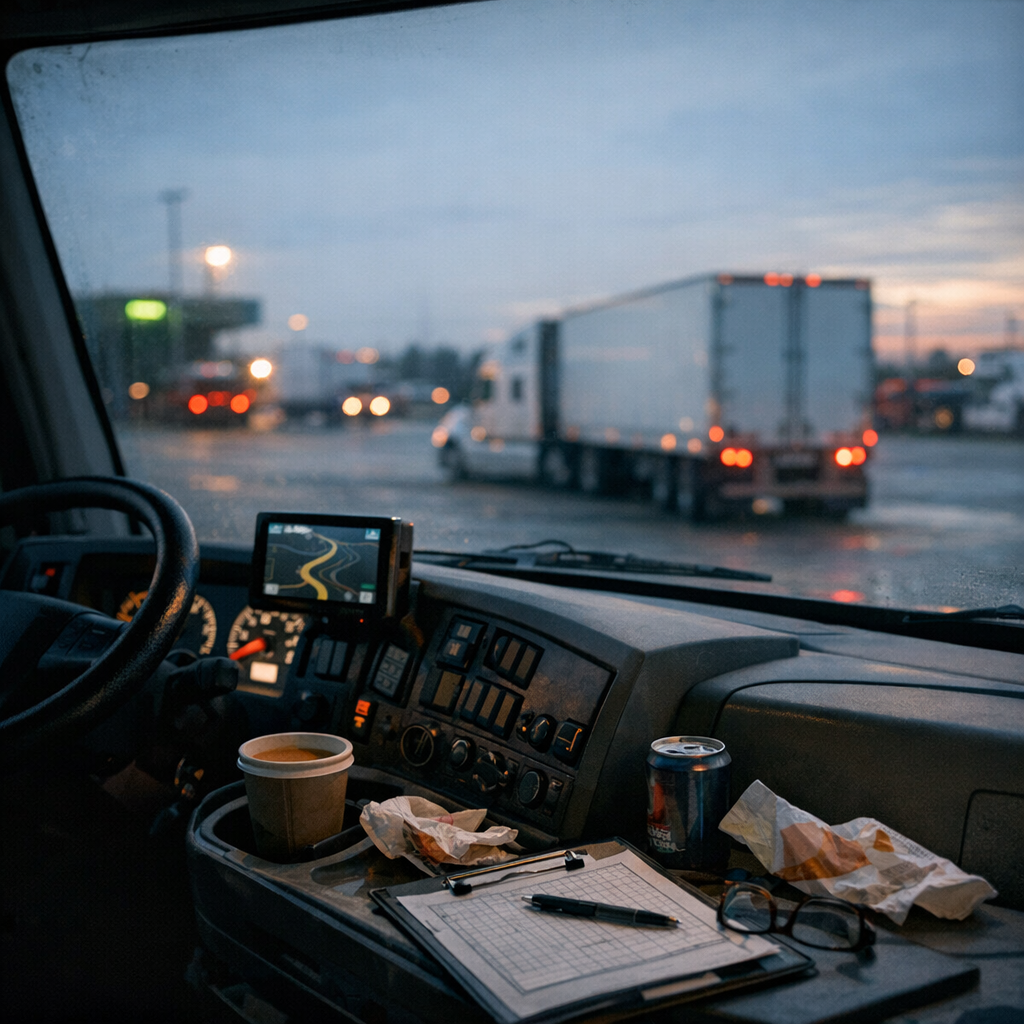
Third, driver fatigue or long hours behind the wheel can influence truck accidents. While this is not directly related to the physical severity of crashes, it affects the likelihood of incidents occurring, sometimes at high speeds or under challenging conditions.
Common Misunderstandings About Severity
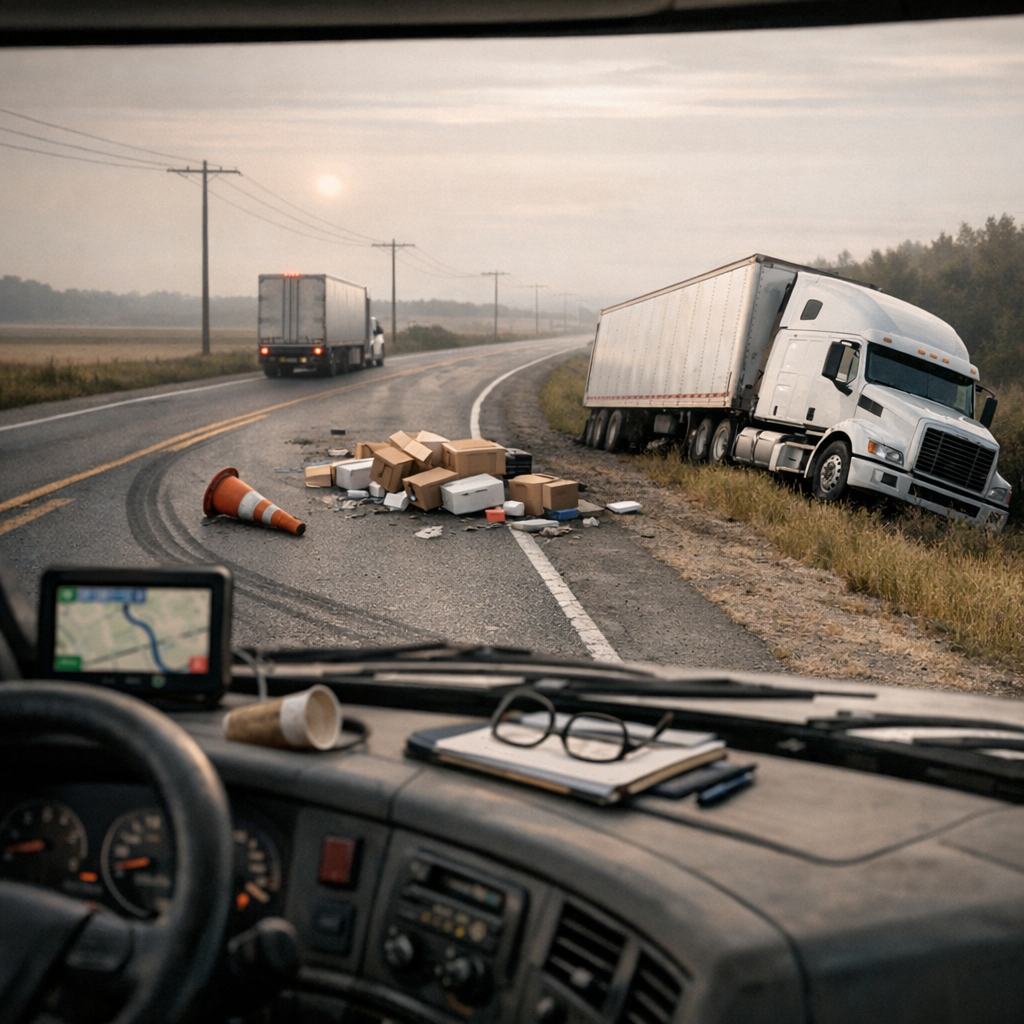
Many people might assume that the severity of big rig collisions is solely due to the trucks’ large size. While size is a major factor, other elements such as crash dynamics, road conditions, and vehicle maintenance also play important roles. For example, improper loading can cause a truck to become unstable or have shifting cargo, leading to rollovers or loss of control.
Moreover, the mechanical complexity of big rigs means that failures in braking systems or tires can increase the severity of accidents. Most people might overlook these technical aspects, not realizing how crucial proper maintenance is in preventing catastrophic outcomes.
Broader Implications and Safety Measures
Understanding why big rig crashes severe damage highlights the importance of ongoing safety measures in the trucking industry. Enhanced driver training, improved vehicle technology, and stricter regulations help mitigate some of the risks associated with these large vehicles. Innovations such as automatic emergency braking systems and electronic stability control are gradually improving safety for all road users.
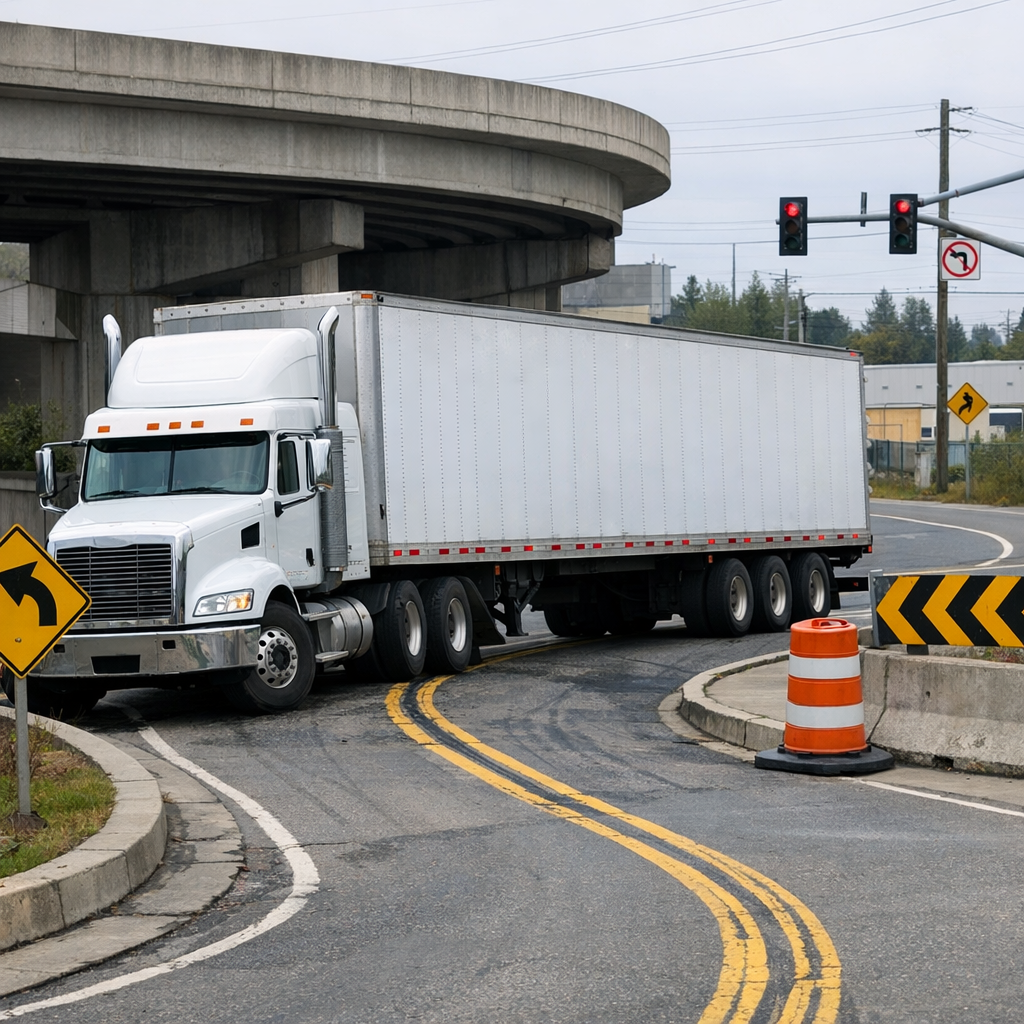
Infrastructure design also plays a role. Roads, bridges, and highways designed with big rigs in mind can reduce the likelihood and impact of accidents. For instance, separate lanes for trucks or wider shoulders give drivers more room to maneuver and avoid collisions.
Reflecting on the Nature of Big Rig Collisions
Big rig accidents are often dramatic and destructive due to a combination of physical, mechanical, and human factors. Their substantial size and weight inherently increase the forces involved in a collision, while the vulnerability of other road users adds to the potential for severe outcomes. Additional considerations like cargo type and vehicle maintenance contribute to the overall picture.
By examining these elements together, it becomes clearer why crashes involving big rigs tend to be more severe than typical vehicle accidents. Recognizing these complexities can foster a more balanced perspective on road safety challenges associated with large commercial vehicles.