Big Rig Collision While Traffic Patterns Changed
Traffic pattern changes can create unexpected challenges for drivers, especially for large vehicles such as big rigs. When a big rig collision occurs in these situations, the consequences can be intricate due to the size of the vehicles and the altered roadway conditions.
Understanding what typically unfolds during a big rig traffic pattern crash helps shed light on the dynamics involved and the aftermath that follows.
How Traffic Pattern Changes Affect Big Rig Drivers
Adjusting to New Lane Configurations
Traffic pattern changes often involve lane closures, detours, or lane shifts. For big rig drivers, adjusting to these shifts requires increased attention and careful maneuvering. The size and weight of these vehicles limit their ability to make quick stops or sudden lane changes.
Reduced Visibility and Reaction Time
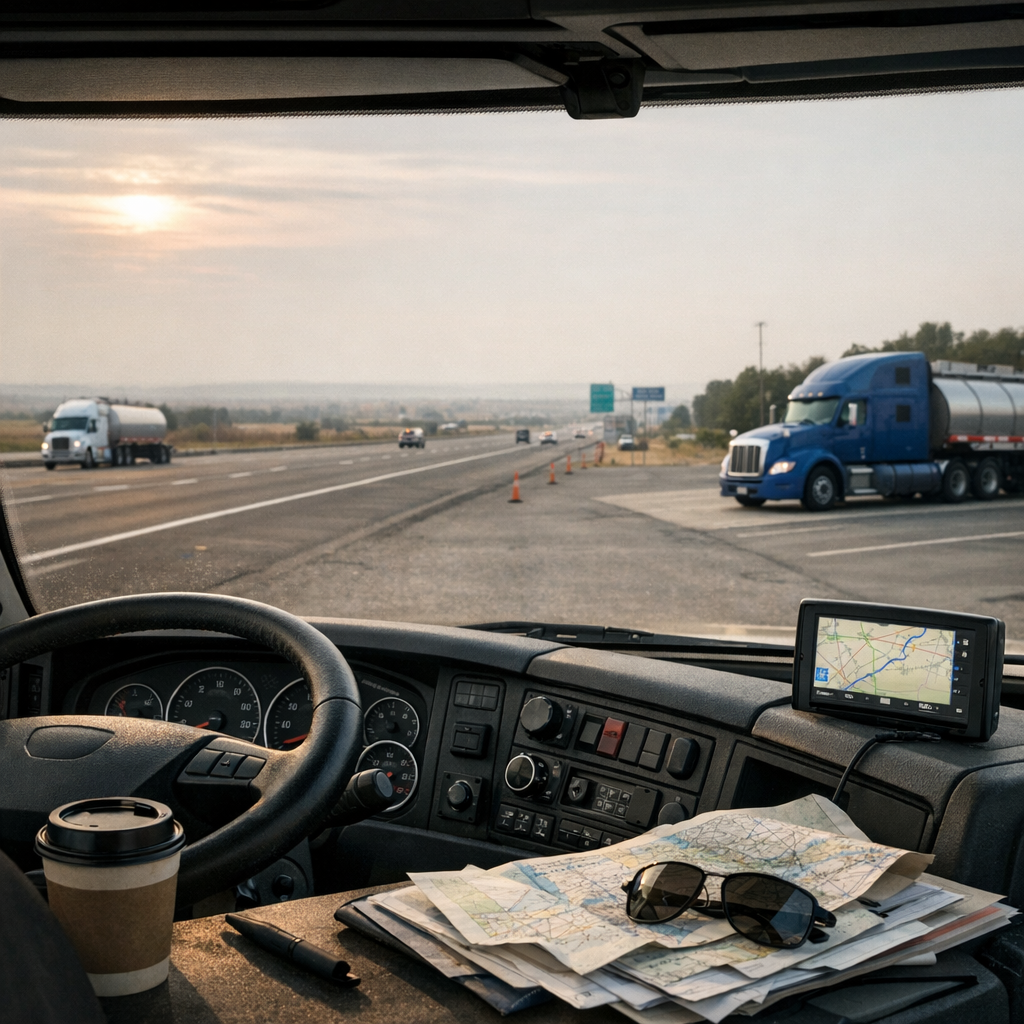
Construction zones or temporary barriers can reduce visibility, making it harder for big rig drivers to see obstacles or other vehicles. This, combined with unfamiliar traffic flow, can increase the likelihood of collisions during pattern changes.
Common Circumstances in Big Rig Traffic Pattern Crashes
Merging and Lane Shifts
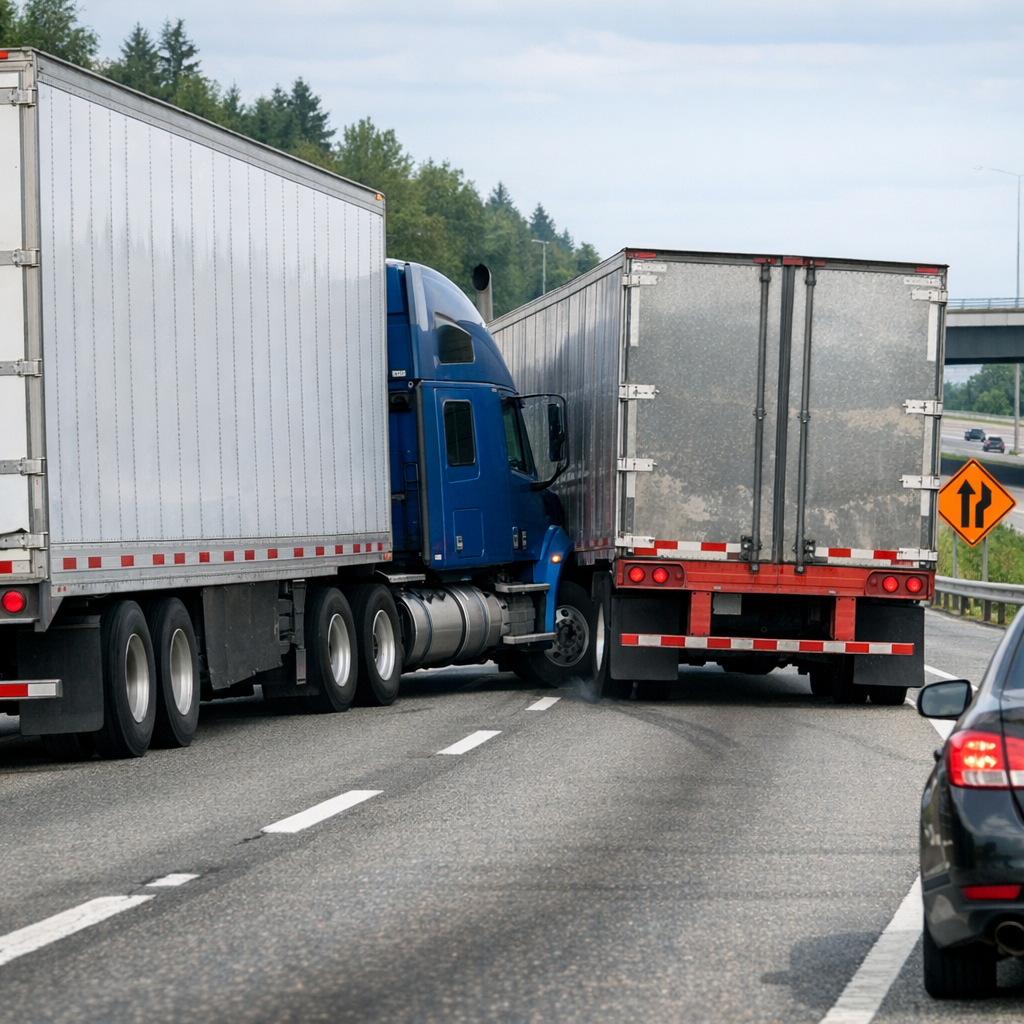
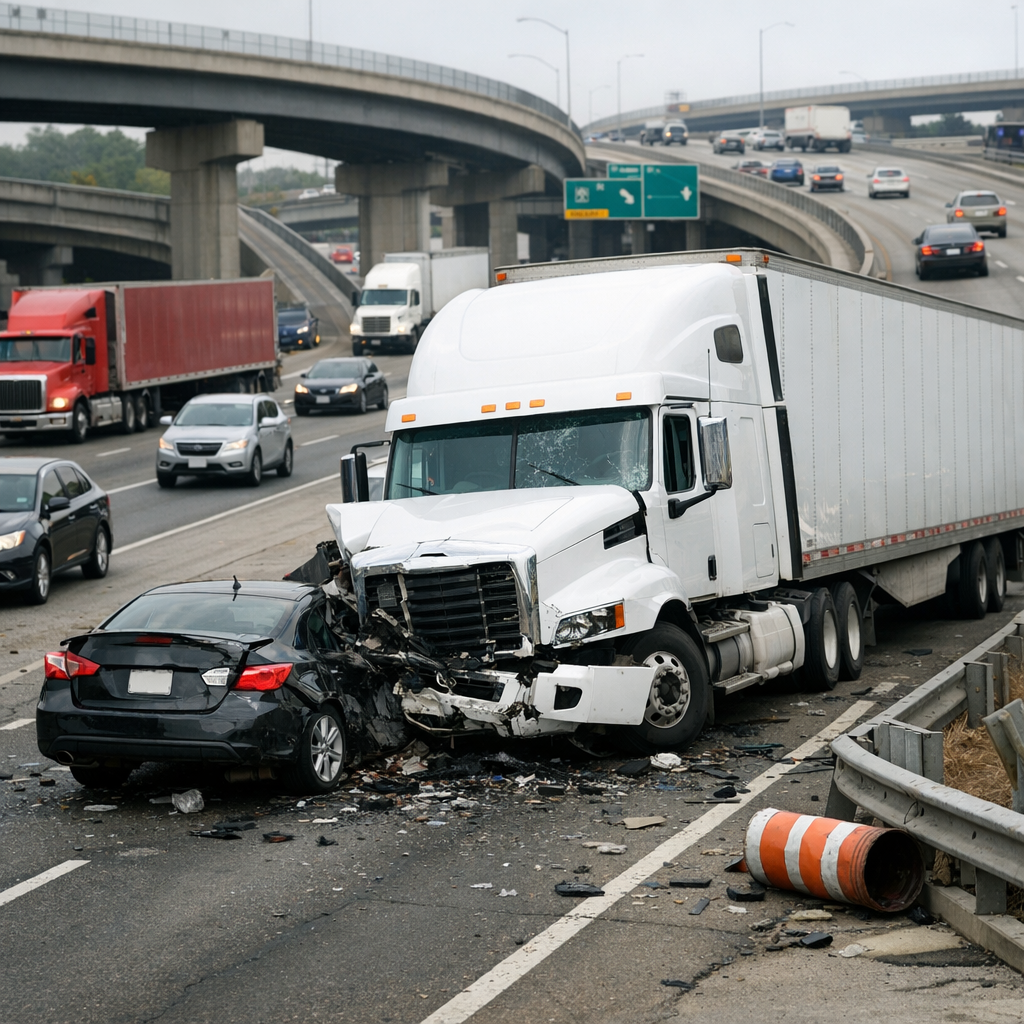
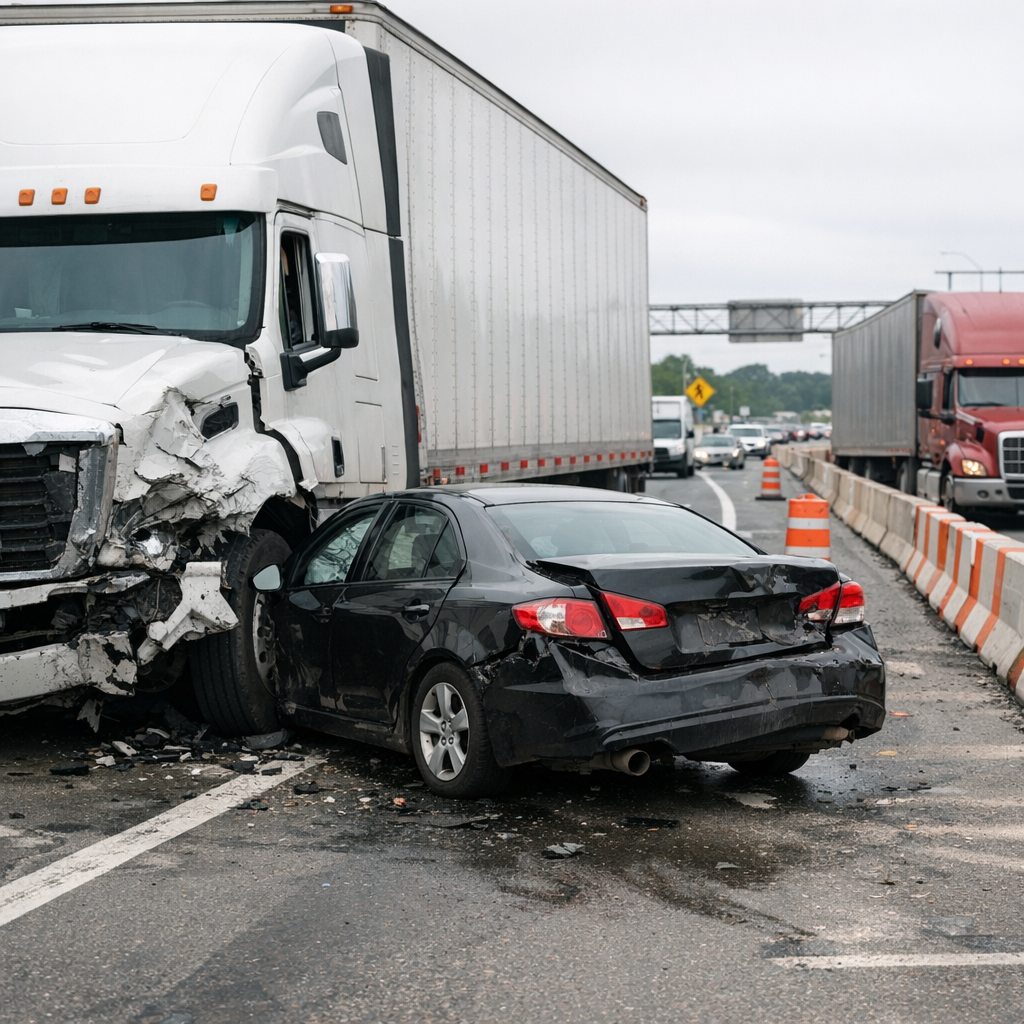
One frequent scenario involves a big rig needing to merge into a new lane ahead of lane closures. Misjudging speed or spacing can lead to sideswipes or rear-end collisions with other large vehicles or smaller cars.
Sudden Stops and Traffic Backup
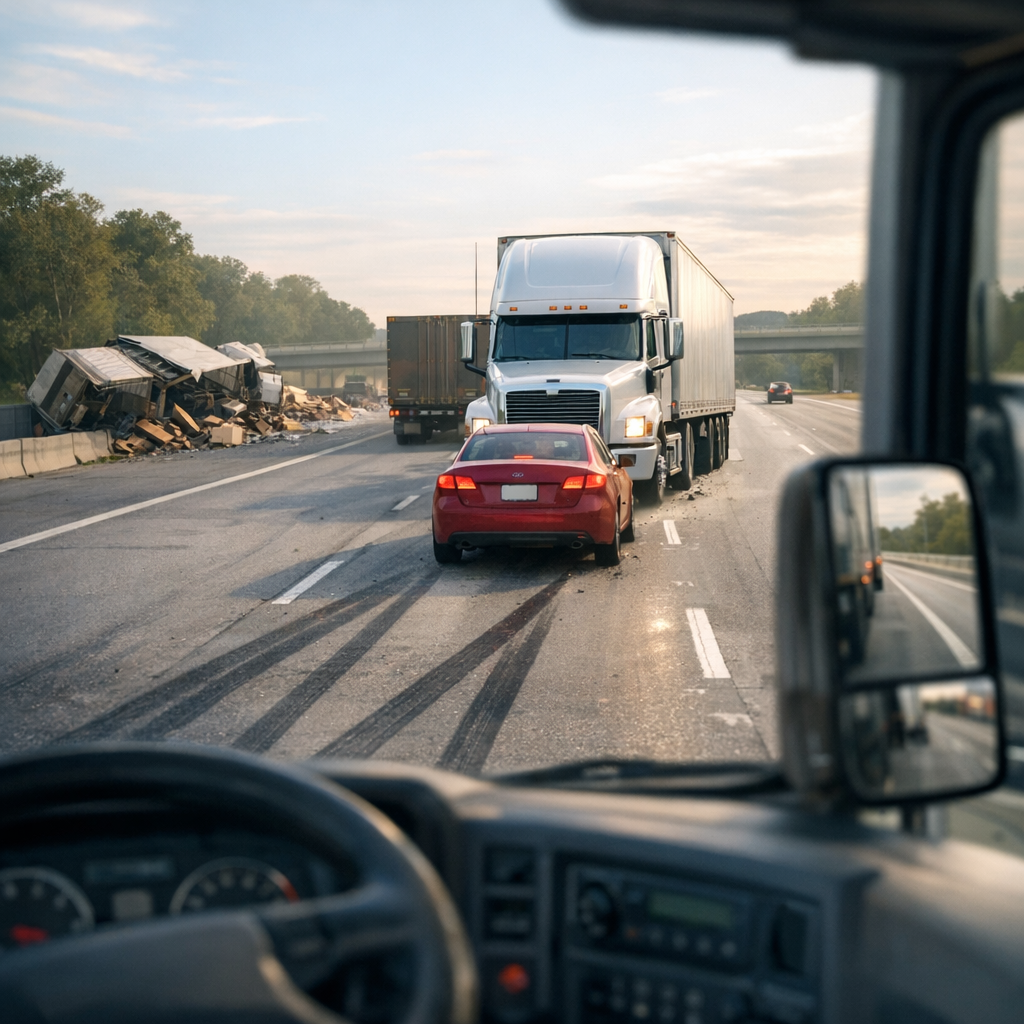
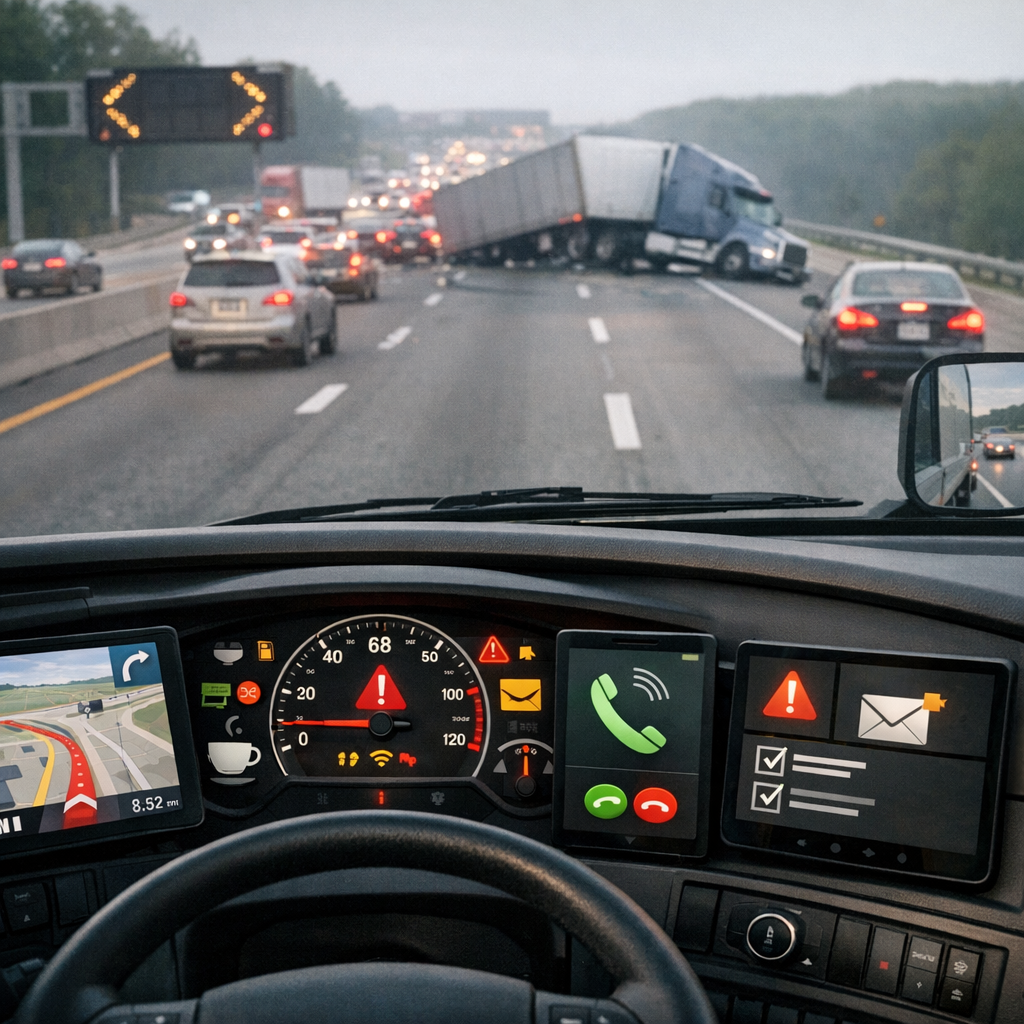
Altered traffic patterns often cause slower movement and stop-and-go traffic. Big rigs require more distance to stop, so sudden traffic reductions may result in crashes if adequate space is not maintained.
Physical and Practical Outcomes Following a Collision
Vehicle Damage and Roadway Obstruction
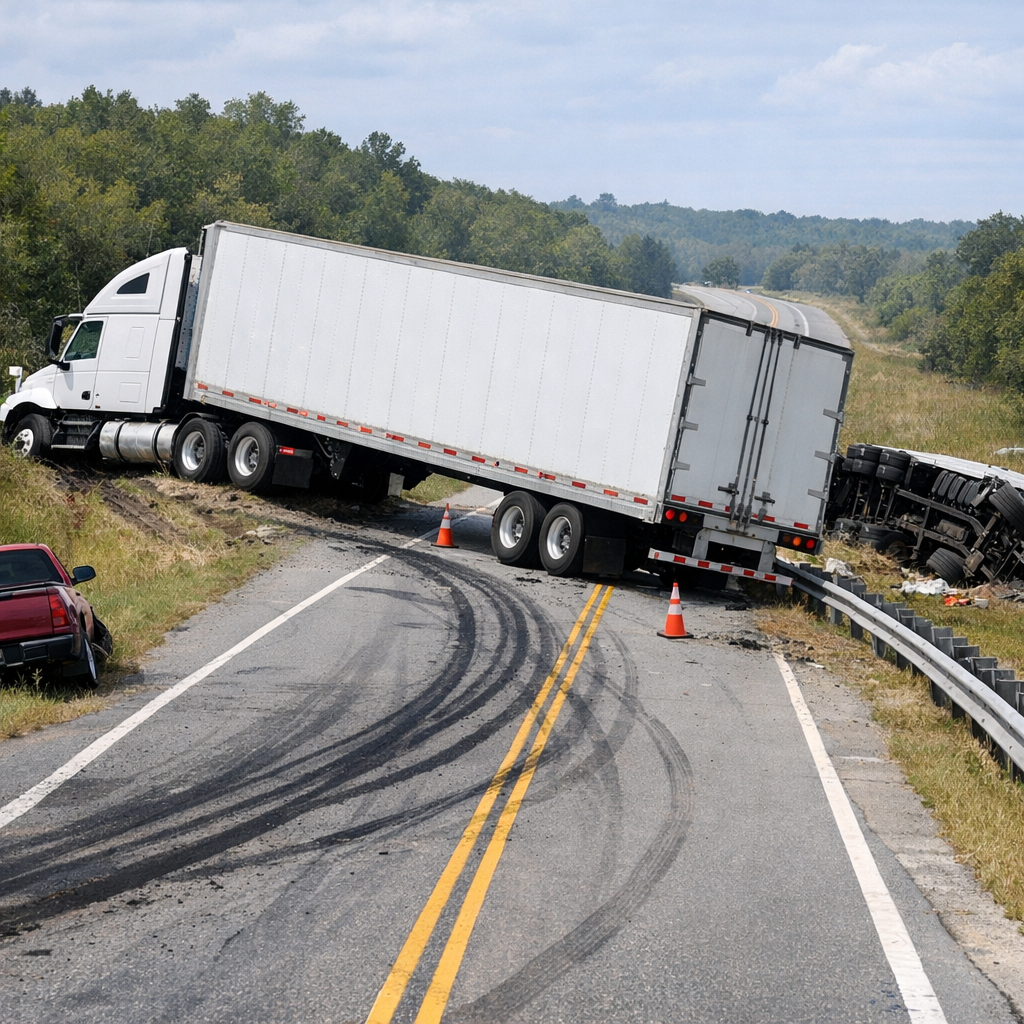
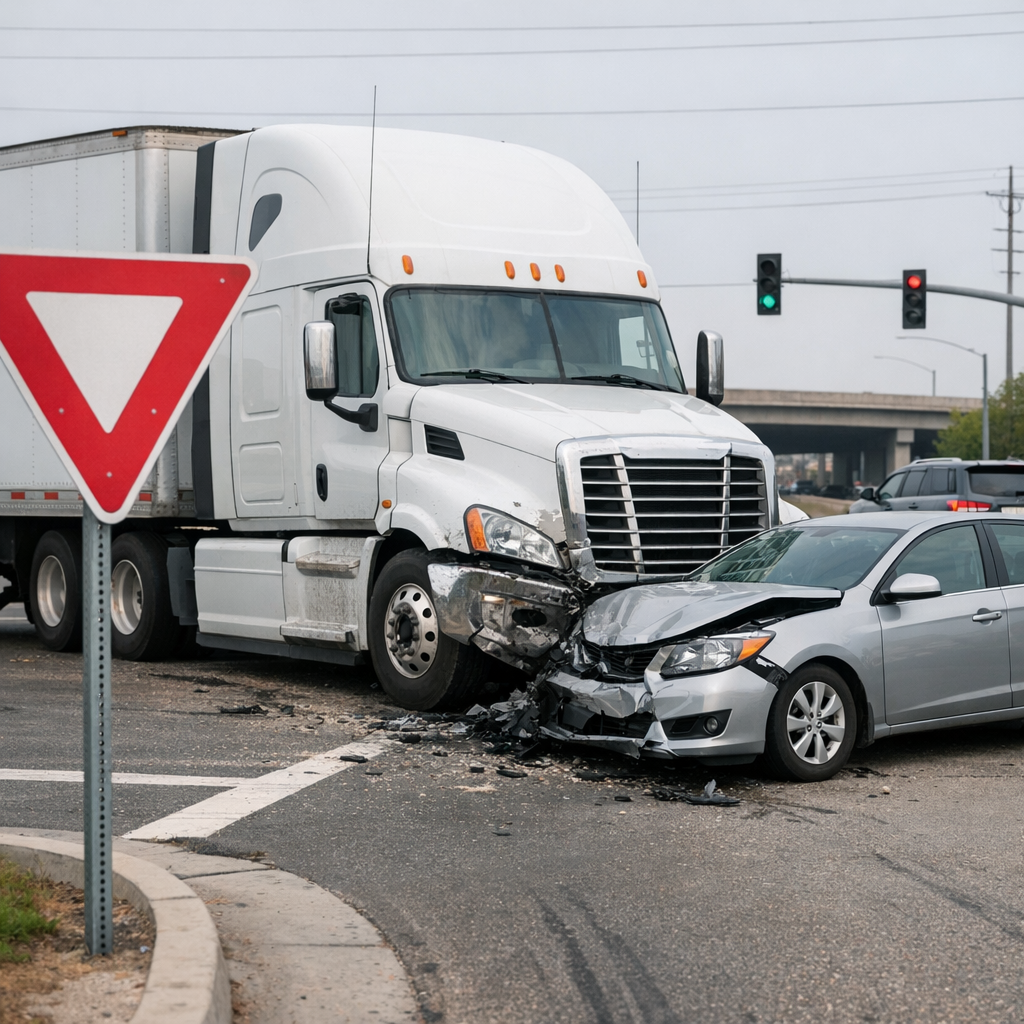
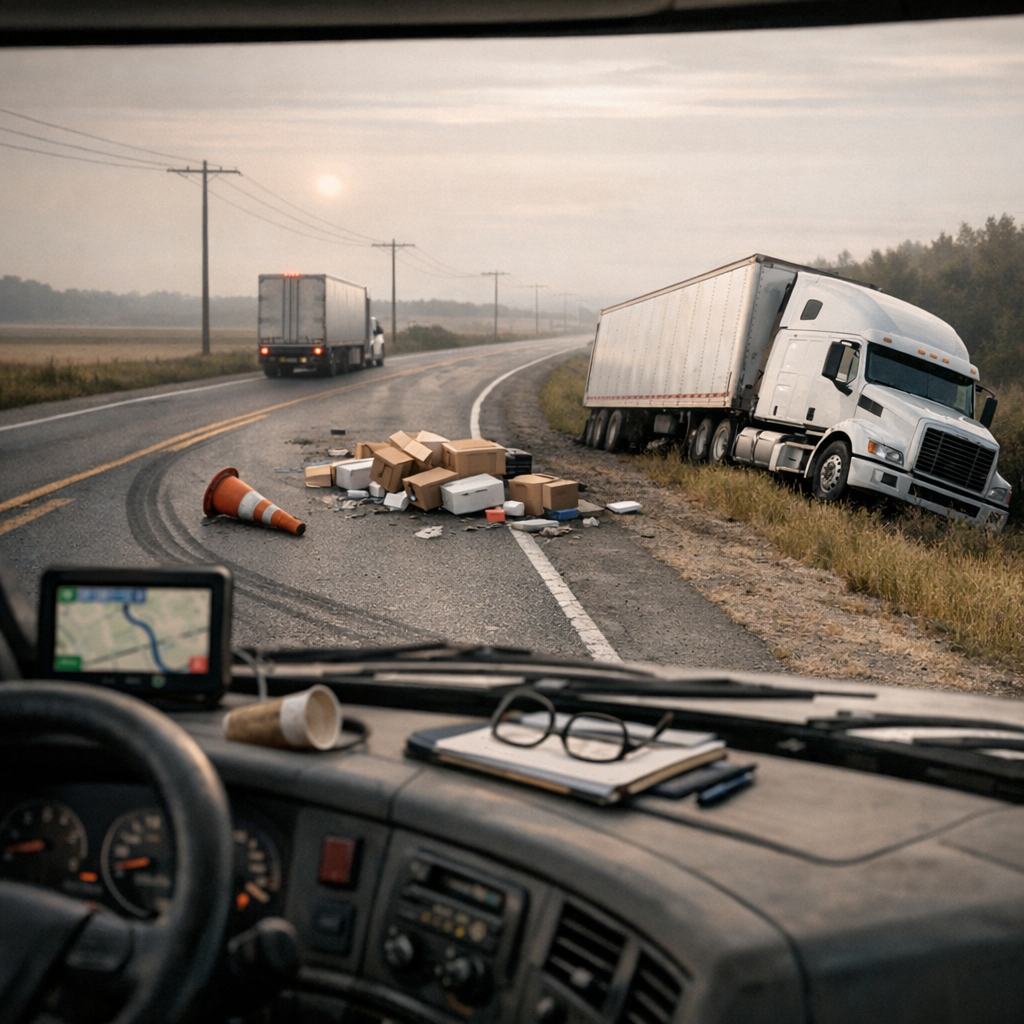
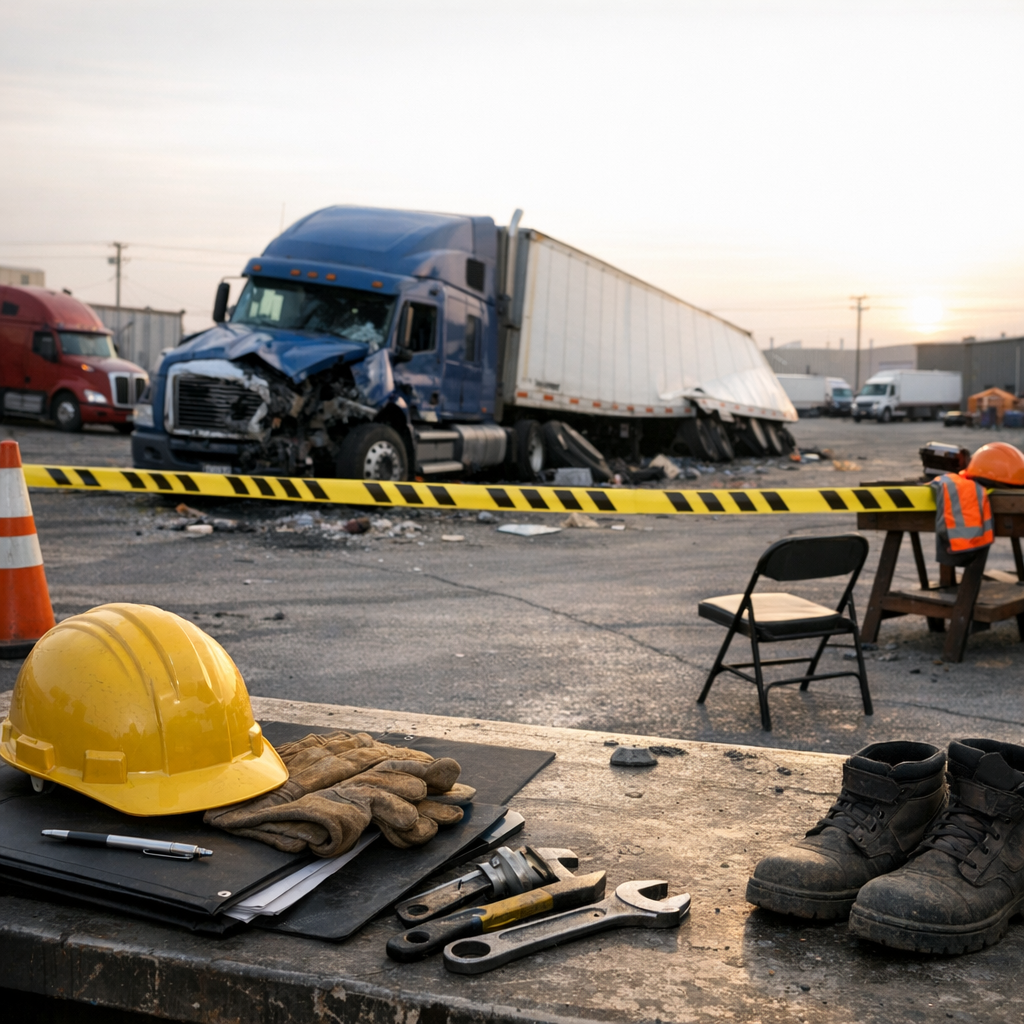
Big rigs involved in collisions can sustain significant damage, often leading to debris scattered across the roadway. Due to their large size, these vehicles can obstruct multiple lanes, contributing to traffic delays.
Impact on Traffic Flow and Delays
Crashes during traffic pattern changes typically lead to extended congestion. Detours and reduced lanes compound delays as authorities work to clear the scene and manage directional flow.
Concerns About Safety and Prevention
How Are Drivers Alerted to Pattern Changes?
Signage, road markings, and flaggers are commonly used to notify drivers of new traffic patterns. However, the effectiveness depends on visibility, driver attentiveness, and timing of information before the altered section.
What Challenges Do Big Rig Drivers Face Compared to Other Vehicles?
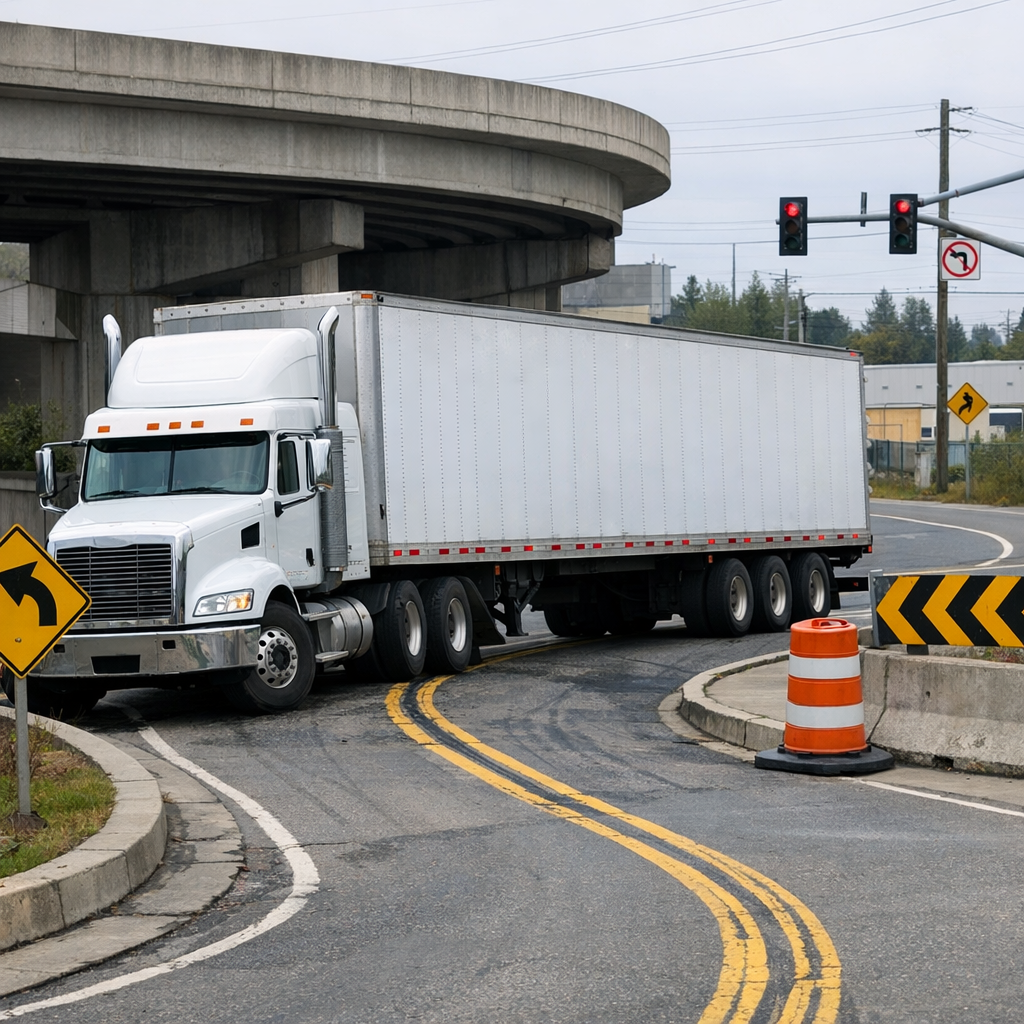
Due to their length and weight, big rigs cannot quickly adapt to sudden stops or sharp turns. Blind spots are larger, and the turning radius is wider, increasing the complexity of navigating altered patterns safely.
Aftermath Considerations Related to Traffic and Emergency Response
How Emergency Vehicles Access the Scene
The presence of big rigs and altered lanes may limit the ability of emergency responders to reach crash sites promptly, potentially extending scene clearance times.
Strategies for Traffic Control Post-Collision
Authorities may implement temporary closures, reroutes, or lane reductions to manage the crash site. These measures aim to balance safety with the restoration of traffic flow.
Understanding the Impact of Big Rig Crashes in Changing Traffic Environments
Big rig collisions during shifts in traffic patterns highlight the importance of clear communication and cautious driving from all road users. These incidents often involve complex scenarios due to vehicle size and altered traffic conditions.
While such crashes can disrupt roadways and require careful management, awareness and adherence to traffic instructions remain crucial in reducing risks. Observing posted signs and maintaining safe distances contribute to safer outcomes when navigating changed traffic setups.