Semi Truck Failed to Adjust Speed in Congestion
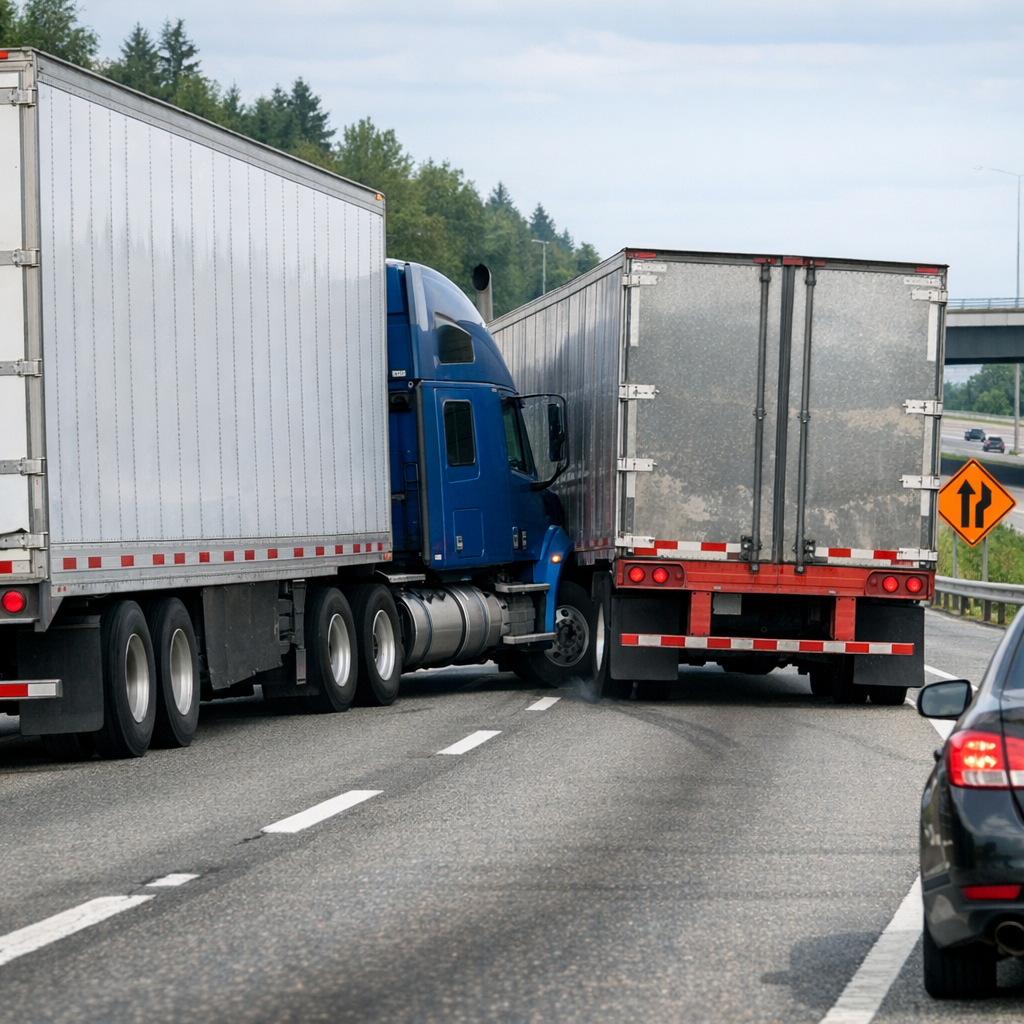
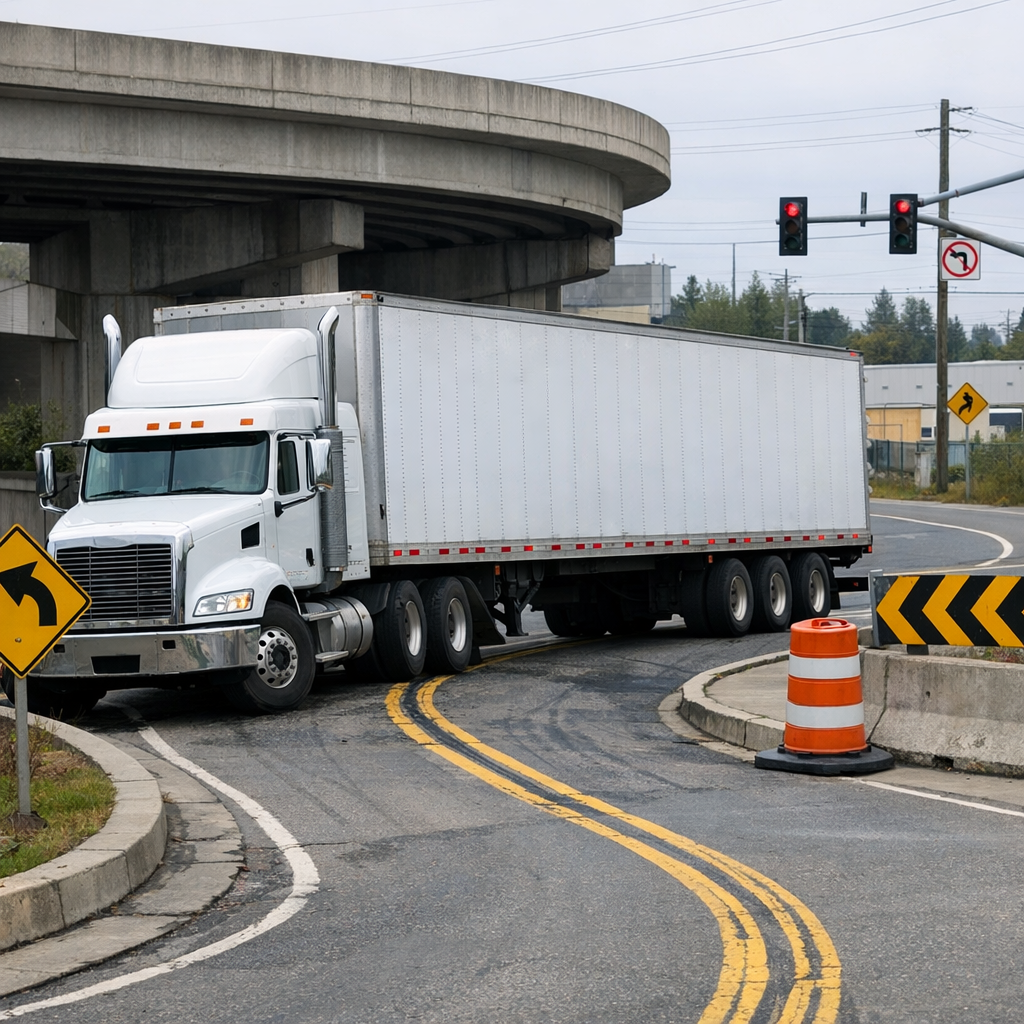
Traffic congestion often requires drivers to carefully monitor and adjust their speed. When a semi truck fails to do so, it can lead to complex situations on the road. This article examines the typical progression of incidents involving a semi truck not slowing down during congested traffic and the aftermath that follows.
What Happens When a Semi Truck Does Not Adjust Speed
Large commercial vehicles like semi trucks have different handling dynamics compared to smaller passenger cars. In congested traffic, the need for reduced speed is critical to maintain safe distances and prevent collisions. When a semi truck driver fails to decrease speed adequately, it raises the risk of sudden braking or rear-end crashes.
Factors Contributing to Speed Adjustment Failures
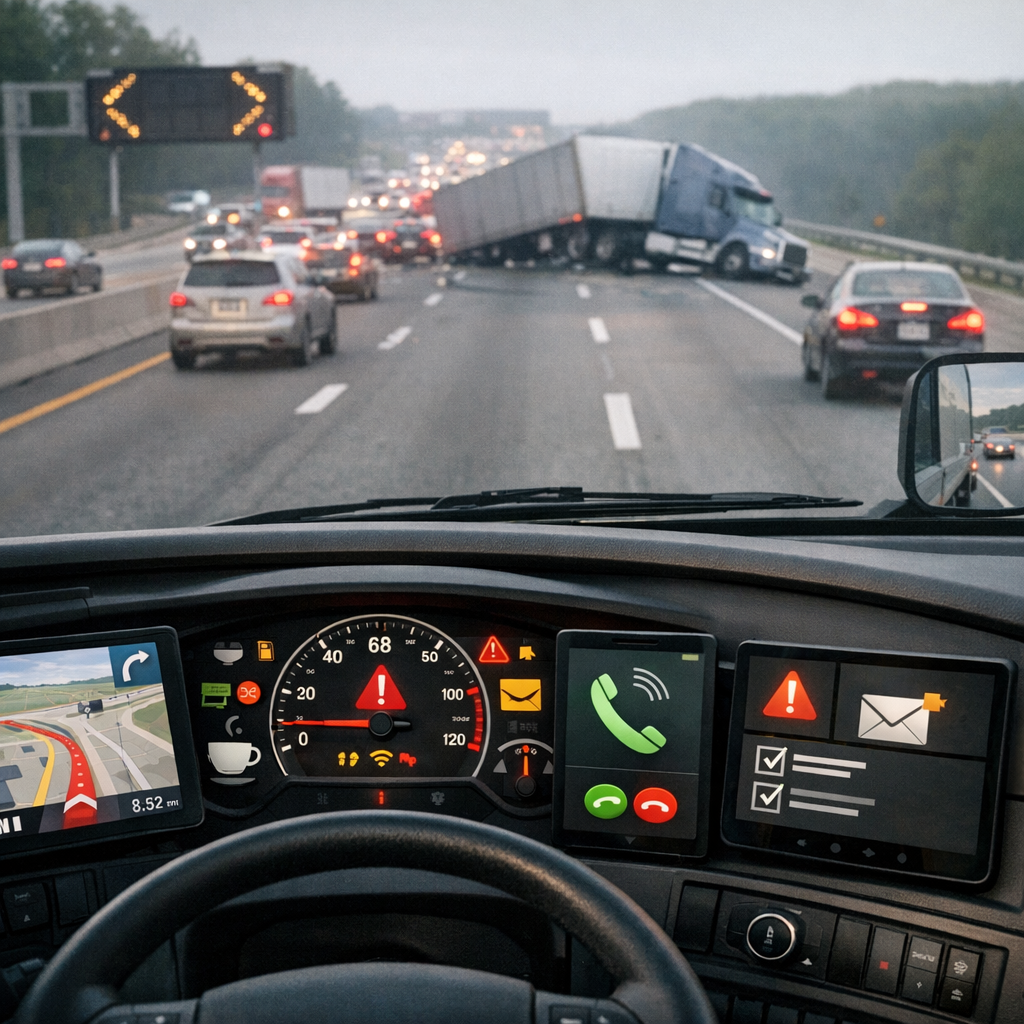
Several factors can contribute to a semi truck driver’s inability or failure to adjust speed. These can include limited visibility due to size, mechanical issues affecting braking, or inattentiveness caused by fatigue or distractions. Additionally, the heavy mass of a semi truck means it requires more time and distance to reduce speed safely.
Common Situations Leading to Crashes
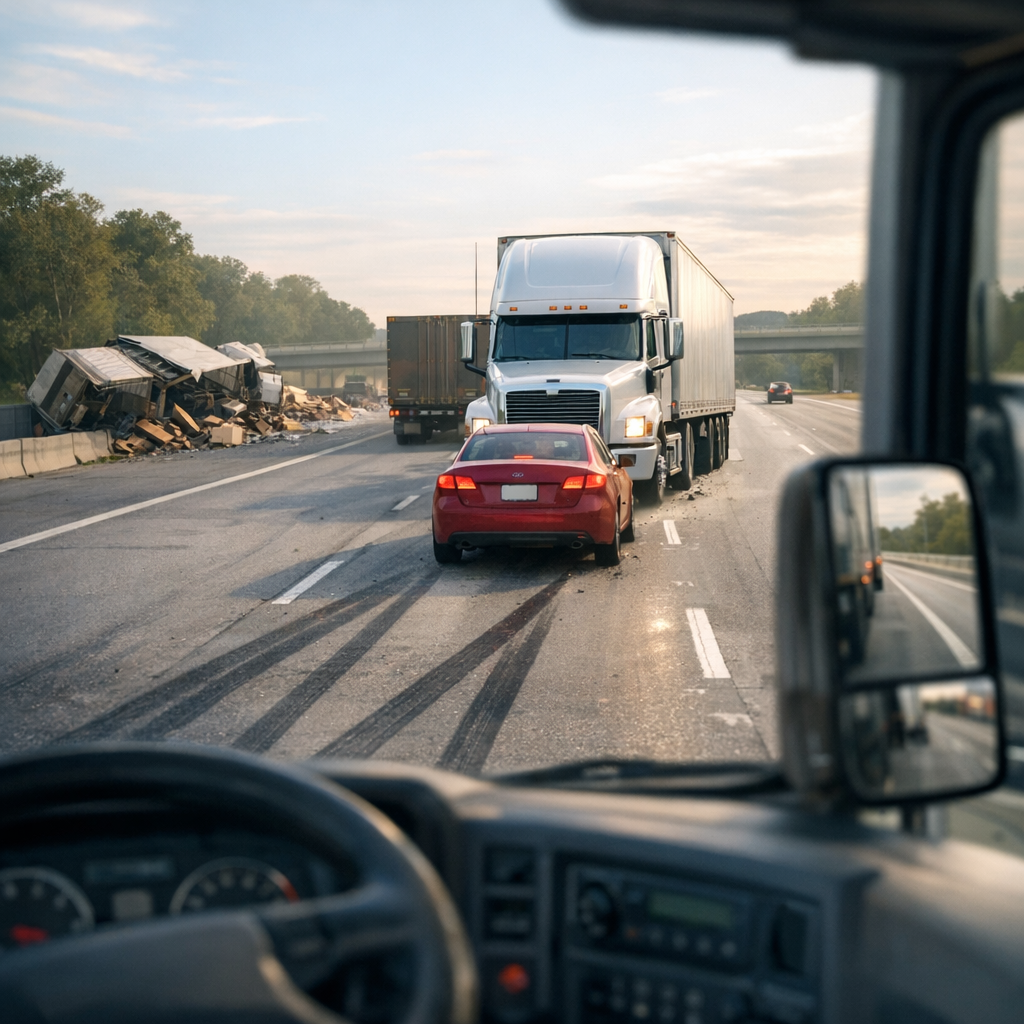
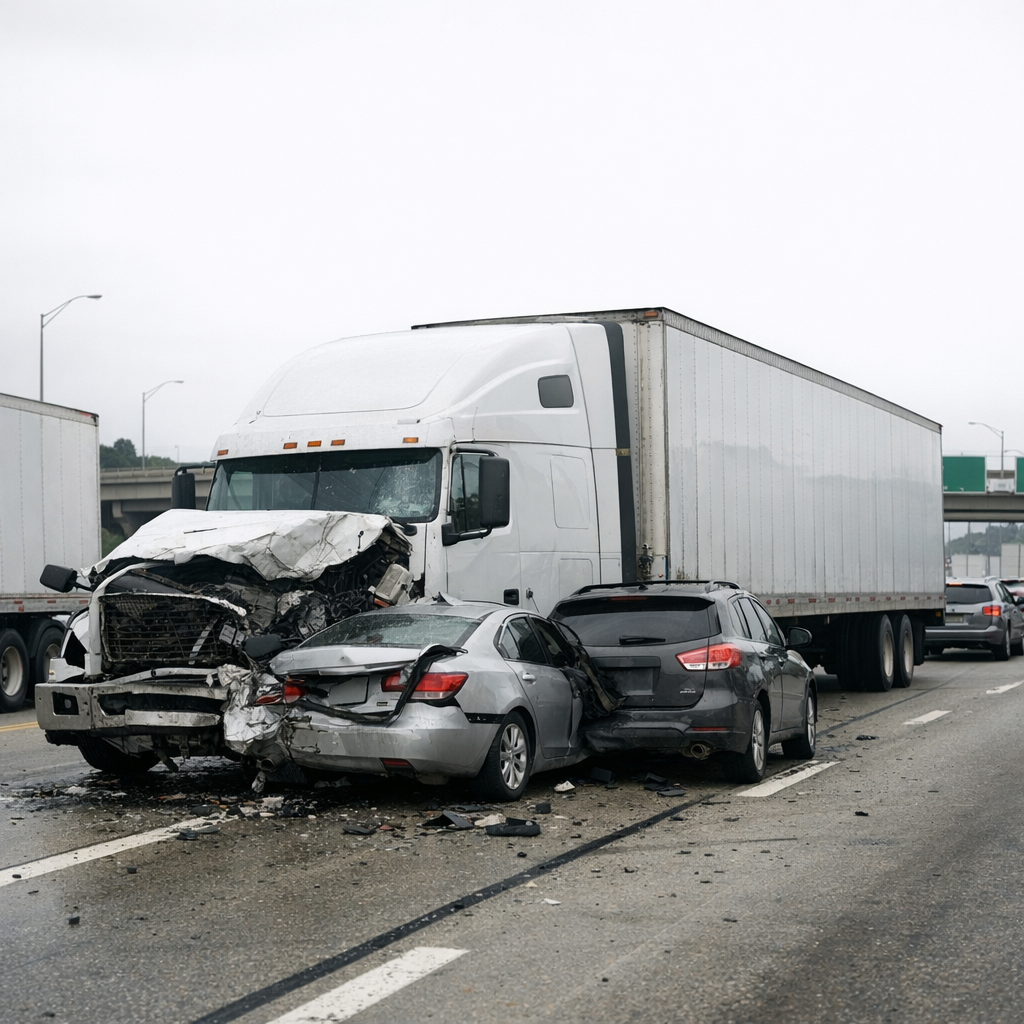
Congestion often leads to variable speeds among vehicles. When some vehicles slow down abruptly, a semi truck that does not respond quickly enough may collide with those ahead. The high momentum of these trucks increases the severity of impacts when speed adjustments are not appropriately managed.
Physical and Practical Outcomes Following a Semi Speed Adjustment Crash
Impact on the Vehicles Involved
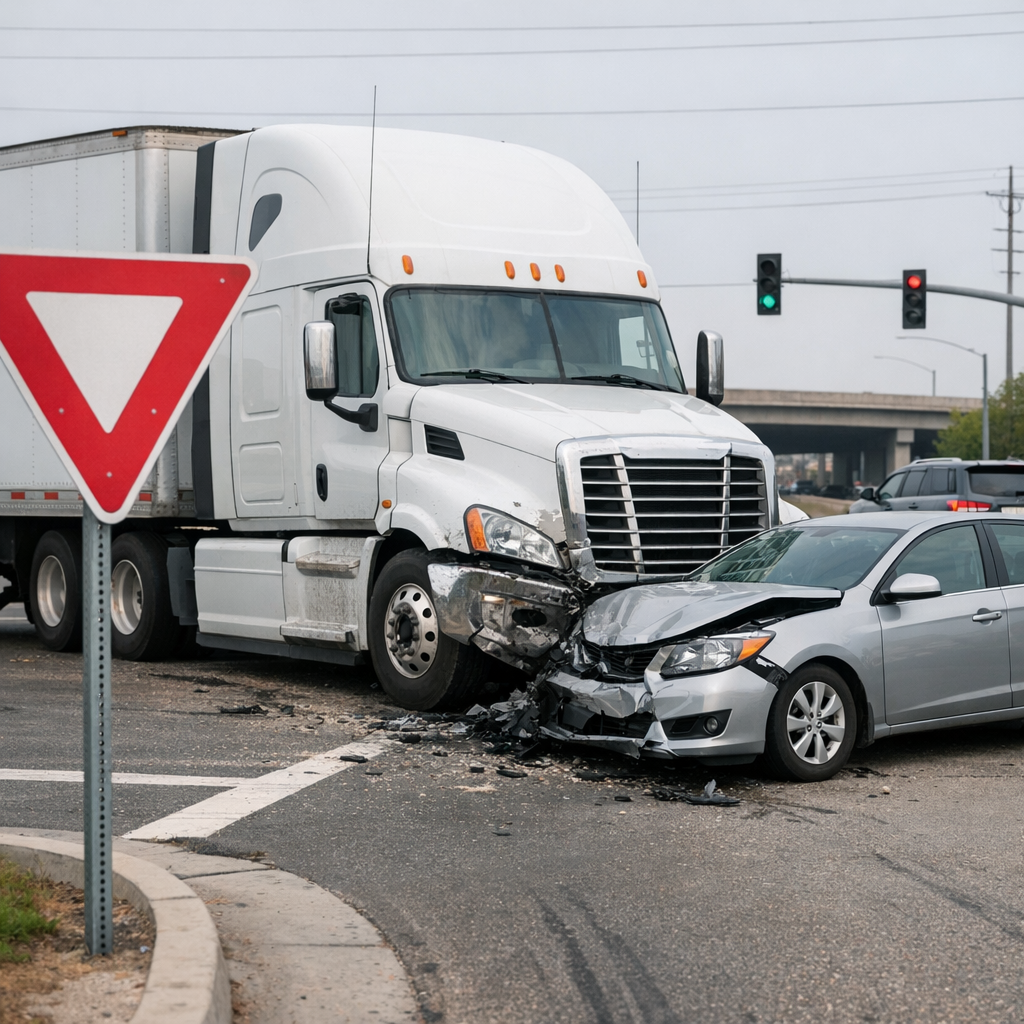
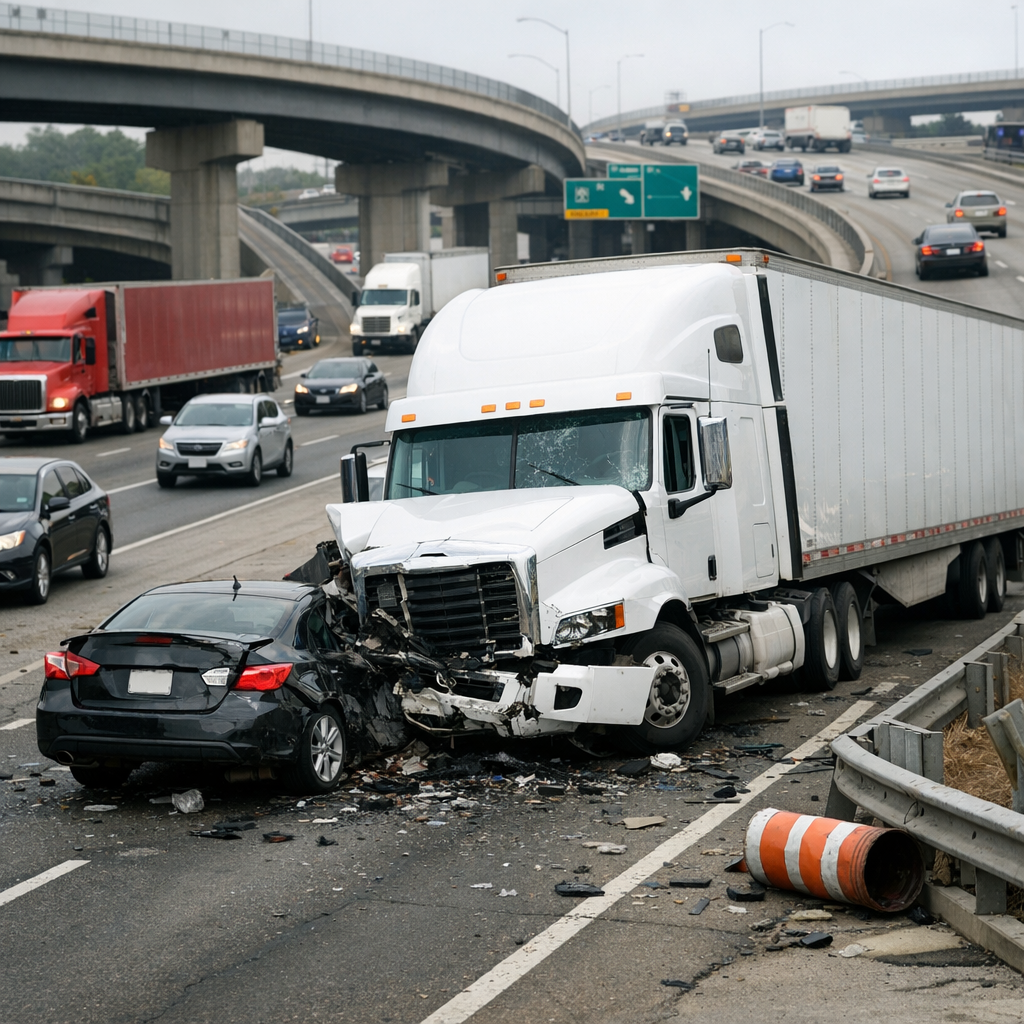
A semi truck’s collision caused by failure to adjust speed typically results in significant damage. The front of the truck may suffer damage to the bumper, grille, and headlights, while vehicles in front often experience rear-end damage. Due to the size and weight disparity, smaller vehicles are more likely to sustain severe structural harm.
Effects on Roadway Conditions
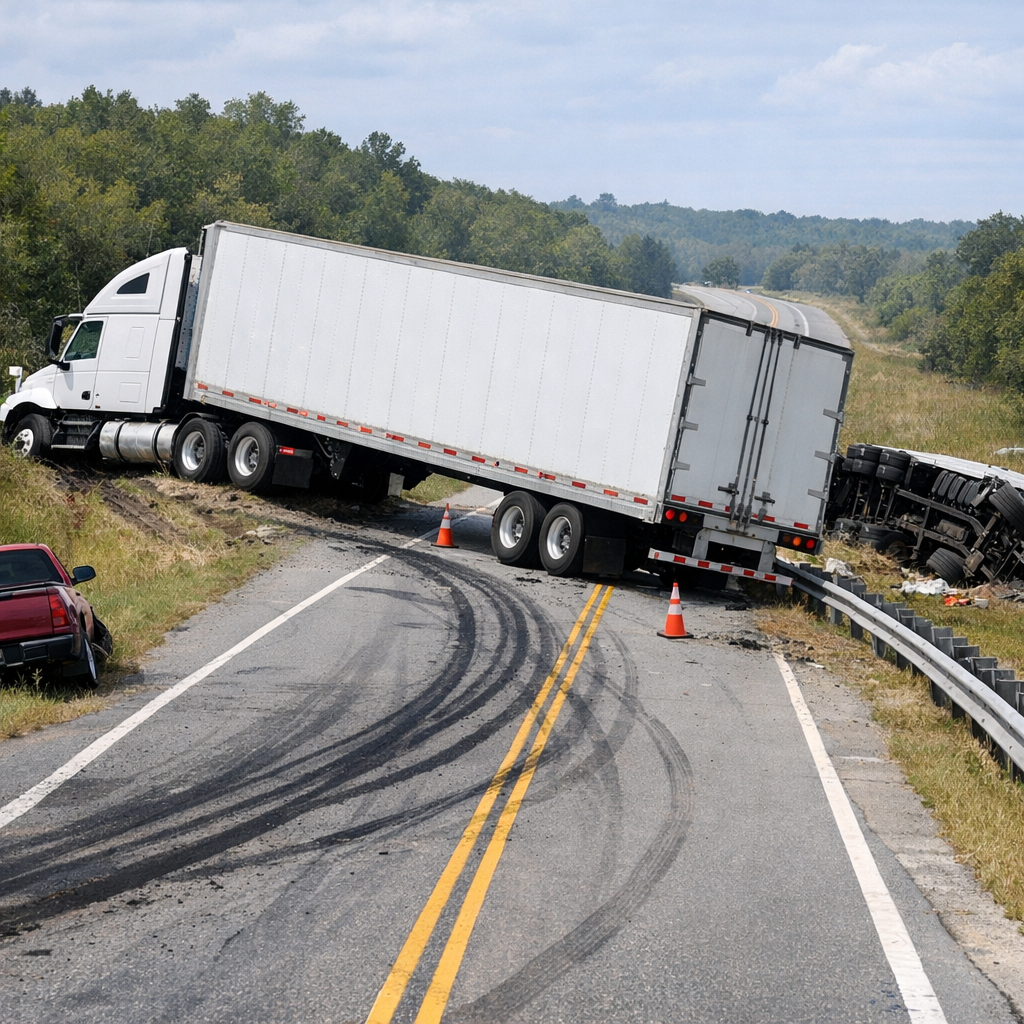
Such incidents can cause debris to scatter and create hazardous obstacles on the road. This may prolong congestion and pose additional dangers to other drivers until the scene is cleared.
Traffic and Infrastructure Consequences
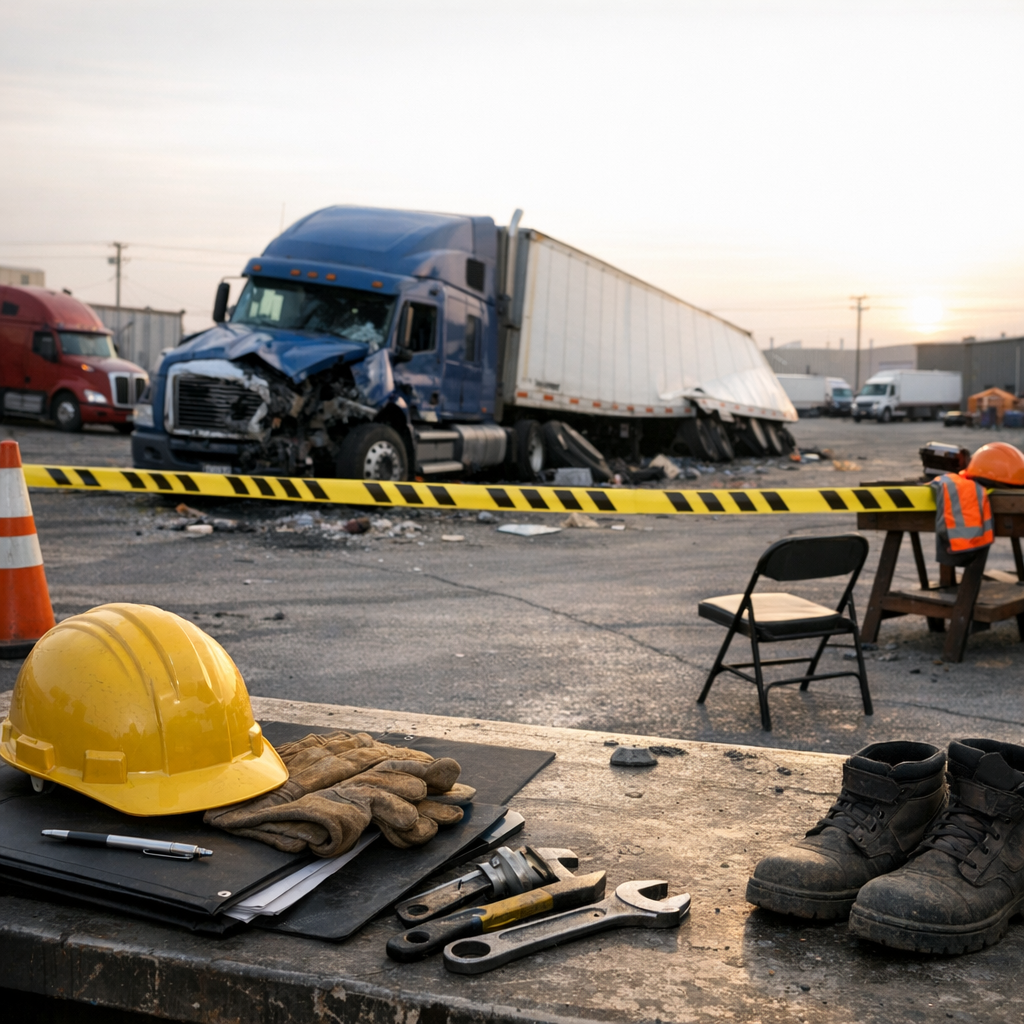
Accidents involving semi trucks in congested areas often lead to extended traffic delays. The sheer length of the truck and the complexity of clearing the scene require coordinated efforts from emergency responders and traffic management agencies. In some cases, damage to guardrails or road surfaces may necessitate repairs.
Questions and Concerns After Observing or Experiencing a Crash
What Causes a Semi Truck to Miss Speed Adjustments?
Understanding the reasons behind a semi truck failing to regulate speed in traffic is a common point of curiosity. Driver fatigue, mechanical failures such as brake malfunctions, or road conditions like slick pavements can impair response times.
How Do Trucks Typically Respond to Congestion?
Semi trucks generally rely on early detection of slowing traffic and gradual speed reduction. Drivers often use their vehicle’s cruise control systems carefully or manually adjust brakes to maintain safe gaps. Failure to do so can be linked to human or technical errors.
Are There Technologies to Prevent This Type of Incident?
Advanced driver assistance systems (ADAS) such as automatic emergency braking and collision warning systems are increasingly implemented in heavy trucks. These technologies assist drivers in maintaining appropriate speeds and following distances, reducing the likelihood of crashes due to speed misjudgment.
What Happens Immediately Following a Speed Adjustment Crash?
After a crash, safety protocols focus on securing the scene and attending to any injured parties. Traffic authorities may reroute vehicles and conduct an inspection to determine contributing factors. Clearance efforts aim to restore normal traffic flow as promptly as possible.
Understanding the Implications of Semi Truck Speed Control in Traffic
Adjusting speed to match traffic conditions is a critical skill for all drivers, particularly those operating large commercial vehicles. Semi trucks that fail to regulate speed in congestion pose risks not only to themselves but also to surrounding drivers and infrastructure. Recognizing the complexities behind these events helps to promote safer roadways.