Big rig failed to brake in slowing traffic
Big rig brake failure in traffic is a serious situation that can occur unexpectedly. When large trucks are unable to slow down as the vehicles ahead reduce speed, the consequences can affect many drivers on the road. Understanding how these events unfold and what typically follows can provide valuable context for drivers and passengers alike.
How brake failure happens in big rigs
Brake systems on big rigs are complex and must be properly maintained to function reliably. Air brakes are the most common type used on commercial trucks, relying on compressed air to activate the braking mechanism. If there is a loss of air pressure or a mechanical malfunction in the brake components, the truck may not respond properly when the driver applies the brakes.
Factors leading to brake problems
Several conditions can contribute to brake failure in slowing traffic. Excessive wear on brake pads, leaks in the air system, or defects in the brake chambers may cause braking power to diminish. In addition, extreme weather or heavy loads can increase the strain on the braking system, potentially leading to difficulties in stopping when needed.
What happens during brake failure in traffic
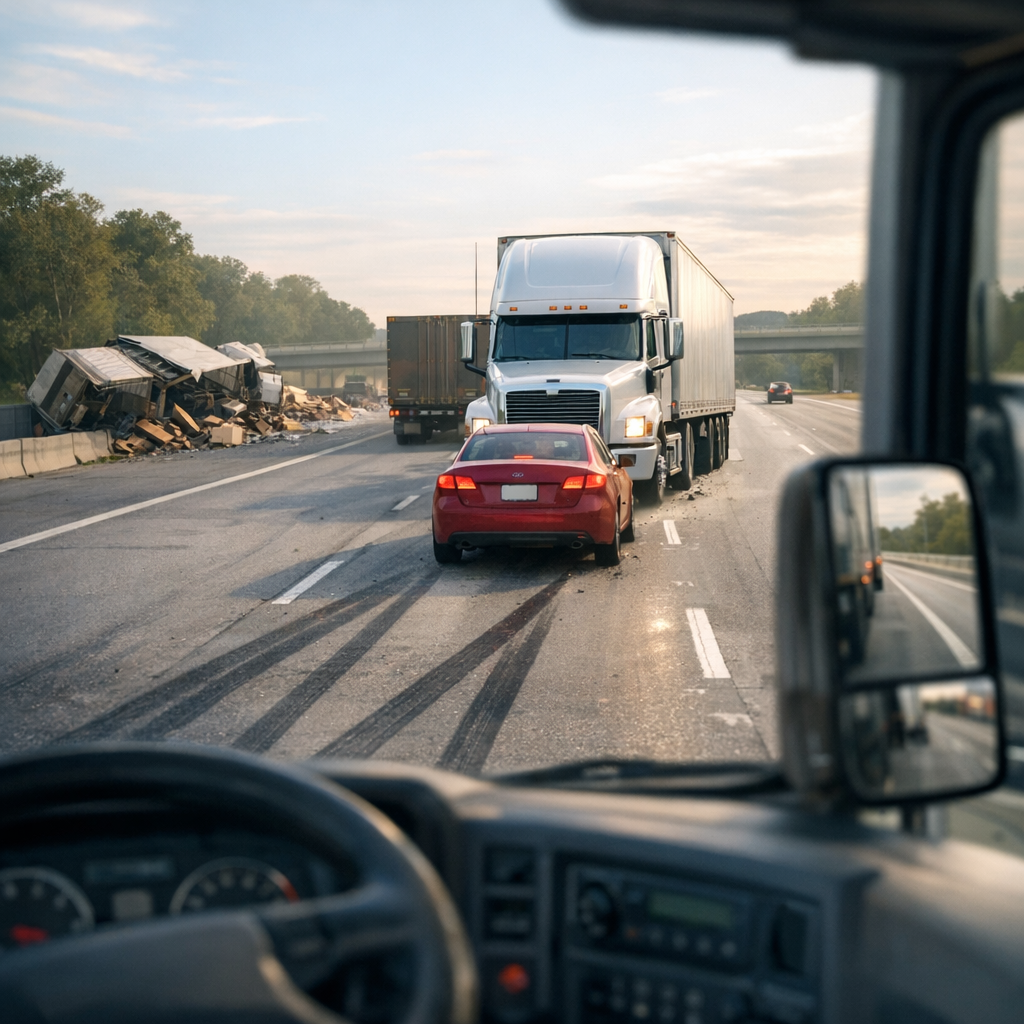
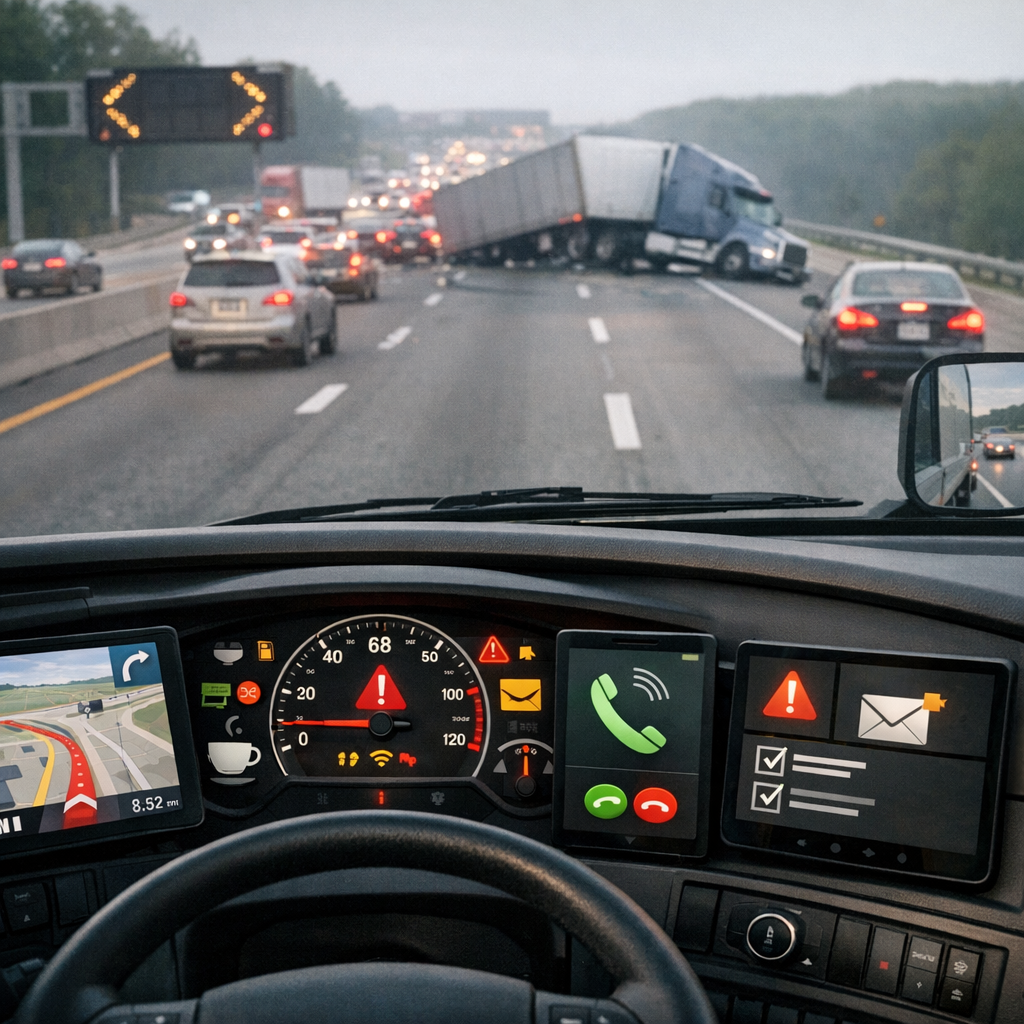
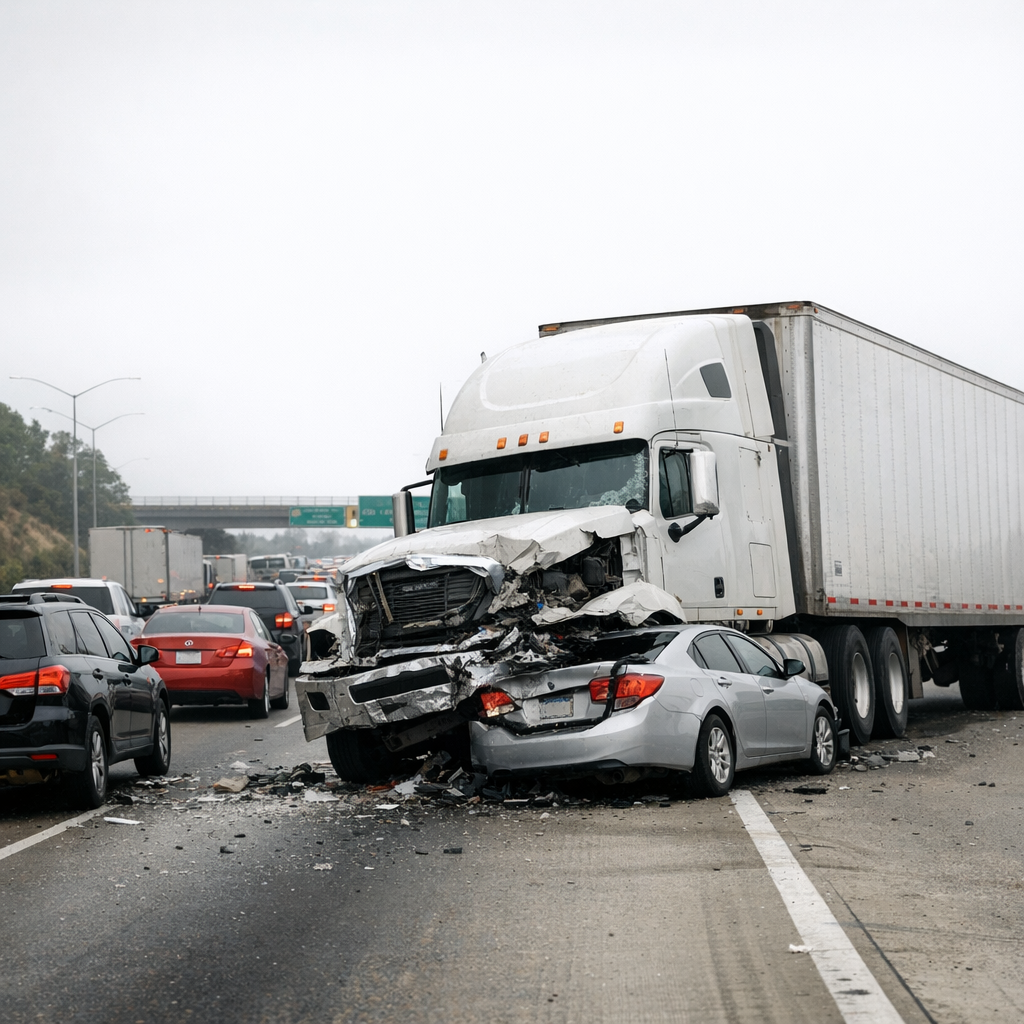
When a big rig’s brakes fail while approaching slower traffic, the driver is left with limited options. The truck may continue moving at a higher speed despite attempts to slow down. This can increase the risk of collisions, especially if vehicles ahead are stopping or traveling significantly slower.
Driver reactions in emergency situations
Truck drivers are trained to use additional techniques during brake failure. These may include downshifting to lower gears to reduce speed and using engine braking. Alerting other drivers with horn signals and hazard lights is also common, although the effectiveness of these actions varies depending on the traffic conditions.
Typical physical outcomes after the incident
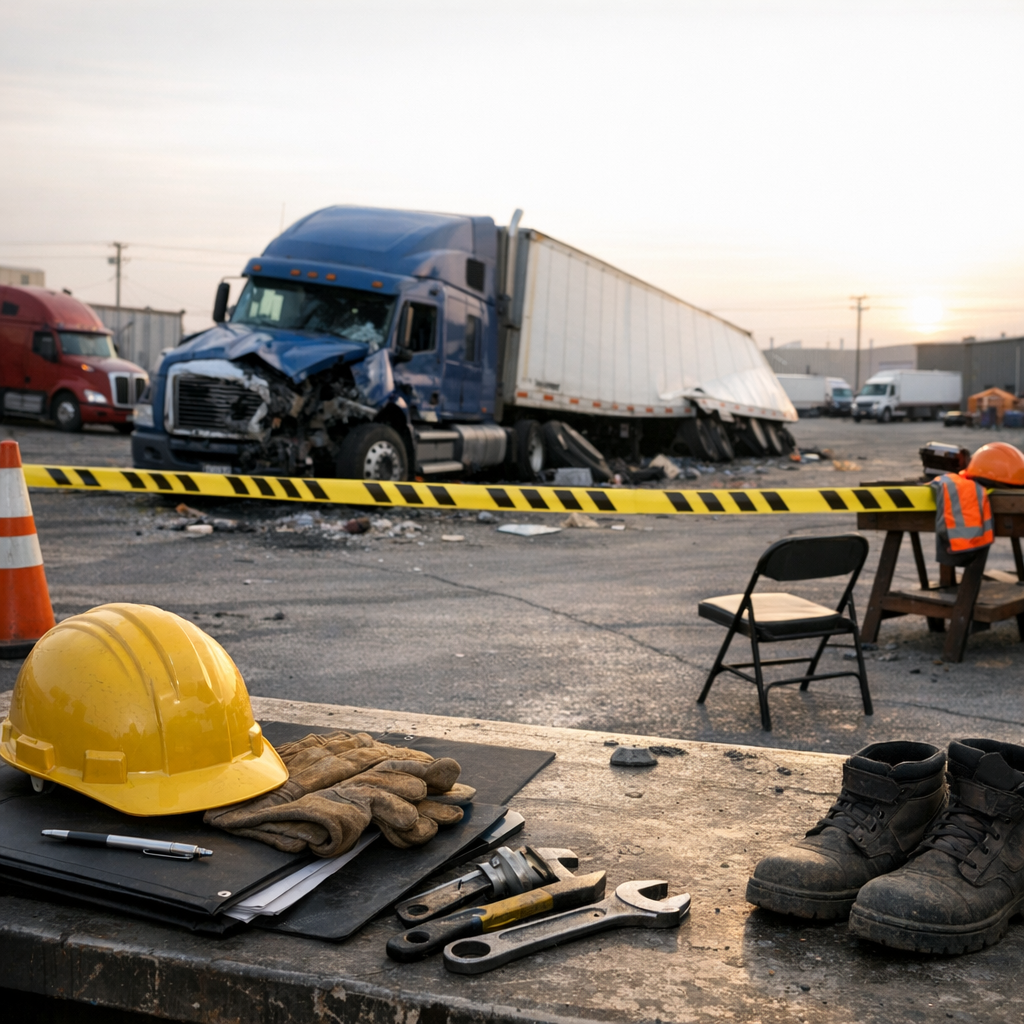
After a big rig brake failure causes an incident, there can be a range of physical outcomes affecting the vehicles and surroundings. The size and weight of a large truck mean that collisions often involve significant force.
Damage to vehicles involved
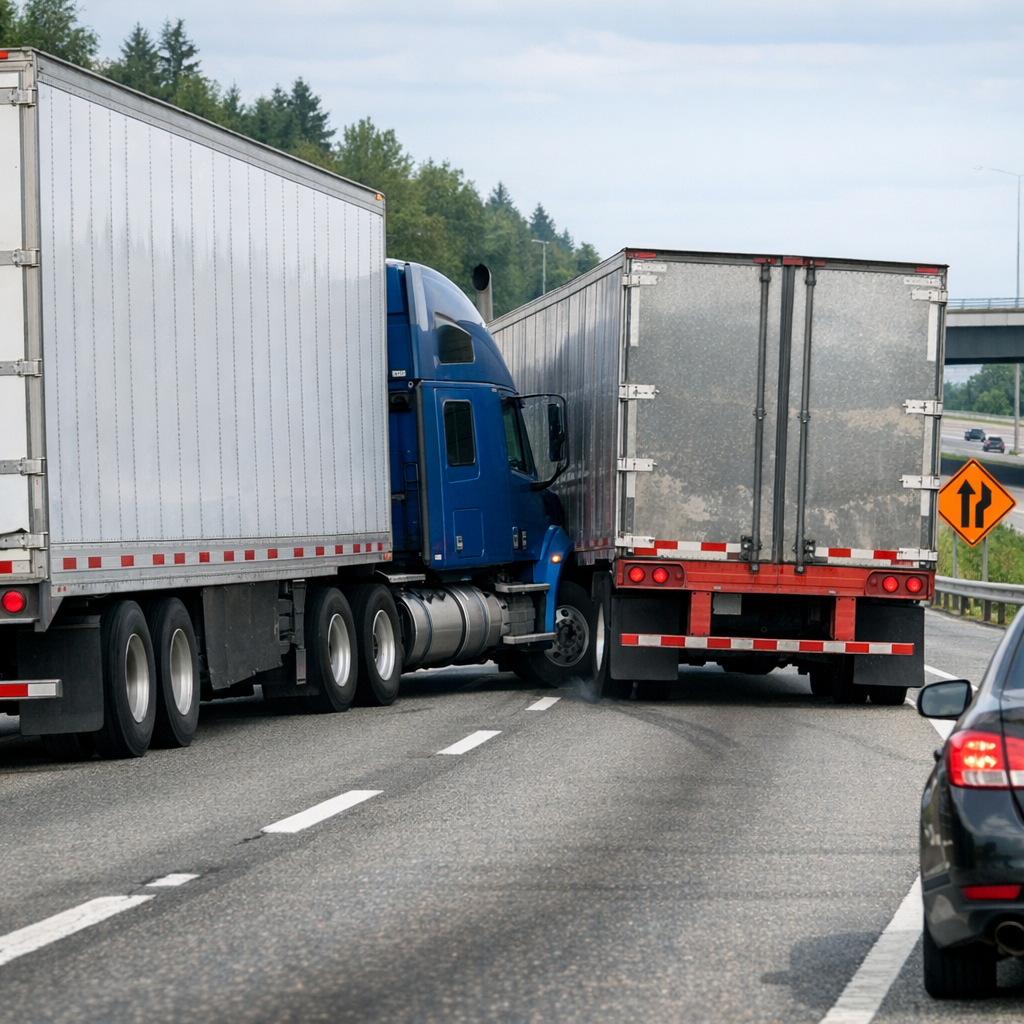
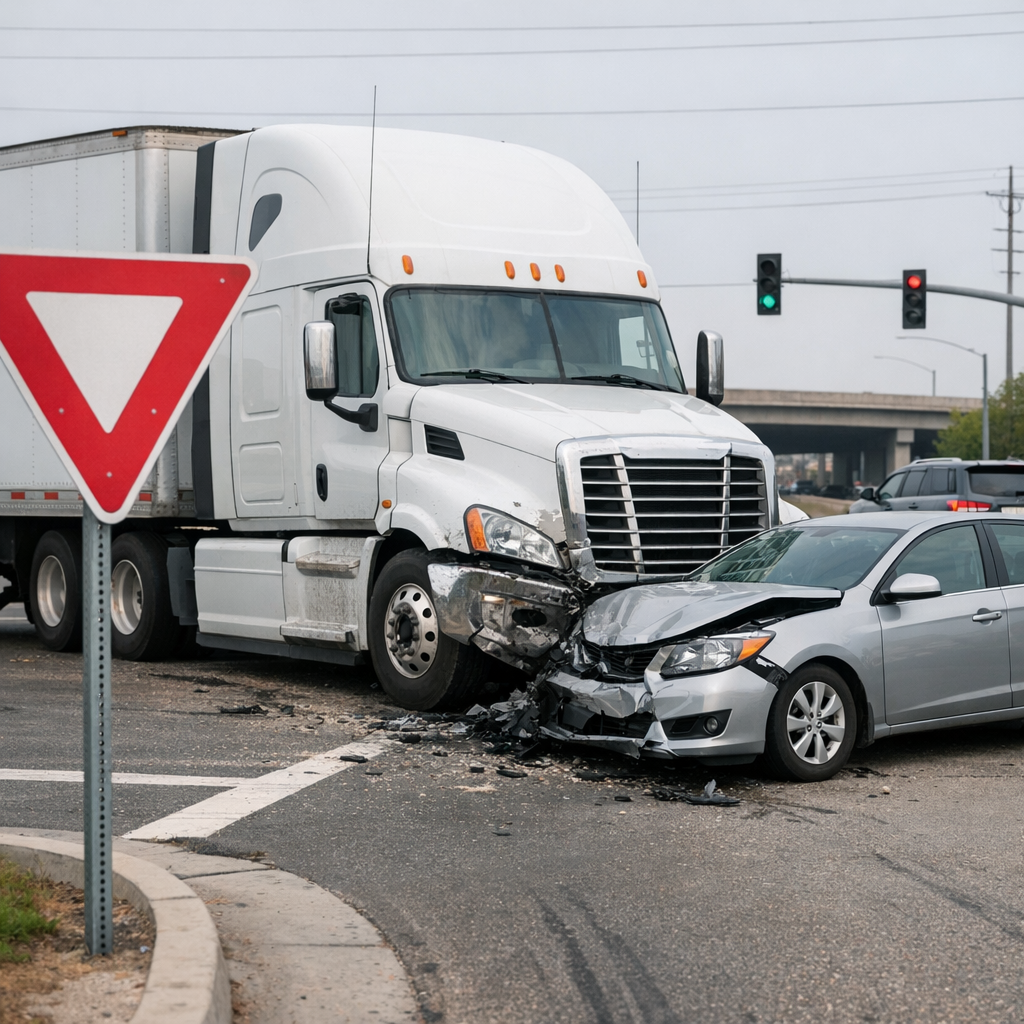
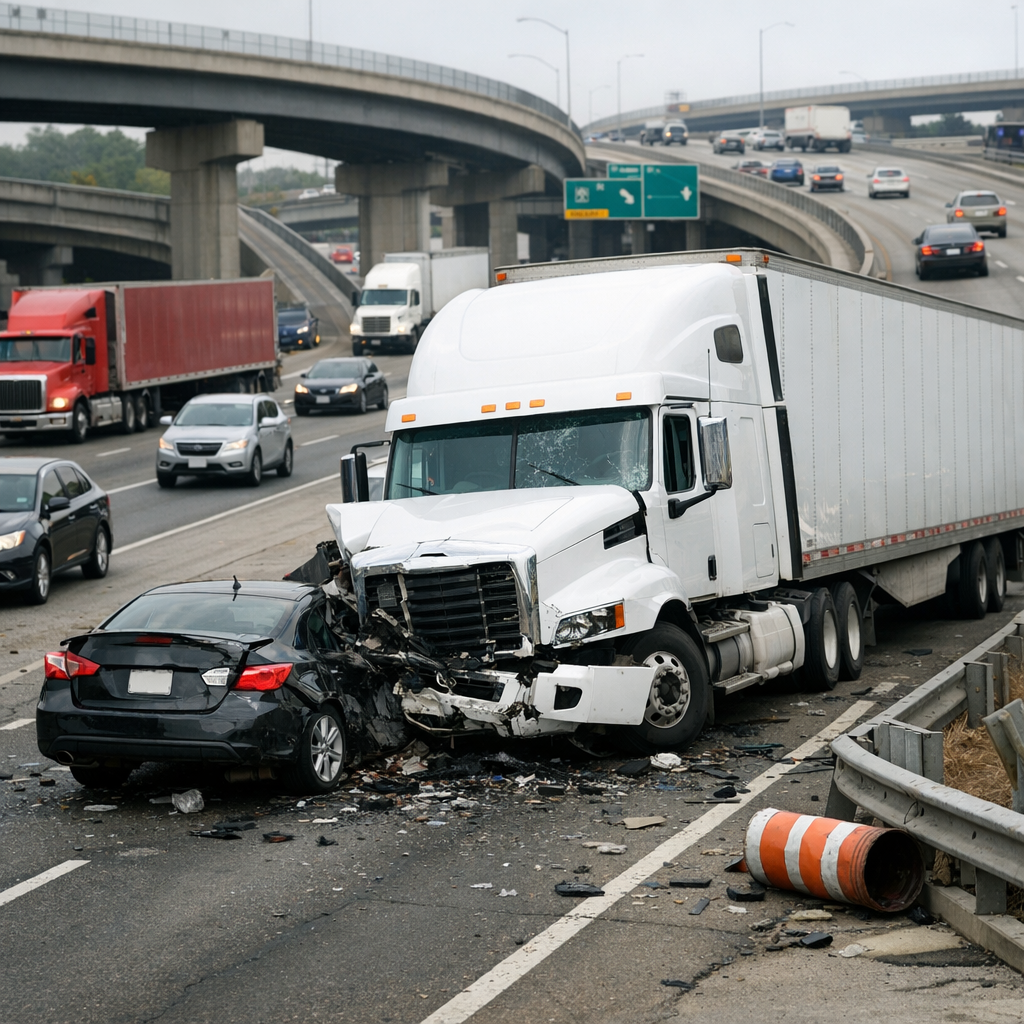
Cars and smaller vehicles impacted by a truck unable to stop may experience severe damage. The impact force from a large rig can lead to crushed bumpers, broken glass, and structural problems. Other trucks or vehicles in the vicinity might also sustain damage if rear-end collisions occur.
Impact on roadway and traffic flow
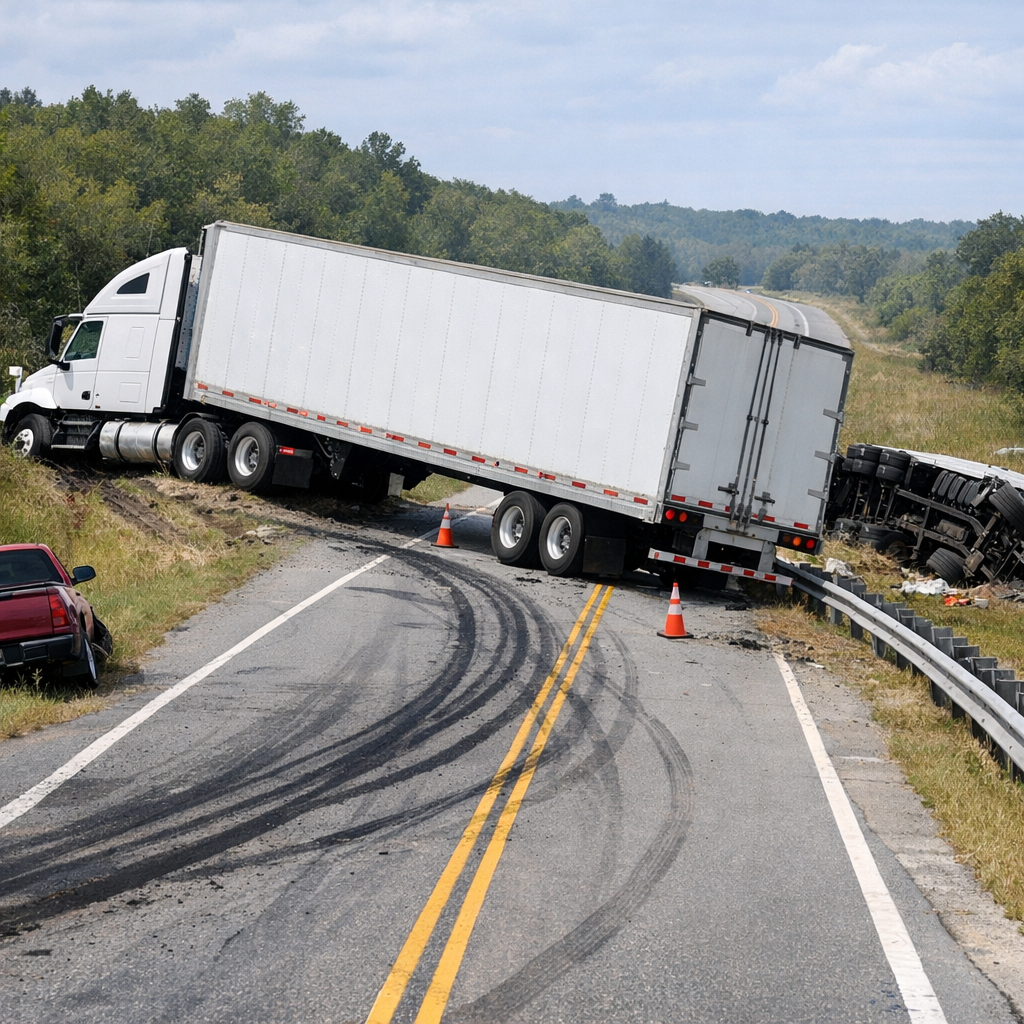
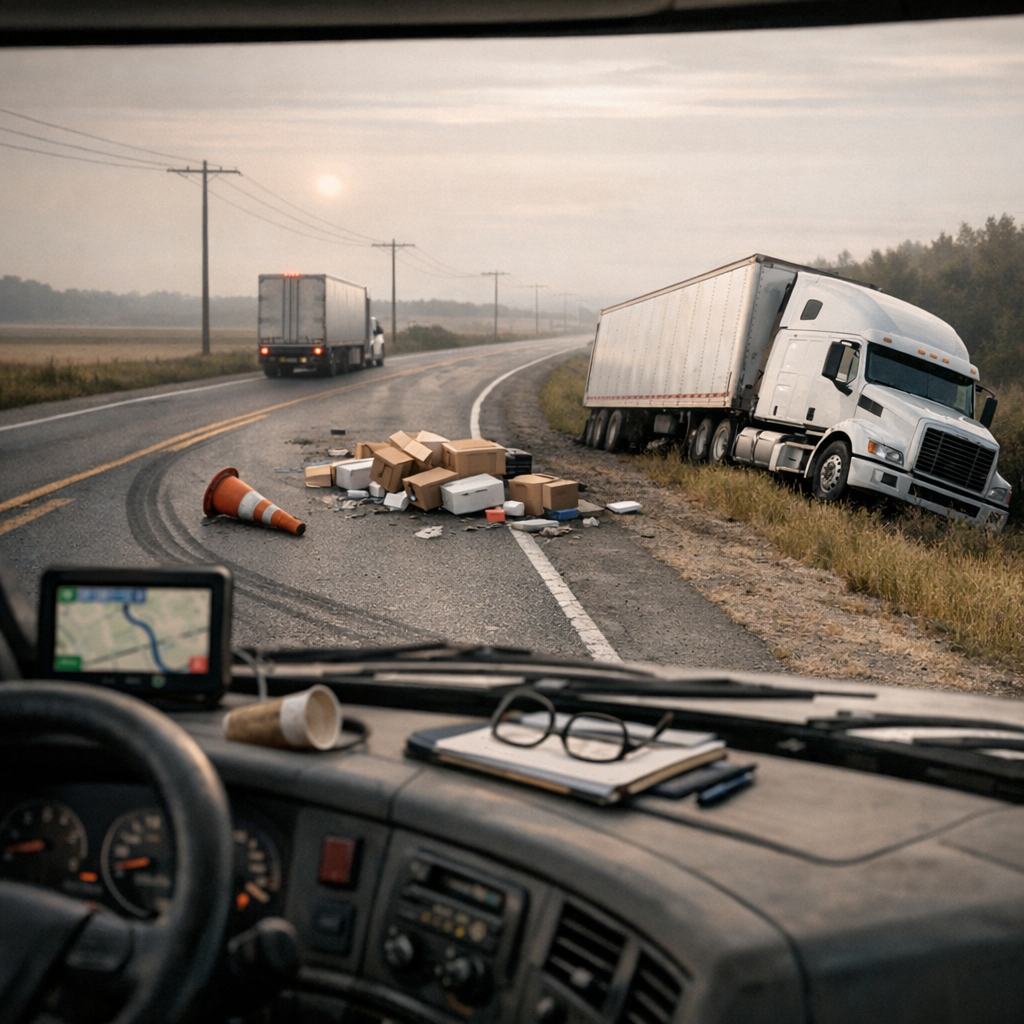
Crashes caused by brake failure incidents frequently disrupt normal traffic flow. Debris from the collision or stalled vehicles can block lanes, leading to prolonged congestion. Emergency response and roadway clearance efforts often take time, further affecting traffic patterns.
Common concerns after brake failure events
Those involved in or witnessing a big rig brake failure may have questions about safety and prevention. It’s natural to wonder how these situations can be avoided and what measures support truck braking reliability.
How are trucks maintained to prevent failures?
Regular inspection and maintenance schedules exist to keep truck brakes in good working order. Commercial trucks undergo periodic safety checks to verify brake pressure, lining thickness, and mechanical integrity. Drivers are also responsible for conducting pre-trip inspections to identify issues early.
What should other drivers keep in mind?
Drivers sharing the road with big rigs can help reduce risks by maintaining safe following distances and being vigilant in heavy traffic. Avoiding sudden stops or erratic driving near large trucks provides additional reaction time if problems arise.
Understanding the risks associated with big rig brake failure
Braking issues in large trucks present a unique challenge because of their size and momentum. While rare relative to the miles driven annually by commercial vehicles, brake failures demand prompt attention and proper management.
Advances in braking technology
Modern trucks increasingly use enhanced braking systems such as anti-lock brakes and electronic stability control. These technologies aim to improve control under difficult conditions and reduce the chances of brake failure or related accidents.
Importance of driver training
Comprehensive training equips truck drivers with skills to handle mechanical problems and emergency stopping techniques. Familiarity with the vehicle’s systems and response options can make a difference in mitigating the severity of brake-related incidents.
Final thoughts on big rig brake failure in slowing traffic
Situations involving a big rig failing to brake in slowing traffic are complex and carry multiple considerations. Awareness of how these events unfold and what responses occur can contribute to safer driving practices for everyone on the road. Continuous efforts in maintenance, technology, and education are key to minimizing the occurrence and impact of such incidents.