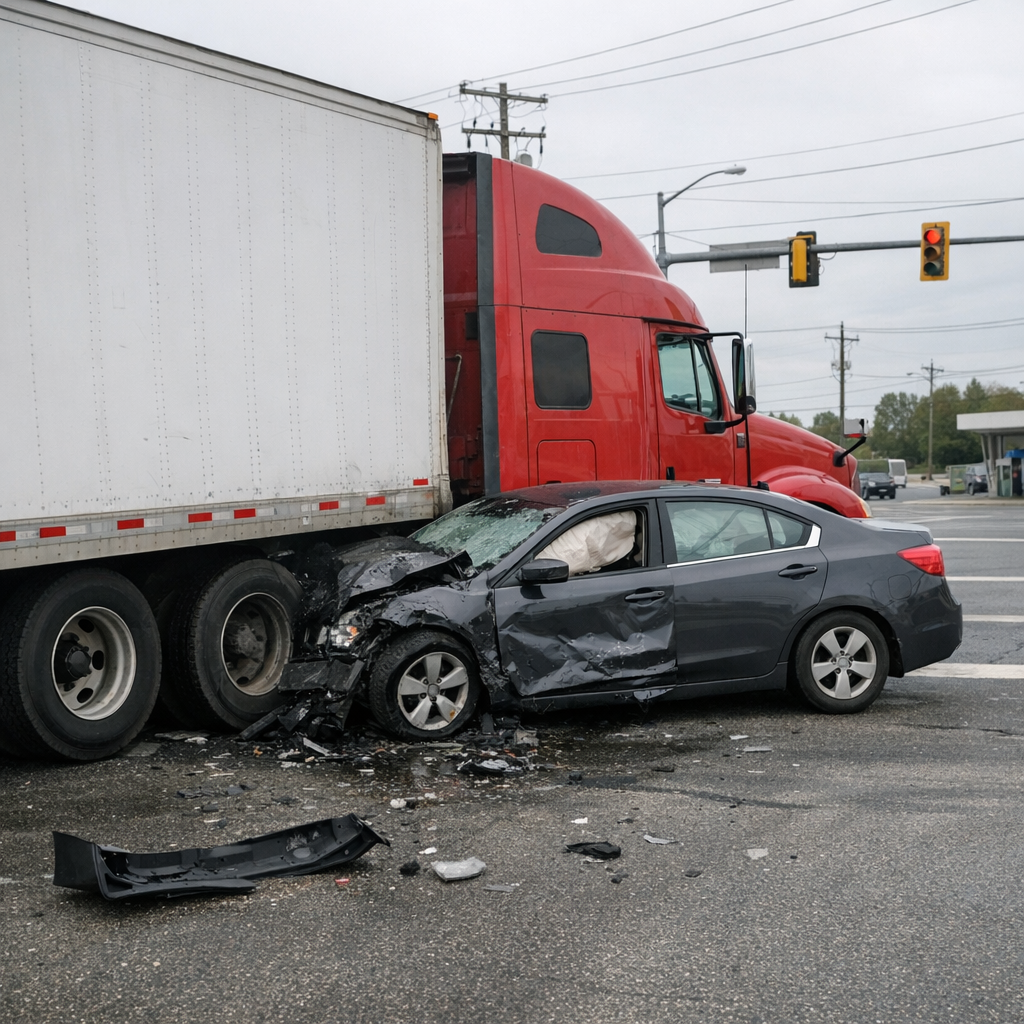
Semi truck struck my vehicle at an intersection
Being involved in a semi truck intersection collision can be an unsettling experience. Intersections are often busy places where multiple vehicles navigate different directions, increasing the potential for accidents. When a large commercial vehicle such as a semi truck strikes a passenger vehicle, the situation may have unique characteristics and outcomes compared to typical car accidents.
Understanding what usually happens during and after this type of collision can help you better comprehend the situation and what to expect in the immediate aftermath.
How semi truck and passenger car collisions often occur at intersections
Intersections present complex driving challenges. Vehicles must obey signals, yield appropriately, and maintain awareness of other traffic. In many semi intersection collisions, factors such as limited visibility, misjudged right-of-way, or sudden stops contribute to the accident.
Common reasons for impact between semi trucks and smaller vehicles
A semi truck’s longer stopping distance and larger blind spots can play a significant role. For instance, if a passenger car attempts to cross or turn in front of a semi truck, the driver may not have enough time to react fully. Likewise, if a semi truck driver miscalculates a green light window or approaches an intersection too quickly, a collision may occur.
Typical crash dynamics at intersections
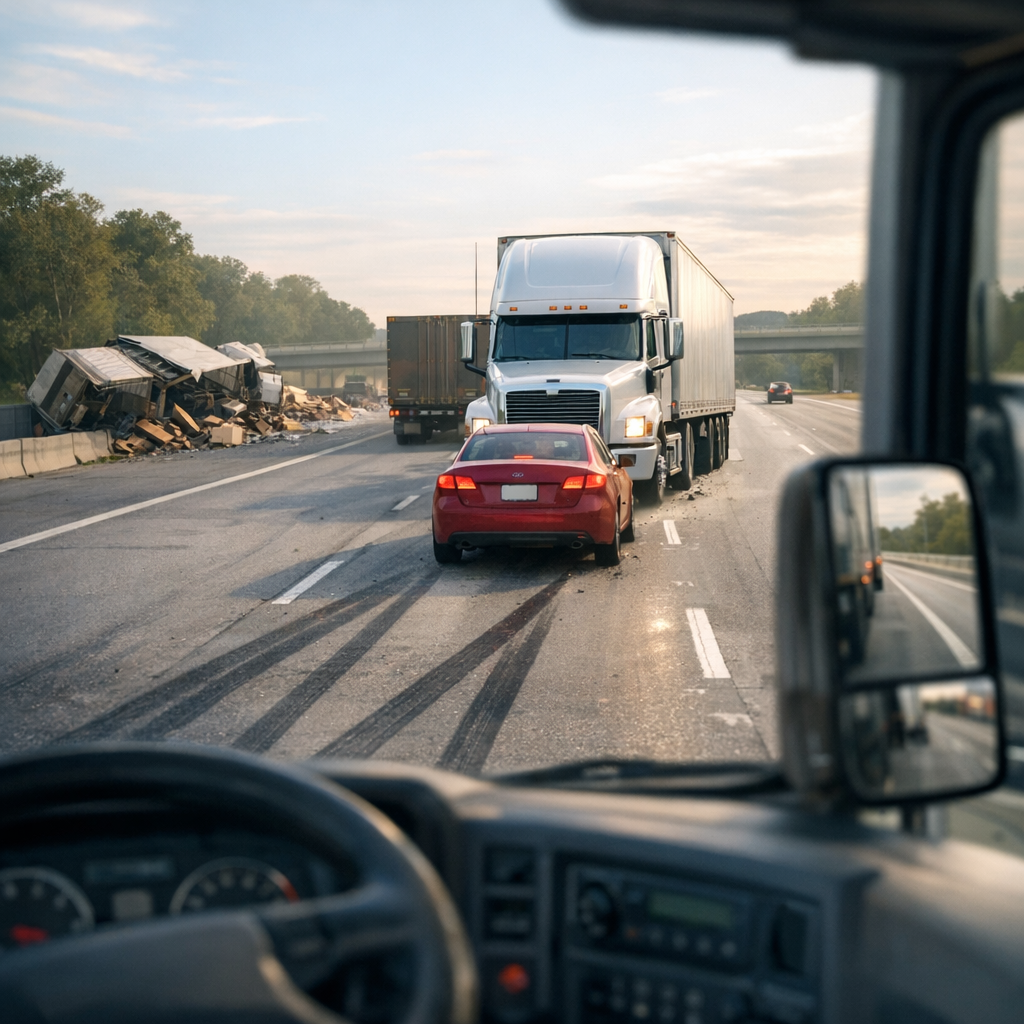
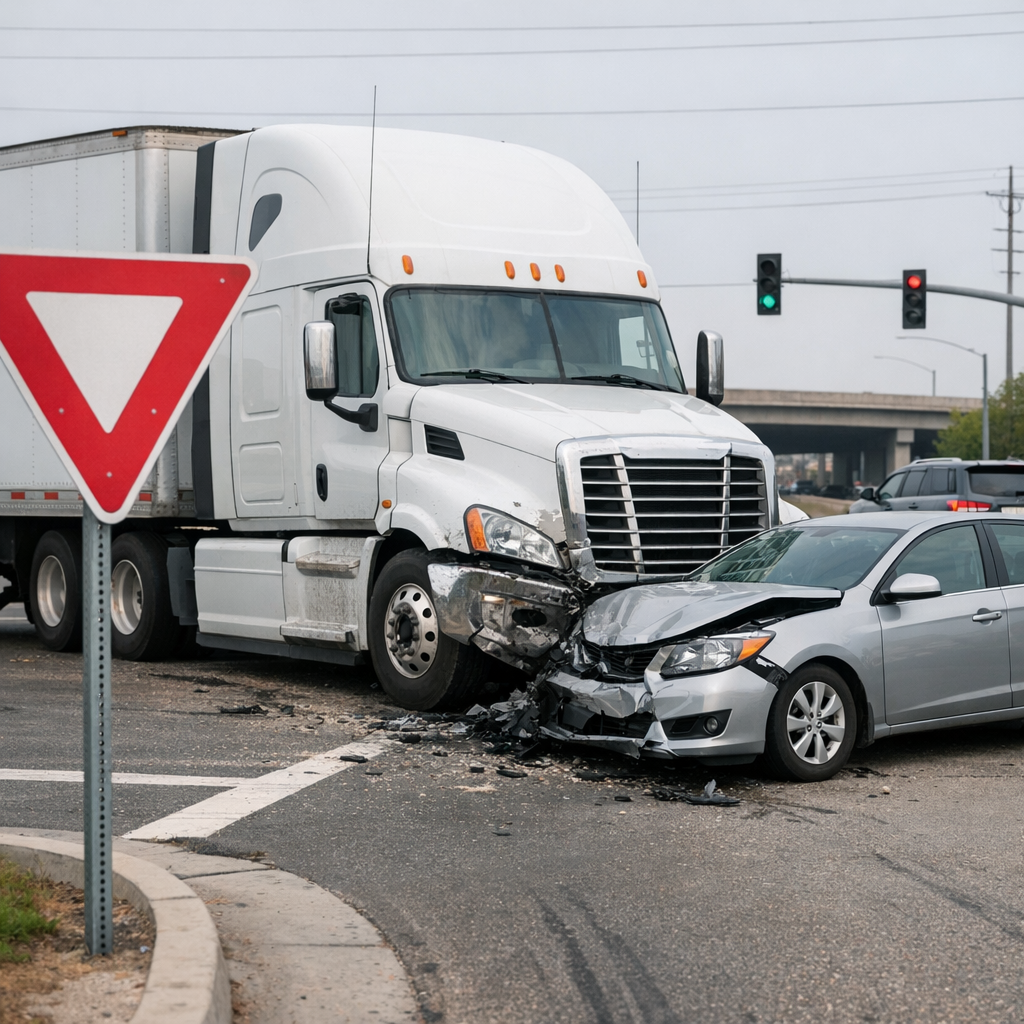
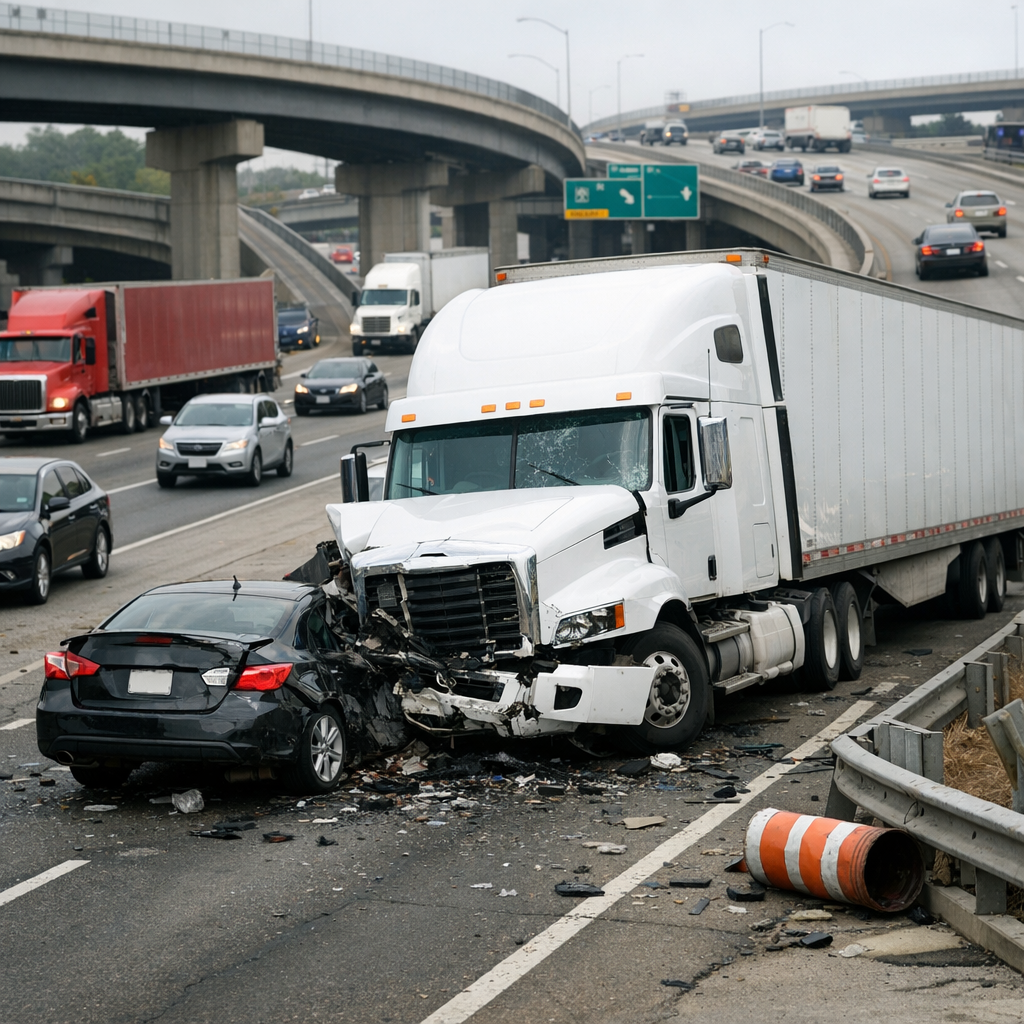
The angle and point of impact often vary. Some collisions happen when a semi truck strikes the side of a car turning across its path, known as a T-bone or broadside crash. Others occur from rear-end impacts when the semi cannot stop in time for traffic that has halted at the light.
Immediate physical and practical outcomes after the collision
The aftermath of a semi intersection collision can involve a range of practical considerations and consequences.
Vehicle condition and potential damage
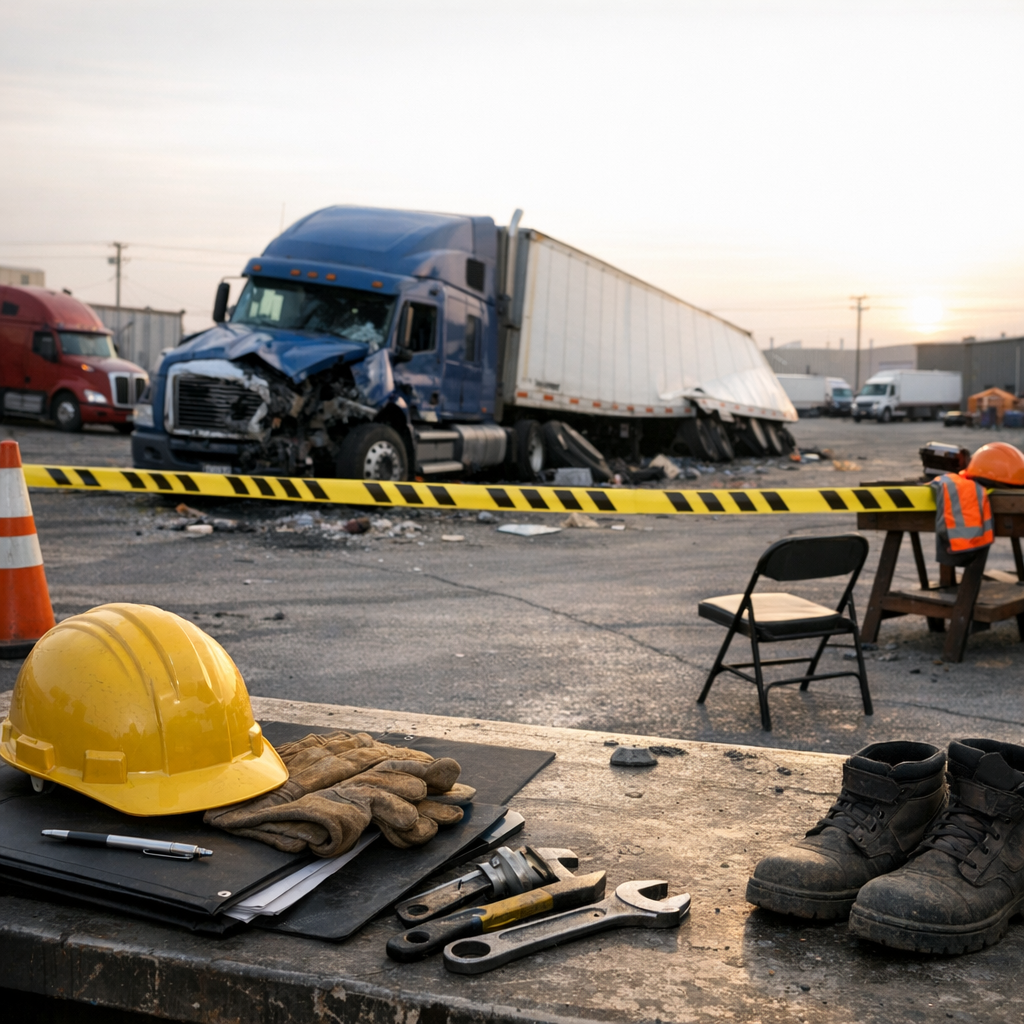
Due to the disparity in size and mass, passenger vehicles often sustain significant damage even in lower-speed impacts. Structural damage to the car’s body, mechanical components, and safety systems like airbags deploying is common.
Semi trucks might show less visible damage given their robust build, but the trailer, tires, or lights can still be affected, especially if braking or swerving occurred.
Initial steps drivers often take at the scene
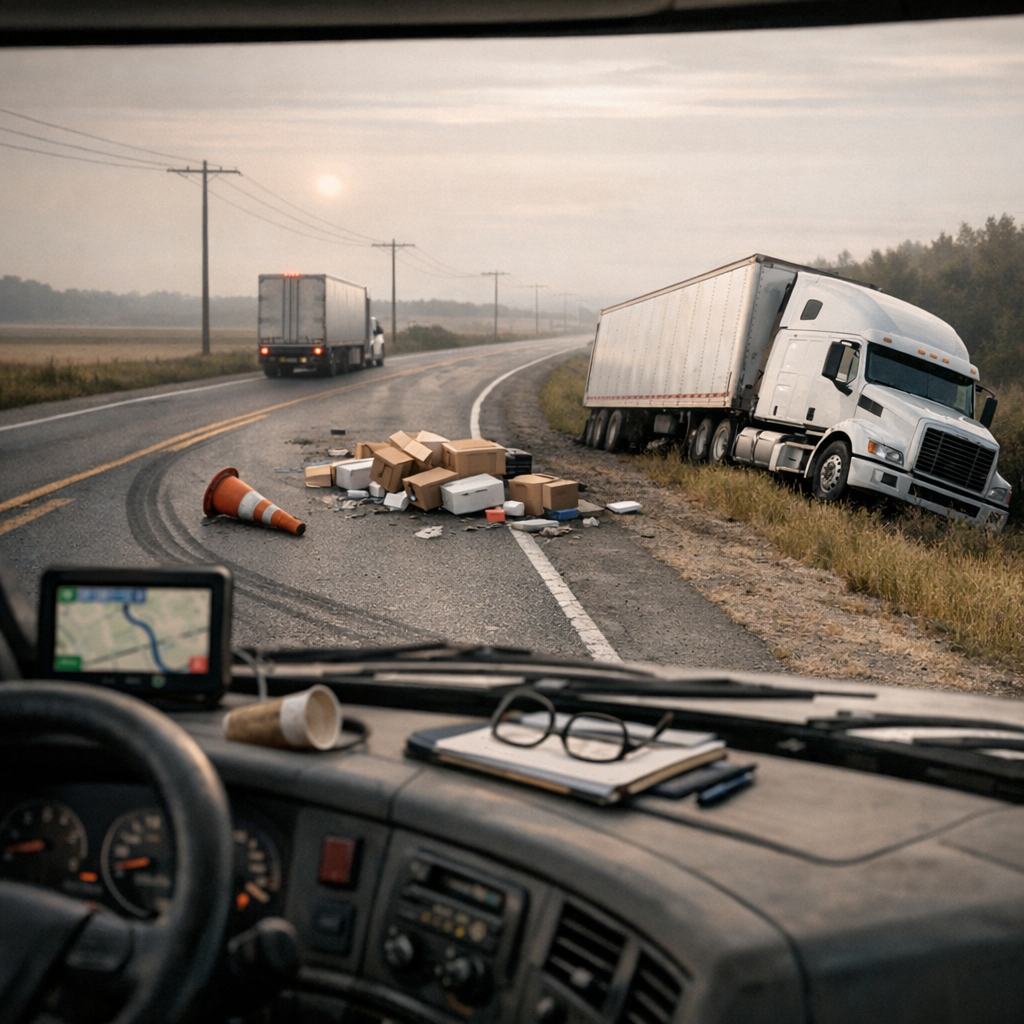
Drivers usually check for injuries and move to a safe location if possible. Given the size and potential hazards involved in truck accidents, securing the scene to prevent further collisions is important.
Reporting the incident to authorities and exchanging information typically follows in most cases.
Questions commonly considered following a semi truck collision
After such an event, people frequently wonder about several aspects regarding the incident and its implications.
How do commercial vehicle regulations affect the situation?
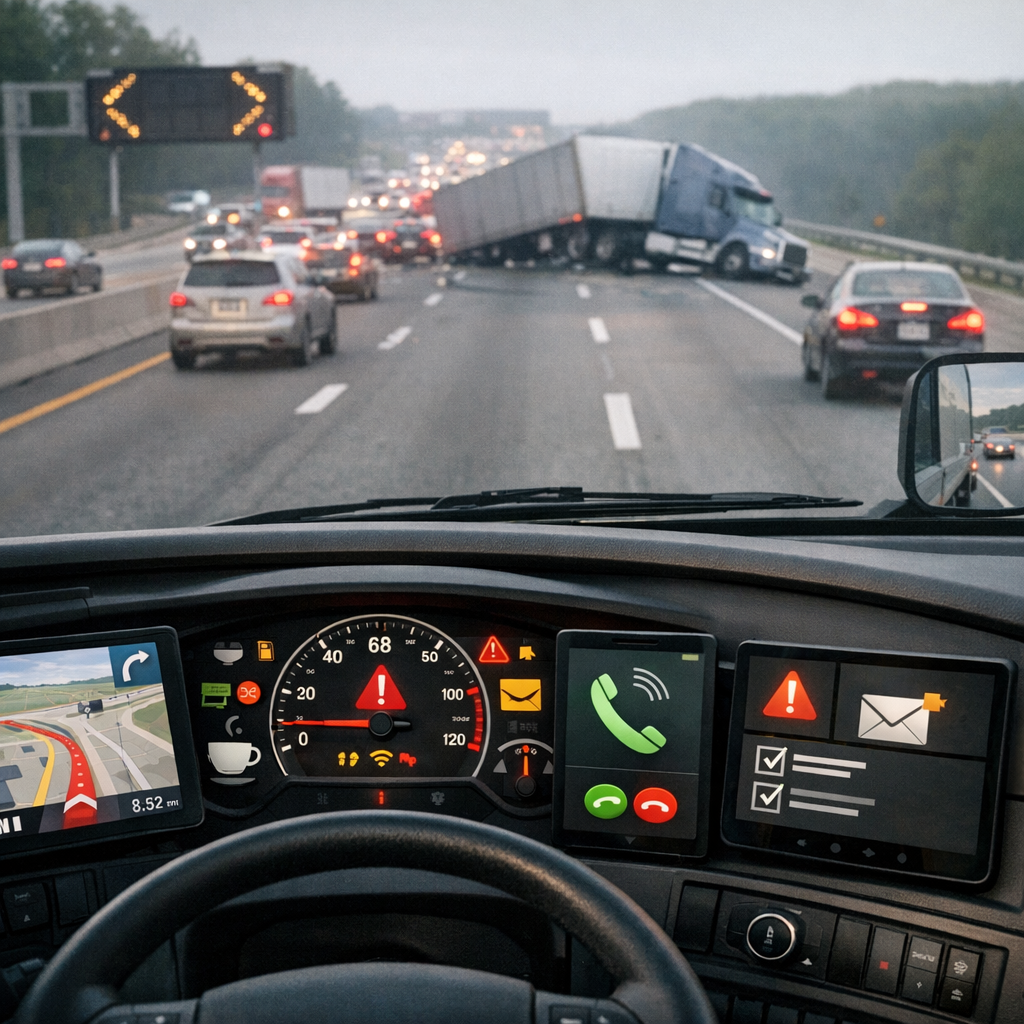
Semi trucks operate under distinct regulations, including strict rules about driving hours and vehicle maintenance. These factors sometimes influence the circumstances leading to a collision and its aftermath.
What role does intersection design play?
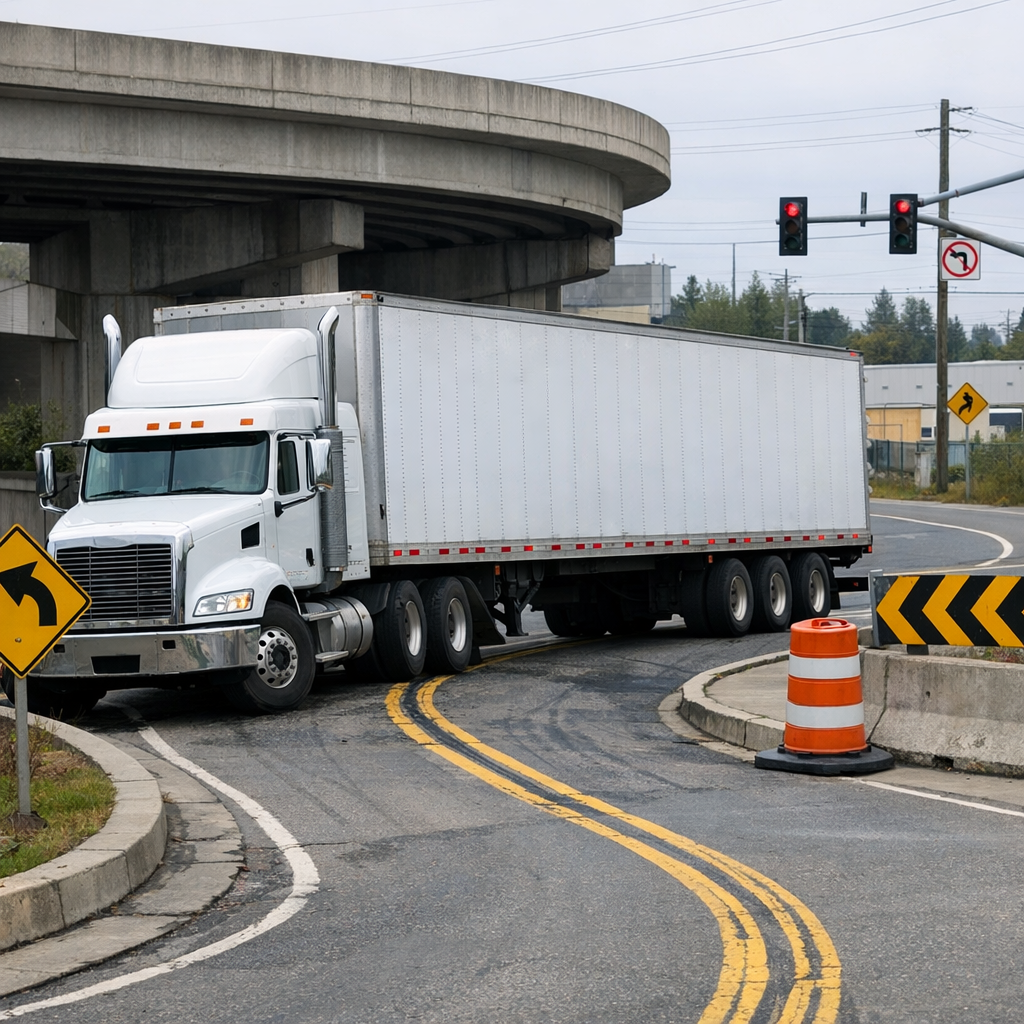
The layout and control mechanisms of the intersection—such as traffic signals, signage, and lane markings—can impact the likelihood and severity of a collision. In some cases, visibility obstructions or confusing signal timing contribute to the accident.
Understanding next steps after a semi intersection collision
Processing the event calmly and methodically helps in managing the situation effectively.
Assessing safety and well-being
Ensuring that everyone is physically okay remains the priority. Even if injuries are not immediately apparent, monitoring for delayed symptoms is advisable.
Addressing vehicle recovery and information gathering
Arranging for vehicle removal, documenting details, and following up with appropriate notifications are typical steps after such collisions. Maintaining clear records of the incident can assist in understanding what occurred.
Reflecting on traffic safety in complex intersections
Encounters with large vehicles at intersections highlight the importance of cautious driving and awareness of different vehicle capabilities. Adjusting driving habits to anticipate the movements and limitations of semi trucks can reduce hazards.
—
While a semi intersection collision presents distinct challenges, knowing what generally happens before, during, and after the incident can provide clarity. Approaching the aftermath with calmness and an understanding of the situation supports better handling of this type of event on the road.