Big rig collision while accelerating
Collisions involving big rigs during acceleration are complex incidents that can result in significant consequences. These large vehicles require careful handling due to their size, weight, and operational characteristics. When acceleration leads to a crash, multiple factors typically contribute to the event.
Understanding the dynamics of a big rig acceleration crash is important for recognizing the risks and outcomes associated with such incidents. This article discusses the typical sequence of events, common consequences, and frequently raised questions about these collisions.
How a big rig acceleration crash usually unfolds
The role of acceleration in big rig collisions
Big rigs need a considerable amount of time and space to accelerate due to their heavy loads. When a driver accelerates, especially on highways or merging lanes, the vehicle’s momentum builds gradually. If acceleration occurs unexpectedly or in an unsafe context, the risk of collision increases.
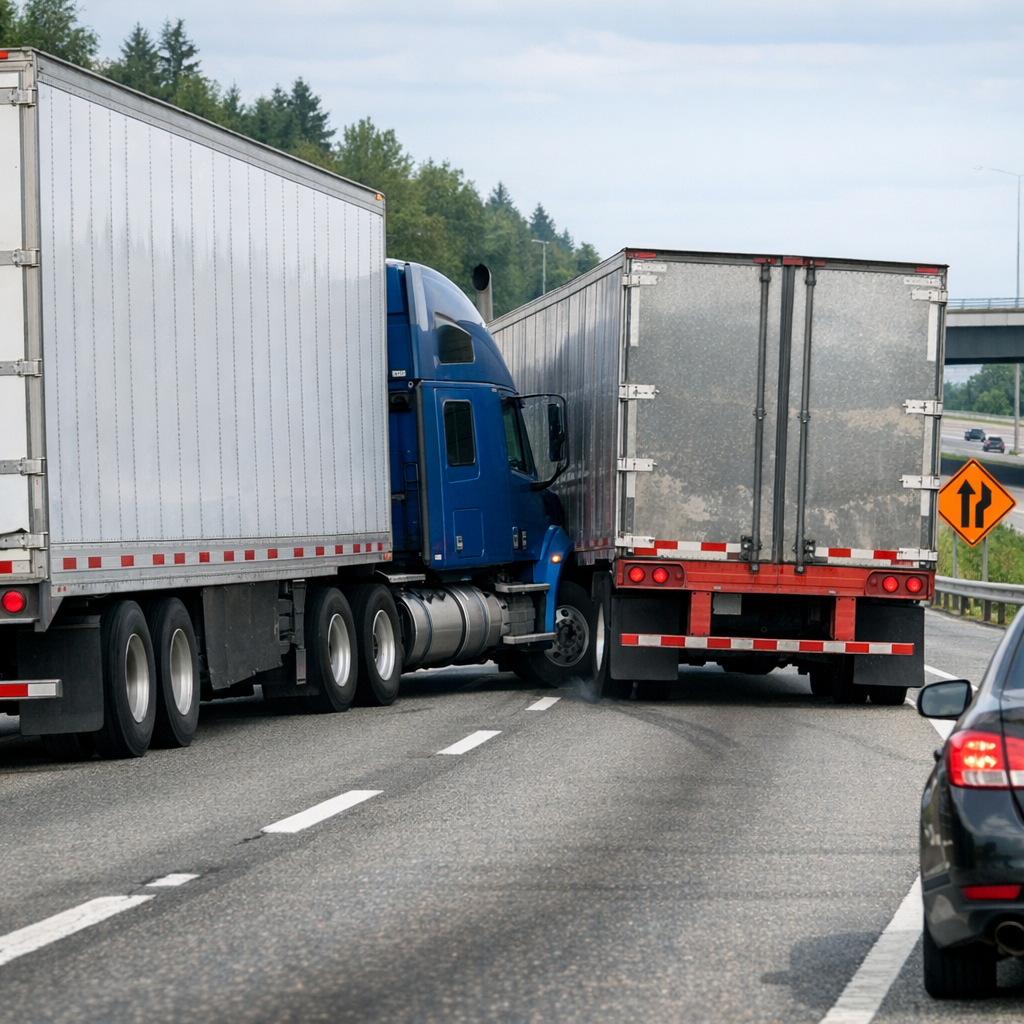
Acceleration-related crashes often happen when a big rig attempts to enter or exit traffic, merges onto highways, or accelerates from a stop in congested areas. This phase can expose the rig to other vehicles that may be moving at different speeds or occupying blind spots.
Common scenarios leading to crashes during acceleration
Drivers might misjudge the speed of other vehicles nearby or the available space for merging. Mechanical failures, such as issues with the engine or transmission, can also affect acceleration control. Weather conditions and road surface quality may further complicate the process.
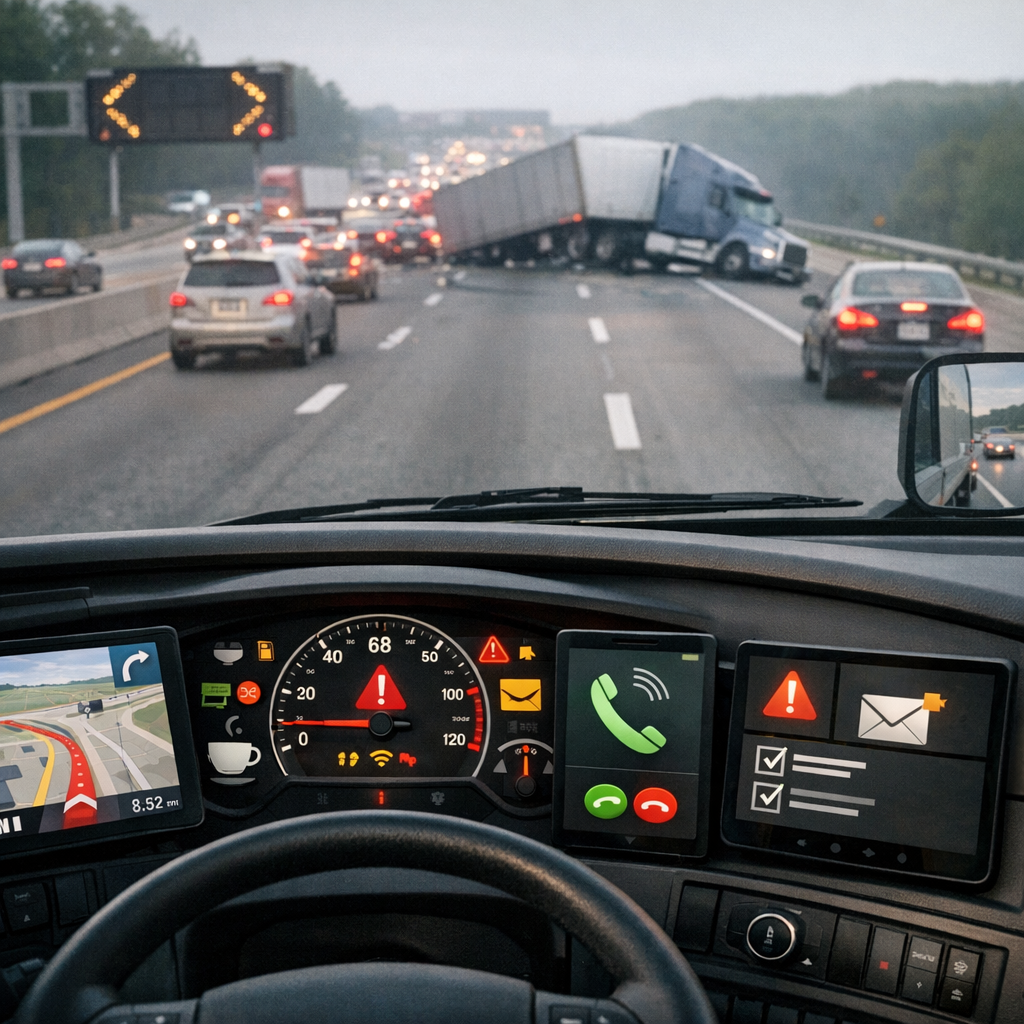
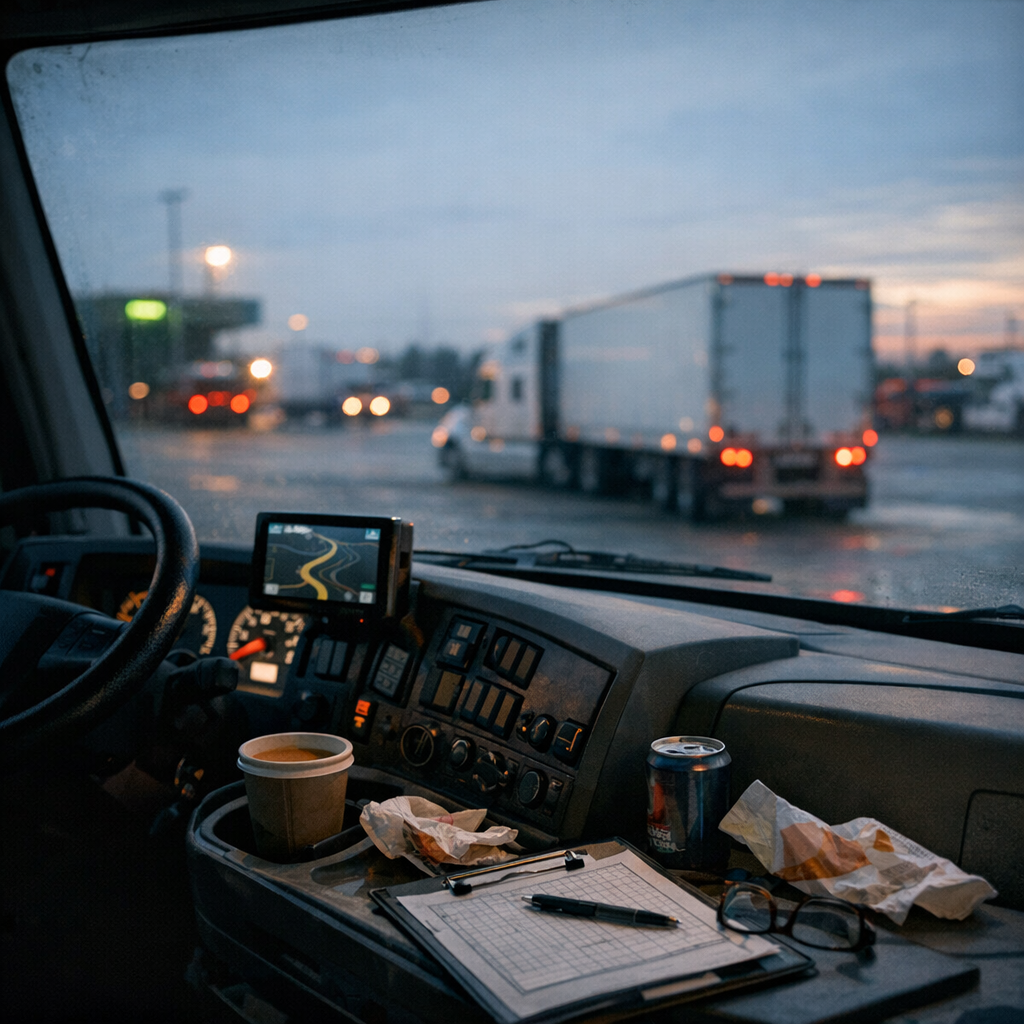
In some cases, acceleration is combined with distractions or fatigue, reducing the driver’s reaction time to surrounding hazards. Together, these factors can culminate in inadequate space clearance, resulting in collision with another vehicle or roadside obstacle.
Typical outcomes following a collision when accelerating
Physical impact on the big rig and environment
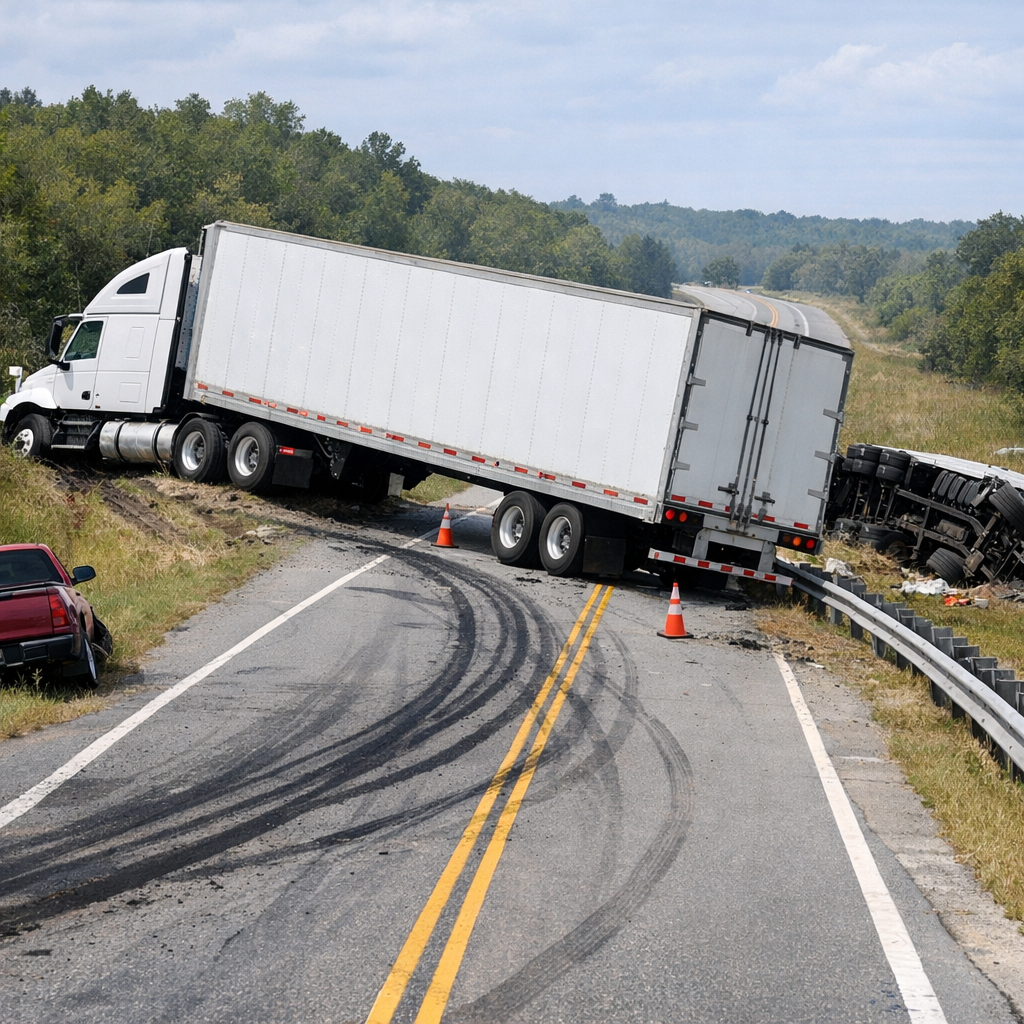
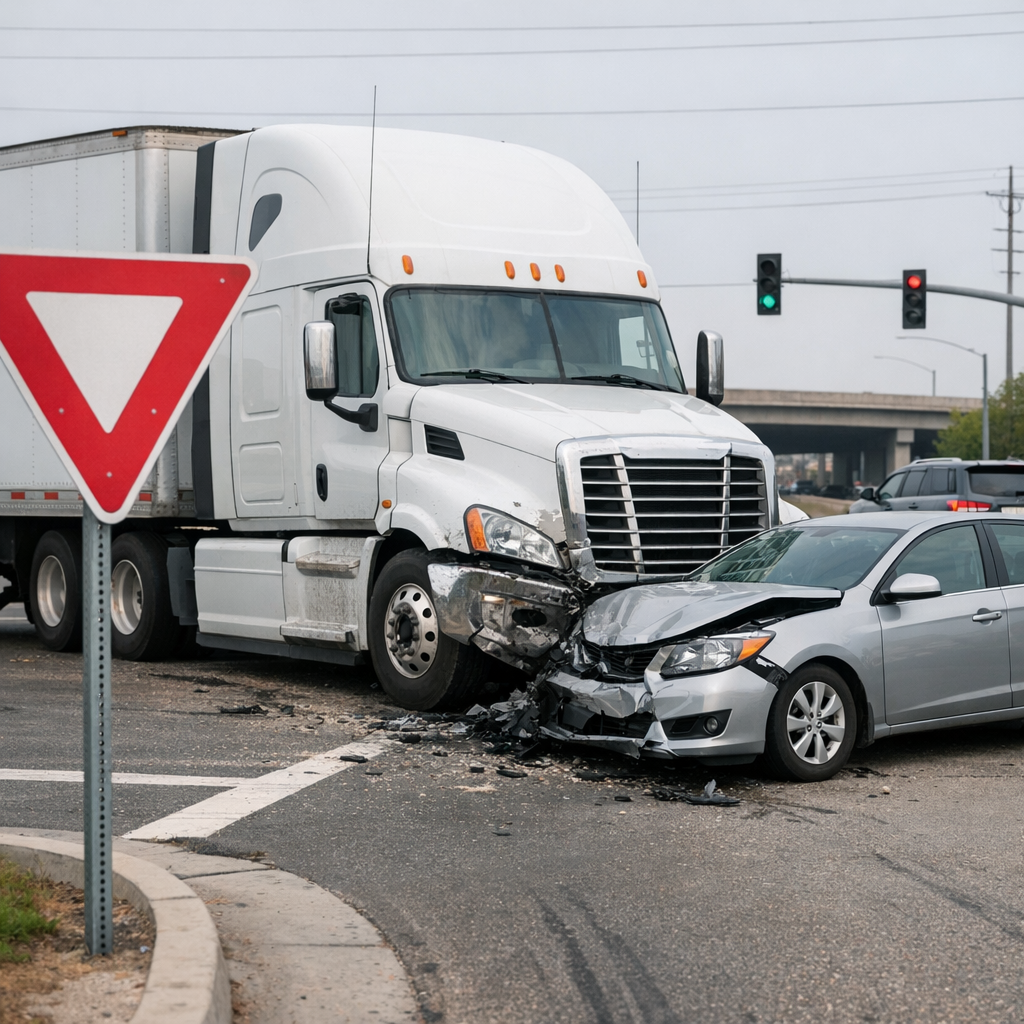
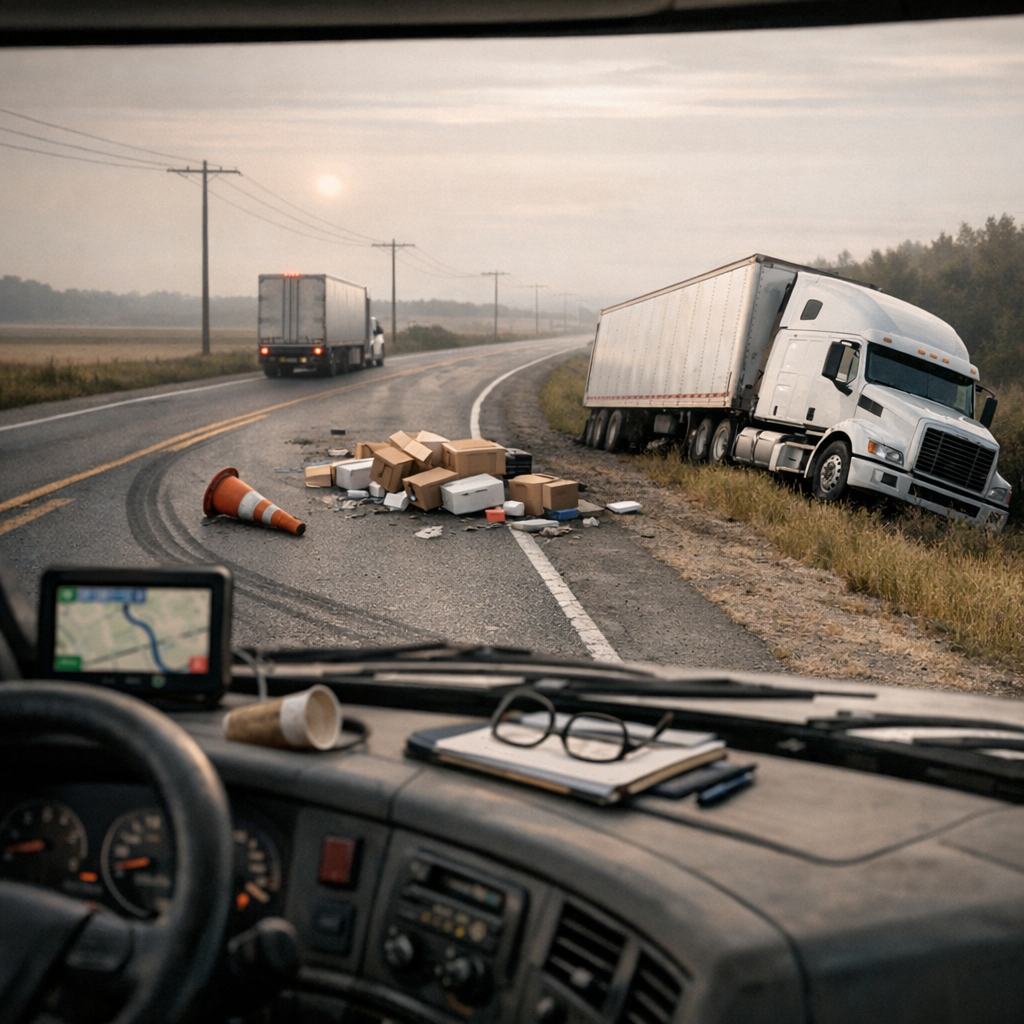
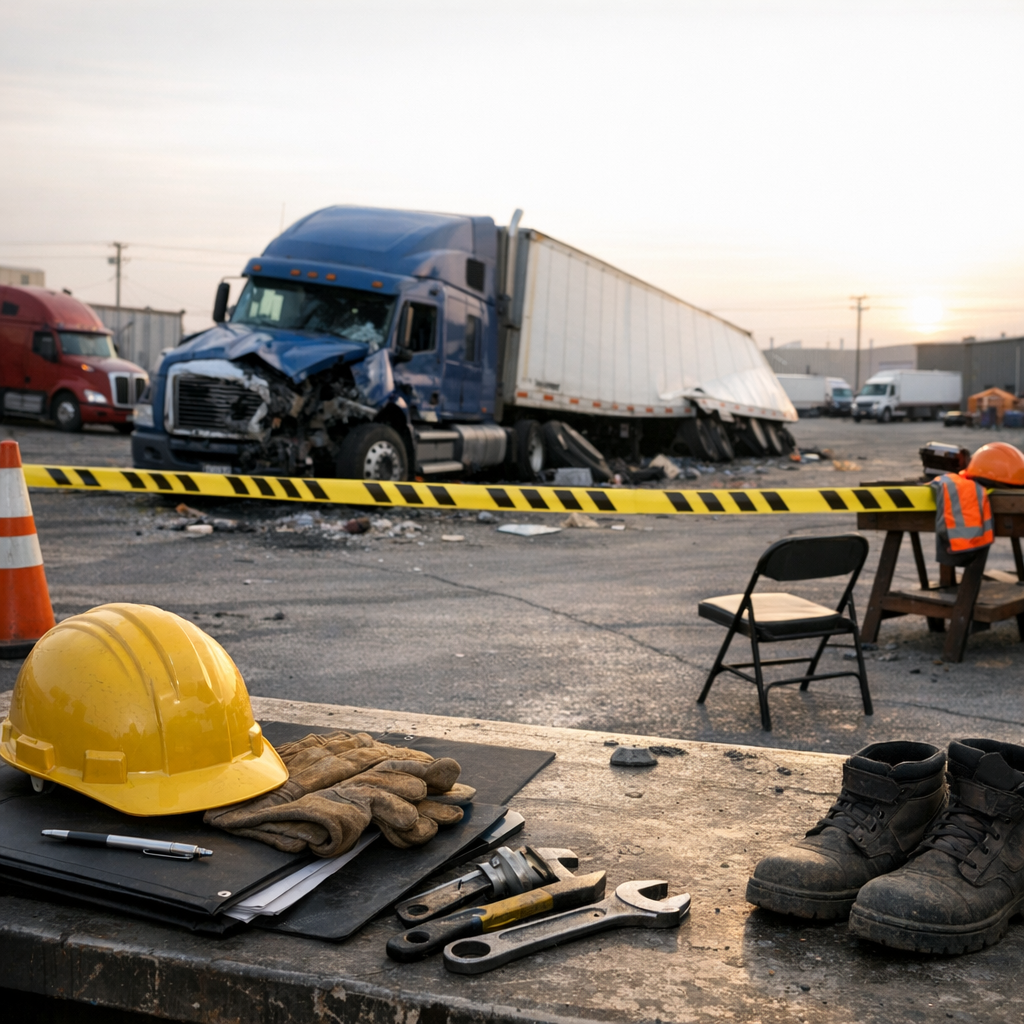
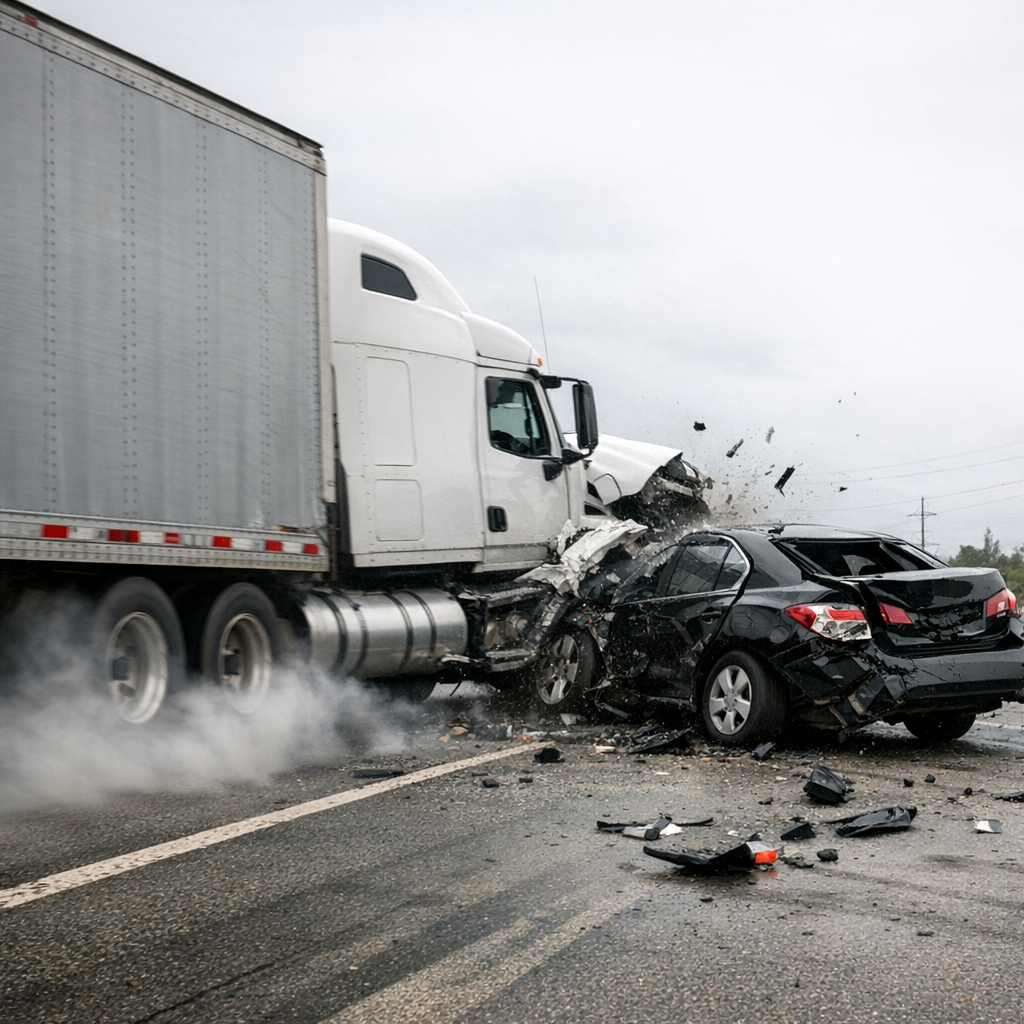
The size and weight of big rigs mean that collisions during acceleration can have considerable force. Immediate physical damage might involve the front end of the rig, depending on the angle of impact. Cargo shifting or spillage is another important concern, particularly when carrying hazardous or heavy materials.
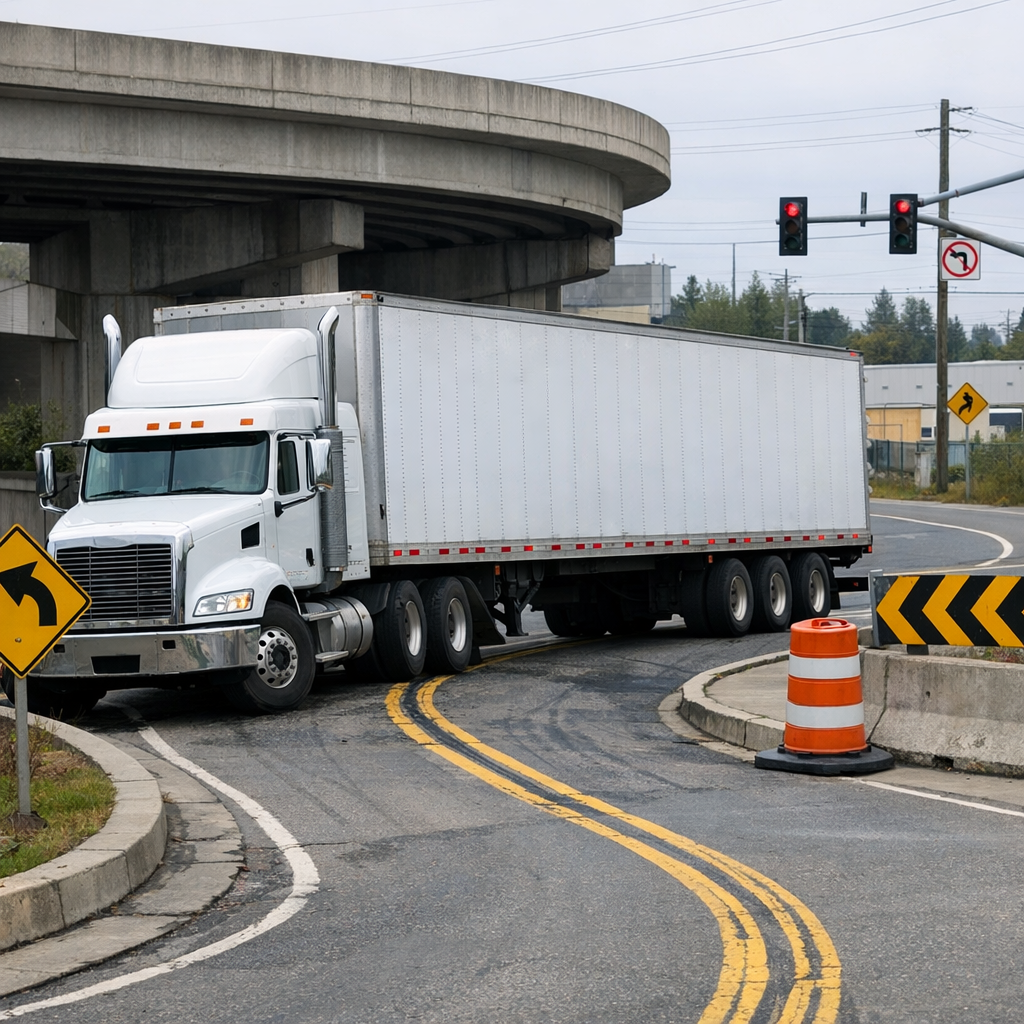
The environment may also be affected if the crash blocks traffic lanes or causes debris on the roadway. Emergency responders and tow services often face challenges due to the large size and slow maneuverability of disabled rigs.
Effects on other vehicles and road users
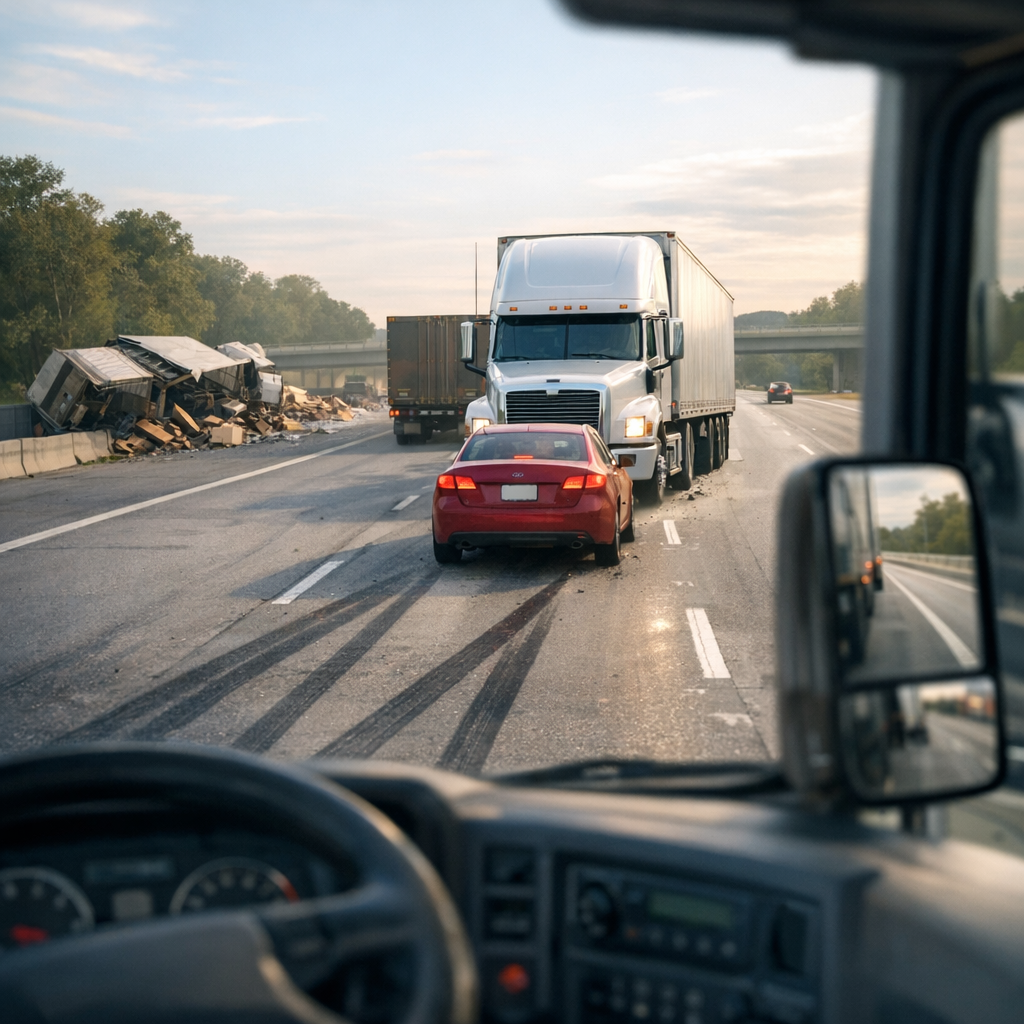
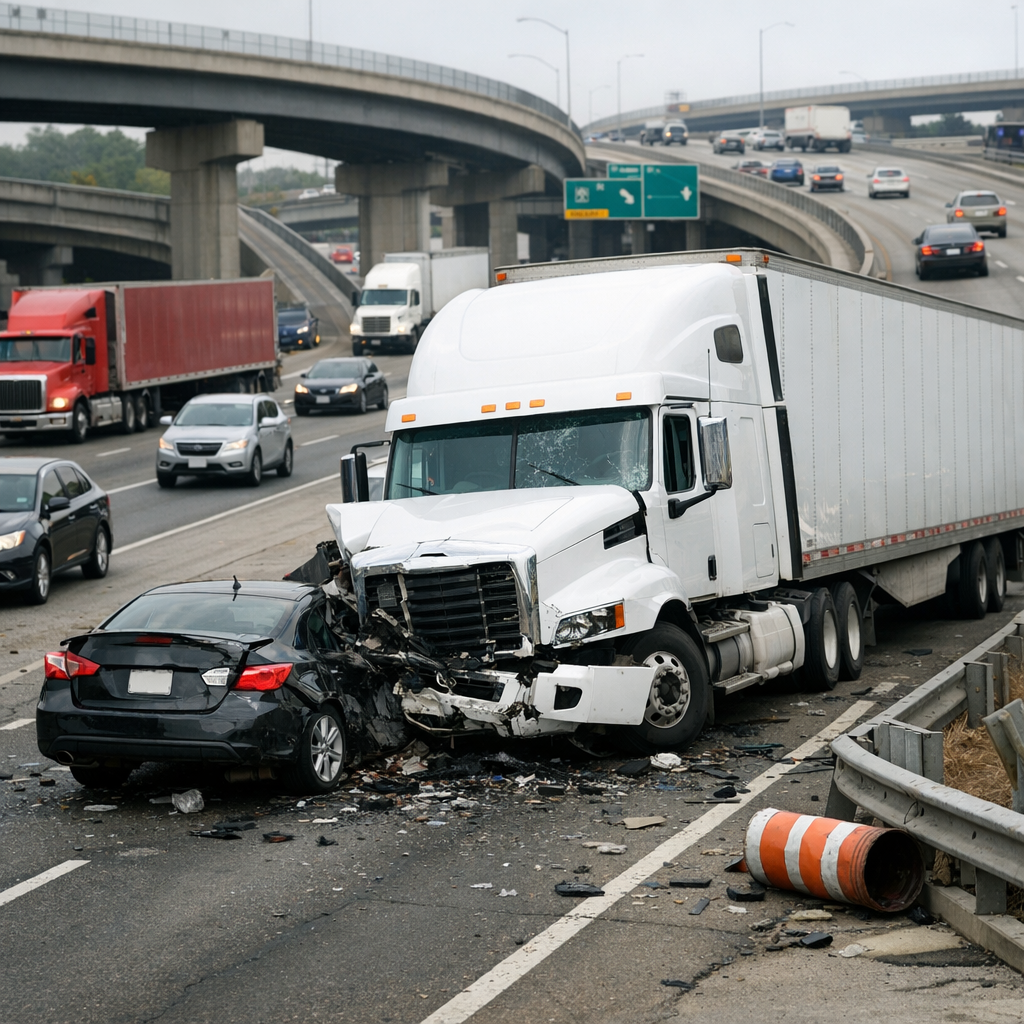
Smaller vehicles involved in a big rig acceleration crash commonly sustain extensive damage because of the disparity in size. Occupants of these vehicles may experience serious injuries depending on the collision’s nature and speed at impact.
Traffic flow disruptions are typical, especially on highways and busy arterial roads. Detours, delays, and temporary road closures can be part of the aftermath while authorities manage the scene and clear obstruction.
Common questions and concerns after a big rig acceleration incident
What factors contribute to driver error in these crashes?
Fatigue, distraction, and inadequate training are frequent human factors influencing accidents during acceleration. The need to properly judge timing and speed under pressure makes acceleration tasks challenging for many commercial drivers.
How does vehicle maintenance affect acceleration safety?
Proper maintenance including engine checks, brake systems, and transmission components is crucial. A malfunction in any of these systems during acceleration may cause loss of control or inability to react in time, increasing the likelihood of a crash.
Are weather conditions especially risky during acceleration?
Yes, rain, ice, fog, or high winds can impair visibility and road grip. These conditions exasperate difficulties with traction and handling, sometimes causing trucks to skid or lose stability when accelerating.
Understanding the broader implications of acceleration-related big rig crashes
Incidents involving acceleration highlight the importance of cautious operation in large vehicles. The interplay of vehicle dynamics, driver skill, and external conditions must be managed carefully to avoid accidents.
Big rig acceleration crashes serve as reminders of the careful coordination required for these vehicles to operate safely alongside other traffic. Recognizing the risks helps all road users stay aware of the challenges big rigs face when gaining speed on public roads.