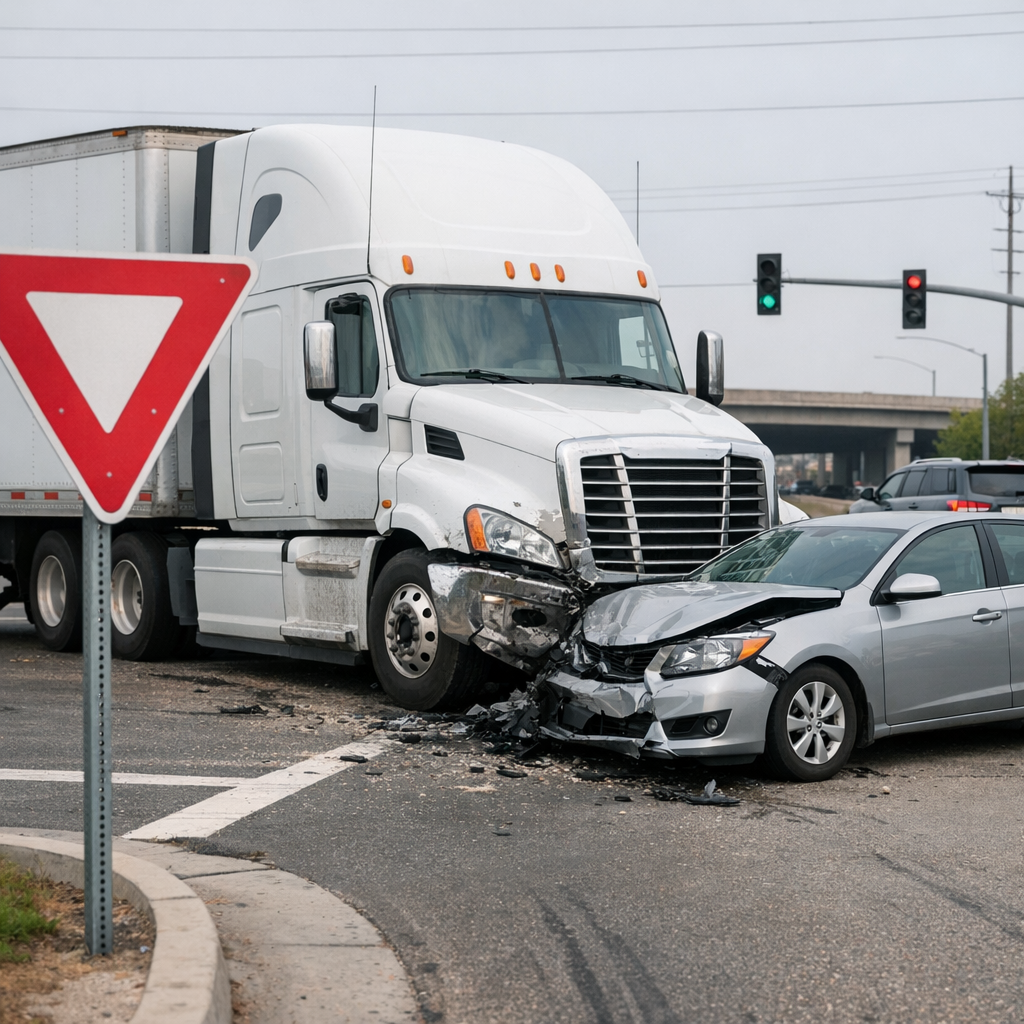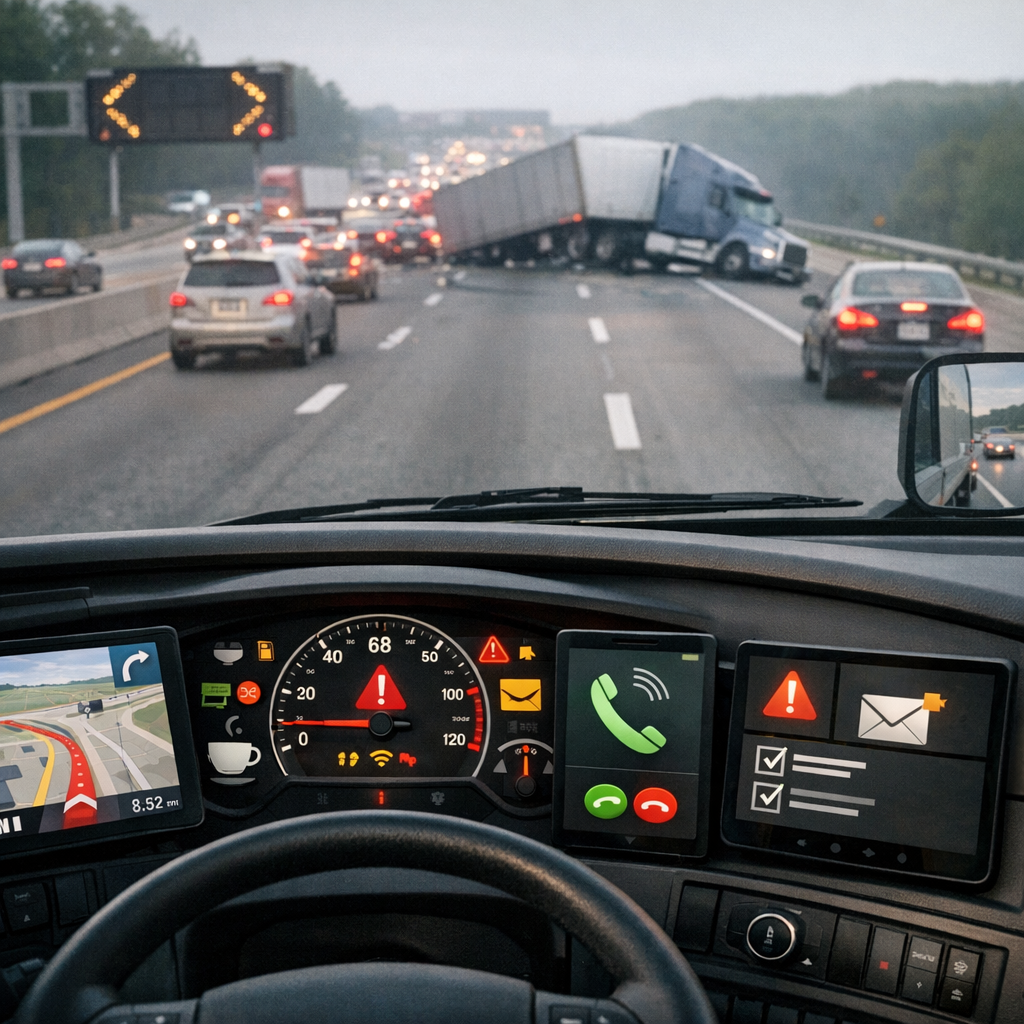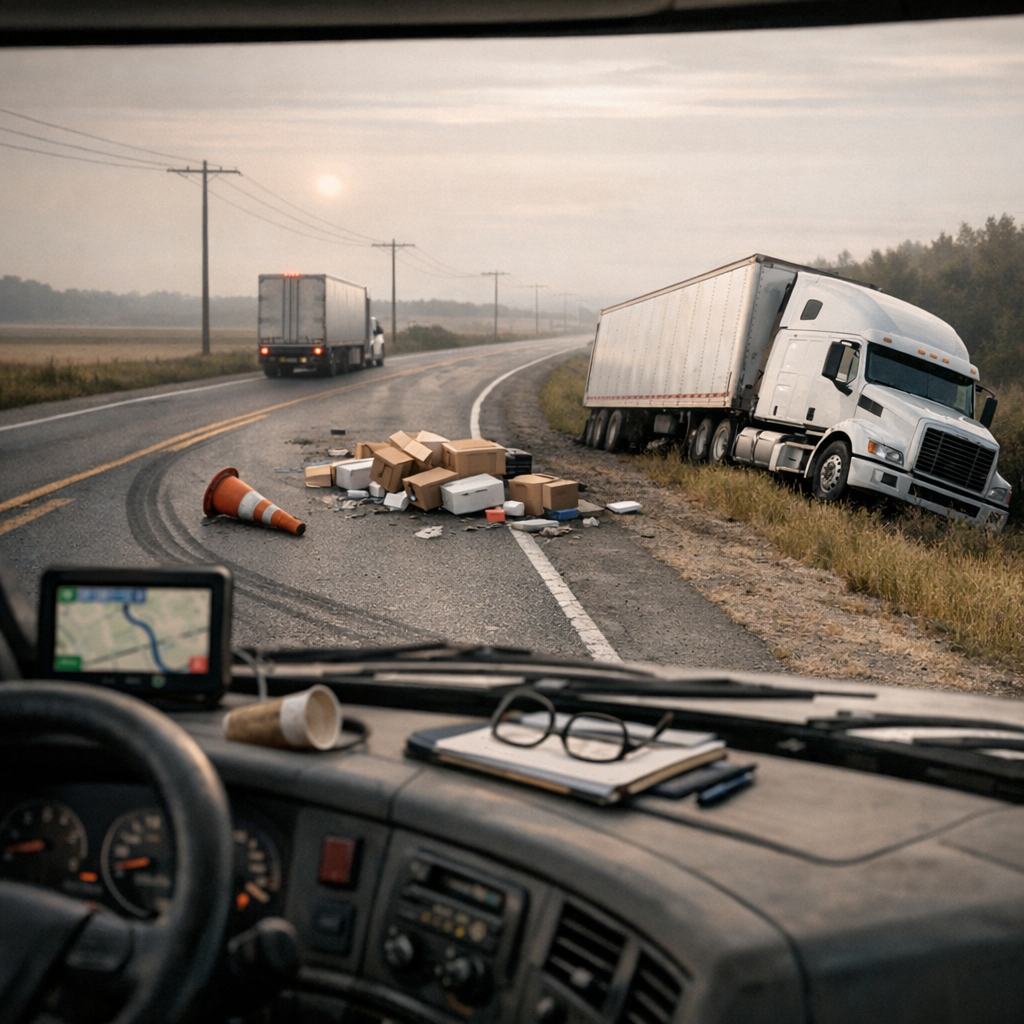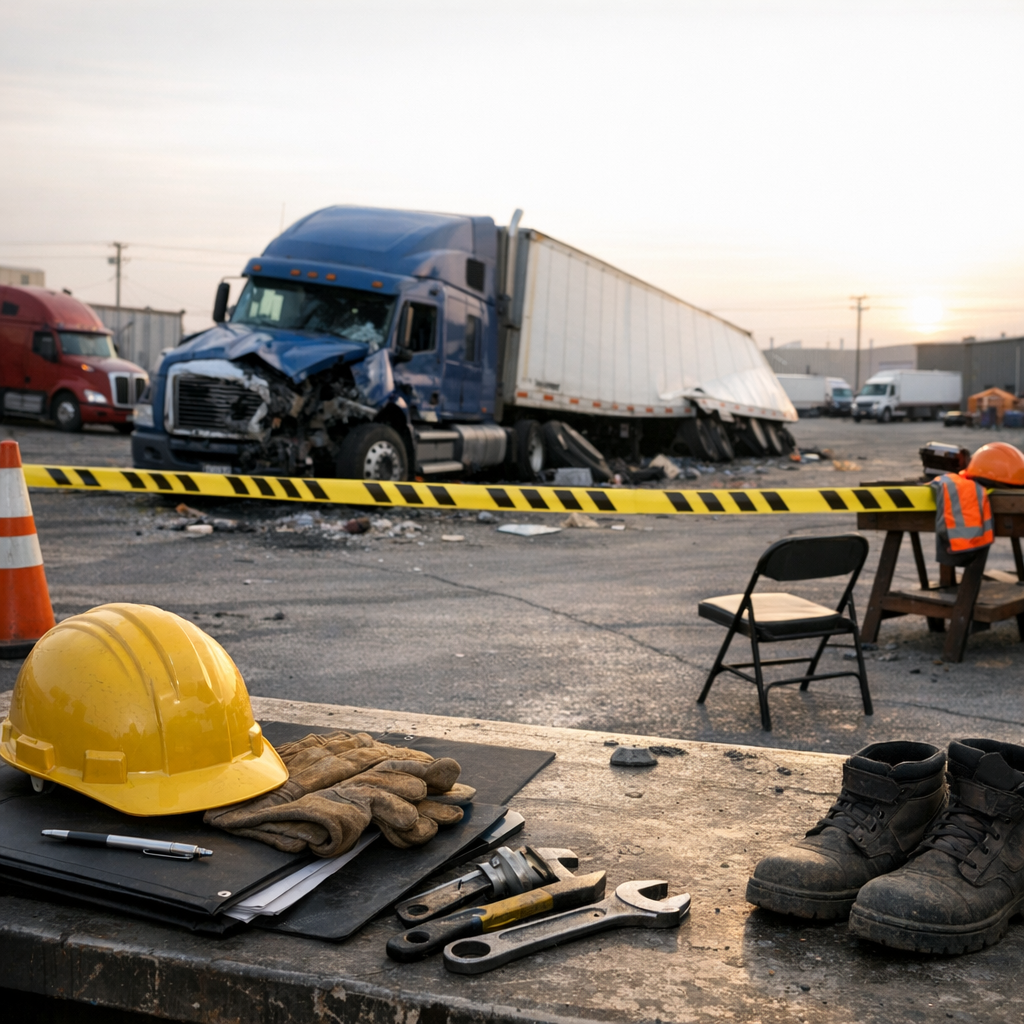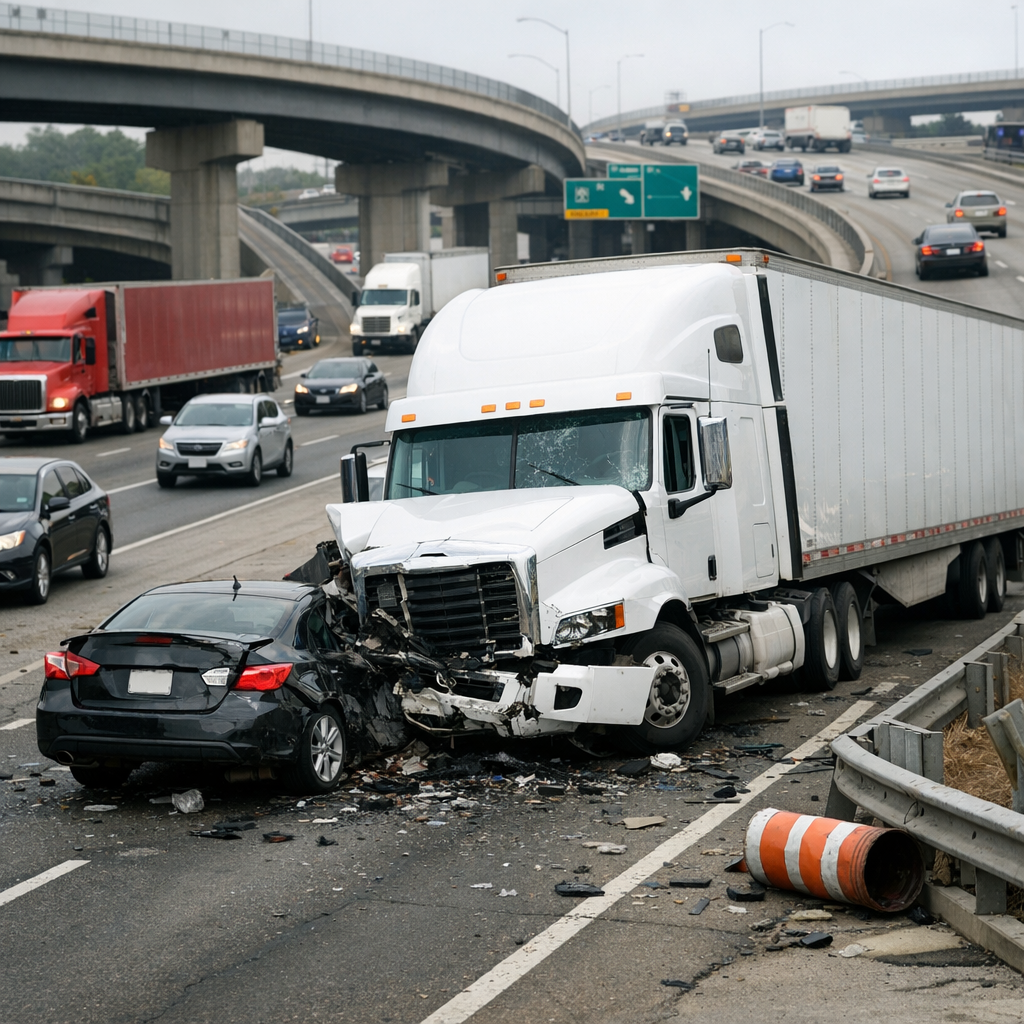
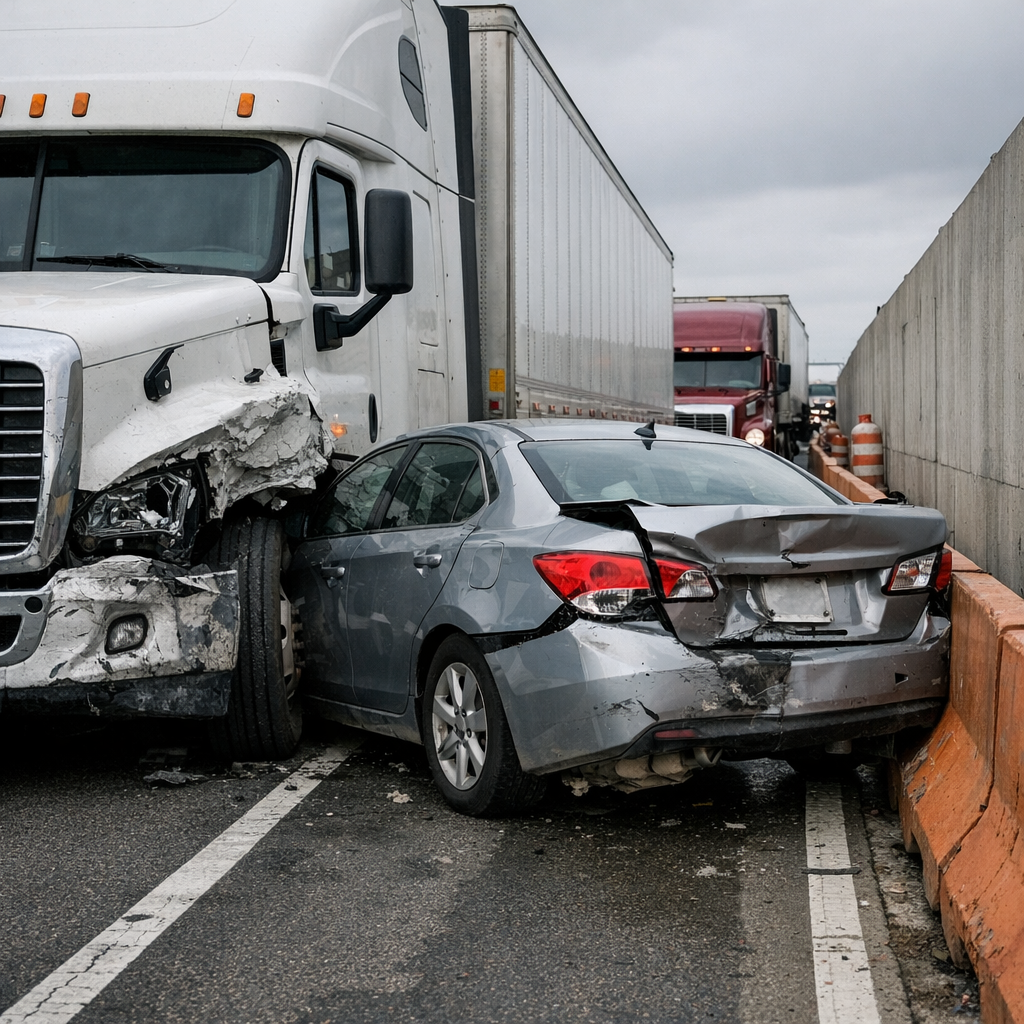
Big rig collision in tight traffic lanes
Collisions involving big rigs in narrow or congested traffic lanes present a complex and often hazardous situation. Due to the size and weight of these vehicles, accidents in confined spaces can lead to significant disruptions and potential safety risks. Understanding the dynamics of such crashes and their aftermath can shed light on their impact and challenges.
How big rig collisions typically occur in narrow lanes
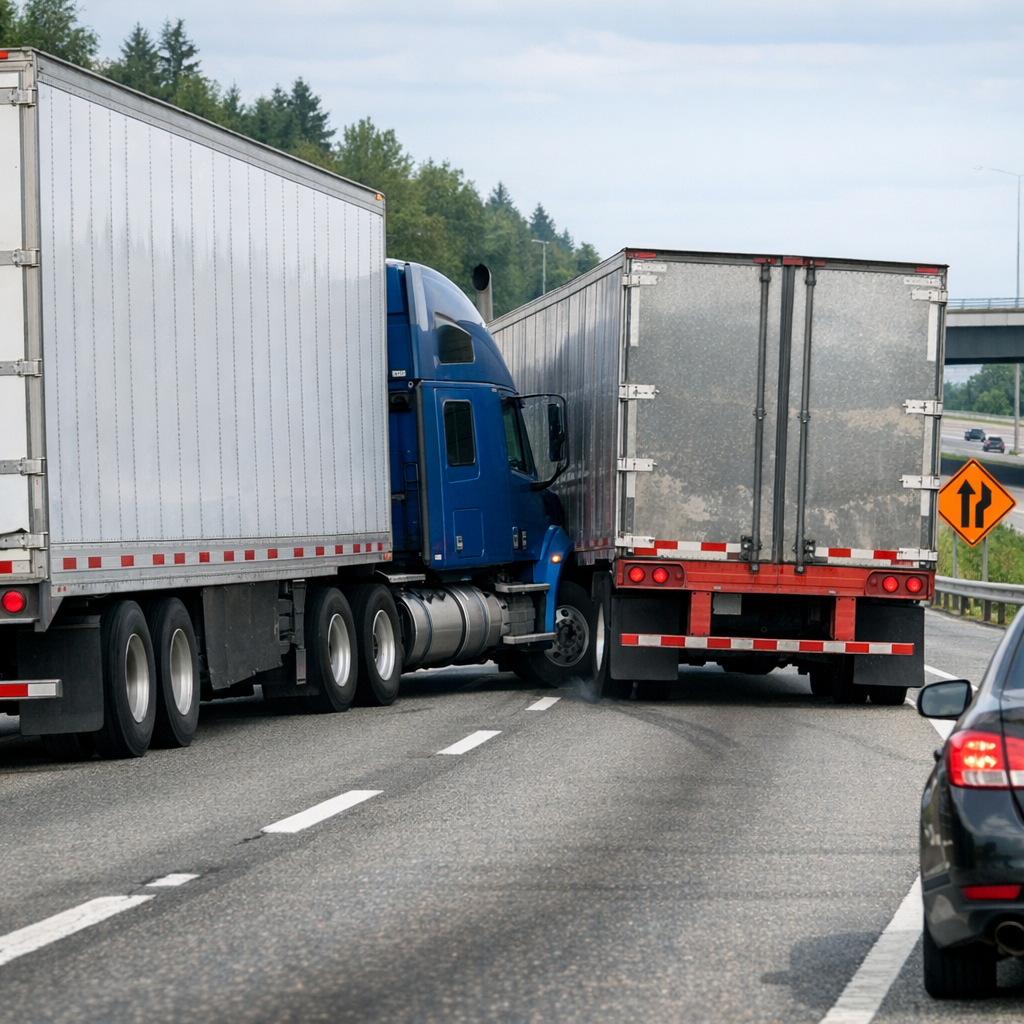
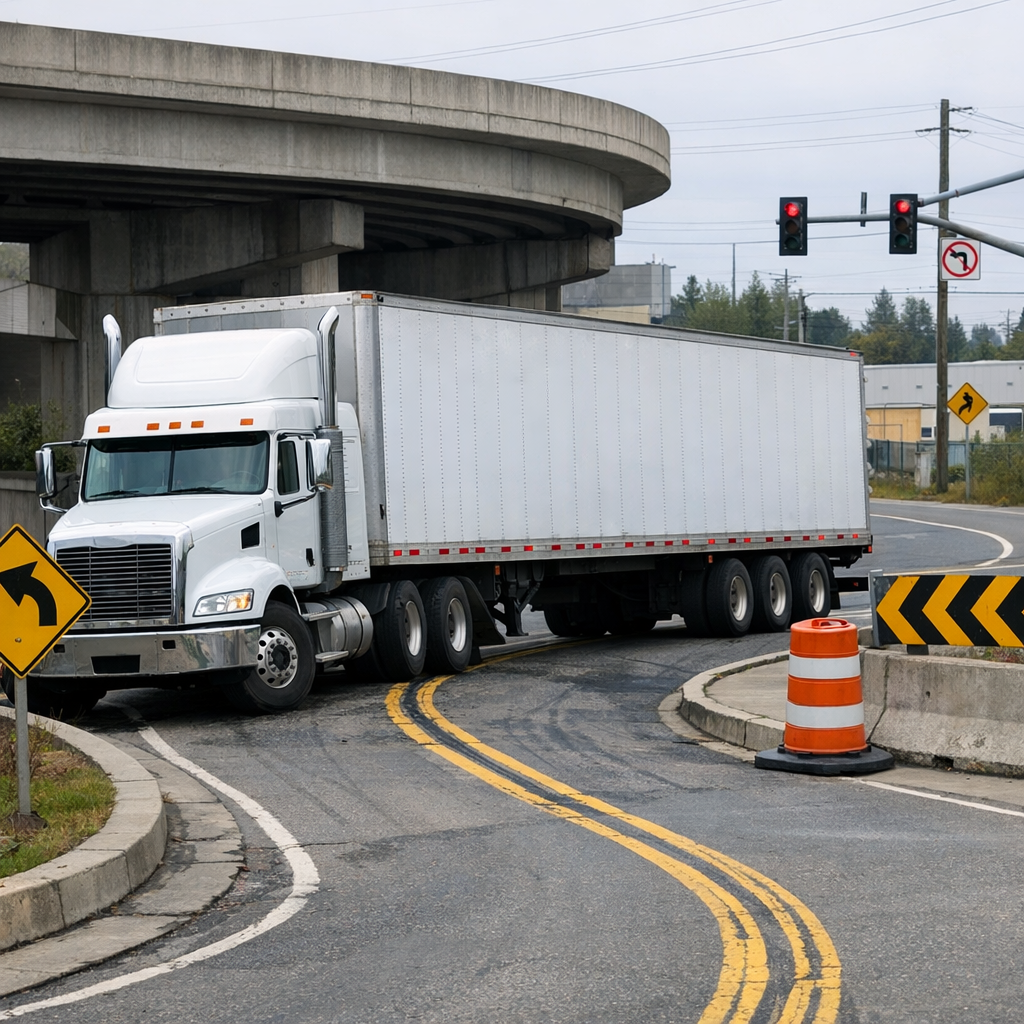
Big rigs, also known as tractor-trailers or semi-trucks, require more room to maneuver compared to regular vehicles. When lanes are tight, especially in heavy traffic or construction zones, the margin for error decreases substantially.
Common factors leading to collisions
Tight lanes often mean limited lateral space for trucks to adjust their position. Drivers may find it difficult to maintain safe distances from surrounding vehicles, barriers, and other trucks. Sudden braking or lane changes by vehicles ahead can catch a big rig off guard, increasing the risk of impacting another vehicle or roadside structure.
Impact of restricted movement on accident severity
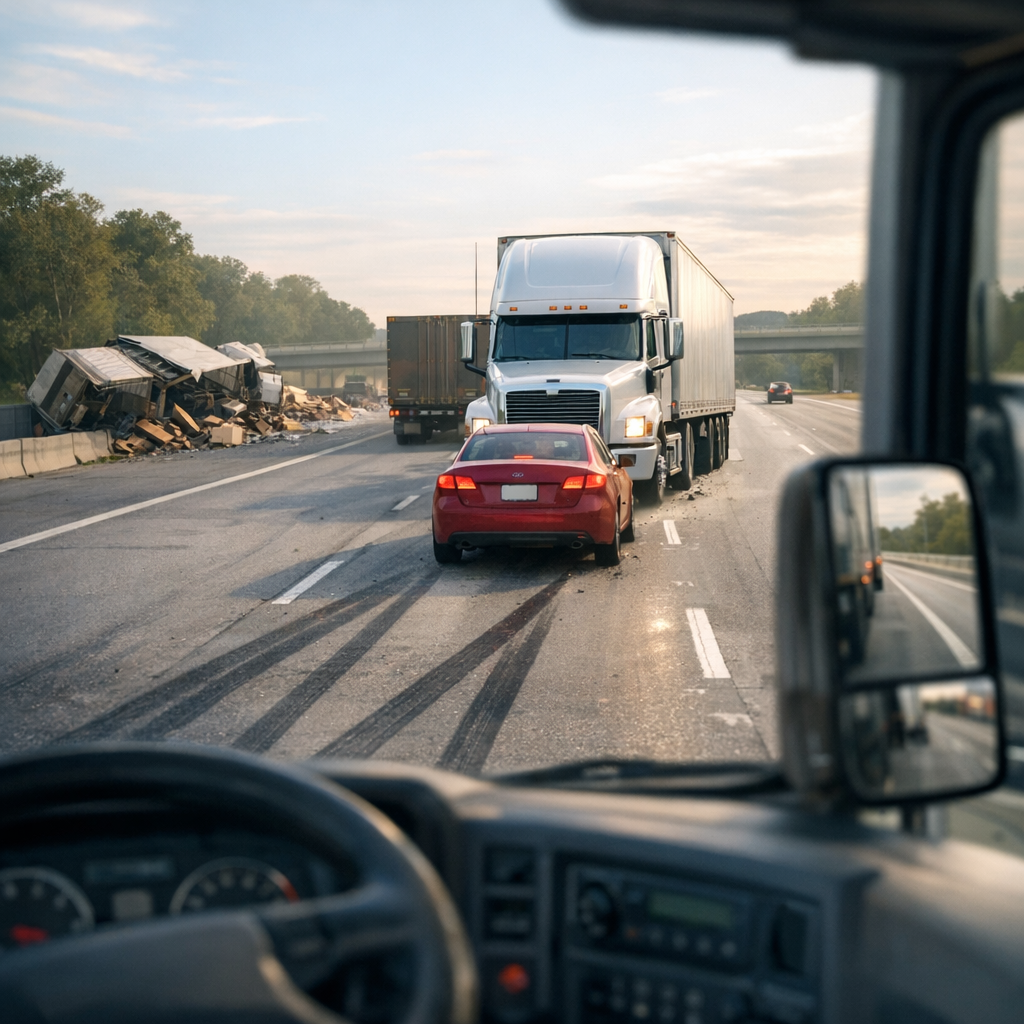
Because big rigs have large blind spots and longer stopping distances, even minor errors in judgment can escalate quickly. In confined lanes, the momentum of a big rig crash can involve multiple vehicles due to the limited escape routes. This can exacerbate damage to property and increase the complexity of the crash scene.
Physical and logistical outcomes following the crash
When a big rig collision occurs within narrow lanes, several outcomes often arise that affect both immediate response and broader traffic conditions.
Vehicle and roadway damage in confined spaces
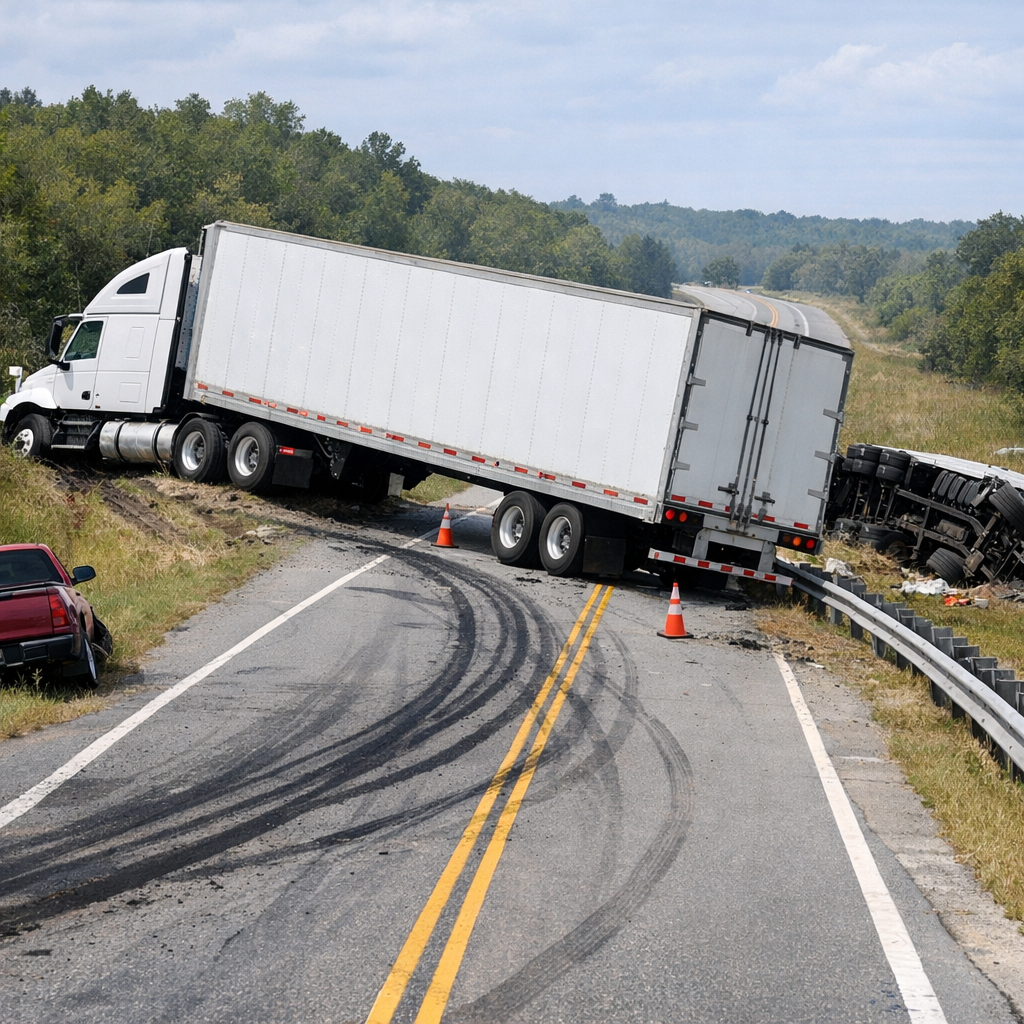
The large size of big rigs means that collisions often cause substantial damage to the trailers and cargo, as well as surrounding infrastructure like guardrails and barriers. Damage to safety rails in narrow lanes may impact road usability until repairs are completed.
Traffic flow and congestion issues
Since these collisions usually block at least one lane of traffic, congestion quickly builds. Narrow lanes often mean there are fewer options for rerouting or expanding traffic around the accident site. This can lead to extended delays during clean-up and response activities.
Emergency response in tight areas
Responders must navigate the close quarters with care to prevent additional accidents. Limited space may slow down the arrival of necessary equipment and personnel, potentially influencing the overall duration of the disruption.
Questions about safety and prevention after a big rig crash
In the aftermath, many wonder about the challenges surrounding safety and how similar incidents might be avoided.
How do restricted lanes affect driver visibility and reaction times?
Narrow lanes can contribute to reduced visibility for truck drivers, especially regarding adjacent vehicles and road barriers. These constraints also limit the ability to adjust vehicle position and can shorten reaction times in fast-changing traffic situations.
The role of infrastructure design
Road design that accommodates larger vehicles and enables safer lane widths can help mitigate risks. However, space limitations, especially in urban areas or during construction, often prevent such ideal conditions.
Can technology help reduce narrow lane crashes?
Advanced driver assistance technologies, such as blind spot detection and automatic emergency braking, are increasingly being implemented in big rigs. While these systems can improve safety, their effectiveness can be hindered in extremely tight lanes or heavy congestion where maneuverability is limited.
Understanding the outcomes and next steps following such incidents
Managing the consequences of big rig crashes in tight traffic lanes involves coordinated efforts from traffic management, emergency responders, and highway maintenance teams.
Restoring safe traffic conditions
After the initial emergency response, clearing the collision site safely is crucial to reopening lanes. This process may involve vehicle removal, debris cleanup, and repairs to damaged roadway elements. Given the restricted space, these operations can require special equipment and planning.
Mitigating future risks in narrow lanes
Traffic authorities may evaluate ways to enhance safety through measures such as better lane markings, temporary lane adjustments, or improved signage warning drivers of upcoming narrow lanes. These efforts aim to reduce the likelihood of future big rig narrow lanes crashes.
Final thoughts on the challenges presented by tight lanes
Big rig collisions in confined traffic lanes are complex events influenced by vehicle size, road design, and traffic conditions. While these incidents can present significant logistical and safety challenges, understanding the factors involved helps in managing their impacts and exploring options to improve safety on busy roadways.