
Semi Truck Failed to Brake in Time
When a semi truck fails to brake in time, the consequences can be significant due to the vehicle’s size and momentum. These incidents often involve sudden stops or crashes that affect both the truck driver and other motorists. Understanding what occurs during these situations and the typical outcomes can provide insight into the various factors involved.
What Happens When Semi Truck Braking Failure Occurs
A semi truck braking failure usually involves the inability of the truck’s braking system to slow or stop the vehicle as expected. This can result from mechanical issues such as brake wear, air system problems, or improper maintenance. In some cases, road conditions or driver reactions also play a role in preventing timely braking.
The Role of Vehicle Momentum and Weight
Semi trucks are heavy and carry substantial loads, which greatly increase stopping distances compared to smaller vehicles. Even under ideal conditions, a fully loaded truck requires several hundred feet to come to a complete stop. When brakes fail or are delayed, this stopping distance is extended, limiting the driver’s ability to avoid collisions.
Mechanical Aspects that May Lead to Brake Failure
Issues with air brakes, hydraulic leaks, or brake pad deterioration can impair braking performance. Additionally, a loss of air pressure in the brake system is a common cause of reduced effectiveness. Regular maintenance and inspections are critical to preventing these failures.
Typical Outcomes Following a Semi Truck’s Late Braking
When a semi truck does not brake in time, the outcomes can involve collisions with other vehicles, roadside objects, or infrastructure. The severity often depends on speed, traffic conditions, and the type of impact.
Common Physical and Roadway Consequences
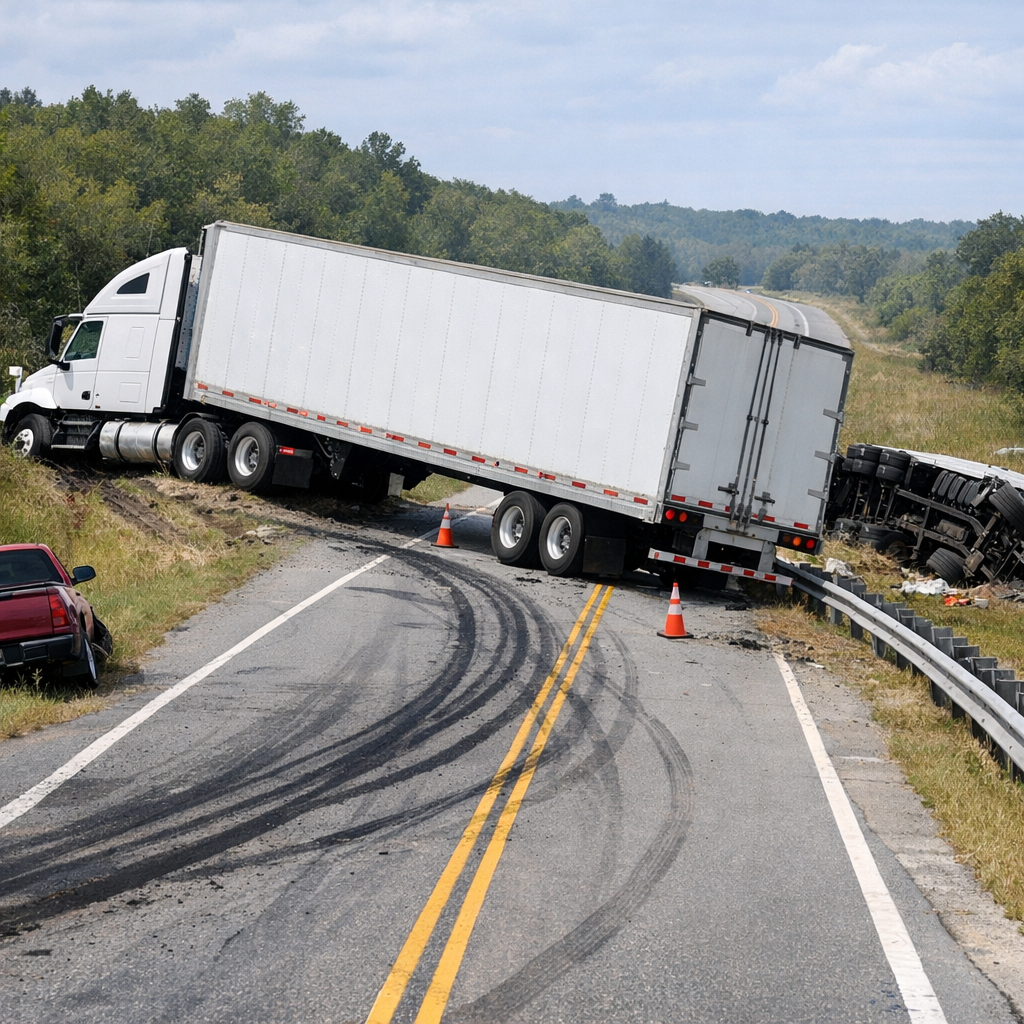
Collisions can lead to severe damage to both the truck and other vehicles involved. Debris from the crash may scatter across the roadway, creating further hazards for subsequent drivers. In some scenarios, the truck may jackknife or roll over as a result of sudden braking maneuvers or loss of control.
Traffic Disruptions and Emergency Response
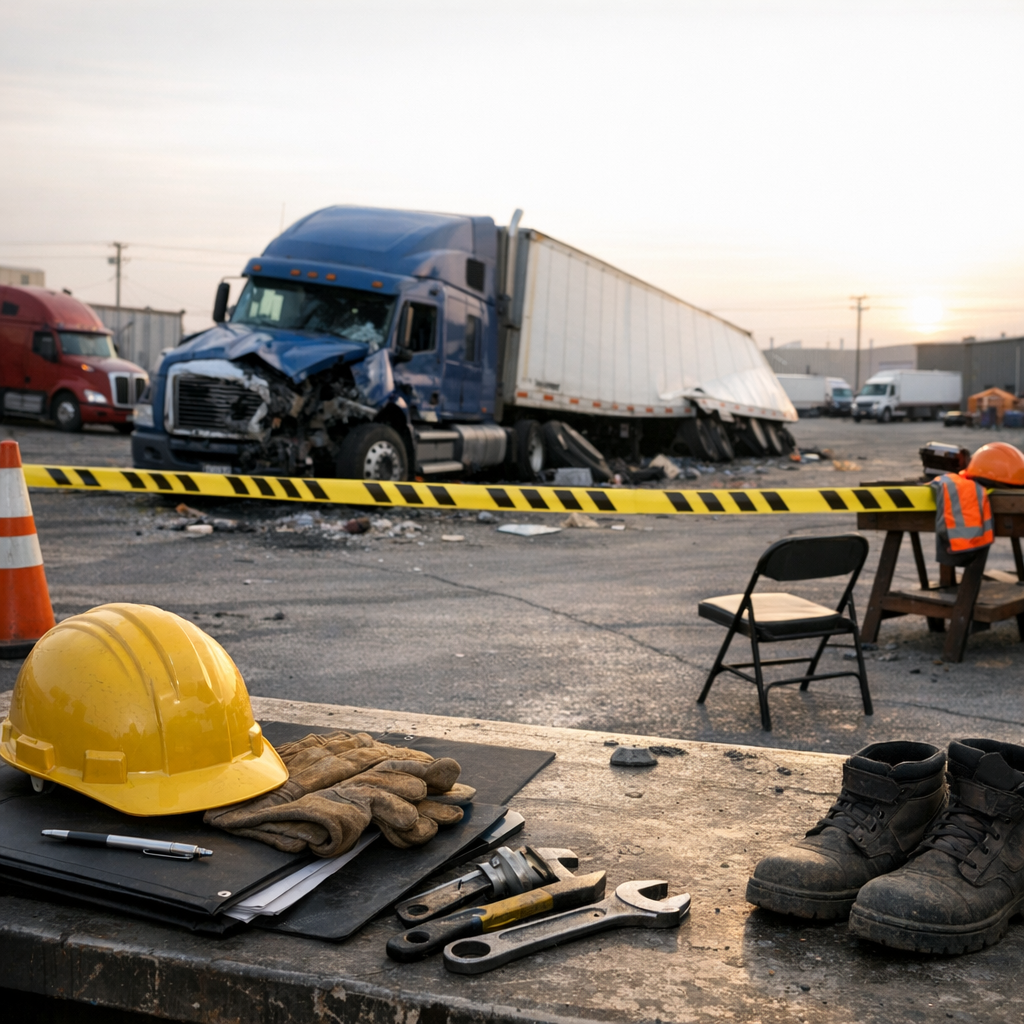
Such incidents typically result in significant traffic delays while emergency crews work to clear the scene and provide assistance. Roads may be closed temporarily, impacting travel for hours depending on the situation’s complexity.
Questions Often Considered Afterward
Following an incident involving semi truck braking failure, many wonder about how these situations arise and ways to reduce their occurrence.
How Are Semi Truck Brakes Maintained and Inspected?
Regulations require routine brake inspections and maintenance for commercial trucks to ensure safety. Drivers also perform pre-trip checks aimed at identifying any immediate issues that could affect braking. Despite these measures, mechanical failures can still occur unexpectedly.
What Challenges Do Drivers Face in Preventing Accidents?
Truck drivers must remain alert to traffic, road conditions, and vehicle performance at all times. Unforeseen obstacles, weather factors, and vehicle malfunctions all contribute to the difficulty of avoiding collisions, especially when braking systems fail.
Understanding Safety in Context of Braking Issues
Awareness of the complexity involved in semi truck braking systems and the challenges of managing heavy vehicles helps place these incidents in perspective. While failures can have serious outcomes, ongoing industry efforts focus on improving safety measures and maintenance protocols to reduce the frequency of such events.