Big Rig Failed to Yield at an Intersection
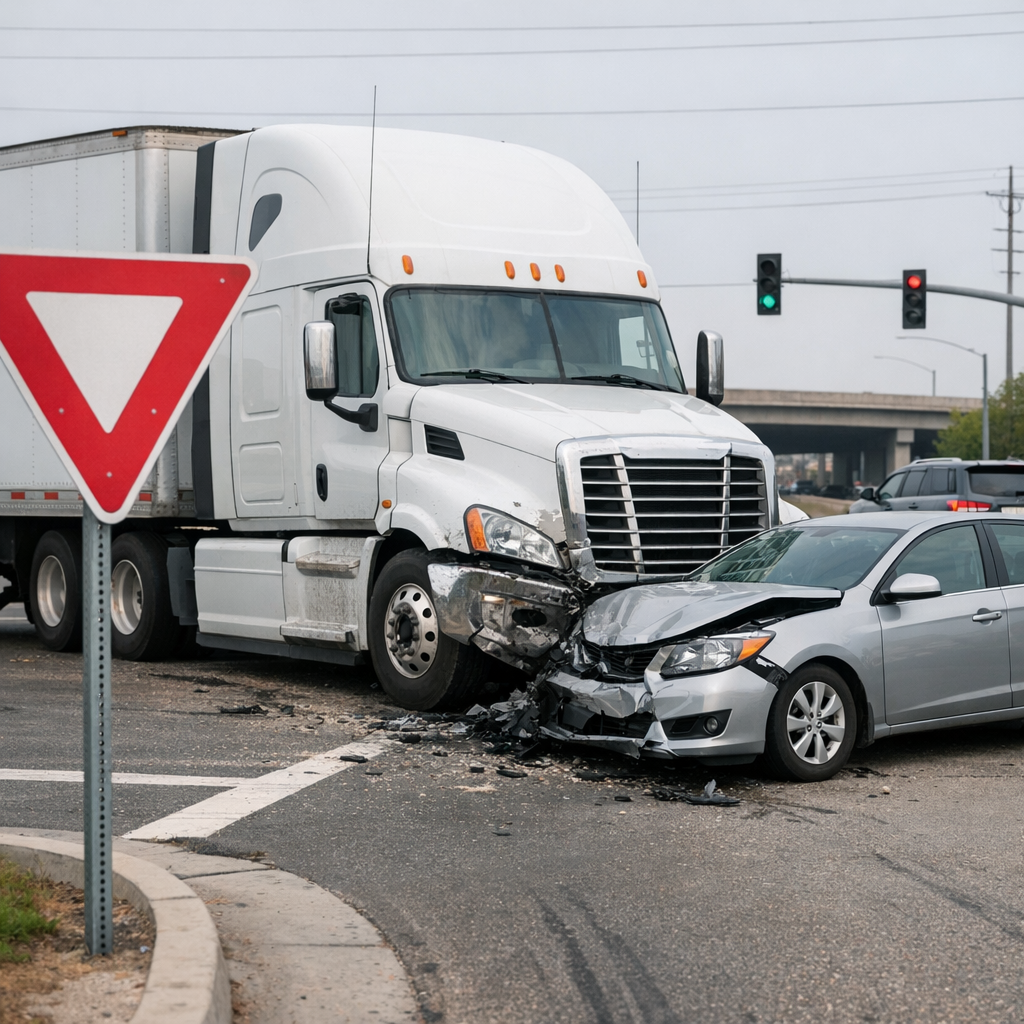
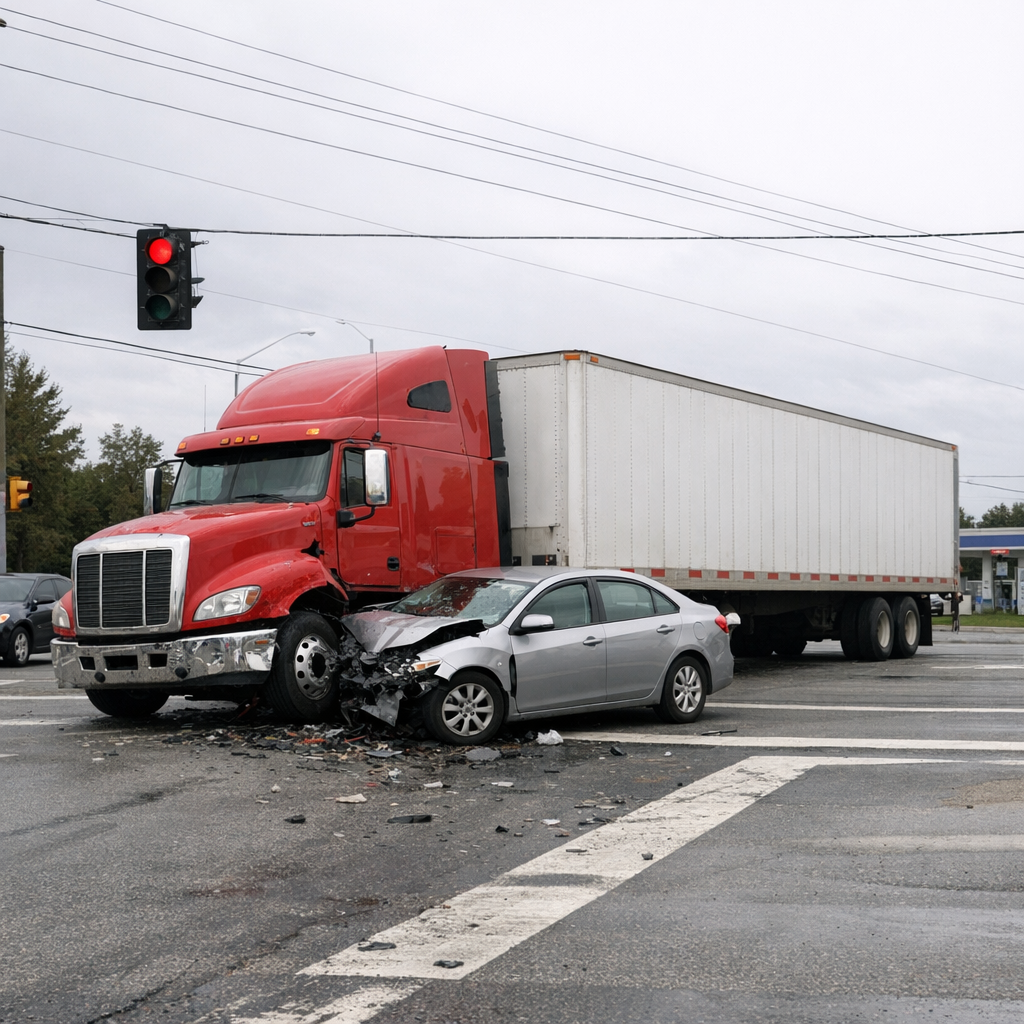
When a big rig fails to yield at an intersection, the situation can quickly become complex due to the size and momentum of these large vehicles. Intersections are points where different traffic streams converge, making right-of-way rules particularly important. A failure to yield by any driver, especially a big rig operator, can lead to dangerous consequences, affecting drivers, passengers, and pedestrians nearby.
Understanding what typically occurs in this type of incident helps clarify the risks and outcomes involved in a big rig failure to yield.
What Happens When a Big Rig Does Not Yield?
Intersection Right-of-Way Basics
At most intersections, drivers are expected to follow traffic signals, stop signs, or yield signs that dictate who has the right of way. When a big rig does not yield as required, it interrupts the flow of traffic and creates confusion for other drivers attempting to navigate the intersection safely.
The Dynamics of a Big Rig’s Movement
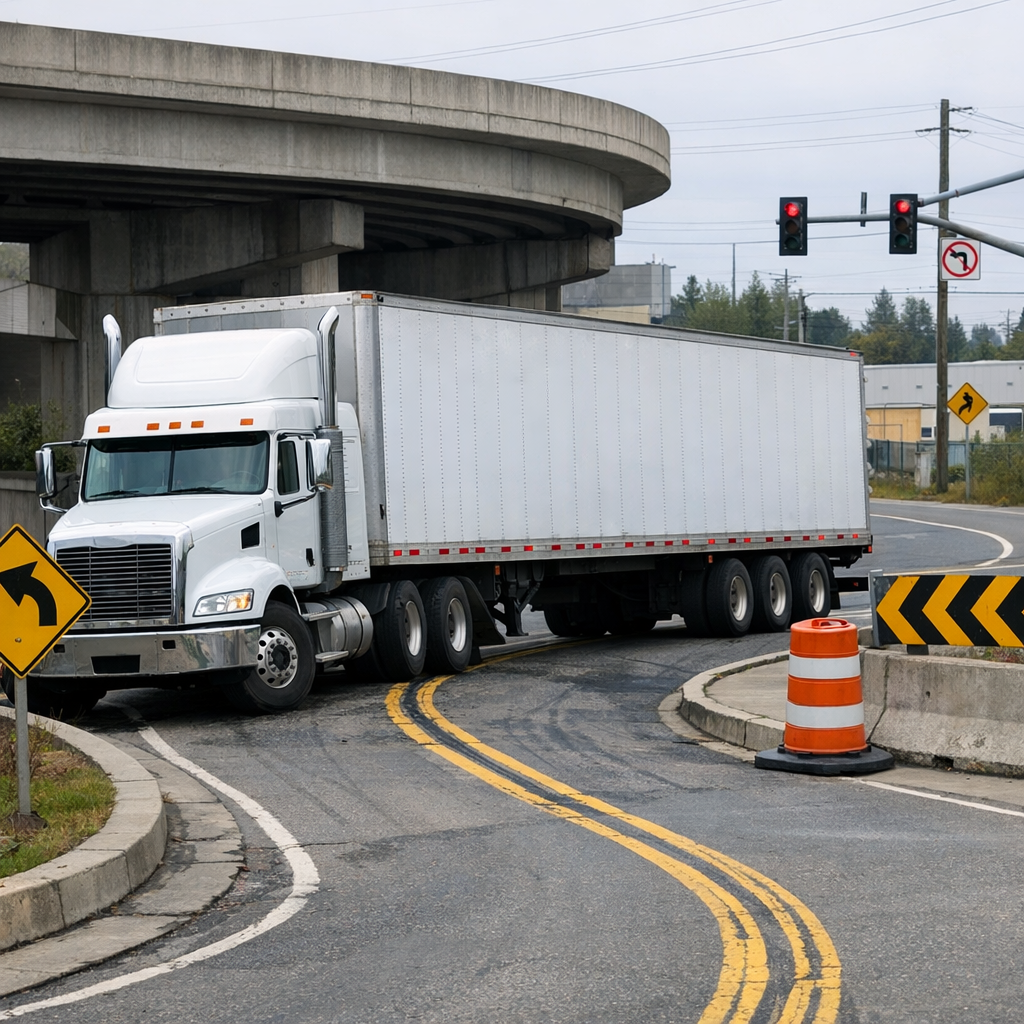
Big rigs, due to their significant weight and size, take longer to stop and maneuver compared to smaller vehicles. When a driver fails to yield, the ability of the big rig to adjust its course or come to a quick halt is limited, increasing the likelihood of a collision or near-miss.
Possible Outcomes After a Yield Failure
Impact on Other Vehicles
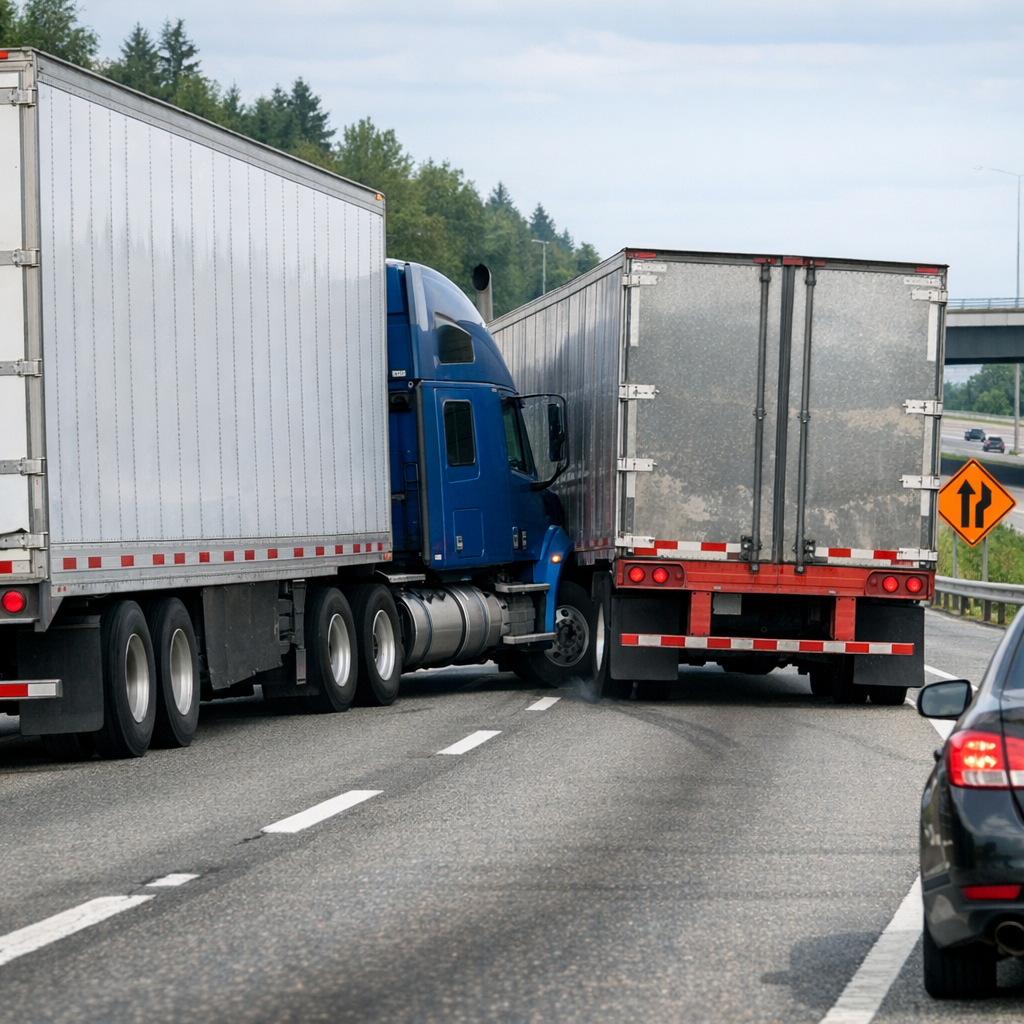
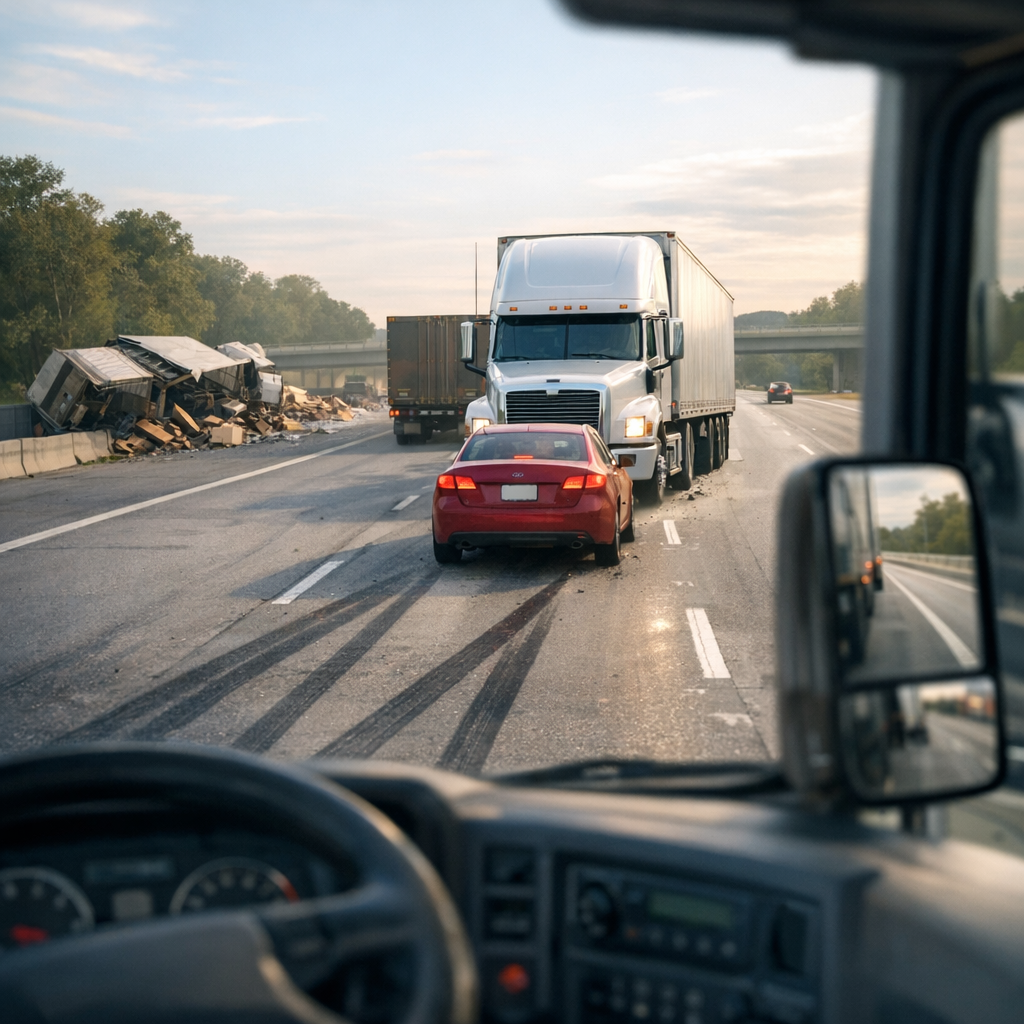
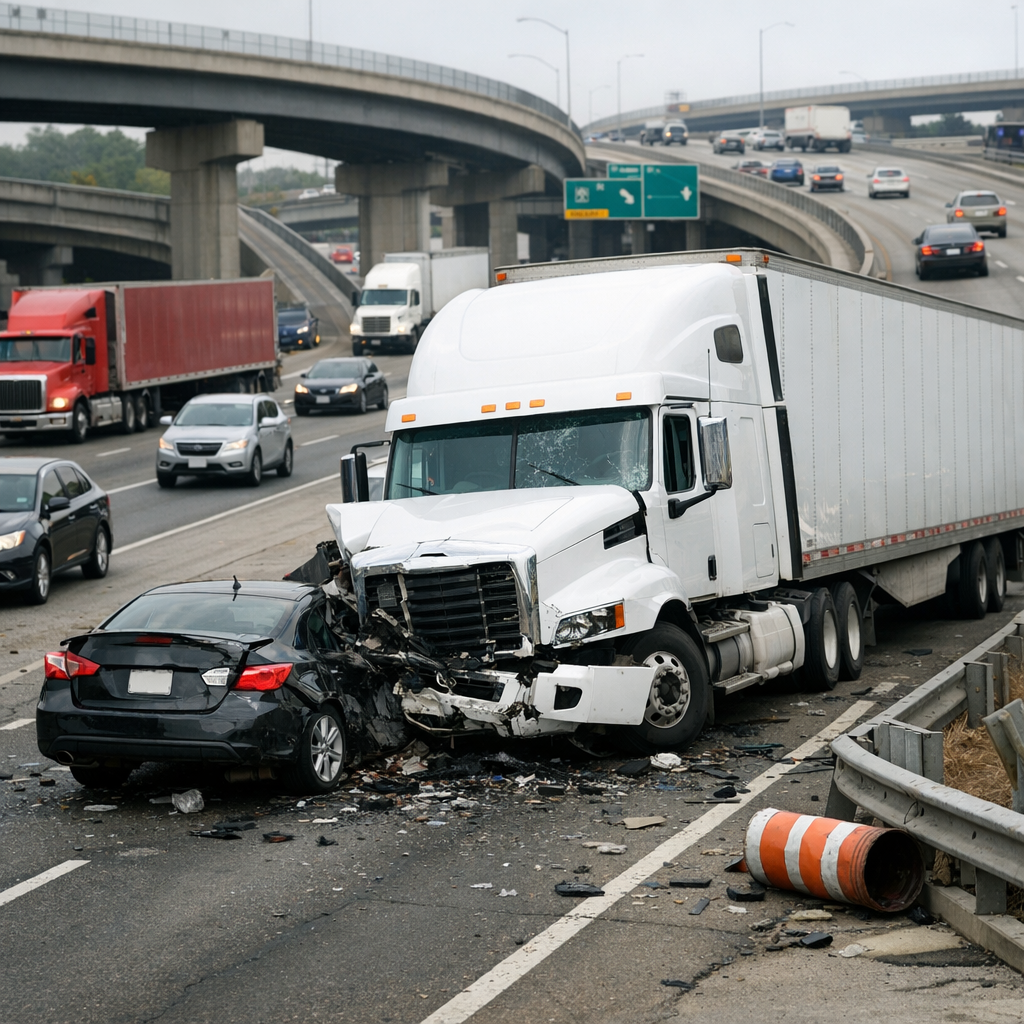
A big rig’s failure to yield can lead to collisions with passenger cars, motorcycles, or bicycles. The size disparity can result in considerable damage to smaller vehicles and potential injury to their occupants.
Traffic Flow Disruptions
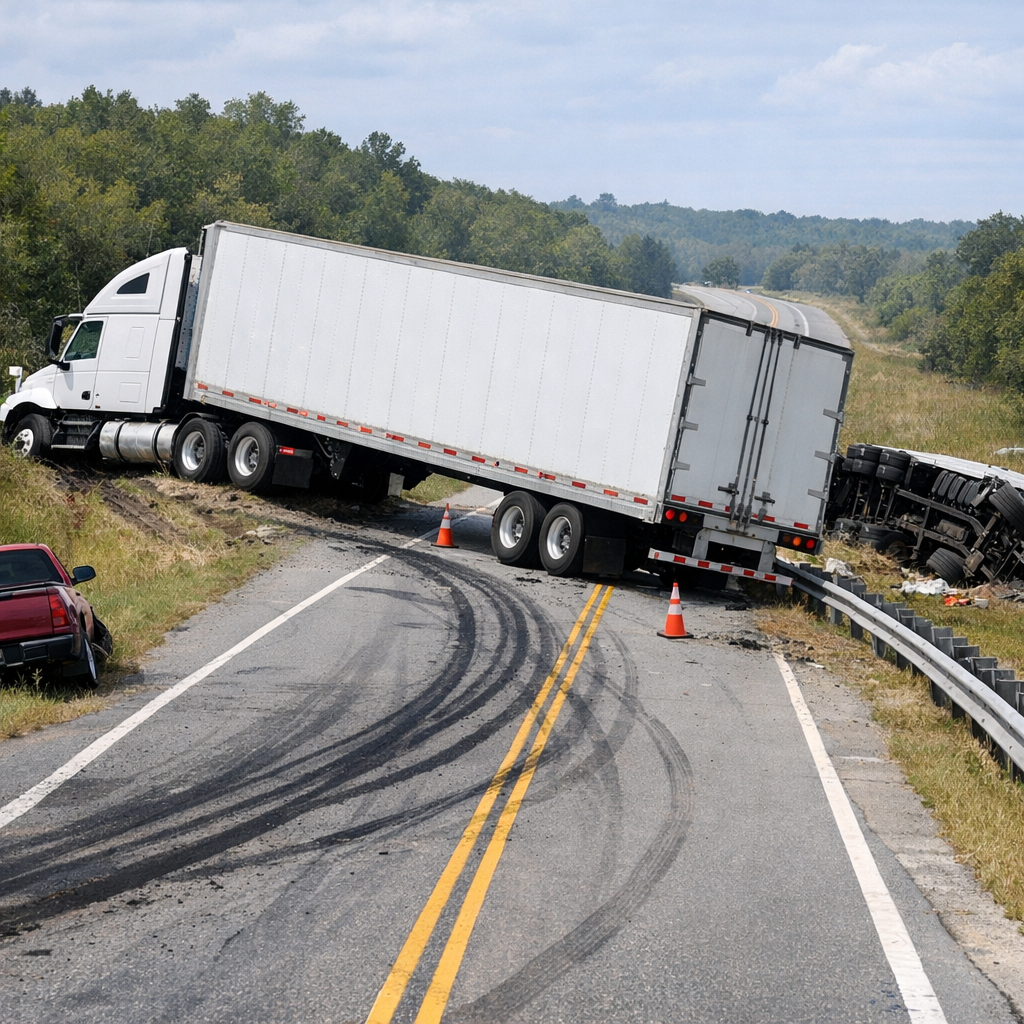
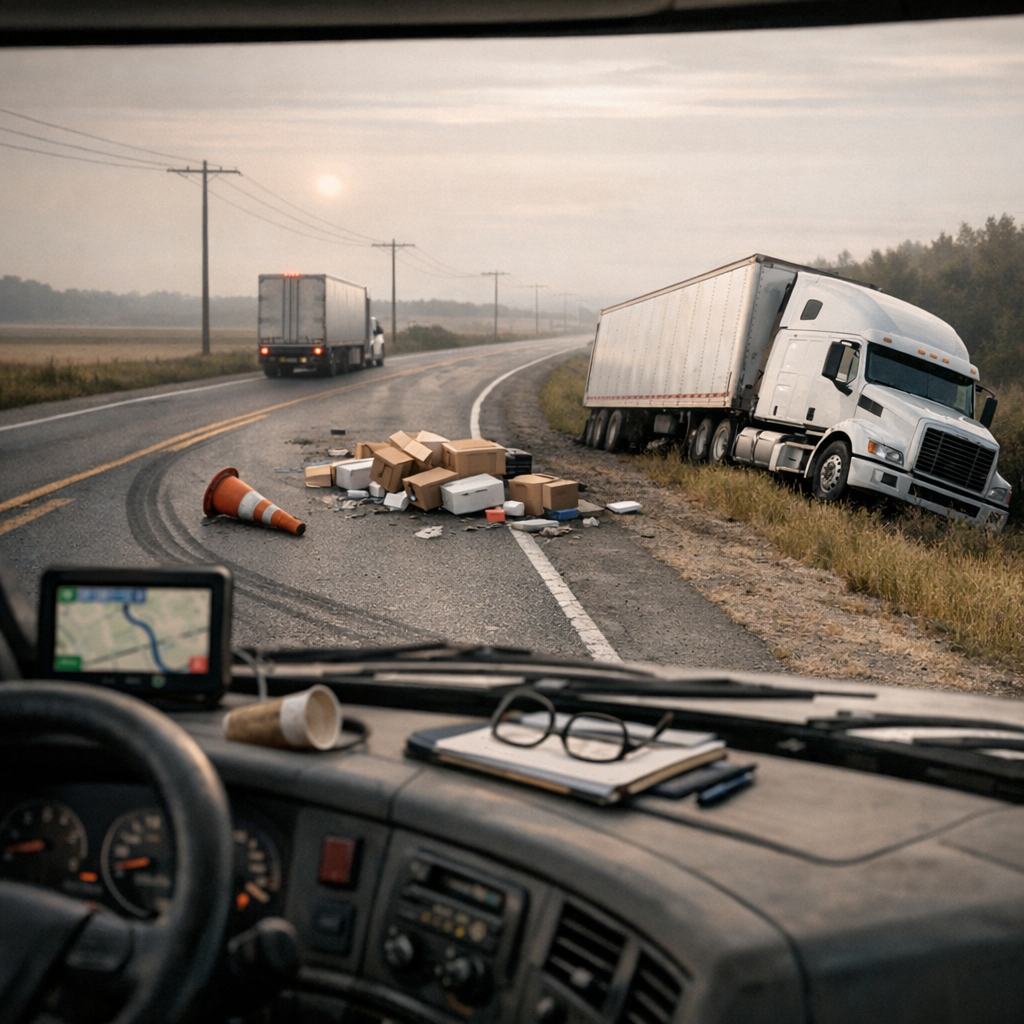
Such incidents frequently cause traffic delays, as authorities may need to manage the scene or clear debris. The blockage can affect not only the immediate intersection but also nearby roads as drivers seek alternative routes.
Emergency Response and Road Safety Measures
When an accident arises from a big rig failure to yield, emergency responders may arrive to assist injured parties and control traffic. This response helps restore safety but can take time, particularly if the crash is severe.
Common Questions Following a Big Rig Yield Incident
How Can These Accidents Be Prevented?
Preventive measures largely focus on driver awareness and adherence to traffic rules. Both commercial vehicle operators and other drivers benefit from maintaining vigilance at intersections and understanding right-of-way regulations.
What Factors Contribute to a Big Rig Not Yielding?
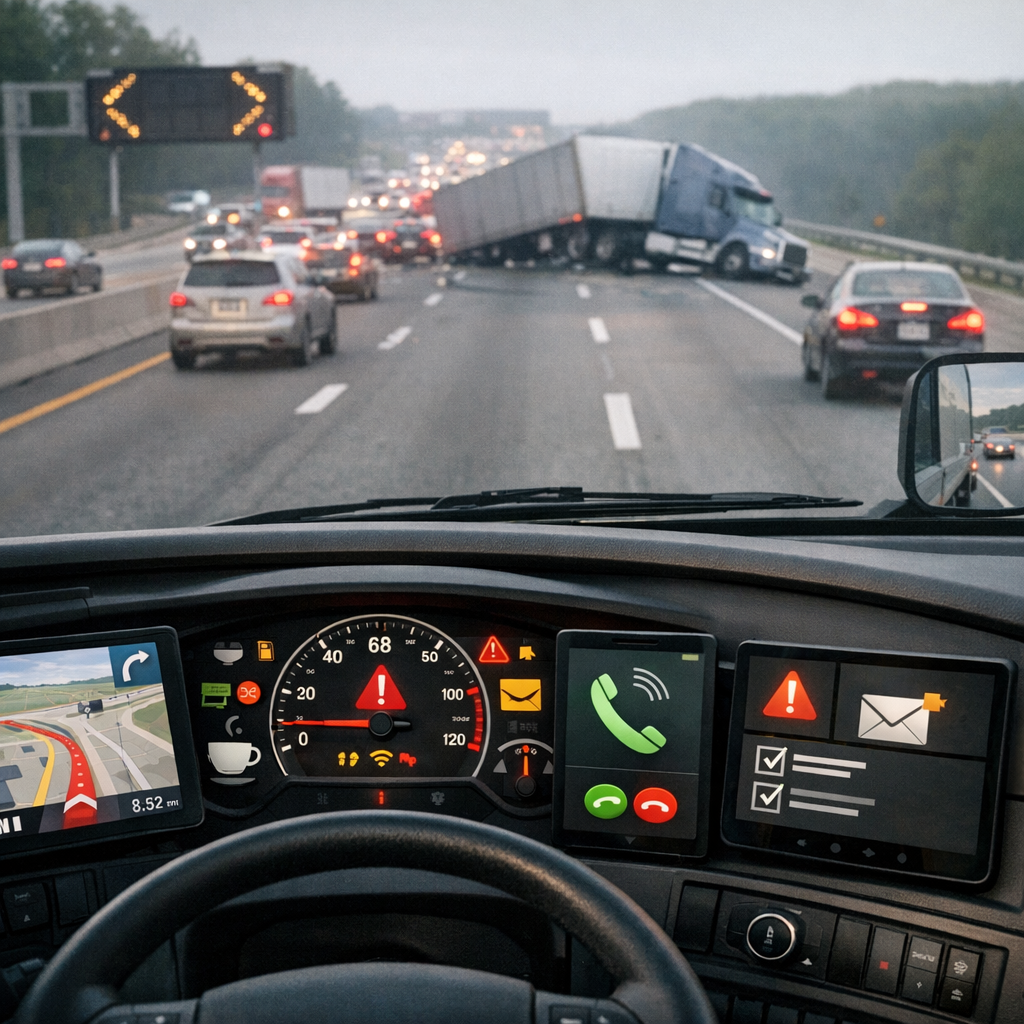
Several factors may influence a failure to yield, including driver distraction, fatigue, or misjudgment of traffic conditions. Road design and visibility can also play a role. An understanding of these elements offers insight into improving road safety around big rigs.
Are All Yield Failures Equally Dangerous?
While any failure to yield presents risks, the dangers are amplified with big rigs due to their size. Incidents may vary in severity depending on the speed of the vehicles involved, the angle of impact, and whether other road users take evasive action.
What Drivers Should Know About Intersections
Importance of Clear Communication on the Road
Intersections require drivers to interpret signals and signs quickly. Clear communication, such as signaling turns and maintaining appropriate speed, reduces misunderstandings and helps prevent conflicts involving large trucks.
Awareness of Big Rig Limitations
Other drivers should be aware that big rigs need more space to maneuver and longer distances to stop. Patience and caution around these vehicles can help avoid situations where a big rig might fail to yield due to unexpected obstacles or traffic flow.
Summary of Considerations After a Big Rig Yield Issue
Incidents involving a big rig failure to yield at an intersection involve complex interactions between vehicle dynamics, road rules, and driver behavior. While these situations can lead to accidents and disruptions, understanding the contributing factors and the nature of the big rig’s limitations can inform safer driving practices for everyone sharing the road.