Driver Fatigue in Big Rig Accidents
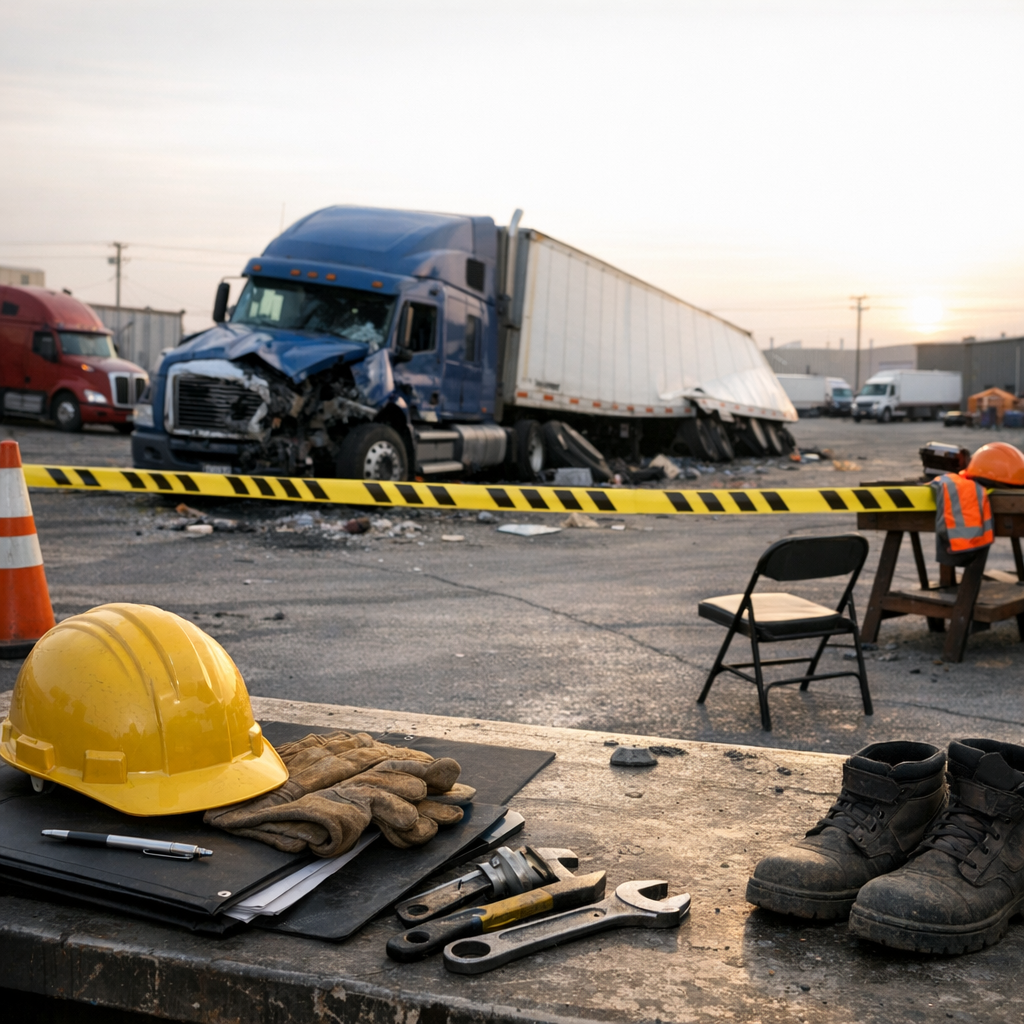
Driver fatigue in trucking is a critical factor influencing the safety of the roads, especially when it comes to large commercial vehicles like big rigs. These enormous trucks require intense focus and quick reflexes to navigate often challenging driving conditions. When fatigue sets in, the consequences can be severe, affecting both the drivers and everyone sharing the road.
Understanding Driver Fatigue in Trucking
Driver fatigue refers to a state of physical and mental exhaustion that impacts a driver’s ability to operate a vehicle safely. In the context of big rig trucking, fatigue is often the result of long hours behind the wheel, irregular sleep patterns, or demanding schedules. Unlike simple tiredness, fatigue in trucking impairs cognitive functions such as attention, decision-making, and reaction time — all vital for handling a vehicle that weighs thousands of pounds.
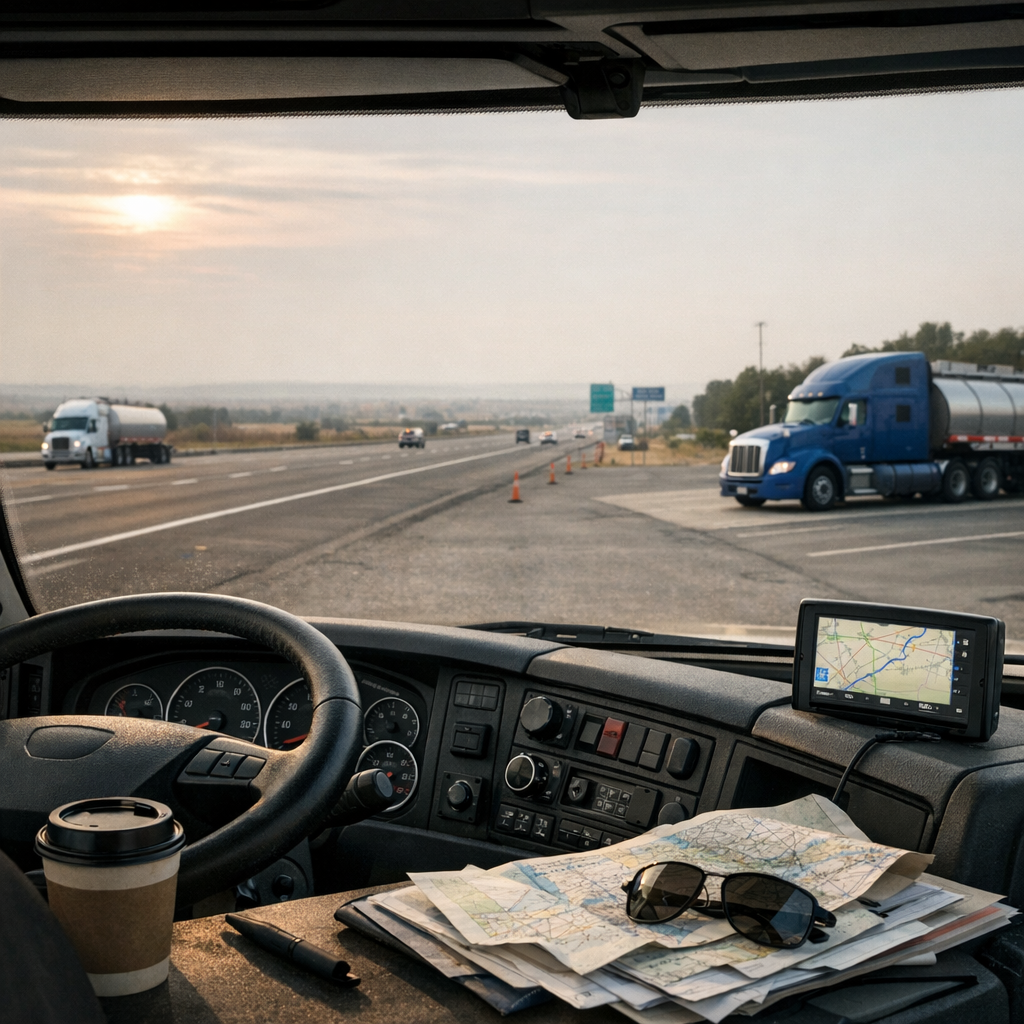
Truck drivers frequently face demanding work conditions. They may drive long distances across multiple states, often working to deliver goods on tight deadlines. The nature of the job leads many drivers to push through fatigue rather than rest, which increases the likelihood of becoming dangerously tired while operating their vehicles.
The Role of Sleep Deprivation and Circadian Rhythms
One of the main contributors to driver fatigue in trucking is sleep deprivation. Commercial truck drivers often struggle to get restful sleep due to inconsistent schedules and sleeping in uncomfortable environments such as truck sleepers or rest stops. This lack of restorative sleep accumulates over days, causing drivers to slip into microsleeps—brief episodes of unintended sleep lasting just seconds. These microsleeps can be fatal behind the wheel.
Circadian rhythms, which regulate the body’s internal clock, also play a significant role. Driving during the night or early morning disrupts these natural rhythms. The body signals it is time to sleep, making focus and alertness harder to maintain, especially during night shifts or early morning starts common in trucking.
Physical and Mental Demands of Driving Big Rigs
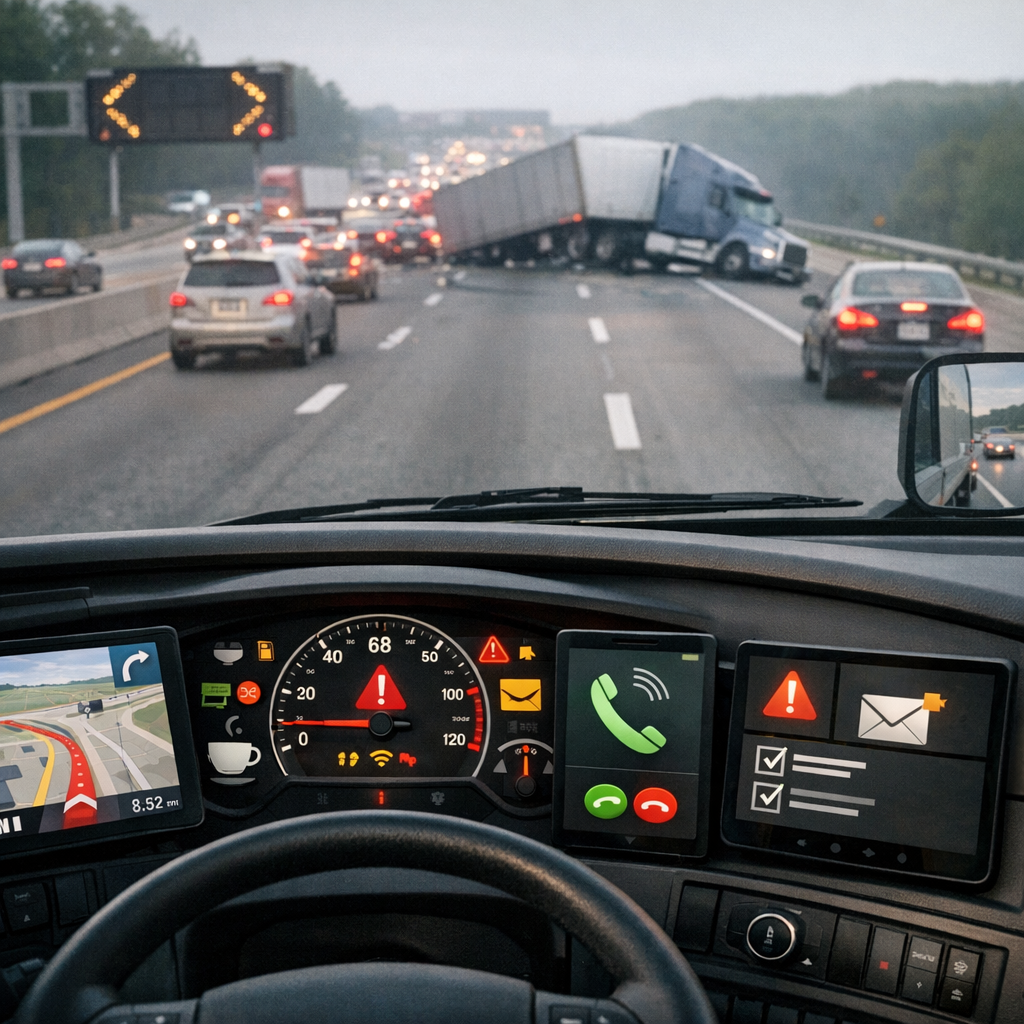
Unlike passenger cars, big rigs require constant attention due to their size and handling characteristics. The drivers need to anticipate traffic conditions, monitor the vehicle’s behavior, and manage multiple controls while maintaining highway speeds. Fatigue dulls alertness and coordination, which can delay responses during critical moments, such as sudden stops or lane changes.
Furthermore, the monotonous nature of highway driving can exacerbate fatigue. Long stretches of seemingly uneventful road can cause a driver’s mind to wander or their eyelids to droop, stripping away the vigilance required to manage these massive vehicles safely.
How Driver Fatigue Functions as a Cause in Accidents
Driver fatigue does not just make the driver sleepy; it degrades performance in specific and measurable ways. It slows reaction time significantly, a crucial factor given the high speeds at which big rigs travel. This slower response means the driver may not brake or steer in time to avoid hazards.
Fatigue also impairs judgment and decision-making. Drivers operating while tired may misjudge distances or the speed of other vehicles, increasing the risk of collisions. Fatigue lowers situational awareness, making it harder to detect potential dangers like changing traffic patterns or sudden obstacles.
Fatigued drivers experience a phenomenon called “microsleep,” where the brain temporarily shuts down for seconds or even fractions of a second, often without the driver realizing. This state is particularly dangerous on highways or busy intersections where continuous attention is essential.
Physiological stress caused by fatigue can also lead to irritability or diminished emotional regulation. This can further impair driving by increasing risky behaviors such as aggressive lane changes or speeding.
Interaction with Other Factors
Driver fatigue often works in conjunction with other risk factors, compounding their effects. For instance, poor weather, heavy traffic, or difficult road conditions require drivers to be even more alert, but fatigue diminishes their ability to cope. Similarly, fatigue’s impact can be worsened by the presence of other impairing conditions, such as illness or the use of medications that induce drowsiness.
The physical characteristics of big rigs also amplify the consequences of fatigue-related errors. Due to their weight and size, these vehicles need more time and distance to stop or maneuver. A delayed reaction caused by fatigue can therefore have tragic outcomes, as these massive vehicles cannot be steered or stopped as quickly as passenger cars.
The Real-World Impact of Driver Fatigue in Big Rig Crashes
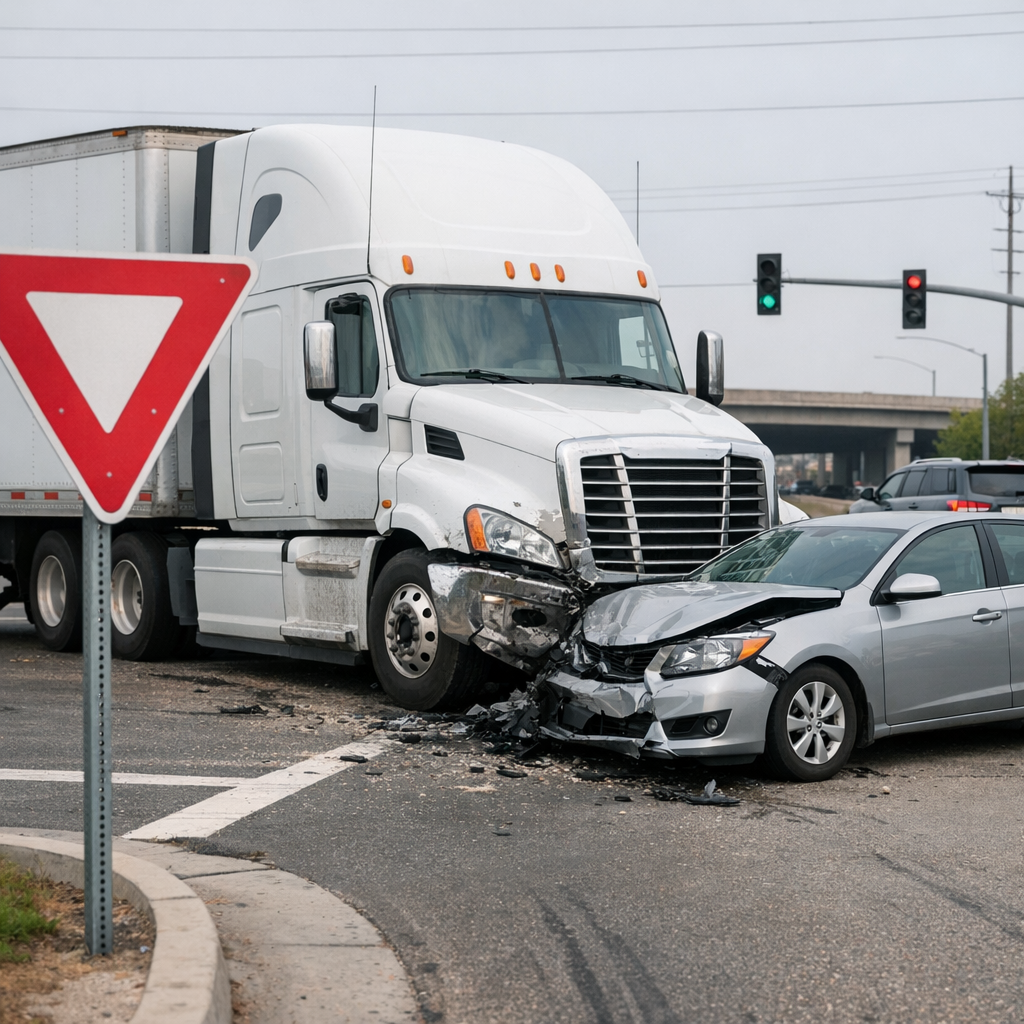
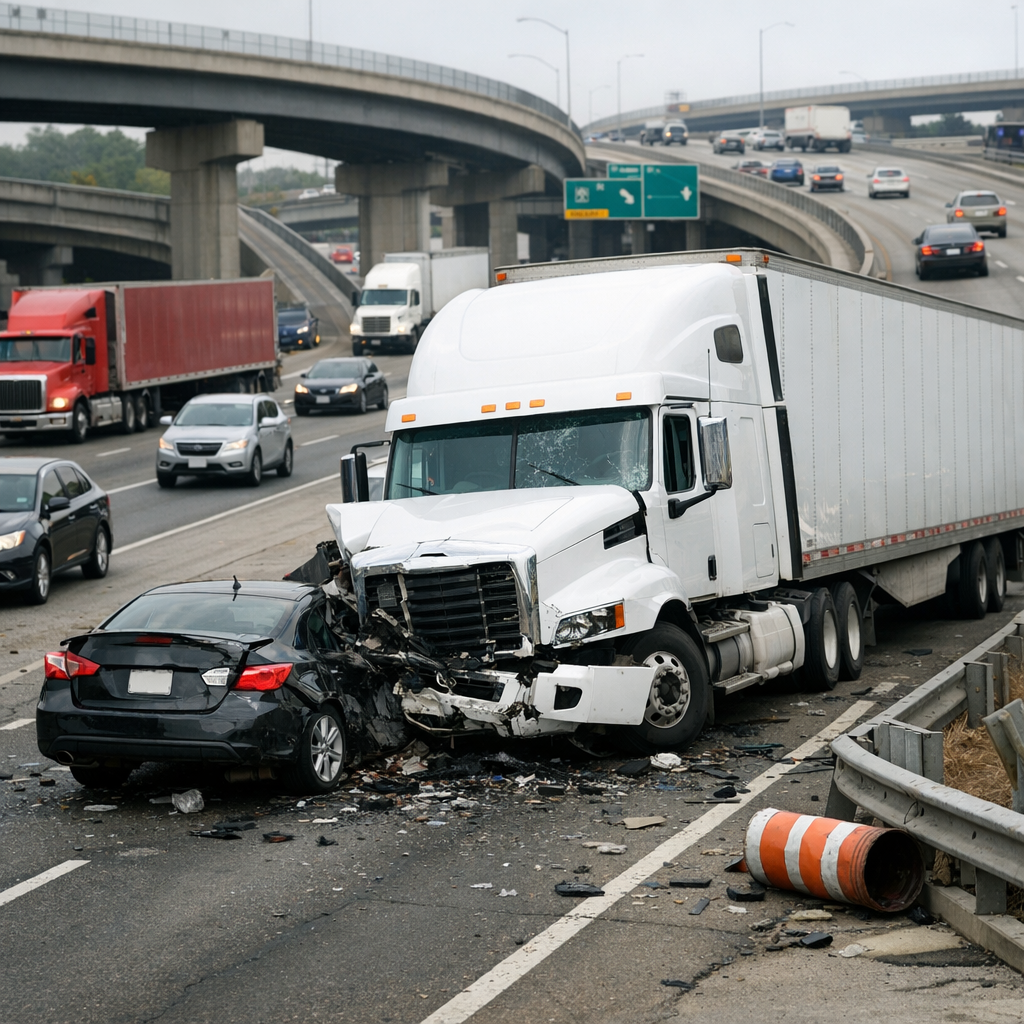
Fatigue-related accidents involving big rigs often result in severe injuries or fatalities. The combination of reduced driver capacity and the sheer mass of these vehicles means even minor errors can escalate into catastrophic crashes.
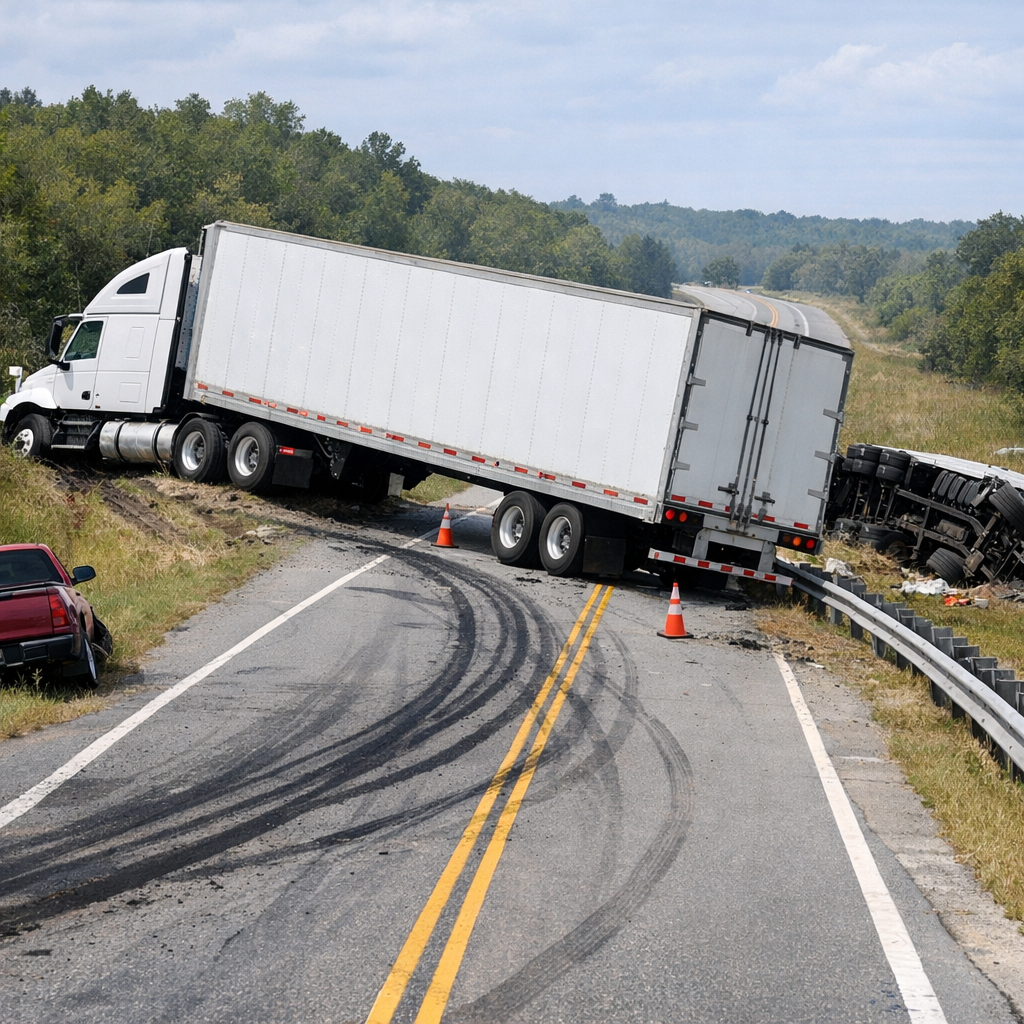
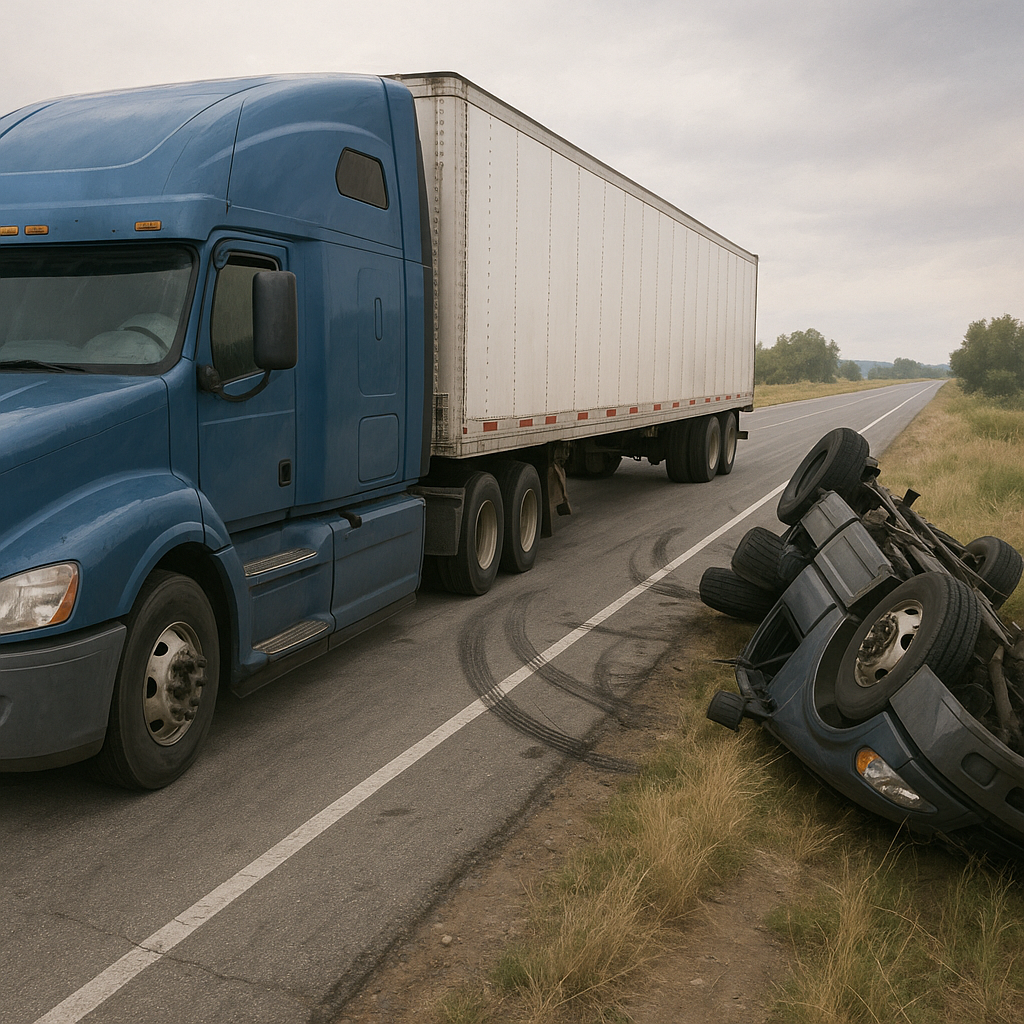
Statistics have shown that crashes caused by driver fatigue in trucking frequently involve single-vehicle run-off-road accidents or rear-end collisions. These scenarios happen because fatigued drivers may drift out of their lanes or fail to notice slowing traffic ahead.
Many fatigue-related crashes occur during early morning hours when circadian lows reduce alertness, or during late-night shifts when the urge to sleep is strongest. These accidents can disrupt traffic and cause secondary collisions, escalating the danger to other motorists and emergency responders.
Trucking companies and transportation safety agencies recognize driver fatigue as a significant concern, prompting regulations around hours of service to limit how long drivers can operate without rest. Yet, despite these measures, the persistence of financial pressures, tight deadlines, and lifestyle challenges make fatigue an ongoing risk factor.
Involving Vulnerable Road Users
Fatigue-related big rig accidents also disproportionately impact other road users such as passenger vehicle drivers, motorcyclists, pedestrians, and cyclists. Due to the size and momentum of trucks, crash forces are much greater, often resulting in catastrophic consequences for smaller vehicles and vulnerable individuals.
This stark disparity highlights why any impairment in big rig driver function—such as fatigue—creates a heightened danger beyond the trucking industry itself. The ripple effects of these accidents can extend into communities and families far beyond the accident scene.
Closing Thoughts on Driver Fatigue in Big Rig Accidents
Driver fatigue in trucking remains a complex challenge embedded in the operational realities of the industry. The effects of fatigue on cognitive and physical driving capacity are well-documented and pose considerable risks when operating large commercial trucks. While fatigue is only one of many factors contributing to big rig accidents, its impact is significant because it alters fundamental driving skills and decision-making processes.
Understanding how driver fatigue works and why it matters in real-world crashes is crucial for comprehending the broader context of commercial vehicle safety. Its role highlights the intersection of human factors and vehicle operation in transportation safety, underscoring the persistent challenges associated with long-haul trucking on public roads.