Why Do Truck Crashes Involve Multiple Vehicles?
Understanding the Question’s Popularity
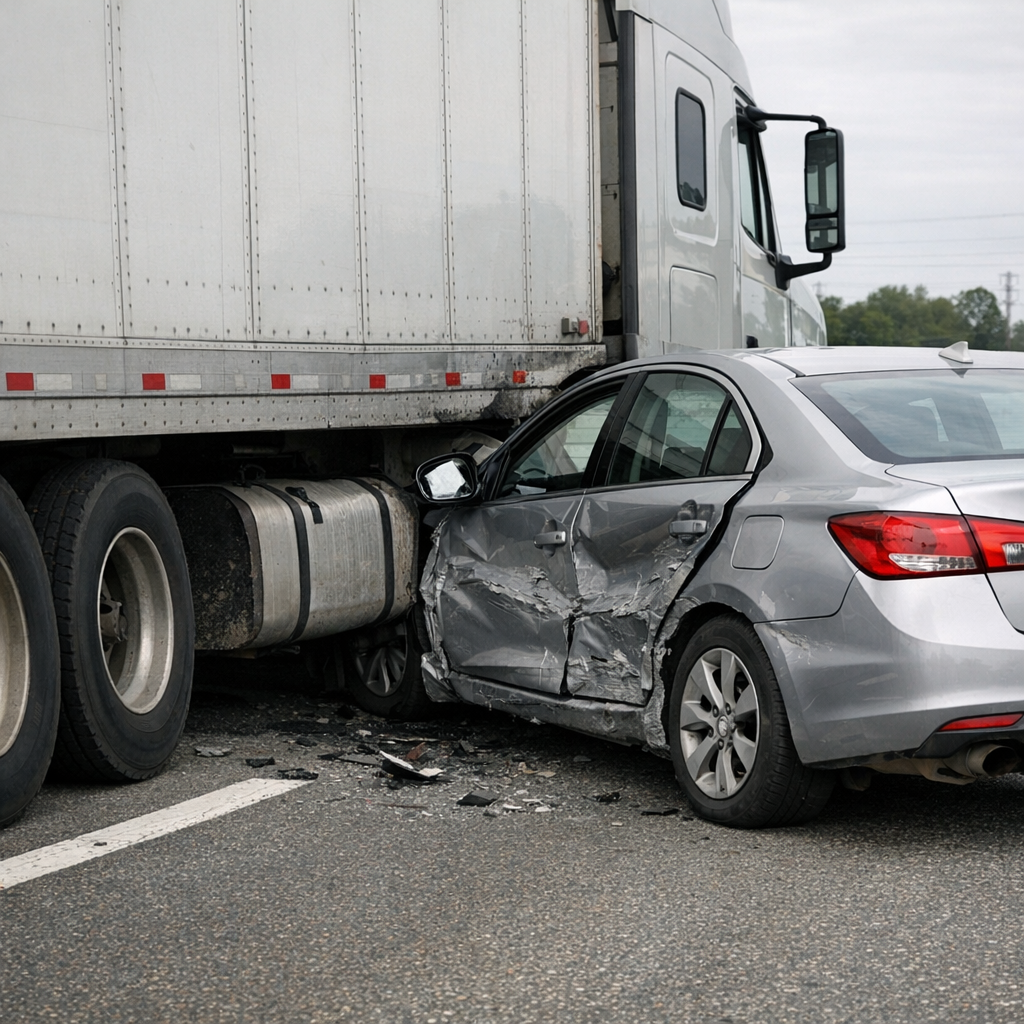
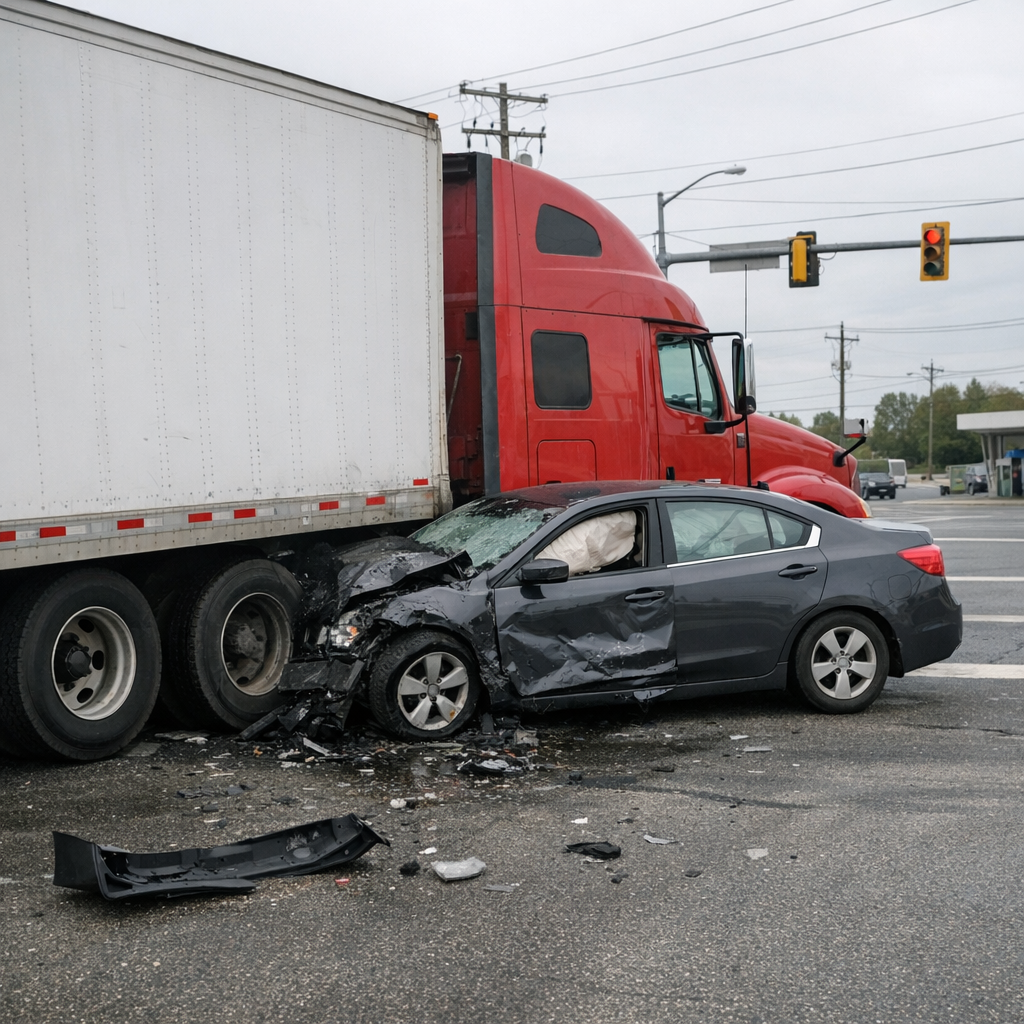
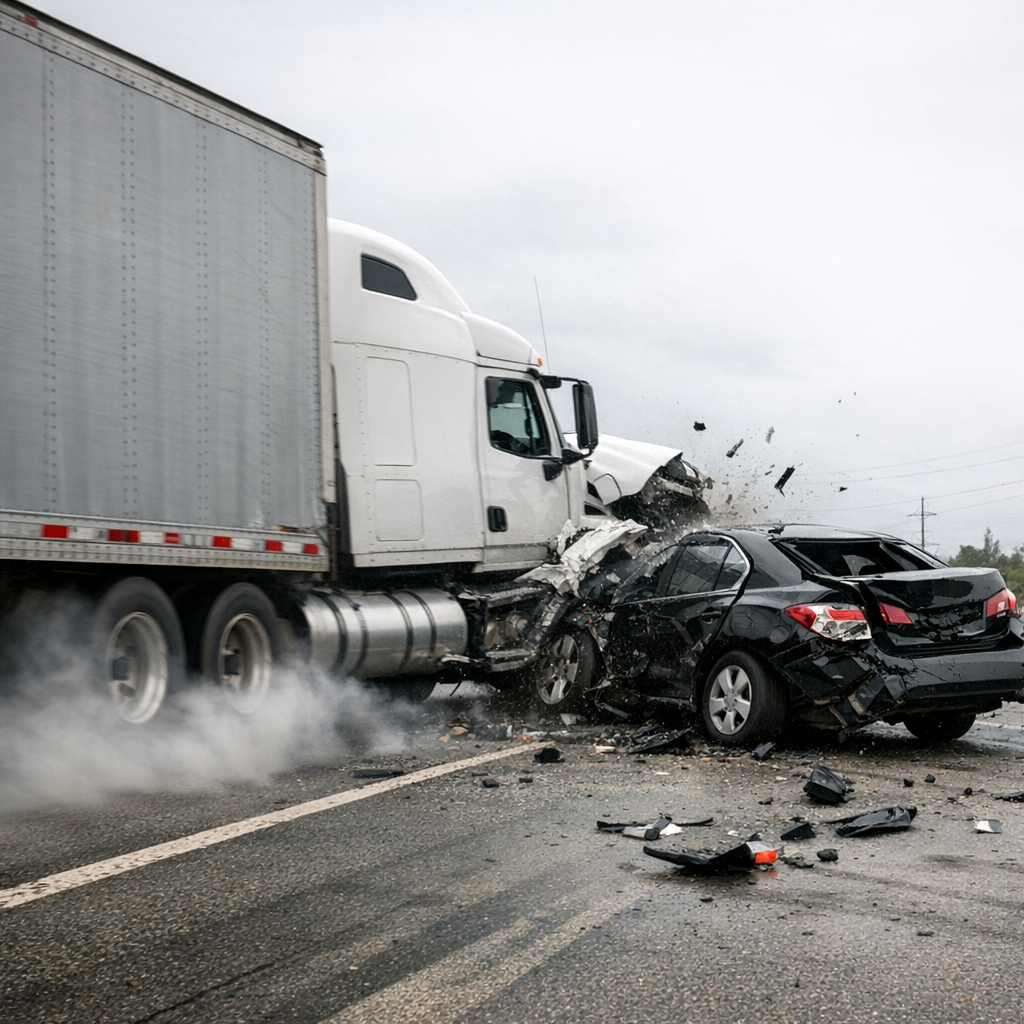
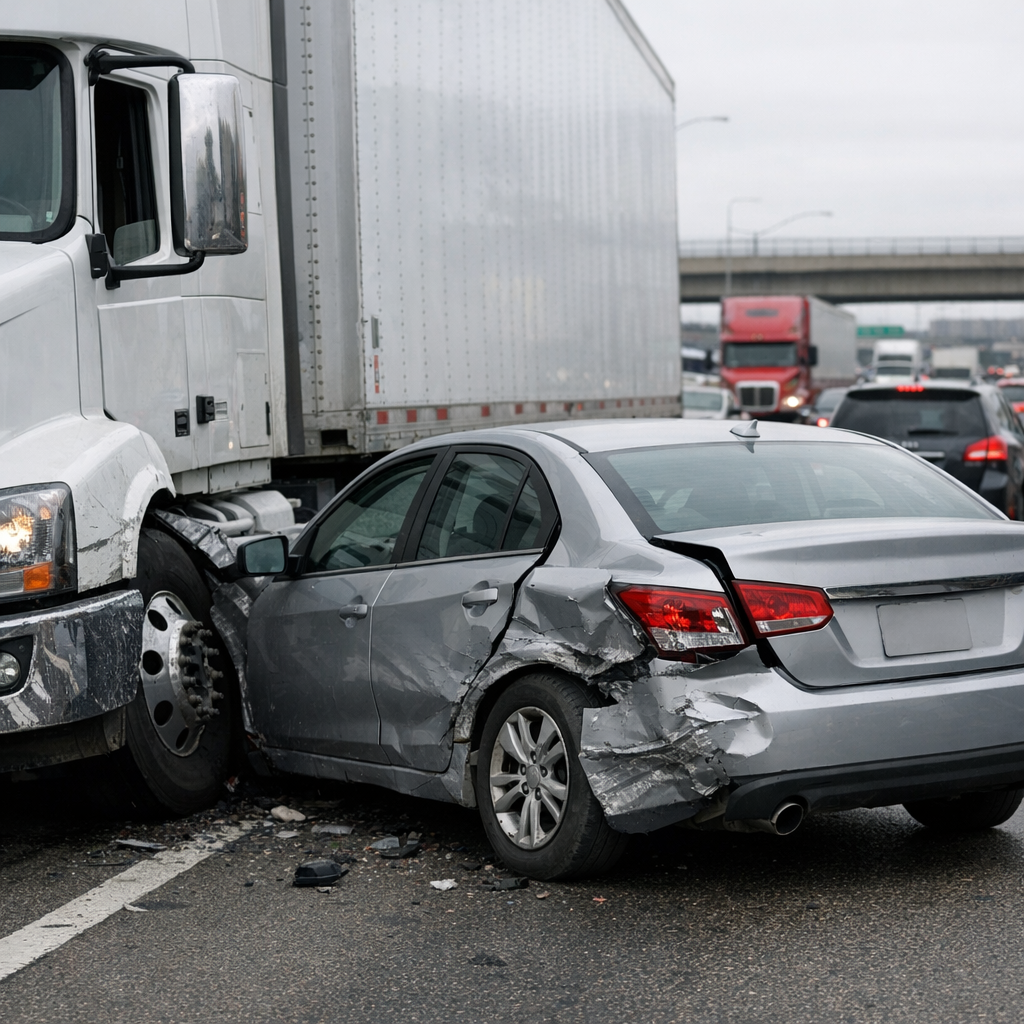
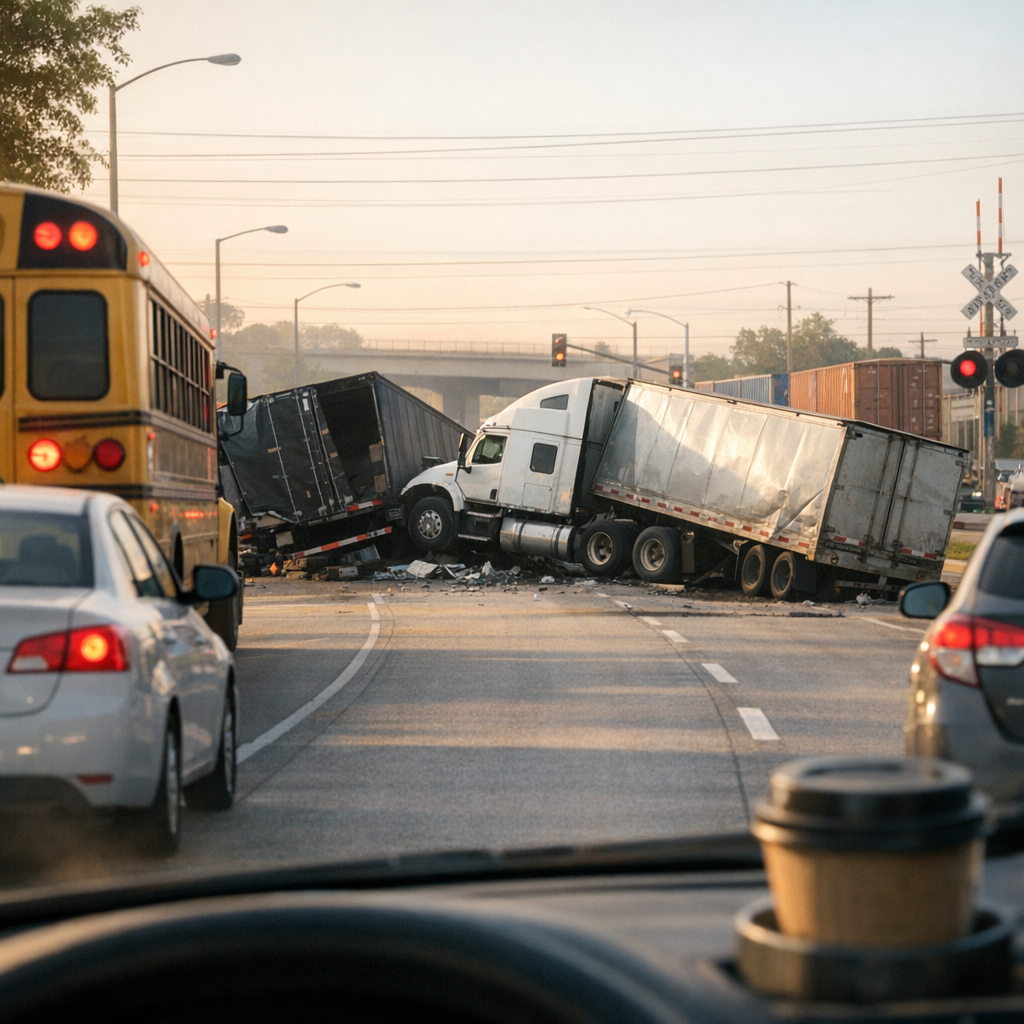
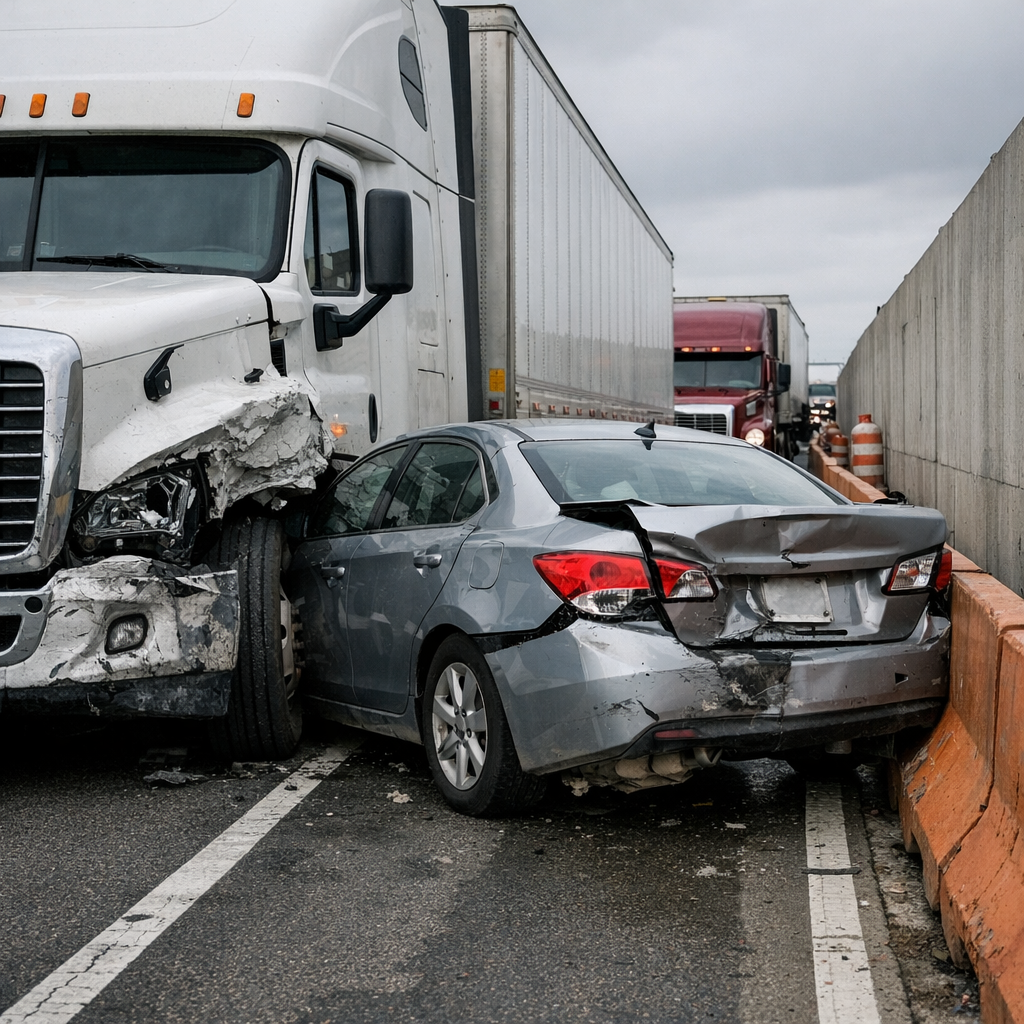
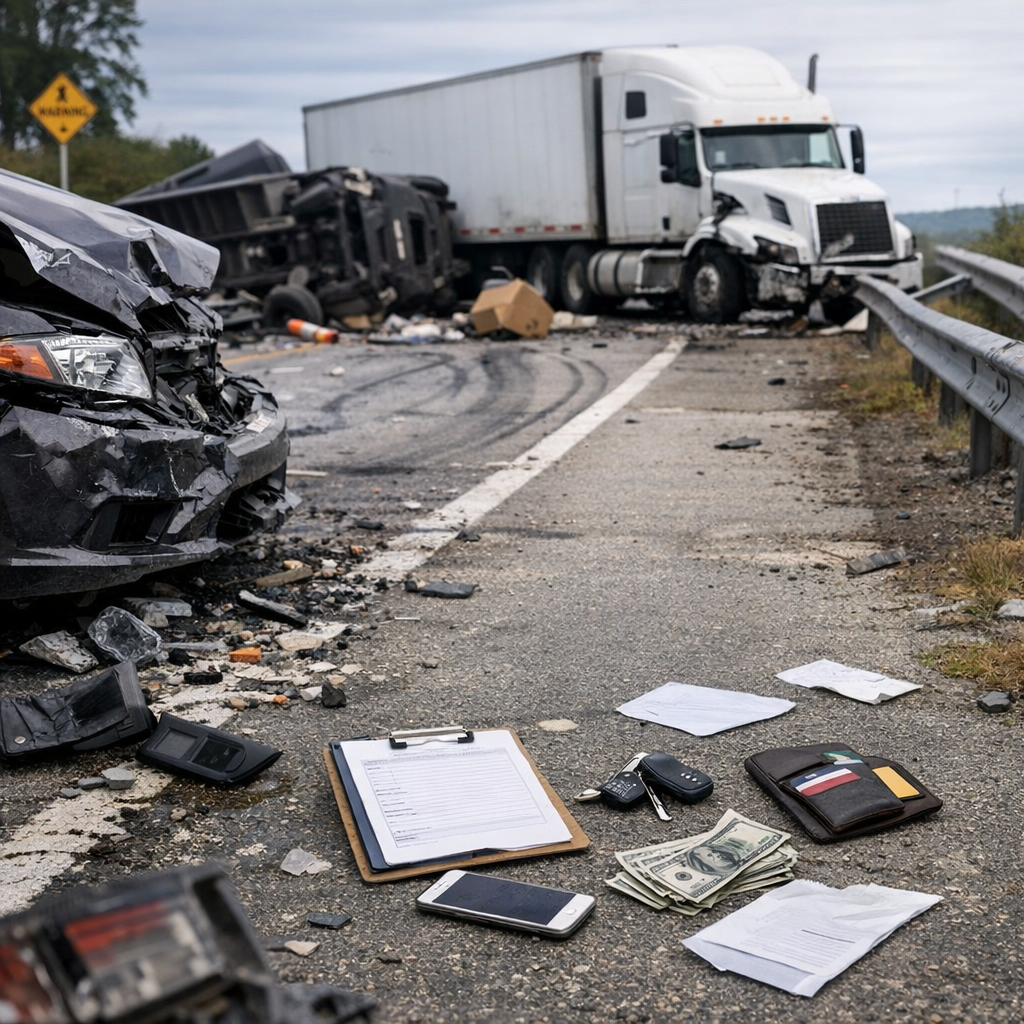
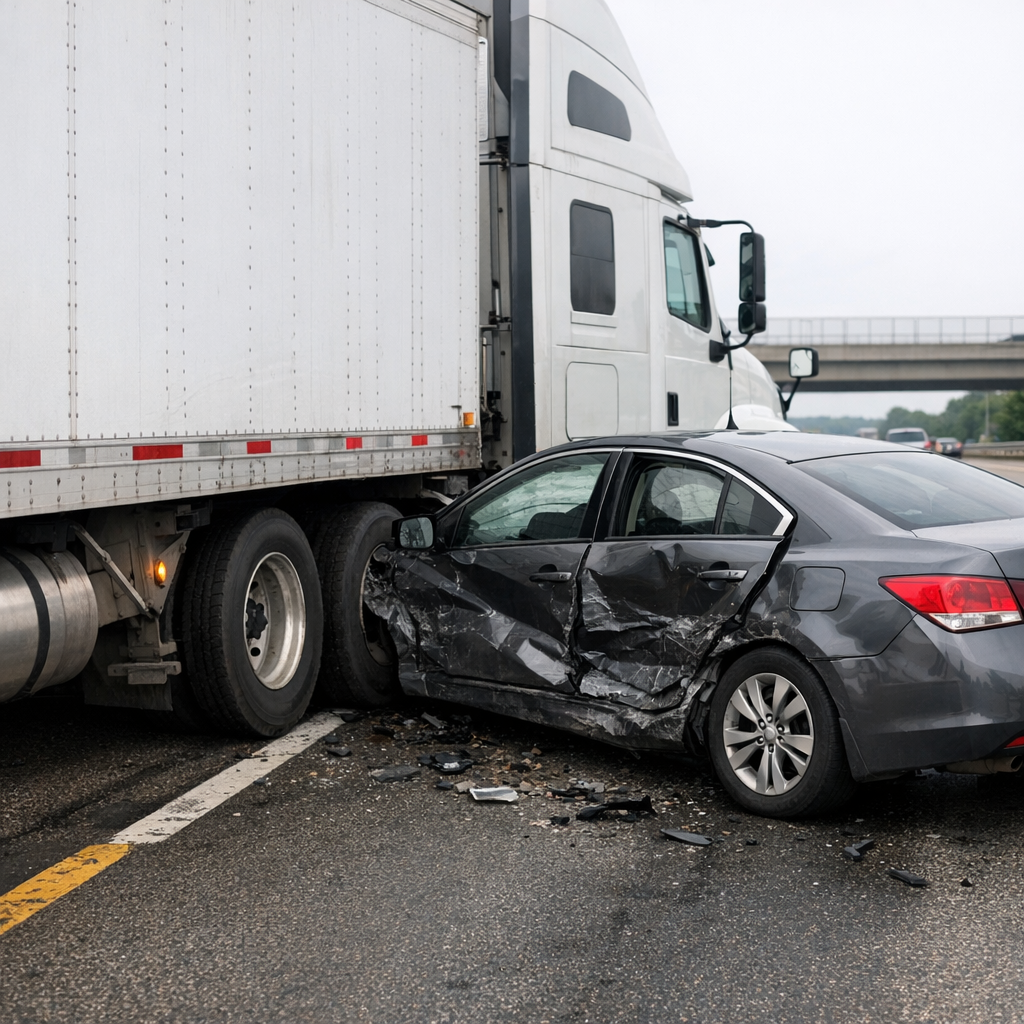
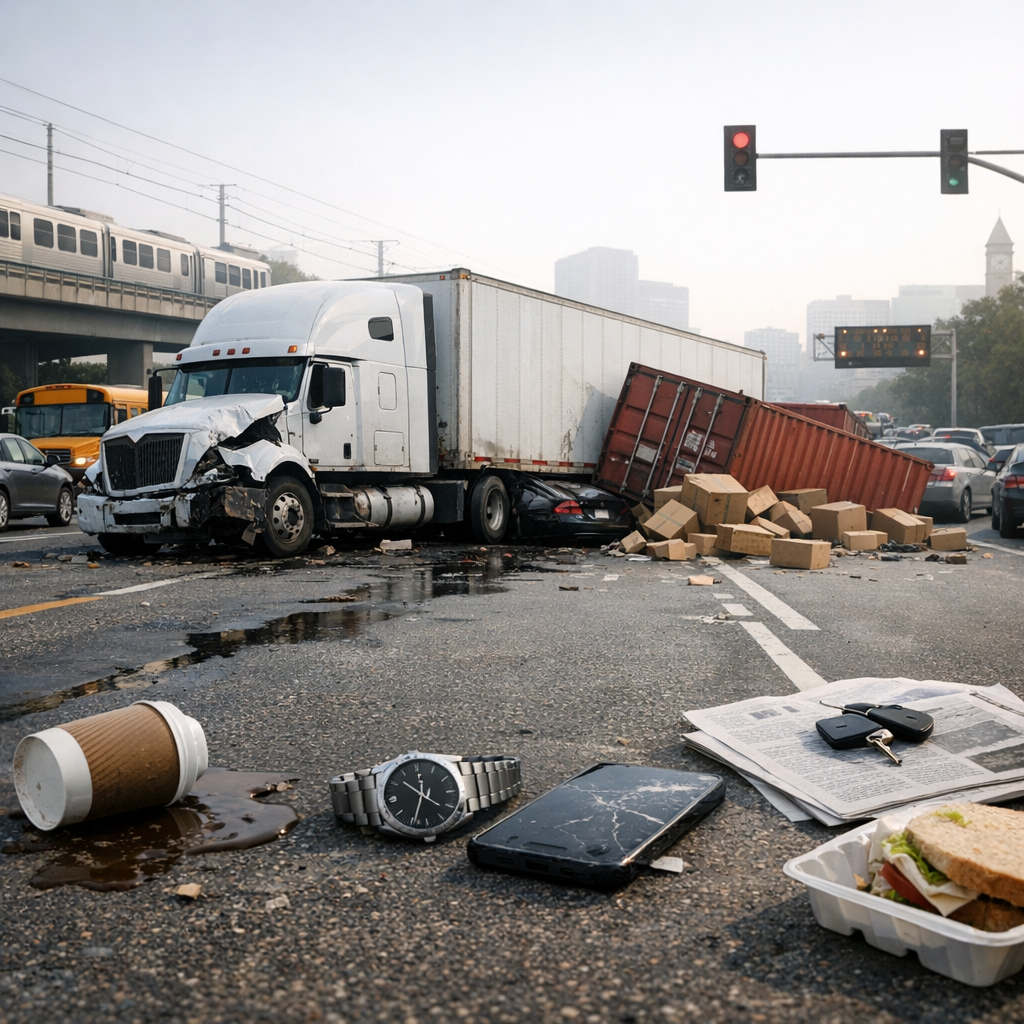
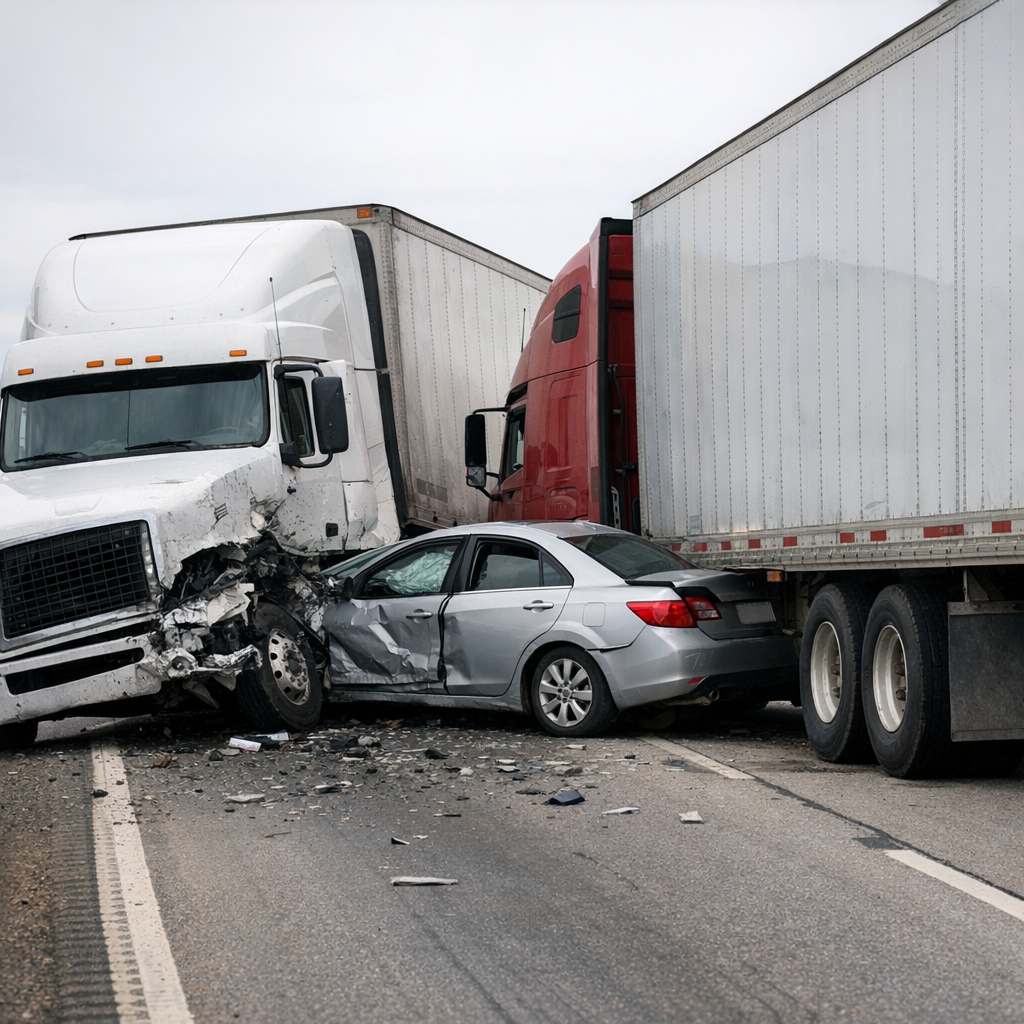
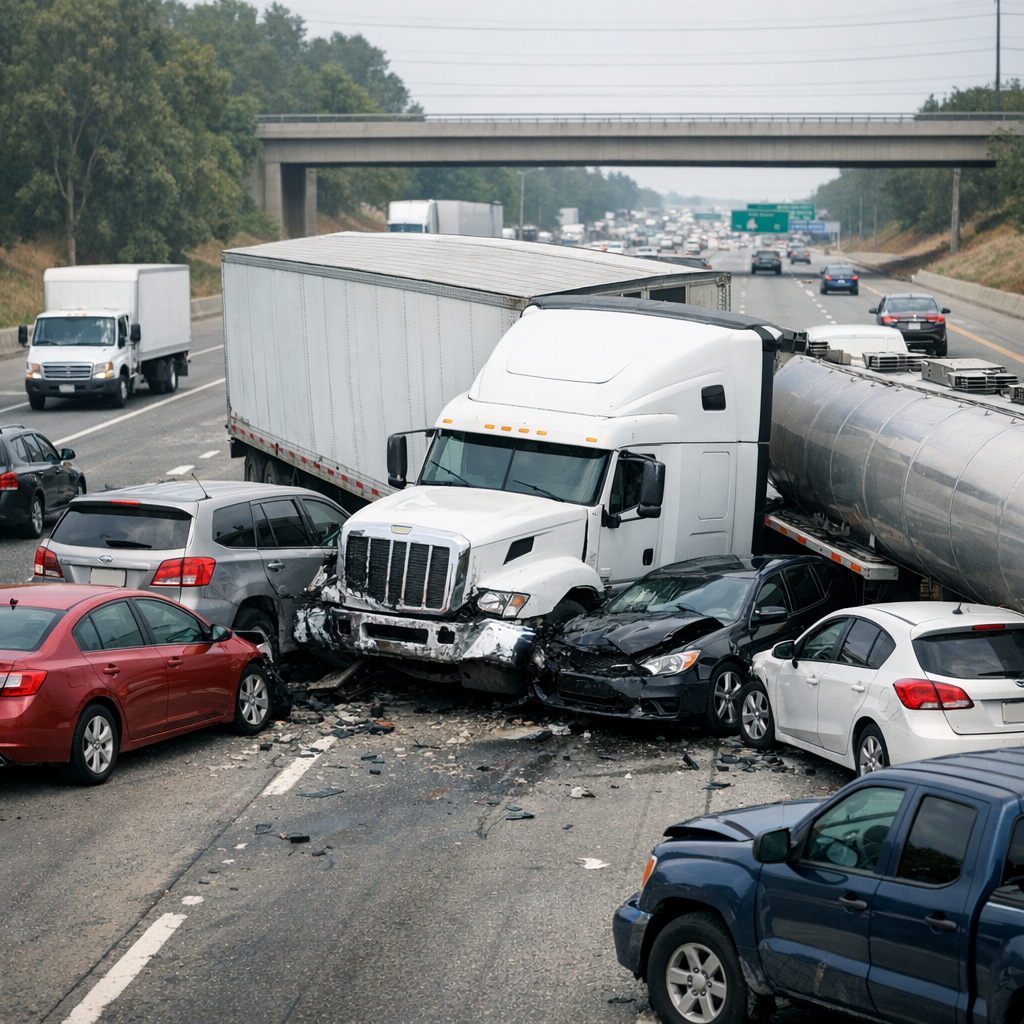
Many people wonder why truck crashes often involve several vehicles rather than just the truck itself. This question arises because truck accidents usually appear more complex and severe compared to typical car crashes. When news reports or eyewitness accounts mention a truck collision, the scene often includes numerous damaged cars alongside a large commercial vehicle. This visibility makes people curious about the underlying reasons why these incidents rarely remain isolated to a single truck and another vehicle’s involvement.
The Dynamics Behind Multi Vehicle Truck Crashes
At the heart of multi vehicle truck crashes lies a combination of factors related to the size, speed, and operating environment of trucks. Unlike passenger cars, trucks are significantly heavier and longer, which affects how they interact with traffic and how other drivers respond to them on the road.
The Size and Weight Factor
Truck trailers can weigh tens of thousands of pounds even when empty and several times more when fully loaded. Their mass means that when a truck cannot stop quickly or loses control, it often becomes a hazard for multiple vehicles nearby. For example, if a truck brakes suddenly, the vehicles behind the truck may not have enough time to stop because heavy trucks require longer distances to come to a halt. This can result in a chain reaction crash involving several cars.
Limited Maneuverability and Blind Spots
Trucks have larger blind spots than standard vehicles, making it harder for truck drivers to see surrounding traffic. The limited maneuverability of trucks—especially at highway speeds or in heavy traffic—can increase the chances of collisions when changing lanes or negotiating turns. If a truck driver misjudges the space or speed of nearby vehicles, it can cause multi vehicle collisions as other drivers try to avoid the truck or react suddenly to its movements.
Highway Speeds and Traffic Patterns
Highways and freeways, where trucks frequently travel, have faster-moving traffic and higher density of vehicles. When a truck crash occurs under these conditions, the likelihood of involving multiple cars increases due to the proximity and speed of the surrounding vehicles. Sudden stops or crashes by a truck on a busy road often cause a domino effect, with vehicles behind and around the truck unable to avoid the initial impact.
Aspects Often Overlooked About Truck Crash Complexity
Many people might not realize that the nature of trucking logistics and roadway design also contributes to multi vehicle crashes. Trucks often have restricted routes, limited rest options, and tight delivery deadlines, all of which can influence driver performance and decision-making.
Impact of Truck Driver Fatigue and Schedules
Long hours behind the wheel and demanding schedules can cause fatigue, which affects driver reaction times and attention. Although this is a human factor rather than a mechanical one, it still plays a role in multi vehicle accidents when trucks fail to respond timely to traffic hazards, making it difficult for surrounding cars to adjust.
Road Geometry and Weather Conditions
The physical layout of roads and weather conditions can worsen the severity and scale of truck crashes. Sharp curves, narrow lanes, or poorly maintained roads complicate truck handling. When combined with rain, snow, or fog, these conditions reduce visibility and road grip, increasing the chance that a single incident escalates into a multi vehicle collision.
A Balanced Perspective on Multi Vehicle Truck Collisions
Understanding why truck crashes tend to involve multiple vehicles helps provide clarity on the risks shared by all road users. The inherent characteristics of trucks combined with the complexities of modern traffic contribute to these multi vehicle scenarios. Recognizing these factors can promote awareness and encourage safer driving practices around large trucks.
Traffic collisions involving trucks often reveal the interdependent nature of road safety. Rather than focusing on isolated incidents, appreciating the broader context of vehicle dynamics, driver behavior, and environmental conditions is essential for a realistic view. This perspective supports informed conversations about preventing and responding to truck-involved accidents.