Why do semi truck accidents disrupt daily routines
Understanding the Common Curiosity
Many people wonder why semi truck accidents seem to cause such widespread disruption to everyday activities. Given that accidents involving passenger vehicles often make the news but usually resolve quickly, the larger scale of impact from accidents involving semi trucks can be puzzling. This curiosity stems from the visible delays, traffic backups, and logistical challenges people encounter even when the accident may be miles away from their specific location. Understanding the reasons behind these widespread disruptions helps clarify how a single incident can ripple through a community’s daily flow.
The Scale and Nature of Semi Truck Accidents
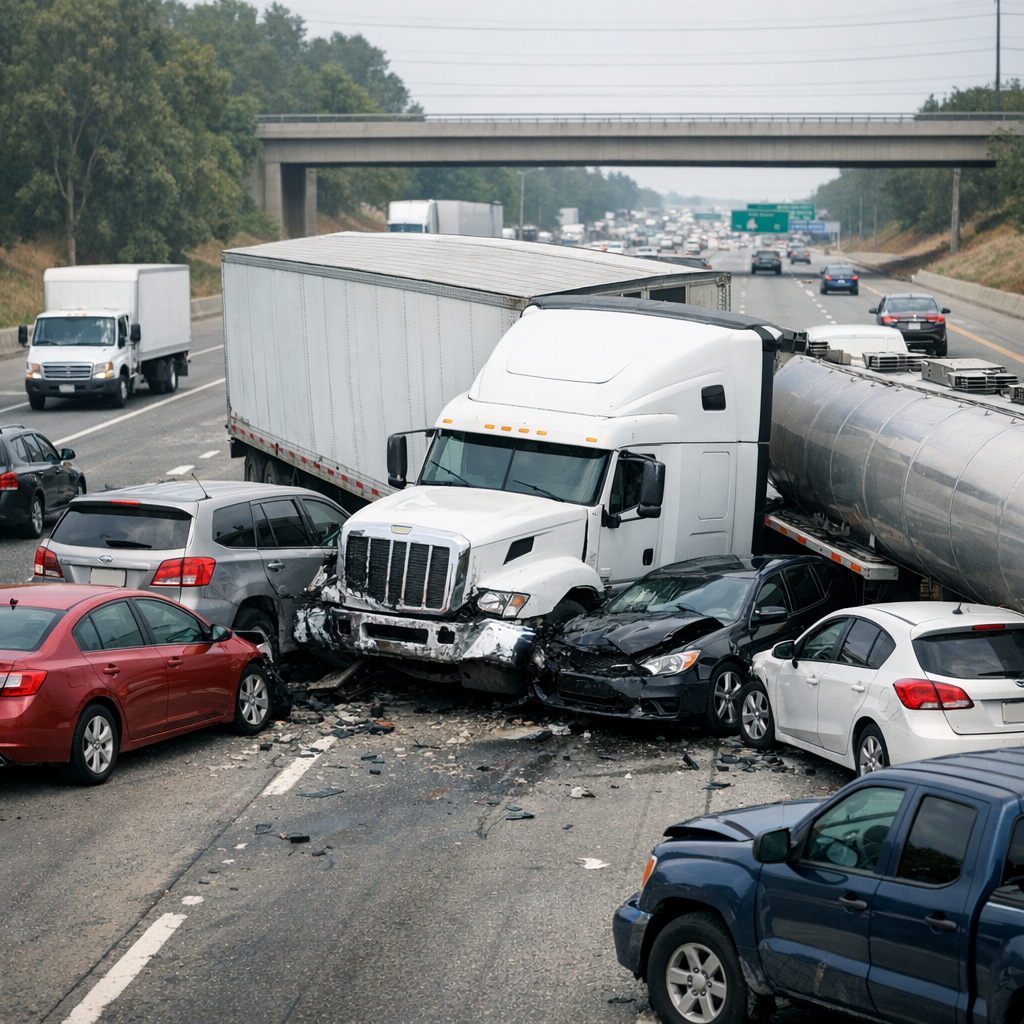
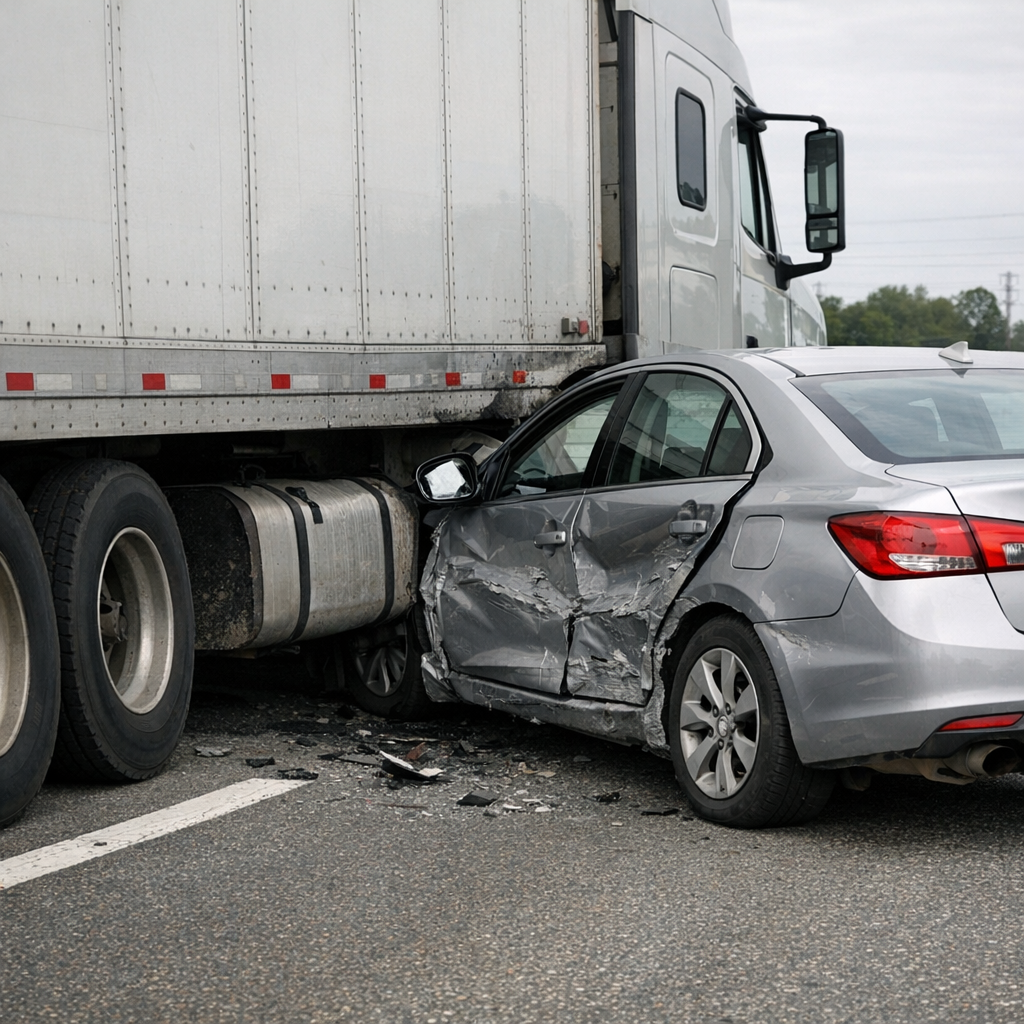
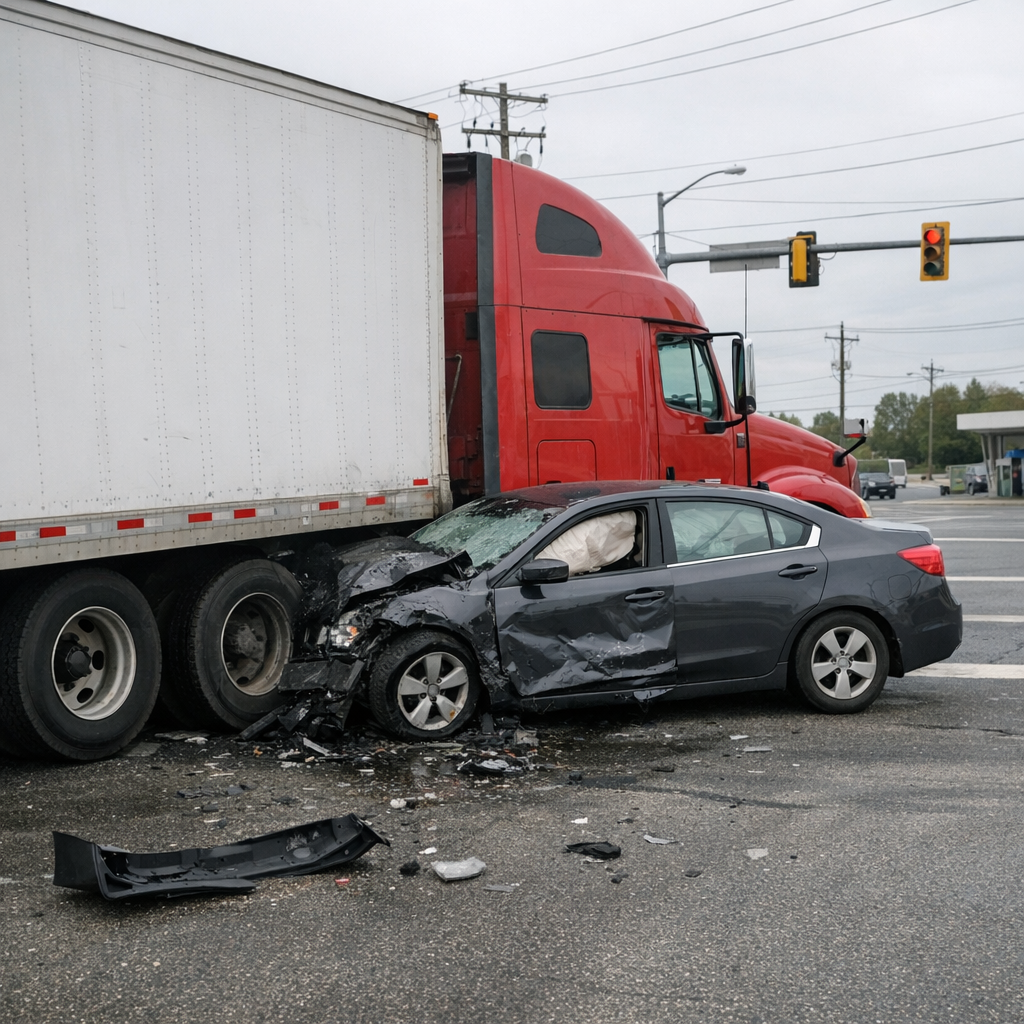
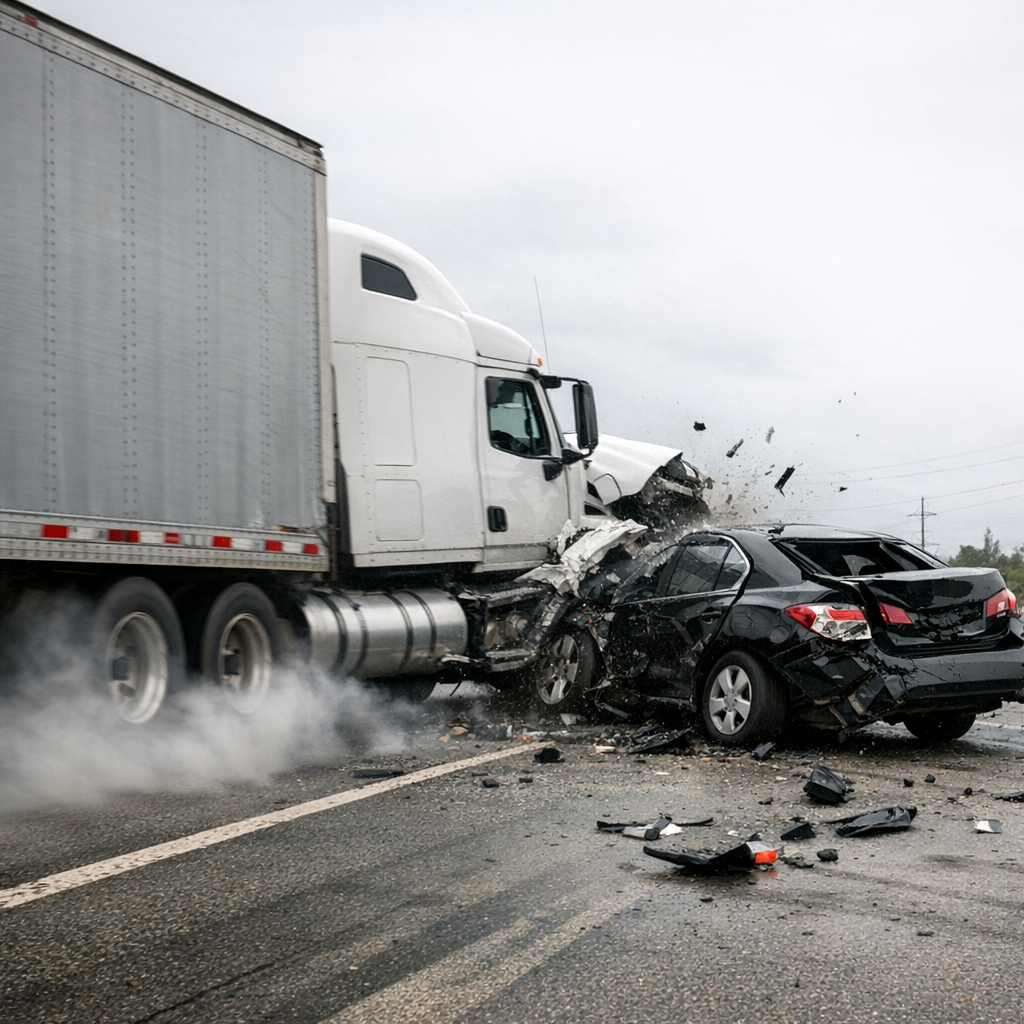
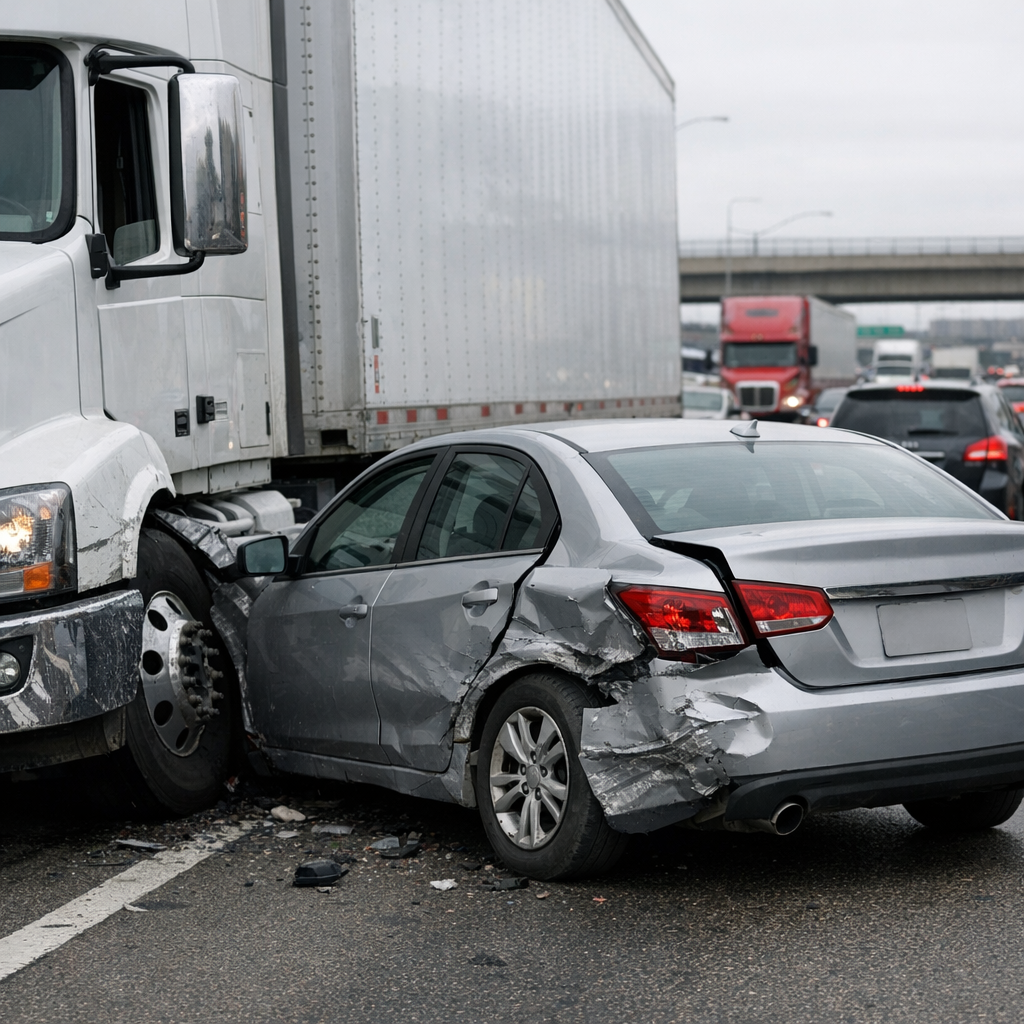
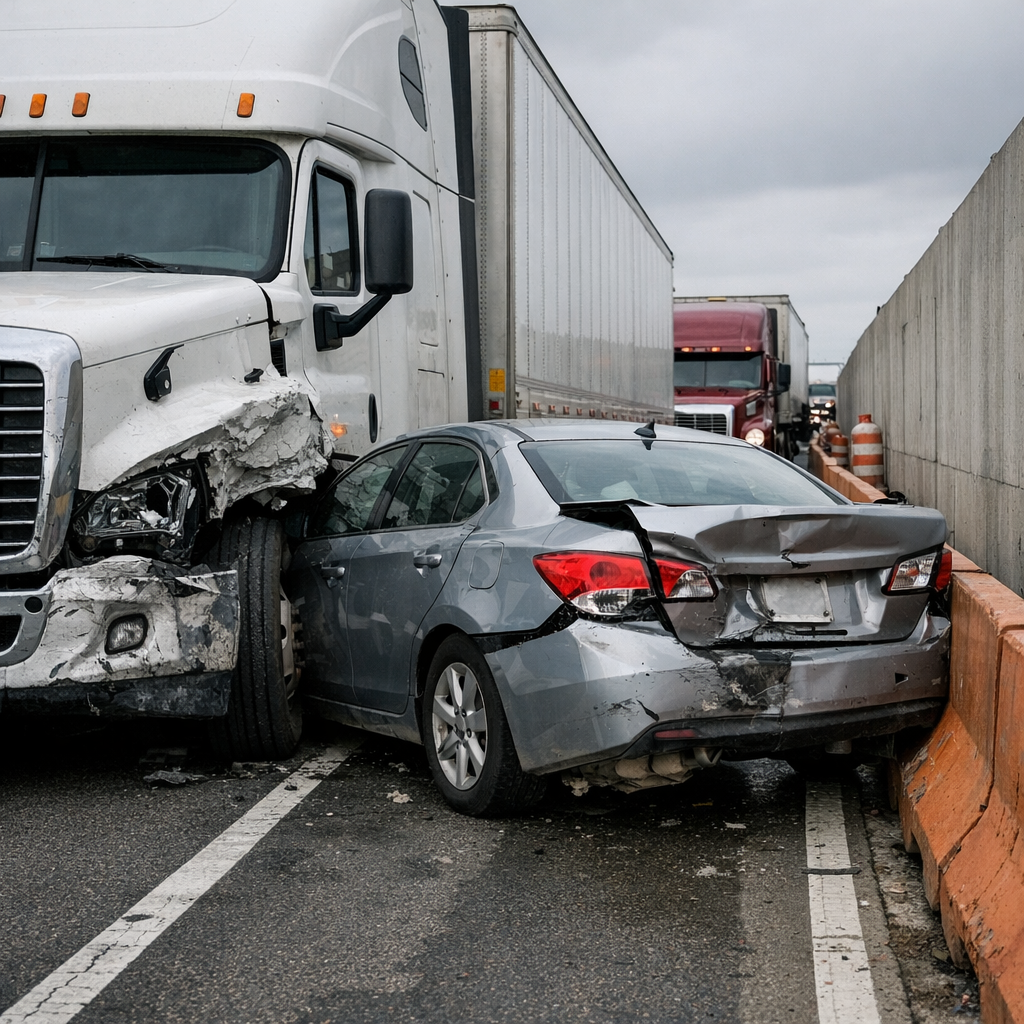
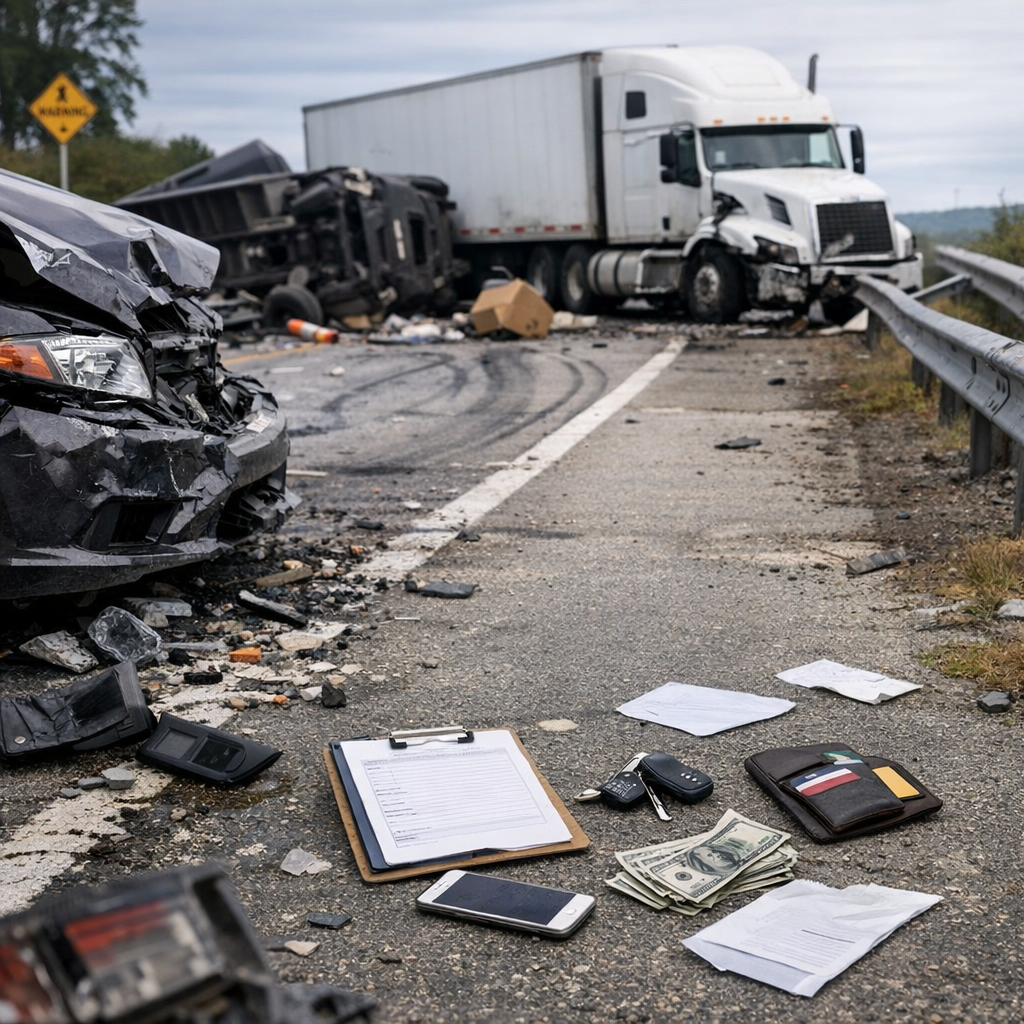
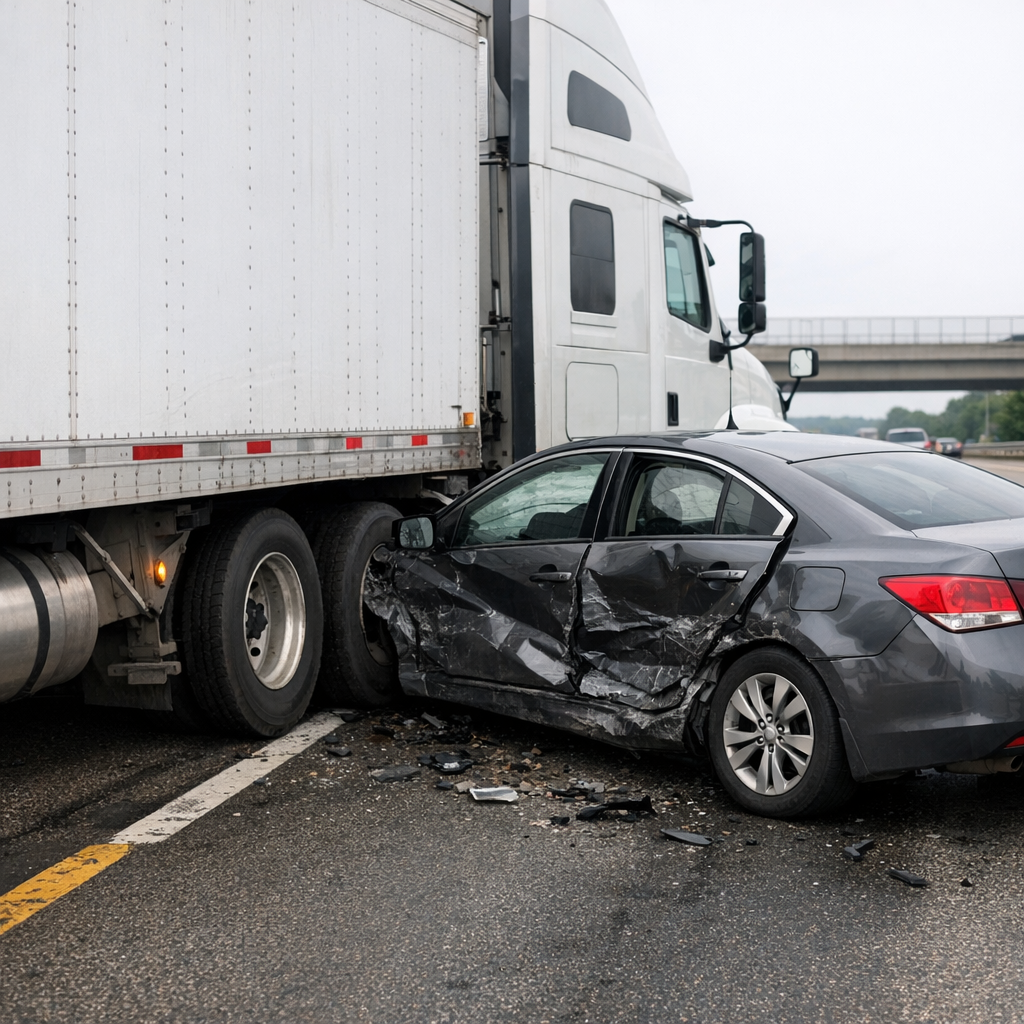
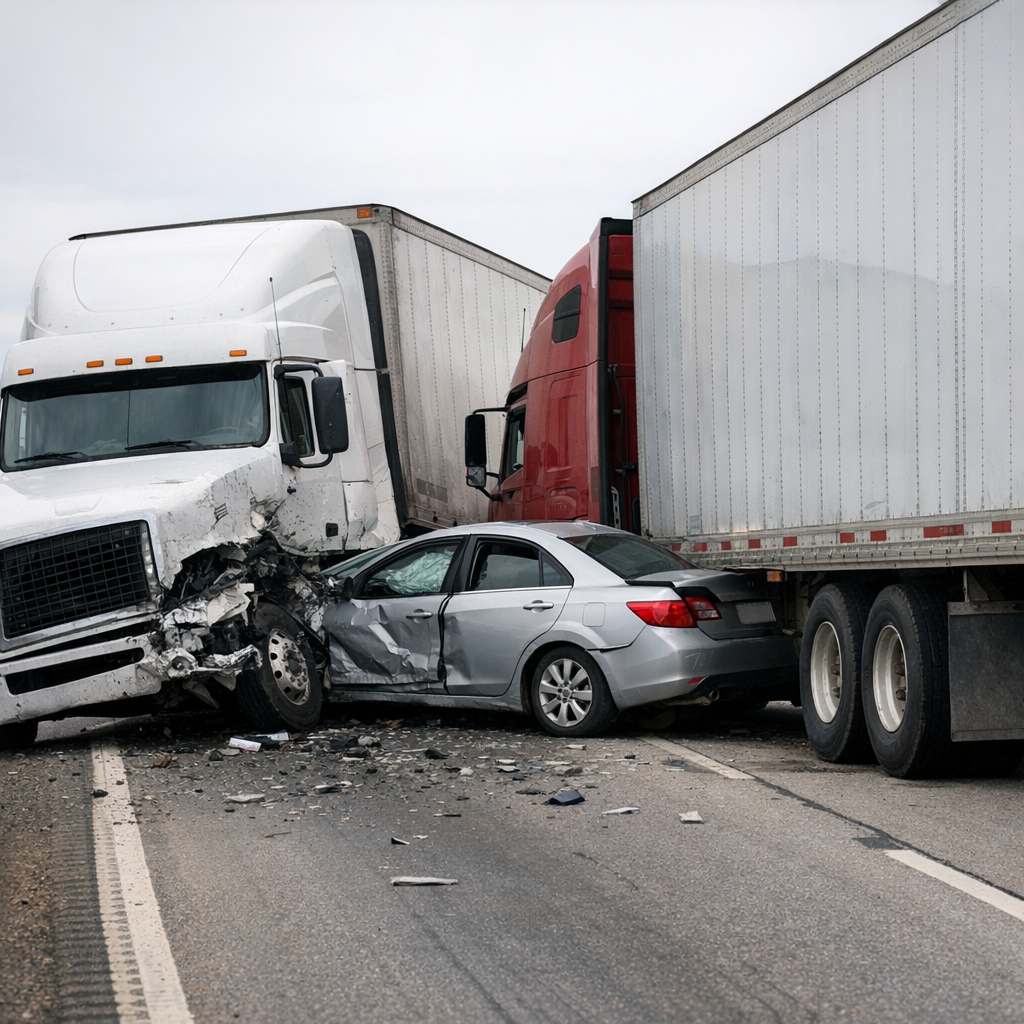
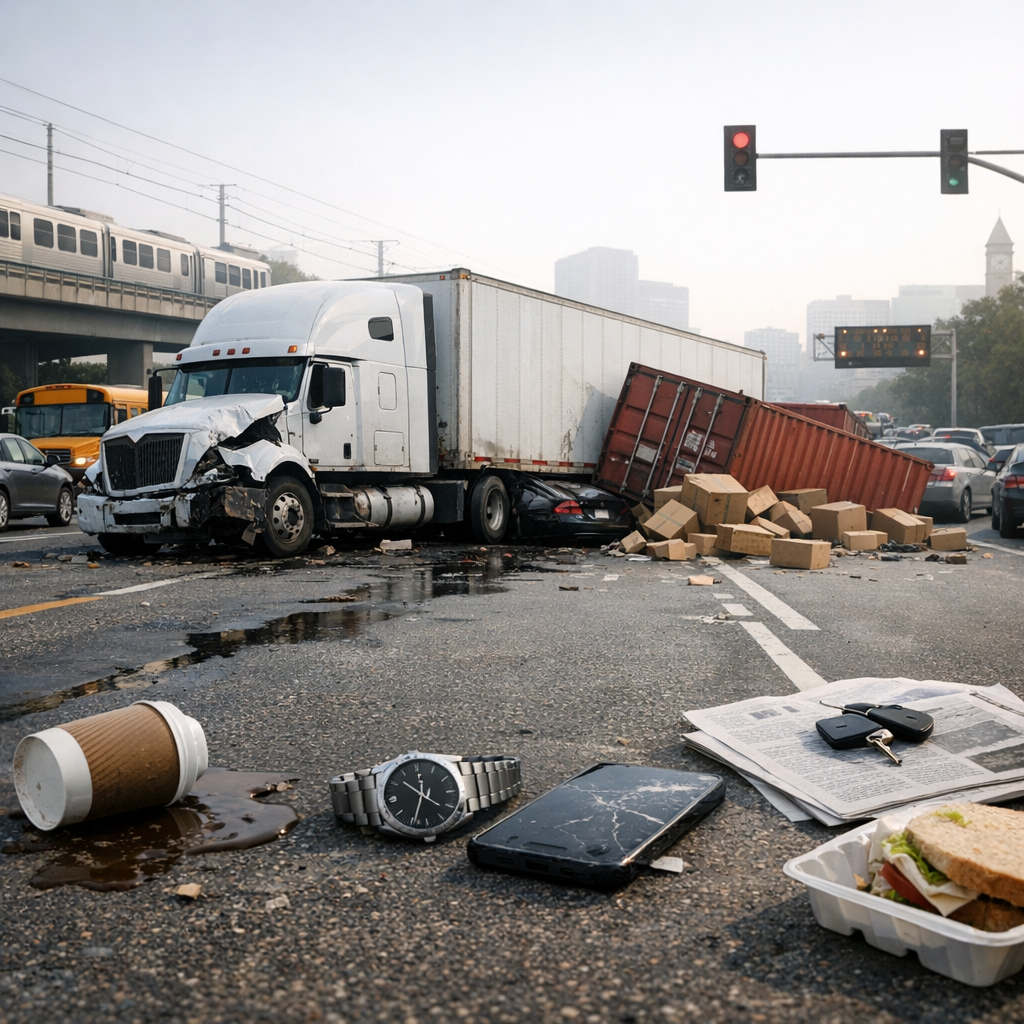
Semi trucks, also known as tractor-trailers or big rigs, are significantly larger and heavier than regular vehicles. This size difference has several implications that contribute to disruption. When a semi truck is involved in an accident, the physical damage tends to be extensive, often involving large debris, spilled cargo, or hazardous materials that require special handling.
Additionally, these vehicles frequently carry goods essential to supply chains. When an accident halts a truck, it can cause delays not only on the roadway but also in the delivery of products. This leads to a domino effect where stores might face shortages, industries can experience slowed production, and consumers notice delays in receiving goods. The immediate aftermath includes lane closures or road shutdowns, which inevitably slow down traffic flow and cause backups.
Accident scenes involving semi trucks often require more time to clear. The complexity of safely removing a large vehicle, assessing potential hazards, and repairing any road damage means that the disruption tends to last longer compared to accidents involving smaller cars.
The Broader Impact Beyond the Accident Site
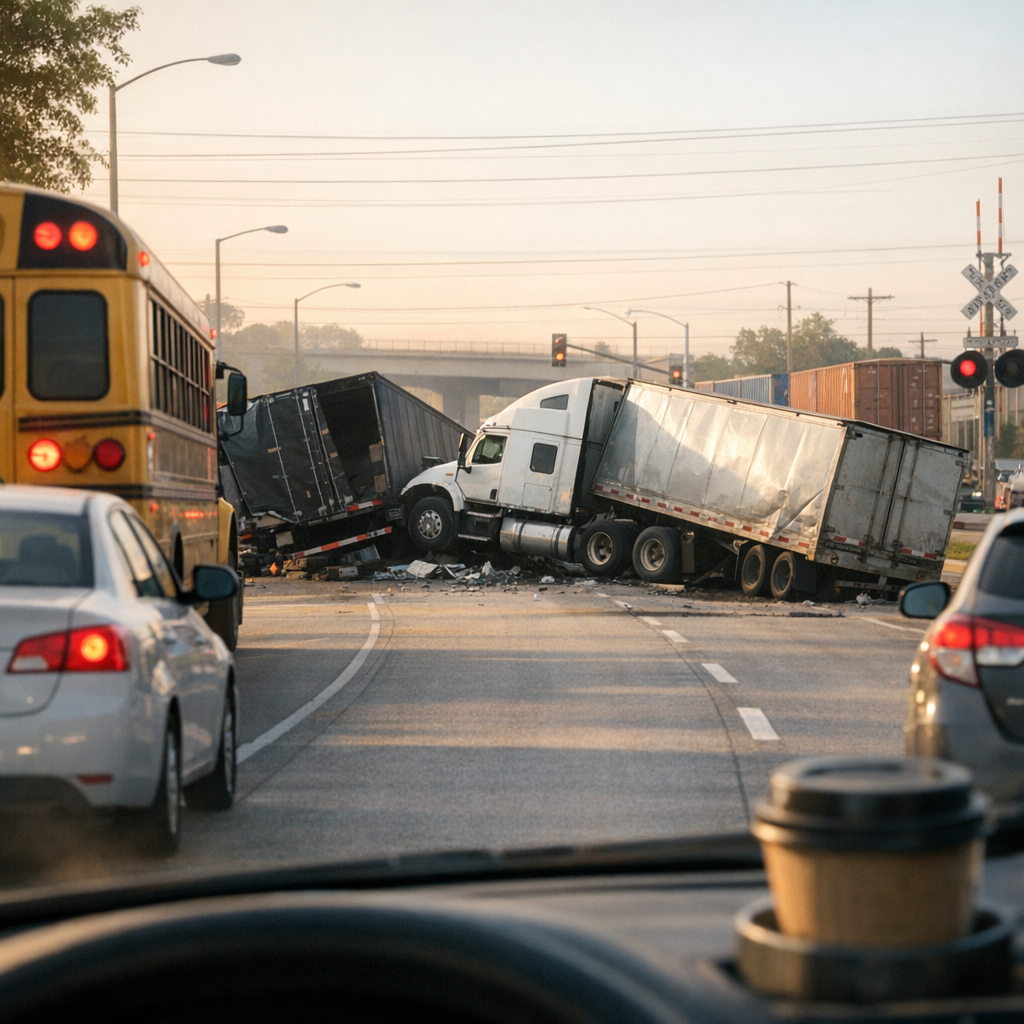
People often do not realize that the disruption caused by a semi truck accident extends far beyond the immediate vicinity of the crash. Traffic is a finely balanced system, especially on highways and major routes used for commuting and freight transport. When one segment of a route is blocked or slowed, vehicles are forced to find alternatives, which can increase congestion on nearby roads.
This pressure on secondary routes leads to a more widespread effect on daily commutes and travel plans. The ripple effect might cause delays on urban streets, public transportation schedules, and even emergency services routes. For businesses reliant on just-in-time deliveries, a delay in one truck’s arrival can affect inventory management and staff workflow, subtly disturbing operational routines.
Furthermore, the timing of the accident matters. During peak commuting hours, an incident involving a semi truck can severely exacerbate delays. Rush hour traffic conditions coupled with a sizable road blockage means more people facing delays, some having to adjust their schedules significantly.
Factors That Influence the Level of Disruption
Not all semi truck accidents cause the same level of interference with daily life. Several factors play a role in determining the extent of the daily routine disruption truck accidents bring about.
The location of the accident is crucial. A crash on a rural highway may cause less noticeable delays for a smaller population than one on a busy urban interstate. The type of cargo being transported also matters; for example, an accident involving hazardous materials requires specialized containment efforts, extending clearance time.
Weather conditions and time of day also affect how quickly authorities can respond and clear the scene. Poor visibility or adverse conditions can lengthen the accident resolution process. Additionally, the availability of alternate routes and public transit options can either mitigate or amplify the disruption experienced by commuters and logistics operators.
A Calm Overview of the Ripple Effects
While semi truck accidents are unfortunate events that can interfere with normal patterns, they serve as reminders of the complexity of transport and community infrastructure. The size and function of these vehicles mean that any complication on the road has the potential to cascade, affecting people’s schedules, business routines, and traffic systems in unexpected ways.
Being aware of the reasons behind these disruptions allows for a more measured perspective. It highlights the importance of efficient response and management by transportation agencies, while also underscoring the interconnectedness of daily activities and freight movement. While the immediate impact may cause inconvenience, understanding the broader picture contributes to a more informed view of how transport incidents influence everyday life.