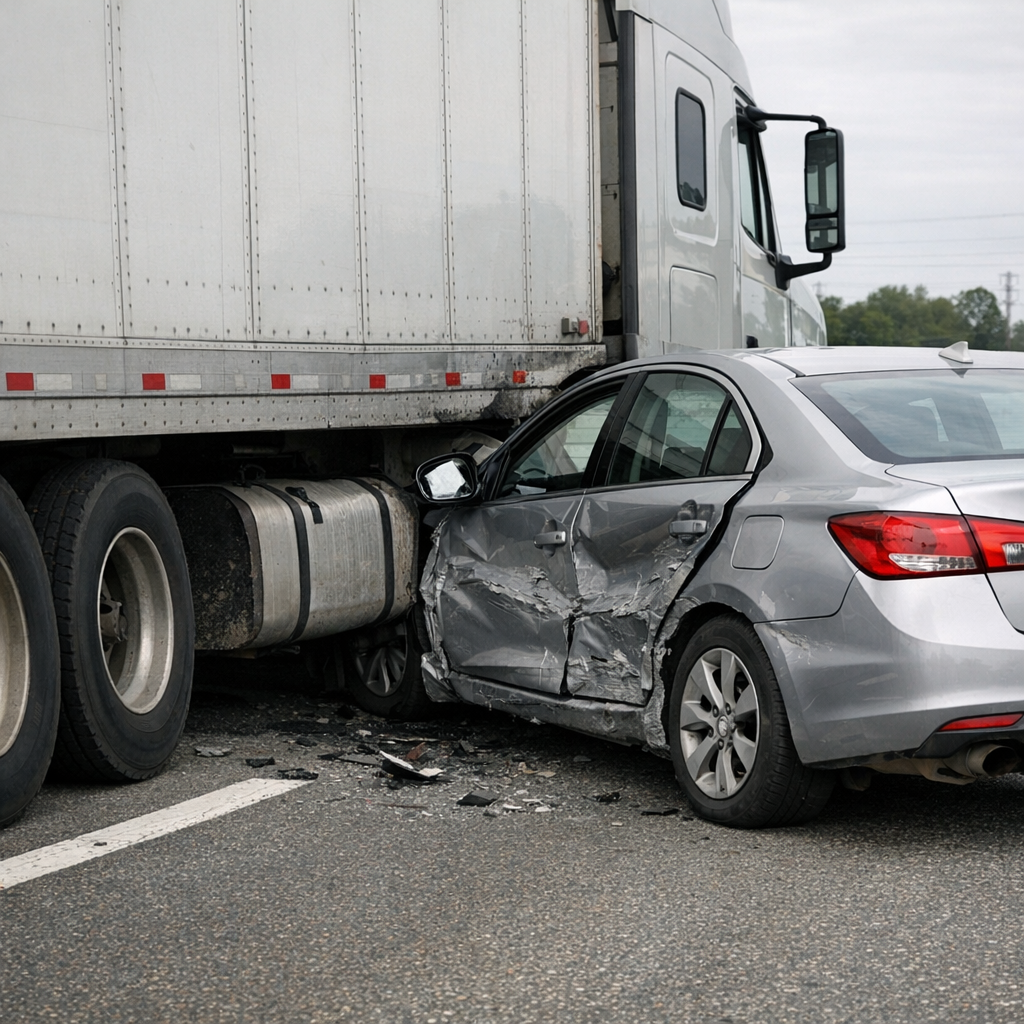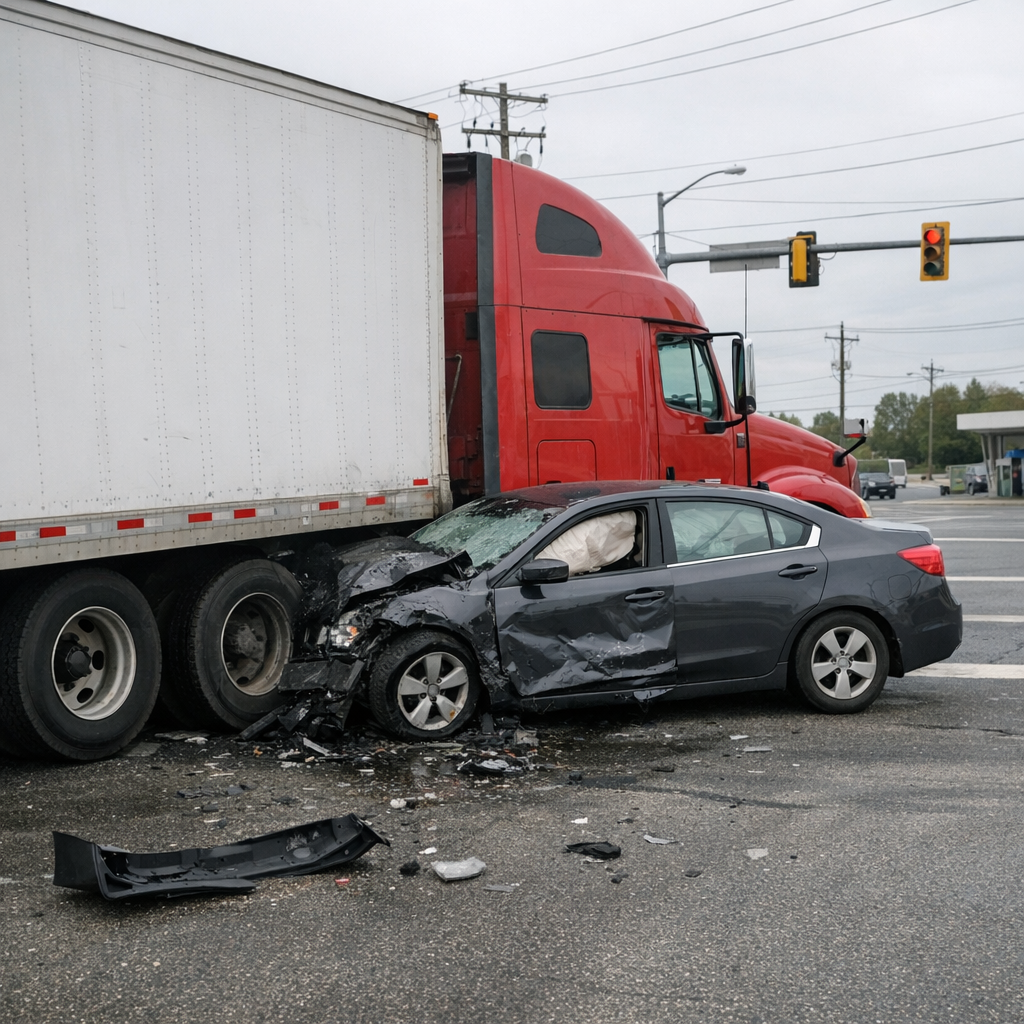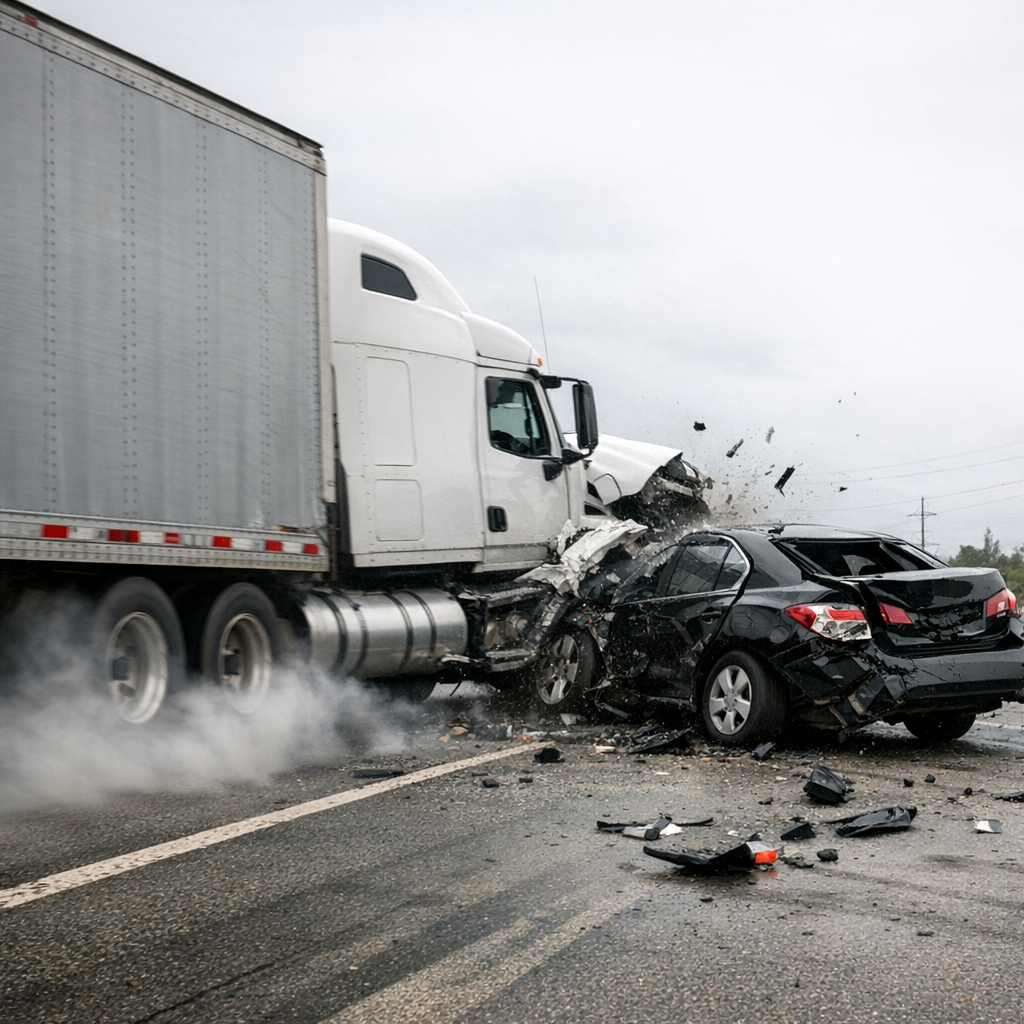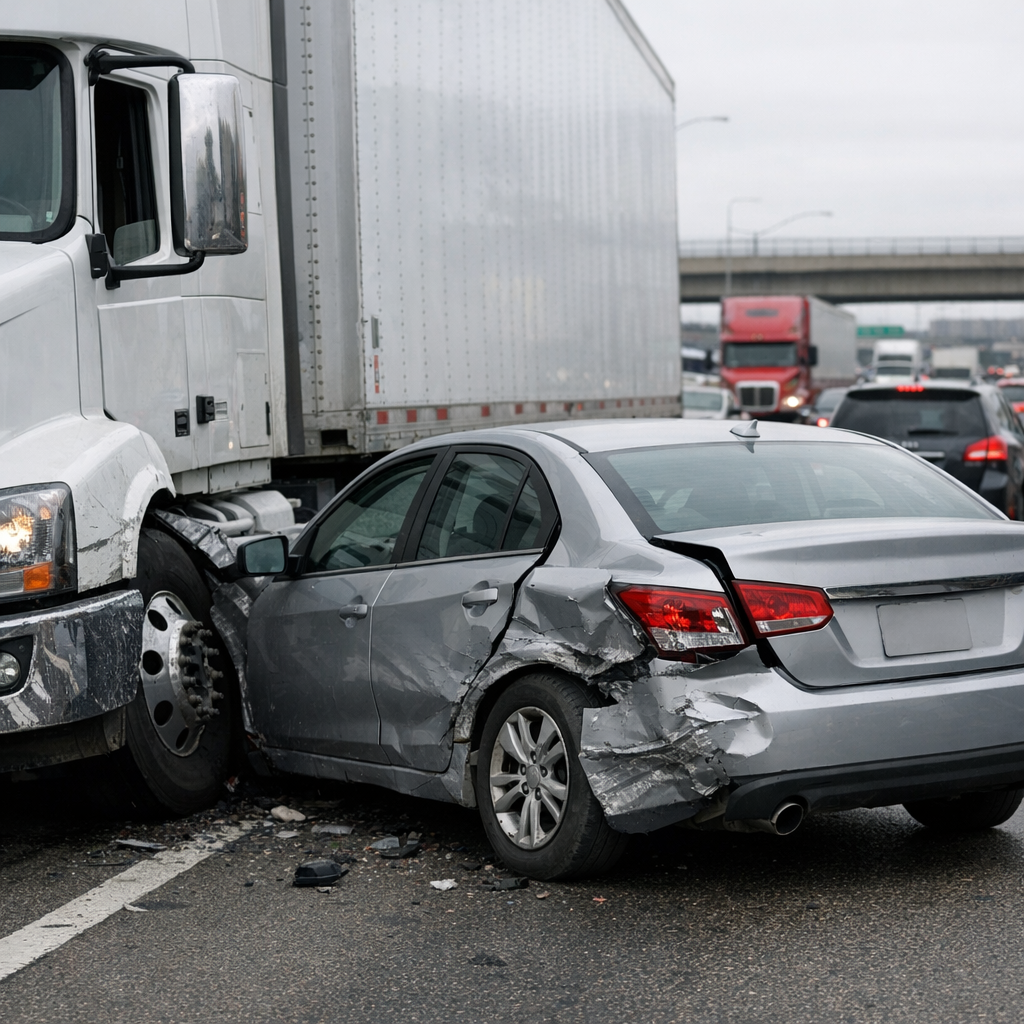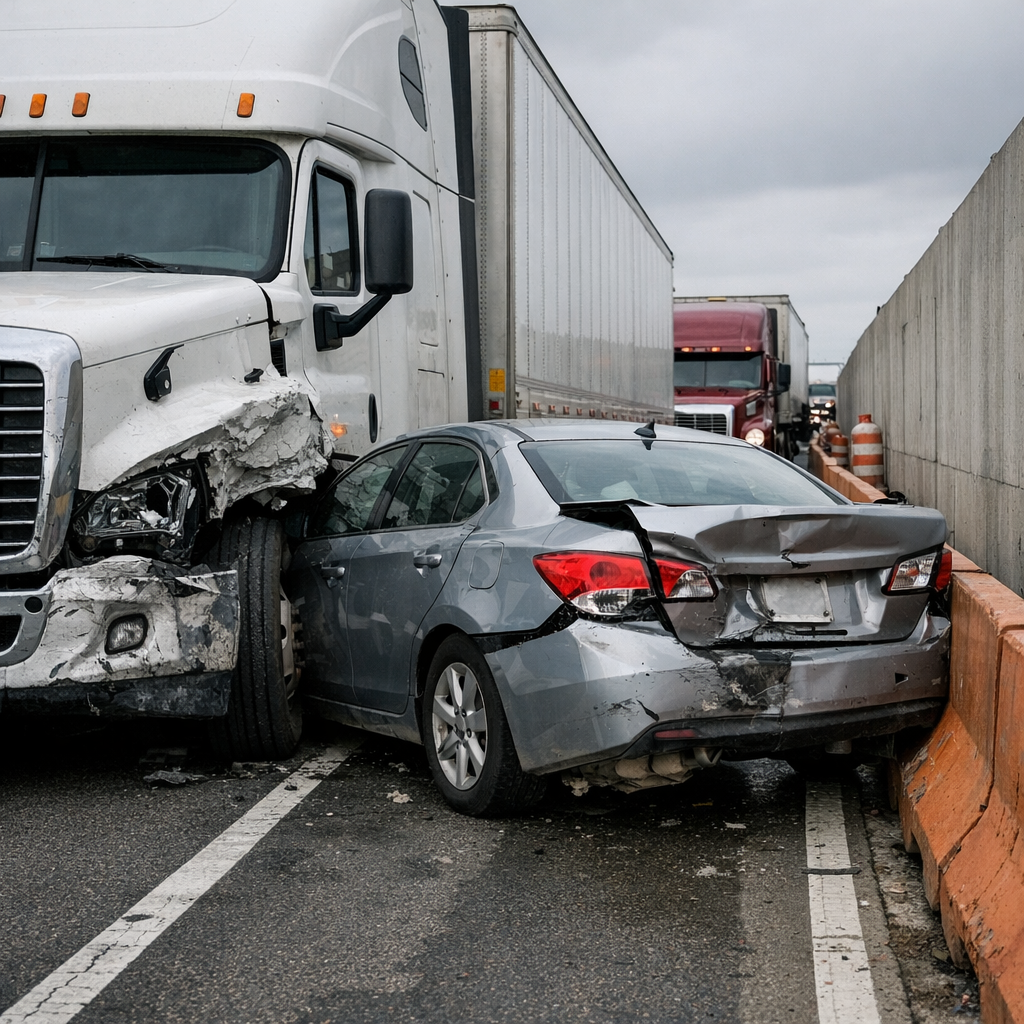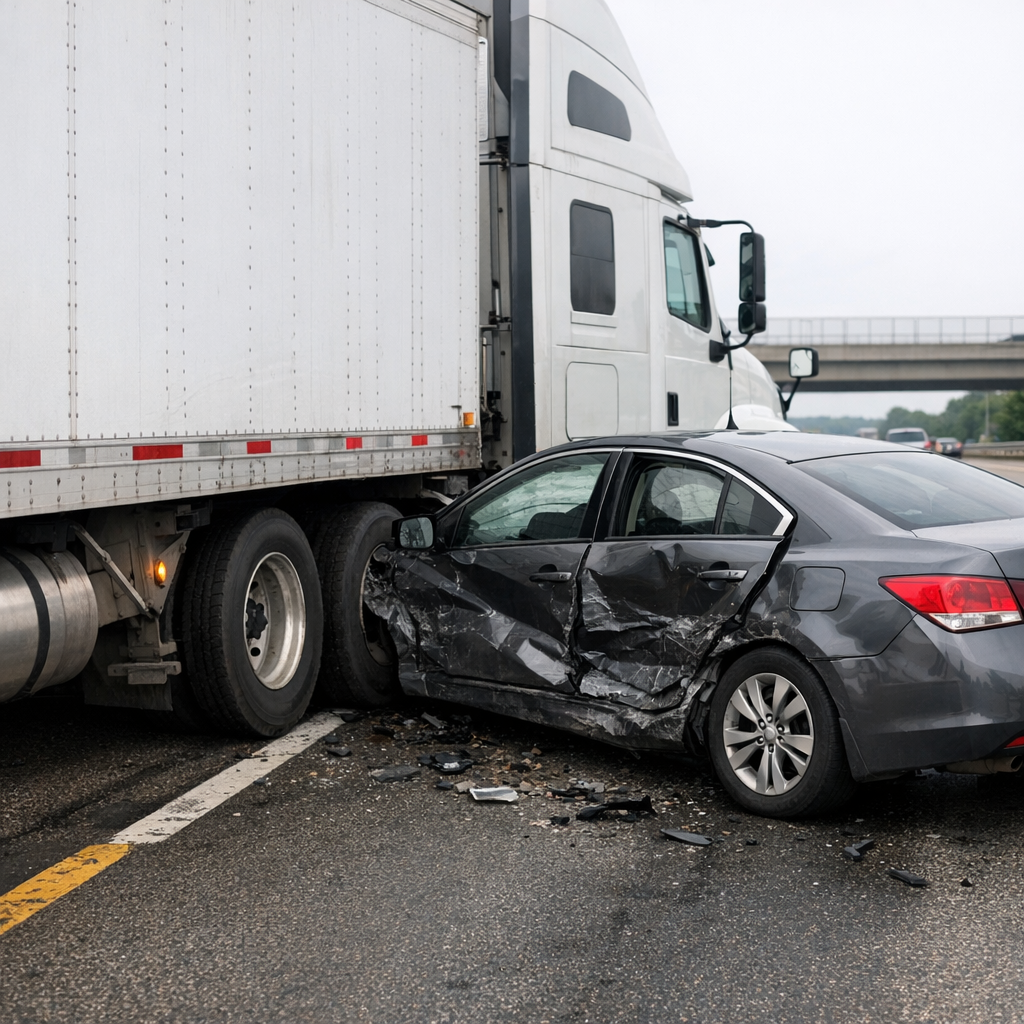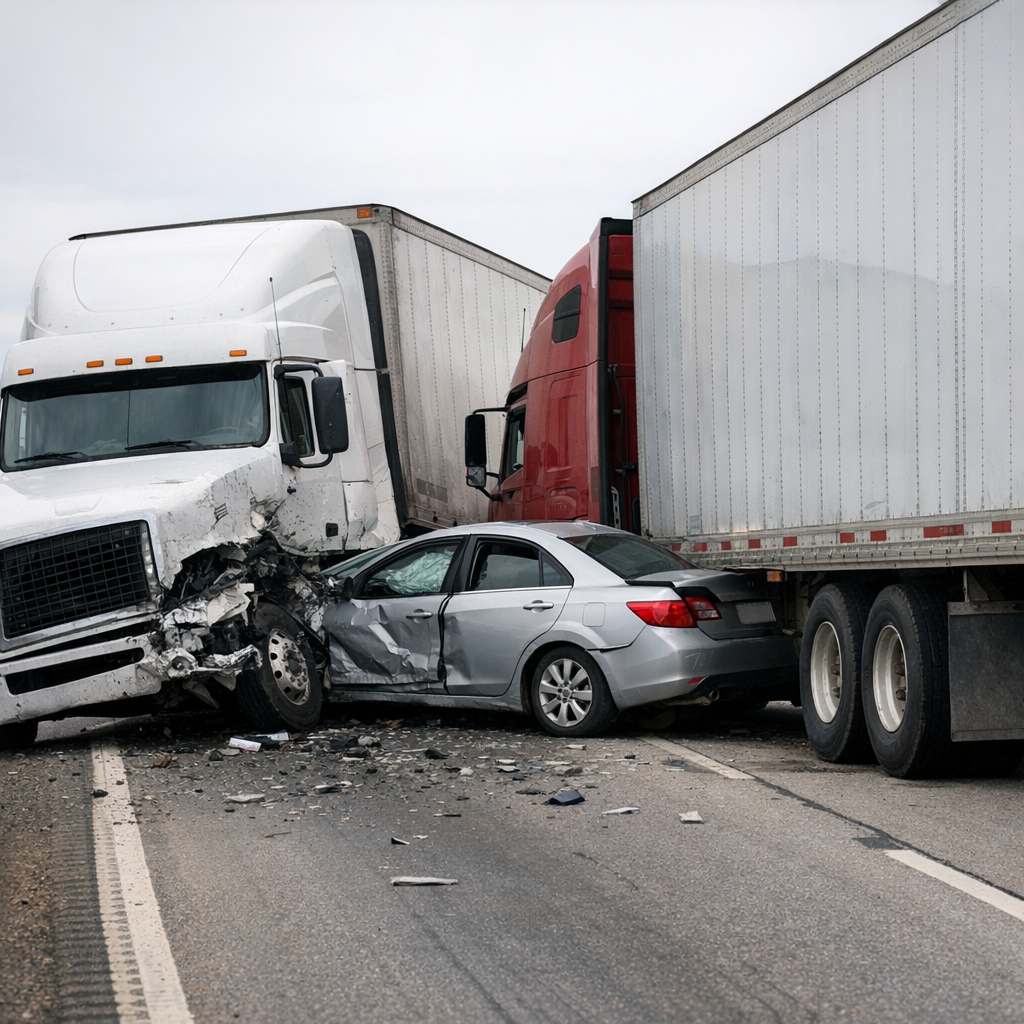

What Symptoms Appear After a Big Rig Collision
Understanding the Importance of Recognizing Symptoms After a Big Rig Collision
When people inquire about the symptoms that may appear after a big rig collision, it reflects their concern for physical well-being and safety. The sheer size and weight of a big rig compared to a standard vehicle mean that accidents involving these trucks often result in significant forces impacting the body. This can lead to a variety of injury symptoms, some of which may not be immediately obvious. Asking about symptoms after a big rig collision often stems from a desire to identify potential health issues early and to understand the body’s responses to such serious events.
The Variety of Symptoms That Can Develop Following a Big Rig Incident
One of the main complexities following a crash involving a big rig truck is the wide range of symptoms that can manifest. At the time of the accident, some people experience evident signs such as cuts, bruises, or broken bones, but many symptoms develop hours or days later. Physical trauma from such collisions can affect multiple areas including the head, neck, spine, and limbs.
Headaches and dizziness often emerge due to concussions or other forms of traumatic brain injury. Neck pain and stiffness are common as the sudden jolting motion of a collision can lead to whiplash, which may cause muscle strain or ligament damage. Back pain may also arise from the impact, especially when spinal alignment is disturbed or discs become compressed.
Other symptoms include numbness or tingling in the arms and legs, which might signal nerve irritation or damage. Abdominal discomfort and internal bruising can occur due to blunt force trauma, sometimes without apparent external injuries. Fatigue and difficulty concentrating are additional symptoms that may surface, reflecting the body’s stress response or neurological effects.
Subtle and Delayed Symptoms That Are Often Overlooked
Not everyone realizes that symptoms after a big rig collision can be subtle or delayed. Unlike obvious physical wounds, internal injuries or neurological problems might not cause immediate pain or limitation. For instance, symptoms like memory lapses, mood changes, or sleep disturbances might develop days after the accident, often overlooked as unrelated.
In addition, psychological symptoms such as anxiety or heightened startle responses can appear even in the absence of physical injury. These reactions are part of the body and mind processing and coping with a traumatic event and may influence how other symptoms are experienced.
It is also important to note that the adrenaline released during a collision can mask pain, delaying the recognition of symptoms. This natural response can give a false impression of well-being, even when internal injuries or significant musculoskeletal damage exist.
Appreciating the Complexity and Importance of Monitoring Post-Accident Health
Big rig collisions are complex incidents that may result in a spectrum of symptoms affecting different bodily systems. Understanding that symptoms after big rig collision accidents can vary widely and change over time underscores the necessity for careful observation of one’s health in the aftermath.
While not every symptom signals a severe injury, being attentive to changes in physical or cognitive function helps in gauging the body’s response. Many symptoms improve naturally as the body heals; however, tracking them provides crucial information on when further medical evaluation might be necessary.
Remaining informed about potential symptoms encourages awareness and patience with the recovery process. It also highlights the body’s resilience and capacity to reveal subtle signs that contribute to overall well-being after a significant impact event.