How do big rig accidents affect daily life
Many people wonder about the broader impact of big rig accidents beyond the immediate crash scene. It’s a question that arises frequently because these events, involving large commercial trucks, often make headlines and highlight significant disruptions. Understanding why this question comes up and exploring the various ways big rig accidents ripple through a community can help clarify how daily routines and environments are affected.
Understanding the Common Concerns
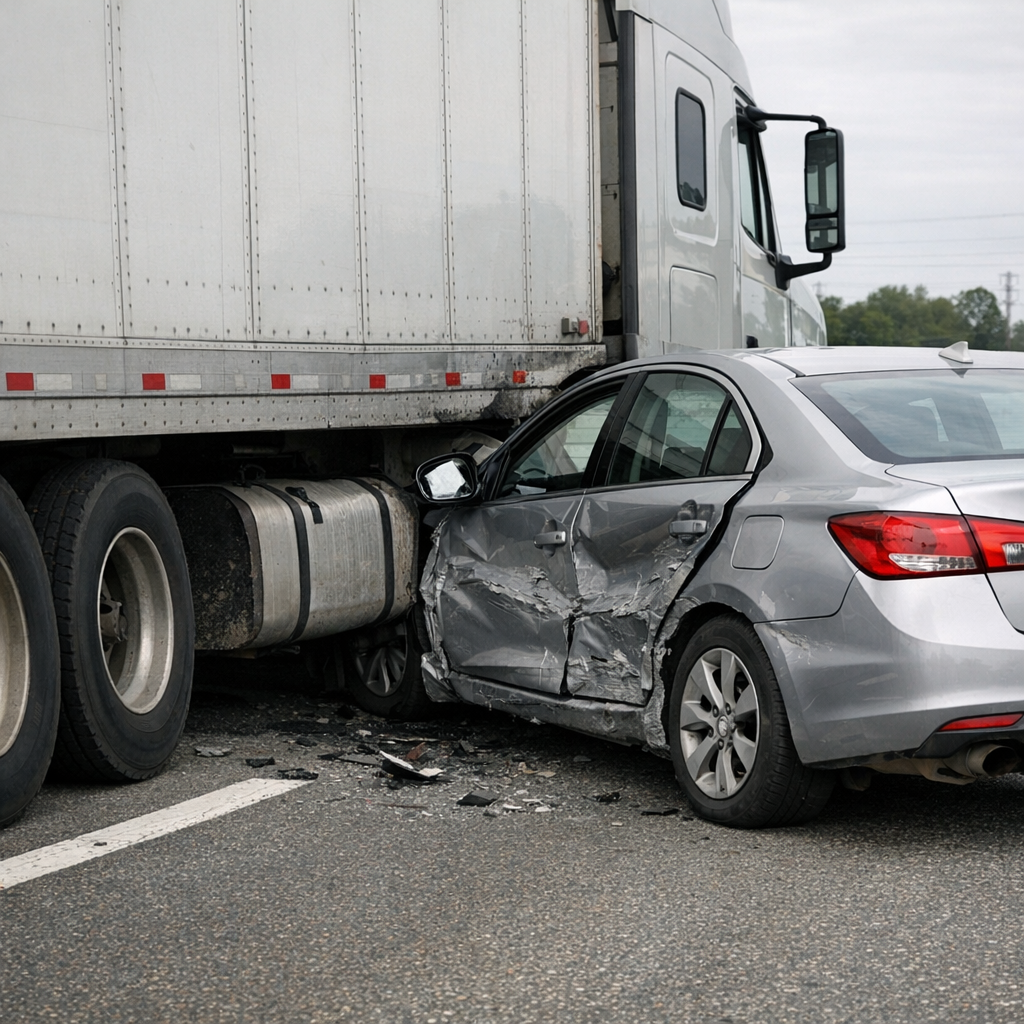
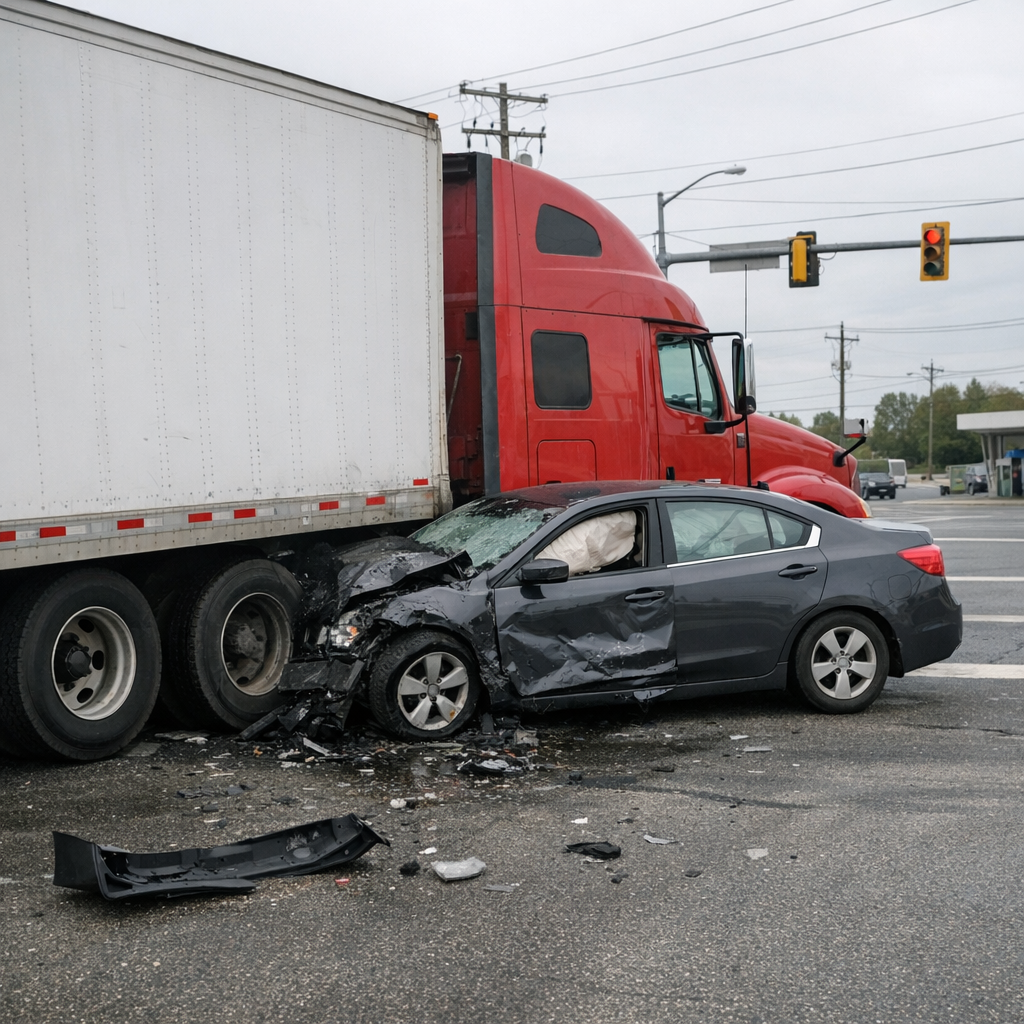
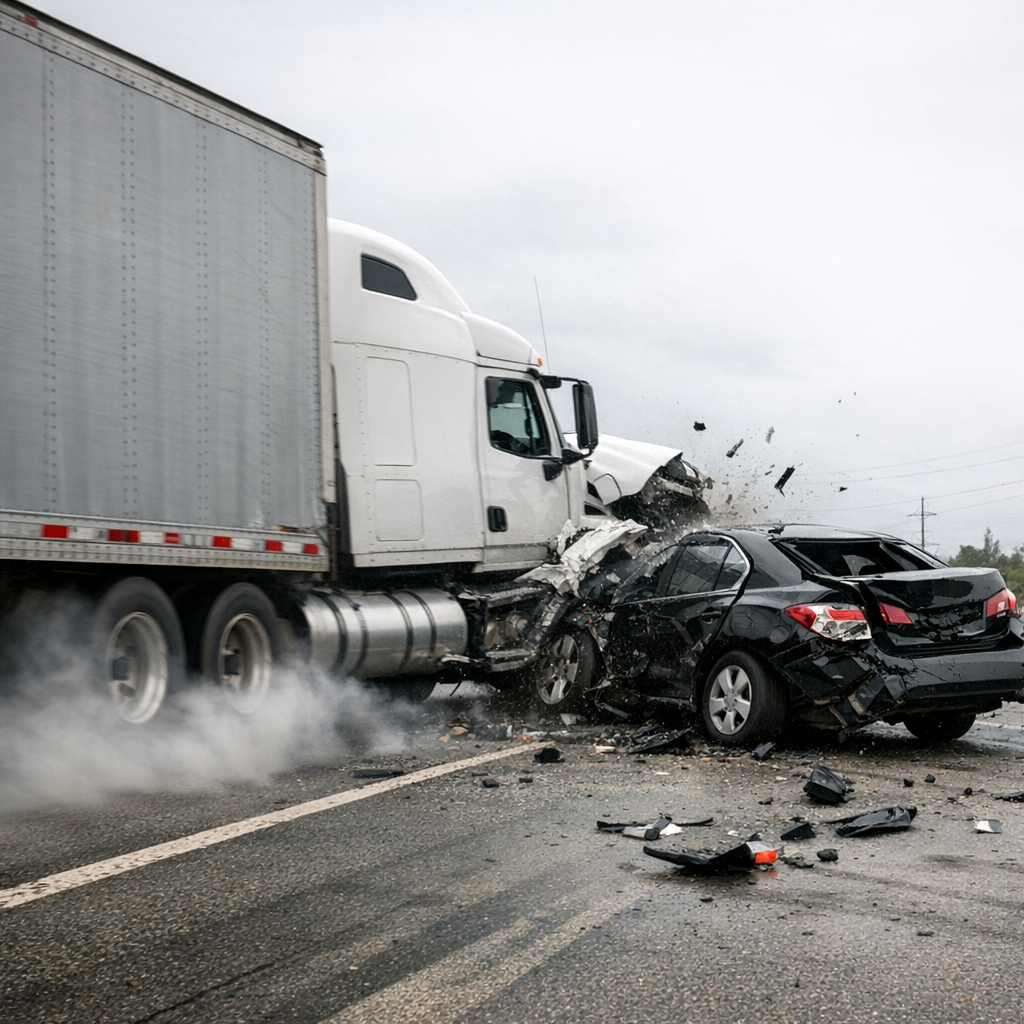
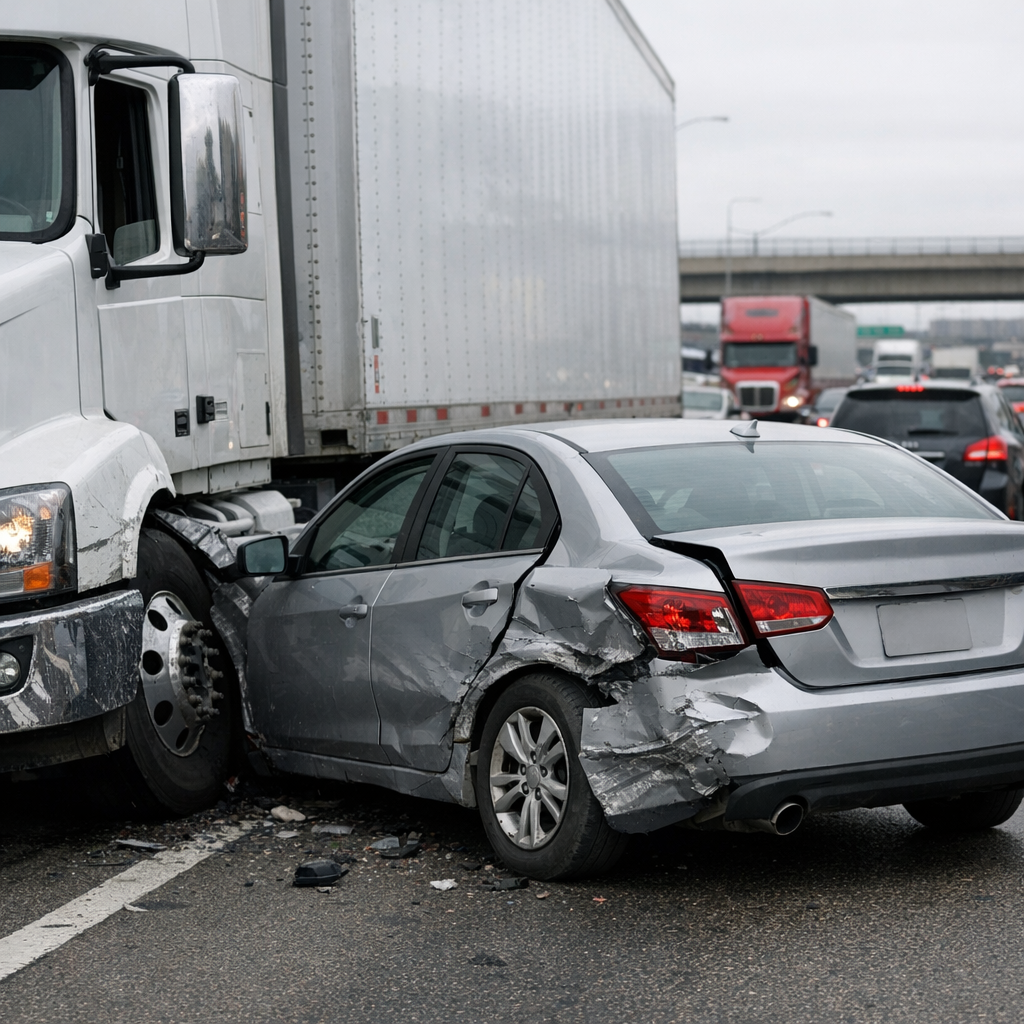
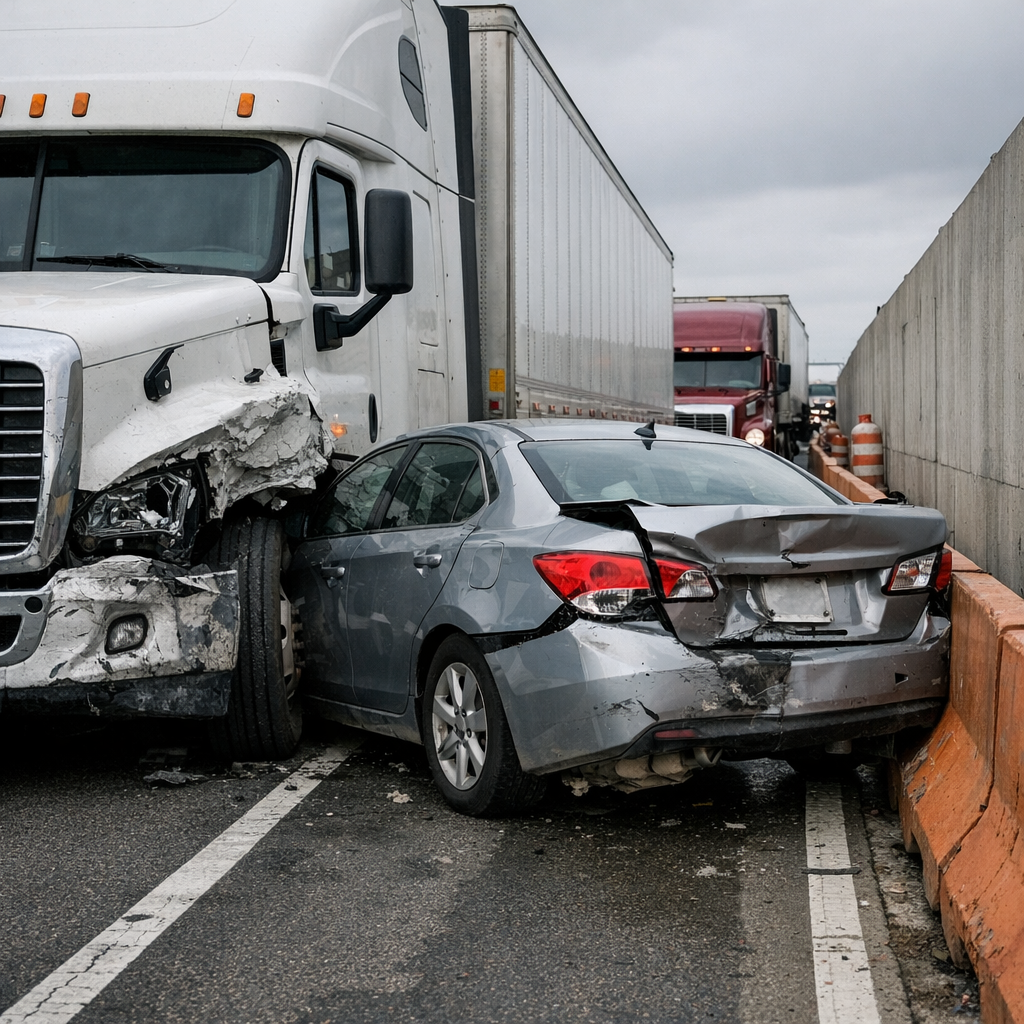
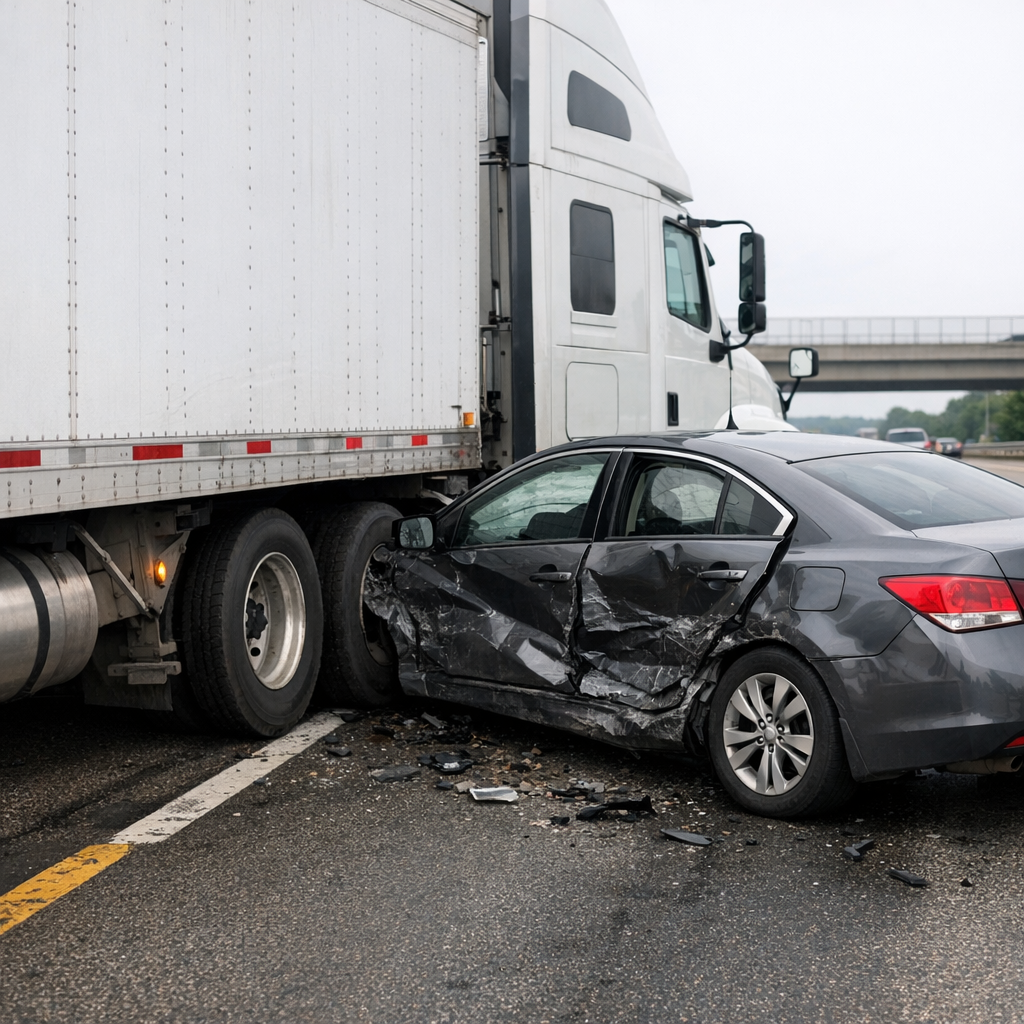
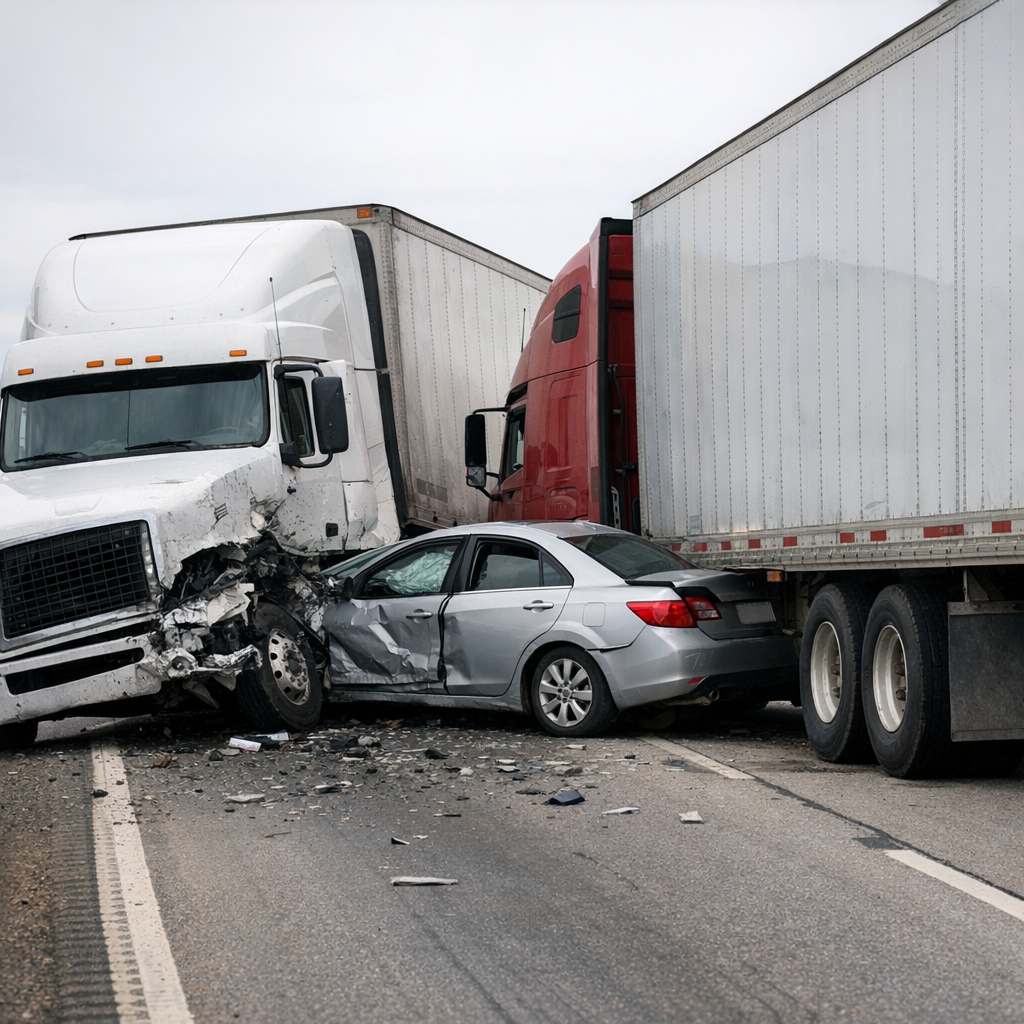
People generally ask how big rig accidents affect daily life because these incidents can be highly visible and alarming. When a large truck is involved in a crash, the consequences are often more severe than typical vehicle accidents due to the size and weight of these vehicles. The aftermath can cause traffic delays, road closures, and increased safety awareness, prompting individuals to consider how their own daily activities might be influenced.
Furthermore, big rig accidents often involve transportation routes critical to commerce and commuting. This importance causes concern about potential disruptions to supply chains, travel plans, and emergency response availability. Such questions arise not only from those directly involved but also from nearby residents, commuters, and businesses that rely on consistent traffic flow.
The Wide Reach of Big Rig Incidents
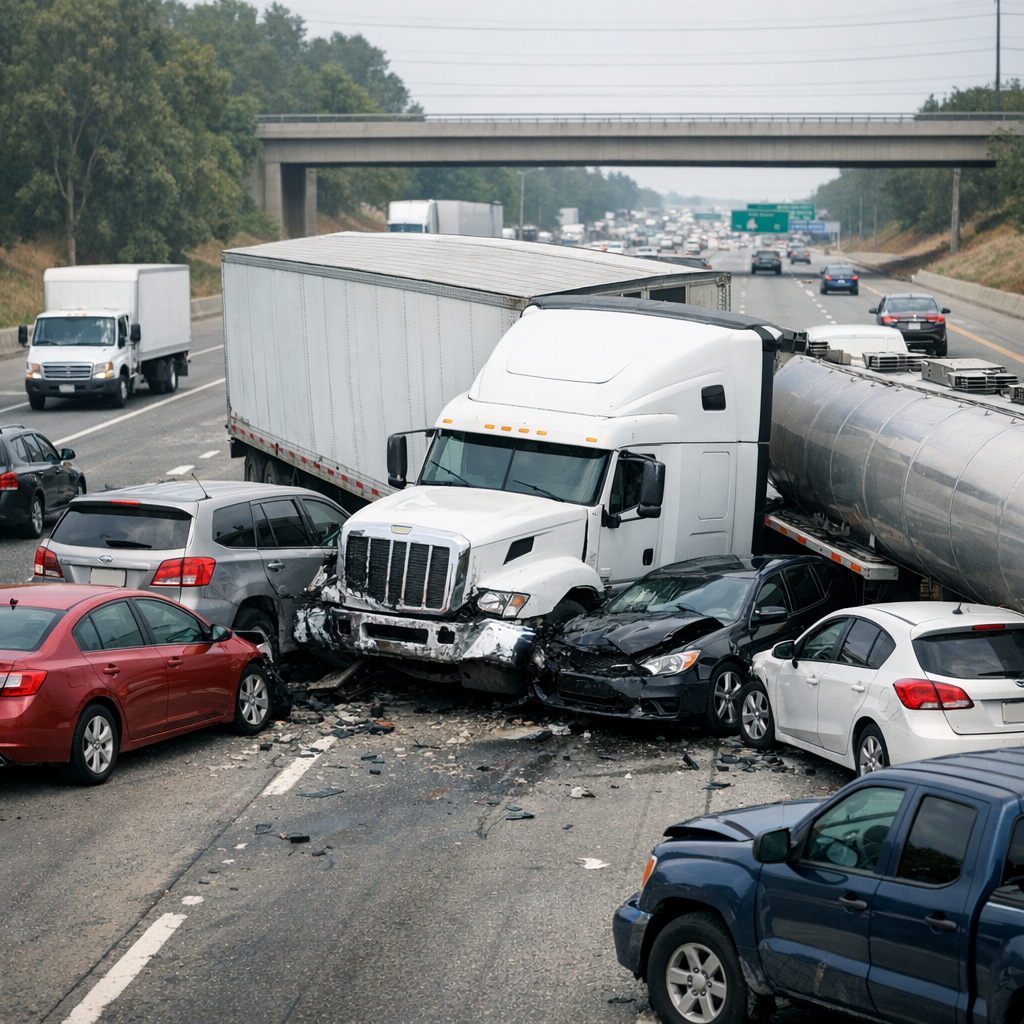
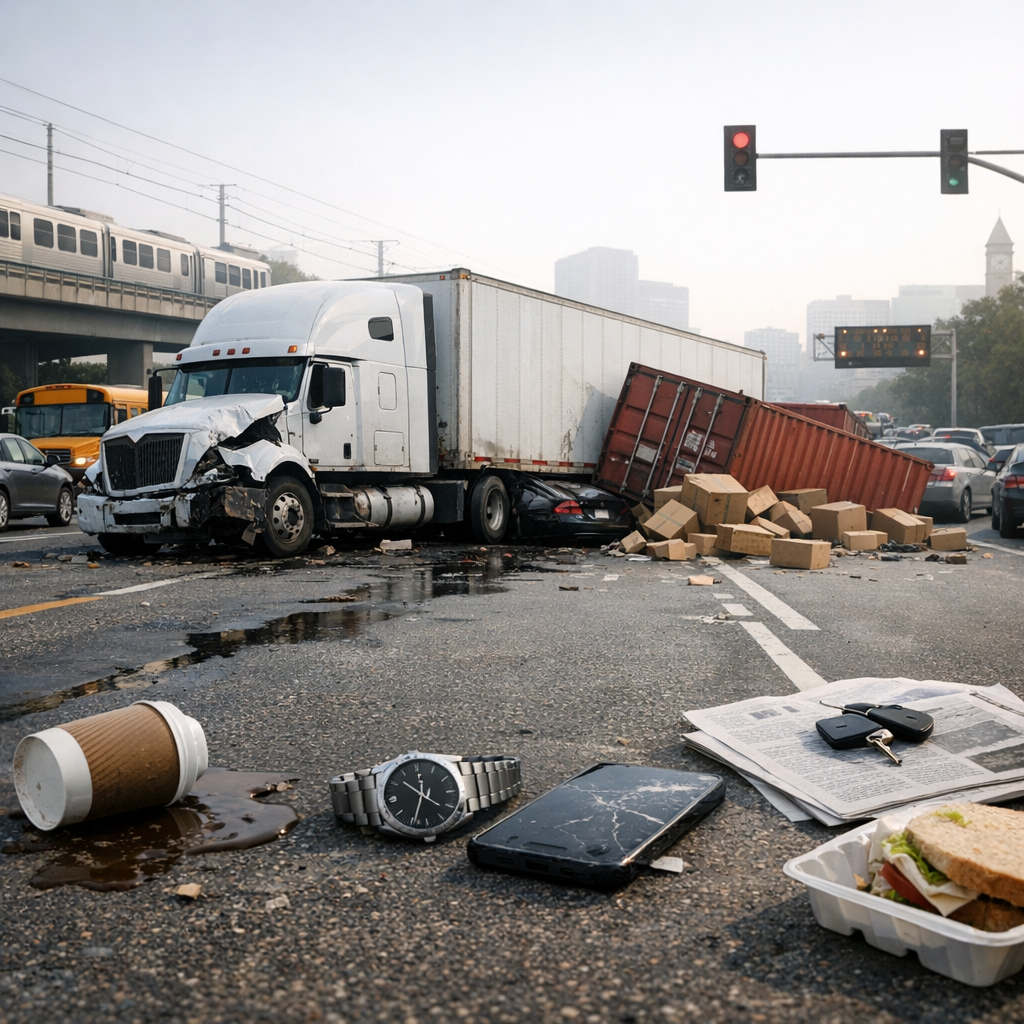
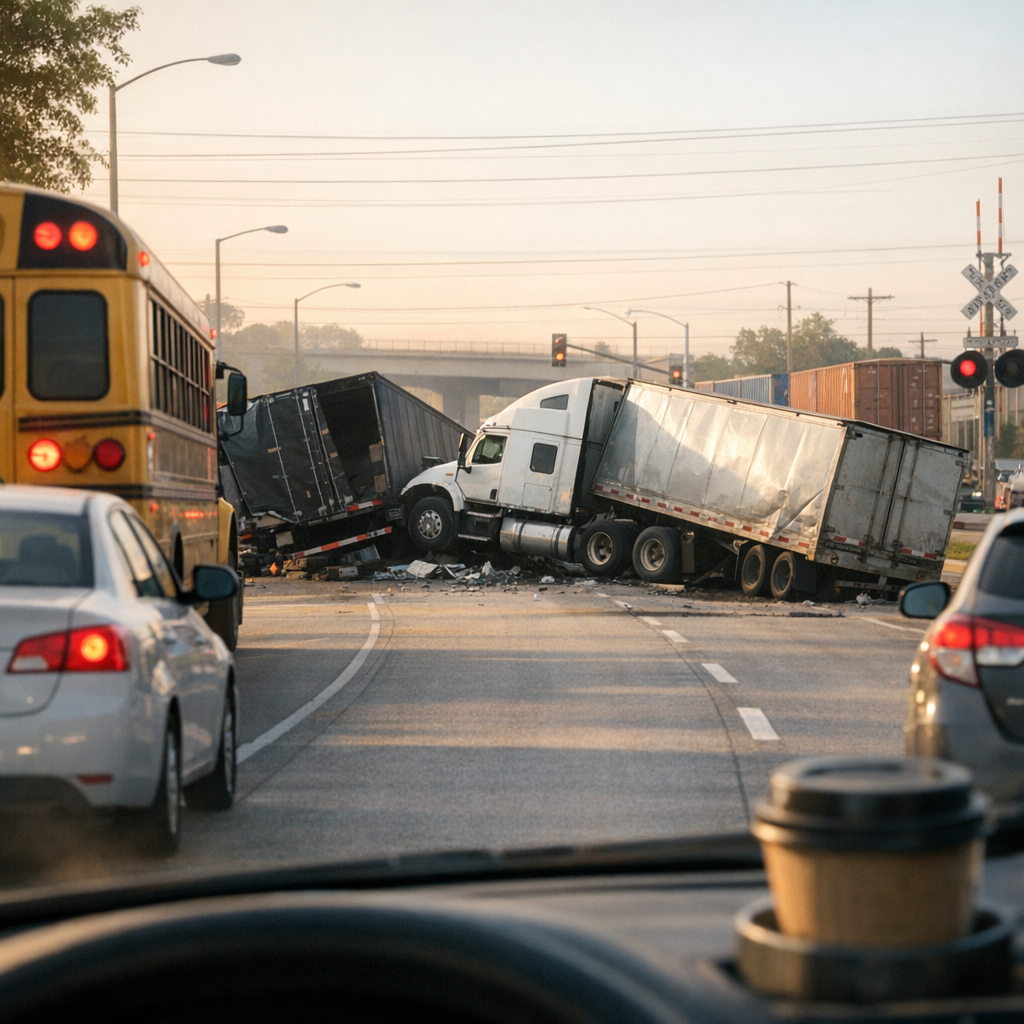
The impact of a big rig accident extends across several areas of daily life. The most immediate effect often involves traffic congestion. Because these trucks occupy significant road space and their accidents may block multiple lanes, traffic delays are almost inevitable. Commuters may find their usual travel times extended unexpectedly, sometimes forcing adjustments to schedules.
Road closures that result from these collisions are typically necessary for accident investigation, cleanup, and vehicle removal. This can reroute traffic and affect access to certain areas, complicating everyday errands or commutes. Public transportation routes might also face interruptions, further impacting daily mobility.
Additionally, goods transported by big rigs sometimes face delays, influencing the availability of products in stores or materials at workplaces. Supply chains that depend on timely delivery can experience setbacks, particularly if several accidents occur on major freight corridors. For consumers and businesses, this can subtly alter purchasing habits or production timelines.
Effects Beyond the Visible Scene
Beyond traffic and transportation, big rig accidents can influence community well-being in less obvious ways. One often overlooked aspect is the strain on emergency services. Firefighters, paramedics, and law enforcement personnel involved in accident response must redirect resources to handle the incident. This can temporarily reduce the capacity for responding to other emergencies within the area.
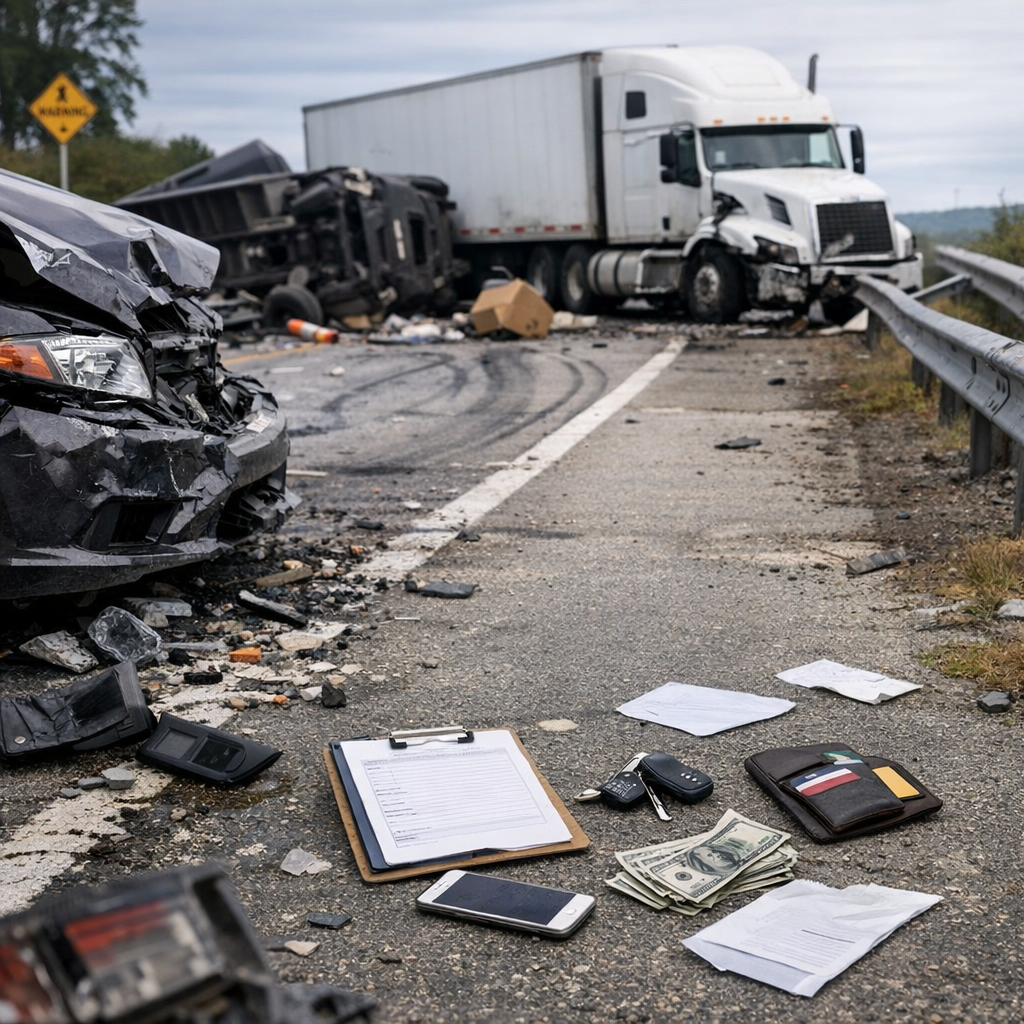
Environmental concerns are also relevant. Accidents involving large trucks sometimes result in spills of fuel or cargo, which may contain hazardous materials. Cleanup operations can pause normal activities near the accident site and initiate monitoring to ensure safety. This introduces an element of environmental management that can impact public health safeguards and local ecosystems.
There’s also a psychological dimension to consider. Witnessing or hearing about a major accident can heighten awareness or anxiety about road safety. For those living or working near frequent trucking routes, the presence of occasional accidents can influence perceptions of safety and community calm.
Navigating Daily Life After an Incident
Life after a big rig accident generally stabilizes once the immediate disruptions clear. Cleanup and repair work on roads typically conclude within hours or days, and traffic patterns return to normal. Supply chains adjust around delays, helping reorder timelines restore flow in goods availability.
Communities and commuters may adopt greater caution and awareness, contributing to safer driving habits around large trucks. Public agencies sometimes review traffic control and safety measures in response to accident patterns, aiming to reduce future incidents.
Daily routines continue with slight adjustments, often unbeknownst to many beyond the immediate aftermath. Awareness of potential impacts encourages preparedness without causing undue concern.
In summary, big rig accidents influence daily life through traffic delays, resource allocation, environmental considerations, and subtle shifts in community safety perceptions. Understanding these factors helps individuals appreciate the complexity behind these incidents and recognize the resilience built into daily systems that accommodate such events calmly and effectively.