Big rig struck my car during congestion
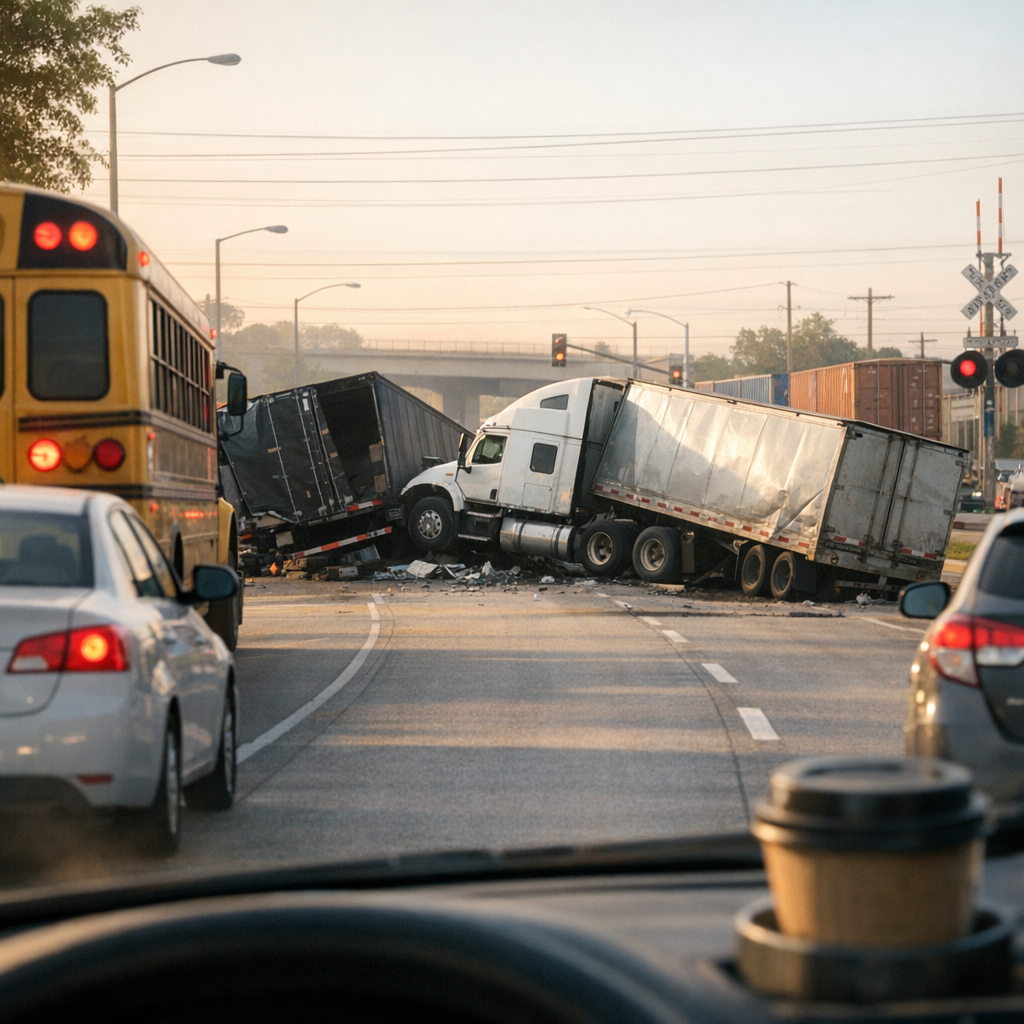
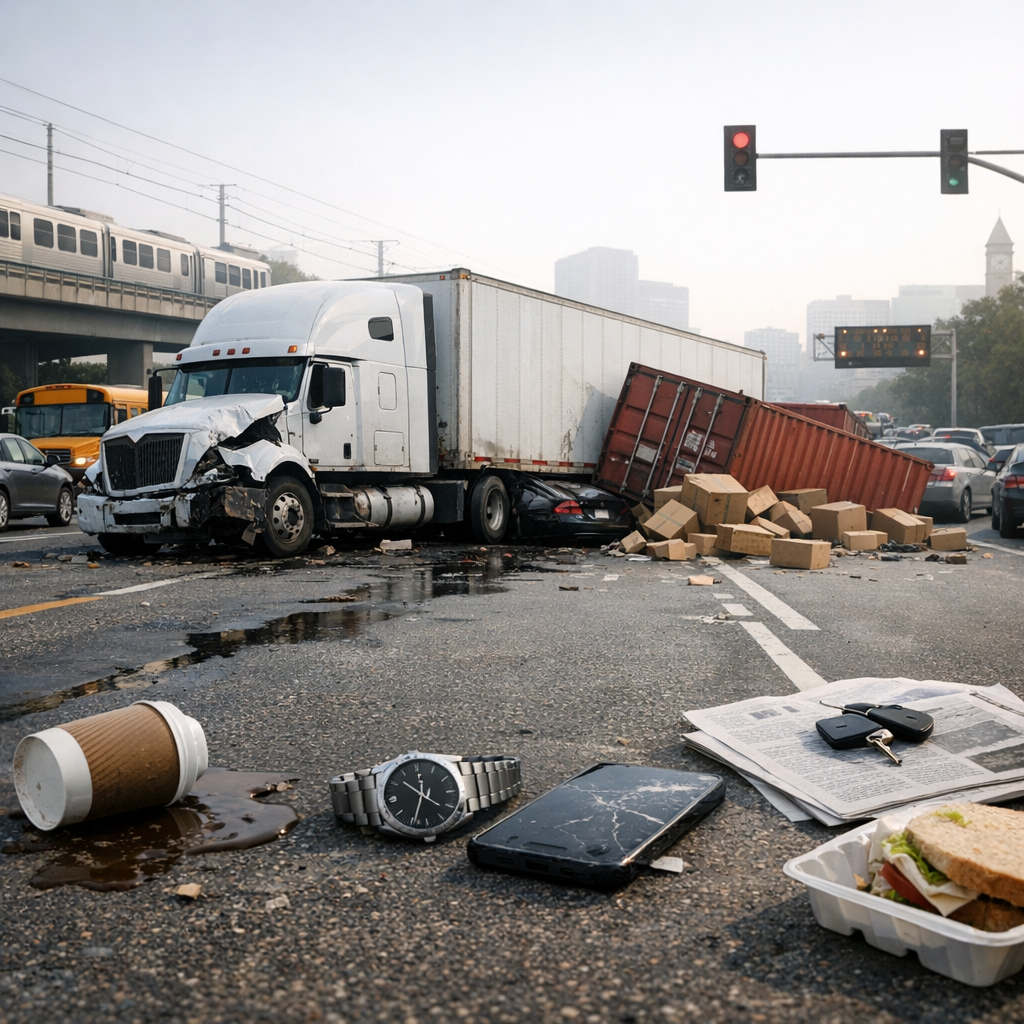
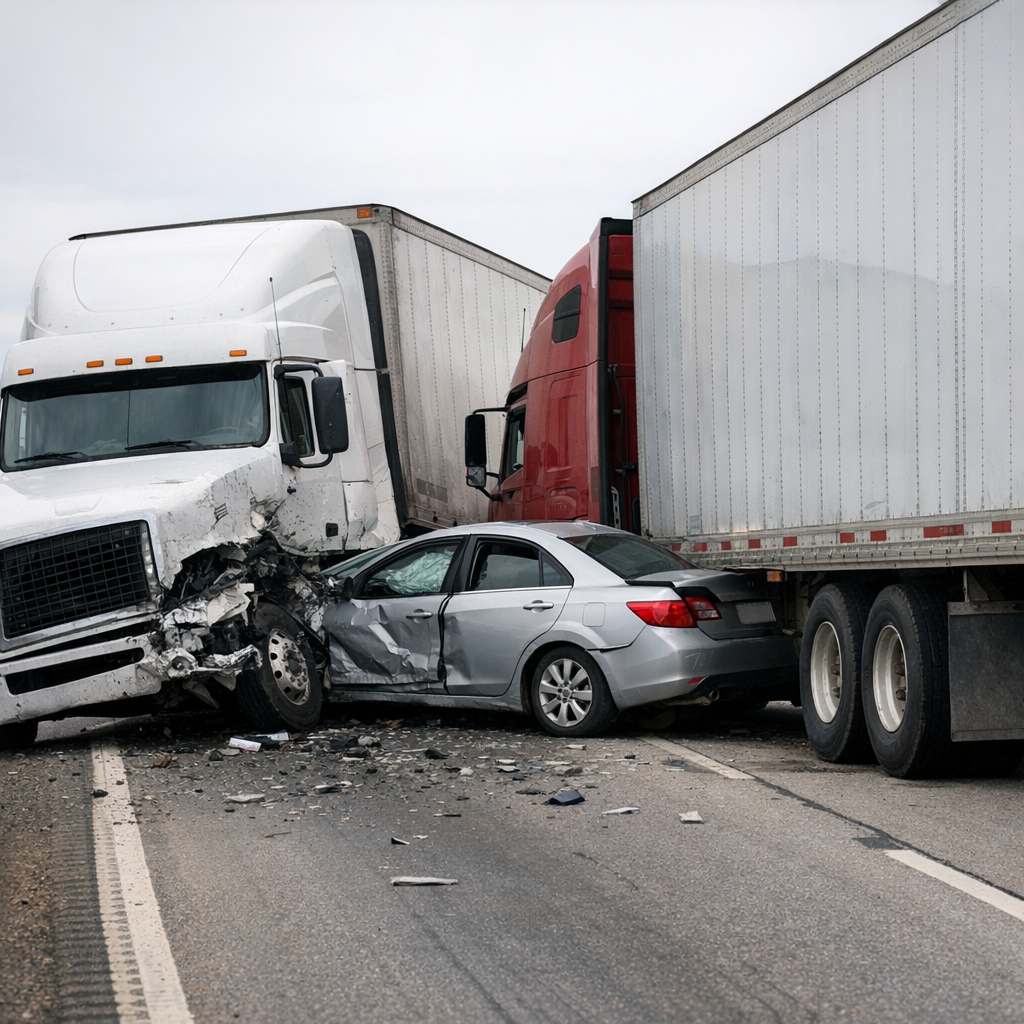
Being involved in a crash with a big rig during traffic congestion can be a disorienting experience. Such incidents often occur suddenly amid slow-moving or stop-and-go traffic, increasing the complexity of the situation. Understanding what typically unfolds in these scenarios and the potential outcomes can help individuals navigate the aftermath more calmly.
Typical circumstances of a big rig congestion crash
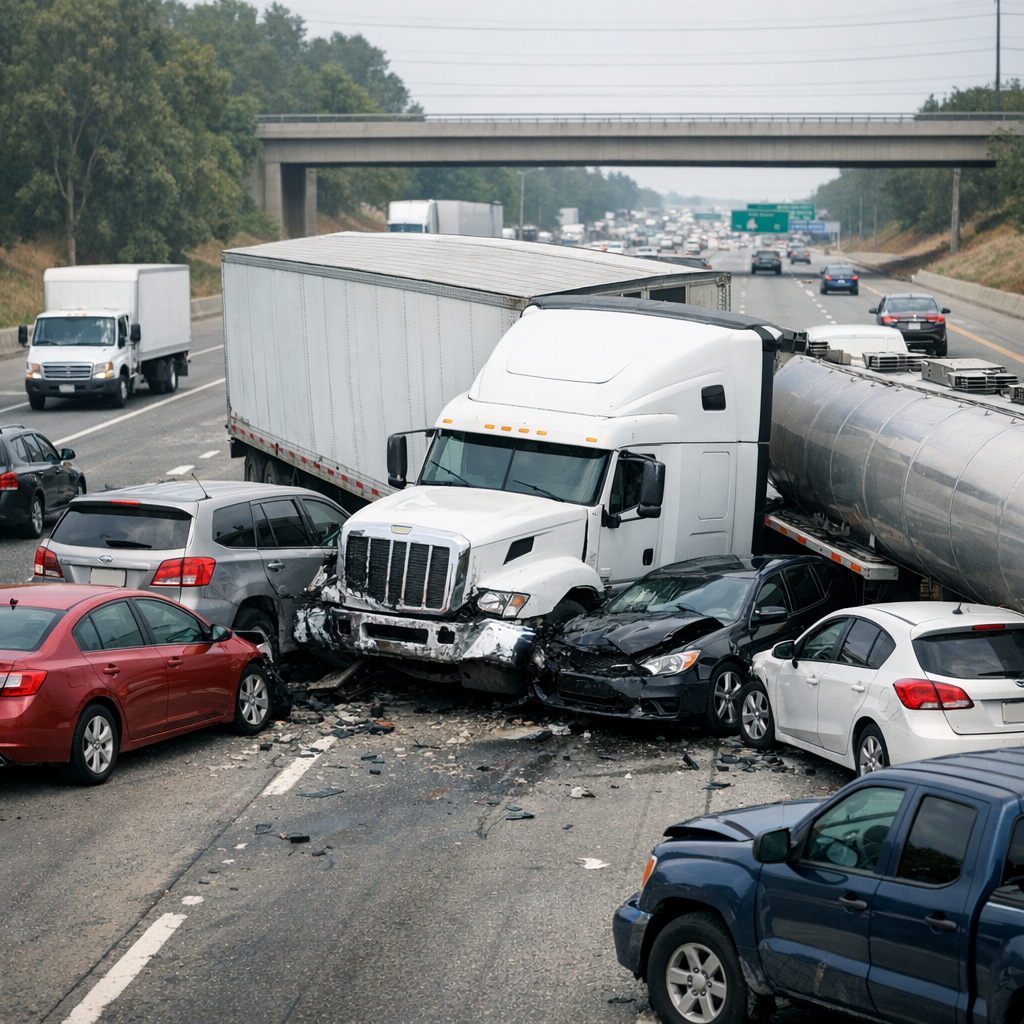
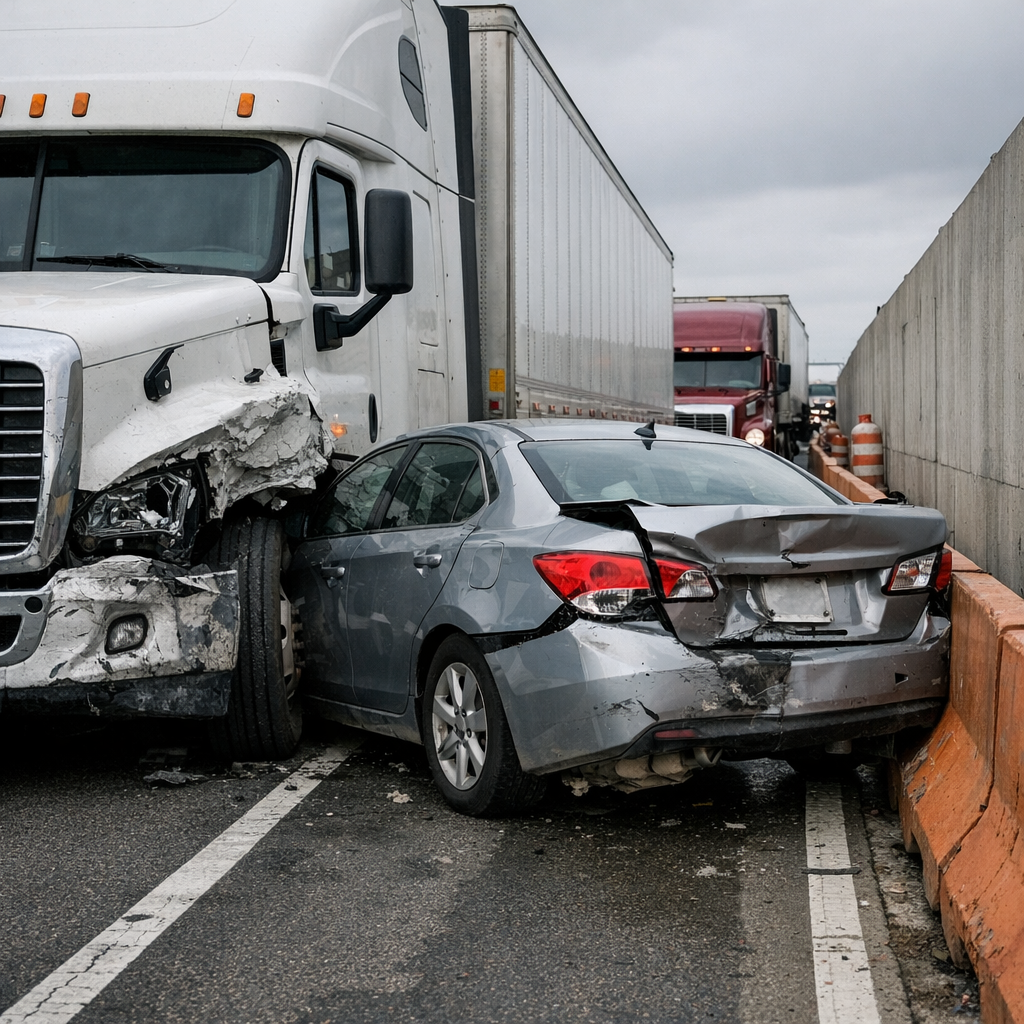
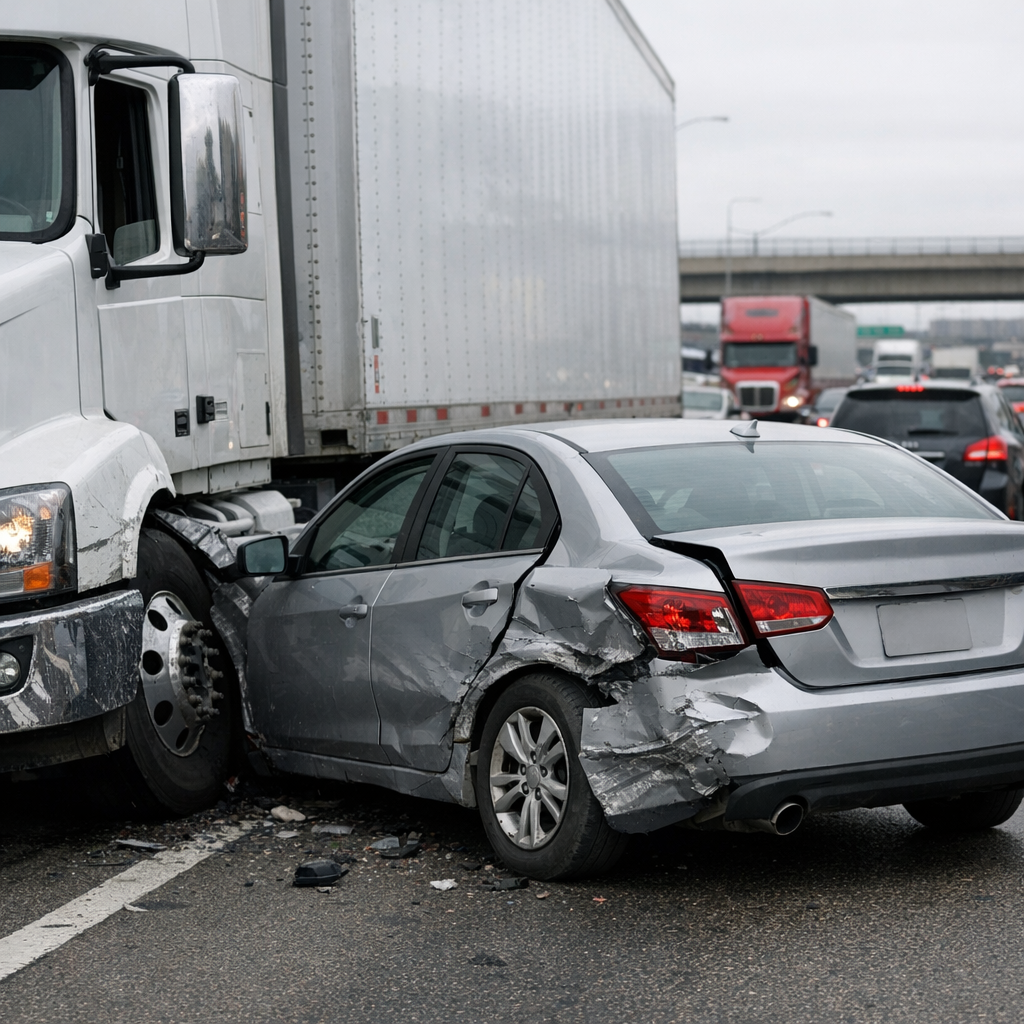
Big rigs, due to their size and weight, require longer stopping distances than smaller vehicles. In congested traffic, sudden slowing or stopping can challenge these large trucks’ ability to brake in time. When congestion unexpectedly tightens or flow halts abruptly, a big rig may strike the vehicle ahead if proper spacing and attention are not maintained.
How congestion affects vehicle dynamics
Congestion crowds many vehicles closely together, limiting maneuvering space. Drivers often experience fluctuating speeds, making it difficult for truck operators to predict traffic patterns. These challenges increase the risk that a big rig might rear-end or collide with a smaller car that cannot move out of the way quickly.
Factors influencing crash severity
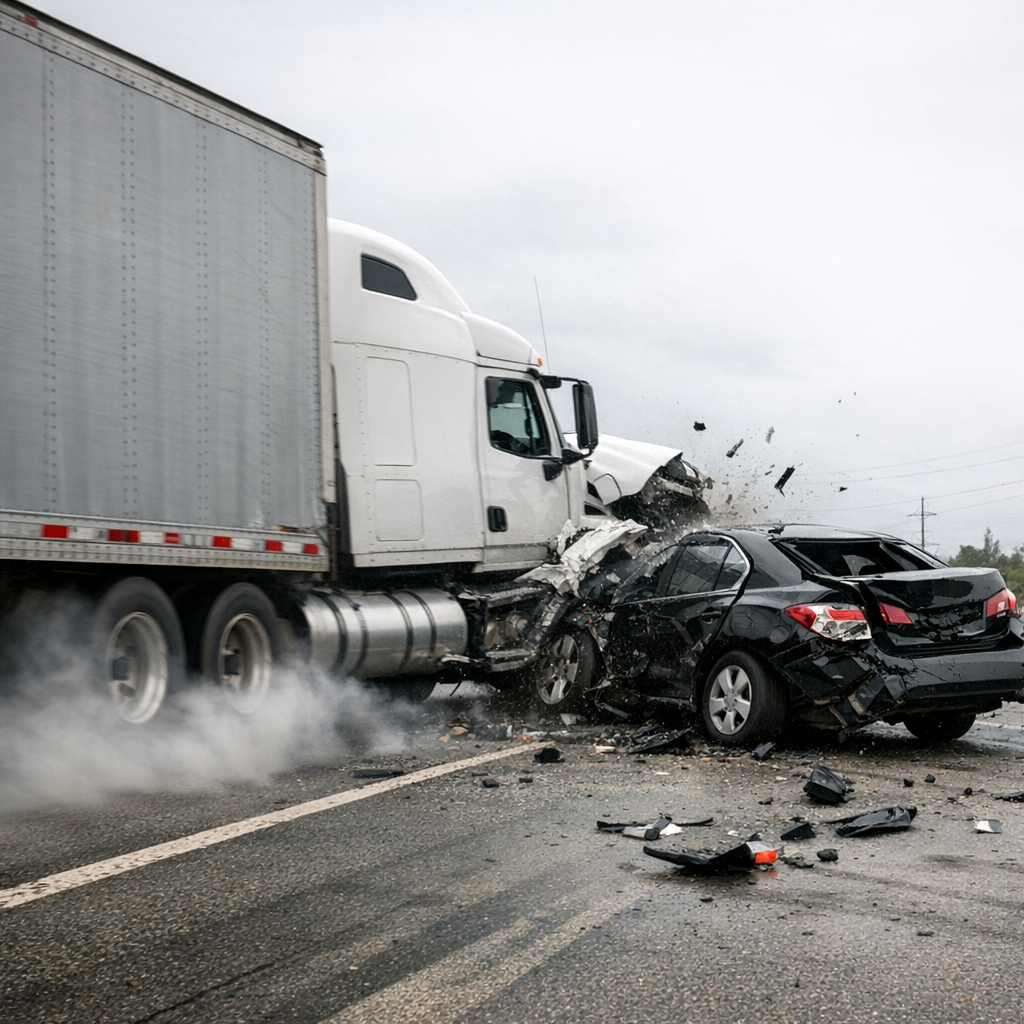
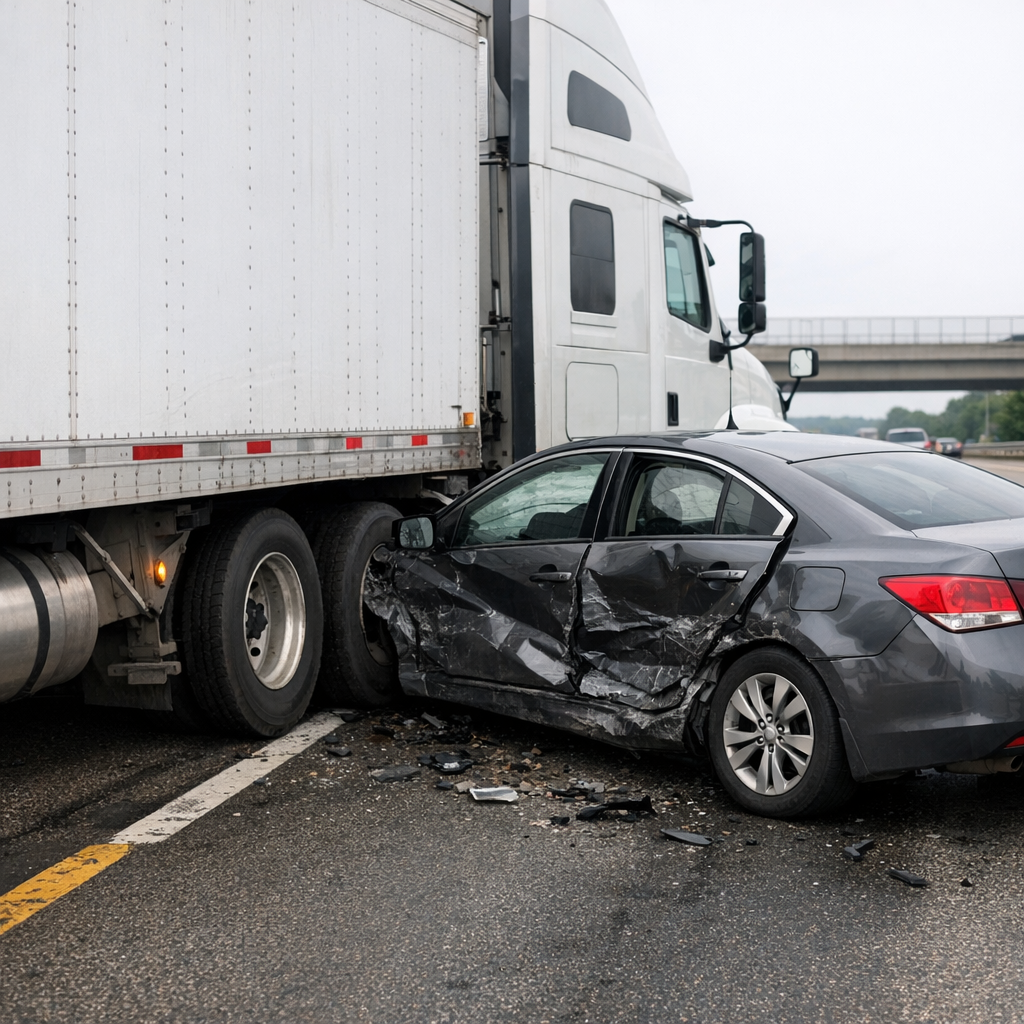
The speed at the moment of impact, the position and angle of the collision, and the use of safety features such as seatbelts and airbags affect the consequences of such crashes. Even low-speed impacts can cause significant damage due to the heavy mass difference between a big rig and a passenger car.
Immediate effects on the driver and vehicle
Being struck by a large truck can have several immediate outcomes, both physically and practically.
Common physical reactions after impact
People involved in a big rig congestion crash may experience whiplash, bruising, or more severe injuries depending on the crash’s force. Symptoms like dizziness or pain may not surface immediately, so monitoring one’s condition is important even if there is no obvious injury at the scene.
Some unexpected physical responses
Shock and adrenaline may mask initial pain or discomfort. It is not uncommon for individuals to feel fine right after the crash and then notice symptoms later.
Vehicle damage and safety system activation
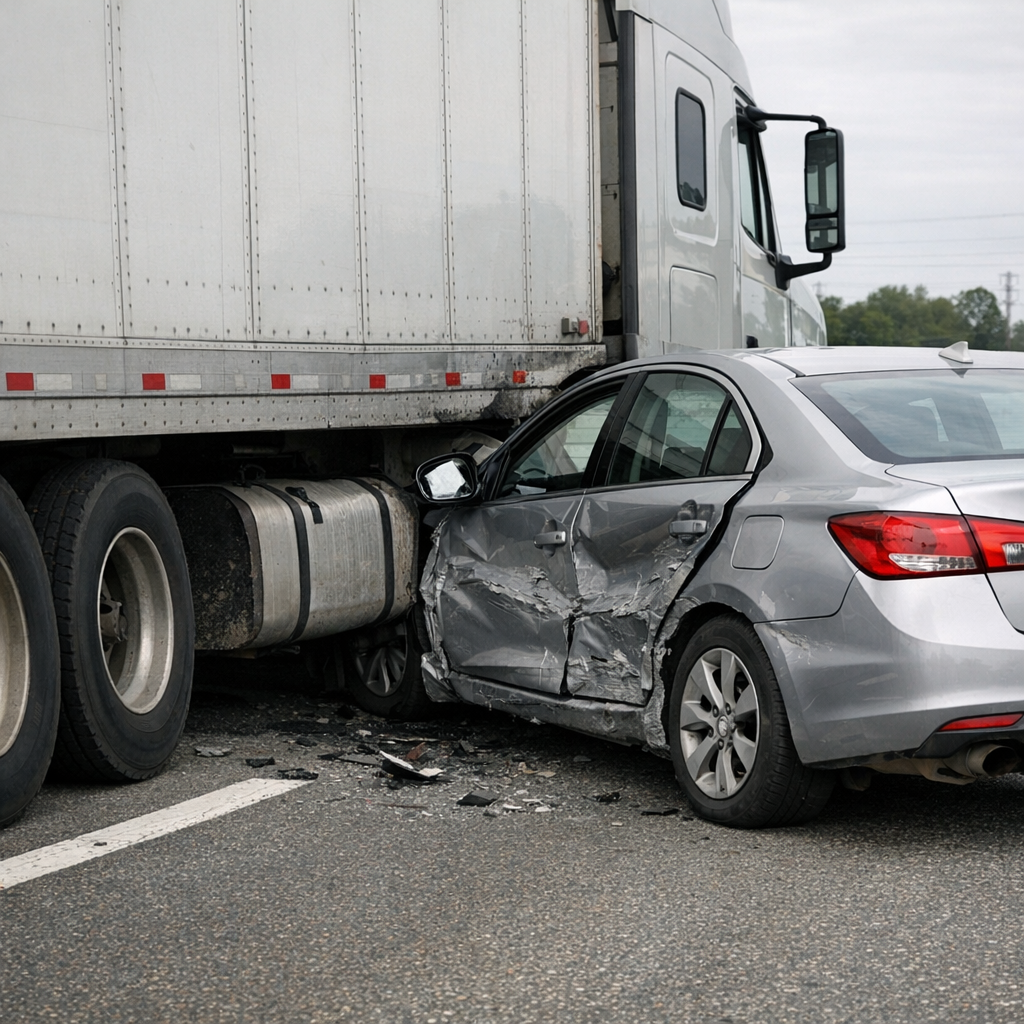
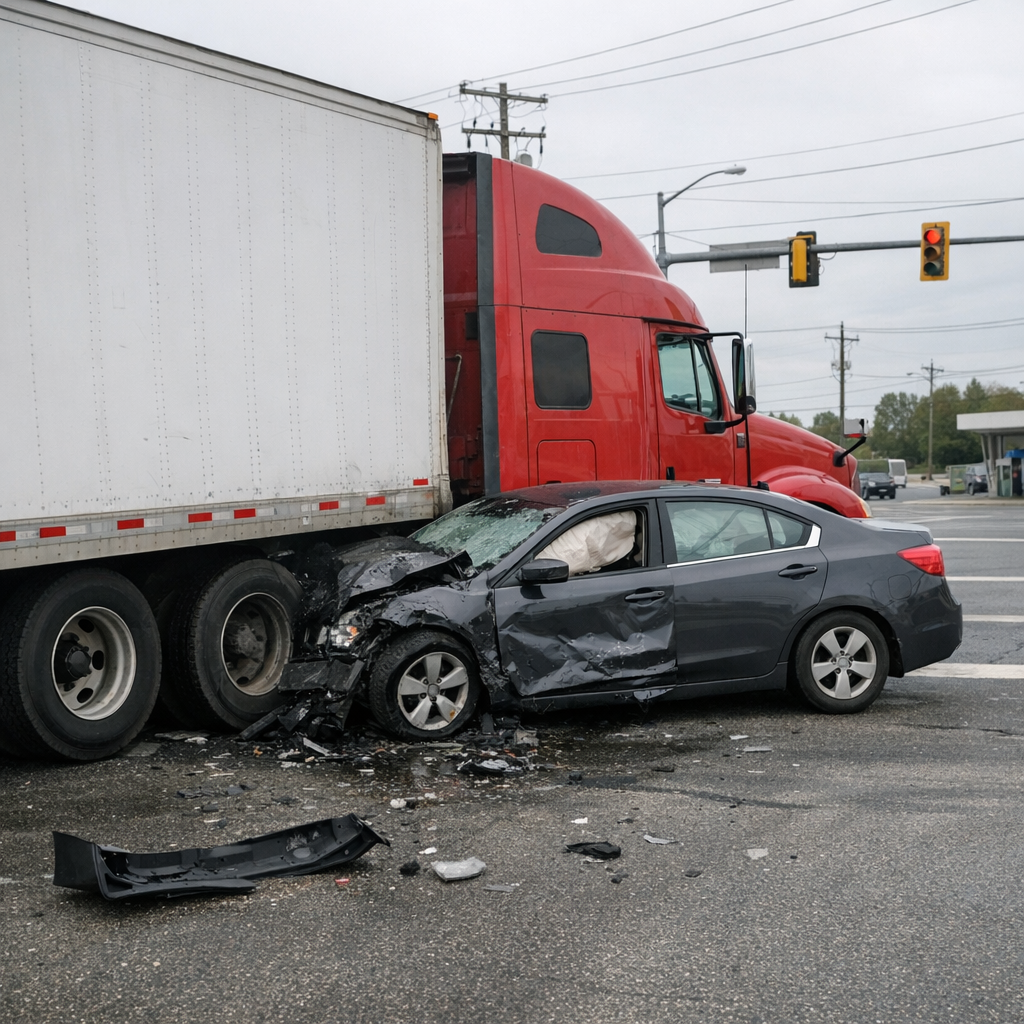
Vehicles struck by big rigs often sustain significant structural damage. The front, rear, or side may be crushed or deformed due to the force. Many modern cars have safety features such as airbags and crumple zones designed to absorb impact energy, which can activate during a collision to protect occupants.
What happens next with traffic and emergency services
Traffic backlogs often worsen after a crash involving a big rig in congested conditions.
Handling the crash site and traffic flow
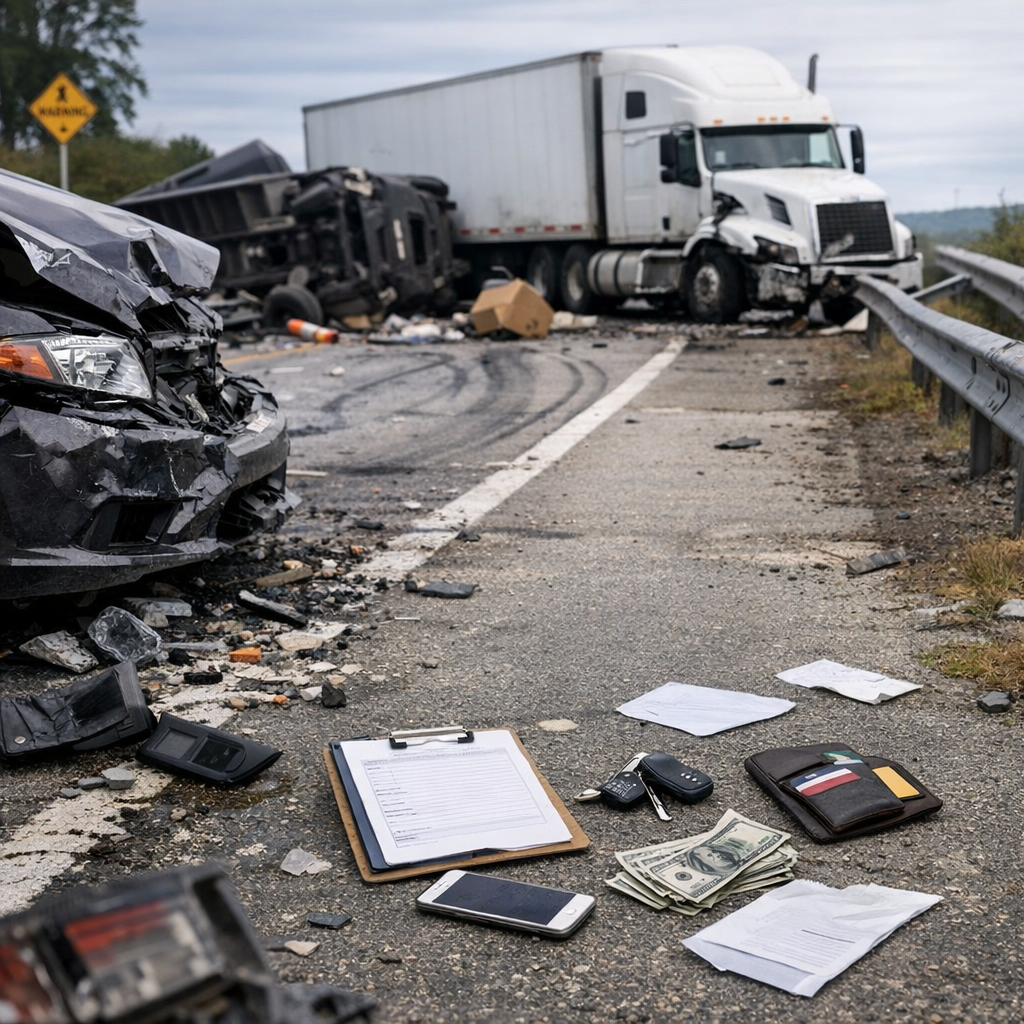
Emergency responders may arrive to assist with injuries and clear the roadway. Until the scene is managed, congestion usually intensifies, leading to delays for other motorists. Tow trucks might be needed to remove damaged vehicles, adding to the cleanup time.
Assessing the situation from a practical standpoint
Drivers involved might be asked to move to a safe location near the incident or remain in place until authorities document the crash. Exchanging information and ensuring all parties are accounted for are critical parts of this phase.
Common concerns following a big rig impact
After the immediate incident, several questions and considerations often arise for those involved.
How to evaluate injury symptoms over time
Not all injuries are apparent right away. Monitoring for signs such as neck stiffness, headaches, or breathing difficulties is important in the days following the event. If symptoms emerge, medical evaluation may be advisable.
Understanding vehicle repair needs
Damage assessment by a professional can determine if a car is safe to drive afterward. Some damage can impair critical functions like steering or braking, requiring immediate attention.
When are vehicles considered safe again?
Cars with structural or mechanical harm should not be operated until repairs are completed and the vehicle passes safety checks.
Reflections on safety during heavy traffic with large trucks
Navigating congested roadways alongside big rigs calls for awareness and caution. Maintaining adequate space when possible and anticipating sudden stops can help reduce collision risks. While congestion presents challenges for all drivers, understanding typical crash dynamics can enhance preparedness.
Preparing for unexpected traffic situations
Adjusting speed smoothly and staying alert to surrounding vehicles contributes to safety when sharing the road with large trucks. Awareness that big rigs need more distance to stop is key during slow-moving traffic.
Considering the experience calmly
Being involved in a big rig congestion crash often creates a complex situation due to the involvement of large vehicles and traffic density. Recognizing the usual progression of these incidents—from impact to aftermath—and knowing what to expect next can assist individuals in managing the event with greater clarity and composure.