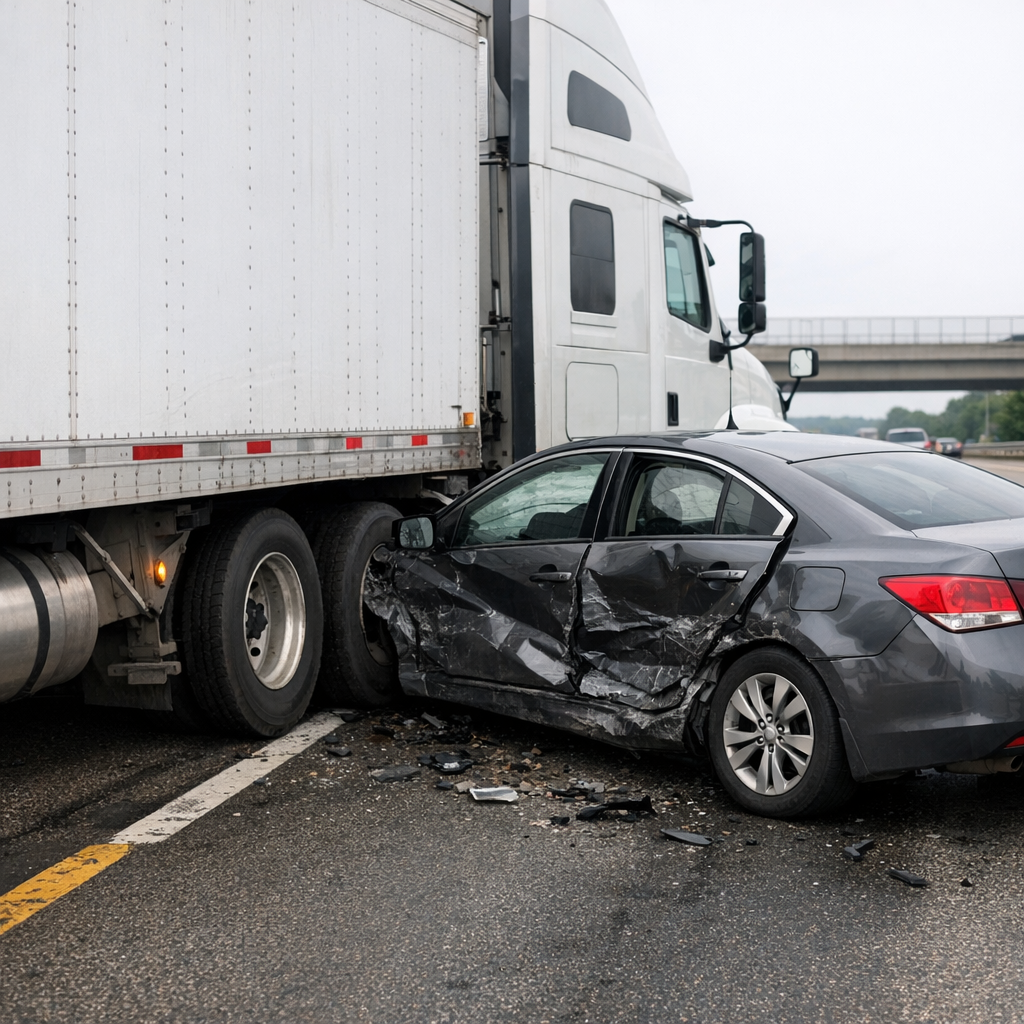
Semi Truck Hit My Car While Merging Lanes
Being involved in a semi merging lane crash can be a confusing and unsettling experience. When a large vehicle like a semi truck hits a smaller car during a lane merge, many questions arise about what happens in such situations. Understanding the typical sequence of events and what to expect afterward can help make the aftermath clearer.
What Happens in a Semi Merging Lane Crash
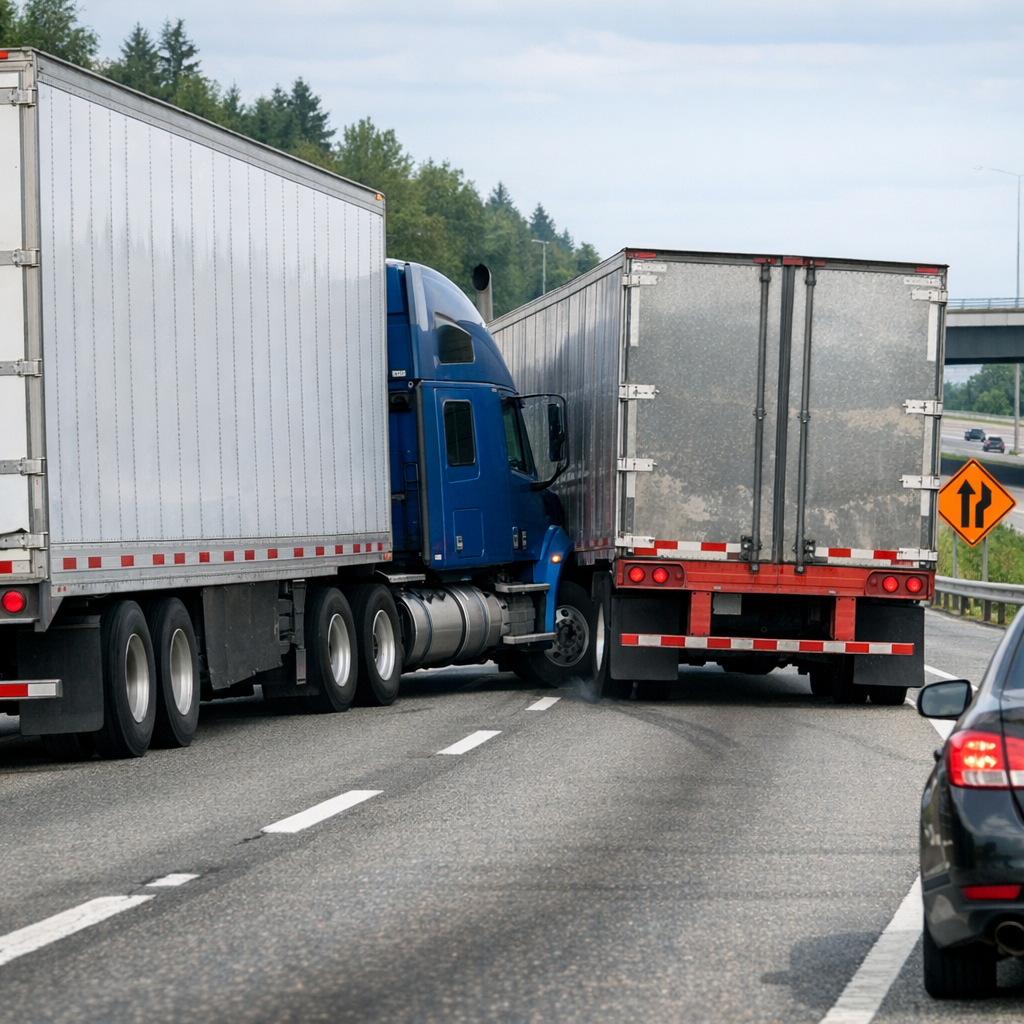
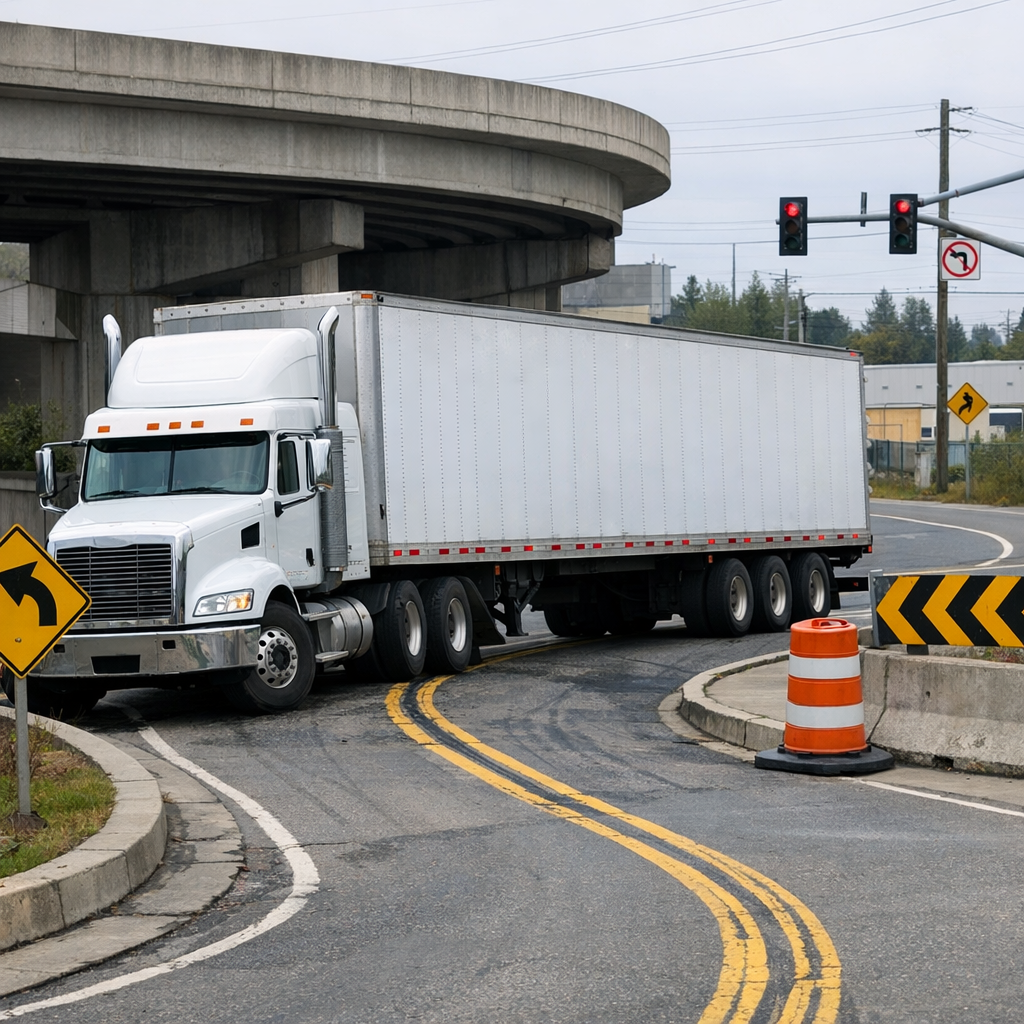
Semi trucks require more space to change lanes due to their size and weight. When merging onto or across lanes, the truck driver must carefully gauge the distance and speed of surrounding vehicles. If the driver misjudges this, the semi can collide with a car already occupying or moving into the lane.
How Lane Merging Incidents Occur
Lane merges often involve vehicles traveling at similar speeds but in different lanes. In a busy traffic environment, limited visibility and blind spots can contribute to accidents during these maneuvers. For semis, blind spots not visible in mirrors increase the risk of sideswipe collisions with smaller cars.
Common Challenges in Semi-Car Collisions
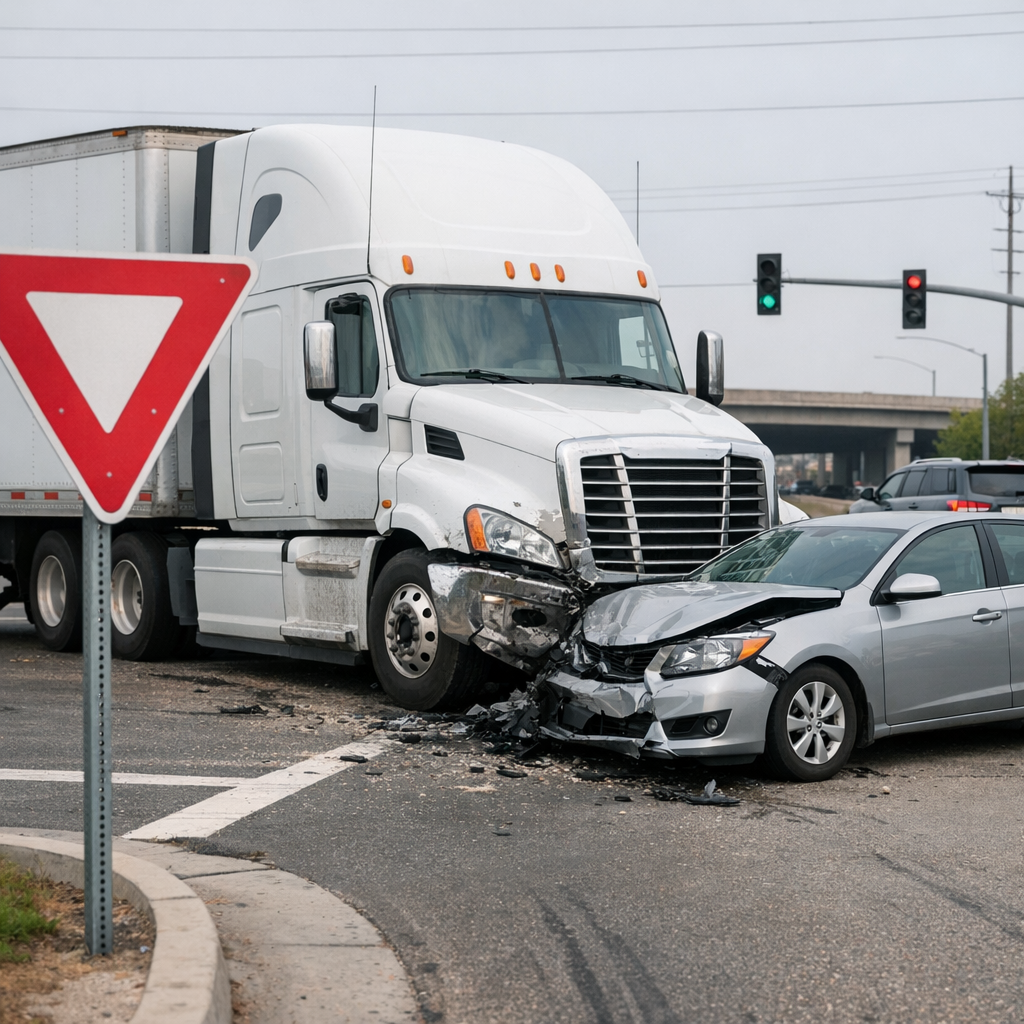
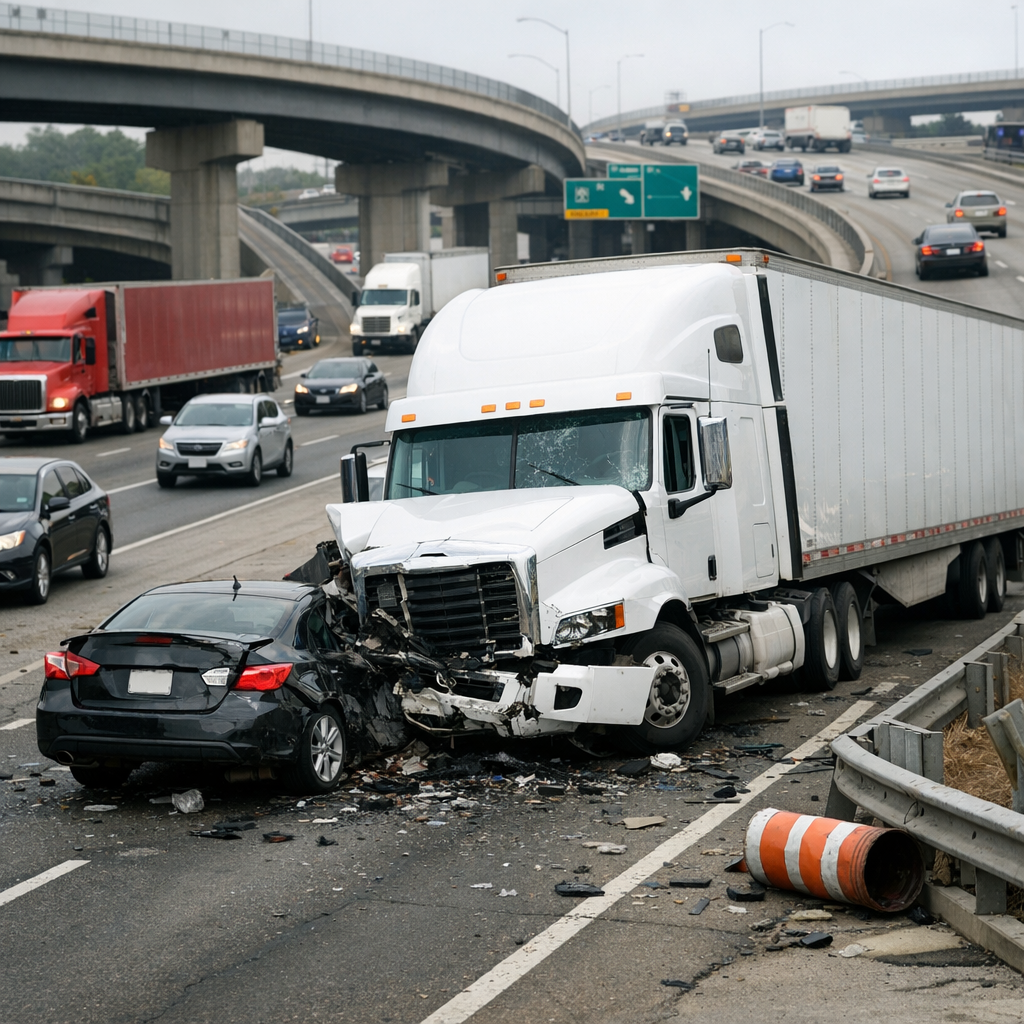
Due to their significant size disparity, collisions between semis and passenger vehicles can result in substantial vehicle damage on the car side. The impact zone is often along the side of the car, where the truck’s large body or trailer makes contact. The force involved in these crashes can vary depending on speeds and angles at the time of the collision.
Aftermath of the Crash: Vehicle and Traffic Impact
Vehicle Damage Patterns in These Crashes
Cars struck by merging semis usually show damage on the side panels, doors, or fenders, depending on the precise point of impact. Semi trucks might have minor visible damage because of their heavy build, but their trailers or side guards can cause deep dents or scrapes on cars.
Effects on Traffic Flow and Safety
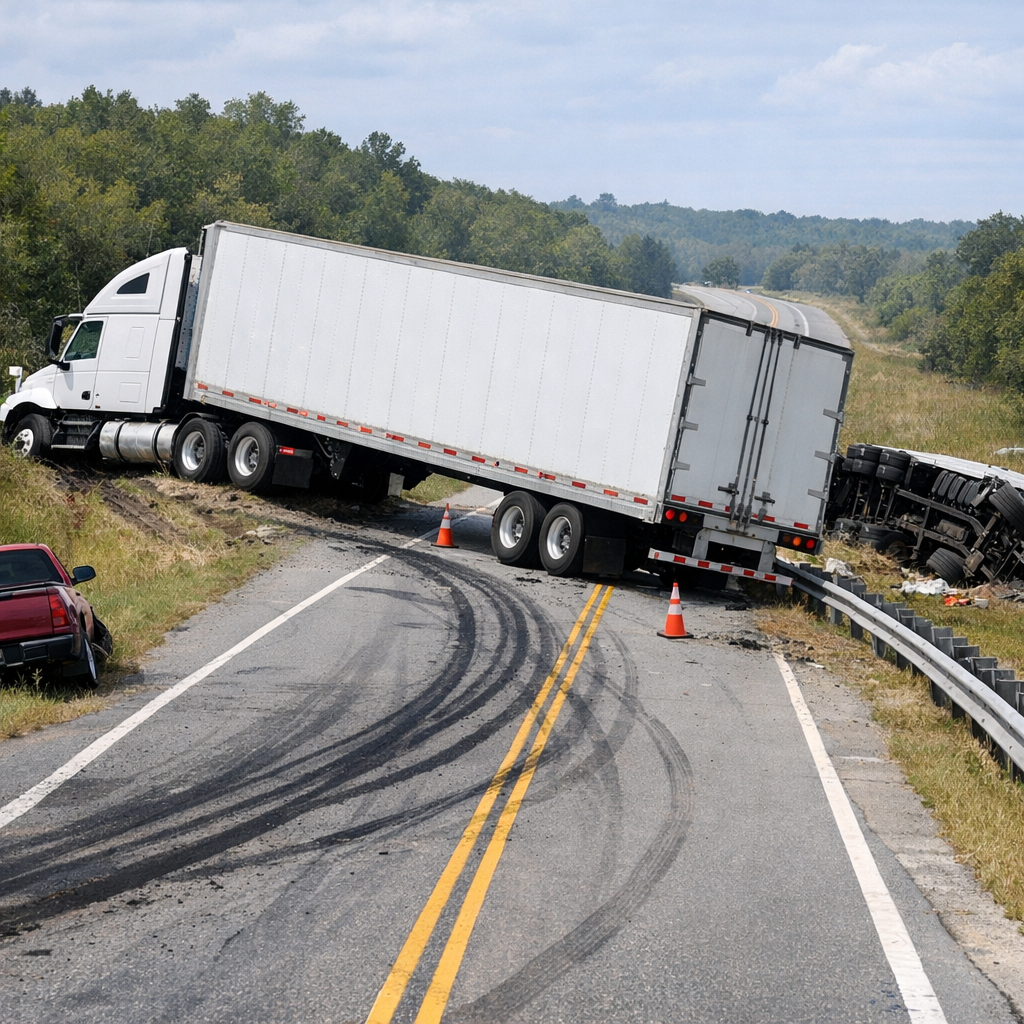
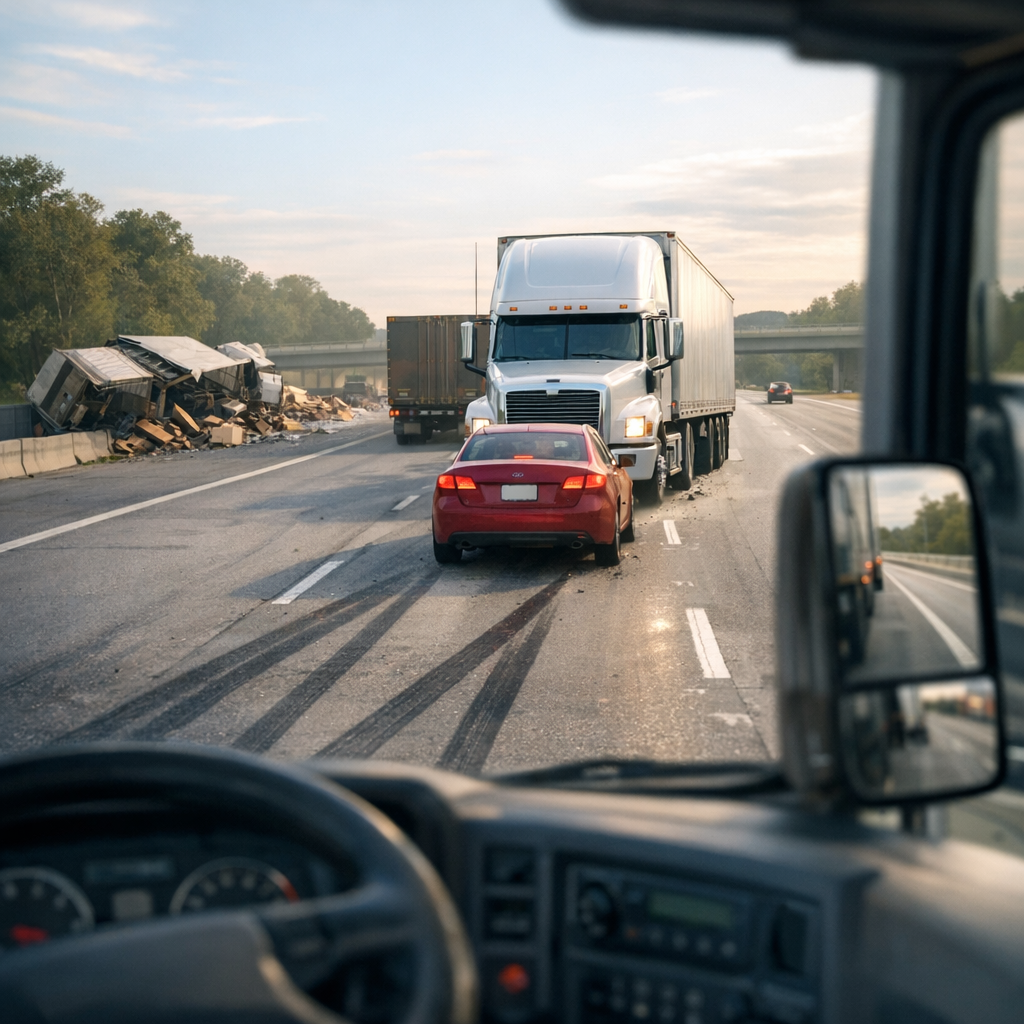
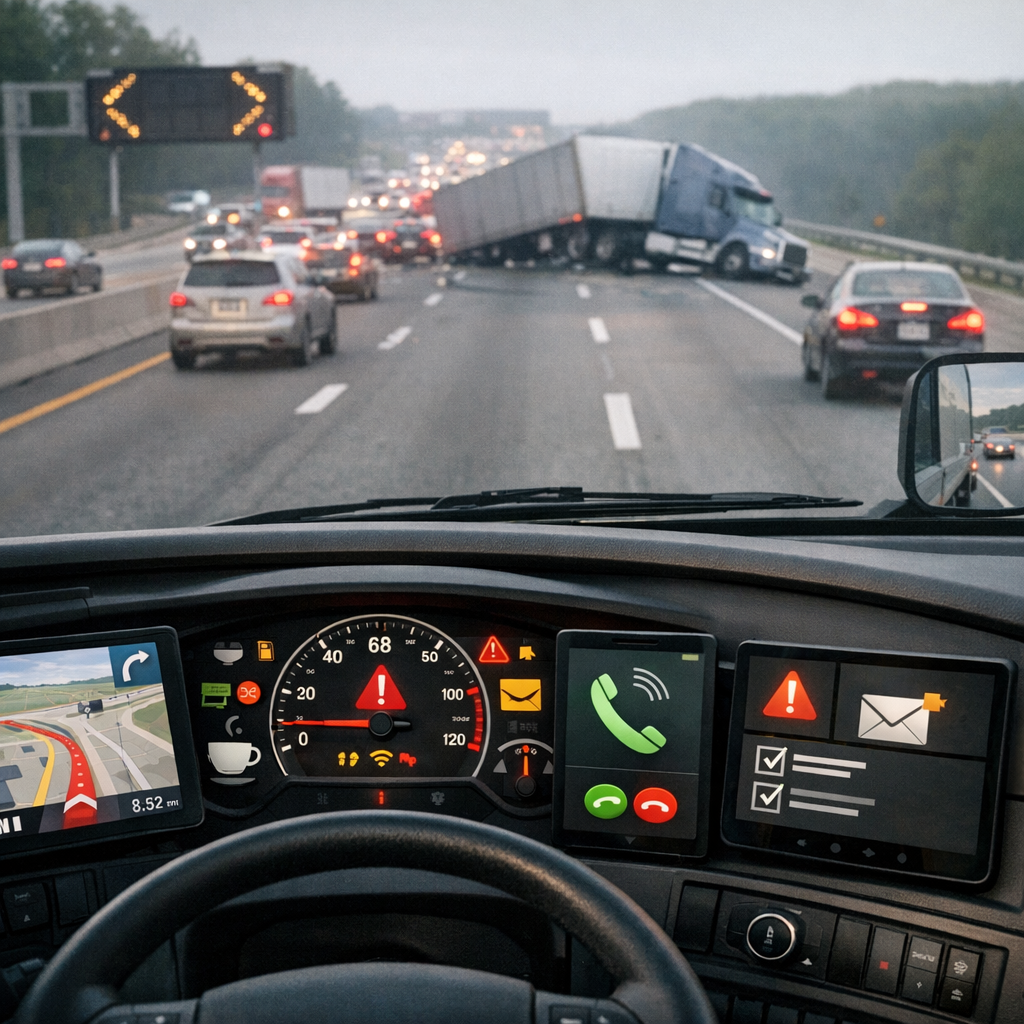
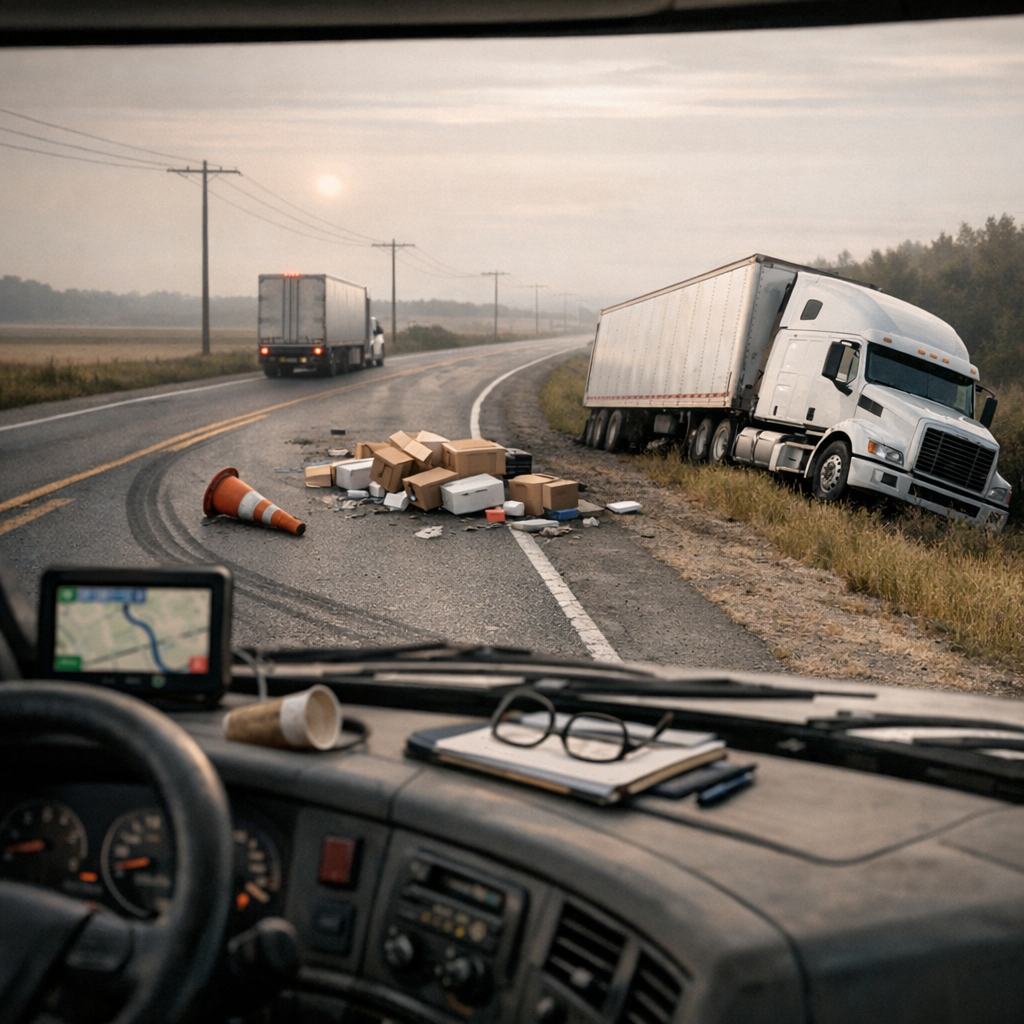
Accidents involving semis often create traffic slowdowns or stoppages, especially on highways or busy roads. Emergency response or towing services may be required, and traffic can back up as lanes close for clearance or investigation.
Questions Drivers Commonly Consider Next
Who Is Typically at Fault in a Semi Merging Lane Crash?
Fault in merging lane incidents usually depends on factors like right-of-way, proper signaling, and driver attentiveness. Both the semi truck driver and the car driver need to follow traffic rules when changing lanes to avoid collisions.
How Are Safety Precautions Addressed?
Safety on the road during lane merging includes checking blind spots, using turn signals well in advance, and adjusting speed to allow safe gaps. Semi drivers are trained to be extra cautious because of their vehicle’s size but shared responsibility exists among all drivers.
What Are Usual Steps Taken Immediately After the Collision?
Once the crash occurs, it’s common for drivers to stop, assess injuries if any, and move vehicles out of the travel lanes if possible. Exchanging information and documenting the incident with photos or notes is often part of routine post-crash procedure.
Understanding the Broader Context
Why Lane Merging Involves Higher Risks
Merging lanes means one vehicle must change position relative to others moving at similar speeds. This transition period creates a higher chance of collisions, especially when vehicle sizes differ greatly, such as between semis and cars.
Role of Road Conditions and Traffic Density
Weather, visibility, and traffic congestion further influence the risk of semi merging lane crashes. Poor road conditions or heavy traffic can challenge drivers’ ability to merge smoothly and safely.
Reflecting on What Follows a Semi Truck Collision
While the experience of a semi truck hitting a car during a lane merge can be complex, understanding the dynamics involved helps clarify what typically happens. Both the physical outcomes and the practical responses play a role in managing the situation afterward. Awareness of how these crashes happen and the considerations during the aftermath promotes safer driving habits and more informed reactions on the road.